REVIEW · KATHMANDU
Upper Mustang Trekking
Upper Mustang is Nepal at its most unusual: a former Buddhist kingdom where Lo Manthang’s walled streets, cliff caves, monasteries, and dry Himalayan valleys feel closer to Tibet than to the Kathmandu you may know. The 17-day route gives you time to reach the old capital without rushing, then return by a different line through Dhakmar, Ghiling, Samar, and Kagbeni.
I like the steady climb, which gives your body time to adjust, and I like that permits, meals, lodging, flights, and ground transport are bundled into the $2,300 price. The tradeoff is real: this is a moderately demanding trek with long walking days, high passes, simple accommodation, and weather-sensitive flights.
Key points to know before booking
- Lo Manthang is the heart of the route: You get a full rest day and a separate day hike to Nyiphu and Garphu monasteries, caves, and northern villages.
- The altitude builds gradually: The route rises from Jomsom at 2,743 meters to Lo Manthang at 3,800 meters, with passes above 4,000 meters noted in the experience details.
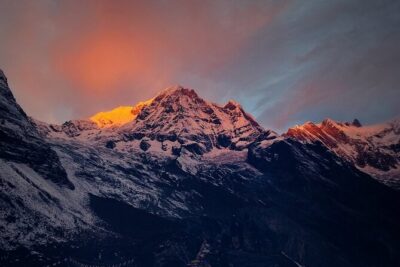
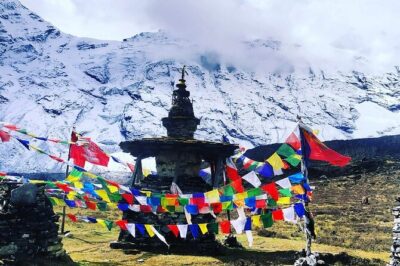
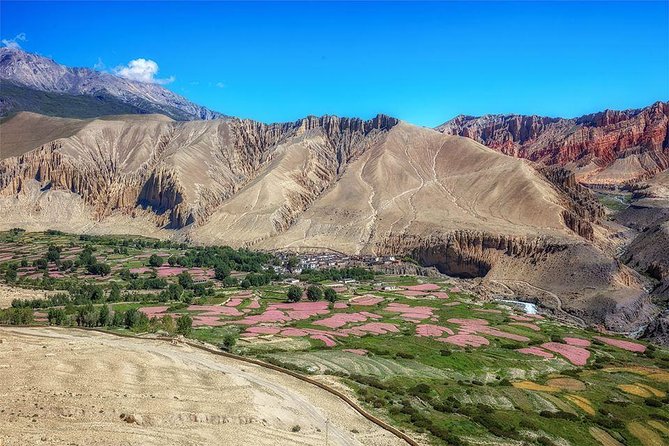
- The scenery is stark and memorable: Expect dry valleys, wind-shaped cliffs, high mountain views, and villages that retain close links with Tibetan culture.
- The package covers major trip costs: Flights, buses, private transfers, permits, guide service, three daily meals, accommodation, fees, and taxes are included.
- The daily walks are substantial: Most trekking days take five to seven hours, so good training matters even though no technical climbing is involved.
- The return route adds variety: You do not simply retrace every step, since the journey back includes Dhakmar, Ghiling, Samar, and a final walk to Jomsom.
Why Upper Mustang feels different from ordinary Nepal trekking
Upper Mustang was isolated from the outside world until 1992. That long separation helped preserve customs, village design, monasteries, and a Buddhist culture with strong Tibetan ties. The old kingdom was founded by Ame Pal in 1380, and Lo Manthang remains the symbolic center of that story.
I would choose this route for its sense of place rather than for a single famous viewpoint. The appeal is the slow change in scenery and culture as you move north from Kagbeni. Stone villages give way to bare valleys, high passes, painted monasteries, and old cave sites cut into cliffs.
The route is not described as technically difficult, but it is not a casual walking holiday. You will spend many days on your feet, often for six hours, and reach heights around 3,800 meters, with higher passes along the way. You need enough fitness for repeated uphill and downhill walking, plus patience for simple mountain accommodation.
More Trekking Tours in Kathmandu
- Everest Base Camp Trek – 14 Days
★ 5.0 · 1,499 reviews - Everest Base Camp Trek
★ 5.0 · 842 reviews - Everest Base Camp Trekking
★ 5.0 · 485 reviews
Kathmandu arrival and a useful first day
The trip begins with pickup at Tribhuvan International Airport in Kathmandu. The listed start time is 12:15 am, so I would confirm the exact pickup arrangement before flying, especially if your arrival time is late at night or just after midnight.
Your second day is set aside for Kathmandu sightseeing. The details of the sightseeing stops are not specified, so treat this as an orientation day rather than planning around a particular monument. It gives you time to settle in before the long road journey and mountain flights.
The first night in Kathmandu also matters for practical reasons. You will want to check your trekking equipment, organize personal spending money, and make sure you understand the pace of the walking days ahead. Drinks, personal expenses, tips, visa fees, and extra activities are not included in the tour price.
Six to seven hours by bus to Pokhara
On day three, you travel from Kathmandu to Pokhara by tourist bus. The ride takes about six to seven hours, making this a full travel day rather than a quick transfer.
This road connection keeps the trip grounded and avoids adding another flight. It also means you should expect a slower day before the mountain section begins. Pokhara is the staging point for the flight to Jomsom, so the overnight stop is functional as well as scenic.
The most important planning point is that the mountain flights depend on good weather. If poor weather cancels the experience, the stated policy offers a different date or a full refund. That protection is useful, but you should still allow flexibility in your broader Nepal plans if possible.
From Jomsom to Kagbeni, the trek begins
Day four starts with a flight from Pokhara to Jomsom, at about 2,743 meters. From there, you walk for roughly three hours to Kagbeni, at 2,810 meters.
Kagbeni is an excellent first walking stop because the elevation gain is modest and the route lets you begin adjusting to the pace. It is also the gateway toward Upper Mustang, making it more than an overnight halt. You are moving from the busier travel routes around Pokhara into a much more remote cultural zone.
The early start and the short first walk are helpful. Even so, altitude affects people differently, and you should avoid treating the first day as a test of speed. A steady pace will serve you better than trying to prove your fitness.
Another trail to compare in Kathmandu:
- Annapurna Circuit Trek with Tilicho Lake
★ 5.0 · 368 reviews - Everest Base Camp Trekking – 13 Day
★ 5.0 · 365 reviews - Everest Base Camp Trek
★ 5.0 · 350 reviews - Everest Base Camp Trek -14 Days
★ 5.0 · 321 reviews
Kagbeni to Chele, with the first serious walking day
The next stage runs from Kagbeni to Chele, at 3,050 meters, and takes five to six hours. You stay at Mustang Gate Hotel.
This is where the trip begins to feel like a proper high-altitude trek. The route rises steadily, and the day is long enough to expose any problems with boots, pack weight, or pacing. I would use this morning to settle into a rhythm: slow on climbs, regular water breaks, and no need to race ahead.
Chele marks a clear step upward in altitude. The accommodation is included, but the tour does not promise luxury, so you should be comfortable with basic mountain lodging. The value here is that you are not paying separately for each night, meal, permit, and transfer while moving through a remote region.
Chele to Syangmochen and the climb toward 3,800 meters
Day six takes you from Chele to Syangmochen, at about 3,800 meters, in five to six hours. The overnight stay is at Dhaulagiri Guest House.
This is one of the more important adjustment days because the route gains a lot of height compared with the opening stages. The physical effort remains nontechnical, but the altitude makes ordinary walking feel harder. Good training helps, yet fitness alone does not guarantee that you will feel comfortable at height.
You should judge the day by how you feel, not by how quickly you arrive. A professional trekking guide is included, which gives the group support as the elevation increases. The available details do not name the guide, so confirm that information with Himalayan Trekking Path if having a particular guide or language ability matters to you.
Syangmochen to Tsarang through changing scenery
The walk from Syangmochen to Tsarang takes six to seven hours. Tsarang sits at about 3,560 meters, and the overnight stay is at Lumbini Guest House.
This is one of the longest days on the way north. The slight drop in altitude from Syangmochen to Tsarang may help, but the duration still demands stamina. You should expect the day to be about the journey between villages, not simply arriving at the next hotel.
Tsarang is an important cultural stop before Lo Manthang. It gives you another chance to see how settlements function in this dry region, where villages are closely tied to old Buddhist traditions and the narrow valleys around them. The appeal is not polished sightseeing. It is the sense that these places developed on their own terms for centuries.
Reaching Lo Manthang after four to five hours
Day eight is shorter, with a four to five-hour walk from Tsarang to Lo Manthang, at about 3,800 meters. You stay at Mystique Hotel.
That shorter day is well placed. After several five to seven-hour walks, you have time to arrive without immediately exhausting yourself. Lo Manthang is the destination that gives the trek its identity, and the walled city deserves more than a quick photograph and a meal.
The old city connects directly to the history of the Mustang kingdom. Its position near the northern border and its long isolation help explain why the region retained customs that resemble those across the Tibetan cultural area. You are not simply visiting an old town. You are reaching the former center of a kingdom that was closed to outsiders until the late twentieth century.
Two days to explore Lo Manthang properly
Day nine is a rest day in Lo Manthang, with time to explore heritage sites. This is one of the strongest features of the schedule. A rest day at 3,800 meters is physically sensible, and it keeps you from reducing the old city to a rushed stop.
Day ten adds a hike north of Lo Manthang to Nyiphu and Garphu monasteries, caves, and villages. The route description does not give a walking time for this day, so you should ask the operator for the expected distance and elevation changes before booking.
The combination of a rest day and a separate excursion gives you two different ways to experience the area. One day is for the city and its heritage sites. The next takes you into smaller communities and cliffside religious sites. If you are most interested in Mustang’s Buddhist culture, these are likely to be the most rewarding days of the trip.
At the same time, do not assume rest means complete inactivity. Lo Manthang remains at high altitude, and the northern hike still adds physical work. Use the rest day to recover, not to fill every hour with strenuous walking.
Lo Manthang to Dhakmar via Ghar Gumba
On day eleven, you leave Lo Manthang for Dhakmar, at approximately 3,820 meters. The six-hour route passes through Ghar Gumba, also called Loghekar Monastery.
This day combines a long walk with a major religious site. Ghar Gumba gives the route another cultural anchor after the time spent in Lo Manthang. The inclusion of the monastery matters because Upper Mustang is not only about dramatic cliffs and dry valleys. Its identity is tied to living religious traditions and old places of worship.
Dhakmar is nearly as high as Lo Manthang, so you should not expect an easy downhill day. The reward is a different village setting and another night in the remote north. Your guide can add meaning to the sites, but the package description does not provide a guide name or specific interpretation service.
Dhakmar to Ghiling and the return south
Day twelve runs from Dhakmar to Ghiling, at about 3,570 meters, in six hours. You stay at New Kunga Hotel.
The return route helps prevent the trip from feeling like an out-and-back walk. You are seeing familiar parts of the region from a new direction, while the lower altitude at Ghiling may offer some physical relief.
Day thirteen continues from Ghiling to Samar, at 3,550 meters, and takes six hours. The overnight stay is at Hotel Himali. These middle return days are less about reaching one famous goal and more about maintaining a steady rhythm through the villages and valleys.
This is also where the trip’s simple structure becomes clear. You walk, eat breakfast, lunch, and dinner, sleep in the next village, and repeat the process. That sounds plain, but it is exactly what lets you spend nearly two weeks moving through a remote highland region without arranging each detail yourself.
Samar to Kagbeni and the final walk to Jomsom
Day fourteen takes six to seven hours from Samar back to Kagbeni. You stay at Nilgiri Hotel.
After the long return walk, day fifteen is easier on paper: about three hours from Kagbeni to Jomsom, at 2,750 meters. The overnight stay is at Trekkers Inn. This shorter stage gives you a useful buffer before the return flights.
Jomsom is more than a departure point. It marks the end of the trekking section and the return to the airport network connecting the Mustang region with Pokhara. After days on foot, the short final walk should feel manageable, though weather can still affect the next day’s plans.
Flights back to Pokhara and Kathmandu
Day sixteen includes the flight from Jomsom to Pokhara, followed by the flight to Kathmandu. You stay at Hotel Dream City in Kathmandu.
The double-flight connection makes this a travel-heavy day, but it is far quicker than returning by road. The use of flights also explains why weather matters so much to the schedule. You should avoid booking a tight international connection immediately after this day unless the operator confirms the timing and conditions.
Day seventeen is departure day. Airport transfer arrangements are part of the advertised transport plan, but confirm the exact pickup time with the company because the published meeting time is unusually early at 12:15 am.
What the $2,300 price really covers
At $2,300, the price is easiest to judge as a package rather than as a daily room rate. It includes private and tourist-bus ground transport, flights listed in the route, required permits, a professional trekking guide, accommodation, breakfast, lunch, dinner, fees, and taxes.
That removes several costs that can quietly add up on a remote trek. Upper Mustang requires permits, and the route includes multiple flights, long-distance road transport, and 16 nights of accommodation. Having meals and lodging handled also makes budgeting easier.
The price does not cover Nepal visa fees, drinks, personal purchases, guide tips, or extra activities. I would set aside money for those items before you leave. Group discounts are offered, and the tour is private, meaning only your own group participates. That can be valuable if you want a quieter pace or do not want to be combined with strangers.
The accommodation names are supplied for each stop, but no room standards are described. Book this expecting practical mountain lodging rather than a hotel holiday. If you need specific room arrangements, ask before paying.
Who should book this trek
I would recommend Upper Mustang to you if you want an unusual cultural route, enjoy long days outdoors, and have enough fitness for repeated six-hour walks. It suits someone who values old monasteries, village life, caves, and a strong sense of regional identity more than nightlife or polished comfort.
You should think twice if you dislike basic accommodation, high altitude, unpredictable flight schedules, or long bus journeys. The experience has no reported technical climbing requirement, but that does not make it easy. Training for sustained walking and discussing altitude concerns with a medical professional are sensible steps.
The two available ratings are both at the top level, with only two written assessments available. That is encouraging, but it is a small sample, so I would use the route design and inclusions as the main basis for your decision. The strongest qualities are the cultural access, gradual altitude gain, memorable scenery, and the amount included in the price.
Should you book Upper Mustang Trekking?
Book it if you want a 17-day, all-in trekking package through one of Nepal’s least accessible cultural regions, and if six-hour walking days at high altitude sound rewarding rather than intimidating.
The best reason to choose it is the balance between structure and discovery. You have a guide, permits, food, lodging, and transport arranged, but the route still reaches remote villages, monasteries, caves, and the old city of Lo Manthang. Skip it if you need flexible flights, soft beds, short walks, or a quick holiday. For fit walkers who want Mustang’s history and scenery at close range, this is a serious and memorable choice.
FAQ
How long does the Upper Mustang trek take?
The experience lasts approximately 17 days, from arrival in Kathmandu through final departure.
Where does the trek start?
The experience starts with pickup at Tribhuvan International Airport in Kathmandu, Nepal.
What fitness level is required?
A moderate physical fitness level is required. Most trekking days take about five to seven hours, and the route reaches elevations around 3,800 meters, with passes above 4,000 meters noted in the trip details.
Are flights included?
Yes. Flights listed in the route are included, including Pokhara to Jomsom and the return flights from Jomsom to Pokhara and Kathmandu.
Are meals included?
Yes. Breakfast, lunch, and dinner are included throughout the experience.
Are permits included?
Yes. All required permits are included in the price.
Is this a private tour?
Yes. Only your own group participates in this private tour or activity.
What happens if bad weather cancels the experience?
If poor weather causes cancellation, you will be offered a different date or a full refund. You can also cancel up to 24 hours before the start time for a full refund. Cancellations or changes made within 24 hours are not refunded or accepted.
Latest treks added in Kathmandu
- Private Manaslu Circuit Trek at Himalayas★ 5.0 · 3 reviews
- Ghorepani Poonhill Trek★ 5.0 · 5 reviews
- Ghorepani Poon Hill Trek★ 5.0 · 16 reviews
- Upper Mustang Trekking★ 3.0 · 2 reviews
- Amazing 1 Day Trekking Experience in Kathmandu Nepal★ 5.0 · 24 reviews
- Upper Mustang Trek★ 5.0 · 5 reviews
- Upper Mustang Trekking★ 5.0 · 4 reviews
- Upper Mustang Trekking★ 5.0 · 4 reviews
Kathmandu Trekking Tours, compared.