
REVIEW · SAPA
2 Night Lao Chai-Ta Van Homestay- Trekking & Fansipan Visit
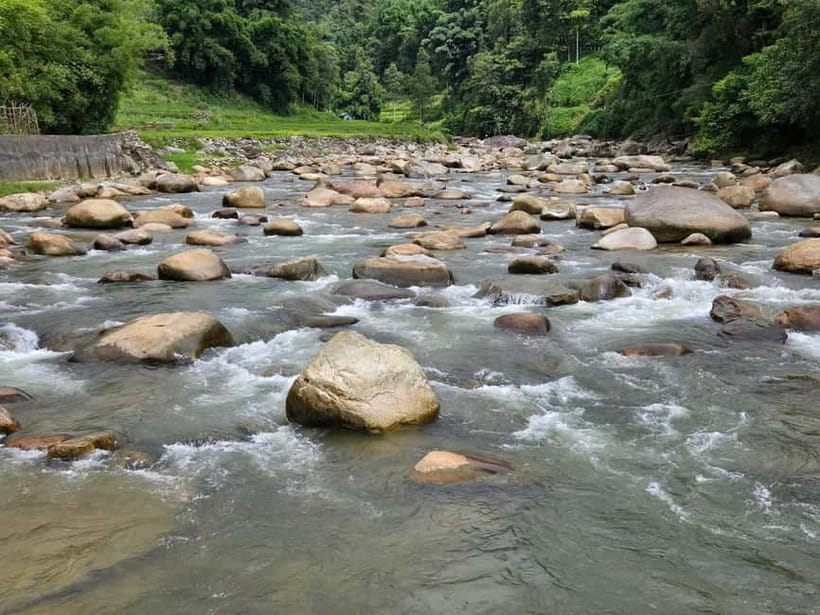
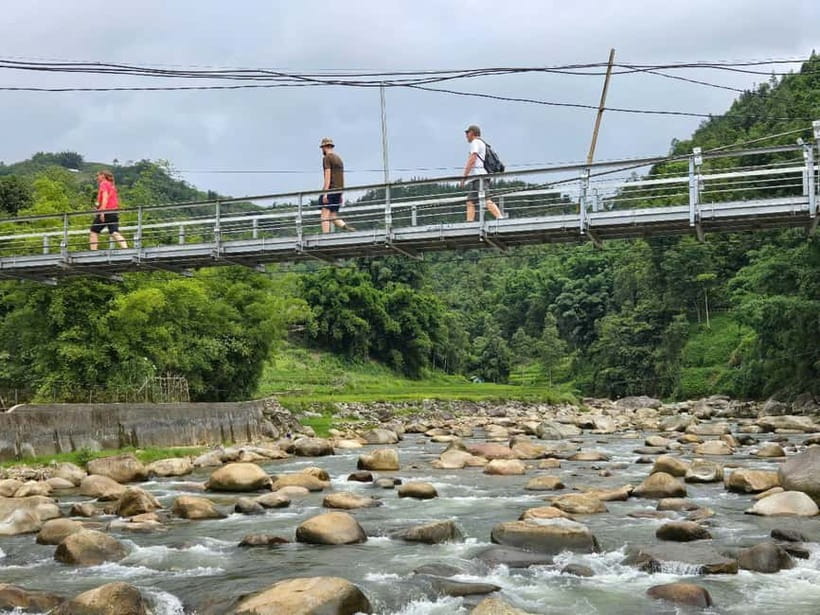
The best part of this Sapa trip is the change of pace: you leave the town behind and walk from Black H’Mong village to Day village, sleeping with local families instead of returning to a hotel each night. Rice terraces, streams, bamboo forest, and suspension bridges fill the route.
I like the two different homestays and the meals cooked by the hosts. I also like that Fansipan can be added on the final morning, so you can choose between another trek and Vietnam’s highest peak. The main concern is organization. Several bookings were shifted into cheaper or less demanding groups, and some people had to carry their own bags and buy their own water.
Key points to know before booking
- Two homestays, two cultures: Sleep in Lao Chai with a Black H’Mong family, then in Ta Van with a Day family.
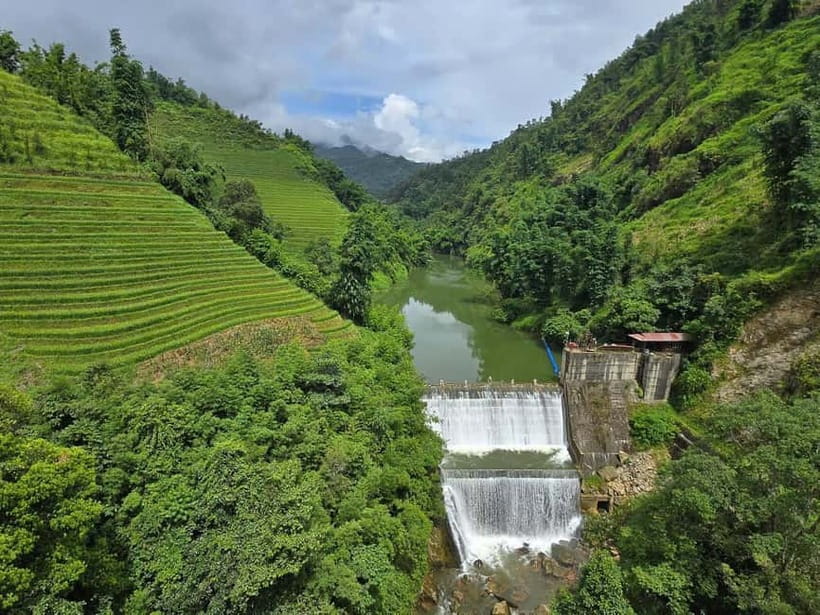
- Muong Hoa Valley on foot: Expect rice terraces, streams, a waterfall, suspension bridges, and village paths.
- A real fitness test: The first afternoon is described as a long trek, with climbs and uneven trails.
- Fansipan is optional: The cable car costs an additional 850,000 Vietnamese dong per person.
- Guide quality matters: Guide Soa is singled out for friendly explanations of local life and patient answers.
- Allow for rough edges: Group changes, unclear meeting instructions, extra water costs, and luggage carrying have caused problems.
Why the two-night route feels different from a standard Sapa tour
Many Sapa excursions take you to a village, offer a short walk, and return you to town the same day. This one gives you time to settle into the valley. You eat dinner with a family, wake up away from Sapa’s traffic, and continue on foot rather than repeating the same road trip.
The route links Lao Chai San, Ta Van, and Giang Ta Chai, with Muong Hoa Valley as the main thread. That matters because the scenery changes gradually. The first day follows the Muong Hoa Stream and rice terraces. The second day takes you through more village scenery and mountain paths. The final morning brings bamboo forest, a suspension bridge, and a view toward Giang Ta Chai.
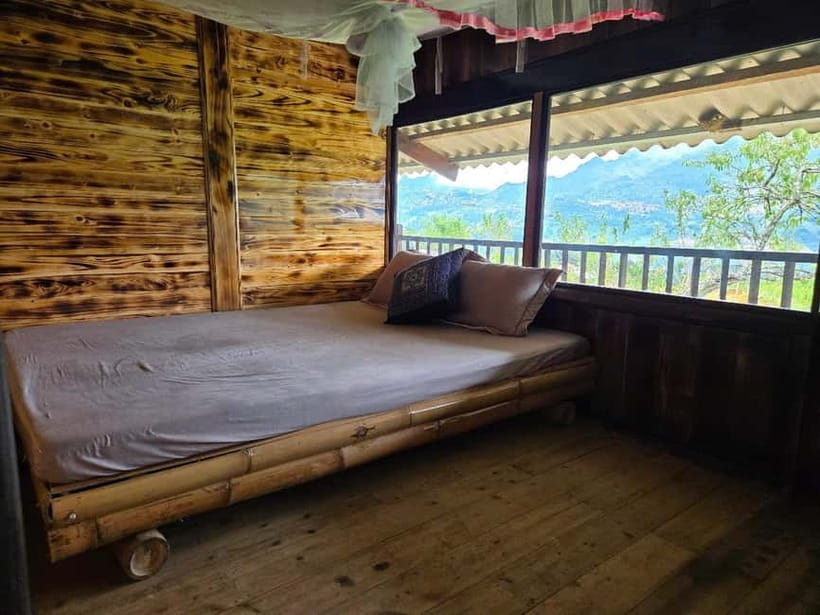
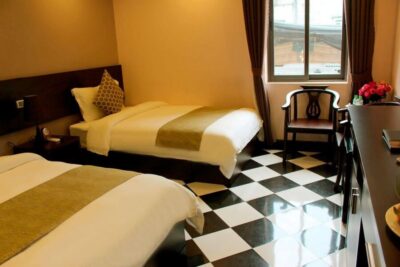
You should not think of the homestays as private guesthouses. Your accommodation is a single mattress in a shared homestay setting. A private room is not included, so pack with modest expectations about privacy and comfort.
The reward is the setting. You are not only looking at ethnic villages from a bus window. You are staying overnight, eating local food, and having the chance to speak with your hosts through your guide.
More Homestay Treks in Sapa
- Number one top rated ethical cultural trekking and homestay by ETHOS
★ 5.0 · 456 reviews - Sa Pa: 2-Day Trekking Trip with Ethnic Minority Homestay
★ 4.7 · 145 reviews - Sapa : 2-Day Trek & Heartwarming Homestay with an Ethnic Family
★ 5.0 · 143 reviews
Day 1: Hanoi to Sapa, then the long walk to Lao Chai San
The trip begins early, at 6:15 a.m., from 204 Tran Quang Khai Street in Hanoi. A limousine bus takes about five and a half hours to reach Sapa, with three short stops along the way. The bus route gives you views of the Red River Delta before the road climbs toward northern Vietnam.
The long ride is part of the bargain. You get round-trip transport for $110 per person, but the first and final days are full travel days. A complimentary bottle of water is provided on the bus, though that should not be confused with drinking water supplied during the trek.
After arriving in Sapa at about 1 p.m., you meet a company representative, have lunch, and prepare for the afternoon walk. Around 2:30 p.m., transport takes you to Y Linh Ho, where the trek begins.
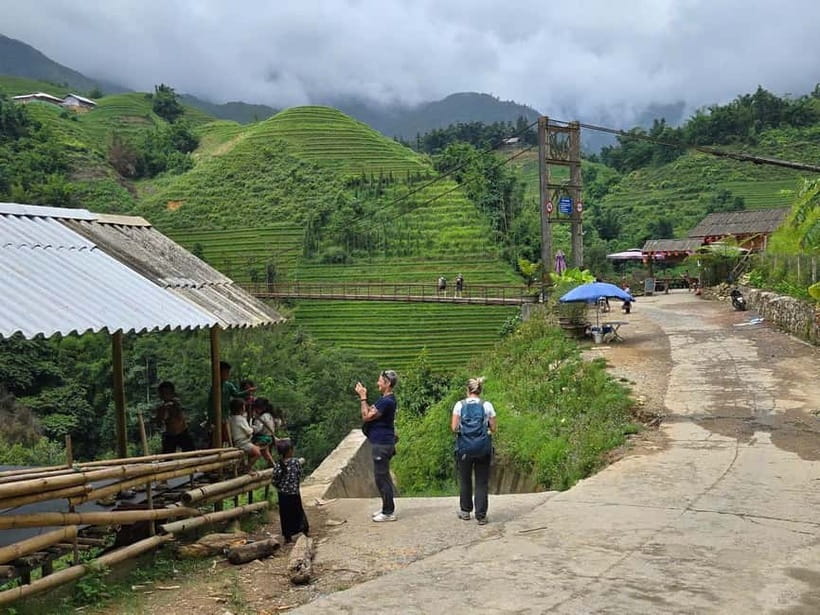
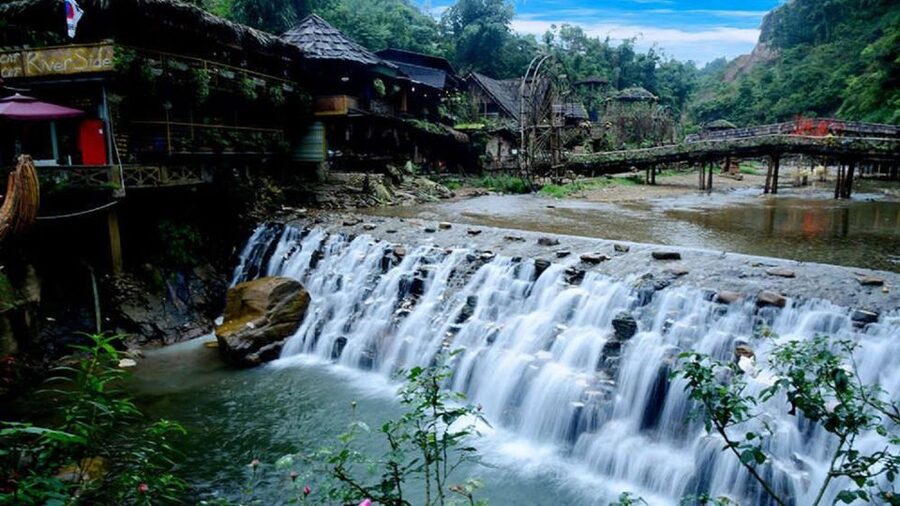
From there, the route heads toward Lao Chai San, a Black H’Mong village. You walk beside the Muong Hoa Stream and pass through rice terraces. The route includes a suspension bridge and a waterfall before climbing toward the homestay.
This is not a flat village stroll. The description calls it a long trek, and the climb toward the homestay adds effort at the end of the day. You need proper trekking shoes, not smooth-soled trainers. Bring sun protection and insect repellent, since much of the route is outdoors and exposed.
At the homestay, you can wash, rest, and join the host while dinner is prepared. The meal is included, and you may help with cooking if you wish. That small option is worth taking. It gives you something to do with your hands and makes the evening feel less like a staged meal.
The night is quiet, but basic. You sleep on a single mattress in the family homestay. This suits you if you value contact with local households more than hotel-style facilities.
Day 2: Rice terraces and the walk from Lao Chai to Ta Van
Breakfast is planned for early morning and includes pancakes, honey, and fruit. The route then continues through Muong Hoa Valley, with streams, terraces, village paths, and opportunities to meet local people.
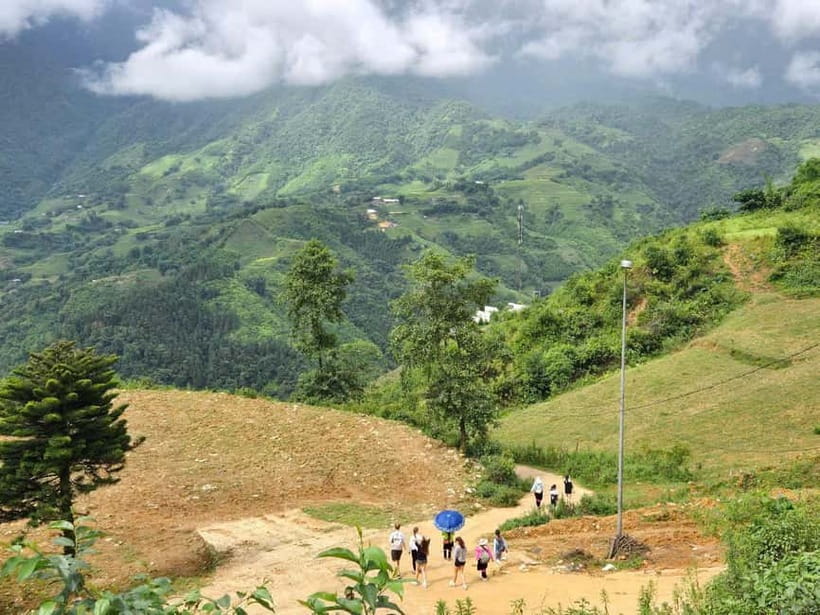
This is the day that should appeal most to walkers. You have time to move at a steady pace, stop for photos, and watch how the villages and fields fit into the valley. A guide is especially useful here because the experience is not only about scenery. The guide can explain H’Mong and Day culture, local life, and the places you pass.
A picnic lunch is prepared by the guide. You reach Ta Van at about 3 p.m., leaving time to rest at the homestay. The information also mentions swimming in a nearby stream and relaxing with a beer while looking across the mountains. Drinks are not included, so carry spending money.
Dinner is prepared by the Ta Van host. This second homestay is important because it gives the trip a cultural contrast. Lao Chai is associated with Black H’Mong residents, while Ta Van is known here as a Day village. You are not simply sleeping in two locations. You are moving between communities with different traditions and ways of life.
There is one major point to clarify before departure. Some bookings have been placed into a different group without warning. In those cases, the planned second day was shortened to about two and a half hours, despite the booking suggesting a more demanding walk. If you specifically want the longest or most athletic version, confirm the group and route with the agency before leaving Hanoi.
You should also ask who carries your luggage. Some people had to carry large bags themselves, even though they expected different arrangements. For a trekking trip, this is not a minor detail. A heavy pack changes the whole day.
Day 3: Giang Ta Chai, or the optional climb to Fansipan
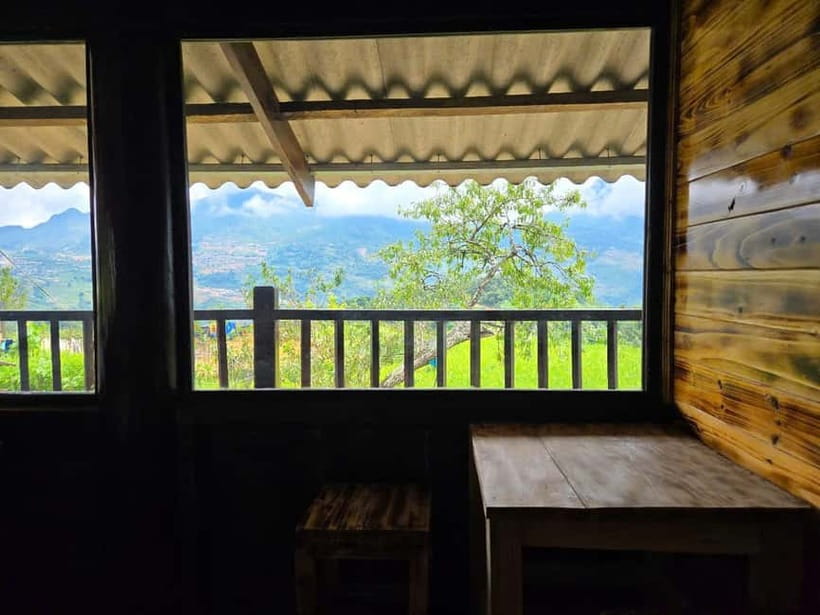
The standard final morning starts with breakfast at about 7:30 a.m. You then walk through rice paddies and bamboo forest toward Giang Ta Chai. A panoramic view of the village comes before the Giang Ta Chai Suspension Bridge, where a vehicle takes you back to Sapa.
You return to town for lunch and a shower before boarding the limousine bus to Hanoi. The return journey includes three short refreshment stops, and dinner is not included. Arrival at 204 Tran Quang Khai is expected around 9 p.m., after which you make your own way to your hotel.
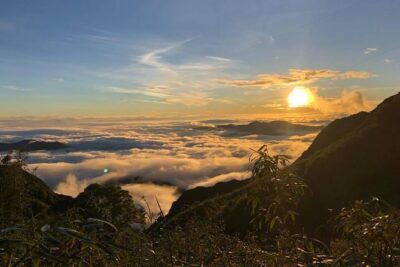
The alternate plan replaces the morning trek with Fansipan by cable car. After breakfast in Ta Van, a car and guide take you to the cable car station. The cable car brings you to Fansipan Peak, at 3,143 meters, before a vehicle takes you back to Sapa for lunch and the return bus.
Fansipan is a very different experience from the valley walk. The homestay trek gives you close contact with village life and the countryside. Fansipan gives you height, mountain views, and a famous summit without requiring a full mountain climb. If you want both, the optional visit is a useful way to add a major northern Vietnam sight to the trip.
The cable car is not included in the $110 price. It costs 850,000 Vietnamese dong per person. Since the final day is already tightly timed, ask how much time you will have at the summit and make sure the transfer plan is clear.
More Homestay Treks in Vietnam
- Sapa Valley Trek and Homestay – 3D2N
★ 5.0 · 105 reviews - From Sapa: 2 Days 1 Night Trek Over Night At Homestay
★ 5.0 · 68 reviews - 2 days authentic trekking tour in Sapa ( Homestay – Less touristy )
★ 5.0 · 68 reviews - 3-Day Trek in Amazing Muong Hoa Valley & ethnic Homestay
★ 5.0 · 49 reviews
What the $110 price really covers
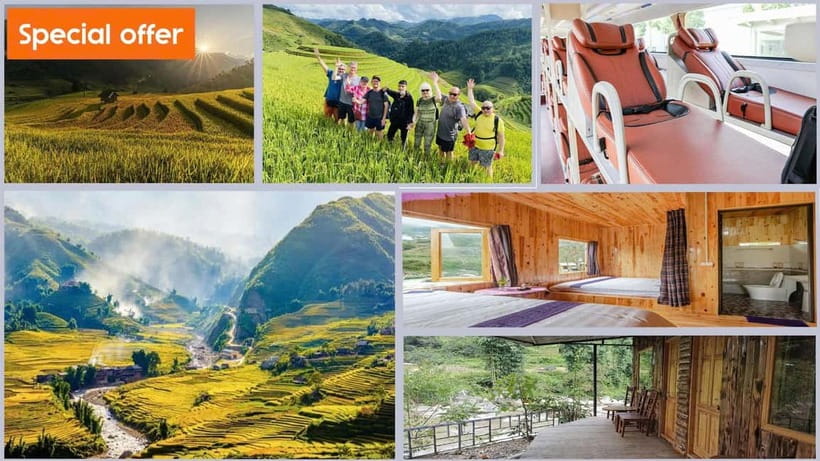
At $110 per person, the package offers a lot for three days: round-trip limousine transport between Hanoi and Sapa, local transfers, two nights at homestays, seven included meals, an English-speaking guide, and entrance tickets.
The meal count is three lunches, two dinners, and two breakfasts. That covers the main meals during the organized portion, but not drinks. You should budget for water, coffee, beer, and dinner during the return bus journey.
The price is strongest if you want a ready-made trip. You do not need to arrange separate transport to Sapa, find two village homestays, or build your own walking route. The local guide also adds practical value, especially when explaining H’Mong and Day customs.
The value is less clear if you expect a private, tightly managed trekking experience. Private rooms cost extra, and the Fansipan cable car costs extra. The holiday surcharge is also significant: 700,000 Vietnamese dong per person on April 30, May 1, September 1, 2, and 3, December 24, December 31, and January 1. That surcharge is paid directly to the guide.
Most importantly, confirm what version of the trek you are buying. A lower price group may follow a shorter route. The complaints about being moved between groups suggest that the advertised level of walking and the actual route have not always matched.
The guide and the human side of the trek
The guide can make or break a village trek. Here, Soa receives special praise for being friendly, helpful, and able to explain local life. That is exactly what you need in Sapa. A good guide turns a rice terrace into a working part of village life rather than just a photo stop.
You should ask questions as you walk. Find out how the terraces are used, how the communities differ, and what you are seeing in the homes and fields. The guide is also the person to ask about water, luggage, meal timing, group changes, and the day’s walking distance.
The experience works best when you approach the homestays with respect. You are staying in a family home, not a resort. Follow the host’s lead, keep noise down in the evening, and bring patience if the schedule moves more slowly than it would in a city hotel.
Fitness, clothing, and what to pack
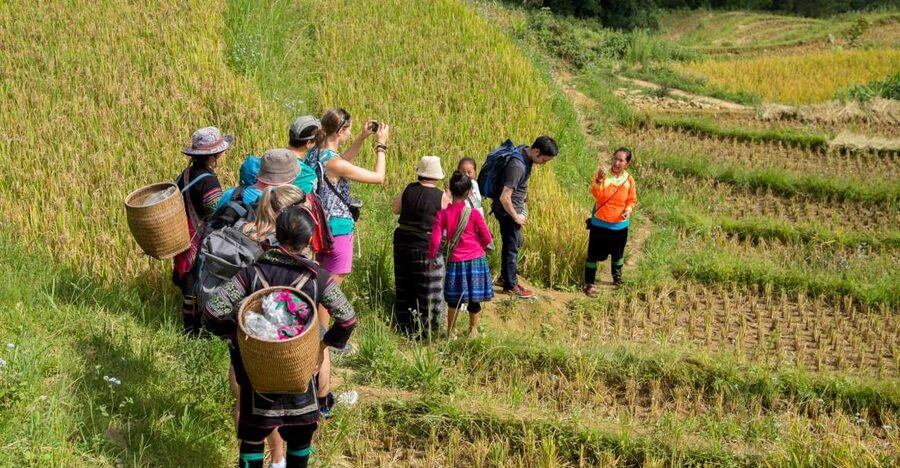
This tour is not suitable for someone with a low fitness level or anyone looking for a gentle sightseeing program. The route includes long walks, uneven village paths, streamside sections, climbs, and suspension bridges.
Pack light, but bring the right basics:
- Trekking shoes with good grip
- Warm clothing, especially for Sapa and Fansipan
- A scarf, hat, and sun protection
- Sunglasses and sunscreen
- Insect repellent
- Any medication you need
- Your passport or another accepted form of identification
- Spending money for drinks and personal expenses
A rain jacket is not specifically listed, so I would confirm weather conditions before departure and ask the operator what is recommended. Keep your pack small. If you may need to carry it yourself, every extra item will matter on the climbs.
The trip is not suitable for wheelchair users because the route involves village trails, bridges, streams, and uneven ground.
Transport details that deserve attention
The Hanoi to Sapa limousine bus is a practical way to link the two places, and the three short stops help break up the five-and-a-half-hour ride. Still, the road time makes this a compact schedule. You are not getting a leisurely first and last day in Sapa.
One complaint concerned a small sleeper bus and cramped sleeping space, especially for a person around 1.85 meters tall. The main description calls this a limousine bus, so transport can vary by departure or arrangement. If you are tall, ask what vehicle is being used on your dates.
Meeting instructions also deserve care. The starting point may vary by the option you book, and the trip ends back at the meeting point. Keep the company contact details handy, arrive early, and confirm the exact bus location before setting out. Small mistakes at the Hanoi meeting point can cause a large problem when several buses leave close together.
Who should book this Sapa experience?
I would choose this trip if you want a structured introduction to Muong Hoa Valley and prefer local homestays to a Sapa hotel. It suits active visitors who want scenery, village contact, and included meals without planning every transfer themselves.
It is also a good fit if you want flexibility on the final day. You can take the standard trek to Giang Ta Chai or pay extra for Fansipan by cable car. That choice lets you match the day to your energy and priorities.
I would hesitate if you need exact route control, private accommodation, guaranteed luggage handling, or a firmly enforced walking schedule. In that case, ask detailed questions before paying: Which group will I join? How many hours will I walk on day two? Do I carry my bag? Is water supplied? Is the Fansipan transfer included in my option?
Should you book it?
Book this experience if the two homestays and long valley walks are the main attraction for you. The best features are the overnight setting, the meals with local families, the H’Mong and Day cultural contrast, and the chance to see Muong Hoa Valley at walking pace.
Book with caution if you are choosing it mainly for an intense trek. The route may be shortened or combined with another group, so confirm the walking plan in writing. Also budget separately for drinks, the Fansipan cable car, holiday surcharges, and any personal expenses.
With those points clear, $110 is a fair price for a packed three-day Sapa outing. Just treat it as a practical village adventure, not a polished private expedition.
FAQ
How long is the tour?
The experience lasts three days and two nights. It begins in Hanoi, includes two nights in Sapa-area homestays, and ends back at the Hanoi meeting point at about 9 p.m. on the final day.
Where does the trip begin in Hanoi?
The stated meeting point is 204 Tran Quang Khai Street, with departure at about 6:15 a.m. The exact meeting point may vary depending on the option booked, so confirm it before departure.
Where do you stay?
You spend one night in a Black H’Mong homestay in Lao Chai San and one night in a Ta Van homestay. Accommodation is on a single mattress, and a private room is not included.
What meals are included?
The package includes three lunches, two dinners, and two breakfasts. Drinks are not included, and dinner on the return journey to Hanoi is also at your own expense.
Is Fansipan included?
Fansipan is optional and is not included in the listed price. The round-trip cable car costs 850,000 Vietnamese dong per person.
How difficult is the trekking?
The tour is not suitable for people with a low fitness level. It includes long walks, rice terrace paths, climbs, streams, bamboo forest, and suspension bridges.
What should I bring?
Bring your passport or ID, comfortable trekking shoes, sunglasses, a sun hat, warm clothing, a scarf, sunscreen, insect repellent, medication, and spending money.
Can I cancel the booking?
You can cancel up to 24 hours in advance for a full refund.
More Homestay Treks in Sa Pa
- Muong Hoa Valley Trek & Homestay Experience – 4D3N
★ 5.0 · 42 reviews - Private Hoang Lien National Park & Tribal Village Trek
★ 4.7 · 30 reviews - Sapa: 2-Day Local Guided Valley Trek with Night Homestay
★ 5.0 · 27 reviews - Sapa: Ta Phin Village Trek & Red Dao Herbal Bath
★ 5.0 · 22 reviews
More Fansipan treks in Sa Pa
- 1 day Fansipan Trekking
★ 5.0 · 180 reviews - 2 Days Fansipan Trekking
★ 5.0 · 84 reviews - 2-Day Fansipan Mountain Trek – Indochina’s Highest Peak
★ 4.3 · 42 reviews - From Sa Pa: Full Day Trek of Fansipan Mountain
★ 4.3 · 10 reviews
Latest treks added in Sa Pa
- Soob Sapa Trekking Tour★ 4.3 · 3 reviews
- Sapa: Y Linh Ho – Lao Chai, and Ta Van Trekking Day Tour★ 5.0 · 25 reviews
- Sapa Trekking Private Tour With Ethnic Female Tour Guide★ 4.9 · 24 reviews
- Sapa Trekking – Waterfalls And H’mong Villages★ 5.0 · 2 reviews
- Sapa: Ta Phin Village Trek with Lunch and Bathing Experience★ 4.7 · 13 reviews
- Sapa Trekking Guide Francophone 2 days – 1 night★ 5.0 · 2 reviews
- Sapa: Trekking Through Terraced Rice Fields & Valley 1 Day★ 4.8 · 4 reviews
- Sapa small groupe activities: 1 Day trek – Meet the locals★ 4.7 · 3 reviews
Fansipan Treks, compared.

3 Days Luxury Sapa Trek & Fansipan Peak with Dcar
Read our review →
2-Day Fansipan Mountain Trek – Indochina’s Highest Peak
Read our review →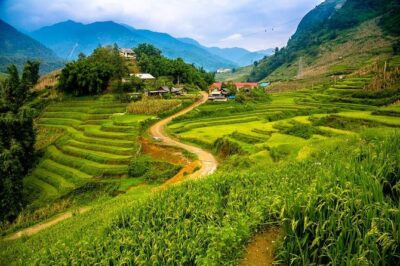
Sapa 2 days 1 night trekking Lao Chai Ta Van – Fansipan mountain by cable car
Read our review →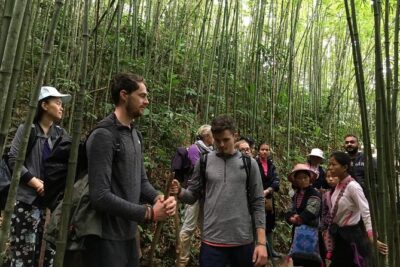
2-Days Sapa Tour with Fansipan Cable Car Trekking Three Village
Read our review →Browse the lists this tour appears in