REVIEW · KATHMANDU
Pikey Peak Trek
Pikey Peak gives you a rare Himalayan prize: wide views of Mount Everest and six other high peaks without the crowds or flight to Lukla. The seven-day route combines mountain roads, quiet footpaths, rhododendron forest, Sherpa villages, and a sunrise climb to the 4,066-meter summit.
I like the calm pace and the chance to visit Tupten Choling Monastery, one of the region’s largest nunneries. I also like the personal guiding style offered by the Breeze Adventure team, with guides including Sabin, Kishwor, and Raj praised for clear English, good care, and steady energy.
The main drawback is the long road travel. Day 7 takes about 10 hours back to Kathmandu, and the route has uphill sections and basic tea-house accommodation, even though it is considered suitable for many beginners and older walkers.
Key things to know before you book
- The 4,066-meter summit is reached for sunrise, usually after an early morning hike of about one hour.
- You can see Everest without flying to Lukla, which saves money, avoids a small-plane journey, and keeps you away from the busiest Everest route.
- The route is unusually quiet, with long stretches where you may see very few other people.
- The historic Hillary Trail and Tupten Choling Monastery add local and cultural interest beyond mountain views.
- Meals are included throughout the seven days, with breakfast, lunch, and dinner listed in the package.
- The group can include up to 20 people, so ask about the expected group size if you prefer a smaller walking party.
Why Pikey Peak feels different from the Everest trail
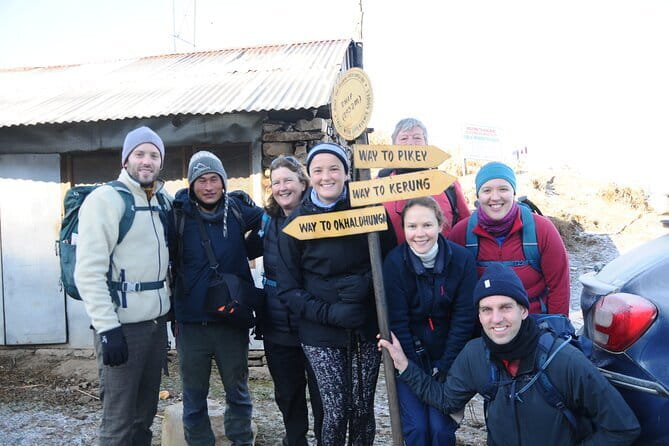
Pikey Peak is a good choice if your picture of Nepal includes snowy summits, stone villages, and quiet mornings rather than a busy trail lined with trekkers. The route reaches a high viewpoint, but it does not require the usual flight to Lukla or the longer commitment of the Everest Base Camp walk.
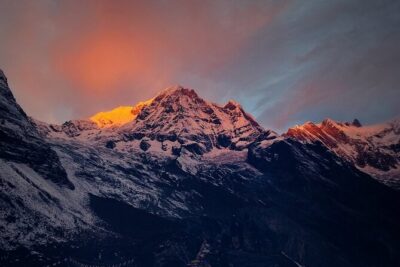
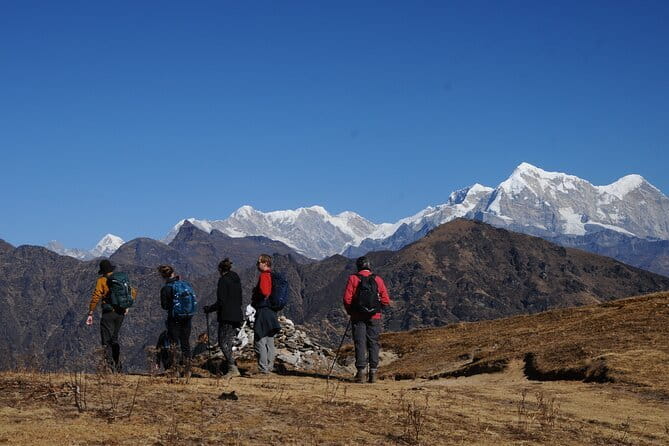
The main reward is the view from Pikey Peak. On a clear morning, you can look across a long line of Himalayan peaks, including Mount Everest. The viewpoint is especially appealing because you do not need to spend several weeks walking deep into the Khumbu region to reach it.
I also like the change in scenery. You pass local villages, forest, open mountain ridges, and the historic Hillary Trail. In spring, rhododendron forest can add a burst of color to the walk. The trail feels more connected to village life than a route built mainly around a famous destination.
The route is described as suitable for families, older walkers, and people new to trekking. That does not mean it is effortless. You still spend several hours walking each day, with an uphill section before Base Camp and high-altitude conditions near the summit. Your guide should set a pace that matches the group, and you should be ready for cool mornings and basic facilities.
More Trekking Tours in Kathmandu
- Everest Base Camp Trek – 14 Days
★ 5.0 · 1,499 reviews - Everest Base Camp Trek
★ 5.0 · 842 reviews - Everest Base Camp Trekking
★ 5.0 · 485 reviews
Day 1: Kathmandu to Dhap beside the Sunkoshi River
The trip begins at 6:15 a.m. from Breeze Adventure on Thamel Marg in Kathmandu. You then take a scenic drive toward Dhap, with the Sunkoshi River listed as the day’s point of interest.
This first day is mostly about reaching the trail area. The drive takes about five hours, and the road gives you views of villages, mountain slopes, and everyday rural life. It is a useful transition from Kathmandu’s busy streets to the quieter hills.
Do not expect a full trekking day here. The value is in the changing views and the chance to see traditional village life from the road. Roads in mountain regions can make travel feel slow, so bring water, snacks, and something to occupy you during the ride.
Day 2: Dhap to Jhapre and the first mountain sunrise
The second morning starts with a Himalayan sunrise before breakfast and the walk to Jhapre. This is described as an easier day, with much of the route following a newly built road.
That road makes the walking less demanding than a rough mountain path, but it also means this section may feel less wild. You are not walking on a pristine foot trail all day. For families or older walkers, though, the gentler surface can be a real advantage.
The early mountain views begin to explain why this route is worth choosing. Everest is listed as the focus of the day, and the wide Himalayan outlook becomes more important as you gain height. The walking time is about five hours, leaving room to settle into the rhythm of the trek.
Tea-house accommodation is part of the experience. Conditions are similar to those found on other Nepal trekking routes, with simple rooms and local hospitality rather than resort comforts. Pack with that in mind, especially if you are accustomed to private bathrooms and hotel-style heating.
Day 3: The uphill route to Pikey Peak Base Camp
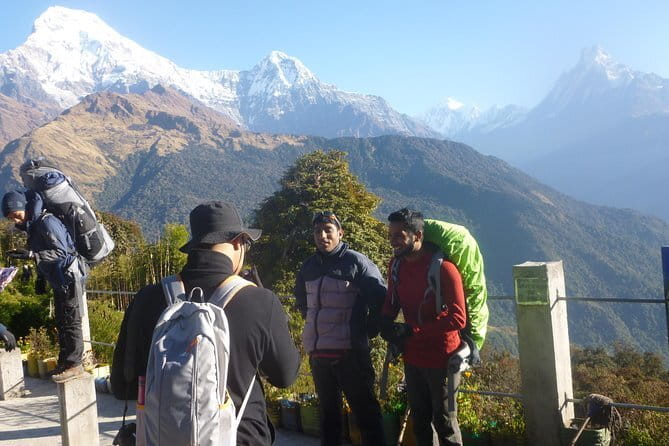
Day 3 is a more serious walking day, lasting about six hours. The trail to Pikey Peak Base Camp is mainly uphill, with some downhill sections along the way.
This is where you notice the difference between an easy scenic walk and a real Himalayan trek. The climb is not presented as technical, but steady uphill walking at altitude takes effort. A slow pace is sensible, and your guide can help you manage the day without turning it into a race.
The reward is a stronger sense of being in the high mountains. As the route rises, the views open up and the settlement pattern becomes more spread out. You may also walk through rhododendron forest, which has been especially memorable on spring departures.
Sleep at or near Base Camp in tea-house conditions. This is one of the nights when you will appreciate a warm meal and a guide who pays attention to how the group is coping. Guides named Sabin, Kishwor, and Raj have each been associated with the trip, and the most useful qualities to look for are calm pacing, English communication, and practical care.
Another trail to compare in Kathmandu:
- Annapurna Circuit Trek with Tilicho Lake
★ 5.0 · 368 reviews - Everest Base Camp Trekking – 13 Day
★ 5.0 · 365 reviews - Everest Base Camp Trek
★ 5.0 · 350 reviews - Everest Base Camp Trek -14 Days
★ 5.0 · 321 reviews
Day 4: Sunrise at the 4,066-meter Pikey Peak
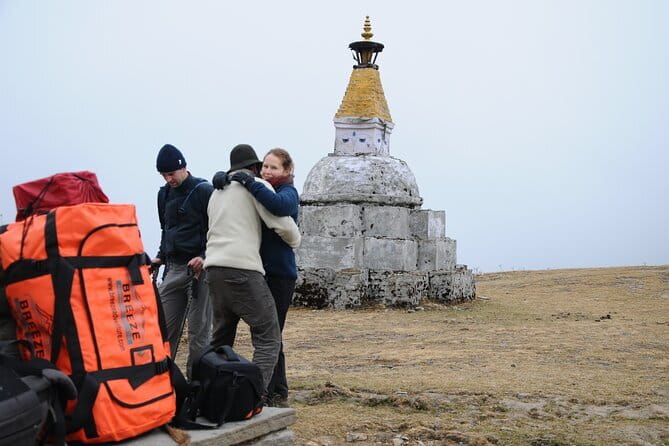
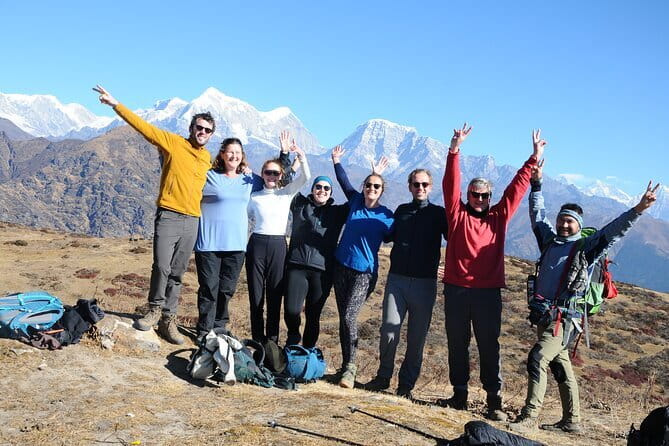
This is the high point of the trek in every sense. You rise early and walk for about one hour to Pikey Peak for sunrise.
The short summit walk can still feel demanding because of the altitude and the early start. The point is not speed. It is reaching the viewpoint before the light changes, when the Himalayan range begins to catch the morning sun.
At 4,066 meters, Pikey Peak offers panoramic views of seven of the world’s highest mountains, including Everest. Clear weather matters, so no mountain view is guaranteed, but this is the day around which the whole route is built.
After the summit, the full walking day lasts about six hours. You will need to descend and continue toward the next overnight stop. That makes the morning exciting but not leisurely. Take photographs, but leave enough time and energy for the rest of the route.
I like this format because you get a major mountain viewpoint without spending the entire trip at extreme altitude. Still, do not treat the lower length of the trek as a free pass. At 4,066 meters, you should follow your guide’s advice and tell them promptly if you feel unwell.
Day 5: Forest paths and the walk toward Junbesi
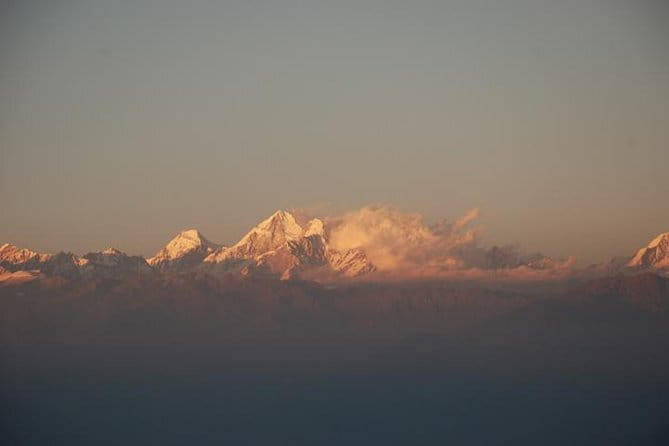
After breakfast, you head toward Junbesi. The route varies depending on your overnight location. If you stay at Jasmane Bhanjyang, the walk to Taktor takes about three and a half hours before continuing onward.
The day takes around five hours and brings a welcome change after the summit morning. Junbesi is one of the route’s more appealing stops because the walk shifts back toward villages, forest, and settled mountain life.
The route can include blooming rhododendron forest. In season, this is one of the most attractive parts of the walk, with color adding interest to what might otherwise be a long descent and village approach.
Junbesi also gives you a better sense of the human side of the region. The local welcome is repeatedly described as warm, and the tea-house meals are a practical part of the experience. Do not expect an extensive menu or restaurant service, but warm local food after a day on foot can be exactly what you want.
Day 6: Tupten Choling Monastery and Phaplu
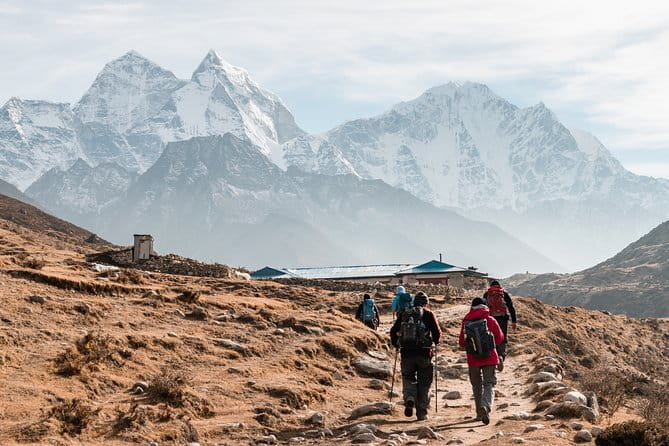
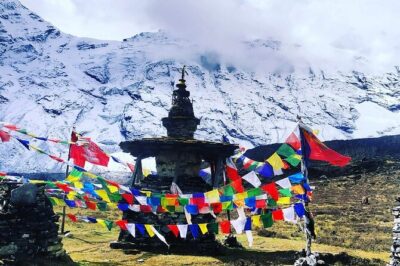
Day 6 combines culture with the final walking and transfer section. After breakfast, you visit Tupten Choling Monastery, one of the largest nunneries in the area. It sits at the foot of a mountain and is home to around 20 nuns.
This visit is more than a quick photo stop. It gives the trek a cultural focus and breaks up the mountain routine with a place of quiet religious practice. The monastery is one of the details that makes this route feel distinct from a simple viewpoint trek.
The day is listed at about six hours and includes Phaplu Airport as a stop. The exact balance of walking and driving can depend on the route plan, but you should expect the day to remain active rather than treating it as a full rest day.
If you are interested in Nepal beyond summits, this is a strong part of the trip. You get a closer look at local religious life without adding a separate long excursion.
Day 7: The long return from Phaplu to Kathmandu
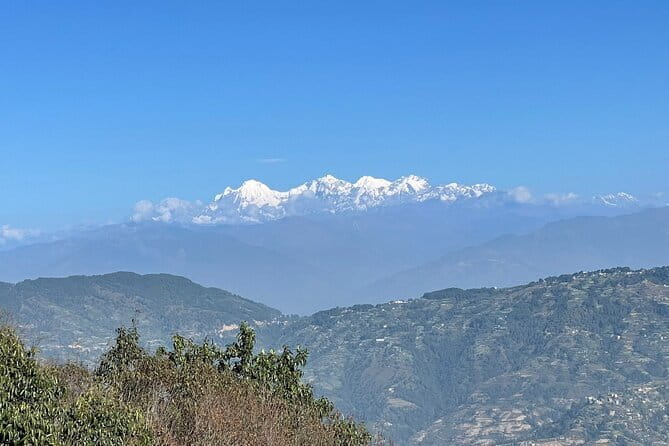
The final drive begins early. The journey from Phaplu to Kathmandu takes about 10 hours, with a breakfast stop at Dhap Thade after roughly two hours on the road.
That is a long final day, and it is the clearest practical weakness of the schedule. After several days of walking, a full day in a vehicle may feel tiring. On the other hand, it avoids another domestic flight and returns you to the original meeting point in Kathmandu.
Dhap Thade offers a final mountain view during breakfast, which helps break up the drive. WiFi is listed onboard, but road conditions and signal quality can vary, so do not plan on working continuously during the journey.
The activity ends back at Breeze Adventure in Kathmandu. If you have a flight that evening, give yourself plenty of extra time and confirm the timing with the operator before making a tight connection.
What the $899 price covers
The listed price is $899 per person. Its value depends on what you want from a seven-day Nepal trip and on the cost of arranging the transport, guiding, meals, and mountain logistics yourself.
The package includes breakfast for seven days, lunch for seven days, and dinner for six days. WiFi onboard is also included. The fuel surcharge is not included, so check the current amount before you commit to the booking.
Accommodation is described as tea-house lodging similar to other Nepal trekking routes. The supplied details do not give a separate room category or a clear list of every trekking service included, so I would ask Breeze Adventure to confirm the accommodation arrangement, porter support, permits, and any equipment before paying.
At this price, the strongest value is the complete seven-day structure. You get transport from Kathmandu, a guided route, meals, the Pikey Peak sunrise, and the monastery visit without arranging each piece independently. It is especially useful if you want a short Himalayan trek but do not want to manage road transfers and mountain stays on your own.
Guides, group size, and the practical feel
The maximum group size is 20 people. That is not a tiny private trek, but it is still manageable if the guide team is well organized. Ask how many guides and porters will accompany your particular departure.
Several guide names are connected with this experience. Sabin is described as professional, fun, and energetic, while Kishwor is associated with prompt answers and calm organization. Raj is noted for good English and careful attention to walking condition. Amrit is named as a porter on one departure.
Those details matter because a good guide can make a basic tea-house trek feel comfortable and well paced. You should expect a friendly, active style rather than a luxury service. Service animals are allowed, and the activity is near public transportation, though most of the route itself is in remote mountain areas.
Confirmation is provided at booking. Free cancellation is available up to 24 hours before the local start time. Changes or cancellations inside that window are not accepted for a refund.
Who should choose this trek?
I would recommend Pikey Peak if you want:
- A shorter Himalayan trek with a clear summit goal
- Everest views without flying to Lukla
- A quieter route than the main Everest trail
- Tea-house accommodation and local meals
- A cultural stop at Tupten Choling Monastery
- A route suitable for many beginners, families, and older walkers
I would think twice if you want hotel comfort, short road transfers, or a relaxed final day. The 10-hour return drive is a real commitment, and the summit morning starts early. You also need to be comfortable with basic mountain accommodation and several hours of walking on consecutive days.
Should you book the Pikey Peak Trek?
Book it if you want a peaceful, compact introduction to Nepal’s high mountains and care more about broad views and local contact than famous trail status. The combination of Everest at sunrise, rhododendron forest, the Hillary Trail, and Tupten Choling Monastery gives the week plenty of variety.
I would choose this over a busier Everest route if you want fewer people around you and do not want a Lukla flight. Before booking, confirm what is included beyond the listed meals, WiFi, and transport, and make sure the long final drive fits your schedule. For the right walker, Pikey Peak offers a lot of mountain scenery in seven demanding but manageable days.
FAQ
How long is the Pikey Peak Trek?
The experience lasts approximately seven days, beginning and ending in Kathmandu.
Where does the trek start?
The meeting point is Breeze Adventure Pvt. Ltd on Thamel Marg in Kathmandu. The listed start time is 6:15 a.m.
How high is Pikey Peak?
Pikey Peak reaches about 4,066 meters, according to the tour information.
Can I see Mount Everest on this trek?
The route is designed to provide views of Mount Everest and six other high Himalayan mountains from the Pikey Peak viewpoint. Visibility depends on weather conditions.
Do I need to fly to Lukla?
No. This route reaches Pikey Peak by road and trekking, so a flight to Lukla is not part of the experience.
Are meals included?
Yes. Breakfast is included for all seven days, lunch for all seven days, and dinner for six days.
Is the trek suitable for beginners or older walkers?
The trek is described as suitable for people of all ages, including families, senior citizens, and beginners. It still includes uphill walking, high altitude, and several hours of activity per day.
What is the cancellation policy?
You can cancel up to 24 hours before the local start time for a full refund. Cancellations or changes made less than 24 hours before the start are not accepted for a refund.
Latest treks added in Kathmandu
- Private Manaslu Circuit Trek at Himalayas★ 5.0 · 3 reviews
- Ghorepani Poonhill Trek★ 5.0 · 5 reviews
- Ghorepani Poon Hill Trek★ 5.0 · 16 reviews
- Upper Mustang Trekking★ 3.0 · 2 reviews
- Amazing 1 Day Trekking Experience in Kathmandu Nepal★ 5.0 · 24 reviews
- Upper Mustang Trekking★ 5.0 · 2 reviews
- Upper Mustang Trek★ 5.0 · 5 reviews
- Upper Mustang Trekking★ 5.0 · 4 reviews
Kathmandu Trekking Tours, compared.