REVIEW · KATHMANDU
Makalu Base Camp Trek
Makalu Base Camp is Nepal at its most remote and untidy in the best possible way. You move from forests, farms, and waterfalls to high valleys, glaciers, and views of Makalu, Everest, Lhotse, and Baruntse. The route sees far fewer walkers than Everest or Annapurna, so quiet trails are part of the reward.
I like the steady change in scenery, from rhododendron woods to stark alpine country, and I like that the trek brings you close to Rai, Sherpa, and Bhotiya communities without turning the villages into stage sets. Guides including Pujan and David have earned strong praise for their care and support. The trade-off is real: basic lodges, long walking days, weather delays, and limited comforts make this a serious trek, not a casual mountain holiday.
Key points to know before booking
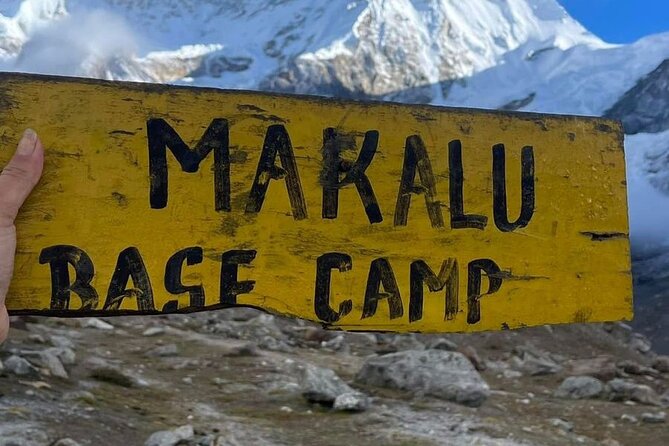
- Makalu-Barun National Park: The route passes through forests, river valleys, meadows, glaciers, and high Himalayan country.
- A demanding 15-day route: Expect several six to seven-hour trekking days, steep climbs, steep descents, and high passes.
- Rare mountain views: Makalu is the star, with Everest, Lhotse, and Baruntse appearing from less familiar angles.
- Remote overnight stops: Teahouses are used most of the way, but some nights may be in basic lodges or tents.
- Useful inclusions: Flights, meals, permits and taxes, an English-speaking guide, porters, insurance for staff, maps, first-aid supplies, and daily staff allowances are included.
- Private group format: Only your own group takes part, and pickup is offered.
Why Makalu Base Camp feels different
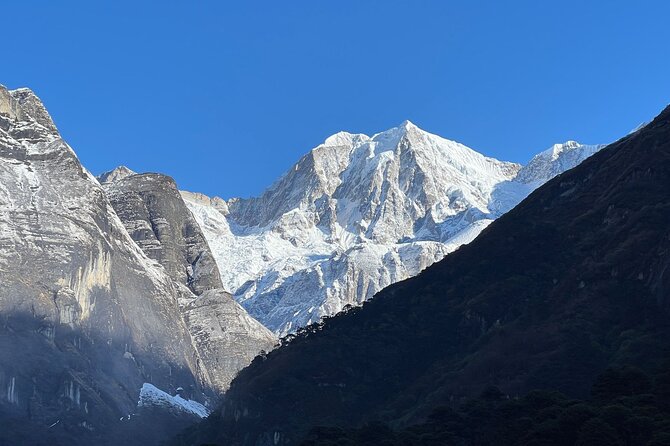
The first appeal is space. The Makalu route reaches a quieter corner of eastern Nepal, far from the busy foot traffic found on the best-known Himalayan trails. You will still meet local people and other walkers, but the route is built around long stretches of natural silence.
That quiet matters here. You have time to notice changes in the forest, listen to rivers, and watch the trail shift from cultivated hillsides to high mountain valleys. The route passes through Makalu-Barun National Park, an area known for its plant life and wildlife. Red pandas, Himalayan thars, and colorful birds are associated with the park, though sightings are never guaranteed.
The cultural side is also direct and unpolished. Rai, Sherpa, and Bhotiya communities live along or near the route, and their homes and tea houses offer a look at mountain life that is far removed from city Nepal. You should expect simple hospitality rather than polished hotel service.
The main prize is the view at the upper end of the trek. Makalu, the world’s fifth-highest mountain, appears in powerful form, while Everest, Lhotse, and Baruntse can also be seen from unusual angles. Weather controls how much you see, so keep your expectations flexible.
More Trekking Tours in Kathmandu
- Everest Base Camp Trek – 14 Days
★ 5.0 · 1,499 reviews - Everest Base Camp Trek
★ 5.0 · 842 reviews - Everest Base Camp Trekking
★ 5.0 · 485 reviews
Day 1: Flying toward Tumlingtar and entering the park
The trip begins with a flight of about 45 minutes, followed by a four to five-hour off-road drive. This is not a quick transfer to a comfortable trailhead. The road journey is part of the access challenge, and conditions can make it tiring.
Your first overnight is in a teahouse. All fees and taxes are covered, and the package includes the flight from Kathmandu to Tumlingtar. Since the published meeting time is listed as 12:15 am at Tribhuvan Airport, confirm the exact pickup and flight schedule before departure. Flight timing can be important on a route where weather affects both air and road travel.
This first day sets the tone: remote access, simple rooms, and a long approach before the main walking begins.
Day 2: The Arun River and the climb to Seduwa
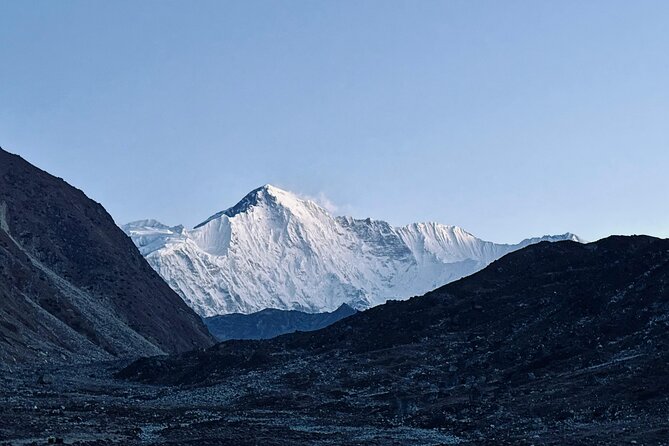
The trail drops steeply to the Arun River, then climbs steeply to Seduwa. It is a five to six-hour walking day, but the terrain matters more than the clock. Downhill first can sound easy, yet a steep descent followed by a hard climb can test your legs early.
Seduwa marks the start of the gradual shift from road-connected hills to a more isolated trekking route. You will likely pass through working farmland and forest, with village life close to the path.
This is a day for a measured pace. The best use of your guide is not to race ahead, but to help set a rhythm that leaves you with energy for the following days.
Day 3: Farms, forests, and a gentler rhythm
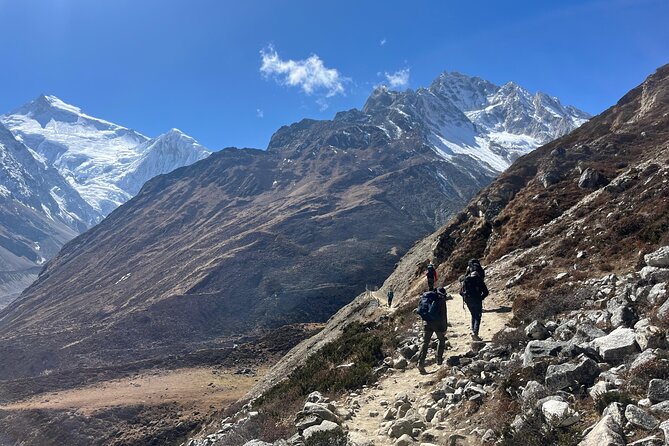
Day three is described as a gradual walk through farms and forests, taking around four to five hours. After the sharp ups and downs of the previous day, this provides a more manageable stretch.
The value here is not one famous viewpoint. It is the transition itself. Cultivated land gives way to thicker woodland, and the route begins to feel more like a journey into the national park than a village-to-village walk.
Your overnight is again in a teahouse. Breakfast, lunch, and dinner are included, with one menu item per meal. Tea and coffee are not included, so budget separately if you want hot drinks at the lodges.
Another trail to compare in Kathmandu:
- Annapurna Circuit Trek with Tilicho Lake
★ 5.0 · 368 reviews - Everest Base Camp Trekking – 13 Day
★ 5.0 · 365 reviews - Everest Base Camp Trek
★ 5.0 · 350 reviews - Everest Base Camp Trek -14 Days
★ 5.0 · 321 reviews
Day 4: A long uphill through forest and meadow
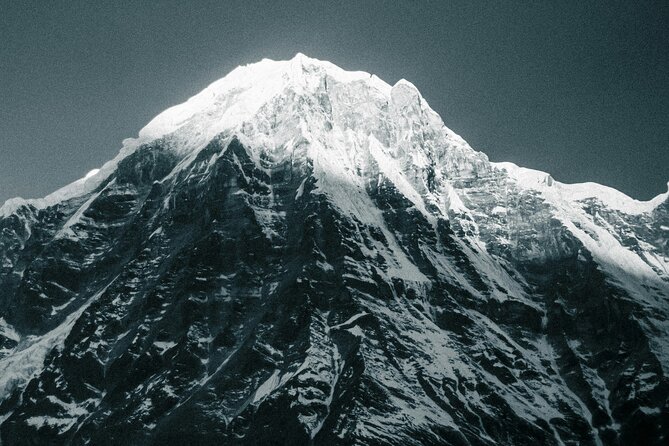
The fourth day brings a six to seven-hour uphill walk through forest and meadows. This is where the trek begins to ask more from you.
The setting should reward the effort. Rhododendrons, medicinal plants, and changing vegetation give the trail visual variety, while open meadows provide breaks from the trees. Still, you should not mistake a beautiful setting for an easy walk. The uphill gain can be continuous.
Accommodation is listed as a basic lodge or teahouse. Pack with that level of comfort in mind. Rooms may be simple, and the route does not promise the facilities found on more developed trekking circuits.
Day 5: Acclimatization near camp
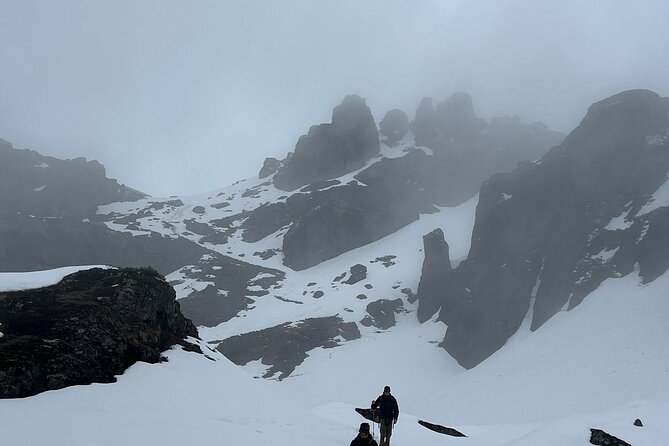
Day five is set aside for short hikes to nearby ridges. This is a smart pause before the higher passes. You gain some height during the day, then return to the teahouse rather than moving onward immediately.
The schedule gives you a chance to test your pace, check your gear, and speak with your guide about how you are feeling. Use the day well. If your boots rub, your pack feels too heavy, or your water system is awkward, this is the time to make changes.
Sleeping bags, trekking poles, and crampons can be provided on request. Ask about these items before leaving Kathmandu, especially if you need the sleeping bag or poles for the full route.
Day 6: Shipton La and Keke La
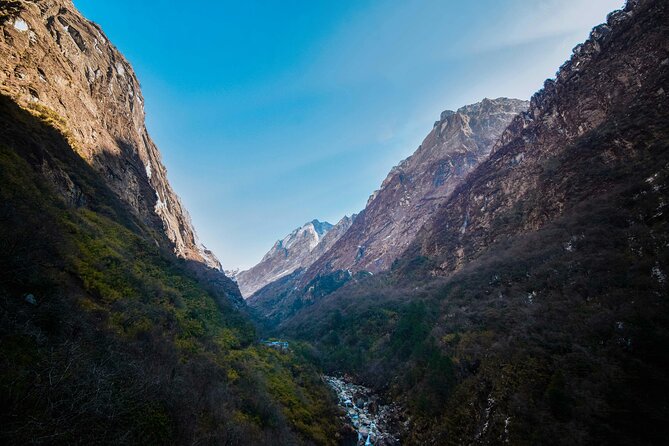
This is one of the hardest and most memorable days. You cross Shipton La at about 4,170 meters and Keke La at about 4,150 meters during a six to seven-hour trek.
The passes bring high-altitude walking, exposed effort, and broad mountain views. This is also where the acclimatization day earns its place. You will need steady breathing, patience, and enough layers for changing conditions.
The route is beautiful, but do not treat the pass crossings as a photo stop with a short walk attached. They are a serious physical section of the trip. Your guide can help with pacing, rest breaks, and the practical decisions that matter when the air gets thinner.
Day 7: Rhododendron forest and river valleys
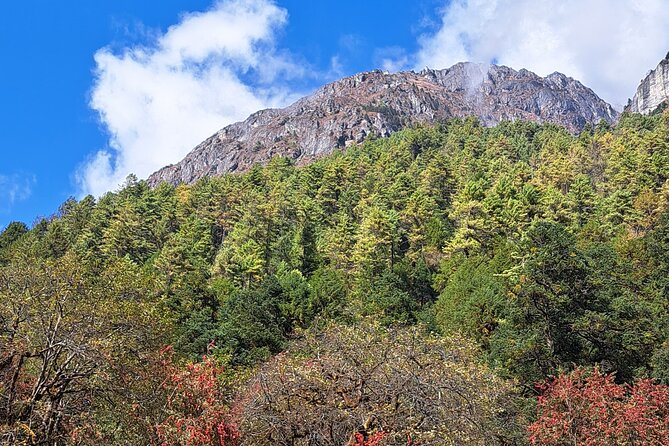
After the passes, the trail enters rhododendron forests and river valleys. The walking time drops slightly to five or six hours, though the terrain will still include rises and falls.
This section provides some of the trek’s best variety. You move from high pass country into wooded valleys, with water and plant life shaping the route. It is a good reminder that Makalu is not only about big peaks. The approach is a full mountain journey, with ecosystems changing as you gain and lose height.
Another teahouse night keeps the routine simple: walk, eat, dry clothing if possible, and prepare for the next day.
Day 8: Higher valleys and widening views
Day eight continues with a gradual ascent and striking valley views. The five to six-hour schedule is moderate by the standards of this trek, but the increasing altitude makes each hour count.
As you climb, the scenery should open toward the high country. The route becomes less about farmland and more about rock, snow, glaciers, and large mountain walls. This is the point when the goal of Makalu Base Camp starts to feel close.
Keep your water bottle filled. Bottled water is not included, but you can buy water along the route or refill at tea houses. A reusable bottle is the sensible choice, both for cost and waste.
Day 9: Reaching Makalu Base Camp
The ninth day takes six to seven hours and brings you to base camp. This is the emotional center of the trip, with major Himalayan views around you.
Makalu is the main attraction, but the surrounding peaks add scale. Everest, Lhotse, and Baruntse may also appear from this side of the range, giving you a view that differs from the standard trekking routes.
Accommodation is listed as a basic lodge or tented camp. That distinction matters. At this height and in this remote setting, comfort may be limited. You should be ready for a more rugged night, not a hotel-style stay.
Day 10: Optional hiking toward Barun Glacier
Day ten allows optional side hikes toward Barun Glacier. This flexible day is valuable because it gives you time to see more of the upper valley without packing up and moving immediately.
Your exact outing depends on conditions, your energy, and the guide’s judgment. The glacier area adds another view of the high mountain environment, but no specific route length is provided, so ask for a clear plan before setting out.
This is also a useful rest and photography day. Weather can change quickly in the mountains, and an extra day near base camp may improve your chance of seeing the peaks clearly.
Days 11 to 15: Retracing the route to the road
The return begins with a seven-hour trek on day 11. Retracing your steps may sound less exciting, but the route looks different in changing light and weather. It also gives you a second chance to notice details missed while climbing toward base camp.
Day 12 involves six to seven hours of walking, followed by five to six hours on day 13. Day 14 brings another long descent of six to seven hours. Downhill walking can be hard on knees and toes, so trekking poles are useful if you have access to them.
The final day includes about four hours of trekking and a four to five-hour drive. If flight timing works, you may fly from Tumlingtar to Kathmandu that day or the next morning. Do not schedule an important international connection too tightly after this trek. Weather or road conditions can affect the return timing.
What the $1,750 price covers
At $1,750 per person, the cost is best judged against what is included and how remote the route is. You receive round-trip flights between Kathmandu and Tumlingtar, meals for the trek, accommodation, permits and taxes, an English-speaking guide, porters, staff insurance, daily staff allowances, maps, first-aid kits, and local transport described in the plan.
That is a meaningful package for a 15-day private trek. The guide and porter costs are not simply personal service fees. They also cover the practical work of carrying gear, managing the route, and supporting the group in a remote area.
You still need money for alcoholic drinks, bottled water, tea, coffee, visa costs, personal insurance, and extra baggage or porter service. A porter can carry about 20 to 25 kilograms, with extra charges applying per day. Private vehicles are also available at an additional cost, but public or local transport is the standard arrangement.
Meals are limited to one menu item at breakfast, lunch, and dinner. That keeps the package clear, but it does not mean every extra food or drink is covered.
The guide team and the private format
This is a private activity, so only your own group takes part. That can be useful on a strenuous route because the walking pace and rest needs can be discussed within the group rather than matched to strangers.
Pujan and David are names worth confirming when you book. Their support has been singled out for making the route feel safe and well managed, while Raj is also associated with the local team. Ask who will lead your departure, how many porters are assigned, and what equipment can be supplied on request.
An English-speaking guide is included. Guide and porter insurance and daily allowances are also covered, which is an important part of responsible trekking arrangements.
Who should book this trek?
You should consider this route if you want remote Himalayan scenery, fewer people, and a physically demanding journey rather than easy access and polished facilities. Moderate fitness is the stated requirement, but the six to seven-hour days, steep sections, high passes, and basic accommodation suggest that you should prepare seriously.
This trek suits people who accept that weather may change plans and that a tented or basic lodge night is part of the deal. It is less suitable if you need private bathrooms, reliable road access, short walking days, or a fixed return schedule.
The free cancellation policy allows cancellation up to 24 hours before the start for a full refund. If poor weather cancels the experience, you are offered another date or a full refund. Because weather affects flights and high mountain walking, keep some flexibility around your dates.
Should you book the Makalu Base Camp Trek?
Book it if the idea of quiet trails, local villages, forest ecosystems, high passes, and dramatic Makalu views appeals more than comfort. The $1,750 price has solid value because it includes flights, meals, staff, permits, gear on request, and private guiding.
Before paying, confirm the flight times, exact pickup plan, guide names, sleeping arrangements near base camp, and what is meant by the included local transport. If you prepare for simple lodging and long days, this can be one of Nepal’s most rewarding remote treks. If you want an easy mountain holiday, choose a shorter and more developed route instead.
FAQ
How long is the Makalu Base Camp Trek?
The trek lasts approximately 15 days, including flights, road transfers, walking days, and the return journey.
Where does the experience begin?
The listed meeting point is Tribhuvan Airport in Kathmandu, Nepal. The listed start time is 12:15 am, so confirm the exact pickup and departure details before the trip.
Is the flight from Kathmandu included?
Yes. Two-way flight tickets between Kathmandu and Tumlingtar are included.
What accommodation is used?
Most nights are in teahouses. Some nights are listed as basic lodge or teahouse stays, and the night near base camp may be in a basic lodge or tented camp.
What meals are included?
Breakfast, lunch, and dinner are included during the trek. Each meal includes one item from the menu.
Are tea and coffee included?
No. Tea and coffee can be purchased separately at teahouses.
Is bottled water included?
No. You can buy bottled water along the trail or refill at teahouses. A refillable bottle is recommended.
Is a guide included?
Yes. An English-speaking guide is included, along with porter support, guide and porter insurance, daily allowances, maps, and first-aid kits.
Can trekking equipment be provided?
Sleeping bags, trekking poles, and crampons can be provided on request. Confirm your needs before departure.
What happens if bad weather cancels the trek?
If poor weather causes cancellation, you are offered a different date or a full refund. For personal cancellation, you must cancel at least 24 hours before the start time for a full refund.
Latest treks added in Kathmandu
- Private Manaslu Circuit Trek at Himalayas★ 5.0 · 3 reviews
- Ghorepani Poonhill Trek★ 5.0 · 5 reviews
- Ghorepani Poon Hill Trek★ 5.0 · 16 reviews
- Upper Mustang Trekking★ 3.0 · 2 reviews
- Amazing 1 Day Trekking Experience in Kathmandu Nepal★ 5.0 · 24 reviews
- Upper Mustang Trekking★ 5.0 · 2 reviews
- Upper Mustang Trek★ 5.0 · 5 reviews
- Upper Mustang Trekking★ 5.0 · 4 reviews
Kathmandu Trekking Tours, compared.