REVIEW · KATHMANDU
Kanchenjunga Circuit Trek
Kanchenjunga rewards trekkers who want Nepal at its quietest. Over 21 days, you move from warm forest and Rai and Limbu villages to glacial valleys, high passes, and Pangpema at 5,143 meters, facing a long, demanding route far from the busier Everest and Annapurna trails.
I like the changing scenery, from oak and rhododendron forest to stark high-country rock, and I like the cultural side of the route. Guides such as Pasang and Nima Sherpa have led trips for this operator, and their local experience can matter on a remote trail.
The main drawback is simple: this is a serious trek. High passes, long walking days, basic mountain lodging, limited communications, and a price of $3,000 per person require careful preparation. A porter costs extra, and travel insurance and emergency evacuation are not included.
Key points before you book
- Pangpema reaches 5,143 meters: The north Kanchenjunga Base Camp section is the trek’s highest point and its main physical test.
- Two sides of Kanchenjunga: The route includes the southern Yalung Base Camp and the northern Pangpema area, giving you a fuller look at the mountain.
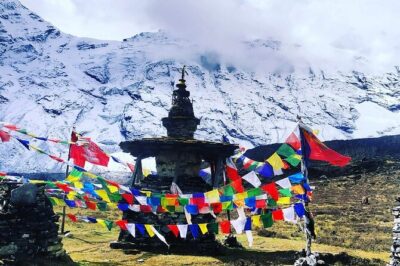
- Remote village culture: Rai and Limbu communities, rather than heavily touristed trekking hubs, shape much of the early and late route.
- Two major pass crossings: Sele La and the Mirgin La area bring high, exposed walking and broad Himalayan views.
- A private trek: Only your group takes part, with an English-speaking licensed guide and pickup from Tribhuvan Airport.
- Good support, but not all-inclusive: Meals, permits, a down jacket, sleeping equipment, and transfers are covered, but insurance, drinking water, personal expenses, and porters are extra.
Why the Kanchenjunga Circuit feels different
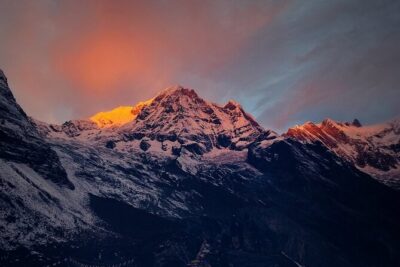
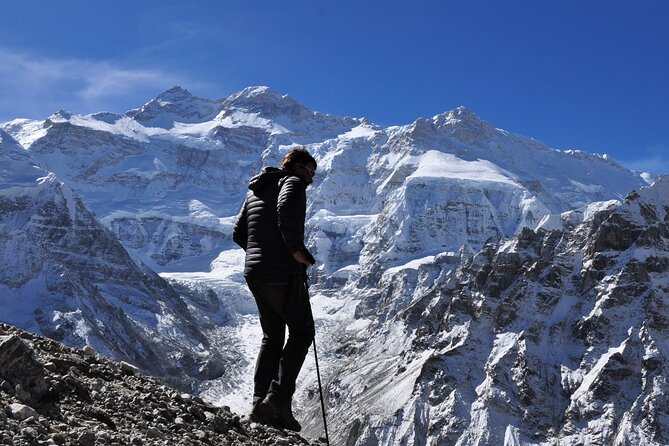
Kanchenjunga rises to 8,586 meters, making it the world’s third-highest mountain. Its location in far northeastern Nepal keeps the route quieter than the classic Everest Base Camp and Annapurna circuits. That remoteness is the point, but it also shapes the entire trip.
You spend the first part of the trek in forest and village country. The trail then climbs through colder, rougher ground toward Yalung Base Camp and Pangpema. Along the way, you may see signs of the area’s wildlife, including possible snow leopard habitat, musk deer country, and many bird species. Wildlife sightings are never guaranteed, but the protected setting gives the route a genuinely wild feel.
The itinerary also promises views toward Makalu, Chamlang, Lhotse, and Everest near the high passes. One description calls this a chance to explore Makalu and Everest base camps, but the day-by-day route does not include either of those base camps. It includes views toward those mountains, while the actual base camp visits are Yalung and Kanchenjunga’s Pangpema.
More Trekking Tours in Kathmandu
- Everest Base Camp Trek – 14 Days
★ 5.0 · 1,499 reviews - Everest Base Camp Trek
★ 5.0 · 842 reviews - Everest Base Camp Trekking
★ 5.0 · 485 reviews
Days 1 to 4: Suketar, Lalikharka, Khesewa, and Mamankhe
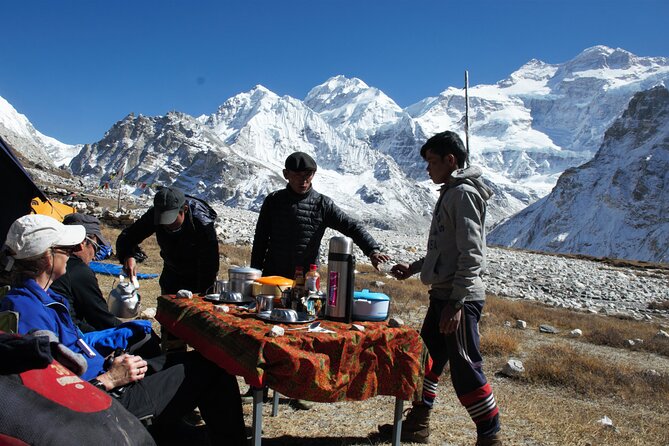
Your trip begins with a flight from Kathmandu to Suketar at 2,420 meters. From there, the first walking section leads to Lalikharka. This is an efficient way to reach the trail, though mountain flights can make the first day dependent on conditions and aircraft schedules.
Day 2 takes you from Lalikharka to Khesewa at 2,120 meters. Day 3 continues to Mamankhe at 1,785 meters, and Day 4 reaches Yamphudin at 2,080 meters. These early stages introduce you to the route through forest, hillsides, and settled areas rather than immediate high-altitude drama.
I like this gradual opening. You have time to settle into the walking rhythm before the real altitude begins. The lower sections are also where the cultural side is clearest, with local communities and village life forming part of the experience instead of a short cultural stop added to an otherwise mountain-only trip.
The downside is that the route can feel physically uneven. You may gain and lose elevation repeatedly, and the lower forest sections can be tiring even before the air gets thin. Good boots and a steady pace matter from day one.
Days 5 to 7: Tortong, Cheram, and a needed rest day
From Yamphudin, you walk to Tortong at 2,995 meters on Day 5. Day 6 climbs farther to Cheram at 3,870 meters. This is a notable altitude jump, and the itinerary wisely gives you Day 7 at Cheram for rest and acclimatization.
Cheram is an important pause, not a spare day. You are preparing for the route above 4,000 meters, where cold, thin air, and more basic conditions become part of the daily routine. Use the day to rest, organize your pack, check your layers, and drink plenty of fluids.
The itinerary does not promise a long formal acclimatization hike, so ask your guide how the rest day will be handled. A short walk can help some trekkers, but the key value here is time. The route is not designed to rush you through the altitude.
The accommodation and food will be simpler than in Kathmandu. Three meals each day are included during the trek, and seasonal fresh fruit is also provided. Drinking water is not included, so budget for it and ask the operator before departure how water is handled along the route.
Days 8 and 9: Ramche and Yalung Base Camp
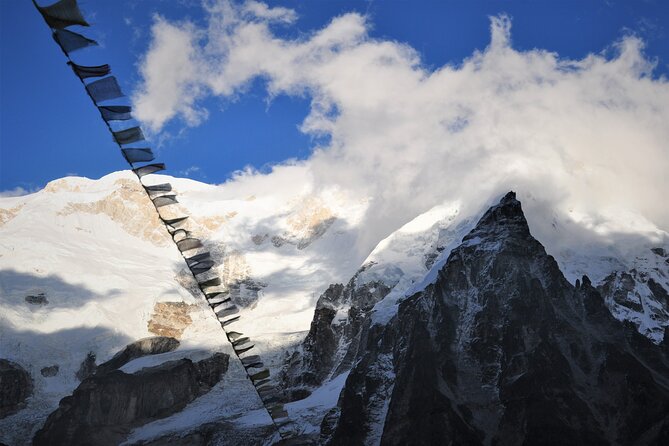
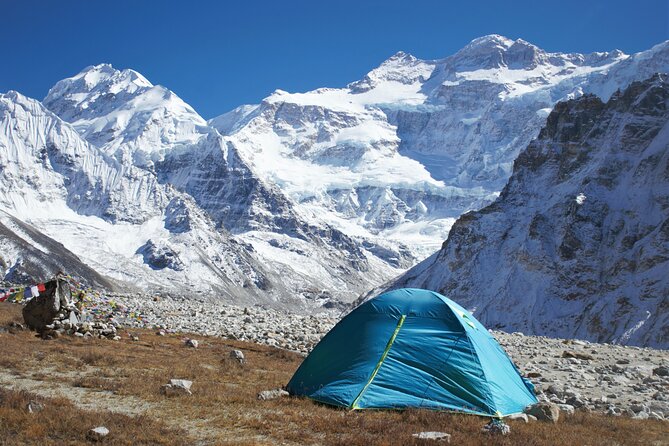
On Day 8, you walk from Cheram to Ramche, also called Ramchaur, at 4,580 meters. This is high country now, and the air can feel noticeably thinner. The setting changes from forest to open mountain terrain, with the peaks becoming the main focus.
Day 9 takes you from Ramche to Yalung Base Camp at about 4,500 meters before returning to Cheram. This out-and-back day is one of the smartest parts of the itinerary. You can visit the southern Kanchenjunga base camp area without carrying your full load onward or spending the night at the highest point.
The day is still demanding. You gain and lose ground at altitude, and the return to Cheram makes it a long walking day. Pack only what you need for the day, keep your pace slow, and let your guide know early if you feel unwell.
This section gives the trek its first major high-mountain reward. You see Kanchenjunga from the southern side and experience the open, colder terrain that defines the upper route. If your priority is a short, easy mountain visit, this will feel too strenuous. If you want a serious connection with the mountain, it is central to the trip.
Another trail to compare in Kathmandu:
- Annapurna Circuit Trek with Tilicho Lake
★ 5.0 · 368 reviews - Everest Base Camp Trekking – 13 Day
★ 5.0 · 365 reviews - Everest Base Camp Trek
★ 5.0 · 350 reviews - Everest Base Camp Trek -14 Days
★ 5.0 · 321 reviews
Days 10 and 11: Sele La and the crossing to Ghunsa
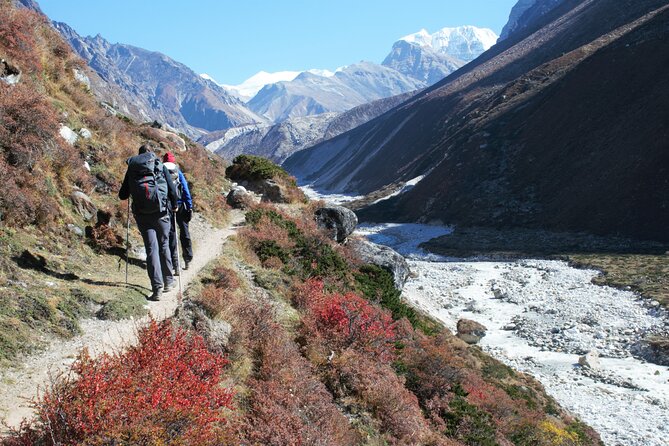
Day 10 climbs from Cheram to Sele La at 4,290 meters. The description also refers to the Mirgin La pass at 4,725 meters, so you should confirm the exact pass sequence and daily elevations with the operator before departure. Either way, this is one of the route’s most demanding sections.
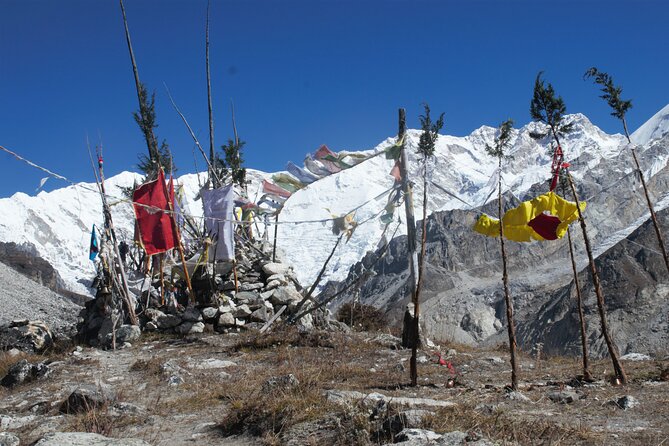
High passes bring wide views toward Makalu, Chamlang, Everest, and other Himalayan peaks, but they also bring exposure, wind, cold, and uneven footing. The scenery is a reward, not a substitute for fitness. You need to be comfortable walking for hours on rough ground at altitude.
Day 11 descends from Sele La to Ghunsa at about 3,595 meters. Ghunsa is an important stop because the route begins to feel more like a high mountain valley settlement. The descent also gives your body some relief from the pass crossing.
I like the route design here because the pass links the southern and northern sides of the Kanchenjunga circuit. The cost is effort. This is not a gentle scenic walk, and the pass day can be stressful if weather turns poor or if you have not prepared for cold conditions.
Days 12 to 15: Kambachen, Lhonak, and Pangpema
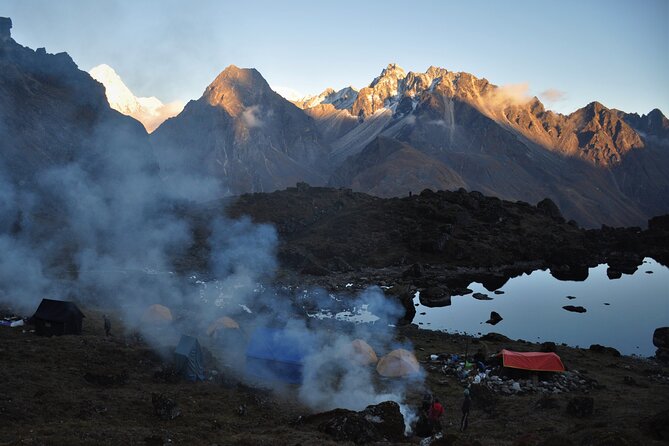
From Ghunsa, Day 12 leads to Kambachen at 4,050 meters. Day 13 continues to Lhonak at 4,780 meters. These are high, stark stages with little of the forest scenery from the first week.
Day 14 is the major goal: Kanchenjunga Base Camp, with an overnight at Pangpema at 5,143 meters. Reaching this elevation is a serious achievement. You should expect a cold night and basic accommodation, and you should rely on your guide’s advice about symptoms of altitude illness.
Day 15 returns from Pangpema to Lhonak. The out-and-back format means you can reach the high point without carrying the trek onward over another major route. It also means two consecutive days at very high altitude, so pacing and hydration are essential.
This is the part I would use to judge the trip. If Pangpema, high passes, and a remote setting are your main goals, the itinerary delivers them. If you prefer comfortable lodges, short walking days, or a lower maximum altitude, this trek is the wrong match.
Days 16 to 21: Ghunsa, Chirwa, Phurumbu, and the flight home
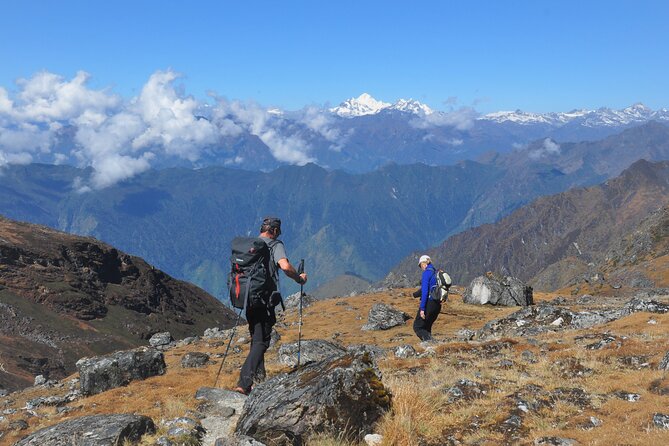
Day 16 takes you from Lhonak back to Ghunsa, listed at about 3,475 meters in the return schedule. Day 17 continues to Amjilosa at 2,308 meters. The route then drops to Chirwa at 1,270 meters on Day 18.
The lower return section brings back warmer conditions, thicker forest, and more village scenery. Day 19 goes from Chirwa to Phurumbu at 1,549 meters. Day 20 returns you to Suketar, followed by the flight to Kathmandu on Day 21.
This final stretch is not just a transfer to the airport. After the high country, the return through forest and settlements gives the journey a sense of changing worlds. It can also feel long after the central mountain section, particularly if your legs are tired.
Build flexibility into your onward travel after Day 21. The itinerary includes the flight to Kathmandu, but no mountain flight can be treated as perfectly predictable. A later international departure would be a poor idea.
What the $3,000 price covers
At $3,000 per person, the price is substantial, but it includes several items that can add up on a remote trek. You receive airport and hotel transfers by private vehicle, Kathmandu hotel accommodation with breakfast, three meals each trekking day, a licensed English-speaking guide, government taxes, a trekking map, Kanchenjunga permits, and conservation fees.
A first aid kit, seasonal fruit, a down jacket, and sleeping equipment are also included. The sleeping equipment and jacket are described as refundable after the trek, so clarify the deposit and return terms before you arrive.
The biggest omission is a porter. Porter service is available for an extra charge, which matters on a 21-day trek with warm and cold clothing, personal supplies, and sleeping gear. The cost also excludes international airfare, Nepal visa fees, passport photographs, travel and medical insurance, emergency evacuation, drinking water, showers, phone and internet use, laundry, desserts, snacks, and drinks.
Kathmandu meals are not included except for breakfast at the included hotel. You should also budget for early returns or late departures, since those extra Kathmandu nights and meals are not covered.
The value is strongest for someone who wants a private, organized trip rather than arranging permits, guides, transfers, meals, and equipment independently. It is less attractive if you already own trekking gear, prefer to carry your own load, or want to keep control of every daily expense.
Guides, group size, and practical comfort
This is a private activity, so only your group takes part. That gives you more control over pace and daily decisions than a large fixed group. It also means the guide relationship matters greatly on a remote route.
The operator uses government-licensed English-speaking guides. Names associated with past trips include Pasang and Nima Sherpa. Ask who will lead your departure, how much experience that guide has on the Kanchenjunga route, and whether the guide will be present for every high pass and base camp section.
Pickup begins at Tribhuvan Airport at 7:15 a.m. Confirmation is provided at booking, and the service is near public transportation. Service animals are allowed, though you should confirm the practical details with the operator because the route includes remote, high-altitude terrain.
The stated fitness requirement is moderate, but I would treat the trek as more demanding than that label suggests. The altitude, duration, high passes, and long return make strong walking fitness important. You should be ready for several hours of walking on uneven ground and for basic facilities above the villages.
Who should book this trek
I would recommend it to experienced trekkers who want a quiet route, major altitude, high mountain views, and contact with local Rai and Limbu communities. It suits people who enjoy a long journey with changing terrain rather than a short trek focused on one famous viewpoint.
It is also a good choice if you want both southern and northern Kanchenjunga areas, including Yalung Base Camp and Pangpema. The route offers mountain views toward Makalu, Everest, Lhotse, and Chamlang, but it does not provide a visit to the base camps of those mountains.
I would not choose it for a first-ever trek unless you have strong preparation and a clear understanding of the conditions. The lack of an included porter, the high price of evacuation and insurance, and the remote route all deserve serious thought.
Cancellation is flexible if your plans change early. You can receive a full refund when cancelling at least 24 hours before the start time. Changes or cancellations inside that period are not accepted or refunded.
Should you book the Kanchenjunga Circuit Trek?
Book it if you want Nepal’s quieter side, can handle 21 days away from ordinary comforts, and see Pangpema at 5,143 meters as the reason for the trip. The combination of forest, village culture, high passes, Yalung Base Camp, and Kanchenjunga’s northern base camp area gives you a broad and demanding Himalayan journey.
Think twice if you need reliable internet, easy lodging, short walking days, or a low-risk itinerary. Before paying, confirm the exact pass route, the guide assigned to your group, porter costs, equipment deposits, flight flexibility, and emergency insurance requirements. For a fit trekker seeking solitude and a serious mountain route, this is a strong choice.
FAQ
How long is the Kanchenjunga Circuit Trek?
The trek lasts approximately 21 days, beginning with a flight from Kathmandu to Suketar and ending with a flight back to Kathmandu.
What is the highest point on the route?
The highest listed point is Pangpema at 5,143 meters, where you spend the night after reaching the Kanchenjunga Base Camp area.
Does the trek visit Makalu and Everest Base Camp?
No. The route provides views toward Makalu, Everest, Lhotse, and Chamlang near the high passes, but the listed base camp visits are Yalung Base Camp and Kanchenjunga’s Pangpema area.
Are meals included?
Three meals each day during the trek are included. Kathmandu hotel breakfast is included, but other Kathmandu meals are not.
Is a porter included?
No. Porter service is available at an additional cost.
What equipment is provided?
A down jacket and sleeping equipment are provided during the trek, with the terms described as refundable afterward. A trekking map and first aid kit are also included.
What is the cancellation policy?
You can cancel at least 24 hours before the experience start time for a full refund. Cancellations or changes made less than 24 hours before the start time are not accepted or refunded.
Latest treks added in Kathmandu
- Private Manaslu Circuit Trek at Himalayas★ 5.0 · 3 reviews
- Ghorepani Poonhill Trek★ 5.0 · 5 reviews
- Ghorepani Poon Hill Trek★ 5.0 · 16 reviews
- Upper Mustang Trekking★ 3.0 · 2 reviews
- Amazing 1 Day Trekking Experience in Kathmandu Nepal★ 5.0 · 24 reviews
- Upper Mustang Trekking★ 5.0 · 2 reviews
- Upper Mustang Trek★ 5.0 · 5 reviews
- Upper Mustang Trekking★ 5.0 · 4 reviews
Kathmandu Trekking Tours, compared.