REVIEW · KATHMANDU
Kanchenjunga Circuit Trek 19 Days
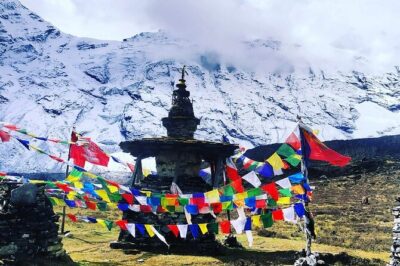
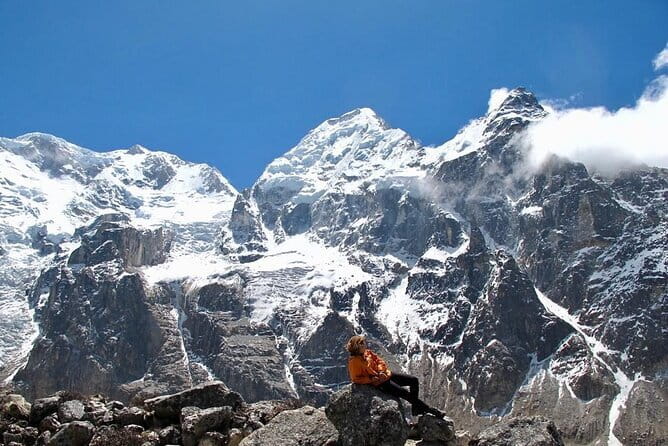
The real prize here is access to both sides of Kanchenjunga, one of the world’s highest mountains, on a route that still feels remote. You move from jungle and river crossings to glaciers, stone villages, and high passes, with far fewer people than on Nepal’s busiest trails.
I like the quiet villages and the mix of scenery, from rhododendron forest to the stark moraines at Pang Pema. I also like that the price includes domestic flights, long private jeep transfers, permits, teahouses, meals, a guide, and porter support. The tradeoff is simple: the road journeys are long, the food is basic, and several days demand strong fitness at high altitude.
Five things to know before you book
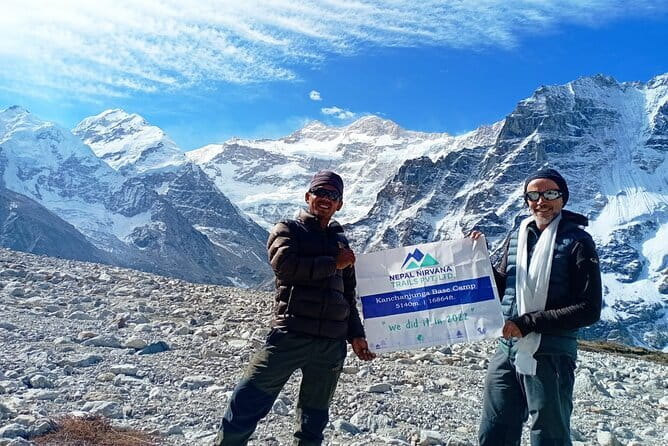
- Both North and South Base Camps: You reach Pang Pema on the northern side, then explore the Yalung Glacier area near the southern base camp.
- A genuinely quiet route: Kanchenjunga sees fewer trekkers than Nepal’s better-known circuits, and village facilities remain simple.
- High mountain passes: Sinion La, Mirgin La, and Sinelapche Bhanjyang reach roughly 4,440 to 4,645 meters.
- Long access drives: Private jeeps connect Bhadrapur, Taplejung, Sekathum, Yamphudin, Kanyam, and Bhadrapur Airport.
- Small-group support: The maximum group size is eight, with one porter shared between two trekkers.
- Good package value: The $2,000 price includes permits, flights, transport, lodging, meals, guide services, and porter costs, but not insurance or personal extras.
Why Kanchenjunga feels different from Nepal’s famous treks
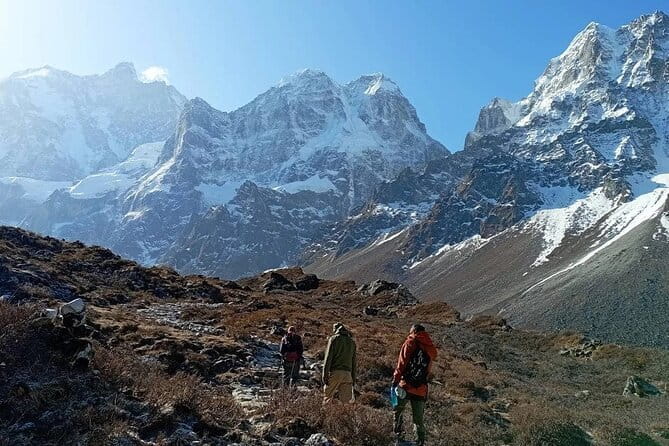
Kanchenjunga is for you if the appeal of Nepal lies in remoteness, not just mountain photographs. The route reaches villages that have not yet been reshaped around large numbers of trekkers. Accommodation is in teahouses, but you should expect simple rooms, basic food, limited hot showers, and possible charges for Wi-Fi, charging, drinks, and bottled water.
The route is also unusually varied. You start near Kathmandu, fly east to Bhadrapur, ride through tea country and hill roads, then walk beside the Ghunsa Khola and through dense forest. Higher up, the scenery changes to pine woodland, glaciers, moraines, snowy ridges, and broad views toward Kanchenjunga and neighboring peaks.
That change matters. This is not a trek where every day delivers the same mountain view. Some days are about walking through trees or crossing bridges. Others bring wide Himalayan panoramas that feel hard-earned.
The route’s quiet character comes with a price. The access roads can be rough and tiring, especially the long 4×4 jeep rides at the beginning and end. One of the strongest practical warnings from the experience is to treat those drives as part of the adventure, not as a quick transfer.
More Trekking Tours in Kathmandu
- Everest Base Camp Trek – 14 Days
★ 5.0 · 1,499 reviews - Everest Base Camp Trek
★ 5.0 · 842 reviews - Everest Base Camp Trekking
★ 5.0 · 485 reviews
Days 1 and 2: Kathmandu, permits, and preparation
Your first day begins with airport pickup at Tribhuvan International Airport. A representative takes you to your hotel in Thamel, a useful base for settling in, sorting gear, and recovering from your international flight. Hotel accommodation in Kathmandu includes breakfast, and the package provides three nights in a three-star hotel.
Day two is mainly about preparation. The management team meets you in the morning and collects your original passport to arrange the trekking permits. You receive it back later in the day at the company office.
This is not a sightseeing day, and that is fine. A remote trek needs paperwork, equipment checks, and a clear plan. Use the time to ask about the expected pace, porter baggage limits, food, altitude concerns, and what you should keep in your daypack.
Days 3 and 4: Flying east and riding toward Sekathum
On day three, you fly from Kathmandu to Bhadrapur, also called Chandragadhi Airport. The flight takes about 45 to 50 minutes. From there, a private jeep drives toward Taplejung, passing through Kanyam and the Mechi Highway.
The drive lasts much of the day, around 12 hours in total according to the schedule. Kanyam is known for its green tea-growing area, a welcome change after the airport and road departure. This is a scenic transfer, but it is still a long one. Carry snacks, water, and something to keep you comfortable in the vehicle.
Day four brings another jeep journey toward Sekathum. Many trekking plans begin the walking portion earlier, but this route uses road access to save time and reduce the amount of low-altitude road walking. The benefit is efficiency. The drawback is that you spend two full days in vehicles before the main trek begins.
By the time you reach Sekathum, you are at the gateway to the walking route. The road access is useful, but it also explains why this circuit does not feel like an easy mountain holiday. Remote access is part of the experience.
Days 5 to 7: Bridges, forest, and Ghunsa
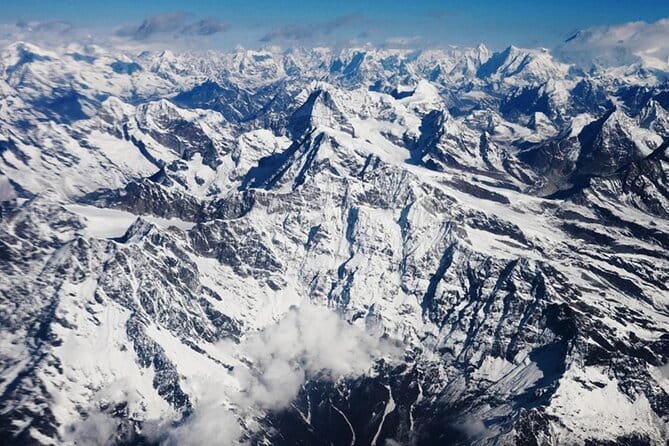
The trek properly begins on day five. From Sekathum, you walk along the Ghunsa Khola, crossing bridges and climbing through forest toward Amjilosa. The day brings the first clear sense of being far from road access. You will see thick woodland, river valleys, and small settlements rather than a line of developed lodges.
Day six takes you from Amjilosa to Gyabla, also called Kyapra. The trail continues through dense forest with long stretches away from human settlement. That gives this section its appeal, but it also means you need to stay aware of the day’s distance and carry enough water and personal supplies.
On day seven, the path leads through woodland to Phale before continuing to Ghunsa. Phale adds a cultural stop to the forest walking, while Ghunsa is one of the main villages on the northern route. It is also an important place to pause and adjust to the altitude.
The rhythm here is satisfying: walk, eat, rest, and let your body catch up. You should not treat the scheduled days as a race. Your guide’s role is especially important on a route where weather, trail condition, and altitude can affect the pace.
Another trail to compare in Kathmandu:
- Annapurna Circuit Trek with Tilicho Lake
★ 5.0 · 368 reviews - Everest Base Camp Trekking – 13 Day
★ 5.0 · 365 reviews - Everest Base Camp Trek
★ 5.0 · 350 reviews - Everest Base Camp Trek -14 Days
★ 5.0 · 321 reviews
Days 8 and 9: Khambachen and a proper acclimatization day
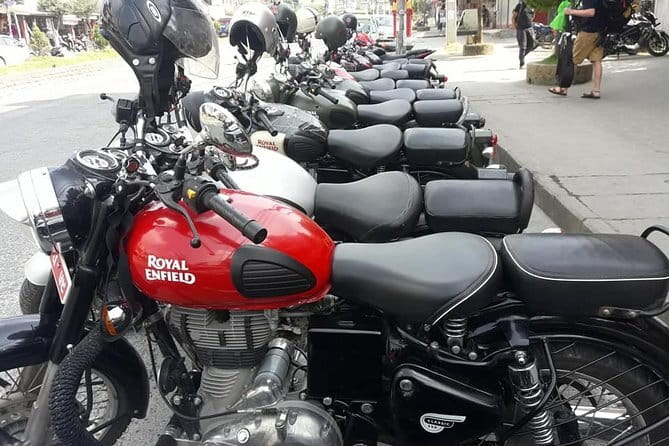
From Ghunsa, you climb gradually through open pine forest toward Khambachen. The route passes areas affected by landslides, so this is a day where careful footing matters. The scenery opens up, and you may have the chance to spot blue sheep or, much less reliably, snow leopards.
Khambachen is a high settlement and a useful base for acclimatization. Day nine is a rest day, but it is not necessarily a day spent lying inside the teahouse. The plan includes a short hike toward nearby glaciers, viewpoints, and lakes.
That short outing serves two purposes. It helps your body adjust to altitude, and it gives you a better feel for the surrounding terrain without the pressure of moving to a new overnight stop. You might see more trekkers around Khambachen during the main season because it is a natural stopping point on the route.
The accommodation remains basic. The package covers teahouse lodging, but you should not expect hotel-style comfort at this altitude. Food is described as very simple, and choosing vegetarian meals is recommended. Bring snacks you genuinely enjoy, since the selection can be limited.
Days 10 and 11: Lhonak and North Base Camp
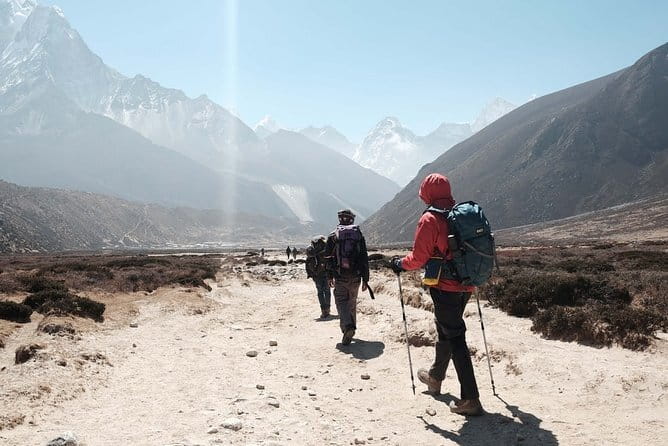
Day ten leads from Khambachen toward Lhonak beside the Kanchenjunga Glacier. The trail runs through increasingly stark terrain, with fewer trees and more rock, ice, and broad mountain views. You are now walking on the section used by trekkers heading to the North Base Camp.
Lhonak is an important staging point before Pang Pema. The altitude and exposed setting make this a serious part of the route. Keep your pace steady, drink regularly, and pay attention to how you feel. Your guide is first aid trained, and the package includes a basic first aid kit, but no trekking program can remove the need for personal caution.
Day eleven is the approach to Kanchenjunga North Base Camp, also known as Pang Pema. You follow moraine terrain and climb gradually toward the base camp area. The mountain views are the reward, but the terrain can be demanding underfoot.
This is one of the defining days of the circuit. You are not simply viewing Kanchenjunga from a distant village. You are reaching the northern base camp area and seeing the mountain from a close, dramatic angle. Weather may affect visibility, so patience helps. Even if cloud covers part of the summit, the glaciers and surrounding peaks remain powerful.
Days 12 and 13: Returning to Ghunsa and crossing toward Sele Le
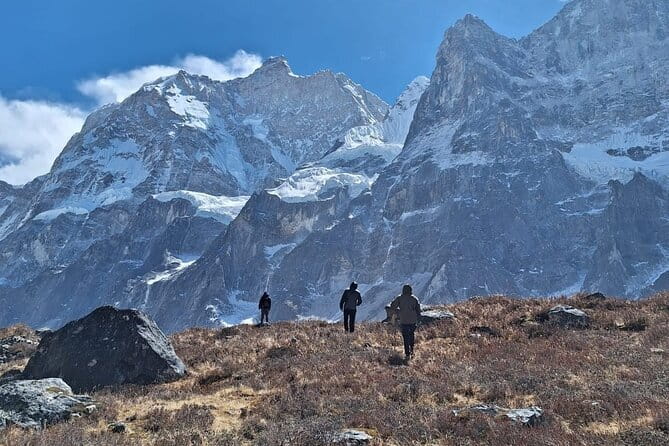
After North Base Camp, day twelve retraces the route to Ghunsa. Going back over familiar ground can feel less exciting, but it gives you a second look at the valleys and villages. It is also a necessary recovery section before the route turns toward the high passes.
Day thirteen leaves the main path toward Gyabla and climbs to Sele Le. The forest becomes more isolated, and human settlements are sparse. Teahouses in this section are few and may open only during the main trekking season.
That seasonal limitation is worth taking seriously. You are not moving through a chain of fully equipped lodges. The operator organizes the teahouse accommodation, but conditions can remain basic and availability depends on the season. A small personal supply of snacks and useful layers is sensible.
Sele Le is a quiet and exposed overnight stop before the pass crossing. The day may also offer a chance to spot snow leopards, though wildlife sightings are never something to count on.
Day 14: Three high passes in one demanding day
Day fourteen is the technical and physical centerpiece of the route. From Sele Le, you cross Sinion La at about 4,440 meters, Mirgin La at about 4,480 meters, and Sinelapche Bhanjyang at roughly 4,645 meters.
The views across the surrounding Himalayan peaks can be superb, but this is not an easy walking day. The combination of altitude, uneven ground, and several high points means you need strong fitness and a steady attitude. The route description calls for a long day, and you should believe it.
This section is one reason the circuit feels more serious than a standard teahouse trek. You are not just following a valley at a moderate height. You are crossing a high mountain route with limited settlement and little room for a casual pace.
Good boots, warm layers, gloves, sun protection, and a daypack that fits well matter here. Your porter carries the main load, but you still carry your water, layers, snacks, documents, and personal essentials.
Days 15 and 16: Yalung Glacier and the southern base camp area
After the pass section, the route turns toward the Yalung Glacier. Day fifteen brings you closer to the southern side of Kanchenjunga, with views toward Rathong at 6,682 meters and Kabru at 7,412 meters.
This section gives the circuit its second great mountain perspective. The northern base camp shows you one face of Kanchenjunga, while the southern route brings a different arrangement of glaciers, ridges, and neighboring summits. The exact viewing conditions depend on weather, but the change in angle is a major reason to choose the full circuit rather than a one-sided route.
Day sixteen begins the descent through rhododendron forest toward Tortong, following the Simbuwa Khola. The downhill walking offers a welcome change after the high glacier terrain, though descending can still be hard on tired knees.
The return through forest also gives the trek a pleasing sense of contrast. Behind you are snowfields and exposed ridges. Ahead are trees, streams, and warmer valleys. You are moving back toward settled country, but the route remains remote for now.
Days 17 to 19: Yamphudin, tea country, and the flight back
Day seventeen continues downhill from Tortong toward Amji Khola. You pass Lasiya or Lamite Bhanjyang at about 3,415 meters and Dhupi Bhanjyang at about 2,665 meters before reaching Yamphudin.
There are steep sections, so this is not simply an easy walk out. Yamphudin gives you a final mountain village stay and a chance to rest before the road transfer begins.
On day eighteen, you walk through scenery near the Kabeli Khola before leaving the trail by vehicle. The jeep carries you to Kanyam, where tea cultivation gives the journey a gentler, greener finish. It is a pleasant contrast to the ice and rock of the upper route, but the drive remains long.
Day nineteen includes a short visit around the tea-growing area, followed by a two to three hour drive to Bhadrapur Airport. The flight back to Kathmandu takes about 45 to 50 minutes. You are dropped at your Kathmandu hotel, completing a route that began with an airport pickup and ended with another domestic flight.
What the $2,000 price really covers
At $2,000 per person, this is not a budget walk, but the package includes many costs that can quickly add up on a remote trek.
You receive:
- Three nights in a three-star Kathmandu hotel with breakfast
- Domestic flights between Kathmandu and Bhadrapur
- Private jeep transport on the long access and return roads
- Trekking permits and government taxes
- Teahouse accommodation during the trek
- Breakfast for 18 days, lunch for 17 days, and dinner for 16 days
- A licensed, first aid-trained guide
- One porter for every two trekkers
- Porter and guide salaries, food, equipment, and insurance
- A basic first aid kit
The value is strongest if you want an organized small-group trek and do not want to arrange permits, flights, road transfers, porters, and teahouses yourself. The porter ratio is also practical. You still need to carry a daypack, but you are not expected to haul your full trekking load.
Budget separately for international flights, Nepal’s entry visa, travel and health insurance, emergency rescue or evacuation cover, drinks, snacks, Wi-Fi, battery charging, hot showers, tips, and extra nights or meals in Kathmandu. Insurance that covers high-altitude evacuation is especially important for a route of this kind.
Guides, group size, and the human side of the trek
The maximum group size is eight, which is small enough for a guide to keep track of the group without turning the route into a procession. Nepal Nirvana Trails has field staff including Raj, Jangbu, and Abinta, and the service record places strong emphasis on warm support, careful organization, and capable mountain leadership.
You should confirm who will lead your departure rather than assume a particular guide is assigned. The important point is that the package calls for a licensed and first aid-trained trekking guide, with porter support shared between two trekkers.
The company’s support is also useful before departure. Communication through the office and quick help with planning are part of the service people have valued. Still, ask direct questions before paying: the expected daily walking hours, the porter weight limit, the seasonal condition of high teahouses, and the backup plan for flight or road delays.
Free cancellation is available if you cancel at least 24 hours before the experience begins. Within 24 hours, the payment is not refunded, and changes are not accepted.
Who should book this circuit?
You should consider this trek if you want:
- A quiet Himalayan route with fewer people
- Both North and South Base Camp experiences
- High passes and glacier terrain
- A small organized group
- Full porter and guide support
- A package that handles remote transport and permits
You should think twice if you dislike long jeep rides, simple meals, basic teahouses, or long days at altitude. This is not the best first choice for someone seeking easy walking and polished lodge comfort.
The route requires strong physical fitness. The high passes, landslide-prone sections, glacier approaches, and long road transfers all add strain. You need to accept that weather and trail conditions can affect the plan, even when the schedule is carefully arranged.
Should you book the Kanchenjunga Circuit Trek?
I would choose this trek for the sense of distance and for the chance to see Kanchenjunga from both the northern and southern sides. The combination of quiet villages, forests, glacier valleys, high passes, and local road travel gives you a fuller picture of eastern Nepal than a short base camp outing.
The $2,000 price is fair for a 19-day package that includes domestic flights, private jeeps, permits, meals, lodging, a guide, and porter support. Just be honest about the drawbacks. The two long access days, simple food, limited facilities, and demanding altitude are not minor details.
If you want a remote, challenging trek and value organized support, this is a strong choice. If you want comfort, flexible rest days, or short transfers, select an easier route in Nepal instead.
FAQ
How long is the Kanchenjunga Circuit Trek?
The trek lasts approximately 19 days, including arrival and departure arrangements, Kathmandu preparation, domestic flights, jeep transfers, and walking days.
What is the price per person?
The listed price is $2,000 per person.
Does the tour include airport pickup?
Yes. Airport pickup is provided from Tribhuvan International Airport in Kathmandu on arrival, and you are dropped at your hotel at the end.
Are domestic flights included?
Yes. The package includes flights from Kathmandu to Bhadrapur and from Bhadrapur back to Kathmandu. Each flight takes about 45 to 50 minutes.
Does the price include trekking permits?
Yes. All necessary trekking permits, local and government taxes, VAT, and official expenses are included.
What accommodation is provided?
You receive three nights in a three-star hotel in Kathmandu with breakfast. During the trek, accommodation is in teahouses.
Are meals included?
Breakfast is included for 18 days, lunch for 17 days, and dinner for 16 days. Food during the trek is basic, and vegetarian meals are recommended.
Is porter support included?
Yes. The package includes a government licensed, first aid-trained guide and one porter for every two trekkers. Their salary, food, equipment, and insurance are included.
What happens if I cancel?
You can receive a full refund if you cancel at least 24 hours before the experience begins. Cancellations or changes made within 24 hours are not refunded or accepted.
Latest treks added in Kathmandu
- Private Manaslu Circuit Trek at Himalayas★ 5.0 · 3 reviews
- Ghorepani Poonhill Trek★ 5.0 · 5 reviews
- Ghorepani Poon Hill Trek★ 5.0 · 16 reviews
- Upper Mustang Trekking★ 3.0 · 2 reviews
- Amazing 1 Day Trekking Experience in Kathmandu Nepal★ 5.0 · 24 reviews
- Upper Mustang Trekking★ 5.0 · 2 reviews
- Upper Mustang Trek★ 5.0 · 5 reviews
- Upper Mustang Trekking★ 5.0 · 4 reviews
Kathmandu Trekking Tours, compared.