
REVIEW · NEPAL
From Pokhara: 4-Day Annapurna and Poon Hill Himalayan Trek
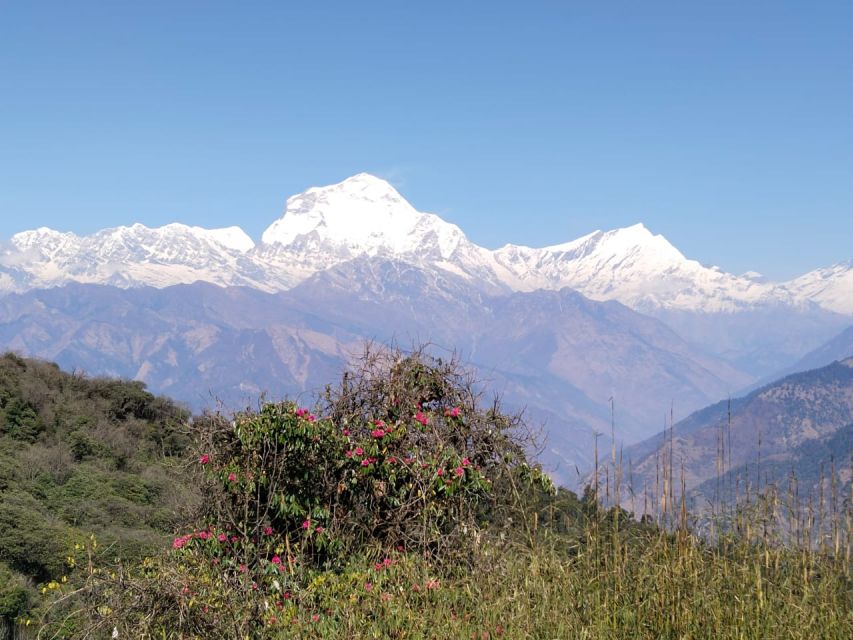
Poon Hill gives you the big payoff: a sunrise view across the Annapurna Range after a climb through dark mountain forest. This four-day route also brings you to Jhinu’s natural hot springs and the Gurung village of Ghandruk, so you get more than a lookout and a quick photo stop.
I like the mix of scenery and village life, and I like that a private guide, permits, transport, and tea-house lodging are included. The main caution is that mountain roads can change the plan. A landslide once forced the starting point lower and removed one itinerary stop, so confirm route conditions before setting out.
Key points to know before you book
- Poon Hill sunrise is the main event: Leave early for the summit and a wide view of the Annapurna Range.
- Jhinu adds a welcome soak: The natural hot springs provide a warm break after a demanding walking day.
- Gurung culture comes into view: Ghandruk offers a close look at local village design and mountain life.
- Expect serious walking: Daily trekking times range from five to seven hours, with steep uphill and downhill sections.
- The $287 price covers the basics: Private transfers, permits, a guide, guide expenses, and tea-house accommodation are included, but meals and drinks cost extra.
- Road conditions matter: Landslides can alter the route, so good communication with the provider is important.
Why Poon Hill makes this four-day trek worthwhile
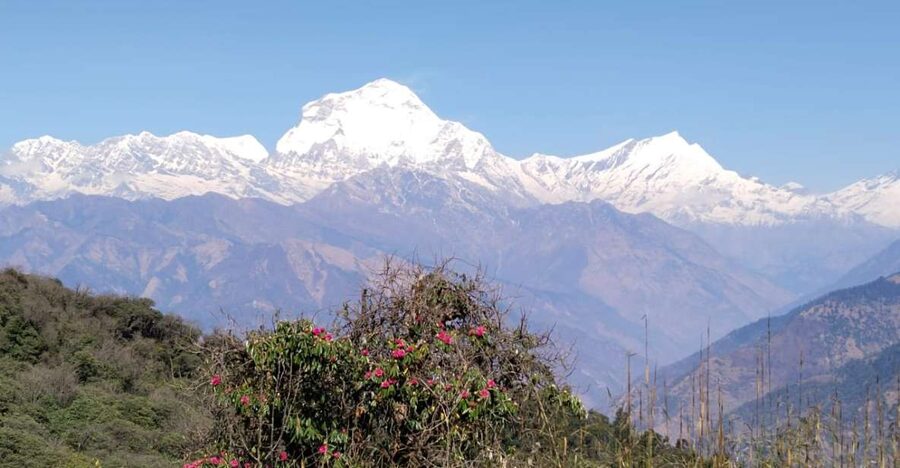
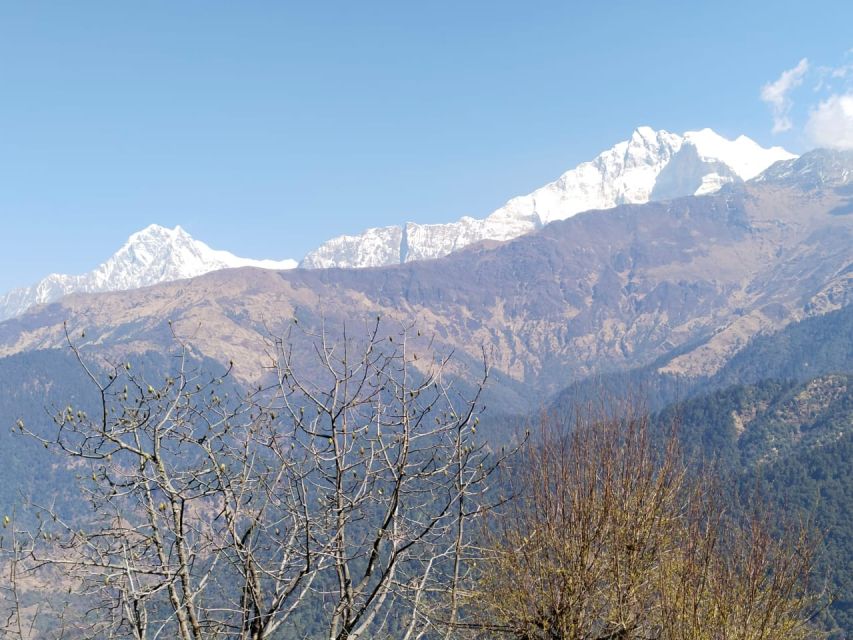
Poon Hill is popular for a simple reason: it gives you a broad mountain view without requiring a long expedition. From the viewpoint, you can see the Annapurna Range in full display, with the sunrise providing the most memorable light.
You reach that viewpoint early on the second day. The climb from Ghorepani takes about an hour, and the start is likely to be cold and dark. Bring a warm layer, keep your headlamp or phone light ready, and accept that this is not a slow morning stroll. The reward is the mountain panorama, which was also the strongest part of the experience for one recent participant.
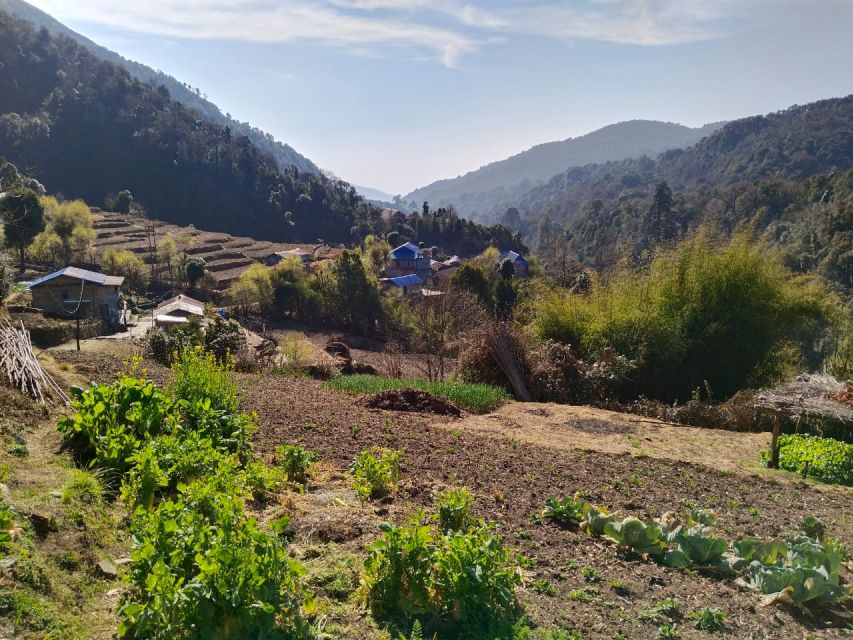
I like this route because Poon Hill is not the only attraction. The trail passes through lower Himalayan forests, remote villages, and mountain communities. You get a useful sense of how the region changes as you walk, rather than simply being driven to a lookout and driven back.
The route is short by Himalayan trekking standards, but four days does not mean easy. You will spend five to seven hours on foot on most days. Uneven trails, climbs, and long descents can make the walking feel tougher than the timetable suggests.
More Annapurna Treks in Pokhara
- Trekking in Annapurna/Langtang/Everest/Upper Mustang regions
★ 5.0 · 161 reviews - Kathmandu/Pokhara: 5-Day Annapurna Base Camp (ABC) Trek
★ 4.9 · 72 reviews - Annapurna Panorama trek
★ 5.0 · 71 reviews
Day 1: Pokhara to Ulleri and Ghorepani
Your guide collects you at your hotel early in the morning after breakfast. A private car or jeep takes you toward Ulleri, the road access point listed for the trek. From there, you begin walking uphill toward Ghorepani.
The trek time is about five hours. The lower Himalayan forest is the star of this first stretch. You will walk through trees and mountain terrain rather than spending the day on a paved road, with the route gradually drawing you into the Annapurna foothills.
Ghorepani is your first overnight stop. You sleep in a tea house, a practical mountain lodge rather than a polished hotel. Accommodation is included, but food and drinks are not, so keep extra money available for meals and beverages along the way.
The first day sets the tone. You are not just sightseeing from a vehicle, and you should not treat the Ulleri to Ghorepani section as a warm-up with no demands. A steady pace matters. Tell your guide early if you need breaks, especially since the next morning begins before sunrise.
Day 2: The Poon Hill sunrise and Tadapani
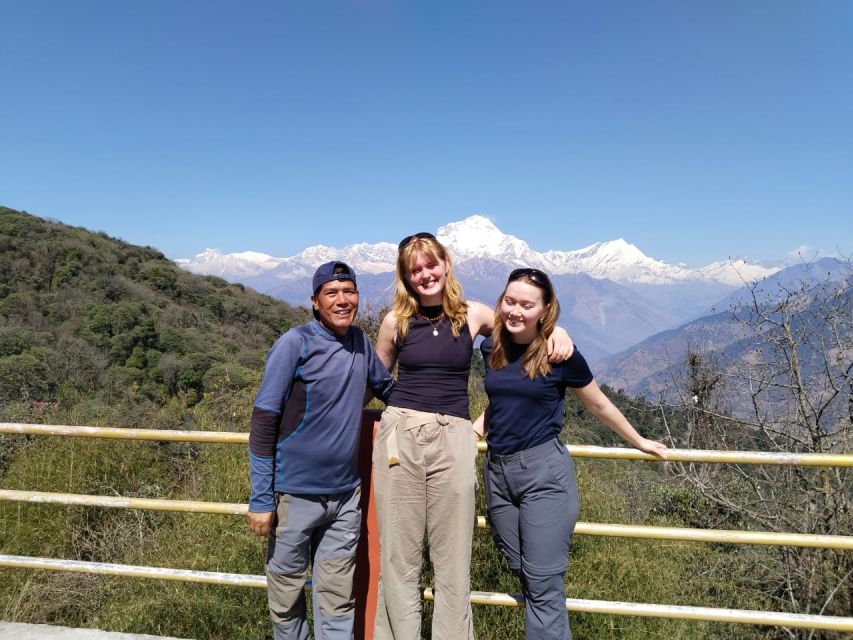
The second day begins early with the climb from Ghorepani to Poon Hill. The uphill walk takes roughly one hour. Timing matters here because the attraction is the sunrise, not simply reaching the viewpoint later in the morning.
At the top, you get the trek’s clearest mountain view. The Annapurna Range opens in front of you, and the morning light gives the peaks a changing appearance. The view is the reason many people choose this itinerary, and it deserves your full attention rather than a rushed stop for photographs.
After Poon Hill, you return to Ghorepani for breakfast. Then you continue to Tadapani, with a total walking time of about six hours for the day. This makes Day 2 the route’s key combination of early effort and sustained walking.
Tadapani is your second tea-house overnight stop. You will likely appreciate the pause after the pre-dawn start and the continued trail walking. Because the schedule combines the viewpoint climb, the return to Ghorepani, breakfast, and the onward trek, pack only what you need during the day and keep your main belongings easy to manage.
Weather can affect the quality of the sunrise view. One participant praised the exceptional sunrise but felt the guide could have watched the weather forecast more closely. That is a fair point. Mountain conditions are not fully controllable, but weather awareness and clear advice from your guide can help you make sensible decisions about timing and expectations.
Day 3: Tadapani, Jhinu, and Ghandruk
Day 3 takes you toward Jhinu, known here for its natural hot water springs. After the walking required to reach them, the chance to bathe in warm water is more than a novelty. It gives your legs a break and changes the pace of the trek.
The water is considered therapeutic, though you should treat that as a local wellness tradition rather than a medical claim. The visit is a pleasant part of the itinerary, but the day is not finished afterward. You continue to Ghandruk, with roughly six to seven hours of total trekking.
Ghandruk is a Gurung village and one of the most useful cultural stops on the route. The village is described as an example of Gurung architecture and of how the community has adapted to life in the Himalayan region. This makes the stop valuable beyond its appearance. You get a look at a settled mountain community, not just forest paths and distant peaks.
You spend the night in Ghandruk. The village gives the route a strong sense of place, especially after the more viewpoint-focused sections around Poon Hill. If your main interest is culture and local life, this is one of the itinerary’s most important stops.
Day 3 is also the point where the trek may feel most tiring. The hot springs provide a useful pause, but they do not remove the long walking day. Good footwear and a realistic view of your fitness will matter more than enthusiasm alone.
More Poon Hill Treks in Pokhara
- Poon hill Trek 3 days
★ 5.0 · 176 reviews - Pokhara: 4-Day Ghorepani, Poonhill & Ghandruk Mountain Trek
★ 5.0 · 132 reviews - Ghorepani – Poon Hill Trek 3N-4D
★ 5.0 · 125 reviews - From Pokhara: 3-Day Ghorepani Poon Hill Trek with Guide
★ 4.9 · 68 reviews
Day 4: Down to Nayapul and back to Pokhara
The final day takes you downhill to Nayapul. From there, a private vehicle drives you back to Pokhara and drops you at your hotel.
The route ends with transport rather than another night on the trail, which makes this practical for a short holiday in Nepal. You can return to Pokhara after four days instead of arranging your own transport from the mountains.
Downhill walking deserves respect. It may appear easier than climbing, but long descents can be hard on knees and ankles. Use your guide for pacing advice and take care on uneven sections. The supplied schedule gives no exact finish time, so avoid booking an important flight or fixed appointment immediately afterward.
What the $287 price really covers
At $287 per person, this is not a bare walking route. The price includes hotel pickup and drop-off in a private car or jeep, necessary permits, tea-house or guest-house accommodation, an English-speaking licensed guide, and the guide’s expenses.
That package has real value if you want the practical work handled for you. Permits and transport can be awkward to arrange independently, and private pickup simplifies the transition from Pokhara to the trail. Tea-house lodging also keeps the trek focused on walking rather than hotel logistics.
The price does not include food or drinks. This is the most important budget detail. You should plan to buy meals and beverages during the trek, and you should not assume that the listed price covers every daily expense.
The experience provider is Fewa Trail Treks and Expedition Pvt Ltd. Communication has been described as quick and efficient, but route changes need to be explained clearly. A damaged mountain road caused by a landslide once shifted the starting point and removed one planned point of interest. The natural event was outside the operator’s control, but you still deserve prompt notice when the schedule changes.
Your guide can shape the whole experience
You receive a licensed English-speaking guide, and that person matters greatly on a short trek. A good guide helps with pace, route decisions, weather awareness, and the small practical choices that make long walking days manageable.
Guide Gobinda received strong praise for kindness, assistance, and helping make the trip comfortable. Guide Muku was also described as good, though weather monitoring could have been sharper. These details suggest that guide quality may vary, so it is sensible to confirm your guide’s name and ask how weather or road problems will be handled.
The trek is private in its guiding arrangement, which can make it easier to set a comfortable pace than in a large group. Still, private does not mean effortless. You remain responsible for bringing suitable clothing, footwear, and personal items for several days in the mountains.
The provider contacts you one day before the trip. Use that contact to confirm pickup time, the road condition to Ulleri, the current route, and what you should carry during the day.
The practical side of tea-house trekking
Tea-house accommodation is part of the character of this route. You stay in simple tea houses or guest houses in Ghorepani, Tadapani, and Ghandruk. The included lodging gives you a bed for each night, but the information provided does not promise a particular room type or private bathroom.
Keep your expectations practical. This is a mountain trek, not a resort stay. Carry your passport or a copy, since passport details must be supplied at least 24 hours before departure so the permits and other arrangements can be prepared.
Food and drinks are available to purchase, but they are separate from the tour price. You should budget for those costs and carry what you personally need for the trail. The supplied information does not specify a packing list beyond your passport, so ask the provider for current advice before departure.
The route is not suitable for pregnant women or people with mobility impairments. That restriction makes sense given the uphill and downhill hiking, uneven mountain paths, and six to seven-hour days. If you have another health concern, the available information does not provide a medical assessment, so ask the operator before booking.
How route changes can affect a short itinerary
Four days gives you a neat loop through several highlights, but it also leaves little spare time. A landslide can force the vehicle to stop lower than planned, reduce the walking route, or remove a scheduled point of interest. On a longer trek, you may have more room to adjust. Here, one disrupted day can change the whole experience.
I would confirm the current road access to Ulleri before leaving Pokhara. Ask specifically if the planned starting point is still reachable and if any section has been altered. This is not a reason to avoid the trek. It is a reason to know what you are paying for on the morning you depart.
The strongest fixed feature is Poon Hill, and the sunrise is usually the part you can plan around most clearly. The hot springs and Ghandruk add depth, but road and weather conditions may affect the exact order or amount of time at each place.
Who should book this Annapurna trek
I would choose this trek if you have four days, want a guided route from Pokhara, and care most about the Poon Hill sunrise with a few different experiences around it. The combination of mountain views, forest walking, hot springs, and Gurung village life gives you more variety than a simple out-and-back hike.
It suits an active visitor who can handle five to seven hours of walking on consecutive days. It is less suitable if you want a relaxed sightseeing schedule, guaranteed weather, or hotel-style comfort.
The $287 price is reasonable for someone who values private transport, permits, a licensed guide, and arranged lodging. It becomes less attractive if you expected meals and drinks to be included or if you need a highly fixed itinerary despite changing mountain roads.
Should you book it?
Book this experience if Poon Hill sunrise is your priority and you want the main logistics arranged from Pokhara. The Annapurna views, Jhinu hot springs, and Ghandruk village give the trek a satisfying range of scenery and culture in only four days.
Before paying, confirm the road condition, starting point, guide name, pickup time, and expected food costs. If the provider gives clear answers and you are ready for long walking days, this is a practical short trek with a strong mountain payoff. If you need a slower pace or dependable access to every scheduled stop, allow more time or seek a route with greater flexibility.
FAQ
How long is the trek?
The activity lasts four days. Listed walking times are about five hours on Day 1, six hours on Day 2, six to seven hours on Day 3, and a downhill walk on Day 4.
Where does the trek begin?
You are picked up at your hotel in Pokhara and driven toward Ulleri. From Ulleri, you hike toward Ghorepani.
What is the main viewpoint on the route?
The main viewpoint is Poon Hill, reached by an early morning hike from Ghorepani for sunrise views of the Annapurna Range.
Where do you stay overnight?
You stay in tea houses or guest houses in Ghorepani, Tadapani, and Ghandruk.
Are meals and drinks included?
No. Food and drinks are not included, but they are available to purchase during the trek.
Is a guide included?
Yes. The tour includes a licensed English-speaking guide and the guide’s expenses.
What passport information is required?
You must provide passport details at least 24 hours before the tour. A passport copy is accepted for the trip information requirement.
Can I cancel the booking?
You can cancel up to 24 hours in advance for a full refund. The reserve-now, pay-later option allows you to book without paying immediately.
More four-day treks in Pokhara
- Pokhara: 4-Day Mardi Himal Trek
★ 4.9 · 59 reviews - 4-Day Private Poon Hill Trekking Tour
★ 5.0 · 58 reviews - Pokhara: 4-Day Private Trek Tour
★ 4.9 · 43 reviews - From Pokhara: 4-Day Mardi Himal Base Camp Trek
★ 4.9 · 31 reviews
Latest treks added in Pokhara
- Pokhara: Majestic Mardi Base Camp Guided Trek with HotSpring★ 5.0 · 6 reviews
- Pokhara: 9-Day Annapurna Base Camp Trek with Poon Hill★ 5.0 · 6 reviews
- Pokhara: 5-Day Ghorepani and Poon Hill Private Trek★ 5.0 · 4 reviews
- Pokhara: 5-Day Trek to Annapurna Base Camp and Hot Springs★ 5.0 · 4 reviews
- Pokhara: 7-Day Annapurna Base Camp Trek & Hot Spring★ 4.0 · 3 reviews
- Pokhara:4-Day Ghorepani Poon Hill Guided Trek via Ghandruk★ 5.0 · 3 reviews
- Pokhara: 4-Day Poon Hill and Ghandruk Guided Trek★ 5.0 · 14 reviews
- Pokhara: 4-Day Beautiful Ghorepani Poon Hill & Ghandruk Trek★ 4.8 · 21 reviews
Annapurna Base Camp Treks, compared.

Trekking in Annapurna/Langtang/Everest/Upper Mustang regions
Read our review →
Kathmandu to Annapurna Base Camp (ABC) 5-Day Trek
Read our review →Browse the lists this tour appears in