
REVIEW · KATHMANDU
Conquer the Himalayas: The Ultimate 16-Day Annapurna Circuit Trek
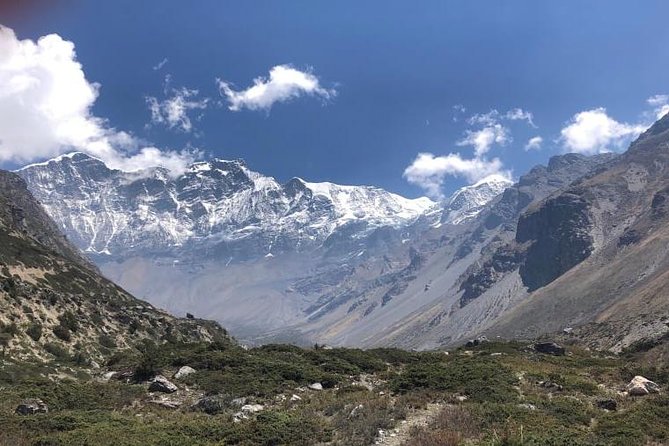
The big prize here is Thorong La Pass, reached before dawn after a hard climb from Thorong Phedi. At 17,769 feet, it is the high point of the Annapurna Circuit, and the reward is a broad view of Thorung Peak, Khatungkan, Syagang, and Gundang before the long descent to Muktinath.
I like the steady change from rice terraces and subtropical forest to juniper scrub, yak pasture, and dry mountain country. I also like that this is not just a pass-counting exercise: you spend time in Gurung, Manang, and Thakali communities, visit monasteries, stop at hot springs, and learn about altitude safety.
The main concern is that the itinerary is confusing and physically demanding. It is promoted as a 16-day trek but described as about 21 days with Kathmandu, transport, and extra stops. Several days run six or seven hours, and the early start for Thorong La requires real stamina.
The essential details at a glance
- Thorong La before sunrise: You begin around 3 a.m. for the hardest and highest day of the route.
- A dramatic change in scenery: The trail moves from terraced hills and waterfalls to cold, dry valleys lined with juniper.
- Real village contact: Sirung, Tal, Manang, Muktinath, and Ghandruk offer a look at local homes, temples, farms, and daily routines.
- Altitude is handled gradually: The schedule includes rest and acclimatization time in Manang, with an optional hike to Gangapurna Lake, Bhojo Gumba, or Vraga.
- Useful inclusions: Airport transfers, Kathmandu sightseeing, teahouse lodging, permits, and an English-speaking government-licensed trek leader are covered.
- A private trip, not a fixed group: Only your party takes part, and group discounts are offered.
What the route really involves
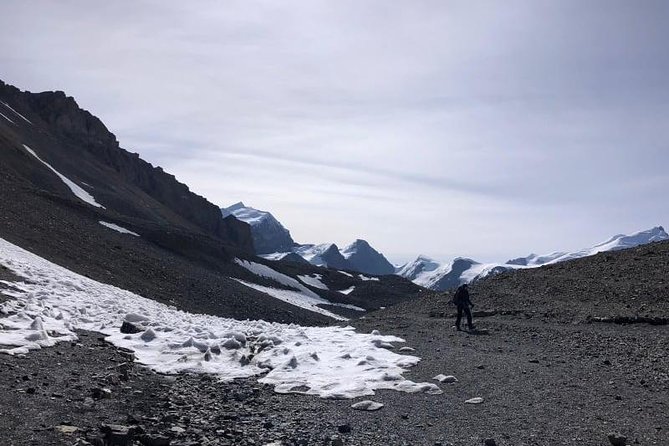
The Annapurna Circuit is valuable because it keeps changing. You begin in warm hill country, where suspension bridges cross rushing rivers and rice fields climb the slopes. Days later, you are walking beneath bare cliffs in a dry high valley, with snow peaks close enough to dominate every view.
This is not a short scenic walk. The itinerary includes many six-hour trekking days, a seven-hour approach through steep and rough sections, and a seven-hour crossing day at Thorong La. You need moderate physical fitness, and you should be comfortable walking on uneven trails for much of a day.
The program also includes a full day of Kathmandu sightseeing, airport transfers, and road journeys. That explains part of the roughly 21-day duration, even though the central trekking plan is described as 16 days. Ask the operator for a day-by-day version with exact overnight stops before paying.
More Annapurna Treks in Kathmandu
- Annapurna Circuit Trek with Tilicho Lake
★ 5.0 · 368 reviews - Annapurna base camp trek 5 Days
★ 5.0 · 252 reviews - 14-Day Private Annapurna Base Camp Trek
★ 5.0 · 180 reviews
Kathmandu gives you a useful start
Your arrival day is deliberately light. A private vehicle takes you from the airport to your hotel, leaving you time to rest or take a short walk. That is sensible after an international flight and gives you a chance to adjust to Nepal before the road and trail work begins.
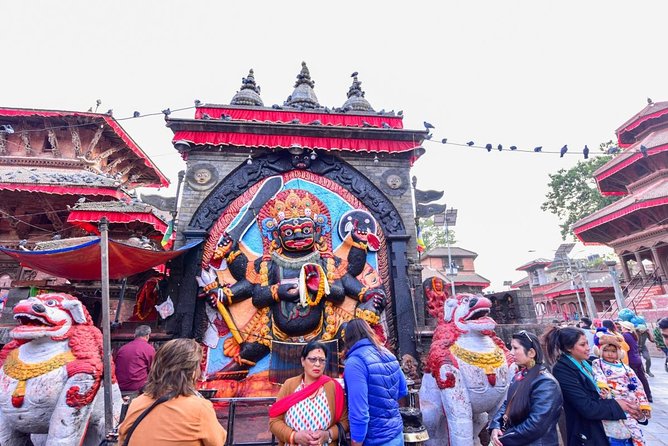
The next day includes a private-vehicle tour of Kathmandu’s UNESCO World Heritage sites, followed by dinner and a trek briefing. The description does not name every monument, so confirm the exact sightseeing route if particular sites matter to you.
The briefing is more than a formality. Use it to ask about walking times, the high-pass schedule, porter arrangements, weather changes, meals, and what happens if a trail is closed. A previous trip required an alternate route when Tilicho Lake was closed, and the guide adjusted the plan successfully. That sort of flexibility matters in the mountains.
Khudi and Sirung: bridges, farms, and first peaks
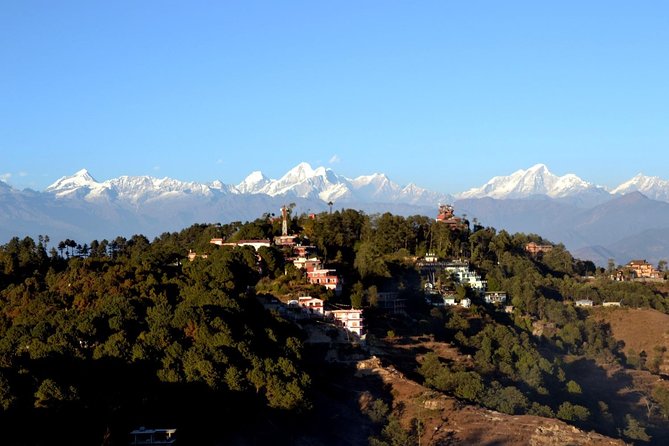
The road from Kathmandu heads toward the Trishuli River, then through Mugling and Dumre before turning north toward Besisahar and Khudi. The drive takes you past terraced farms and hillside homes, and the first views of the Manaslu range begin here.
Khudi is the trailhead in this plan. You can either ride to Khudi or get off at Besisahar and walk for about an hour along a broad route. The itinerary places road travel and the start of the trek close together, so clarify where the vehicle drops you and how much walking is planned that day.
The first walking stage toward Sirung brings suspension bridges, waterfalls, rice paddies, and subtropical forest. You pass Taranche, a Tamang settlement, before reaching Sirung, where Nadi Chuli and Manaslu come into view. The trail starts gently, then grows steeper. This is a good early test of your legs without yet asking you to deal with high altitude.
From Sirung, the route toward Jagat follows forest, ferns, woodland, and the Marshyangdi River. You cross the Sangu Khola at Mipra and the Marshyangdi at Syange, passing small villages, temples, and a waterfall. The river corridor gives this part of the trek a pleasant rhythm, but wet or rough trail sections can slow you down.
Jagat to Dharapani brings the trail’s first drama
The route from Jagat descends to the river, then climbs through forest toward Chyamje. A suspension bridge leads to the steep, slippery approach to Sattale. From there, the trail drops to a grassy riverbank before reaching Tal.
Tal is one of the more memorable settlements on this part of the route, set in the river valley beneath steep hills. Beyond Tal, the path becomes rugged and winding as it works toward Karte and then Dharapani. Waterfalls, cliffs, bridges, and stone-strewn sections make this a more demanding day than the mileage alone suggests.
The itinerary describes this section as about seven hours. You should expect a full day outdoors, with several ascents and descents. Good shoes matter here, and trekking poles would be useful, though equipment details are not specified in the package.
Another trail to compare in Kathmandu:
- Everest Base Camp Trek – 14 Days
★ 5.0 · 1,499 reviews - Everest Base Camp Trek
★ 5.0 · 842 reviews - Everest Base Camp Trekking
★ 5.0 · 485 reviews - Everest Base Camp Trekking – 13 Day
★ 5.0 · 365 reviews
Chame and the move into Manang
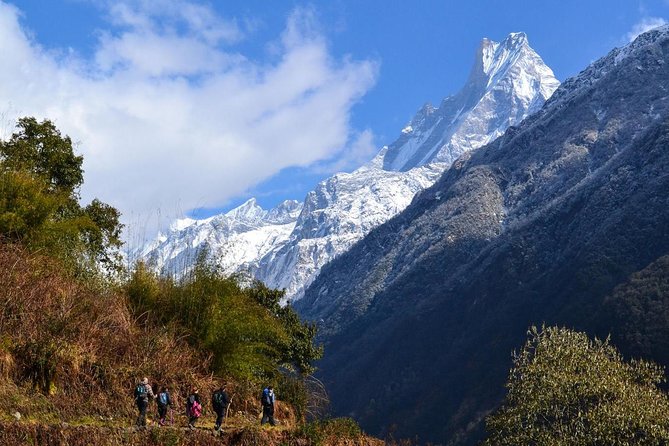
From Dharapani, you walk through forested ridges to Chame, headquarters of Manang District. The mountain views become stronger, with Lamjung Himal, Annapurna II, and Annapurna IV appearing along the way.
Chame also offers a welcome pause at small hot springs. After several days of bridges and climbs, a soak can feel like a practical luxury rather than a tourist extra. Ask your guide how much time is available and what you need to carry for this stop.
The route toward Pisang passes through dense forest and along a dramatic rock face rising about 1,500 meters above the river. The trail is carved into the steep valley wall in places. Once you pass this section, the valley opens near Paungda Danda, a huge sloping rock face that rises roughly 1,500 meters above the trail.
The plan uses Upper Pisang via Geru, a route chosen for mountain views of Annapurna and Pisang. You will notice the air and vegetation changing. The warm, wet lower valley gives way to colder, drier country. At Barge Monastery, described as the largest monastery in the Manang district, you get a cultural stop that breaks up the walking day.
One oddity in the supplied schedule is that Chame appears more than once and the order of several Manang-area stops is not perfectly clear. Treat the route themes as useful, but request the final sequence before booking.
Manang is the place to slow down
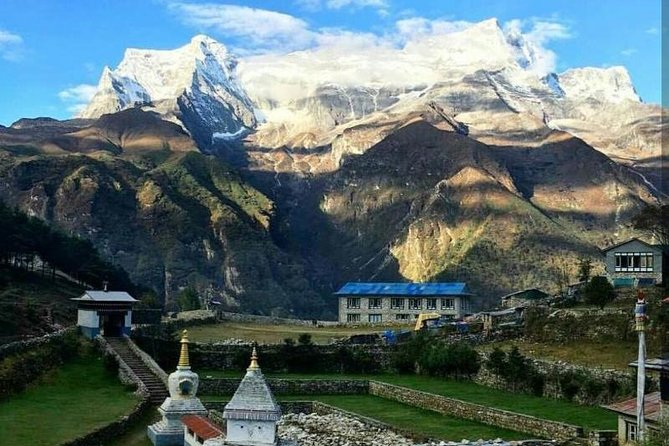
Manang is the key acclimatization point. The schedule includes a short hiking day to Bhojo Gumba or Gangapurna Lake, with an optional walk to Vraga Village and the Himalayan Rescue Association.
This is one of the strongest parts of the program. You are not simply sitting in a lodge waiting for the next long climb. A short outing keeps your body moving while giving you a chance to learn about Acute Mountain Sickness. At this altitude, that information is practical, not decorative.
Keep this day easy. The point is to adapt, not to collect another exhausting summit. Drink water, follow your guide’s advice, and tell the trek leader promptly if you feel unwell. The package includes an experienced English-speaking government-licensed trek leader and an assistant trek leader, but it does not include travel or rescue insurance. You need to arrange that yourself.
Yak Kharka and Thorong Phedi
Beyond Manang, the route crosses a stream and climbs through Tenki before turning northwest into the Jarsang Khola valley. Juniper scrub replaces the lower forests, and the trail passes meadows where horses and yaks graze.
Yak Kharka is a small settlement reached after a wooden bridge and a Mani wall in a pleasant meadow. The day is listed at about six hours, but high altitude can make a moderate walking time feel much longer. Your pace should be slow and steady.
The next stage heads toward Thorong Phedi, the final settlement before the pass. You cross a suspension bridge, pass Ledar, and climb beneath towering cliffs. The views include Gundang, Syagang, Thorung Peak, and Khatungkan.
Thorong Phedi is not the place to rush. Eat, rest, organize your pack, and follow the guide’s instructions for the pass day. Since the crossing starts around 3 a.m., your evening will be short.
Thorong La is the hard-earned centerpiece
The crossing from Manang to Muktinath is described as the easier and safer direction. You climb in darkness, reach the pass after a sustained uphill effort, take photographs, and then descend toward Muktinath Valley.
This is the day that makes the trip a serious Himalayan trek. The altitude, cold, darkness, steep trail, and long descent all arrive at once. The early start also means that weather and wind can affect comfort, so flexibility is essential.
At the top, you can look back toward Thorung Peak and the surrounding ridges before beginning the descent. The pass is not the end of the day. Your legs still have to carry you down to Muktinath, and the descent can be tough on knees.
Muktinath is both a mountain destination and an important religious site. The itinerary specifically includes Muktinath Temple, but it gives no detailed schedule for visiting. Ask how much time is set aside for the temple and whether transport is included after the descent.
Tatopani and Ghandruk add a softer finish
After Muktinath, the route drops toward Tatopani Hot Spring. The change is striking: dry high country gives way to subtropical forest, thicker vegetation, waterfalls, and larger villages.
You pass Ghasa and Rupse Chahara, then continue through Kopchepani, Garpar, Dana, and Narchyang Besi. The route includes a view of a local powerhouse and a look at everyday village life. At Tatopani, the hot spring is the reward after a long downhill day.
The itinerary then describes a route through old rhododendron forest toward Ghandruk, a Gurung settlement with stone houses. In bloom, the rhododendrons can turn the forest bright with color. The views from Ghandruk include Fishtail, Annapurna South, and Hiunchuli at close range.
From Nayapul, you drive to Pokhara Lakeside. This is a satisfying finish because it shifts the mood from remote trail to a lakeside city, while still keeping a final connection to the villages and mountains.
What the $1,492 price covers
At $1,492.27 per person, the package has solid value if you use the included services. Airport pickup and drop-off in a private vehicle, Kathmandu sightseeing, teahouse accommodation, trekking permits, ACAP and TIMS paperwork, and licensed guiding remove several costs and planning tasks.
A private trip can also be worth more than a cheaper fixed departure if you want your own group and a guide who can adjust the pace. The operator offers group discounts, which may improve the price for a larger party.
The price does not include international flights, a Nepalese visa, alcoholic drinks, personal costs, extra nights in Kathmandu or Pokhara, excess baggage, insurance, or tips for guides, porters, and drivers. Those items can add up. I would budget for them before comparing this tour with a lower headline price.
The feedback record is limited, with three public entries and an overall rating of 3.3. The most positive points are organization, customer service, route planning, and the work of guide Rajesh. One serious complaint alleges a financial scam involving owner Dipsun Kunwar. An allegation is not proof, but it is enough reason to confirm the company’s payment details, written inclusions, refund terms, and receipt before sending money.
Who should book this trek
This trip suits you if you want the classic Annapurna Circuit with private arrangements, a licensed English-speaking guide, teahouse lodging, and cultural stops along the way. It is especially appealing if you value help with permits and airport transfers rather than arranging every detail yourself.
You should be ready for long walking days, steep and slippery trail sections, suspension bridges, cold high-altitude conditions, and a pre-dawn climb. Moderate fitness is the stated standard, but the Thorong La day demands more than a casual hiking habit.
I would not choose this plan if you want a relaxed holiday, a fixed and perfectly polished timetable, or a short trek with little altitude gain. The route description contains duplicate and out-of-order stops, so a careful buyer should request the final itinerary in writing.
Cancellation is free up to 24 hours before the start time. A cancellation inside 24 hours is not refunded, and poor weather may lead to a new date or a full refund.
Should you book the Annapurna Circuit trek?
Book it if Thorong La, changing mountain scenery, local villages, and a guided private trip are your main goals. The included permits, teahouse stays, city tour, transfers, and guide support give the price a reasonable base.
Before booking, get three things confirmed: the exact 21-day schedule, the payment and refund arrangement, and the insurance requirements. If the operator answers those points clearly and you are prepared for the early pass day, this can be a strong way to experience one of Nepal’s best-known high routes. If you need a simple, tightly edited itinerary, keep comparing.
FAQ
How long does the experience take?
The trip is listed as approximately 21 days, while the central Annapurna Circuit trek is described as 16 days. Kathmandu sightseeing, transport, and other travel days account for part of the longer total.
What is the highest point of the trek?
The highest point is Thorong La Pass, described as 17,769 feet above sea level.
Is the trek suitable for beginners?
The stated requirement is a moderate physical fitness level. The route includes six to seven-hour walking days, steep sections, high altitude, and a pre-dawn pass crossing, so it is not a casual walk.
Is this a private tour?
Yes. Only your group participates in the activity. Group discounts are also offered.
Is accommodation included?
Yes. Teahouse accommodation during the trek is included. Extra nights in Kathmandu or Pokhara caused by early arrival or late departure are not included.
Are permits included?
Yes. The package includes necessary trekking paperwork and permits, including ACAP and TIMS.
Is airport transportation provided?
Yes. Private airport pickup and drop-off are included.
Is a guide included?
Yes. The package includes an experienced, English-speaking, government-licensed trek leader and an assistant trek leader. Guide Rajesh is associated with a successful route adjustment when Tilicho Lake was closed.
Is travel insurance included?
No. Travel and rescue insurance are not included, so you need to arrange your own coverage.
Latest treks added in Kathmandu
- Private Manaslu Circuit Trek at Himalayas★ 5.0 · 3 reviews
- Ghorepani Poonhill Trek★ 5.0 · 5 reviews
- Ghorepani Poon Hill Trek★ 5.0 · 16 reviews
- Upper Mustang Trekking★ 3.0 · 2 reviews
- Amazing 1 Day Trekking Experience in Kathmandu Nepal★ 5.0 · 24 reviews
- Upper Mustang Trekking★ 5.0 · 2 reviews
- Upper Mustang Trek★ 5.0 · 5 reviews
- Upper Mustang Trekking★ 5.0 · 4 reviews
Annapurna Base Camp Treks, compared.




Trekking in Annapurna/Langtang/Everest/Upper Mustang regions
Read our review →


Kathmandu to Annapurna Base Camp (ABC) 5-Day Trek
Read our review →Browse the lists this tour appears in