REVIEW · KATHMANDU
Chisapani Nagarkot Trekking
The best thing about the Chisapani Nagarkot Trek is its compact route. In three days, you move from Kathmandu’s edge into forest, hill villages, terraced farmland, and two popular Himalayan viewpoints. I like the route’s variety, and I like that meals, guesthouses, a guide, and private road transfers are already covered.
The main catch is the physical effort. This is not a casual village stroll, and one night may involve climbing more than 100 flights of stairs to reach the lodging. The tour also asks you to start at 6:30 am, so you need decent fitness, sturdy shoes, and a willingness to accept simple accommodation.
Key points at a glance
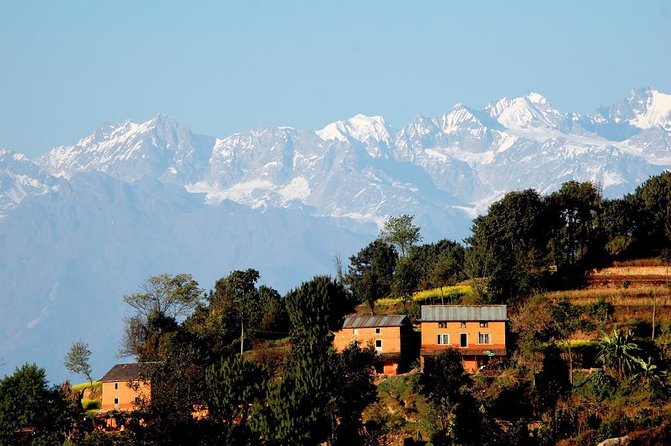
- Chisapani begins with a forest climb: The first day runs from Sundarijal through Mulkharka village and Shivapuri forest before reaching the 2,300-meter overnight stop.
- Nagarkot brings the big mountain views: On a clear day, the Himalayan range may stretch from Dhaulagiri toward Everest and Kanchenjunga.
- Changu Narayan adds village life: The final walk passes terraced fields, Tamang settlements, forest, and the historic temple area.
- Meals and transfers are included: Breakfast, lunch, and dinner are provided, along with private transport from Kathmandu to Sundarijal and from Nagarkot back to Kathmandu.
- The group is capped at 15 people: That keeps the walk smaller than a large coach excursion, though the actual group size can vary.
- Plan for basic lodgings: Guesthouses are practical trail accommodation, not city hotels, and access can involve long stair climbs.
A short Himalayan trek close to Kathmandu
This route is designed for people who want a real trek without giving up ten or more days. You leave Kathmandu by private vehicle, walk through the hills east of the city, sleep in local guesthouses, and finish at Changu Narayan before returning by road.
That short format is the great selling point. You get three distinct walking days without committing to a long Himalayan journey. I also appreciate the route’s changing character. The first day is mainly forest and uphill walking, the second opens toward mountain views and Nagarkot, and the third brings farmland, villages, and temple architecture.
The tour costs $350 per person. That is not simply the price of a guide and a few walks. It includes two nights of accommodation, seven meals, a licensed English-speaking guide, government taxes, and two private vehicle transfers. Drinks, tips, and other personal expenses are extra.
For someone who would otherwise need to arrange each part separately, the package can be useful. The value depends on what you want. If you prefer independent trekking and already know the local routes, you may find it expensive. If you want a short, organized outing from Kathmandu with food and transport handled, the price is easier to justify.
More Trekking Tours in Kathmandu
- Everest Base Camp Trek – 14 Days
★ 5.0 · 1,499 reviews - Everest Base Camp Trek
★ 5.0 · 842 reviews - Everest Base Camp Trekking
★ 5.0 · 485 reviews
Day 1: Sundarijal, Mulkharka, and Chisapani
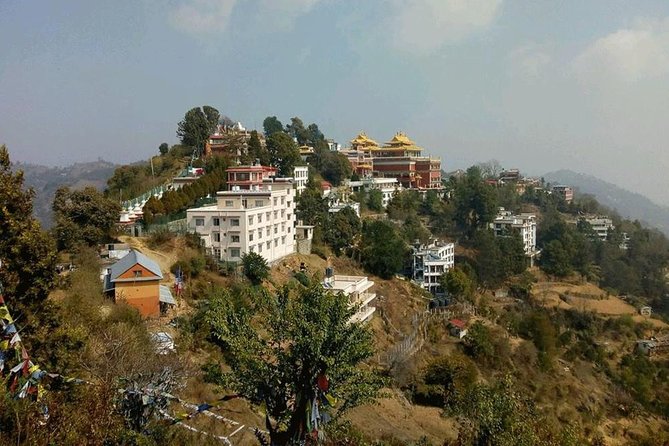
The day starts early, with departure at 6:30 am from the Outshine Adventure office at Paknajol Chock in Kathmandu. The route description also says hotel pickup is offered, so confirm the exact pickup arrangement before you set out. The included road transfer takes you to Sundarijal, at about 2,200 meters.
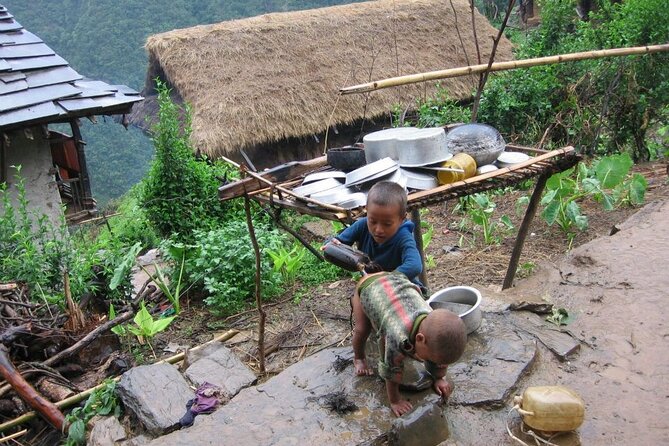
Sundarijal is the trailhead for the first day. From here, you hike toward Mulkharka, a village associated with Tamang residents. This gives you an early look at daily life outside the capital, before the path moves into forest.
The route then climbs through Shivapuri forest, with oak and rhododendron trees along the ridge. The walk to Chisapani takes about five hours. That time estimate matters because the first day is not a gentle warm-up. You gain height, walk on uneven trails, and spend much of the day on foot.
Chisapani sits at roughly 2,300 meters. Its appeal is simple: this is a hill settlement with open mountain views rather than a polished resort. If the air is clear, you have a good chance of seeing Himalayan peaks from the area, though mountain visibility is always weather-dependent.
The overnight stop is in a guesthouse. Keep your expectations practical. You are paying for a bed and a base along the trail, not the comforts of a Kathmandu hotel. One important warning comes from the accommodation experience: reaching the first night’s lodging may require climbing more than 100 flights of stairs. That is a serious detail for anyone with knee problems or limited mobility.
Dinner is included, but the food may be basic and local. One reported meal was saimin noodles, so you should be prepared for a menu that may not match the dishes you expect from a city restaurant. The advantage is that you do not need to find a restaurant after a long day of walking.
Day 2: Chisapani to Nagarkot
Day two is the longest walking day, listed at about six hours. You begin with northern mountain views, then walk toward Chauki Bhanjag. Reaching Chauki Bhanjag takes about two and a half hours, followed by more trail time toward Nagarkot.
This section is appealing because it connects two well-known hill viewpoints without requiring a remote expedition. The route passes through wooded paths and rural areas, then gradually leads into Nagarkot, a popular weekend destination for people from Kathmandu.
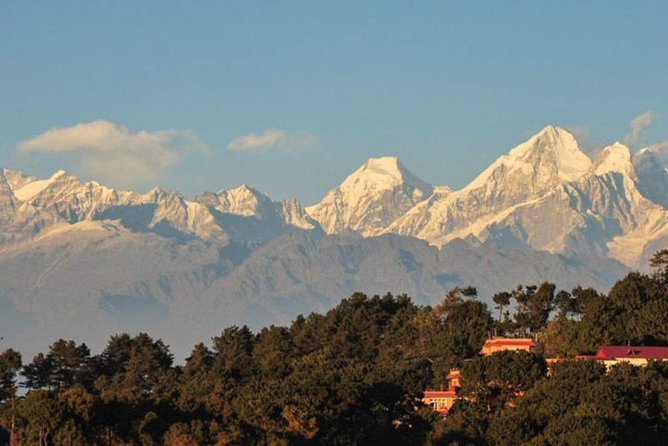
Nagarkot sits at around 2,175 meters. Its main attraction is the broad Himalayan view. On a clear day, the range may appear from Dhaulagiri in the west, past Everest, toward Kanchenjunga in the east. That is an ambitious viewing claim, and you should treat it as a possibility rather than a promise. Clouds and haze can hide much of the range.
The sunset stop is one of the day’s planned highlights. Nagarkot is a sensible place for this because the hilltop setting gives you a wide view toward the mountains. Still, sunset quality depends entirely on weather. A cloudy evening can turn a grand mountain panorama into a muted horizon.
Nagarkot is also less remote than Chisapani. That can be a plus if you like having a more established hill destination at the end of a long walk. It can also make the stop feel less quiet and less traditional than the villages along the trail.
You spend the second night in a guesthouse, with dinner included. The same practical advice applies: bring patience for basic rooms and simple meals. The guide can help with trail support and local information, but the package does not promise luxury accommodation or a special dining program.
Day 3: Sunrise, villages, and Changu Narayan
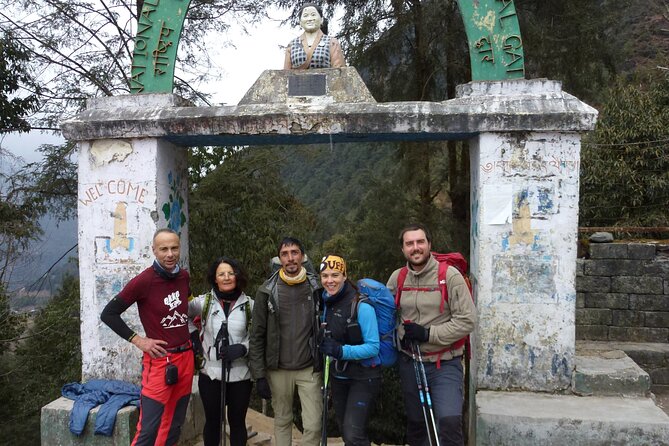
The final day begins early so you can watch the sunrise toward the eastern Himalayan range, including a possible view of Everest. Again, clear conditions are essential. Early morning is often the best time for mountain visibility, but no fixed departure can guarantee a view.
After breakfast, you hike toward Changu Narayan. The walk takes about four hours and passes through terraced fields, Tamang villages, and deciduous forest. This is perhaps the most culturally interesting section because it stays close to Kathmandu while showing a slower rural way of life.
The route description points to traditional village scenes and local customs. You might see people making raksi, a local distilled alcoholic drink, using a simple process. That kind of detail gives the walk more meaning than a viewpoint-only outing. You are not simply walking from one hotel to another. You are passing through working communities and farmland.
The trail changes as the day goes on. The first part focuses more on village life, fields, and local culture. The later section moves into forest before reaching Changu Narayan. That change keeps the final day from feeling repetitive.
Admission to Changu Narayan is not included, so carry some money for the entrance fee. The activity ends back at the meeting point after transport from Nagarkot to Kathmandu. The included private car is useful after three days of walking, especially if you are tired or carrying a larger pack.
Another trail to compare in Kathmandu:
- Annapurna Circuit Trek with Tilicho Lake
★ 5.0 · 368 reviews - Everest Base Camp Trekking – 13 Day
★ 5.0 · 365 reviews - Everest Base Camp Trek
★ 5.0 · 350 reviews - Everest Base Camp Trek -14 Days
★ 5.0 · 321 reviews
What the guide and group size add
A local government-licensed English-speaking guide accompanies the trek. That matters on a route with village paths, changing terrain, and several points where you may want context about Tamang communities, local farming, or raksi production.
The guide is also your practical support during the walk. You can expect help with the pace, basic route decisions, and communication at guesthouses. No individual guide name is provided, so you cannot request a particular person in advance based on the available information.
The maximum group size is 15. That is small enough for the guide to keep track of the group more easily than on a large bus tour. It is not a private trek, though. If you want a quiet walk at your own pace, ask about the actual group size before booking.
Your physical condition matters more than your trekking experience. The tour calls for moderate fitness, but the stair climb to the first lodging and the five to six hours of walking on the first two days make that description worth taking seriously. You should be comfortable walking uphill for extended periods and handling uneven paths.
Food, accommodation, and what to pack
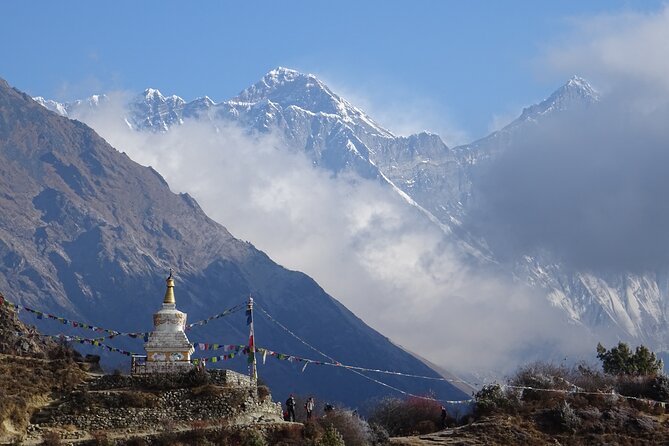
Seven meals are included: two breakfasts, three lunches, and two dinners. That covers the full trek, which is convenient because food options along the trail may be limited. Drinks are not included, so budget separately for water and other beverages.
Meals may be simple. The reported saimin noodle dinner is a useful warning not to expect a wide restaurant menu every night. If you have dietary needs, ask the operator before departure rather than assuming the guesthouses can provide every option.
The two overnight stays are in guesthouses. Pack for function, not luxury. A small bag, warm layers, rain protection, comfortable walking shoes, and personal toiletries are sensible choices. The supplied information does not specify room arrangements, bedding, shower facilities, or heating, so ask before booking if those details are important to you.
A current passport is required on the day of the trip. The tour also offers mobile ticketing and confirmation at booking. Since the meeting information names the Outshine Adventure office while the tour also advertises hotel pickup, confirm where you will actually meet.
Is $350 a fair price?
The price makes the most sense when you value convenience. Private transfers, a guide, two nights of lodging, and all main meals remove several planning tasks. You also have support if the trail or guesthouse arrangements become confusing.
The package is less attractive for a very independent hiker. You are paying for organization as much as for the walking itself. Someone already comfortable arranging local transport, guesthouses, and meals could spend less by planning independently, though that would require more time and responsibility.
I would also judge the value against your expectations. At $350, you are not buying a luxury retreat. You are buying a short supported trek with basic accommodation and access to mountain views close to Kathmandu. That can be a good deal for a first Nepal hike, especially if you have only a few days.
The 4.4 out of 5 rating from five submitted reviews suggests a generally positive reception, but the small number of ratings should not be treated as a guarantee. The lower-scoring experience highlights the need to ask clear questions about stair access, meal style, and what the guide support includes.
Who should book this trek?
I would recommend it to a first-time trekker who wants a taste of Nepal without traveling deep into the mountains. It also suits visitors with a short Kathmandu stay who want more than temples and city sightseeing.
It is a good match if you value:
- A planned route with a guide
- Private road transfers
- Meals included in the price
- A small maximum group size
- Forest, village, farmland, and mountain views in one trip
I would be more cautious if you have limited mobility, dislike steep climbs, or need hotel-standard rooms. The long stair climb to the first guesthouse is not a minor detail. You should also think twice if you need guaranteed Everest views, since all mountain sightings depend on clear weather.
Cancellation is free if you cancel at least 24 hours before the 6:30 am start time. Changes or cancellations inside that window are not accepted for a refund.
Should you book the Chisapani Nagarkot Trek?
Book it if you want a short, guided introduction to hiking near Kathmandu and are comfortable with basic guesthouses, simple meals, early mornings, and steep sections. The route gives you a lot of variety in three days, and the included transport and meals make the planning easy.
Skip it if you want soft beds, relaxed walking, or a guaranteed Himalayan panorama. Before paying, confirm the hotel pickup point, ask about the first guesthouse stairs, explain any dietary needs, and check the expected group size. With those points clear, this is a practical way to see forests, villages, Nagarkot, and Changu Narayan without giving up most of your Nepal holiday.
FAQ
How long is the Chisapani Nagarkot Trek?
The trek lasts approximately three days. The listed walking times are about five hours on day one, six hours on day two, and four hours on day three.
Where does the trek start?
The stated meeting point is Outshine Adventure Pvt Ltd at Paknajol Chock, Kathmandu 44600, Nepal. The start time is 6:30 am, and hotel pickup is also offered, so confirm the exact arrangement before departure.
Are meals included?
Yes. The tour includes two breakfasts, three lunches, and two dinners. Drinks are not included.
Is accommodation included?
Yes. Two nights in guesthouses along the trail are included. The accommodation is basic trail lodging, and the first night may require a very long stair climb.
What transport is included?
Private surface transport is included from Kathmandu to Sundarijal and from Nagarkot back to Kathmandu. The activity ends back at the meeting point.
What fitness level is required?
The tour specifies a moderate physical fitness level. You should be ready for five to six hours of walking, uphill sections, uneven trails, and steep stairs.
Latest treks added in Kathmandu
- Ghorepani Poon Hill Trek★ 5.0 · 16 reviews
- Private Manaslu Circuit Trek at Himalayas★ 5.0 · 3 reviews
- Ghorepani Poonhill Trek★ 5.0 · 5 reviews
- Upper Mustang Trekking★ 3.0 · 2 reviews
- Amazing 1 Day Trekking Experience in Kathmandu Nepal★ 5.0 · 24 reviews
- Upper Mustang Trekking★ 5.0 · 2 reviews
- Upper Mustang Trek★ 5.0 · 5 reviews
- Upper Mustang Trekking★ 5.0 · 4 reviews
Kathmandu Trekking Tours, compared.