
REVIEW · KATHMANDU
Annapurna Circuit with Tilicho Lake Trek
The big draw here is the chance to combine the classic Annapurna Circuit with a demanding side trip to Tilicho Lake, one of the highest lakes reached on foot. You move from river valleys and pine forest to dry, Tibetan-style villages, then cross the 5,416-meter Thorong La Pass before flying out of the mountains.
I like the practical package: permits, meals, porters, sleeping gear, and the Jomsom to Pokhara flight are covered. I also like the small group limit of eight, which should make trail decisions and pace changes easier. The catch is simple: this is a serious high-altitude trek, not a gentle sightseeing walk, and the published material switches between 13 and 18 days, so confirm your exact schedule before paying.
Key points at a glance
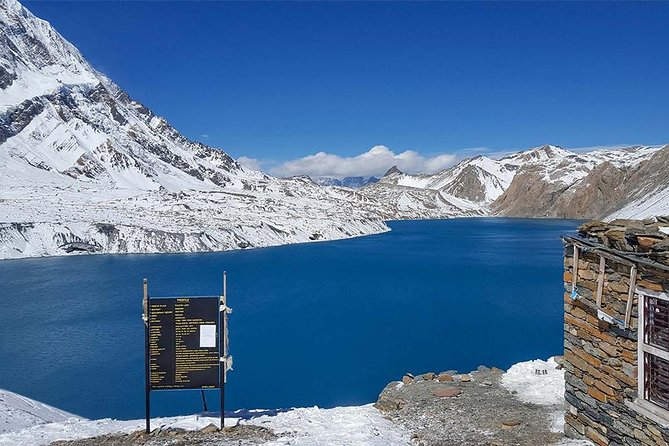
- Tilicho Lake detour: Add two demanding days to the regular Annapurna route for a high-altitude lake surrounded by stark mountain scenery.
- Thorong La crossing: The route reaches a 5,416-meter pass, making altitude, weather, and fitness central to the experience.
- Small groups: A maximum of eight people allows closer contact with the guide and less fuss on narrow trails.
- Useful inclusions: Teahouse lodging, 11 lunches, 11 dinners, 13 breakfasts, permits, porters, a first-aid kit, and trekking gear are included.
- Efficient exit: After Jomsom, the package includes the mountain flight to Pokhara, followed by a tourist coach to Kathmandu.
- Strong service focus: Guide NC Sherpa and porter MisterD Sherpa are named among the staff associated with this trek.
What this Annapurna route is really like
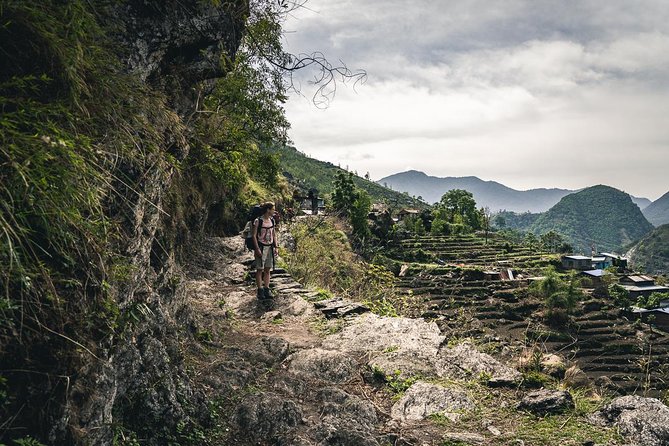
This is a point-to-point mountain journey, not a collection of short walks from one comfortable base. You spend long hours on foot, sleep in simple teahouses, and gain altitude in stages. The reward is variety: humid river country, high Himalayan ridges, old villages, wide mountain valleys, and the stark upper Kali Gandaki region.
The listed cost is $1,093.34 per person. For a 13-day trip, that represents solid value if you need a guide, porter support, permits, meals, mountain transport, and basic equipment. You are not just paying for a walking route. You are paying to have much of the daily machinery handled for you.
Still, compare the details carefully. Kathmandu accommodation, international flights, drinks, alcohol, Nepal’s entry visa, and medical or travel insurance are not included. Food and drinks are listed as exclusions even though breakfast, lunch, and dinner quantities are also specified, so ask exactly which meals are covered on each day.
More Annapurna Treks in Kathmandu
- Annapurna Circuit Trek with Tilicho Lake
★ 5.0 · 368 reviews - Annapurna base camp trek 5 Days
★ 5.0 · 252 reviews - 14-Day Private Annapurna Base Camp Trek
★ 5.0 · 180 reviews
Day 1: Kathmandu to Chame by road
The first day is mainly a transport day. You drive from Kathmandu toward Besisahar, following the Kathmandu to Pokhara highway before turning toward the Marsyangdi River. The trip takes about nine hours and ends in Chame.
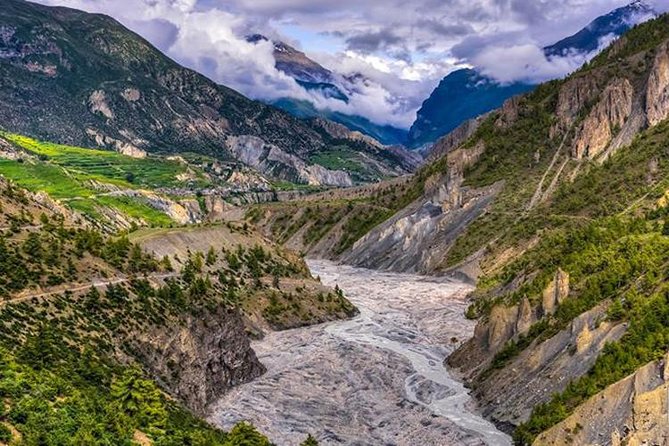
That is a long start, but it gets you closer to the trailhead. You should expect mountain roads rather than a relaxed highway ride once the route leaves the main corridor. The scenery begins to shift from city and road traffic to steep river valleys and Himalayan foothills.
The itinerary calls this stop Chame, although the description also highlights the drive to Besisahar. Confirm the overnight location and road plan before departure. Small wording differences matter on a trek, especially when you are trying to judge how much walking comes on the following day.
Days 2 and 3: Forest trails and the Manang Valley
On Day 2, the route continues toward Pisang. You walk through forest in a narrow, steep valley and cross bridges at about 2,910 and 3,040 meters. Lamjung Himal provides the mountain backdrop, while the trail begins to feel properly alpine.
The six-hour walking day is manageable on paper, but the combination of climbing, uneven ground, and increasing altitude can make it feel longer. The guide’s role matters here. A good pace protects your energy for the higher sections ahead.
Day 3 takes you toward Manang in roughly five hours. The trail climbs a ridge with views across the Manang Valley and toward 7,134-meter Tilicho Peak. You also pass Humde, home to the airstrip at 3,280 meters, before reaching Manang.
Manang is an important pause in the route. It is remote, yet sizeable enough to feel like a real settlement rather than a scattering of lodges. You can walk around, meet local people, and use the day to adjust to the altitude.
Day 4: A useful acclimatization day in Manang
A rest day at Manang is not wasted time. At this height, your body needs a chance to adapt before the itinerary moves toward Tilicho Lake and Thorong La. The schedule allows about six hours for exploring and acclimatization, but that does not mean you need to spend all six hours walking.
I would treat this as an easy day. Explore the village, follow your guide’s advice, and keep an eye on how you feel. The trek is challenging because the route repeatedly asks you to climb higher, and a rest day gives you a better chance of handling the upper sections safely.
The guide also manages the day-to-day plan, which is one of the package’s real benefits. You do not need to decide alone when to push on, when to slow down, or how to deal with route changes.
Another trail to compare in Kathmandu:
- Everest Base Camp Trek – 14 Days
★ 5.0 · 1,499 reviews - Everest Base Camp Trek
★ 5.0 · 842 reviews - Everest Base Camp Trekking
★ 5.0 · 485 reviews - Everest Base Camp Trekking – 13 Day
★ 5.0 · 365 reviews
Days 5 to 7: The Tilicho Lake side trip
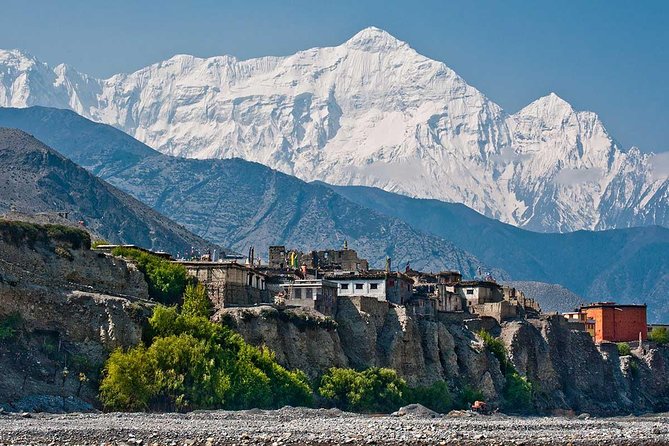
Day 5 leads from Manang toward Khangsar. You follow the river, cross Khangsar Khola, and climb to Khangsar Village. The village has a Tibetan character, giving you a clear change in architecture and culture as the route moves farther from the lower valleys.
The four-hour walking time looks short, but this is the approach to the hardest part of the detour. You should use the day to settle into the higher terrain rather than treating it as an easy spare day.
Day 6 takes you toward Tilicho Lake. From a gompa, the trail climbs toward a high ridge. Two route choices are mentioned: an older, harder path and a newer, easier option. Your guide can help choose based on conditions, fitness, and safety.
The eight-hour day is a warning. The newer trail may be easier, but this remains a high-altitude route with serious exposure to weather and fatigue. A guide is especially valuable here because route conditions can affect which line makes sense.
Day 7 is the lake day, and an early start is strongly advised. Winds tend to build later as warm air from lower ground meets cold air higher up. The trek from Tilicho Base Camp to the lake takes about nine hours, so you need a steady pace and patience.
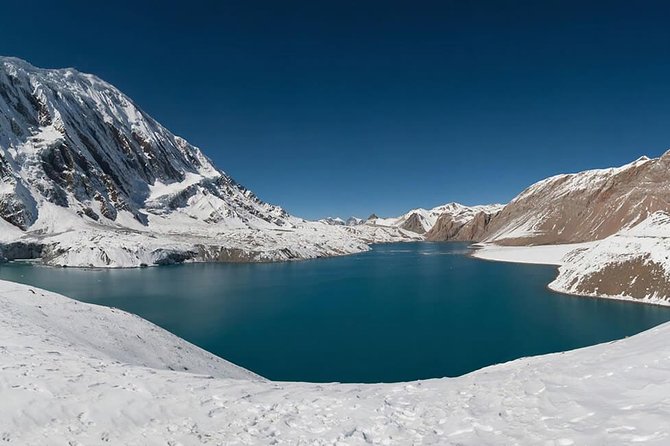
Tilicho Lake is the emotional high point for many people on this route. The setting is spare and dramatic, with the lake framed by high Himalayan peaks rather than roads, crowds, or city comforts. The effort is substantial, but this is exactly why the detour adds value for fit hikers who want more than the standard circuit.
The drawback is that the lake section is not a casual extra. It adds long walking days at altitude, and you need to be comfortable with the possibility that weather or trail conditions may affect the plan.
Days 8 and 9: Toward Yak Kharka and Thorong Phedi
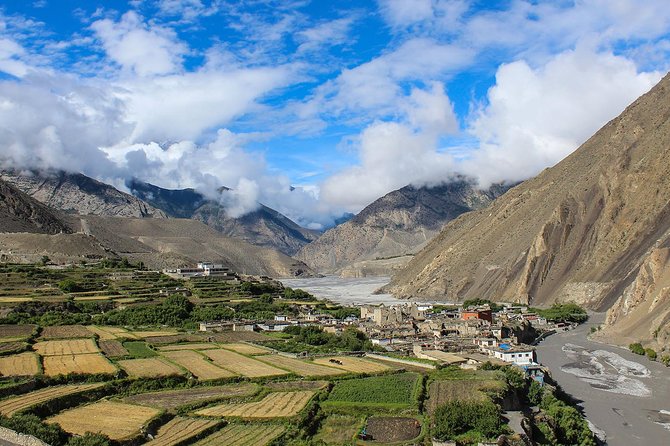
After Tilicho Lake, Day 8 takes you down from Tilicho Base Camp before a climb of about 500 meters. You pass through Tengi, leave the Marsyangdi Valley, and head toward the Thorong route. The destination is Yak Kharka, with about seven hours of walking.
This day tests your legs. Descending does not always feel easy after a long high-altitude outing, and the later climb means you cannot simply coast into the next stage. The scenery changes again as the trail moves toward the pass country.
Day 9 continues toward Thorong Phedi in about five hours. The route climbs a ridge, drops toward the Kone River, crosses a wooden bridge, and follows a narrow trail. This is a short day by the schedule, but it positions you for the pass crossing.
You should not judge difficulty by hours alone. At altitude, five hours can be tiring, especially after the lake detour. The value of the guided format is clear here: your guide can keep the group together and help manage the buildup to the pass.
Day 10: Crossing 5,416-meter Thorong La
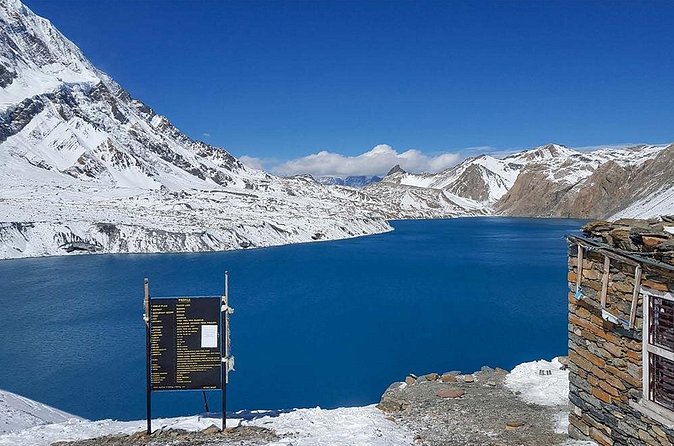
Day 10 is the major test. You start early from Thorong Phedi and climb toward Thorong La, the 5,416-meter pass. Snow and extreme cold are possible, and the high altitude can make every step feel slow.
This is the day to follow the guide’s instructions closely. Eat breakfast, carry the clothing you need, and keep your pace controlled. The route description includes a ridge, a descent toward the Kone River, and a narrow trail, but the real issue is the pass itself and how your body responds.
After the crossing, you descend toward Muktinath. The eight-hour schedule is demanding, yet reaching Muktinath gives the day a clear finish. This section is why the experience is best for fit, active people with a moderate level of physical fitness at minimum.
The pass is also the point where the trip’s value becomes personal. If you want a demanding trek with a major physical goal, this route delivers. If you mainly want mountain views with limited strain, choose a shorter or lower-altitude program instead.
Days 11 to 13: Muktinath, Jomsom, Pokhara, and Kathmandu
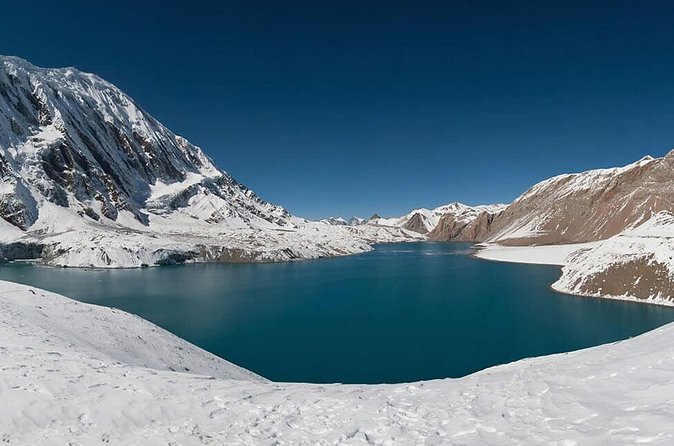
Day 11 takes you to Jomsom in about six hours. You can follow the Kali Gandaki River by way of Kagbeni or Lupra. Jomsom is described as a cold, scenic valley with more facilities than the higher villages, making it a welcome place to finish the walking portion.
The contrast is part of the appeal. You have moved from forest and river gorge to dry mountain country, old settlements, and broad valleys shaped by the Kali Gandaki. The route has a strong sense of progression rather than repeating the same scenery.
On Day 12, you take an early flight from Jomsom to Pokhara. The flight lasts about two hours and offers views of snow-covered mountains. Air travel in the mountains is practical, but early departures and weather can affect plans, so keep your schedule flexible after arrival.
A transfer takes you to your Pokhara accommodation, though the accommodation itself is not clearly included in the supplied details. Confirm that point, along with the hotel category and meal plan.
Day 13 is the return to Kathmandu by tourist coach. The drive takes roughly seven hours, and an overnight stay in Kathmandu is arranged according to the agreed category with a bed-and-breakfast plan. Kathmandu accommodation is otherwise excluded from the package, so clarify exactly what this final night covers.
The route is listed as 13 days, while the overview also describes it as an 18-day itinerary. Do not ignore that mismatch. Ask for a day-by-day confirmation showing every overnight stop, especially if extra rest days are being added.
What is included and what you still pay for
The package covers more than many basic trekking prices. You receive teahouse or guesthouse accommodation during the trek, a certified professional guide, necessary porters at a ratio of one porter for two people, and transport by private vehicle where stated.
It also includes the Annapurna Conservation Area Permit, TIMS, taxes, a first-aid kit, a sleeping bag, a duffel bag, and other Nepal Social Treks gear for use during the trip. Meals are listed as 13 breakfasts, 11 lunches, and 11 dinners.
The Jomsom to Pokhara flight is one of the most useful inclusions. It saves a long return overland journey and gives you a memorable mountain flight after the trek. Airport pickup and drop-off are also included as stated in the itinerary.
Budget separately for:
- International airfare
- Nepal entry visa
- Kathmandu accommodation, except for any final night specifically confirmed
- Drinks and alcoholic drinks
- Any food or drink not covered by the stated meal plan
- Travel and medical insurance
The first-aid kit is helpful, but it is not a substitute for insurance. At this altitude and in such a remote setting, insurance is a sensible part of the trip budget.
Group size, guides, and daily comfort
The maximum group size is eight. That is small enough for a guide to keep track of the group on narrow paths and large enough to share the cost of porters and transport. Group discounts are offered, which may improve the price if you are booking with friends or family.
The named staff include guide NC Sherpa and porter MisterD Sherpa. Ask for the final guide and porter assignments before departure, along with the porter baggage limit and what you are expected to carry yourself.
Teahouse accommodation is functional rather than luxurious. You should expect simple rooms and basic mountain facilities, with comfort becoming more limited as you climb. The inclusion of a sleeping bag and duffel bag reduces the amount of equipment you need to bring, but you still need suitable clothing for cold, wind, and changing conditions.
Who should book this trek
I would recommend this route to active hikers who want a demanding Himalayan journey with professional support. It suits people who value a planned route, small groups, and the chance to combine two major goals: Tilicho Lake and Thorong La.
It is less suitable if you dislike long walking days, simple lodging, early starts, or uncertain mountain weather. The route includes several days of five to nine hours on foot, plus a pass above 5,000 meters. Moderate fitness is the stated minimum, but strong preparation is the wiser target.
You should also be comfortable with the possibility that the exact route can change. The Tilicho section includes two trail options, and mountain transport may depend on conditions. Flexibility is not a bonus here. It is part of trekking in Nepal.
Should you book the Annapurna Circuit with Tilicho Lake?
Book it if you want the full mountain challenge and value having the practical details handled by a guide, porters, and a small group. The combination of Tilicho Lake, Manang, Thorong La, Muktinath, Jomsom, and the flight to Pokhara gives you a broad slice of the Annapurna region for a reasonable package price.
Before booking, get written confirmation of the 13-day versus 18-day schedule, Kathmandu and Pokhara lodging, the exact meal plan, guide assignment, baggage limits, and the cancellation terms. You can cancel for a full refund up to 24 hours before the start time, but changes or cancellations inside that window are not refunded.
If you are fit, patient, and ready for altitude, this is a strong choice. If you want a relaxed Nepal holiday with only light walks, choose something gentler.
FAQ
How long is the Annapurna Circuit with Tilicho Lake Trek?
The detailed schedule covers 13 days. The tour description also refers to an 18-day itinerary, so you should confirm the exact duration and overnight plan before booking.
What is the highest point on the trek?
The route crosses Thorong La Pass at 5,416 meters. Tilicho Lake is another very high point on the itinerary.
Is Tilicho Lake included?
Yes. The itinerary includes the Tilicho Lake section, with a route from Khangsar through Tilicho Base Camp to the lake.
Is a guide included?
Yes. A certified professional guide is included. The tour has a maximum group size of eight people.
Are porters included?
Yes. The package includes one porter for every two people to carry personal gear and group equipment.
Are meals included?
The package lists 13 breakfasts, 11 lunches, and 11 dinners. Drinks and any food outside the stated meal plan are not included.
Is the Jomsom to Pokhara flight included?
Yes. The mountain flight from Jomsom to Pokhara is included, along with overland transport described in the itinerary.
Is Kathmandu accommodation included?
Kathmandu accommodation is listed as excluded, although an overnight stay in Kathmandu is arranged after the final coach ride according to the agreed category and bed-and-breakfast plan. Confirm what your booking includes.
Latest treks added in Kathmandu
- Ghorepani Poonhill Trek★ 5.0 · 5 reviews
- Ghorepani Poon Hill Trek★ 5.0 · 16 reviews
- Private Manaslu Circuit Trek at Himalayas★ 5.0 · 3 reviews
- Upper Mustang Trekking★ 3.0 · 2 reviews
- Amazing 1 Day Trekking Experience in Kathmandu Nepal★ 5.0 · 24 reviews
- Upper Mustang Trekking★ 5.0 · 2 reviews
- Upper Mustang Trek★ 5.0 · 5 reviews
- Upper Mustang Trekking★ 5.0 · 4 reviews
Annapurna Base Camp Treks, compared.
Trekking in Annapurna/Langtang/Everest/Upper Mustang regions
Read our review →
Kathmandu to Annapurna Base Camp (ABC) 5-Day Trek
Read our review →Browse the lists this tour appears in