
REVIEW · KATHMANDU
Annapurna Circuit Trek
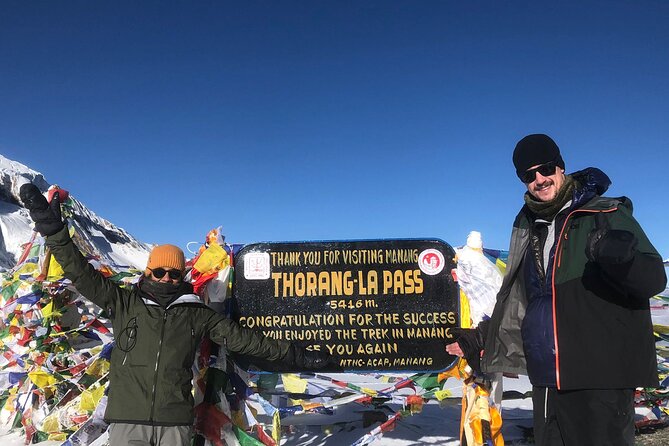
The Annapurna Circuit earns its reputation through variety. In 15 days, you move from Kathmandu temples and subtropical river valleys to high mountain passes, glacial lakes, dry Tibetan-style villages, and the pilgrimage site of Muktinath. The high point is Thorong La Pass at 5,416 meters, but the route works because the scenery changes almost every day.
I like the careful acclimatization stop in Manang, and I like that Tilicho Lake is built into the route rather than treated as an optional extra. Guide Bhupal is specifically named in the strongest feedback, along with porters who helped carry trekkers suffering from altitude sickness. That kind of support matters in the Himalayas.
The main drawback is the transport. The first two days on the road are long, rough, and tiring, and some itinerary details need confirming, especially the final journey from Pokhara to Kathmandu. You should also take the high-altitude demands seriously. This is not a sightseeing holiday with a little walking added.
Key points to know before booking
- Thorong La is the main physical test: You cross the 5,416-meter pass early in the morning after staying at Thorong Phedi.
- Tilicho Lake adds a special high-altitude detour: The route includes an overnight at Tilicho Base Camp and an early climb to the lake.
- Manang provides a useful acclimatization day: You can rest, visit monasteries, see Gangapurna Glacier, or make a harder side trip to Ice Lake.
- The route mixes trekking with rough road transport: You drive from Kathmandu toward the trailhead, then use road or air transport again after Muktinath.
- The package covers many major costs: Accommodation, meals, permits, guide, porters, and listed flights are included in the $1,560 price.
- This is a private trip for people with moderate fitness: Only your group takes part, but you still need to manage long walks, cold, thin air, and uneven trails.
Why the Annapurna Circuit still feels special
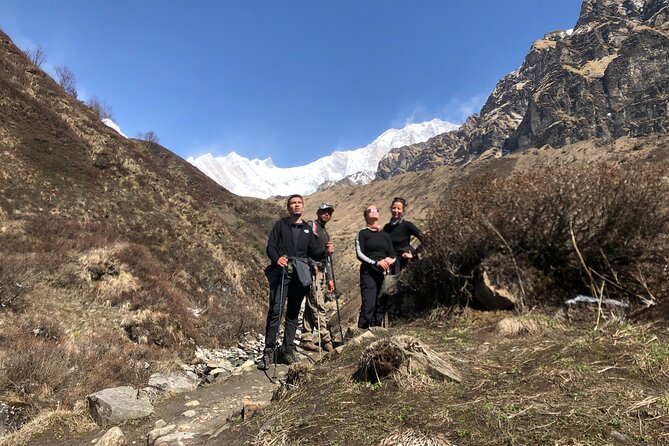
The Annapurna Circuit is one of Nepal’s best choices if you want more than a single mountain view. The route takes you through several distinct settings. You begin in Kathmandu, pass along river valleys and farming villages, climb into dry high country, cross a major Himalayan pass, then descend toward Mustang and Pokhara.
You also meet several sides of Nepal. The route passes villages connected with Tamang, Gurung, Sherpa, and Magar communities, along with Buddhist monasteries and the Hindu and Buddhist pilgrimage center of Muktinath. The cultural element is not a short stop added for decoration. It appears in the villages, prayer sites, temples, food, and daily rhythm of the route.
At $1,560 per person, the package offers reasonable value if all listed inclusions are delivered as described. You receive lodging for the trip, 13 lunches, 13 dinners, 14 breakfasts, permits, a certified guide, porters, and flights from Jomsom to Pokhara and Pokhara to Kathmandu. Personal spending and tips are extra.
That price matters most because high-altitude logistics can become expensive and confusing on your own. Still, confirm the transport plan before paying. The schedule describes a tourist bus from Pokhara to Kathmandu on the final day, while the inclusions list a flight from Pokhara to Kathmandu. The package also mentions an air-conditioned vehicle, but much of the road travel is described as rough. Ask which vehicle and transport option apply to your dates.
More Annapurna Treks in Kathmandu
- Annapurna Circuit Trek with Tilicho Lake
★ 5.0 · 368 reviews - Annapurna base camp trek 5 Days
★ 5.0 · 252 reviews - 14-Day Private Annapurna Base Camp Trek
★ 5.0 · 180 reviews
Days 1 and 2: Kathmandu temples before the mountains
Your trip begins with airport pickup at Tribhuvan International Airport. The transfer takes you through narrow, crowded roads to your hotel, giving you an immediate introduction to Kathmandu traffic and city life. After settling in, Thamel is the easy place to explore, with local and Western food and shops aimed at people preparing for Himalayan trips.
The second day gives you a useful cultural start before the hard walking begins. Pashupatinath Temple is one of Kathmandu’s major religious sites. Buddha Stupa offers a very different atmosphere, with Buddhist design and a large stupa complex. Kathmandu Durbar Square brings temples, sculpture, old buildings, and public spaces together.
Admission to these sites is included through the tour’s heritage-site permits. The schedule allows about an hour at each stop, so you should expect an introduction rather than an unhurried museum visit. If you want long photography sessions or extra time in Kathmandu, this plan may feel brisk.
Days 3 and 4: The long road to Pisang
Day three is mostly transport. You leave Kathmandu early and follow roads beside the Trishuli River, with views toward the Manaslu and Annapurna ranges. After Dumre, the route turns north toward Besisahar, then continues toward Jagat.
This is not a smooth transfer. The road is winding, narrow, bumpy, and rough in places. The schedule describes a long drive from Kathmandu to Besisahar, followed by several more hours toward Jagat. For many people, this will be the least comfortable part of the trip, but it gets you into the mountain region without adding more trekking days.
On day four, you continue by road through settlements such as Chyamje, Tal, and Karte, passing waterfalls, suspension bridges, and views of the Annapurna range. You finish around Pisang, after reaching an altitude of about 3,000 meters. The plan refers to Lower Pisang and Upper Pisang, so confirm exactly where you will sleep.
This second road day is important for pacing. You are gaining altitude before beginning the main walk. Use the evening to drink water, rest, and prepare your feet. The Annapurna views from Upper Pisang are a good reward, but you have not yet reached the most demanding part.
Days 5 and 6: Manang and the first acclimatization test
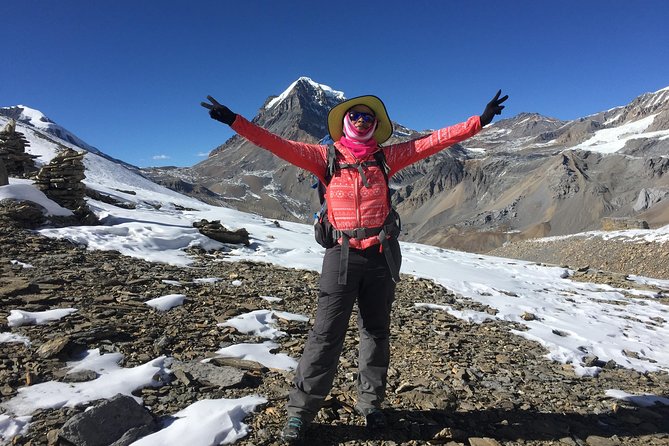
The walk from Pisang to Manang takes about six to seven hours. You can choose between a shorter, lower route and a higher route through Ghyaru. The higher route gives you stronger mountain views and a drier trail, while the lower route is the better choice if you notice signs of altitude sickness.
This choice is one of the trip’s practical strengths. You are not forced into the harder option simply because it is more scenic. The guide should help you decide based on how your body is responding, not just on the timetable.
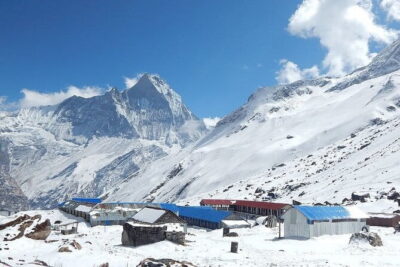
Manang is surrounded by views of Annapurna, Pisang Peak, Tilicho Peak, and Gangapurna. The next day is reserved for acclimatization, which is essential before you climb higher. You can keep the day gentle by visiting local monasteries and viewing Gangapurna Glacier, or choose a harder side trip toward Ice Lake at about 3,900 meters.
The Himalayan Rescue Association clinic in Manang provides information about altitude sickness. That is useful, but the clinic does not replace good judgment. If you feel unwell, tell your guide early. Do not treat a scheduled destination as more important than your health.
Another trail to compare in Kathmandu:
- Everest Base Camp Trek – 14 Days
★ 5.0 · 1,499 reviews - Everest Base Camp Trek
★ 5.0 · 842 reviews - Everest Base Camp Trekking
★ 5.0 · 485 reviews - Everest Base Camp Trekking – 13 Day
★ 5.0 · 365 reviews
Days 7 to 9: The Tilicho Lake side route
You leave Manang and walk toward Sri Kharka through Khangsar village. The trail is dusty and rough, with Chulu and Gungang visible in the distance. A monastery adds a cultural stop, while the changing terrain signals that you are leaving the greener lower valleys behind.
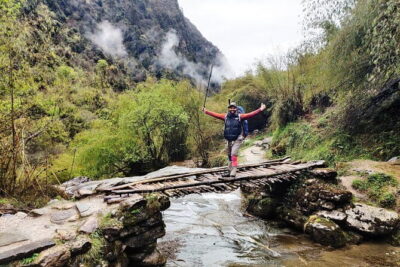
The next stage reaches Tilicho Base Camp. The walking time is only about three to four hours, but the trail can be tiring because of loose stones and areas prone to landslides. Small paths and unstable footing mean that you should move carefully, especially if the weather changes.
From the base camp, you start early for Tilicho Lake. Morning is chosen because the wind is usually lighter. The first climb is demanding, and the high altitude makes a moderate distance feel harder than the numbers suggest. At the lake, you get views of emerald-colored water and surrounding glaciers beneath Tilicho Peak.
You then retrace your route to Sri Kharka. This out-and-back section adds real effort, but it also gives the trek one of its most memorable sights. The schedule lists accommodation at Tilicho Base Camp and Sri Kharka, so check the room arrangements and food setup before departure. High-altitude lodging can be basic, and the information provided does not promise a particular room standard.
Days 10 and 11: Yak Kharka and Thorong Phedi
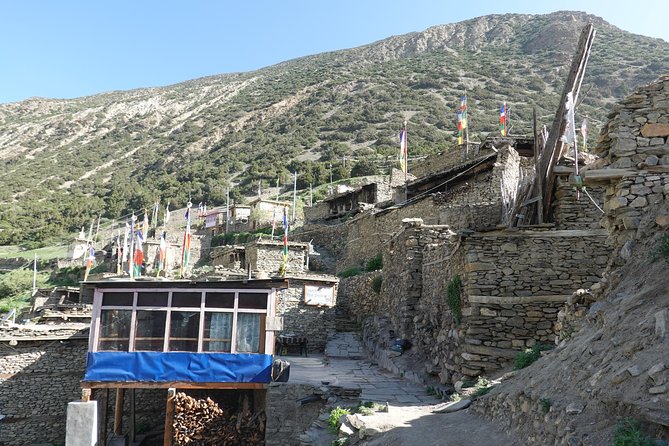
The itinerary heading for day ten says Manang, but the description places you at Yak Kharka. The route descends toward Khangsar, crosses a river, and then climbs into a more barren area. You may see blue sheep, and Tare Gumba offers a sacred cultural site along the way.
Yak Kharka has a small number of teahouses for food and lodging. This is a short walking day of about four to five hours, but the altitude remains the main concern. Keep your pace steady and drink often. The absence of trees and the open mountain setting can make the cold and wind more noticeable.
On day eleven, you walk toward Thorong Phedi, not directly over the pass. The trail enters an isolated glacier valley bordered by high mountains. This is a quiet, cold stretch, and the limited facilities make it a night for an early meal and early sleep.
The description also mentions walking above 4,500 meters during this stage. That is a reminder that your body is still under strain even before the pass day. Pack warm layers where you can reach them, and do not leave hydration or snacks buried at the bottom of your bag.
Day 12: Crossing Thorong La to Muktinath
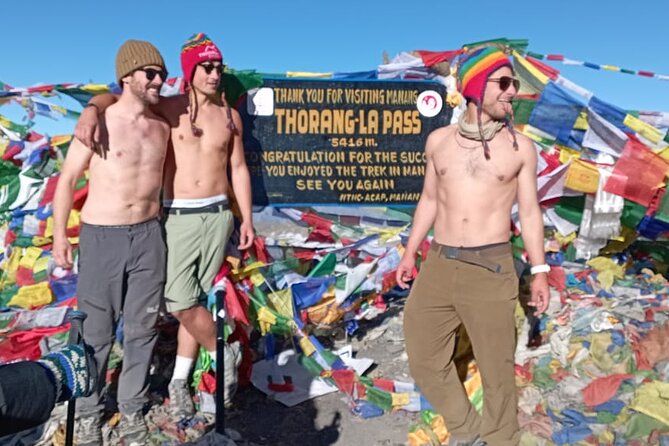
You leave before sunrise because the winds are usually calmer in the morning. The path climbs steeply toward High Camp, then becomes harder during the final section to Thorong La. Reaching the pass at 5,416 meters is the most demanding part of the trek.
The reward is a broad mountain view that includes Dhaulagiri at 8,167 meters. You can also look toward the old kingdom of Upper Mustang from the pass. After a short rest, you descend toward Muktinath. The downhill section is not easy simply because you are going down. Your legs will already be tired, and the uneven trail puts pressure on knees and feet.
The full day is listed at about eight hours. This is why the acclimatization day in Manang and the overnight at Thorong Phedi matter. A slow start, proper clothing, and careful pacing will serve you better than trying to keep up with a stronger member of the group.
Days 13 and 14: Muktinath, Jomsom, and Pokhara
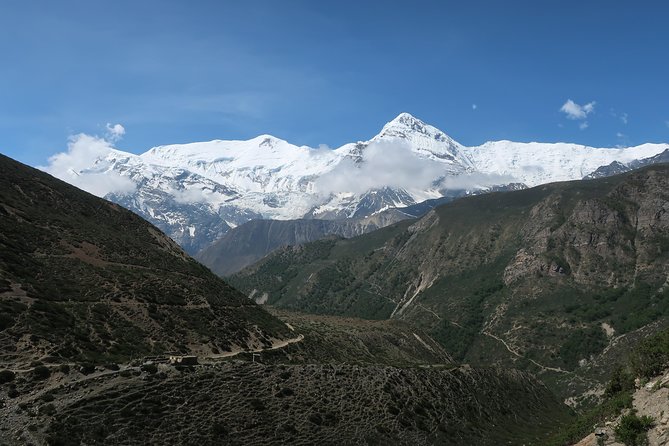
Muktinath is a pilgrimage site for Hindus and Buddhists. An early visit lets you see the temple and surrounding area before continuing toward Jomsom. You may travel by vehicle or walk through Lubra, a village that provides a better high-country view than the road route.
The route continues toward Kagbeni, the gateway between lower and upper Mustang. This area has a dry, stark character that feels very different from the forested sections near the start of the trek. Road construction can affect the journey, and conditions may change.
From Jomsom, the planned flight to Pokhara takes about 25 minutes and passes through the Kali Gandaki Gorge. Flights can be delayed by strong winds or poor visibility, so keep some flexibility in your expectations. Once in Pokhara, the Lakeside area gives you a softer end to the mountain section, with time to rest and eat well.
The schedule says the Jomsom to Pokhara flight is included. It also offers a road alternative that can take eight to nine hours by Jeep. Ask in advance what happens if the flight is delayed or canceled, and whether the alternative transport costs extra.
Day 15: Returning to Kathmandu
The final day is intended for the return to Kathmandu and a farewell meal at a traditional restaurant. The description refers to a tourist bus, while the included services list a Pokhara to Kathmandu flight. This is the clearest detail to settle before booking.
The difference is significant. A bus takes much longer and can be tiring after two weeks of walking, while a flight would save time. The supplied schedule also contains a few mismatched labels, so ask for a final day-by-day confirmation showing each overnight stop and transfer.
The farewell dinner and nearby souvenir shopping are pleasant touches, but they should not distract from the practical question of getting back to Kathmandu on time. If you have an international flight immediately after the trek, build in extra time.
What is included, and what you still pay for
The package includes:
- Airport pickup
- Accommodation for the trip
- Trekking permits
- Certified guides and porters
- Meals listed as 14 breakfasts, 13 lunches, and 13 dinners
- Flight from Jomsom to Pokhara
- Flight from Pokhara to Kathmandu, according to the inclusions
- Permits for the Kathmandu heritage sites
- An air-conditioned vehicle for listed road transport
Personal expenses and tips are not included. The information does not specify hotel names, room arrangements, porter limits, guide-to-group ratios, or what happens when weather disrupts flights. Ask those questions before booking.
The private format is valuable if you want your pace and decisions handled within your own group. It also means you should not expect the social feel or lower price of a large shared departure.
Who should book this trek?
I would recommend it to someone with moderate physical fitness who wants a broad Nepal experience rather than a single out-and-back mountain walk. You should be comfortable walking for four to eight hours, sleeping at altitude, crossing rough trails, and accepting basic mountain accommodation.
It suits you especially well if you want Tilicho Lake, Thorong La, Muktinath, and Kathmandu’s cultural sites in one trip. The route also works for someone who values guide and porter support. Bhupal is named as a guide in the strongest feedback, and the porters are specifically praised for helping when altitude sickness affected members of a group.
I would not choose it for a relaxed holiday, a short Nepal introduction, or a fixed schedule with no room for weather delays. Spring, especially April and May, and autumn, especially September and October, are identified as the best seasons. Even then, mountain weather can affect transport.
Should you book the Annapurna Circuit Trek?
Book it if you want a demanding but varied Himalayan journey and value having permits, meals, lodging, guides, porters, and key transport arranged for about $1,560. The combination of Manang acclimatization, Tilicho Lake, Thorong La, Muktinath, and Pokhara gives you a strong route with plenty of visual and cultural variety.
Before paying, ask for written confirmation of the final transport, exact accommodations, and the plan for flight delays. If those details are clear, this is a sensible package for a first serious Nepal trek. If you dislike long road transfers or high-altitude walking, choose a shorter route instead.
FAQ
How long is the Annapurna Circuit Trek?
The experience lasts approximately 15 days.
Where does the trek begin?
It begins with pickup at Tribhuvan International Airport in Kathmandu, Nepal.
Is airport pickup included?
Yes. Pickup from Tribhuvan International Airport is listed as included.
What is the highest point on the trek?
The highest point is Thorong La Pass, at 5,416 meters or 17,769 feet.
Is Tilicho Lake included?
Yes. The schedule includes an overnight at Tilicho Base Camp and an early trek to Tilicho Lake before returning to Sri Kharka.
Is accommodation included?
Yes. Accommodation is included for the whole trip.
Are meals included?
Yes. The package lists 14 breakfasts, 13 lunches, and 13 dinners.
Are trekking permits included?
Yes. The required trekking permits and permits for the Kathmandu UNESCO heritage-site visits are included.
Is this a private tour?
Yes. Only your group participates in this private tour or activity.
Can I cancel for a full refund?
Yes, if you cancel at least 24 hours before the experience start time. Cancellations made within 24 hours are not refunded, and changes within 24 hours are not accepted.
Latest treks added in Kathmandu
- Ghorepani Poonhill Trek★ 5.0 · 5 reviews
- Ghorepani Poon Hill Trek★ 5.0 · 16 reviews
- Private Manaslu Circuit Trek at Himalayas★ 5.0 · 3 reviews
- Upper Mustang Trekking★ 3.0 · 2 reviews
- Amazing 1 Day Trekking Experience in Kathmandu Nepal★ 5.0 · 24 reviews
- Upper Mustang Trekking★ 5.0 · 2 reviews
- Upper Mustang Trek★ 5.0 · 5 reviews
- Upper Mustang Trekking★ 5.0 · 4 reviews
Annapurna Base Camp Treks, compared.
Trekking in Annapurna/Langtang/Everest/Upper Mustang regions
Read our review →
Kathmandu to Annapurna Base Camp (ABC) 5-Day Trek
Read our review →Browse the lists this tour appears in