
REVIEW · KATHMANDU
Annapurna Base Camp Trekking – 14 Days
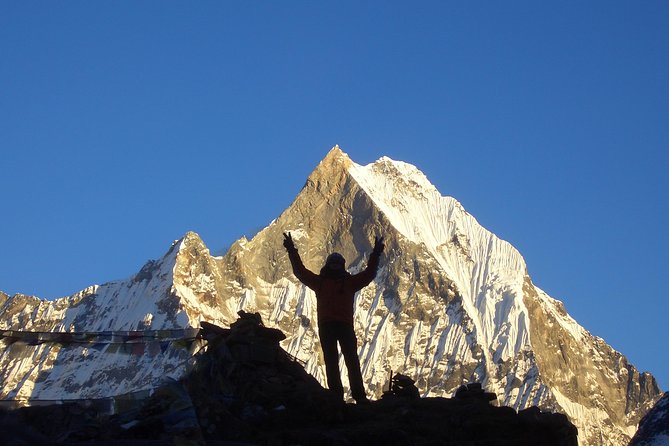
The great draw here is the quick change from terraced farmland and forest to the stark, high basin below Annapurna I. In less than two weeks, you walk beneath peaks reaching 7,000 and 8,000 meters, ending at Annapurna Base Camp at 4,130 meters.
I like two things right away: the route allows time to gain height gradually, and the package includes the useful essentials, from permits and lodge meals to a licensed guide and porter support. I also like the family-run tea houses, where a simple room and a shared dining space bring you closer to mountain life.
The main caution is physical: this is not a gentle sightseeing holiday. Expect stone steps, five to seven-hour walking days, basic twin rooms, and cold conditions near base camp. The price also excludes city meals, drinks, insurance, tips, and your Nepal visa.
Key points to know before you book
- Annapurna Base Camp reaches 4,130 meters, so the slower 14-day plan matters for comfort and safety.
- The route changes constantly, from rice terraces and rhododendron woods to a glacial mountain basin.
- Nine trekking nights are in local lodges, with twin-share rooms and full-board meals.
- One porter carries luggage for every two trekkers, while an English-speaking, government-licensed guide leads the group.
- Kathmandu and Pokhara hotel nights are included, but city lunch and dinner are not.
- Spring and autumn offer the best trekking conditions, while winter is also possible on this route with suitable preparation.
Why the Annapurna Base Camp route works so well
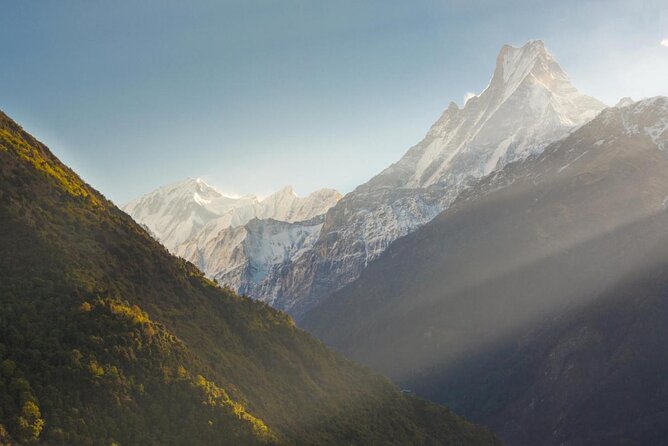
Annapurna Base Camp is a compact Himalayan trek with a satisfying sense of progression. You do not spend days walking through one type of scenery. Instead, the route moves from low foothills to forest, from forest to high mountain villages, and finally into the amphitheater around Annapurna Base Camp.
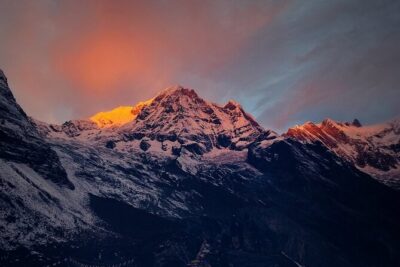
The trail follows the Modi Khola gorge toward its glacial headwaters. The higher you go, the more enclosed the mountains feel. At base camp, peaks surround the basin on several sides, including Annapurna I, the 8,091-meter mountain whose southern face is one of the great walls of the Himalaya.
The route is also a practical choice for someone who wants a major Himalayan destination without committing to a much longer circuit. You still need stamina, patience, and the right attitude toward basic accommodation, but the 14-day schedule gives your body more time to adjust than a rushed version.
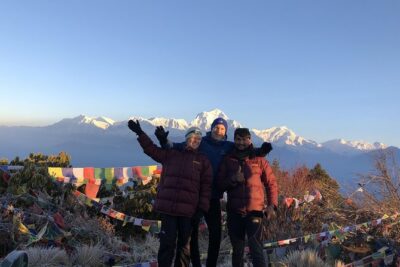
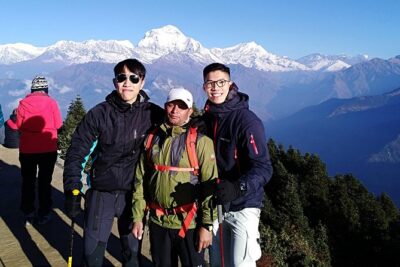
I particularly like the balance between organized support and local contact. Your guide handles the route, permits, pacing, and safety decisions. Porters reduce the load you carry. At night, you stay in small tea houses rather than isolated resort-style hotels, which gives the trek a more direct connection to daily life in the mountains.
More Annapurna Treks in Kathmandu
- Annapurna Circuit Trek with Tilicho Lake
★ 5.0 · 368 reviews - Annapurna base camp trek 5 Days
★ 5.0 · 252 reviews - 14-Day Private Annapurna Base Camp Trek
★ 5.0 · 180 reviews
Days 1 and 2: Kathmandu to Pokhara
The trip begins in Kathmandu, with pickup available from the Thamel area. Your first day is mainly for arrival and settling in. Two nights in Kathmandu are included on a bed-and-breakfast basis, with the hotel stay placed before and after the mountain section.
On day two, you drive to Pokhara at 900 meters. The transfer is part of the package, along with the return drive to Kathmandu. Pokhara gives you a lower, calmer base before the walking begins, though the road journey itself can take much of the day.
The city accommodation includes breakfast, but lunch and dinner are your responsibility in Kathmandu and Pokhara. Budget around $10 to $14 per meal in tourist restaurants. This is one of the small costs that can be easy to overlook when comparing trekking prices.
Days 3 and 4: Nayapul, Hile, and Ghorepani
The walking begins after a drive to Nayapul, at 1,010 meters. From there, you trek for about three hours to Hile, at 1,400 meters. This is a manageable opening day and gives you a chance to settle into your walking rhythm before the route becomes steeper.
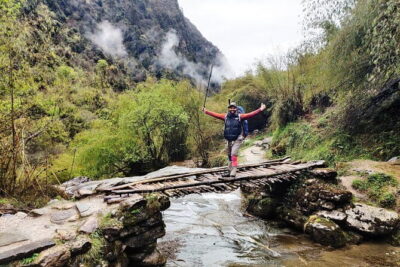
Day four takes you to Ghorepani, at 2,855 meters. The walk lasts six to seven hours and includes the famous stone stair sections of the lower Annapurna foothills. Terraced rice fields give way to forest, with rhododendron and bamboo adding shade and color along the trail.
Ghorepani is one of the most recognizable stops in the region, but do not treat it as an easy village stroll. The rise in altitude is noticeable, and the long stair climbs can tire your legs early in the trek. Walk steadily, drink often, and avoid racing ahead just because the lower section feels comfortable.
Days 5 and 6: Tadapani to Chhomrung
From Ghorepani, you walk about five hours to Tadapani, at 2,610 meters. The elevation is slightly lower than Ghorepani, but the trail continues through wooded country and rolling mountain terrain. Tadapani provides a useful transition between the busier foothill section and the narrower route toward base camp.
The next day takes you to Chhomrung, at 2,040 meters, in about four hours. The descent in altitude can feel welcome, especially after the climb to Ghorepani. Chhomrung is an important point on the route, with the trail turning more firmly toward the Modi Khola valley and the higher sanctuary.
This part of the walk is valuable because it does not force you to gain height every day. The route rises, drops, and rises again. That pattern can be tiring, but it also gives your body a more gradual adjustment than a direct climb would.
Another trail to compare in Kathmandu:
- Everest Base Camp Trek – 14 Days
★ 5.0 · 1,499 reviews - Everest Base Camp Trek
★ 5.0 · 842 reviews - Everest Base Camp Trekking
★ 5.0 · 485 reviews - Everest Base Camp Trekking – 13 Day
★ 5.0 · 365 reviews
Days 7 and 8: Into the Modi Khola gorge
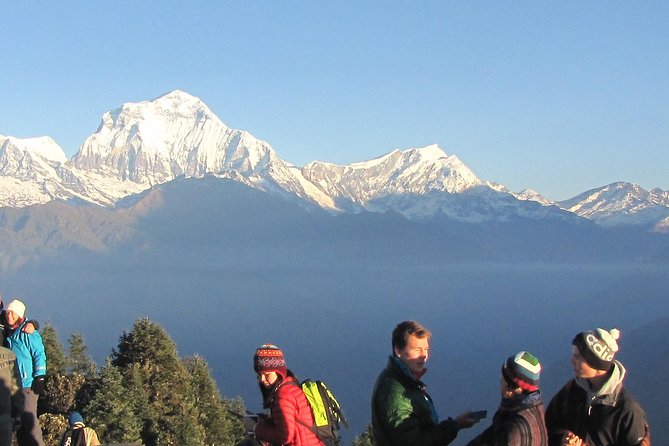
From Chhomrung, the trail heads to Dovan, at 2,550 meters, in four to five hours. The path enters a narrower mountain corridor, and the sense of remoteness increases. Bamboo forest and steep valley walls replace the open foothill views.
Day eight leads to Machhapuchre Base Camp, at 3,700 meters. This is another four to five-hour day, but altitude now becomes a serious part of the experience. Your pace should slow naturally. A good guide will watch how you are walking, how you are breathing, and whether you are showing signs of altitude trouble.
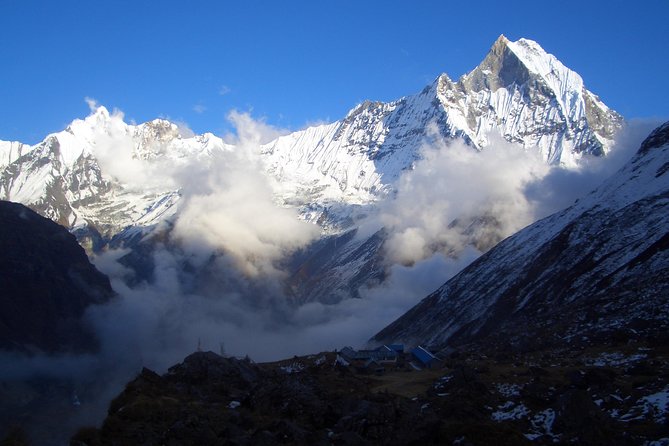
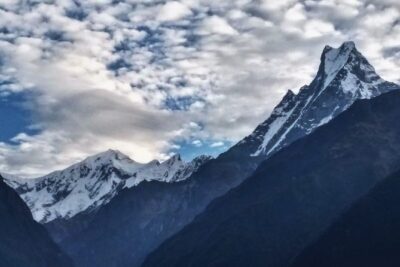
Machhapuchre means Fish Tail, referring to the distinctive shape of the mountain. Even though the trek does not climb the peak, the base camp location gives you a close mountain setting before the final push to Annapurna Base Camp.
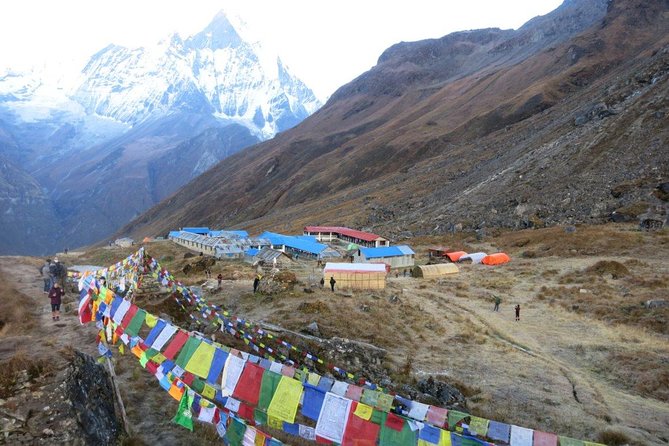
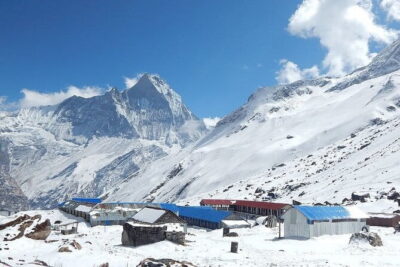
The lodge facilities become simpler as you go higher. Rooms are generally clean but basic, with two narrow beds. Meals are included during the trekking section, which is a major convenience because you do not need to negotiate food costs at every stop. Drinks and extras, including bottled or boiled water, soft drinks, chocolate, and beer, cost extra.
Day 9: Annapurna Base Camp at 4,130 meters
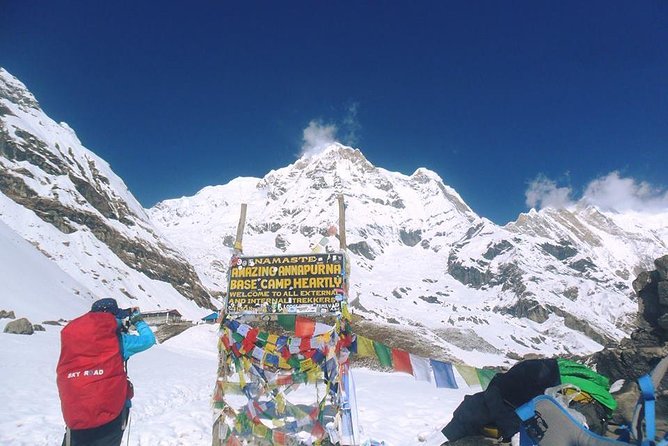
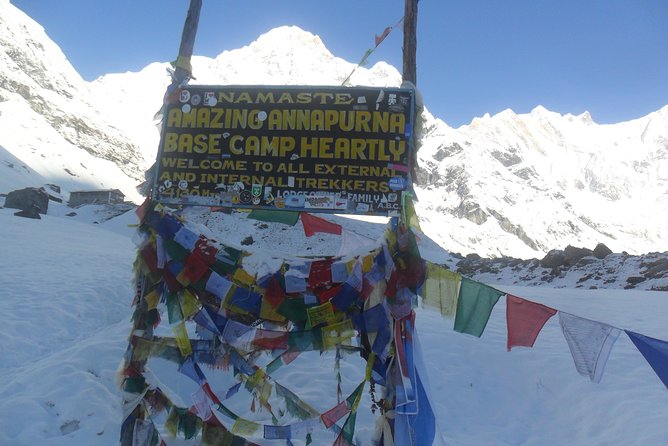
The final approach to Annapurna Base Camp takes two to three hours from Machhapuchre Base Camp. The distance is not huge, but the altitude makes this a day for patience rather than speed.
At 4,130 meters, Annapurna Base Camp sits in a high glacial basin surrounded by eleven major peaks. The setting is the emotional center of the trek: a broad, severe mountain bowl where the trail seems to run out beneath the walls of Annapurna I and its neighboring summits.
You should expect cold conditions and thinner air. Keep your layers close, protect water from freezing conditions as best you can, and follow the guide’s advice. The schedule allows this point to be reached after a gradual ascent, but no itinerary can remove the effects of altitude entirely.
This is also where the difference between a supported trek and a self-planned walk becomes clear. The guide and staff can help monitor your condition and adjust plans if weather or health creates a problem. Safety takes priority over completing a particular day exactly as printed.
Days 10 and 11: The long return through Bamboo to Jhinu Danda
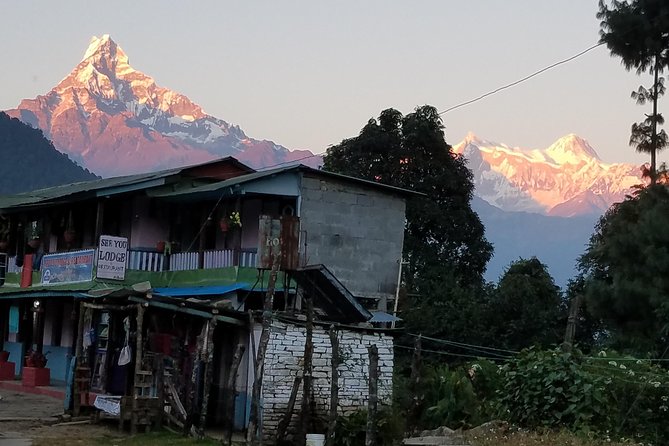
After the high point, day ten descends to Bamboo, at 2,340 meters. The walk takes four to five hours. Going down is usually easier for breathing, but steep stone steps can be hard on knees and feet, especially after the base camp climb.
Day eleven continues to Jhinu Danda, at 1,780 meters, in about five hours. The lower elevation brings warmer air and a more settled foothill feel. The route still demands effort, but the return is not simply a quick walk out. You continue through forest and mountain villages, with the same uneven paths that made the ascent demanding.
The descent is one reason good footwear matters. Use shoes with reliable grip, and bring walking poles if you normally use them. The program includes first-aid supplies, but your own blister care, pain relief, and personal medication remain your responsibility.
Days 12 to 14: Nayapul, Pokhara, and Kathmandu
Day twelve takes about five to six hours to reach Nayapul and then Pokhara. The ground transfer is included. This is a full final trekking day, so do not assume the return to the road means the physical work is finished.
The package includes two nights in Pokhara on a bed-and-breakfast basis, although the exact distribution of city nights depends on the operating schedule. Day thirteen is the drive back to Kathmandu, at 1,345 meters, followed by departure on day fourteen.
The final Kathmandu stay gives you a buffer around the trek and a place to recover before flying home. If you are arranging your own international flights, allow enough flexibility for road delays or weather changes. The operator can alter or cancel part of the route when safety requires it, and poor weather can lead to a rescheduled date or full refund under the stated conditions.
What the $1,250 price covers
At $1,250 per person, the package offers solid value if you want a guided trek with the main practical pieces arranged. It includes air-conditioned ground transport, Kathmandu and Pokhara accommodation, nine trekking nights, full-board meals during the trek, permits, the Annapurna Conservation Fee, TIMS documentation, and required official paperwork.
Guide and porter costs are also included. One porter serves two trekkers, which is a common arrangement and means you should pack thoughtfully rather than assume unlimited luggage. Staff salary, food, accommodation, equipment, and insurance for Nepalese staff are covered as well.
Small energy supplies such as Snickers, Mars, and Bounty bars, along with fresh fruit, are included during the trek. That is a modest but useful touch on long walking days.
The exclusions matter. You need your own travel insurance with medical treatment, emergency evacuation, injury, lost baggage, and liability coverage suitable for high-altitude trekking. You also pay for Nepal entry paperwork, city lunches and dinners, drinks, mineral or boiled water, and customary tips for your guide, porters, and driver.
For daily extras on the trail, $10 to $15 should usually cover snacks and occasional drinks, though costs rise farther from the road. Carry some cash for this purpose.
Guides, porters, and the human side of the trek
The program uses an English-speaking Sherpa guide who is government trained and licensed. Names associated with the operating team include Ngima, Dawa, Tashi, Nima, Mingma, and Pasang. Your assigned guide may differ, so confirm the current team before departure.
The strongest part of the service is its close attention to pacing and comfort. Families with teenagers have used the company, and the staff have been described as patient and attentive when walking with less experienced trekkers. That matters on a route where one person may feel strong at 3,000 meters and struggle badly the next day.
A guide also helps with decisions that are difficult to make alone. If weather, health, or a natural hazard makes a section unsafe, the stated priority is to change or cancel that part rather than force the schedule.
Fitness, weather, and the best time to go
You need a moderate level of fitness. The listed walking days range from two to seven hours, but the number of stone steps and the altitude make the effort greater than the times suggest.
Spring, from February through late April, and autumn, from late September through late November, are identified as the best seasons. Winter trekking is also possible around Ghorepani, Poon Hill, Ghandruk, and Annapurna Base Camp, but cold weather demands better clothing and preparation.
Drink at least three liters of water each day. Filtered refill points are available in the Annapurna region, so bring a reusable bottle. Water purchases and treatment arrangements are not included in the package, so ask your guide about the current refill options.
Who should book this trek?
I would recommend it to you if you want a major Himalayan destination, prefer organized support, and are comfortable with tea-house lodging. It also suits families or small private groups that value patient guides and a measured schedule.
It is less suitable if you want private hotel rooms throughout, dislike long stair climbs, or need a flexible cancellation policy. The booking is non-refundable if you cancel or request a change, except when poor weather or an insufficient minimum group leads to cancellation by the operator.
Book it if the combination of high peaks, village lodges, and a carefully paced route appeals to you. Skip it if you want a soft adventure. Annapurna Base Camp rewards steady walkers, not rushed ones.
FAQ
How long does the Annapurna Base Camp trek take?
The experience lasts approximately 14 days, including arrival and departure in Kathmandu, drives to and from Pokhara, and the trekking section.
What is the highest point of the trek?
Annapurna Base Camp is at 4,130 meters, or about 13,547 feet.
Is accommodation included?
Yes. Two nights each in Kathmandu and Pokhara are included on a twin-share, bed-and-breakfast basis. During the trek, nine nights in local lodges are included with twin-share rooms and full-board meals.
Are meals included?
Full-board meals are included during the trekking section. Lunch and dinner in Kathmandu and Pokhara are not included. Drinks, mineral water, boiled water, and beer are also extra.
What level of fitness is required?
A moderate level of physical fitness is recommended. Walking days range from about two to seven hours and include stone stairways, forest paths, and altitude gains.
Is travel insurance included?
No. You must arrange personal travel insurance that covers emergency evacuation, injury, lost baggage, liability, and medical treatment for high-altitude trekking.
What happens if bad weather cancels the experience?
If poor weather causes cancellation, you will be offered a different date or a full refund. If the minimum number of participants is not reached, you will be offered a different date or experience, or a full refund.
Latest treks added in Kathmandu
- Private Manaslu Circuit Trek at Himalayas★ 5.0 · 3 reviews
- Ghorepani Poonhill Trek★ 5.0 · 5 reviews
- Ghorepani Poon Hill Trek★ 5.0 · 16 reviews
- Upper Mustang Trekking★ 3.0 · 2 reviews
- Amazing 1 Day Trekking Experience in Kathmandu Nepal★ 5.0 · 24 reviews
- Upper Mustang Trekking★ 5.0 · 2 reviews
- Upper Mustang Trekking★ 5.0 · 4 reviews
- Upper Mustang Trek★ 5.0 · 5 reviews
Annapurna Base Camp Treks, compared.
Trekking in Annapurna/Langtang/Everest/Upper Mustang regions
Read our review →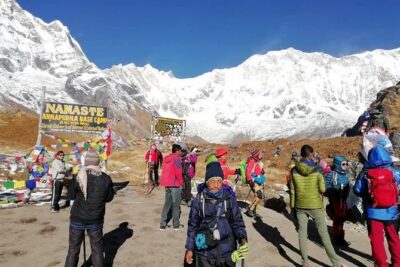
Kathmandu to Annapurna Base Camp (ABC) 5-Day Trek
Read our review →Browse the lists this tour appears in