
REVIEW · KATHMANDU
Annapurna Base Camp Trek- 11 Days
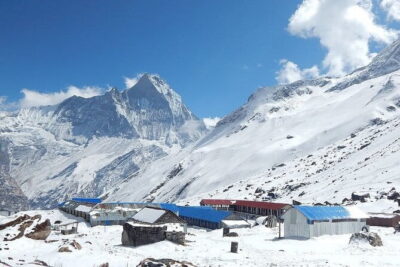
Annapurna Base Camp is the prize here: a high mountain bowl at 4,130 meters, reached on foot through villages, forests, stone steps, and simple teahouses. The route gives you a real taste of Himalayan life without requiring a long expedition or technical climbing skills.
I like the private-group format, which lets the guide adjust the pace and respond to your needs. I also like the practical package: flights between Kathmandu and Pokhara, meals during the trek, teahouse lodging, airport transfers, a guide, and porter support are all included.
The main caution is the physical demand. Several days run for five to six hours, the route includes steep steps, and the return from Annapurna Base Camp takes up to eight hours. Weather can also interfere with flights and road transfers, particularly during rainy periods.
Key points to know before booking
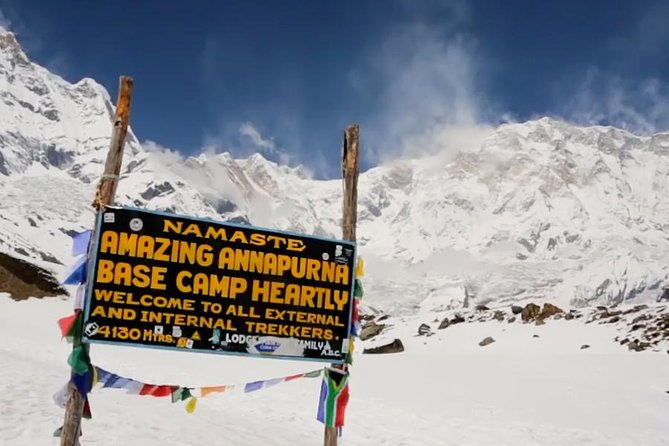
- Annapurna Base Camp reaches 4,130 meters, with an overnight stay before the long descent.
- The private trip is limited to your own group, with one porter assigned for every two trekkers.
- Two short flights connect Kathmandu and Pokhara, saving road time but leaving you exposed to weather delays.
- Teahouse accommodation is simple, and showers, hot water, charging, bottled water, and laundry cost extra.
- The route visits Gurung, Magar, and Thakali communities, adding a strong cultural side to the mountain walk.
- The $999 price covers most core trek costs, but not insurance, Nepalese visa fees, or meals in Kathmandu and Pokhara.
From Kathmandu welcome to the Annapurna trail
This 11-day trip starts and ends in Kathmandu, but most of the walking takes place in the Annapurna region. Alpine Club of Himalaya meets you at the airport in a private vehicle, then provides a welcome dinner with Nepalese food.
That first evening is useful for more than eating. You get a gentle introduction to local food and a chance to meet the team before the trek begins. The first night is at about 1,300 meters, so there is no immediate pressure to deal with high altitude.
You spend the second night in Kathmandu after returning from the mountains. The included hotel is described as neat and clean, with a convenient location near the city’s visitor areas. The package does not cover lunch or dinner in Kathmandu, so leave room in your budget for those meals.
Sujan is named in several accounts as the main point of contact for trip coordination. The strongest praise goes to the company’s communication, airport pickup, and ability to sort out practical matters. Guides such as Tsiring have also been singled out for patience and help on the trail, though you should confirm your assigned guide before departure.
More Annapurna Treks in Kathmandu
- Annapurna Circuit Trek with Tilicho Lake
★ 5.0 · 368 reviews - Annapurna base camp trek 5 Days
★ 5.0 · 252 reviews - 14-Day Private Annapurna Base Camp Trek
★ 5.0 · 180 reviews
Day 2: A quick flight and the first walk to Ghandruk
The second day begins with a 30-minute flight from Kathmandu to Pokhara. This is much quicker than traveling by road, and it gives you more time for the first walking stage. From Pokhara, a private vehicle takes you toward the trailhead at Nayapul before the trek continues to Ghandruk.
The walk to Ghandruk takes about five to six hours and ends at roughly 1,940 meters. Ghandruk is one of the important village stops on the route, with strong Gurung cultural connections and broad mountain views.
This is a full first trekking day. You are not simply strolling after the flight, so arrive ready to walk. The benefit is that you reach the mountains quickly and begin the route at a moderate elevation rather than spending several days on a slow approach.
Teahouse accommodation begins on the trekking section. You should expect basic rooms and shared facilities rather than hotel comforts. The warm dining room, local meals, and time with the guide are part of the appeal, but personal extras such as hot showers and charging may cost more.
Day 3: Ghandruk to Chhomrong, with a demanding rhythm
The walk from Ghandruk to Chhomrong takes five to six hours and reaches about 2,170 meters. This section continues through mountain settlements and gives you a closer look at daily life in the region.
Chhomrong is an important staging point for the upper valley. It is also where the route begins to feel more serious. You are gaining height, and the walking rhythm becomes more important: steady steps, regular water breaks, and a pace you can hold for the whole day.
The guide is particularly useful here. A private trip means the group does not need to match the pace of a large mixed party. That does not remove the physical work, but it can make the day feel less rushed.
The itinerary does not include a separate acclimatization day. Instead, the route rises progressively over several days. That schedule works for fit walkers who are comfortable with sustained uphill walking, but anyone with limited trekking experience should take the elevation seriously and discuss symptoms with the guide.
Day 4: Chhomrong to Bamboo and the forested valley
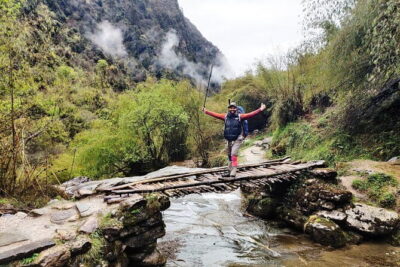
Day four covers the five to six-hour walk from Chhomrong to Bamboo, at about 2,310 meters. The route continues through the Modi Khola valley, with a mixture of village paths, stone steps, and wooded sections.
Bamboo is a practical overnight stop rather than a major sightseeing center. Its value is its position on the route. You are now inside the mountain corridor and closer to the high camps of the Annapurna Sanctuary.
The rhythm of the trip is becoming clear. Breakfast begins the day, lunch is taken along the trail or at a teahouse, and dinner comes after you settle into the evening stop. Breakfast, lunch, dinner, and a cup of tea or coffee are included during the trek, which makes daily budgeting much easier.
Drinking water is not included. Bottled or boiled water costs extra, as do showers and battery charging. Carrying a refillable bottle and budgeting for these small charges will make the trip more comfortable.
Another trail to compare in Kathmandu:
- Everest Base Camp Trek – 14 Days
★ 5.0 · 1,499 reviews - Everest Base Camp Trek
★ 5.0 · 842 reviews - Everest Base Camp Trekking
★ 5.0 · 485 reviews - Everest Base Camp Trekking – 13 Day
★ 5.0 · 365 reviews
Day 5: Bamboo to Deurali and the first real altitude test
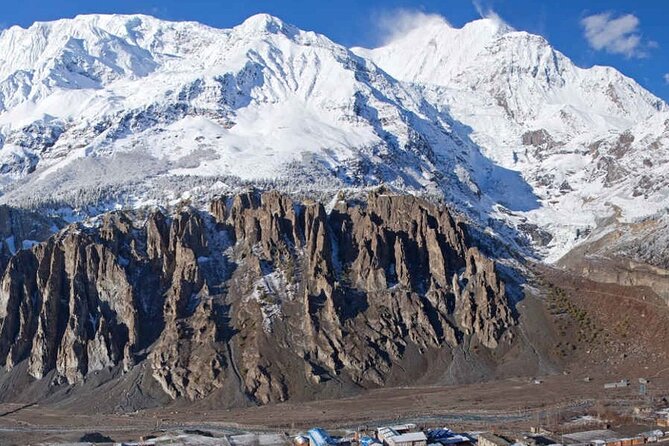
The walk from Bamboo to Deurali takes three to four hours and reaches approximately 3,230 meters. It is shorter than the previous days, but the higher elevation changes how the effort feels.
This is a sensible place to pay attention to your body. Headache, unusual tiredness, nausea, or breathlessness should be reported to the guide. The itinerary is compact, and there is no extra rest day built in, so honest communication matters.
Deurali is a quiet overnight stop before the route moves higher. The surroundings become more rugged, and the temperature can drop after sunset. Teahouse rooms are basic, so a warm sleeping bag and layers are important. The tour includes teahouse lodging, but it does not promise private rooms or hotel-style facilities.
For many people, this is the day when the trip shifts from a village trek to a high mountain trek. The walking hours are shorter, yet the altitude demands more patience.
Day 6: Machhapuchhre Base Camp to Annapurna Base Camp
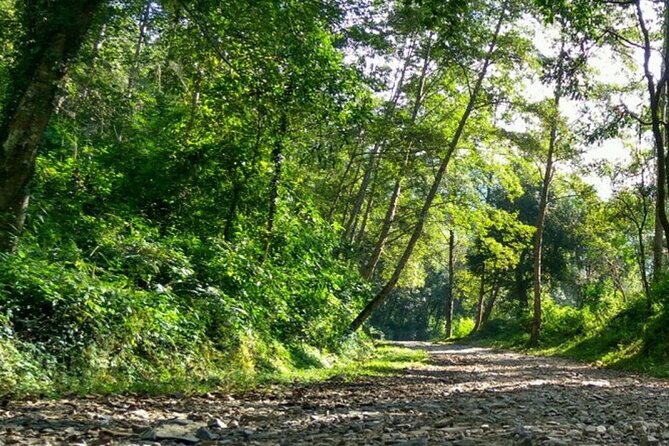
This is the central day of the trek. From Deurali, you walk for five to six hours to Annapurna Base Camp at 4,130 meters, passing Machhapuchhre Base Camp at about 3,700 meters.
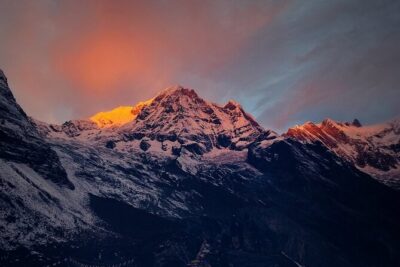
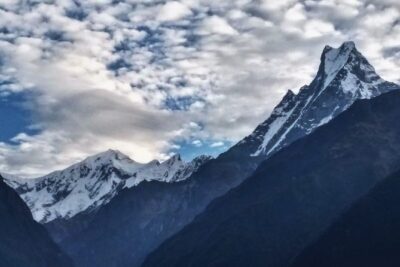
The name Machhapuchhre means Fish Tail, referring to the distinctive peak. From its base camp, the route continues into the Annapurna Sanctuary, a dramatic mountain amphitheater surrounded by high Himalayan peaks.
Annapurna Base Camp is not a climbing base for this itinerary. You arrive as a trekker, take in the mountain setting, and spend the night at high elevation. The timing is important because the next day is the longest descent of the trip.
Clear weather makes a major difference. Mountain cloud can hide the peaks, while a clear morning can provide the best views of the entire journey. Your guide can help with timing and safe movement, but no company can guarantee visibility.
The price includes the night at the teahouse and meals during the trek. It does not include private comforts or emergency rescue costs, which is why travel and rescue insurance is essential.
Day 7: The long descent to Bamboo
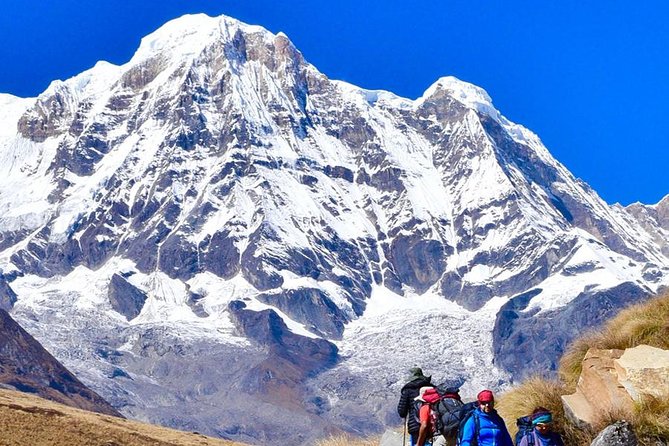
The return from Annapurna Base Camp to Bamboo takes seven to eight hours. This is the hardest day for many people, not because you are still climbing, but because the distance is long and your legs are already tired.
Descending stone steps can be tough on knees and ankles. Trekking poles are useful, and careful footing matters more than speed. A private guide can help manage breaks and keep the group together.
Bamboo is a welcome stop after the long return. You are lower than Annapurna Base Camp, so the air is easier, but fatigue can still be strong. Plan on a quiet evening rather than expecting a second adventure after dinner.
This day is one reason the trek suits people with moderate or better physical fitness. The route is accessible to beginners who prepare properly, and several first-time trekkers have completed it with support from guides and porters. Still, beginner-friendly does not mean easy.
Day 8: Bamboo to Jhinu Danda and a change of mood
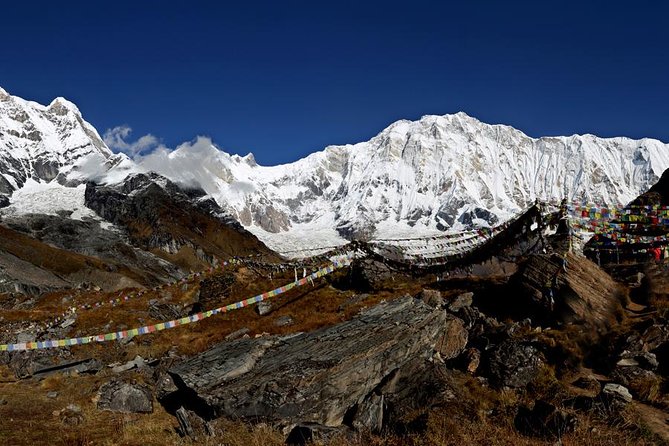
The walk from Bamboo to Jhinu Danda takes five to six hours and drops to around 1,760 meters. After the cold high camp, the lower elevation feels warmer and the trail begins to feel more relaxed.
Jhinu Danda is known as a stopping point near natural hot springs, though the supplied itinerary does not specifically state that a hot-spring visit is included. Ask the operator before counting on it as part of your day.
The descent also brings you back into villages and cultivated areas. You see a different side of the Annapurna route here, with more signs of settled life and less of the stark high-altitude setting.
This is a good day to appreciate the route as a whole. The trip is not only about reaching base camp. The changing communities, village paths, and daily contact with your guide give the trek its human side.
Day 9: The final trail to Nayapul and onward to Pokhara
Day nine involves about six hours of walking to Nayapul, followed by a one-hour private vehicle transfer to Pokhara. It is a satisfying finish, but it is still a proper trekking day.
The private vehicle is useful at this point. After more than a week on foot, you can reach Pokhara without dealing with local transport connections. One night in Pokhara is included, with breakfast.
Pokhara offers a softer landing after the trail. The itinerary does not include lunch or dinner there, so you choose and pay for those meals yourself. The city is also where the trip’s pace changes from mountain routine to town routine.
Road and weather conditions can affect this part of the journey. A September departure experienced heavy rain and a landslide delay on the transport route, a reminder that Nepal’s mountain roads are not fully predictable. Keep a little flexibility in your onward plans.
Day 10 and 11: Back to Kathmandu and home
On day ten, you fly from Pokhara to Kathmandu. The flight is scheduled to take about 30 minutes, though weather can affect departures.
The final night in Kathmandu is included with breakfast. This gives you a buffer before the international flight, rather than forcing you to leave the mountains and fly home on the same day.
On day eleven, Alpine Club of Himalaya takes you to the airport in a private vehicle. Breakfast is included, but your international airfare is not.
The airport transfers are one of the more useful parts of the package. You do not have to arrange a taxi immediately after a long international flight or negotiate transport at the end of the trip.
What the $999 price really covers
At $999 per person, the trip offers solid value if you want a guided, organized trek rather than arranging every part yourself. The price includes:
- Airport pickup and drop-off
- Two nights in Kathmandu and one night in Pokhara with breakfast
- Kathmandu to Pokhara and return flights
- Private transport between Pokhara and Nayapul
- Teahouse lodging during the trek
- Breakfast, lunch, dinner, and tea or coffee during the trek
- An English-speaking, government-licensed guide
- Porter service at a ratio of one porter for two trekkers
- Staff wages, insurance, food, equipment, and lodging
- Government and local taxes
- A welcome or farewell dinner
That is a substantial list. The porter arrangement is especially useful because you carry a lighter daypack while still keeping a clear limit on the amount of luggage being moved.
Budget extra for the Nepalese visa, international flights, meals in Kathmandu and Pokhara, travel and rescue insurance, bottled or boiled water, showers, laundry, phone calls, battery charging, desserts, extra porters, and tips.
The package also includes group discounts, though the supplied details do not state the discount amount. Ask for the exact price before booking.
Who should choose this Annapurna trek?
I would recommend it to you if you want a high-value, tightly organized Himalayan trek with a private guide and a clear day-by-day plan. It suits people who want village contact and mountain scenery but have only 11 days in Nepal.
It is also a good match for a first Himalayan trekker who wants support with transfers, lodging, meals, and porters. The guides and support staff receive the warmest praise for patience, friendliness, communication, and attention to the group.
I would hesitate if you want long rest days, luxury accommodation, guaranteed private rooms, or a relaxed schedule. The itinerary climbs steadily and includes two long days, especially the return from base camp to Bamboo.
You should also confirm the expected room setup, guide assignment, water arrangements, and weather plan before paying. Private does not mean luxurious, and Himalayan schedules can change.
Cancellation is free if you cancel at least 24 hours before the local start time. A later cancellation or late change is not refundable.
Should you book it?
Book this trek if you value personal support, simple mountain lodging, and a well-covered price more than comfort or flexibility. The strongest advantages are the private format, helpful guide and porter team, included internal flights, and the chance to walk through several Himalayan communities before reaching Annapurna Base Camp.
Skip it if your fitness is below moderate or if you cannot accept basic teahouses and possible weather delays. For a prepared walker who wants the classic Annapurna Base Camp route in a compact package, this is a practical and appealing choice.
FAQ
How long is the Annapurna Base Camp trek?
The full experience lasts approximately 11 days, including time in Kathmandu and Pokhara, flights, trekking days, and airport transfers.
What is the highest point on the itinerary?
Annapurna Base Camp is the highest point, at approximately 4,130 meters or 13,545 feet.
Is this a private tour?
Yes. Only your group participates in the activity, with an experienced English-speaking, government-licensed guide.
Are meals included?
Breakfast, lunch, dinner, and a cup of tea or coffee are included during the trek. The welcome or farewell dinner is also included. Lunch and dinner in Kathmandu and Pokhara are not included.
Are flights between Kathmandu and Pokhara included?
Yes. The package includes flights from Kathmandu to Pokhara and from Pokhara back to Kathmandu.
Is porter service included?
Yes. One porter is provided for every two trekkers. Staff costs, including their food, equipment, lodging, salary, and insurance, are included.
What is not included in the $999 price?
The price does not include a Nepalese visa, international airfare, travel and rescue insurance, meals in Kathmandu or Pokhara, bottled or boiled water, showers, laundry, battery charging, phone calls, extra porters, desserts, excess baggage, or tips.
Latest treks added in Kathmandu
- Private Manaslu Circuit Trek at Himalayas★ 5.0 · 3 reviews
- Ghorepani Poonhill Trek★ 5.0 · 5 reviews
- Ghorepani Poon Hill Trek★ 5.0 · 16 reviews
- Upper Mustang Trekking★ 3.0 · 2 reviews
- Amazing 1 Day Trekking Experience in Kathmandu Nepal★ 5.0 · 24 reviews
- Upper Mustang Trekking★ 5.0 · 2 reviews
- Upper Mustang Trek★ 5.0 · 5 reviews
- Upper Mustang Trekking★ 5.0 · 4 reviews
Annapurna Base Camp Treks, compared.

Trekking in Annapurna/Langtang/Everest/Upper Mustang regions
Read our review →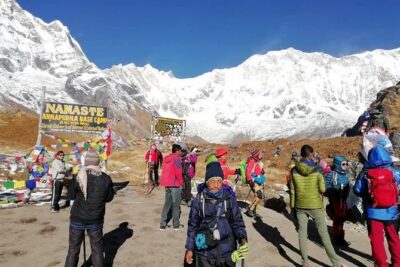
Kathmandu to Annapurna Base Camp (ABC) 5-Day Trek
Read our review →Browse the lists this tour appears in