
REVIEW · TANZANIA
#1. Best 7 days kilimanjaro trek Machame route join group
The best part of this seven-day Machame Route trek is the steady change in scenery. You start among rainforest birds and colobus monkeys, cross the open Shira Plateau, scramble up Barranco Wall, and finish above the clouds at Uhuru Peak, Africa’s highest point. I like the route’s scenic variety, and I like that the itinerary gives you several days to adjust to altitude rather than racing straight upward.
The main caution is the true final cost. The advertised price is $900 per person, but park fees are excluded. One detailed cost account puts extra entrance charges at about $950 for a seven-day climb, with tips adding roughly $350 for a seven-person guiding team. Ask for a written, all-in price before booking.
Key points at a glance
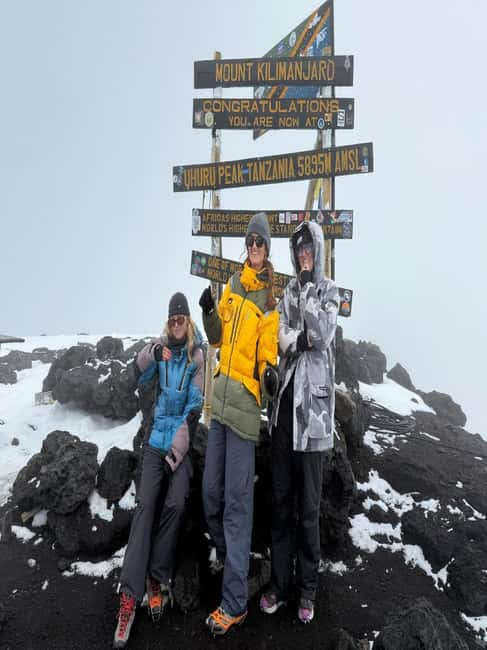
- Seven days on the Machame Route: You climb through five distinct ecological zones before reaching Uhuru Peak at 5,895 meters.
- Barranco Wall is the route’s hands-on section: Expect a short scramble over rock rather than a simple walking path.
- Lava Tower helps with altitude adjustment: You climb to 4,600 meters, then sleep lower at Barranco Camp.
- The summit day is long: The push from Barafu Camp to Uhuru Peak and down to Mweka Camp takes about 10 to 14 hours.
- Camping details need confirmation: The package mentions hut accommodation, but the route plan names camps and includes camping equipment and a sleeping mattress.
- The $900 price is not the full budget: National Park fees are excluded, and tips may be a major added cost.
What the seven-day Machame trek is really like
This is a serious mountain trip, not a casual nature walk. You spend six days gaining and losing altitude, then return through the rainforest on the seventh day. The route covers about 52 kilometers according to the daily figures supplied, though the listed distance for the first day needs checking because it says both 1 kilometer and 7 miles.
Machame is popular for good reason. It gives you changing scenery almost every day, and the route includes an important acclimatization pattern: climb high, then sleep lower. The clearest example comes on Day 3, when you reach Lava Tower at 4,600 meters before dropping to Barranco Camp at 3,900 meters.
Your English-speaking guide team handles the route, meals, water, transport, and camp equipment. No individual guide names are supplied, so ask who will lead your group and how many support staff will accompany you. That matters on a summit climb, especially when one cost account refers to seven guides and a large tipping expectation.
More Kilimanjaro Climbs in Tanzania
- 8-Day Small-group Lemosho Kilimanjaro Summit Trekking
★ 5.0 · 186 reviews - Best Kilimanjaro Adventure 7 days Machame route Trekking
★ 5.0 · 42 reviews - Kilimanjaro 7 Day Private Trekking Experience
★ 5.0 · 40 reviews
Day 1: Machame Gate to Machame Camp
The trek begins at Machame Gate after registration. From an elevation of 1,800 meters, you walk into the montane rainforest and climb to Machame Camp at 2,835 meters.
This first section is special because Kilimanjaro feels like a tropical mountain before it feels like a high-altitude climb. The forest is thick, the air is damp, and you may see colobus monkeys and colorful birds. The route gives you a gentle introduction to the climb, though five to seven hours on foot is still a full day.
The distance needs clarification. The supplied plan lists 1 kilometer and 7 miles in the same line. Those figures do not match, so request the corrected distance from KILINGE-ADVENTURES. Your actual walking time may matter more than the number itself, but clear information is part of a well-run trip.
At Machame Camp, you rest and eat dinner in the rainforest zone. Confirm in advance if you will sleep in tents or huts. The package says hut accommodation, while the itinerary includes camping equipment and a mattress. That is a practical difference, especially if you are packing a sleeping bag and preparing for cold nights.
Day 2: Moorland views from Machame to Shira
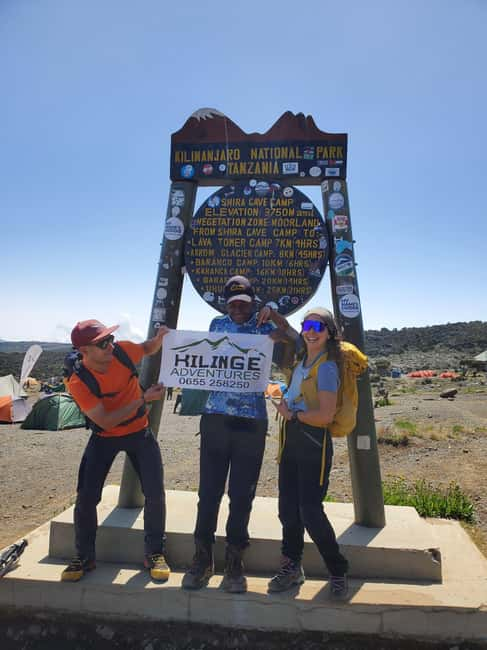
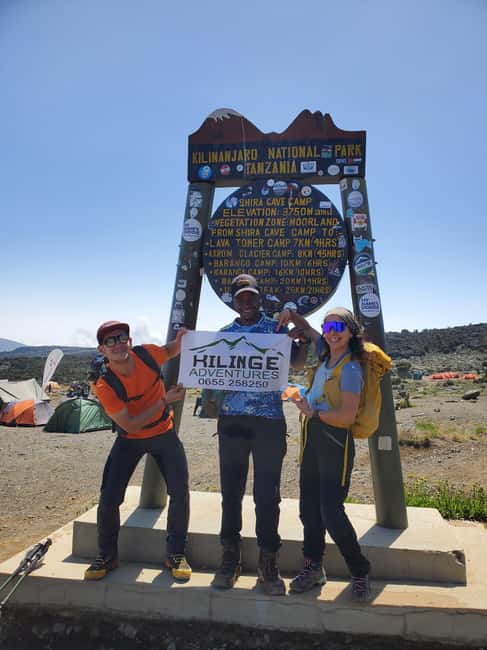
Day 2 climbs from 2,835 meters to 3,750 meters, covering about 5 kilometers in four to six hours. You leave the rainforest behind and enter moorland, where the trees thin out and the views open.
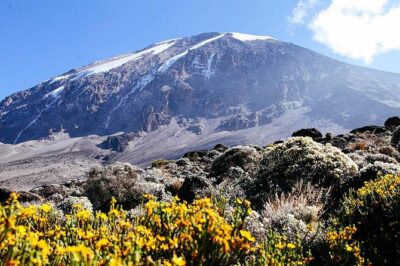
This is where the mountain begins to feel broad and exposed. You should get views toward the Shira Plateau and Kibo Peak, the main volcanic cone of Kilimanjaro. The trail becomes steeper and rockier, so trekking poles can be useful even though they are not specifically listed among the required items.
Shira Camp is a major altitude step. You gain more than 900 meters in one day, so take the pace seriously. Walk slowly, drink the supplied water, and tell your guide early if you develop a headache, nausea, unusual tiredness, or difficulty breathing. The itinerary provides a sensible overnight stop, but no schedule can remove the risks of altitude.
Day 3: Lava Tower and the descent to Barranco
Day 3 is one of the most useful days for acclimatization. You walk about 10 kilometers from Shira Camp, reach a high point of 4,600 meters at Lava Tower, and then descend to Barranco Camp at 3,900 meters.
The alpine desert here has little shelter and a stark, rocky character. The climb to Lava Tower may feel tough because of the altitude, but the later descent is the point. You spend time high, then sleep lower, giving your body a better chance to adjust.
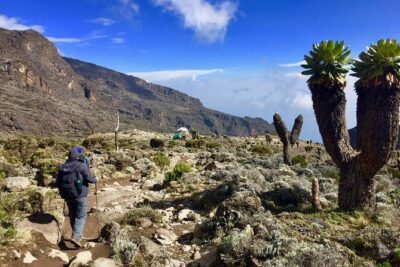
After the Lava Tower stop, the path drops toward Barranco Valley. Giant senecio plants give this section a distinctive Kilimanjaro look. Barranco Camp also offers one of the trip’s most memorable settings, with steep mountain walls and wide views around the valley.
This is a long day of seven to eight hours. Keep snacks in your daypack rather than buried in your main luggage. The suggested packing list includes snacks, a daypack, a jacket, gloves, socks, hiking pants, and a flashlight. Bring these where you can reach them quickly.
More week-long treks in Tanzania
- Kilimanjaro Trekking 7Days 6Night Lemosho Route
★ 5.0 · 23 reviews - 7 Days Kilimanjaro trek via Machame route
★ 5.0 · 13 reviews - 7 Days Machame Route Trek Mount Kilimanjaro
★ 5.0 · 12 reviews - 7 Days Machame Route Kilimanjaro Trekking
★ 5.0 · 9 reviews
Day 4: Scrambling over Barranco Wall
The route from Barranco Camp to Karanga Camp is short by Kilimanjaro standards, about 5 kilometers and four to five hours. The day begins with the famous Barranco Wall, a rocky section that requires an easy scramble with your hands in places.
You do not need to treat it like a technical climbing route based on the information provided, but it is more active than a normal trail. Keep your hands free, follow the guide’s line, and do not rush the people ahead of you. Gloves can help protect your hands from rough rock.
After the wall, the route crosses ridges and valleys before reaching Karanga Camp at 4,035 meters. The gain is modest, and that is the point. This shorter day gives you time to recover before the move to Barafu Camp.
I like the rhythm here: a demanding obstacle early, then a shorter afternoon. You should still conserve energy. The summit push is close, and feeling strong at Karanga is more useful than trying to win the morning.
Day 5: Karanga to Barafu Camp
Day 5 covers about 4 kilometers and takes four to five hours. You climb from 4,035 meters to Barafu Camp at 4,640 meters, passing into the high alpine desert.
Barafu is the launch point for the summit attempt. The camp itself is less about comfort than preparation. You eat, drink, organize your daypack, and try to rest before leaving around midnight.
The supplied equipment includes camping gear and a sleeping mattress, but you are told to bring your own sleeping bag and climbing gear. Ask exactly what the operator supplies. A mattress is not the same as a sleeping bag, and the difference matters at this altitude.
Your flashlight is essential for the nighttime start. Pack spare batteries or use the listed power bank if your device supports it. Keep your jacket, gloves, hat if you use one, water, snacks, and camera within reach. You do not want to empty a packed duffel in the dark.
Day 6: The long push to Uhuru Peak
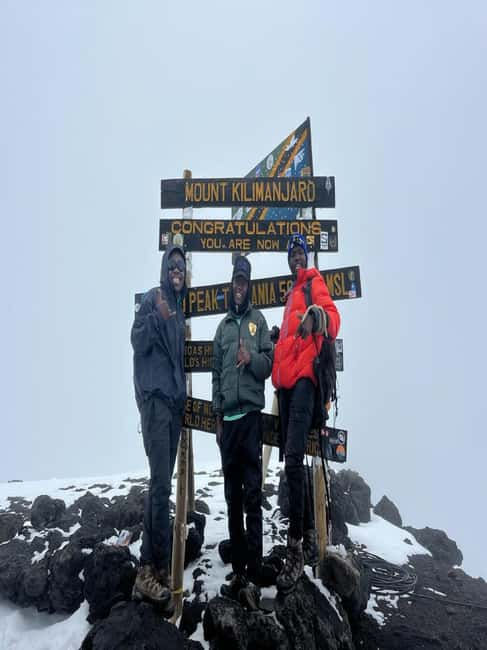
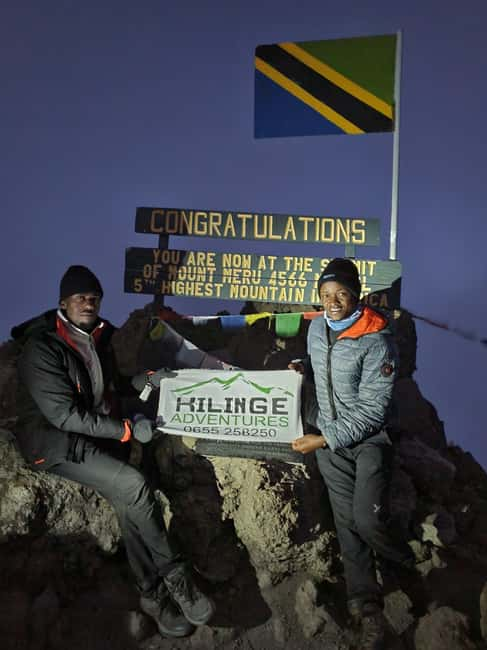
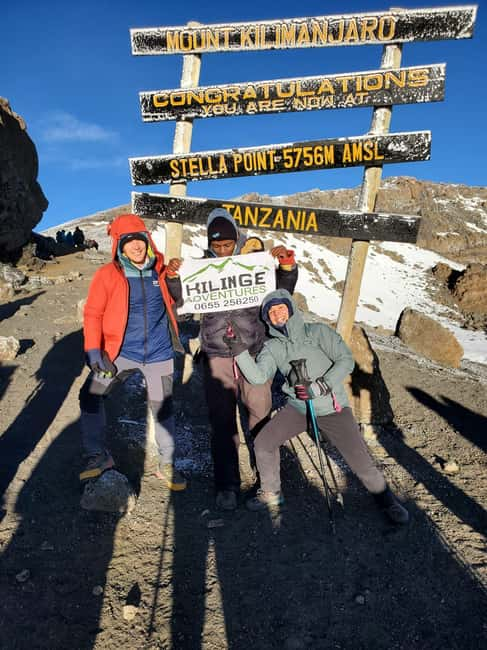
Summit day begins at about midnight. From Barafu Camp, you climb toward Stella Point, then continue along the crater rim to Uhuru Peak at 5,895 meters.
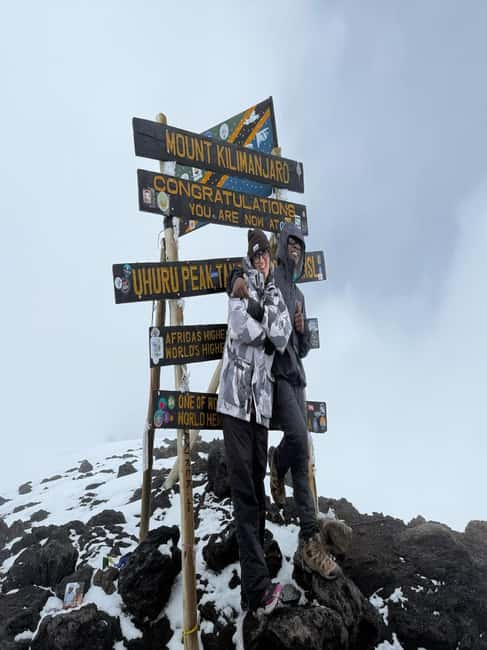
This is the hardest part of the trek. The total distance is about 17 kilometers, and the full day takes 10 to 14 hours. You climb in darkness, face cold Arctic conditions near the summit, reach the highest point in Africa, and then descend all the way to Mweka Camp at 3,110 meters.
The summit section is not just a final photo stop. Altitude, cold, darkness, and fatigue all arrive together. Move at the guide’s pace, take small steps, and use your snacks and water steadily. If your guide advises you to turn back, take that advice seriously. Reaching a lower camp safely matters more than a certificate.
At Uhuru Peak, you can celebrate the achievement and take in the summit views before beginning the descent. The return to Mweka Camp is physically hard because your legs are already tired. A jacket and gloves remain useful on the way up, while lighter clothing may be more comfortable lower down.
The overnight stop at Mweka prevents you from completing the summit and the full descent to the gate in one punishing day. That makes the seven-day schedule more manageable than a shorter plan, though the summit day remains demanding.
Day 7: Mweka Gate and the return to Moshi or Arusha
The final day drops from Mweka Camp at 3,110 meters to Mweka Gate at 1,640 meters. The walk takes about three to four hours and returns you to rainforest.
After the dry upper zones, the trees and humidity feel like a different world. The descent is easier on your breathing but can be hard on knees and ankles. Trekking poles, careful foot placement, and patience help here.
At Mweka Gate, you collect your certificate of achievement. The package then includes transport back to Moshi or Arusha, where you can rest or continue your trip. Confirm the exact hotel drop-off and transfer plan before departure, since the supplied details only state Moshi or Arusha.
Hut lodging or camping?
This is the biggest practical inconsistency to clear up. The package lists hut accommodation, but every overnight stop is named as a camp: Machame, Shira, Barranco, Karanga, Barafu, and Mweka. It also includes camping equipment and a sleeping mattress.
That could mean the wording was simplified, or it could mean the lodging plan has changed. Do not assume you will sleep in huts. Ask these direct questions:
- Are all six nights in tents, huts, or a mix?
- Is the tent supplied and set up by the crew?
- Is the sleeping mattress included at every camp?
- Do I need to bring a sleeping bag?
- Are meals served in a dining tent or another shelter?
The answer affects comfort, luggage, and expectations. The route itself is scenic either way, but the nights at altitude can feel very different in a tent compared with a hut.
What is included, and what is not
The $900 price includes several useful basics:
- Accommodation, described as huts in the package
- Professional English-speaking guides
- Transfer from a Moshi hotel to the gate
- Transportation
- Meals
- Drinking water
- Camping equipment
- A sleeping mattress
National Park fees are specifically excluded. That is not a small line item on Kilimanjaro. One detailed cost account puts the seven-day total for entrance fees for the climber, guide, and porters at about $950. It also estimates tips at roughly $50 per accompanying person, with seven guides producing a possible $350 tip total.
Treat those figures as a warning to verify, not as a guaranteed invoice. Ask for the park fee amount, staff charges, transfers, tips, and any hotel costs in writing. If the final bill is close to $2,150, the $900 headline price is only part of the budget.
The package lets you reserve and pay later, and cancellation is available up to 24 hours before departure for a full refund. Those terms are useful if your schedule is still changing, but they do not replace a clear breakdown of compulsory fees.
Who should choose this route?
I would look at this trek if you want Kilimanjaro’s most varied scenery and can commit to a demanding week at altitude. The route suits someone who enjoys long walking days, accepts basic mountain accommodation, and wants a real summit attempt rather than a quick scenic outing.
It may also suit you if you value a slower seven-day schedule over a shorter climb. The Lava Tower to Barranco pattern and the shorter Karanga day provide useful adjustment time.
I would pause if you need a fixed final price, private rooms, or a gentle holiday. The summit day lasts up to 14 hours, the accommodation description is unclear, and the added fees may be substantial. You should also ask about group size and the exact guide-to-climber ratio before committing.
Is the $900 price good value?
It can be, but only after you confirm the extra charges. Meals, drinking water, transport from Moshi, guides, equipment, and a mattress give the base package practical value. The route itself also packs a lot into seven days, from rainforest to Arctic summit conditions.
The problem is not the listed inclusions. It is the gap between the headline price and the likely total. A cheap Kilimanjaro booking can become expensive once park fees, staff charges, and tips appear. Compare final prices, not starting prices.
The strongest positive description of the operation is that it is well organized, with another simple assessment calling it a very nice trip. That is encouraging, but you should still get the cost and accommodation details in writing. Good organization begins before you arrive at Machame Gate.
Should you book KILINGE-ADVENTURES?
Book this trek if you want the scenic Machame Route, can handle the long summit day, and are prepared to confirm the real budget before paying. The rainforest, Shira Plateau, Lava Tower, Barranco Wall, and Uhuru Peak give you a strong range of mountain scenery in one week.
I would not book on the $900 figure alone. First confirm the park fees, staff charges, tipping expectations, sleeping arrangements, corrected Day 1 distance, group size, and names of the English-speaking guides. If the final price is clear and the camping plan suits you, this can be a good-value route for a determined first Kilimanjaro climb.
FAQ
How long is the Kilimanjaro Machame Route experience?
The trek lasts seven days. You walk from Machame Gate to Uhuru Peak, descend to Mweka Camp, then continue to Mweka Gate before transferring to Moshi or Arusha.
What is the highest point reached?
The summit is Uhuru Peak at 5,895 meters, or 19,341 feet.
Is accommodation in huts or tents?
The package describes hut accommodation, but the daily plan names camps and includes camping equipment and a sleeping mattress. Confirm the exact arrangement with KILINGE-ADVENTURES before booking.
Are National Park fees included?
No. National Park fees are excluded from the $900 price.
What meals and drinks are provided?
Meals and drinking water are included. You should also bring snacks for the walking days.
What should I bring?
The supplied packing advice includes snacks, a jacket, gloves, a sleeping bag, climbing and trekking gear, socks, a flashlight, daypack, hiking pants, and a power bank.
Latest treks added in Tanzania
- 6 Days Machame Route Kilimanjaro Trekking★ 5.0 · 13 reviews
- 6 Days Marangu Route Trekking★ 5.0 · 2 reviews
- 5 Days Marangu Route Kilimanjaro Trekking★ 5.0 · 4 reviews
- 3 Days Mount Meru trekking★ 4.5 · 7 reviews
- Mount Kilimanjaro day trip trekking★ 5.0 · 12 reviews
- 8 Days Lemosho Route Kilimanjaro Trekking★ 5.0 · 5 reviews
- 7 Days Machame Route Kilimanjaro Trekking★ 5.0 · 9 reviews
- 7 Days Machame Route Trek Mount Kilimanjaro★ 5.0 · 12 reviews
Kilimanjaro Climbs, compared.
8-Day Small-group Lemosho Kilimanjaro Summit Trekking
Read our review →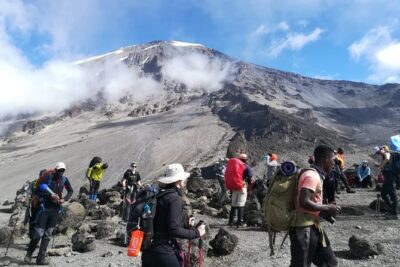
Best Kilimanjaro Adventure 7 days Machame route Trekking
Read our review →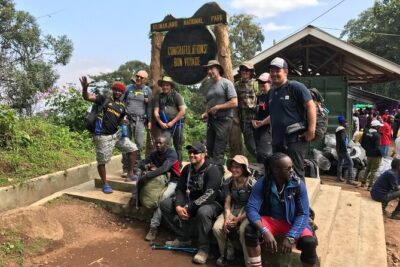
Kilimanjaro 7 Day Private Trekking Experience
Read our review →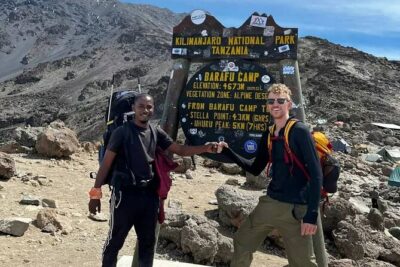
6 Days Machame Route Kilimanjaro Climbing Trekking Tour
Read our review →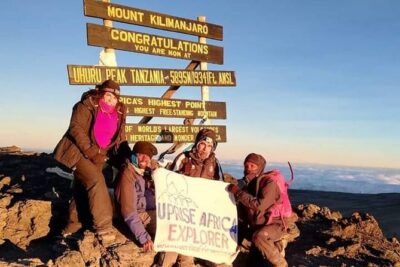
Kilimanjaro Trekking 7Days 6Night Lemosho Route
Read our review →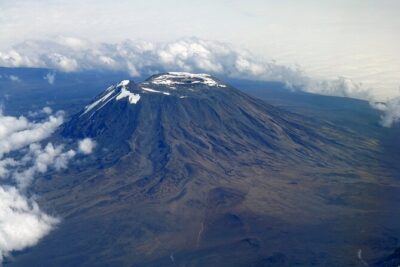
Browse the lists this tour appears in