
REVIEW · LAOS
Luang Prabang: 3-Day Cultural Remote Trek With Homestay
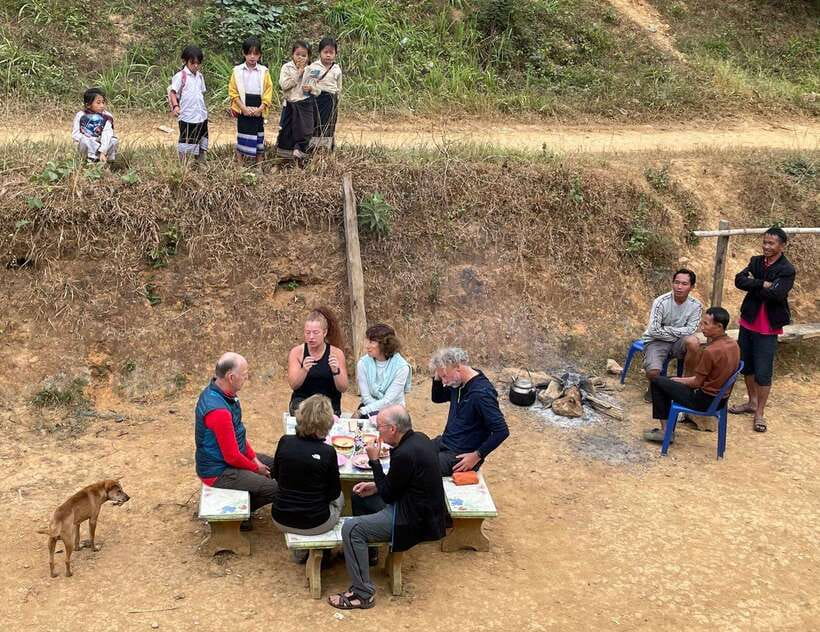
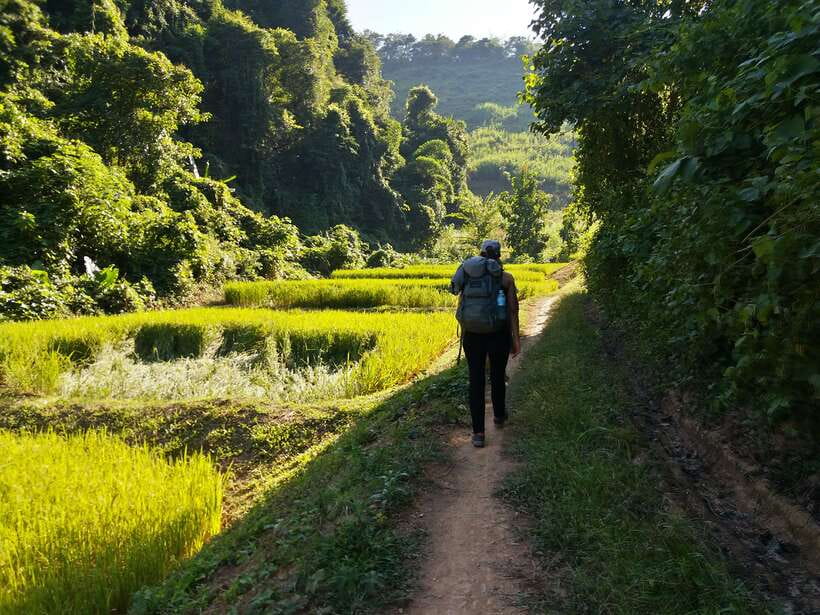
The best part of this three-day trip is the overnight stay in remote Hmong and Khmu villages, reached on foot by trails used for daily village life. You cross rivers by local boat, walk through rice paddies and jungle, and share dinner with a guide and a Hmong family. This is rural Laos without hotel polish.
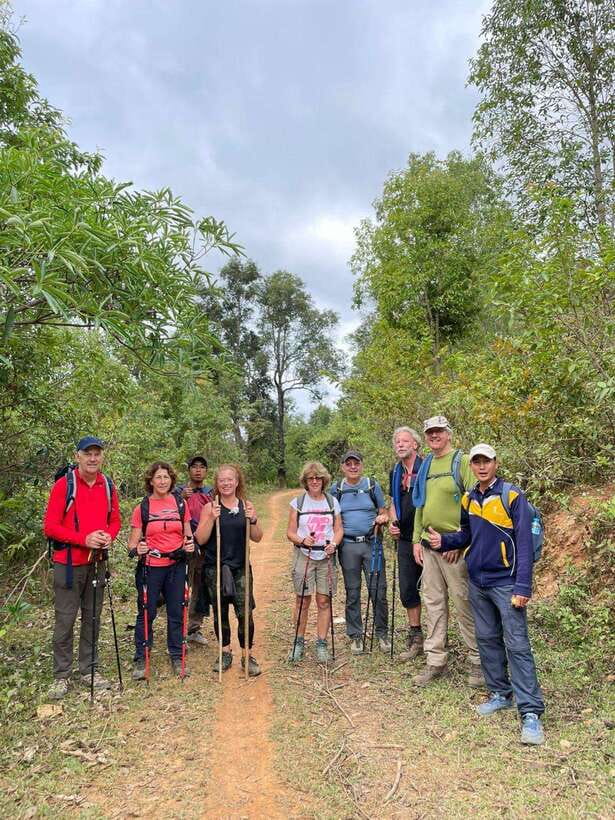
I like the small-group setting and the chance to spend real time in villages rather than simply stopping for photographs. I also like the final mountain walk, which brings broad views over the valleys and steep rice fields. Guides such as Aroun and Chan have explained local customs, plants, animals, and hill-tribe traditions in useful detail.
The trade-off is clear: comfort is basic. Expect simple sleeping arrangements, limited washing facilities, little or no electricity, and no place to charge camera batteries. The walking is manageable for a fit person, but the six to seven-hour final day can be hard in heat or rain.
Key points to know before you book
- Two nights in remote village settings: You sleep in homestay-style accommodation in Hmong and mixed Hmong and Khmu villages.
- A local boat starts and finishes the route: The journey follows the Mekong and Nam Xeuang rivers before the walking begins.
- Three very different walking days: Expect four to five hours on day one, about four hours on day two, and six to seven hours on day three.
- Village life is the main attraction: Schools, homes, rice farms, community celebrations, and daily routines are part of the experience.
- No charging for the full trip: Bring spare batteries or a power bank, since remote villages have little electricity.
- $360 buys a full rural package: Transport, boats, meals, guide, permits, village fees, and homestays are included.
Leaving Luang Prabang by river
Your morning begins at the Tiger Trail Travel office on the same street as Villa Maly. You meet at 8:20 a.m. for an 8:45 departure, with optional hotel pickup available. Before setting off, you can store luggage and repack for a lighter three-day walk.
That luggage advice matters. You do not need to carry everything from your Luang Prabang hotel. A smaller bag with clothes, water, toiletries, insect repellent, and weatherproof layers will make the route much easier.
The drive north follows the Mekong and then the Nam Xeuang River for about an hour and a half. The river crossing by local boat is not just a transfer. It marks the change from town-based sightseeing to a much more isolated part of the province. After crossing, the route heads straight onto trails used by local people moving between villages.
I like this opening because it avoids a long staged introduction. You are quickly walking through rice paddies and jungle, with the guide setting the pace and explaining the surroundings. The path is described as medium grade, but terrain and weather can change the feel of it. During the rainy season, mud and wet ground can make the same route slower and more tiring.
More Homestay Treks in Laos
- The Wild Explorer – 3 days forest trek with homestay and camping
★ 4.5 · 22 reviews - Nalan Trail Kmu Ethnic Experience – 2days forest trek with homestay.
★ 5.0 · 21 reviews - Hunter Trails, 3 days difficult trekking with Camping & Homestay
★ 5.0 · 15 reviews
Day one: four to five hours into Hmong country
The first walk lasts around four to five hours. It passes through rice fields and forest on narrow routes that local villagers use. This is not a marked urban walking path, so comfortable shoes with a firm grip are important.
The appeal is the gradual change in scenery. You leave the river corridor, pass working farmland, and reach a village where the setting itself tells you something about local life. Rice farming is not background decoration here. The trails lead toward the fields and homes that support these communities.
Your first night is in a welcoming Hmong village. Accommodation is basic but comfortable in the sense that it gives you a place to sleep within the village rather than sending you back to Luang Prabang. Washing and toilet facilities are simple, and you should not expect the conveniences of a guesthouse.
Dinner is prepared by your guide and a local Hmong family. This shared meal is one of the most meaningful parts of the trip because it gives you time to sit with the people who live in the village. The evening is less about entertainment and more about seeing how a household and community function after the day’s work.
English-speaking guides add real value here. Aroun, one guide associated with this route, has explained Hmong and Khmu customs, ceremonies, plants, and animals. Chan has also been praised for giving useful background on hill-tribe life and local rituals. Guide quality matters on a trip like this because a quiet village can be difficult to understand without context.
Day two: valley streams and a larger village
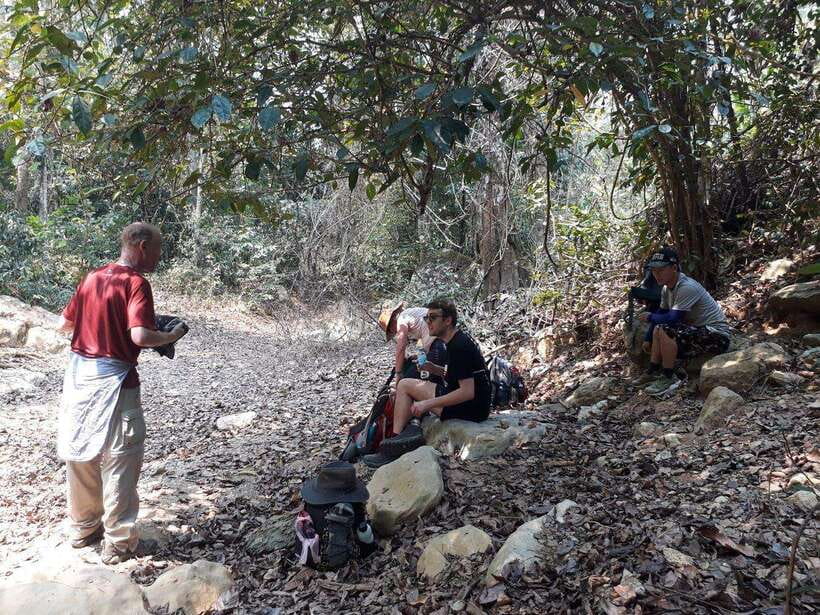
The second morning begins with the sounds of village life and breakfast prepared by the guide. The walk is shorter than the first and third days, lasting about four hours. The route follows valley streams toward a large, remote village shared by Hmong and Khmu communities.
You arrive in the middle of the afternoon, leaving time to walk around before evening. That extra time is useful. You can look at homes, see village schools, and get a clearer sense of how the two communities share the valley. The guide helps explain what you are seeing and can introduce aspects of local life that would otherwise pass unnoticed.
The village is surrounded by large mountains, so the setting has a strong sense of isolation. The remoteness is the point, but it also means there are few services. Solar panels may provide limited power, and you should not count on running water or reliable electricity. This is a place to pay attention to people and surroundings, not to refresh your phone.
A stay around New Year showed how personal this kind of trip can become. One guide and two visitors were invited to join a Khmu New Year celebration, sharing food with the community, drinking lao lao and Beerlao, listening to music, and dancing. You should not expect a festival on every departure, but the experience shows why spending the night matters. Staying longer creates room for ordinary contact and occasional invitations.
The second night also gives you a pause before the hardest walk. Use it to eat well, refill water, arrange your pack, and check your clothing. The next day is much longer, and the final climb can be demanding in hot weather.
Day three: the long climb to mountain views
The last day is the physical highlight. You walk for six to seven hours toward mountain tops with wide views over the villages and the surrounding Lao countryside. The route uses the same trails local people take to reach steep, high rice fields and a Hmong mountain village.
The views are earned rather than delivered by a vehicle. You climb, cross rougher ground, and eventually look down across valleys, fields, villages, and large mountain slopes. If you like walking trips where the best viewpoint comes after real effort, this day will likely be your favorite.
It is also the day to take the fitness warning seriously. Six to seven hours on uneven trails is a long outing, especially under strong sun. The route can take longer in rain, and wet conditions may make climbs and descents more slippery. Pregnant people and those with mobility impairments should not book this activity.
The walk ends at the Nam Xeuang River. A swim is possible at the trail’s end, so water shoes and a change of clothes are sensible. Afterward, the return drive to Luang Prabang takes about an hour and a half. You should arrive tired, dusty, and pleased to have completed a route that most short day trips never reach.
More three-day treks in Laos
- Nam Ha NPA 3 Day Wildlife Jungle Camp and Village Homestay Trek
★ 5.0 · 11 reviews - Luang Prabang: Nong Khiaw 3-Day Trekking & camping, Homstay
★ 5.0 · 9 reviews - Sapa 3 Days 2 Nights Trekking Tour (1 Night In Ta Van Village, 1 Night In Hotel)
★ 5.0 · 699 reviews - 3-Day Trekking Adventure of Sapa from Hanoi – Stay Ta Van Village
★ 5.0 · 611 reviews
What the village homestay is really like
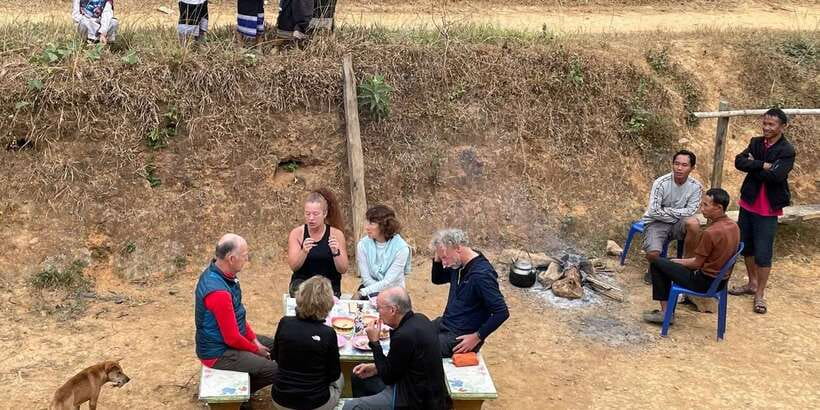
It helps to set expectations before you pay. This is not a polished homestay with private bathrooms and dependable utilities. It is homestay-type accommodation in remote villages, with very simple sleeping, washing, and toilet arrangements.
That simplicity is not a minor detail. You get a direct look at how rural families live, organize their communities, farm, and welcome people into their homes. Several nights may involve limited water and electricity supplied by solar panels. There is no charging service for camera batteries during the trip.
Pack for function:
- Comfortable walking shoes with good grip
- Water shoes for the river
- A full change of clothes
- Insect repellent
- Weather-appropriate clothing
- Extra camera batteries or a power bank
- A small bag rather than your full luggage
Bring clothing that dries reasonably well and can handle mud. Rain gear is important because the tour runs in wet weather as well as dry weather. Specialty drinks are not included, so carry enough cash if you want to buy drinks, though the remote setting may limit what is available.
Food, guides, and the value of local contact
Meals described in the trip are included, including breakfast and the village dinners prepared with local families. Specialty drinks are extra. The food is part of the cultural experience, not a restaurant service with a long menu.
The guide is central to the quality of the trip. A good guide does more than lead you along a path. You need someone who can explain village organization, farming, rituals, plants, animals, and differences between Hmong and Khmu communities. Aroun and Chan have both been noted for this kind of interpretation.
The route is available as a private or small-group experience. That flexibility can make a big difference on narrow trails and in village homes. A small group is also less intrusive than a large procession, and it gives you more chances to ask questions or adjust the walking pace.
Is $360 a fair price?
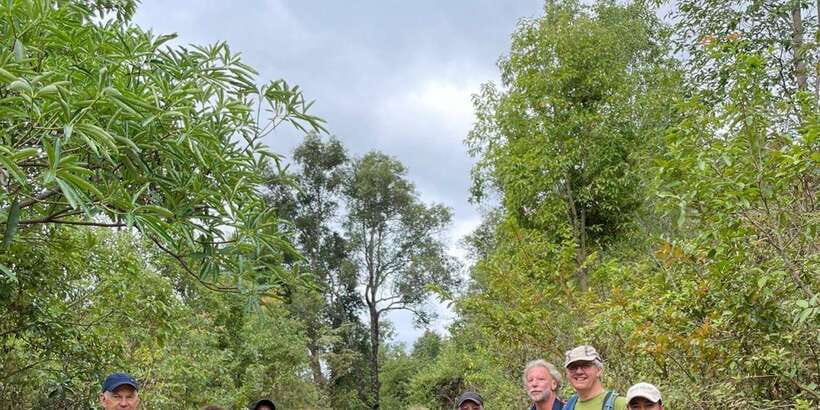
At $360 per person, this is not a cheap three-day outing, but the price covers more than transport and a guide. It includes the road journey, boat crossings, all meals described, English-speaking guiding, taxes, village fees, permits, and two nights of homestay-style accommodation.
The real value is access. You are paying to reach villages that are not set up for ordinary tourism, along with the permits and local arrangements needed to stay there respectfully. You also avoid paying separately for several transfers, meals, and river crossings.
I would compare this price with the cost of arranging rural transport, a boat, a guide, meals, permits, and village stays independently. For most people, the convenience and local coordination make the package reasonable. The value is strongest if you want a genuine village stay and are comfortable with basic conditions.
It is weaker value if you mainly want mountain photographs, easy walks, or a comfortable room. A shorter excursion from Luang Prabang may suit you better in that case.
Who should book this three-day trek?
I would choose this trip if you want to understand rural Laos through time spent in villages, not just through roadside stops. It suits people who enjoy walking, simple meals, cultural exchange, and quiet evenings without modern conveniences.
It is a good match for:
- Fit walkers comfortable with four to seven hours on foot
- People interested in Hmong and Khmu culture
- Anyone wanting a small-group or private experience
- Visitors willing to sleep simply and travel without phone charging
- Hikers who enjoy views earned by climbing
I would think twice if you dislike insects, basic toilets, limited washing facilities, heat, rain, or uncertain comfort. The tour runs rain or shine, and the remote setting means you cannot easily shorten every walking day.
The free cancellation period allows you to cancel up to 24 hours ahead for a full refund, and reserve-now, pay-later booking keeps your plans flexible. Those terms help, but they do not change the physical demands of the route. Read the walking times carefully before committing.
Should you book it?
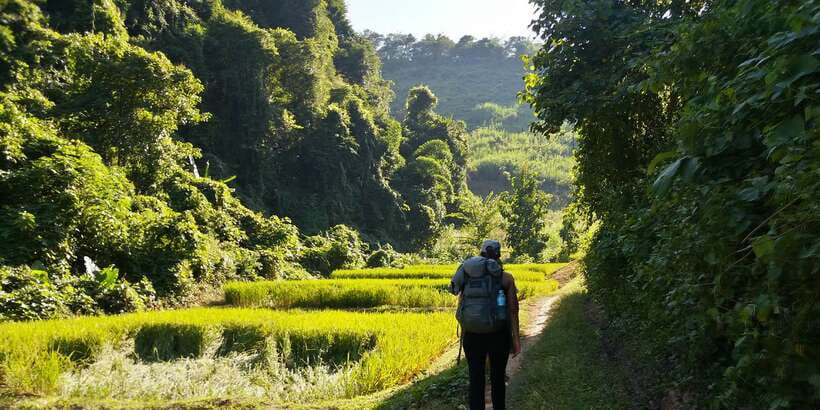
Book this trek if your best travel memories come from shared meals, village conversations, and long walks through places that are not built for mass tourism. The two remote nights, the Hmong and Khmu communities, and the final mountain climb give you a much fuller view of Luang Prabang Province than a standard day trip.
Skip it if comfort, reliable electricity, or easy walking matters most. For the right person, $360 is a fair price for transport, guiding, permits, meals, and rare access to remote villages. Just arrive prepared to carry less, walk hard, sleep simply, and let the countryside set the schedule.
FAQ
Where does the tour meet?
You meet at the Tiger Trail Travel office on the same street as Villa Maly hotel. The meeting time is 8:20 a.m. for an 8:45 a.m. departure.
Is hotel pickup available?
Yes. Optional pickup from your hotel is available, and return to your hotel is provided on day three.
How long is the walking each day?
Day one involves about four to five hours of medium-grade walking. Day two is about four hours. Day three is the longest, at six to seven hours.
What kind of accommodation is provided?
You stay in homestay-type accommodation in remote Hmong and mixed Hmong and Khmu villages. Conditions are basic, with simple toilets and washing facilities.
Is electricity available?
Remote villages do not provide reliable electricity for charging camera batteries during the trip. Solar panels may provide limited power in some villages, but you should bring spare batteries or a power bank.
What meals are included?
All meals described in the itinerary are included. Dinners are prepared by the guide and local families, and specialty drinks are not included.
Does the tour operate in rainy weather?
Yes. The tour operates rain or shine. Rainy-season conditions can make the trails more challenging and may add time to the walks.
Who should not take this tour?
The experience is not suitable for pregnant women or people with mobility impairments. The long walking days also require a reasonable level of fitness.
Latest treks added in Laos
- Trek to Tad Sae Waterfalls, Local Village★ 4.5 · 2 reviews
- Day Trek to Kuangsi Waterfall and Bear Sanctuary – Luang Prabang full day tour★ 5.0 · 9 reviews
- 2 Days Multi Adventure in Nam Ha NPA: Trek and Kayak★ 5.0 · 2 reviews
- Nalan Trail and Khmu Tribe: 2 Days Trek in Nam Ha NPA★ 5.0 · 5 reviews
- The Ultimate Hiker’s Choice – 5 days forest trek with homestay and camping★ 5.0 · 8 reviews
- 2 Days Treking,Lao+hmong+khmu,Waterfall and Kayaking At NongKhiaw★ 5.0 · 2 reviews
- Nong Khiaw: 2-Day Trekking,Hmong village,Home Stay&Kayaking★ 4.9 · 17 reviews
- Luang Prabang Trekking LongLao to Kuang si falls full day★ 4.7 · 7 reviews
Homestay & Village Treks, compared.
Number one top rated ethical cultural trekking and homestay by ETHOS
Read our review →
2-Day Sa Pa Ethnic Homestay Tour & Trek with Limousine Bus
Read our review →
Sapa 3 Day 2 Night Trekking With Hotel & Homestay
Read our review →
Sapa 2 Days 1 Night Overnight At Local Homestay
Read our review →
2-Day Trekking Trip with Ethnic Minority Homestay
Read our review →
2-Day Trek & Heartwarming Homestay with an Ethnic Family
Read our review →Browse the lists this tour appears in