
REVIEW · LAOS
Nalan Trail Kmu Ethnic Experience – 2days forest trek with homestay.
Nam Ha National Park is best experienced on foot, and this two-day trek takes you past bamboo forest, mountain valleys, and hill villages before settling you into a local homestay or riverside lodging. I like the practical forest knowledge built into the walk, especially the chance to learn how local people use plants and other natural goods for food.
I also like the small group limit of eight and the clear community focus. Your fee helps support village visits, forest conservation, and community-based tourism. Guide Peng, also called ChanPeng, is praised for explaining native plants and herbs and for showing visitors around the local market before the hike. The main caution is physical: you need moderate fitness, and the first uphill section takes about an hour.
Key points to know before you book
- A real two-day forest trek: Expect about six hours of walking on each day, not a gentle village stroll.
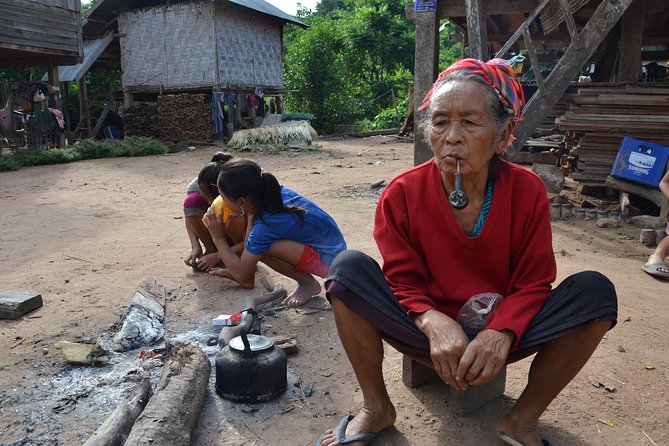
- Two possible overnight settings: You may sleep with a local family or beside a quiet river, where swimming may be possible.
- Guide Peng adds useful local detail: His explanations cover native plants, herbs, and daily life rather than just trail direction.
- A small group capped at eight: This makes conversation and village visits more personal.
- Most meals are covered: Breakfast, dinner, and two lunches are included, along with sleeping gear and park-related fees.
- Pack for basic conditions: Bring a rucksack, hiking boots, hat, sun cream, mosquito spray, torch, warm clothes, spare clothes, and a raincoat in the wet season.
Why this trek feels different from a standard day hike
Many nature walks give you trees, a viewpoint, and a ride back to town. This one uses the forest as a classroom and the villages as part of the experience. You walk through Nam Ha National Park while learning how local people use materials from the forest to feed themselves.
That detail matters. You are not simply passing through attractive woodland. You are being shown how the natural setting fits into everyday life. The visit to hill tribes and villages adds a human side that a short park walk cannot provide.
The experience begins at The Hiker Travel Agency on Main Street in Phonexay Village, Luang Namtha. A minivan leaves at 8:00 a.m. for the trailhead, with the drive taking about 30 minutes. From there, the walking begins.
The tour costs $115 per person. That is a fair price if you want a guided overnight walk with meals, sleeping gear, transport to the trail, village fees, and conservation contributions included. It is less attractive if you are looking for a soft adventure with little exertion or private hotel comfort.
The small group is another part of the value. With no more than eight people, you should have a better chance to hear the guide and ask questions during the walk. It also keeps the village visit from feeling like a large organized procession.
More Homestay Treks in Laos
- The Wild Explorer – 3 days forest trek with homestay and camping
★ 4.5 · 22 reviews - Hunter Trails, 3 days difficult trekking with Camping & Homestay
★ 5.0 · 15 reviews - Nam Ha NPA 3 Day Wildlife Jungle Camp and Village Homestay Trek
★ 5.0 · 11 reviews
Day one: uphill through bamboo and secondary forest
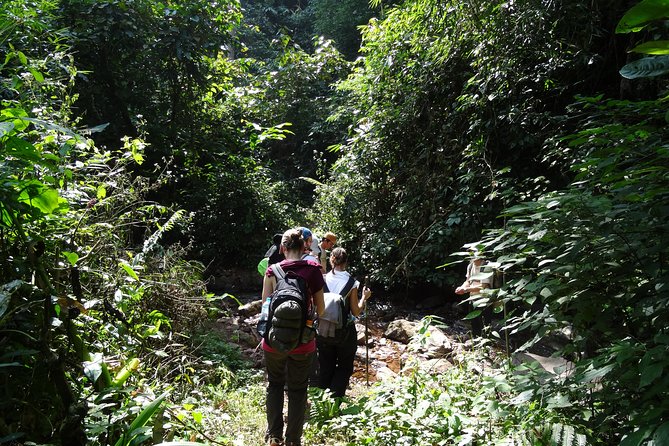
The first section sets the tone. After the short minivan ride, you climb for about an hour through secondary forest. This is the part to take seriously if you do not often hike. The climb comes early, when your legs may not yet be warmed up, and the route is described as a forest trek rather than a flat path.
The reward is a gradual change in pace and setting. Instead of rushing from one attraction to another, you begin by walking into the forest and paying attention to what grows around you. Guide Peng can point out native plants and herbs, explaining their use as you go.
That practical information is one of the strongest reasons to choose this trip. A good guide turns an ordinary plant into part of a local food system or traditional routine. You will get more from the walk if you ask questions and stay close enough to hear the explanations.
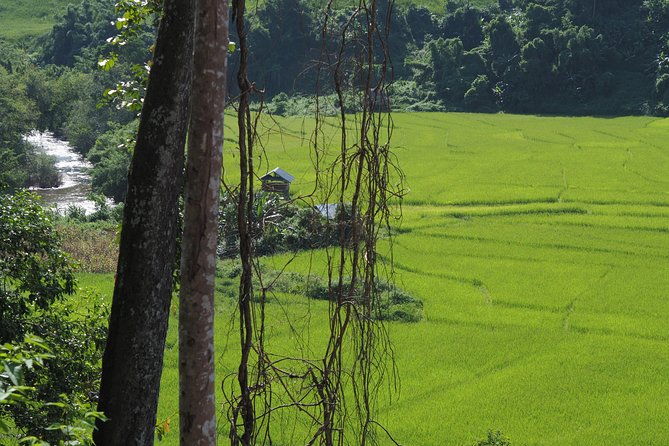
After the initial climb, the route descends through the forest. The itinerary describes bamboo forest and the use of forest goods, so expect the trail to be tied closely to the surrounding woodland rather than built around formal viewpoints. The appeal is the setting itself and the connection between nature and village life.
You should allow around six hours for the day. That figure includes walking and the stops along the way, but it still means a full day outdoors. Wear proper hiking boots, not casual shoes. Bring water, sun protection, insect repellent, and a torch for the overnight stay.
Lunch is included on both days, as is dinner on the first night. The tour does not list drinks or snacks as included, so pocket money is sensible. You may also want something small to eat between stops, especially if long hikes are familiar only from holiday brochures.
The villages, valley, and overnight choice
The route continues through a mountain valley toward different hill-tribe communities and villages. The point is not a quick photo stop. You are there to see how people prepare for work, use local resources, and organize ordinary life.
That makes good manners important. Keep your visit respectful, listen to the guide, and avoid treating homes or daily routines as a stage show. The village visit fees and community-based tourism fund are included in the price, so your booking directly includes support for the communities and the protected forest.
Your overnight setting may vary. One option is a homestay with a local family. The other is lodging beside the river. The information provided does not promise a particular arrangement, so ask The Hiker before departure if the sleeping location matters to you.
The riverside option has a clear attraction. You may be able to swim in the river, and the next morning offers time for a cold shower or an early swim. The homestay option gives you a closer connection with family life, though the available details do not specify the exact sleeping arrangements or facilities.
Sleeping gear is included, which is helpful on a trek where you are carrying your own basic supplies. Still, this is not presented as a hotel stay. Pack warm clothes, even if the daytime weather feels hot, since the overnight setting may be simple and exposed to cooler air.
Day two: river, villages, and a slower morning

The second day begins early. You can take a cold shower, swim in the river, or walk through the villages while people prepare for the working day. This is one of the most appealing parts of the trip because the villages are seen at a useful time, before the day becomes busy.
You can also relax and drink coffee before continuing. That pause is important after the previous day’s six hours of walking. This is not a race to finish the trail. The schedule leaves room for a morning that feels connected to the place rather than designed only around transport.
The second day again lasts about six hours. You will continue through the park and valley area, with more walking and further contact with local communities. The details do not give exact distances, elevation totals, or trail conditions, so you should be ready for uneven forest walking and changes in slope.
The included second lunch keeps the day practical. Breakfast is also included, as are the park and conservation fees. Since the tour returns to the meeting point in Luang Namtha, you do not need to arrange a separate return transfer.
More two-day treks in Laos
- Nong Khiaw: 2-Day Trekking,Hmong village,Home Stay&Kayaking
★ 4.9 · 17 reviews - Nalan Trail and Khmu Tribe: 2 Days Trek in Nam Ha NPA
★ 5.0 · 5 reviews - 2 Days Multi Adventure in Nam Ha NPA: Trek and Kayak
★ 5.0 · 2 reviews - 2 Days Treking,Lao+hmong+khmu,Waterfall and Kayaking At NongKhiaw
★ 5.0 · 2 reviews
Guide Peng and the value of interpretation

The guide can make or break a forest walk. Guide Peng, referred to as ChanPeng in the provider’s response, is specifically praised for explaining native plants and herbs and for offering a small local market tour before the hike begins.
That market stop is a useful touch. It gives you a quick introduction to local food and trading life before you head into the national park. It also helps connect what you see in the forest with what people eat and use in town and in the villages.
I would choose this tour for the guide-led interpretation as much as for the scenery. Without that explanation, a bamboo forest can become a pleasant but fairly general walk. With it, you have a chance to understand why certain plants matter and how the forest supports local households.
The guide also helps bridge the cultural side of the experience. Visiting hill villages can raise questions about customs, work, and community life. A local guide can explain what you are seeing and help you behave appropriately. Ask questions, but give people privacy when the group passes through homes or working areas.
What the $115 price really includes
At $115 per person, the cost covers more than walking instructions. You receive:
- Minivan transport to the trailhead
- Breakfast
- Dinner
- Two lunches
- Sleeping gear
- Park and activity fees
- Tribal village visit fees
- Community-based tourism support
- Forest conservation funding
- Return to the starting meeting point
That package makes the price easier to judge. You are paying for a guided overnight experience, not simply a national park entry ticket. The community and conservation funds are especially useful for people who want their outdoor activity to support the place they are visiting.
Group discounts may be available, though the supplied information does not state the discount amount. The mobile ticket makes arrival simpler, and booking confirmation is provided at the time of booking.
The cost does not cover hiking boots, a rucksack, hat, sun cream, mosquito spray, torch, clothing, warm layers, or a raincoat during the wet season. These are not minor extras. The right footwear and weather protection can determine whether you enjoy the two days.
Fitness, packing, and weather
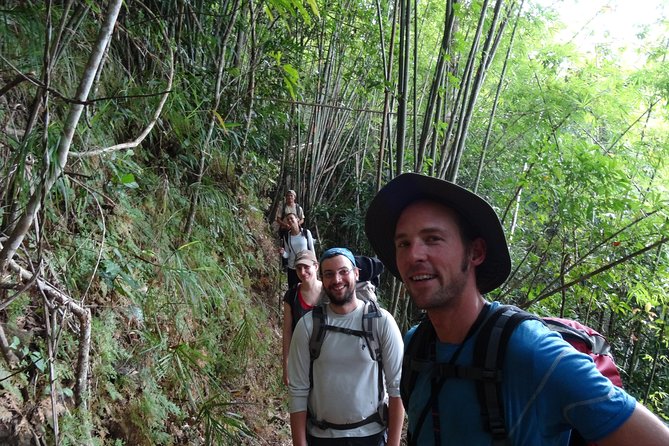
You need moderate physical fitness. The first day includes an hour-long uphill section, and both days run for around six hours. The route may suit you if you are comfortable walking for much of a day, but it is not the right pick if you want a short, easy nature outing.
Pack light, but pack well. Your core list should include:
- Hiking boots
- A small rucksack
- Hat and sun cream
- Mosquito spray
- Torch
- Spare clothes
- Warm clothes
- Raincoat in the wet season
- Pocket money
The tour includes sleeping gear, so you do not need to carry a full camping setup. Even so, your bag needs to hold personal clothing and protection from sun, rain, and insects.
Weather can affect departure. If poor weather forces cancellation, you can choose another date or receive a full refund. The trip also requires a minimum number of participants, so a cancellation for that reason brings the same choice of another date, another experience, or a full refund.
For your own plans, leave some flexibility around the trek. The cancellation terms allow a full refund when you cancel at least 24 hours before the 8:00 a.m. start. Changes or cancellations inside that window are not accepted for a refund.
Who should choose this Nam Ha experience
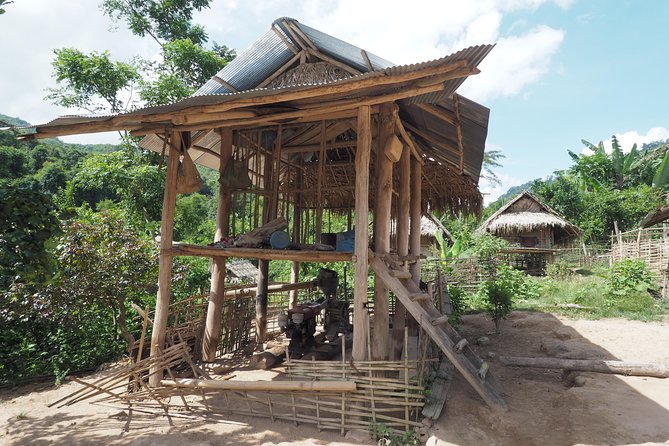
I would recommend this trek to you if you want three things together: forest walking, village contact, and a basic overnight stay. It suits independent-minded people who prefer a small group and who are happy to trade hotel comfort for a more direct connection with the area.
It is also a strong choice if plants, food, and local daily life interest you. Guide Peng’s explanations are a central part of the experience, so curious walkers will get more from the trip than people who only want scenic exercise.
You may want a different activity if you dislike uphill walking, dislike simple sleeping arrangements, or need exact details about trail distance and accommodation before booking. The overnight location can vary, and the provided information does not spell out bathroom standards, bedding details, or the precise route.
The trip is also less suitable for anyone without proper footwear or rain protection. Nam Ha’s forest conditions can change with the weather, and the tour specifically warns about rain during the wet season.
Should you book the two-day trek?
Book it if you want a small, active trip that links Nam Ha’s forest with real village life. The strongest features are the forest knowledge from guide Peng, the chance to swim or take a cold shower by the river, the early village morning, and the direct support for community and conservation funds.
Think twice if you want a polished resort-style overnight stay or a clearly measured hiking route. This is a practical, basic trek with long walking days and some uncertainty about whether you sleep with a family or by the river.
For most fit visitors staying in Luang Namtha, $115 is reasonable for the transport, meals, sleeping gear, guide, village fees, and conservation contributions. Pack carefully, confirm the overnight arrangement, and allow two days for a slower look at northern Laos.
FAQ
Where does the trek start?
It starts at The Hiker Travel Agency at 17A Main Street in Phonexay Village, Luang Namtha, Laos.
What time does the experience begin?
The start time is 8:00 a.m.
How long does the trek last?
The experience lasts about two days. Each day includes approximately six hours of activity.
How many people can join the group?
The group has a maximum of eight travelers.
What level of fitness do I need?
You should have a moderate physical fitness level. The first day includes about an hour of uphill walking.
Is transportation included?
A minivan takes you from the meeting point to the trailhead. The activity ends back at the original meeting point.
Where do I sleep?
You will either stay with a local family in a homestay or stay beside the river. The exact option may vary.
Are meals included?
Breakfast, dinner, and two lunches are included.
What equipment should I bring?
Bring a rucksack, hiking boots, hat, sun cream, mosquito spray, torch, spare clothes, warm clothes, and pocket money. Bring a raincoat during the wet season.
Can I cancel for a refund?
You can receive a full refund if you cancel at least 24 hours before the local start time. Poor weather or failure to meet the minimum group size may also lead to a different date or a full refund.
Latest treks added in Laos
- Trek to Tad Sae Waterfalls, Local Village★ 4.5 · 2 reviews
- Day Trek to Kuangsi Waterfall and Bear Sanctuary – Luang Prabang full day tour★ 5.0 · 9 reviews
- 2 Days Multi Adventure in Nam Ha NPA: Trek and Kayak★ 5.0 · 2 reviews
- Nalan Trail and Khmu Tribe: 2 Days Trek in Nam Ha NPA★ 5.0 · 5 reviews
- The Ultimate Hiker’s Choice – 5 days forest trek with homestay and camping★ 5.0 · 8 reviews
- 2 Days Treking,Lao+hmong+khmu,Waterfall and Kayaking At NongKhiaw★ 5.0 · 2 reviews
- Nong Khiaw: 2-Day Trekking,Hmong village,Home Stay&Kayaking★ 4.9 · 17 reviews
- Luang Prabang: Nong Khiaw 3-Day Trekking & camping, Homstay★ 5.0 · 9 reviews
Homestay & Village Treks, compared.
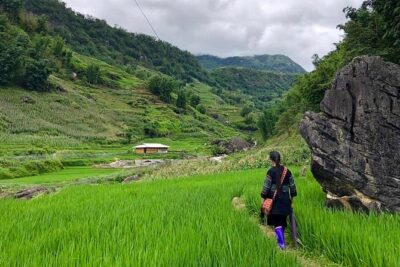
Number one top rated ethical cultural trekking and homestay by ETHOS
Read our review →
2-Day Sa Pa Ethnic Homestay Tour & Trek with Limousine Bus
Read our review →
Sapa 3 Day 2 Night Trekking With Hotel & Homestay
Read our review →
Sapa 2 Days 1 Night Overnight At Local Homestay
Read our review →
2-Day Trekking Trip with Ethnic Minority Homestay
Read our review →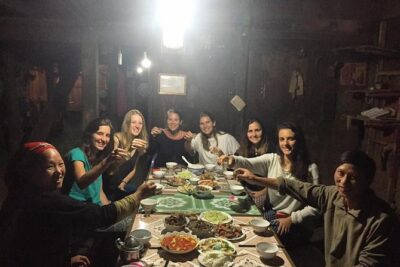
2-Day Trek & Heartwarming Homestay with an Ethnic Family
Read our review →Browse the lists this tour appears in