
REVIEW · PERU
From Arequipa Trek : 2-Days of Hiking in the Colca Canyon
Colca Canyon saves its biggest challenge for the second morning. After descending for hours to Sangalle Oasis, you wake in the dark and climb back toward Cabanaconde as the canyon slowly catches the first light. It is a hard, memorable way to see one of Peru’s great natural sights.
I like the small-group format, limited to 18 people, and the contrast between the dry canyon walls, ancient farming terraces, and palm-lined pools at Sangalle. I also like that the trip includes Cruz del Cóndor, a local-family lunch, and hot springs instead of treating the hike as one long physical test.
The catch is simple: this is a strenuous trek, not a gentle sightseeing trip. Several people found the heat and steep paths tougher than expected, and the 3 to 4 hour uphill climb begins before breakfast. Good shoes, plenty of water, snacks, and realistic fitness expectations matter.
Key points to know before booking
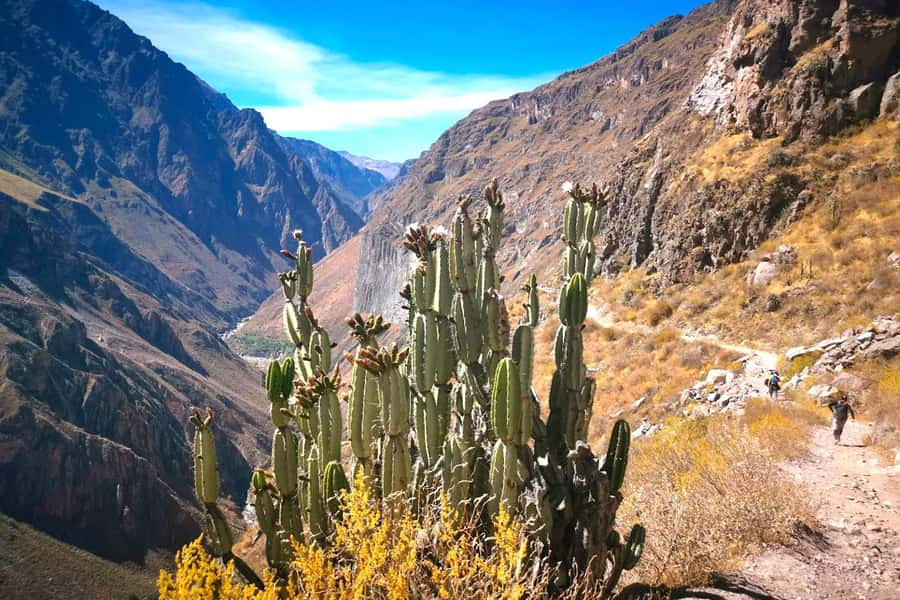
- The second-day climb is the real test: You start in darkness and gain height for 3 to 4 hours before breakfast in Cabanaconde.
- Sangalle is more than a bed for the night: The Oasis has pools where you can cool off after the first day’s descent.
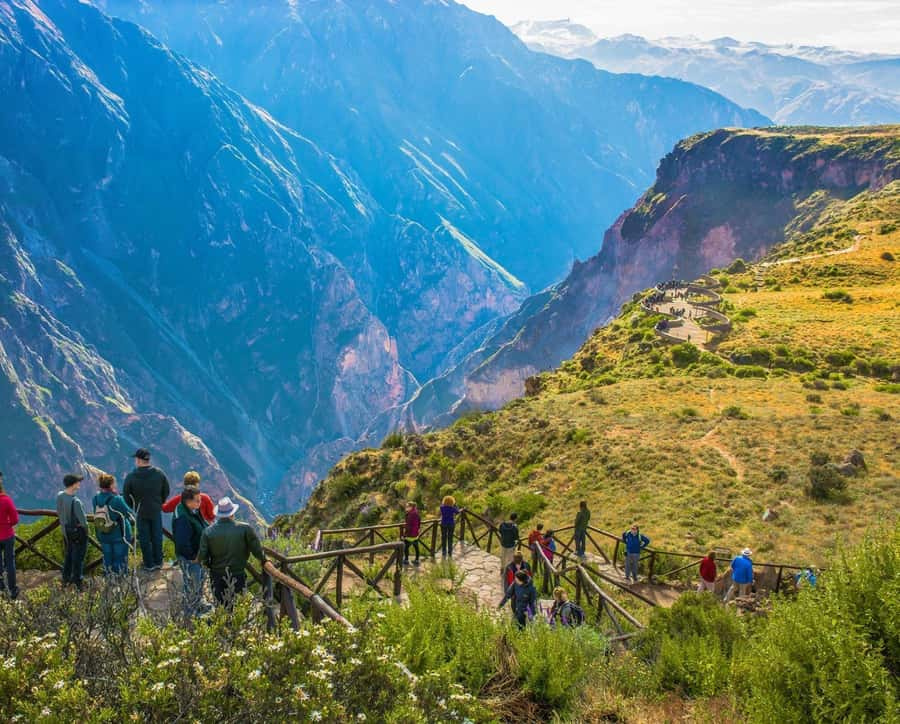
- Cruz del Cóndor comes early: You spend about 40 minutes at 3,600 meters, with a chance to see Andean condors in flight.
- The $21 price is not the full cost: Bring $90 or 320 soles in cash for food, lodging, and the entrance ticket, plus about $5 or 15 soles for the hot springs.
- The path is steep and uneven: It is not suited to people with mobility limits, vertigo, back problems, or low fitness.
- Pack for a long day outside: A headlamp, toilet paper, snacks, sunscreen, water, a hat, and proper trekking shoes will make the trip easier.
Why this two-day Colca Canyon trek is worth considering
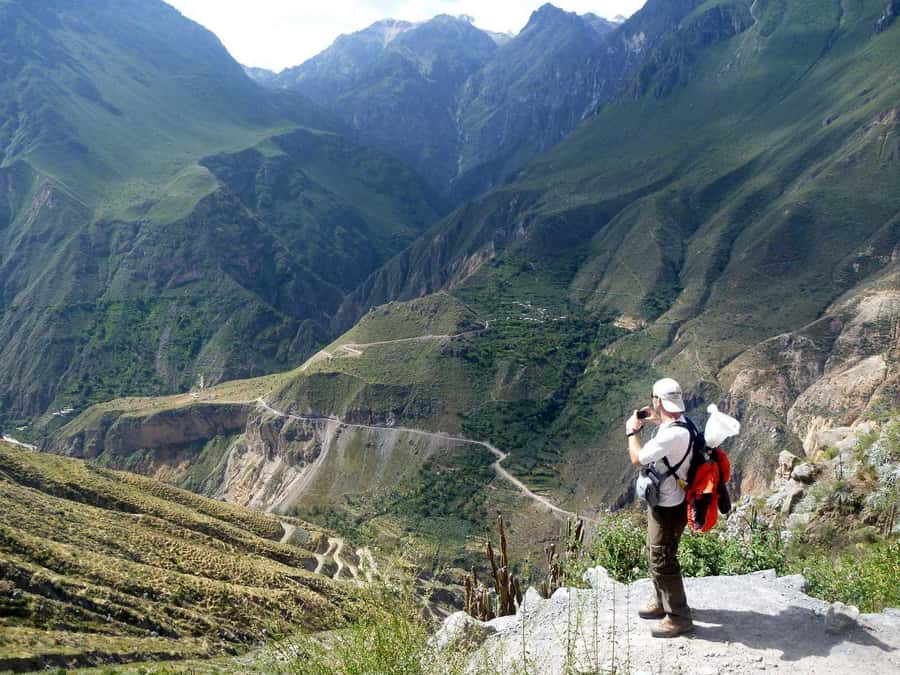
The Colca Canyon is famous for its enormous scale and for the Andean condors that ride the morning air. This trip gives you both views from above and a close look at the canyon floor, where small settlements, cultivated terraces, and changing plant life make the scenery feel more varied than a roadside viewpoint alone.
You begin with a very early pickup in Arequipa, around 3:00 a.m. That start is tiring, but it allows the tour to reach the canyon in time for the morning condor viewing. The first day combines several hours in a van with six hours on foot, so you should treat it as a full physical day rather than a short excursion.
The operator uses English and Spanish-speaking guides, and the group can contain up to 18 people. That is small enough to keep the trip fairly personal, though it is large enough that walking speeds can vary. The guide’s attention is especially important on the descent and the early morning climb, where the group should stay together.
More two-day treks in Peru
- From Arequipa: 2-Day Colca Canyon Trekking Tour
★ 4.8 · 243 reviews - 2 Day 1 Night Trek / Colca Canyon
★ 4.5 · 92 reviews - 2 Day Trek Including Transfer to Puno / Colca Canyon
★ 4.5 · 38 reviews
The 3 a.m. departure from Arequipa
The trip starts with pickup at your accommodation in Arequipa. The first drive takes roughly three and a half hours, with a stop in Chivay for breakfast lasting about 50 minutes.
This is useful fuel before the trek, but do not assume breakfast will carry you through the hardest section. The main climb on day two ends in Cabanaconde before the second breakfast, so bring snacks for that morning. A few people underestimated how much food and water they would need, especially in the heat.
The drive also gives you time to adjust to the route and altitude. Chivay sits high in the Colca area, and Cruz del Cóndor reaches 3,600 meters. If you are arriving from lower elevation, spending time acclimatizing in Peru before this trip is sensible.
Cruz del Cóndor at 3,600 meters
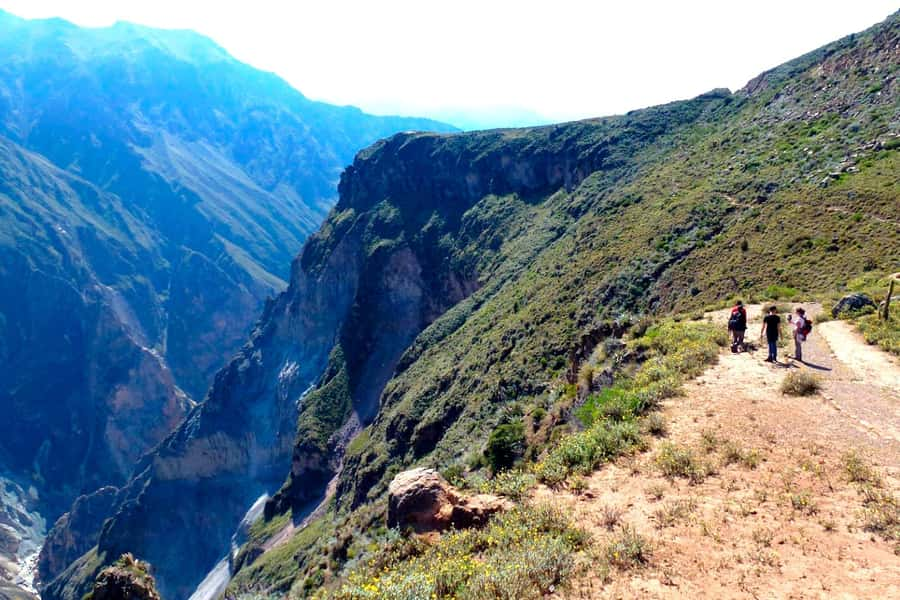
The first major stop is Mirador Cruz del Cóndor, where you have about 40 to 50 minutes to look over the canyon and watch for Andean condors. The viewpoint is one of the tour’s strongest features because it gives you a broad sense of the canyon’s size before you enter it on foot.
Condors are the star here, but they are wild birds, so sightings are never something to treat as guaranteed. The stop also gives you time for photographs and a first look at the steep walls that you will soon be walking between.
At this altitude, the air can feel thin even before the hike begins. Use the stop to drink water, organize your clothing, and pay attention to how you feel. The tour later drops to lower elevations, but altitude can still affect your energy.
Starting the descent from San Miguel
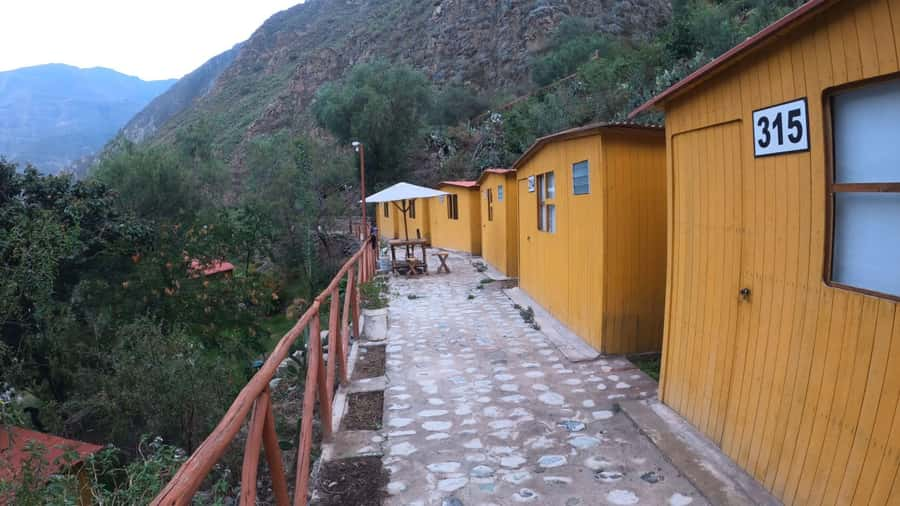
From Cruz del Cóndor, the van continues to the San Miguel viewpoint, around 3,200 meters above sea level. You have a short break to finish arranging your daypack before the hike starts.
The first walking section takes about three hours downhill. The route offers views into the canyon and changes in flora and fauna as you lose altitude. The views are excellent, but downhill walking can be harder on knees than many people expect, particularly on uneven ground.
This is where proper footwear earns its place. Comfortable trekking shoes with a secure sole are far more useful than casual sneakers. The path includes steep and uneven sections, and one account specifically noted areas near drop-offs. Stay attentive, keep your hands free, and do not rush to match the fastest person in the group.
More Trekking Tours in Peru
- From Arequipa: Sillar Route Trek
★ 4.2 · 461 reviews - From Cusco: 7 Lakes Ausangate Trek with Breakfast and Lunch
★ 4.8 · 360 reviews - Cusco: Full-Day Rainbow Mountain & Red Valley Trekking Tour
★ 4.5 · 121 reviews - Salkantay Trek Challenge – 3 Days / 2 Nights
★ 5.0 · 101 reviews
Lunch with a family in San Juan de Chuccho
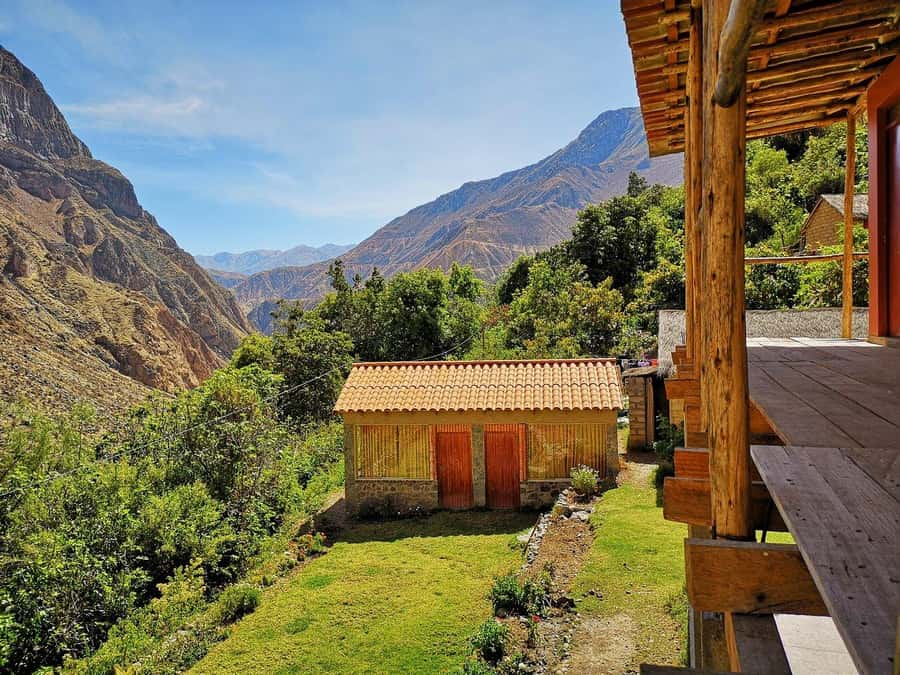
After about three hours, you cross a bridge and reach San Juan de Chuccho, a community at roughly 2,230 meters. Lunch is served at the home of a local family, followed by a short rest.
This stop gives the day a welcome human element. Instead of eating only from a roadside restaurant, you spend time in a community connected to the canyon and its farming life. It also breaks the descent into manageable sections.
Do not treat lunch as the end of the hard work. You still have another three hours on foot to Sangalle. Take time to refill your water if possible, adjust your pack, and apply sunscreen again. Heat can build as the route drops lower, even when the morning began cool.
Sangalle Oasis and the overnight stay
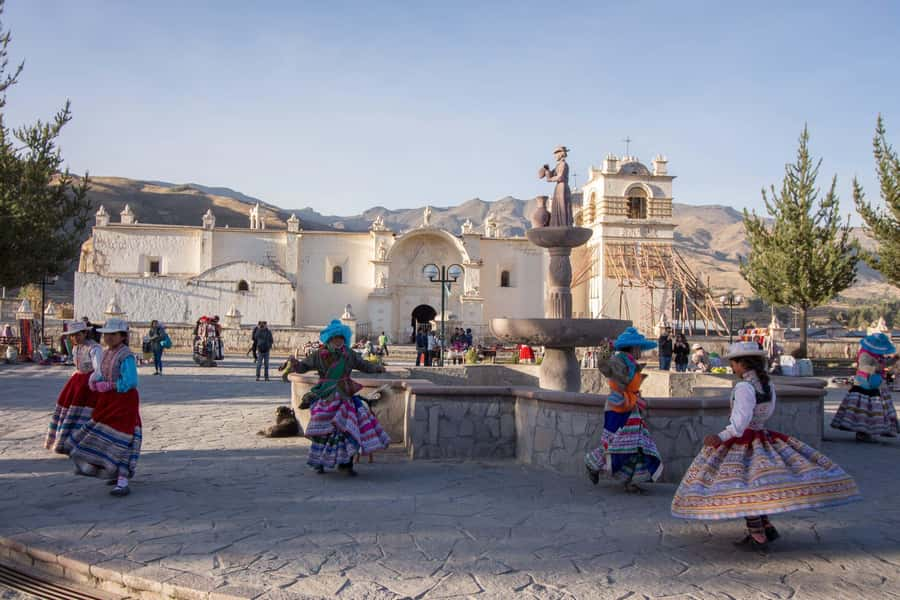
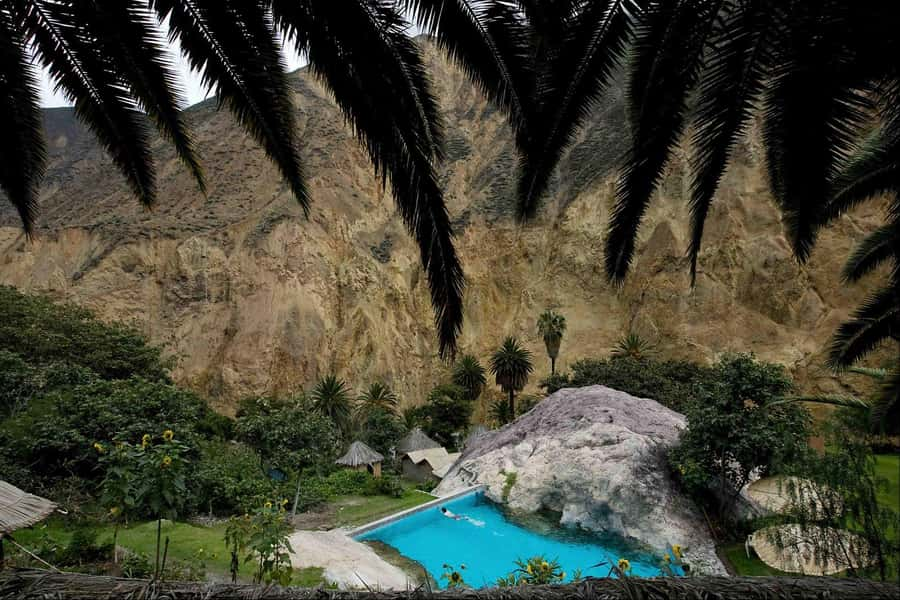
Sangalle sits around 1,900 meters and is often called the Oasis. After the dry, rugged canyon path, its pools and greenery provide a sharp change of scene. You have time to rest, visit the area, and enjoy a swim before dinner.
The pool is one of the best rewards of the first day. A cool swim can loosen tired legs, though you should still save enough energy for the next morning. The overnight stay is basic rather than luxurious. One specific complaint concerned rooms without toilets, bathrooms, or electrical outlets, so keep your expectations practical.
Bring a small torch or headlamp, especially because the second day starts in darkness. Toilet paper is another useful addition. The accommodation is part of a simple canyon experience, not a hotel stay, and facilities may feel limited for the price if you expect privacy and comfort.
Dinner is included in the required cash payment, with about 50 minutes set aside in the schedule. After that, you have roughly 10 hours of overnight rest, though the early wake-up means the sleeping period is not the same as a leisurely night.
The pre-dawn climb to Cabanaconde
Day two is the part you need to understand clearly before booking. You leave Sangalle at night and climb for approximately 3.5 hours toward the upper part of the canyon. The route is steep, and the sun may rise while you are still walking.
The sunrise can be beautiful. You see the first light reach the canyon walls and watch the view change as you gain height. You also get a strong sense of what you have accomplished, because the route makes you work for every meter.
The climb is physically demanding even for people who exercise regularly. Several people found the heat and effort greater than expected, and one person used a mule as an alternative on the return climb. The supplied information does not promise mule support as part of the tour, so you should not count on that option without confirming it directly before departure.
The most practical advice is to carry water and quick snacks in an accessible pocket. Breakfast comes only after the main climb, in Cabanaconde. A headlamp is also important because the start takes place before daylight.
Breakfast, terraces, and the route back
Once you reach Cabanaconde at about 3,300 meters, you can rest and eat breakfast. The town marks the end of the main uphill effort, although the day still has several sightseeing stops and a long drive back to Arequipa.
The vehicle then takes you toward viewpoints such as Antahuilque. Here you can see agricultural terraces built by the Collaguas. These stepped fields are not just attractive patterns on the canyon walls. They show how Andean communities adapted farming to steep ground and limited flat land.
This portion of the trip is valuable because it slows the pace after the climb. You can look at how people have used the canyon over time rather than seeing it only as a dramatic natural feature. The views also help place the previous day’s route in context.
Hot springs in Chivay
The hot springs provide another chance to rest tired muscles. The stop lasts about an hour, but entry is optional and costs approximately $5 or 15 soles, payable separately.
This is a pleasant addition after the early climb, though it is not included in the advertised $21 price. Bring cash for the entrance, and remember that the water will not erase the effects of dehydration or overexertion. Drink water first and use the stop as a break, not as proof that you can ignore the physical demands of the trek.
After the springs, you continue to Chivay for lunch. The schedule allows about an hour here before the return drive begins.
The high volcano viewpoint and final stops
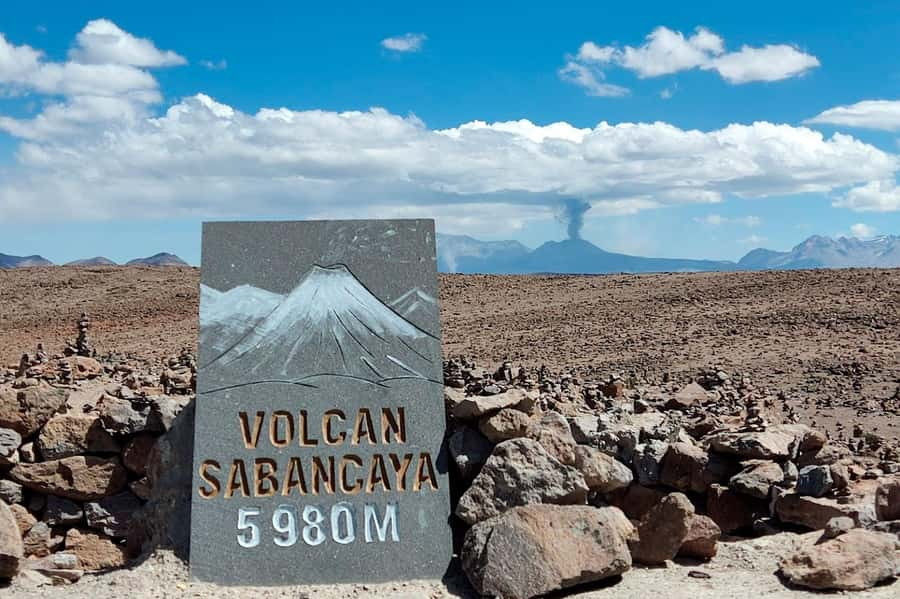
The return route includes a volcano viewpoint at about 4,190 meters. This is a short photo stop, but it adds another high-altitude view to a trip already packed with changing elevations.
The drive then continues toward Arequipa, with a stop at a traditional village for about 20 minutes. The final arrival is in central Arequipa, around 5:30 p.m. on the second day.
The amount of time in the van is considerable. That is the trade-off for combining the canyon hike, condor viewpoint, terraces, hot springs, and return to Arequipa in only two days. If you dislike long road transfers, you may find the schedule tiring. If you want one compact trip that includes the main Colca sights, the transport makes the route workable.
What the price really includes
The advertised price is $21 per person, but you should budget for the required extra payment at the start. You need $90 or 320 soles in cash for food, lodging, and the canyon entrance ticket. The hot springs cost another $5 or 15 soles if you choose to enter.
That puts the practical minimum close to $111 before the optional springs, based on the listed amounts. The value depends on what you want. You are paying for round-trip tourist transport from Arequipa, a professional guide in English or Spanish, meals, one night in Sangalle, access to the canyon route, and several sightseeing stops.
The price is attractive for a two-day trip with transport and a guide, but the low headline figure can mislead you if you do not read the cash requirement carefully. Carry soles if possible, and keep the full amount accessible at the beginning.
Free cancellation is available up to 24 hours before departure, and you can reserve without paying immediately. Those terms help if your Peru schedule is still shifting, but they do not change the need to prepare physically.
Who should book this trek
I would choose this trip if you enjoy long hikes, can handle steep paths, and want a close look at the Colca Canyon rather than only a viewpoint visit. It suits people who like simple accommodation, local meals, early starts, and a full schedule.
You should think twice if you have back problems, vertigo, mobility limitations, or a low fitness level. The activity is specifically unsuitable for those conditions, and the route can feel harder in hot weather.
Even fit beginners should prepare seriously. The experience has received a strong overall score of 4.5 out of 5, and the scenery and guide support have been praised, but the physical challenge is the recurring warning. One guide named Fernando received criticism for a slow introduction and poor attention to individual abilities, while other feedback described the guide as very good. That mixed experience makes it wise to speak up early about your pace, hydration, and any health concern.
Packing for the Colca Canyon
Bring comfortable trekking shoes, a hat, sunscreen, a camera, water, and snacks. Add a headlamp and toilet paper, since the overnight facilities and pre-dawn start may make both useful.
Wear layers for the cold early hours and clothing that can handle heat later in the canyon. You will move between high viewpoints, lower canyon elevations, hot sun, and changing weather over two days.
Keep your daypack light, but do not cut out water or food to save weight. The biggest climb comes before breakfast, and the heat can be intense. A few extra snacks are a much better choice than relying only on scheduled meals.
Should you book the two-day Colca Canyon trek?
Book it if you want an active, affordable way to see condors, canyon terraces, Sangalle Oasis, and Chivay’s hot springs in one trip. The local-family lunch, pool at Sangalle, and sunrise climb give the journey more character than a simple bus tour.
Skip it if you want relaxed sightseeing, hotel-standard accommodation, or an easy walk. The real cost is higher than $21, the overnight stay is basic, and the second-day climb demands stamina.
For the right person, this is a rewarding test with excellent scenery. Go prepared, carry the required cash, pack a headlamp and snacks, and judge the trip by the hike rather than the bargain price.
FAQ
How long is the hiking portion of the tour?
Day one includes about 15 kilometers and seven hours of hiking from San Miguel through San Juan de Chuccho to Sangalle. Day two includes about seven kilometers and three to four hours of hiking, mainly the climb from Sangalle to Cabanaconde.
What time does the tour start and end?
Pickup in Arequipa begins around 3:00 a.m. on day one. The tour ends in central Arequipa at approximately 5:30 p.m. on day two.
Is the entrance ticket included in the $21 price?
No. You need to pay $90 or 320 soles in cash at the start for food, lodging, and the entrance ticket.
Is the hot spring entrance included?
No. Entry to the hot springs is optional and costs about $5 or 15 soles.
What languages does the guide speak?
The guide service is available in English and Spanish.
Is this trek suitable for people with limited mobility or low fitness?
No. The route includes steep and uneven paths and is not suitable for people with back problems, mobility impairments, vertigo, or a low level of fitness.
Latest treks added in Peru
- Small Group: 4-Day Inca Trail Trek to Machu Picchu★ 5.0 · 33 reviews
- 5 Day – Salkantay trek to Machu Picchu – Group Service★ 4.5 · 27 reviews
- Salkantay Trek: 5 Days to Machu Picchu★ 5.0 · 33 reviews
- Humantay Lake Full-Day Adventure: Scenic Trek and Stunning Views★ 4.5 · 39 reviews
- Inca Trail Trek to Machu Picchu – 2 Days (Small Group or Private)★ 5.0 · 31 reviews
- Salkantay 5-Day Trek To Machu Picchu★ 5.0 · 39 reviews
- Ausangate and Rainbow Mountain Trek – 3 Days / 2 Nights★ 5.0 · 35 reviews
- 6 day Rainbow Mountain x Ausangate Trek – FlashpackerConnect★ 5.0 · 30 reviews
Peru Trekking Tours, compared.
7 Lakes Ausangate Trek with Breakfast and Lunch
Read our review →
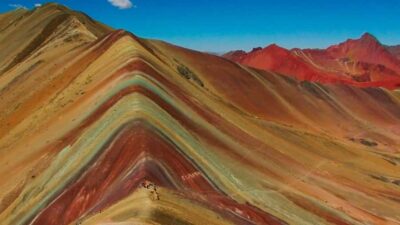
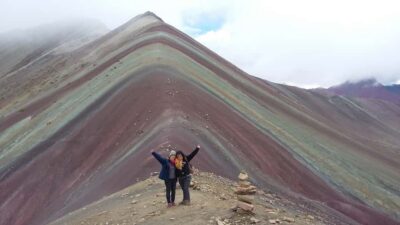
Full-Day Rainbow Mountain & Red Valley Trekking Tour
Read our review →
Browse the lists this tour appears in