
REVIEW · MOSHI
Kilimanjaro Trekking 7Days 6Night Lemosho Route
Kilimanjaro’s Lemosho route gives you the mountain at its most scenic and least hurried. You begin in forest, pass through giant heather and high moorland, cross the Shira Plateau, then circle toward Barranco and Barafu before the summit push. I like the gradual climb and the changing plant zones. I also like the small group cap of 10, which gives your guide more time to watch your pace and altitude symptoms.
The trade-off is simple: this is a demanding seven-day climb, not a sightseeing walk. The supplied schedule also leaves parts of the summit day unclear, so you should confirm the exact day-six plan, sleeping arrangements, rental gear, and transfer details before paying the balance.
- A quieter starting route: Lemosho begins at Londorossi Gate, away from the busiest approach trails.
- A useful acclimatization profile: The route climbs through Mti Mkubwa, Shira 2, Barranco, Karanga, and Barafu.
- A full support team: Guides, porters, and a cook handle the practical work on the mountain.
- Meals and mountain costs included: Six breakfasts, six dinners, seven lunches, park fees, taxes, and camping equipment are covered.
- Small-group format: The maximum group size is 10 people.
- A well-regarded local operator: Uprise Africa Explorer is based in Tanzania and has received strong praise for its organization, food, and personal service.
Why the Lemosho route is worth seven days
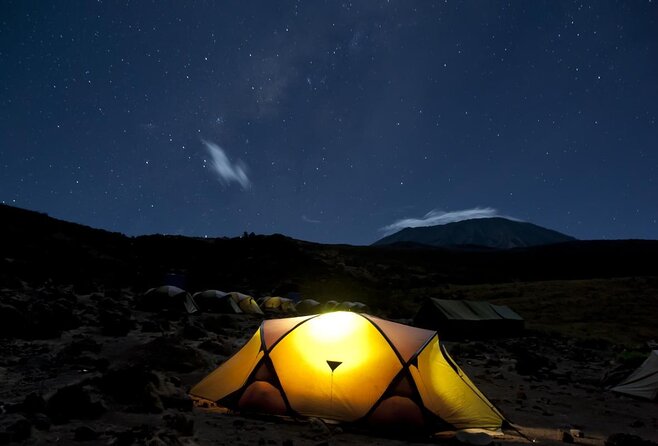
For most people, Kilimanjaro is not hard because of technical climbing. The main test is altitude, long walking days, cold, tired legs, and the mental strain of keeping a steady pace. A seven-day Lemosho schedule gives you more time than the shortest routes, which matters when your body is trying to adjust.
I like the way this route builds slowly. The first day is short, then day two is long, and the middle of the climb gives you several steady altitude gains rather than one huge leap. You see several distinct mountain zones instead of spending the whole week on gray rock and scree.
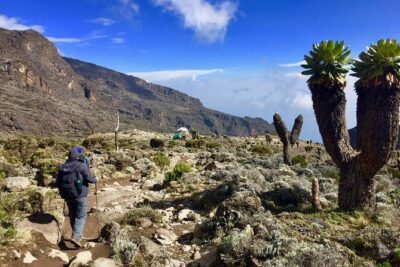
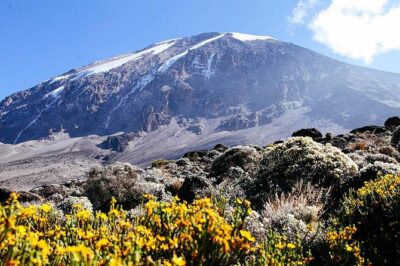
Lemosho is also a good choice if scenery matters to you. The route begins in forest, moves into heather, crosses open volcanic terrain, and then joins the southern circuit with its broad views toward the summit and glaciers. You get a more varied climb than on a route that takes a direct line upward.
The hard part is that the pretty route is not the easy route. The trail becomes rougher and steeper around Barranco, and the summit day is likely to be the most tiring part of the trip. You need reasonable fitness, patience, and a willingness to walk slowly.
Day one: Londorossi Gate to Mti Mkubwa
Your day begins in Moshi with a briefing and a check of your trekking gear. The drive to Londorossi Park Gate takes about three hours, so this is partly a road-transfer day before you start walking.
At the gate, you register and begin the first six-kilometer hike through forest. The stated walking time is two to three hours. An armed park ranger accompanies the group because the forest can contain buffalo, elephant, and other wildlife. Seeing an animal is not guaranteed, but the possibility gives this opening section a real wilderness feel.
The first campsite is Mti Mkubwa, at about 2,650 meters. This is a sensible first night because the walk is short and gives you time to settle into camp, sort your sleeping kit, and learn the rhythm of mountain life.
Do not judge the whole climb by this first day. It is gentle compared with what comes later. Still, the drive, registration, gear check, and forest walk make it a full day, especially if you have arrived in Tanzania recently.
More Kilimanjaro Climbs in Moshi
- Best Kilimanjaro Adventure 7 days Machame route Trekking
★ 5.0 · 42 reviews - Kilimanjaro 7 Day Private Trekking Experience
★ 5.0 · 40 reviews - 6 Days Machame Route Kilimanjaro Climbing Trekking Tour
★ 5.0 · 34 reviews
Day two: Mti Mkubwa to Shira 2
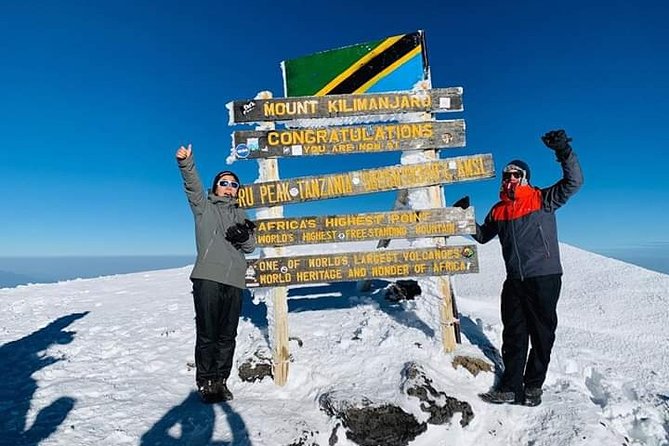
Day two is much longer, with seven to eight hours of walking over about 16 kilometers. The trail steepens as you leave the forest and enter the giant heather zone. Volcanic rock formations break up the route, and several streams cross the path.
The day’s main feature is the climb toward Shira Ridge. In clear weather, you may see Uhuru Peak and the Northern Ice Fields. Clouds can hide those views, so do not treat visibility as part of the guarantee. The mountain makes its own schedule.
You spend the night at Shira 2 Camp, around 3,850 meters. This is a major altitude gain from Mti Mkubwa, but the long, steady walk is intended to help your body adjust. Your guide should set a slow pace and watch how you are eating, drinking, and moving.
This is where the value of a small group becomes practical. A guide can notice if you are falling behind, struggling with the altitude, or pushing too hard. Several customers praised guides including Sanga, Francis, Kissima, Nguma, and Peter for keeping morale high and helping people reach the summit. The exact guide team depends on the departure, so ask who is assigned to your group.
Day three: Across the high camps toward Barranco
The supplied schedule does not give a full description for day three, but the following morning begins at Barranco Camp. That tells you the route continues across the high part of the mountain before joining the southern circuit.
This missing detail is worth clearing up before booking. Ask the operator for the day-three walking distance, camp elevation, meal schedule, and whether the night is at Barranco or at another camp before Barranco. A clear written schedule helps you pack the right layers and understand how the acclimatization plan works.
The route at this stage is less about covering distance quickly and more about keeping your body working at altitude. You should expect exposed volcanic ground, cooler temperatures, and less shelter than in the forest. The scenery becomes broader, but the physical demands rise too.
Day four: Barranco Wall and Karanga Camp
Day four covers about five kilometers in three to four hours. The key challenge is the Barranco Wall, which rises to roughly 4,250 meters. The climb to the top takes about an hour and a half, followed by easier ground and a descent into the Karanga Valley at about 4,050 meters.
This is not described as a technical rock climb, but it is steep and can feel exposed if you are tired or uncomfortable with heights. You should keep your hands free, follow the guide’s instructions, and avoid rushing people ahead of you.
I like this day because it gives you a real sense of progress. You climb a prominent feature, descend into a valley, and then continue to Karanga Camp. The route also reaches a junction with the Mweka Trail, which you later use for the descent.
The short distance does not mean an easy day. At altitude, five kilometers can take real effort. The benefit is that you have time to move carefully, take photos, eat, and prepare for the next stage.
More Kilimanjaro Climbs in Tanzania
- 8-Day Small-group Lemosho Kilimanjaro Summit Trekking
★ 5.0 · 186 reviews - 6 Days Machame Route Kilimanjaro Trekking
★ 5.0 · 13 reviews - 7 Days Kilimanjaro trek via Machame route
★ 5.0 · 13 reviews - Mount Kilimanjaro day trip trekking
★ 5.0 · 12 reviews
Day five: Karanga to Barafu Camp
The walk to Barafu Camp takes about three to four hours and covers roughly four kilometers. Barafu is at the high end of the route, and this is where you complete the southern circuit.
The camp offers views toward the summit, glaciers, and the upper mountain. The scenery is impressive, but Barafu is also a staging point for the summit attempt. You need to rest, eat, organize your clothing, and follow the guide’s instructions for the next day.
This is a good reason not to overpack your day bag. Carry only what you need for the walk and keep key cold-weather items easy to reach. The supplied information does not list every piece of equipment provided, so ask specifically about sleeping bags, tents, trekking poles, and summit clothing. One customer specifically advised renting summit gear through the operator, but you should confirm current availability and cost.
The schedule gives no detailed start time for the summit section. Ask about it before departure. The timing affects what you carry, how much sleep you get, and how you prepare at Barafu.
Day six: The summit attempt
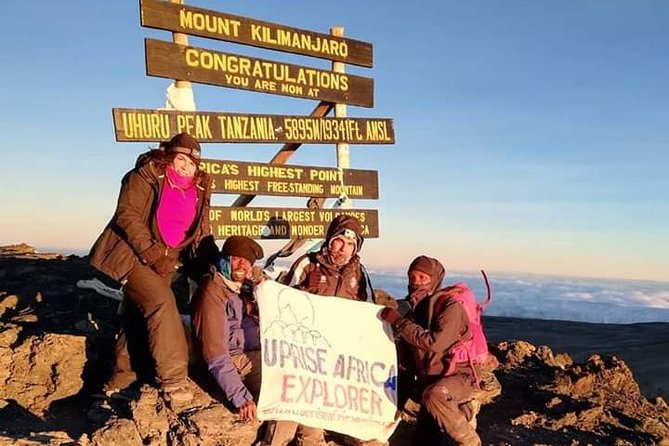
The mountain’s main goal is Uhuru Peak, Africa’s highest point. The day-six schedule provided for this experience is incomplete, but Barafu Camp on day five and the descent to 3,090 meters before the final day strongly indicate that day six is the summit attempt.
You should treat this as the hardest part of the trip. The cold, darkness, altitude, and long hours can make a straightforward trail feel serious. Your guide will set the pace, and the repeated advice from the company’s past customers is to go pole pole, meaning slowly and steadily.
The summit is not guaranteed. Weather, altitude sickness, exhaustion, or poor conditions can force a turn-around. That is not a failed trip. A safe guide will put your health ahead of a certificate.
Ask the operator exactly how the summit day is arranged. Confirm the expected walking hours, the camp used after the summit, what food and drinks are carried, and how the group descends. These are important questions because the seven-day label alone does not explain the full day-six sequence.
Day seven: Mweka descent and the return to Moshi
The final day begins after breakfast at about 3,090 meters. You descend for three to four hours over roughly 10 kilometers to Mweka Park Gate, where you receive summit certificates.
The descent is easier on your lungs but can be tiring on your knees and feet. Trekking poles can help, though the supplied information does not confirm that they are included. At Mweka Gate, a vehicle takes you back to your hotel.
This final transfer is a welcome part of the package. You do not need to arrange a separate ride from the park gate, though you should confirm which Moshi hotel areas are covered by the pickup and return service.
What the $3,000 price covers
The listed cost is $3,000 per person. That is a serious sum, but a guided Kilimanjaro climb carries many costs beyond walking on a trail.
The package includes:
- Kilimanjaro trekking services
- Camping equipment
- Park fees
- All listed fees and taxes
- Seven lunches
- Six breakfasts
- Six dinners
- Pickup service
- A group of no more than 10 people
The price is easier to judge when you consider the support team. You are paying for guides, porters, a cook, food, camping operations, park access, and transport connected with the route. Several customers gave especially strong praise to the food and the porter team. The cook Schabari was singled out for mountain meals, while Godwill was mentioned as a helpful team leader.
The package does not include a Tanzania visa. The stated cost is $50 or $100 for American residents, payable on arrival at the airport. Confirm the current visa rules for your nationality before flying, since the fee can vary.
Also clarify whether personal gear rental is included. The general description says camping equipment is covered, but that does not necessarily mean boots, warm summit clothing, sleeping bags, or poles. Written confirmation prevents a costly surprise.
The guide, cook, and porter team
A Kilimanjaro climb depends heavily on the mountain crew. Uprise Africa Explorer uses guides, assistant guides, porters, and a cook. Names connected with past climbs include Sanga, Francis, Peter, Nguma, Kissima, Innocent, and Schabari, but you should not assume a particular person will lead your departure.
The strongest praise has focused on three things: friendly support, calm guidance, and good food. That matters more than polished sales language once you are tired at altitude. A guide who watches your condition and explains the route clearly can make the difference between a safe, enjoyable climb and a miserable one.
You should also ask how porter welfare and tipping are handled. The information provided does not set out a tipping policy, so request the operator’s current guidance before you leave home. Carry some Tanzanian shillings or suitable cash if tips are customary, but confirm the preferred practice first.
Group size, fitness, and who should book
The maximum group size is 10. That is small enough for regular contact with the guide, but it is not a private climb. People in one group can have different walking speeds and different reactions to altitude.
The activity says most people can participate, but that should not be read as a medical clearance. Kilimanjaro involves long walks, steep sections, high elevation, and cold conditions. If you have a health condition, ask a medical professional before booking.
This climb suits you if you want:
- A scenic route with several ecological zones
- A longer schedule for altitude adjustment
- A locally operated company
- Meals and mountain costs bundled into one price
- A group that is small but not necessarily private
- A route with a quieter opening section
It may not suit you if you want a soft adventure, dislike camping, need a fully fixed day-by-day schedule, or are not prepared for a demanding summit day.
Booking details worth checking
Pickup is offered, and the meeting time is listed as 11:00 a.m. Confirmation is received when you book, and the activity uses a mobile ticket.
The cancellation terms are fairly strict close to departure. You can receive a full refund if you cancel at least six full days before the start time. Cancellation two to six full days ahead allows a 50 percent refund, while cancellation less than two full days ahead is nonrefundable. Poor weather can lead to a different date or a full refund.
Before booking, I would ask four direct questions:
- What exactly happens on day three and day six?
- Which guide and cook are assigned to this departure?
- Which personal equipment is available to rent, and at what price?
- What does the pickup and return service cover?
Those questions do not take long, and the answers will make the trip easier to compare with other seven-day Lemosho climbs.
Should you book this Kilimanjaro climb?
I would consider this a strong option if you want a scenic Lemosho route with meals, park costs, camping support, and a small group included in one price. The repeated praise for organization, food, guides, and porter support gives Uprise Africa Explorer a solid record to work from.
My caution is the incomplete summit-day information. Do not send payment until the operator explains the day-three and day-six schedule, gear rental, and post-summit camp plan in writing.
Book it if you are ready for a serious high-altitude trek and value a local team with personal service. Skip it if you want a relaxed walk or a perfectly detailed itinerary without first asking follow-up questions.
FAQ
How long is the Kilimanjaro Lemosho climb?
The experience lasts approximately seven days and six nights.
Where does the trek begin?
The group drives to Londorossi Park Gate, registers, and begins walking from there.
What is the maximum group size?
The maximum is 10 people.
What meals are included?
The package includes seven lunches, six breakfasts, and six dinners.
Are park fees and taxes included?
Yes. All fees and taxes are included in the listed package.
Is camping equipment included?
The tour information says camping equipment is included. You should confirm which personal items, such as sleeping bags or summit clothing, are covered or available to rent.
Is airport or hotel pickup available?
Pickup is offered. The supplied information does not specify every covered location, so confirm the exact pickup and return arrangements.
Is a Tanzania visa included?
No. The visa is not included. The stated cost is $50 or $100 for American residents on arrival at the airport.
What happens if bad weather cancels the climb?
If poor weather causes cancellation, you can be offered another date or a full refund.
More week-long treks in Tanzania
- 7 Days Machame Route Trek Mount Kilimanjaro
★ 5.0 · 12 reviews - 7 Days Machame Route Kilimanjaro Trekking
★ 5.0 · 9 reviews - Lemosho Route 7 Days Trekking at Mount Kilimanjaro
★ 5.0 · 7 reviews - 7 Days Kilimanjaro Trekking Machame Route with Professional Guide
★ 5.0 · 5 reviews
Latest treks added in Tanzania
- 6 Days Machame Route Kilimanjaro Trekking★ 5.0 · 13 reviews
- 6 Days Marangu Route Trekking★ 5.0 · 2 reviews
- 3 Days Mount Meru trekking★ 4.5 · 7 reviews
- Mount Kilimanjaro day trip trekking★ 5.0 · 12 reviews
- 5 Days Marangu Route Kilimanjaro Trekking★ 5.0 · 4 reviews
- 8 Days Lemosho Route Kilimanjaro Trekking★ 5.0 · 5 reviews
- 7 Days Machame Route Kilimanjaro Trekking★ 5.0 · 9 reviews
- 7 Days Machame Route Trek Mount Kilimanjaro★ 5.0 · 12 reviews
Kilimanjaro Climbs, compared.
8-Day Small-group Lemosho Kilimanjaro Summit Trekking
Read our review →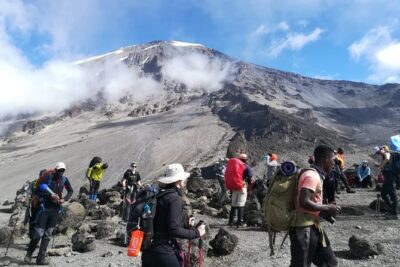
Best Kilimanjaro Adventure 7 days Machame route Trekking
Read our review →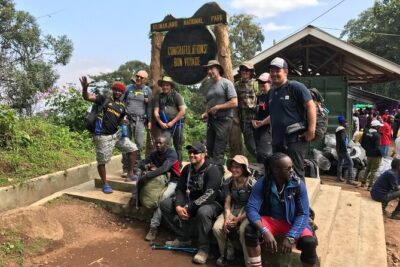
Kilimanjaro 7 Day Private Trekking Experience
Read our review →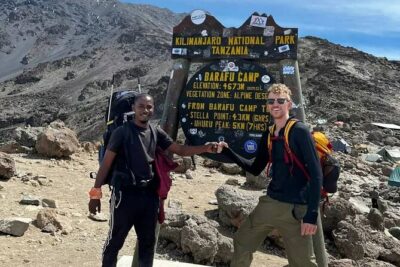
6 Days Machame Route Kilimanjaro Climbing Trekking Tour
Read our review →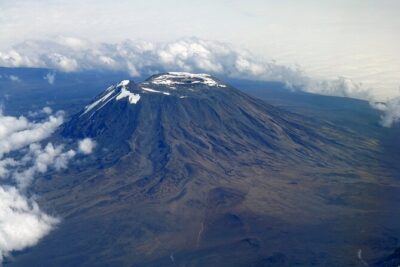
Browse the lists this tour appears in