
REVIEW · LAOS
Hunter Trails, 3 days difficult trekking with Camping & Homestay
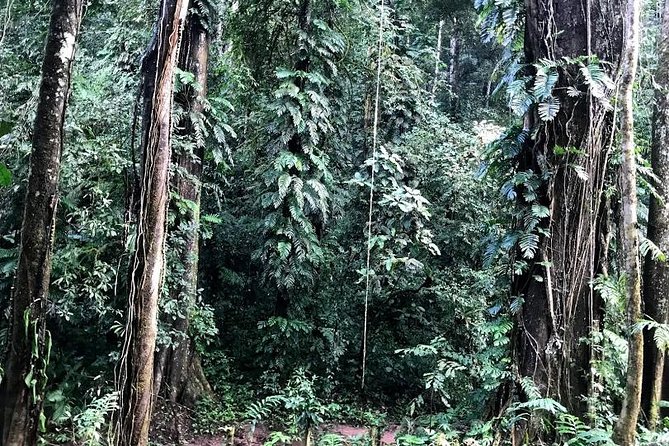
The best part of this trek is its route through primary forest on old hunter trails, far beyond the usual short jungle walk. You climb from Ban Prang village, pass rice fields and working farms, then spend the night in the forest with a campfire, food prepared from market supplies and foraged plants, and the possibility of spotting wildlife.
I like the balance between hard walking and simple comforts. The guides, including Kham, Mun, Noy, Thit, and Xai, are praised for explaining plants, animals, village customs, and ancestral knowledge. I also like the village homestay, which gives you a close look at early-morning farm work and bamboo weaving.
The catch is clear: this is a difficult trek, not a gentle nature stroll. Expect steep climbs and descents, roughly six to seven hours on foot each day, and conditions that become harder during the rainy season. You need strong fitness and a willingness to carry your own basic gear.
Key points to know before booking
- Old hunter trails through primary forest: The route takes you away from ordinary paths and into Nam Ha National Park.
- Six to seven hours of walking daily: Reviews describe steep mountain sections, especially in demanding weather.
- Jungle camp with basic huts: You sleep in a purpose-built forest camp rather than building your own shelter.
- Food is part of the experience: Guides prepare meals over open fires using market food and plants gathered along the route.
- A genuine village stay: The final morning includes farm work, bamboo weaving, and daily life in a quiet local village.
- Small groups only: The maximum is eight people, which helps with guide attention and trail pace.
Walking from Ban Prang into the forest
Your day begins at 8:30 am at The Hiker Travel Agency on Main Street in Phonexay Village, Luang Namtha. From there, the trek starts in Ban Prang, about 35 kilometers south of town. That transfer matters because the walk begins in a rural setting, not beside a busy road or a row of shops.
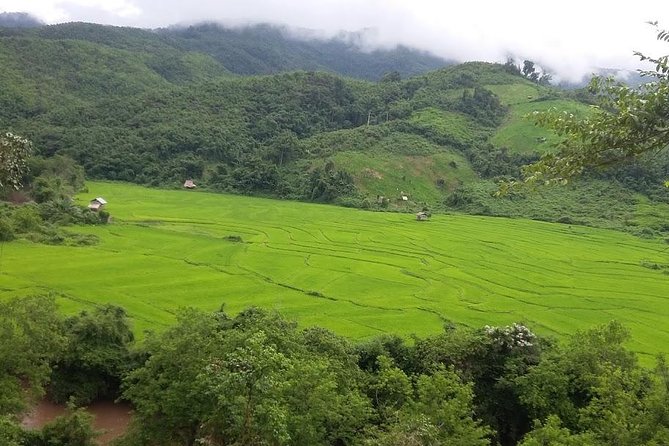
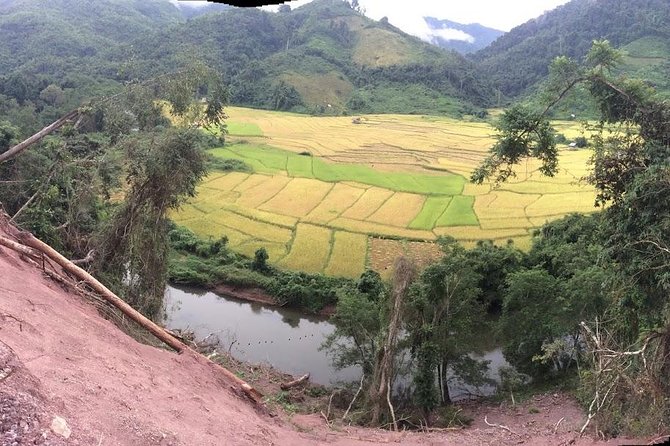
The first miles ease you into the setting. You walk beside rice fields and see villagers working in the fields before the trail turns uphill. This opening gives you a useful view of how the forest, farms, and village economy fit together. It is not just scenery for a few photographs. You see the food-growing work that supports nearby communities.
The climb becomes steep early on. That is a good test of your legs and also a warning about the days ahead. The trail is described as moderate in the dry season and harder during the rainy season, but the overall trip is sold as difficult. Do not judge the trek by the first easy stretch through the fields.
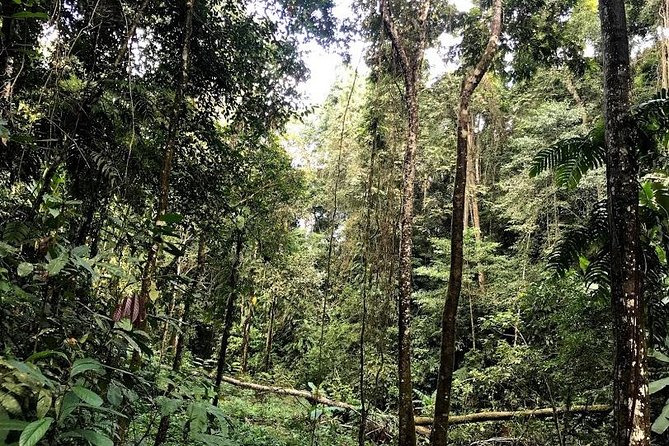
The route follows old hunter trails into the primary forest of Nam Ha National Park. These paths give the walk a more raw, less polished feel than a marked park circuit. Your guide’s role becomes important here. Guides such as Thit, Mun, Noy, and Xai have been praised for pointing out plants, fruits, animals, and signs of local forest use.
You should not book this expecting guaranteed wildlife sightings. Wildlife spotting is part of the aim, but animals are never promised. The real reward is learning to pay attention to the forest, including its useful plants, large old trees, sounds, and changing terrain.
More Homestay Treks in Laos
- The Wild Explorer – 3 days forest trek with homestay and camping
★ 4.5 · 22 reviews - Nalan Trail Kmu Ethnic Experience – 2days forest trek with homestay.
★ 5.0 · 21 reviews - Nam Ha NPA 3 Day Wildlife Jungle Camp and Village Homestay Trek
★ 5.0 · 11 reviews
Sleeping under the old trees
The first night is spent in the jungle camp. The camp is basic, but it includes huts, so you are not expected to construct your own shelter. That is a useful middle ground for people who want a real forest night without carrying camping skills and equipment to the same level as a fully independent trek.
The campfire gives the evening its character. After a long day, you can eat outdoors, warm up, and listen to the forest around you. The food is one of the strongest features of the experience. Meals combine ingredients brought from the market with food gathered along the way, and guides cook over an open fire.
The phrase wild organic food can sound grander than the reality, so keep your expectations practical. This is simple jungle cooking, not a restaurant meal. Still, the setting and the work involved make it special. You are eating food prepared in the forest, often with an explanation of where it came from and how it is used.
Breakfast, lunch, and dinner are included according to the schedule: three lunches, two dinners, and two breakfasts. You should still check the gear requirements carefully before leaving. A rucksack, hiking boots, hat, sun cream, mosquito spray, torch, and a change of clothing are not included in the price. The supplied list ends after change of, so ask The Hiker to confirm the complete packing list.
Day two: the hardest forest walking
Day two begins early. You can wash, have coffee or wild tea, and eat breakfast while your guide prepares the next meal and gets the group moving. This is a proper trekking day, not a leisurely camp morning.
The trail continues through abundant forest. Expect more steep sections, uneven ground, and a full day on foot. One useful benchmark from the trip details is six to seven hours of walking per day, including breaks. That does not mean constant climbing, but it does mean you need stamina and comfortable footwear.
The pace should depend on the group, and a small maximum of eight people makes that easier. A guide can explain what you are seeing without addressing a large crowd, and the group can pause for food, views, or wildlife spotting. You should still tell the operator about your fitness level before booking, since this is not designed for a low-effort outing.
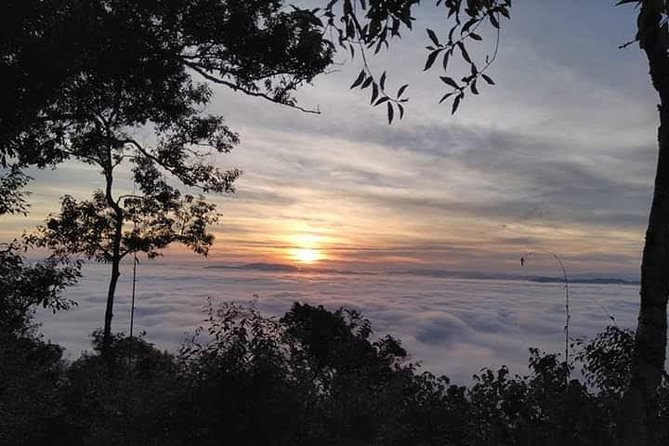
The hilltop views are an important payoff for the climbs. The route moves from farms and village edges into forested hills, so the higher points offer a different view of northern Laos. Exact viewpoints and walking distances are not fixed in the information provided, and weather can change what you see. Pack patience along with your water.
This is also the day when the value of a local guide becomes most obvious. Guides are not simply there to lead from one point to another. They explain forest plants, fruits, wildlife, and local culture. Thit, for example, is praised for sharing detailed ancestral and botanical knowledge, while Mun and Xai are praised for their explanations of nature and village traditions.
Day three: village life before the return
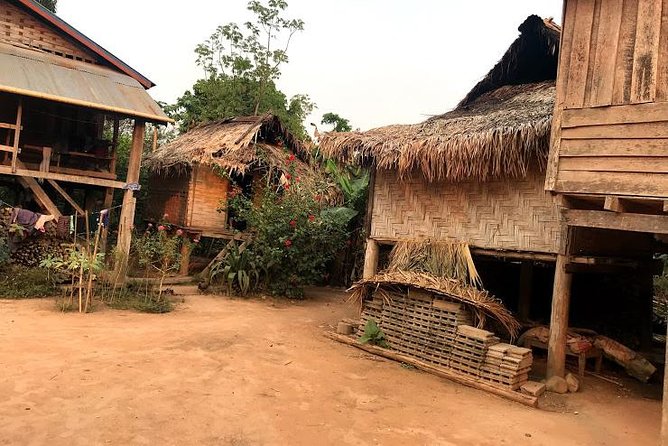
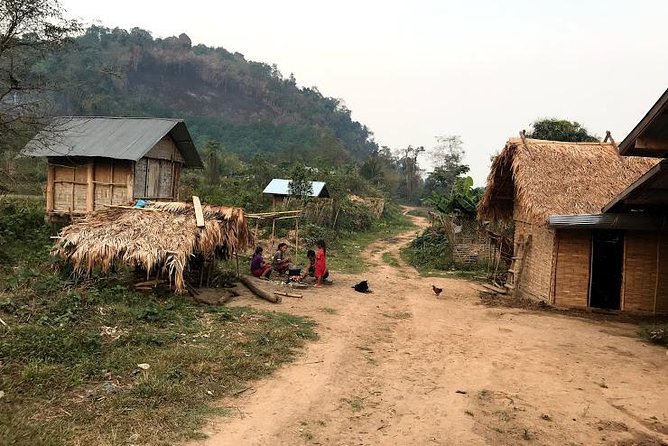
Villagers rise early, so you should be prepared for an early start on the final morning. Instead of rushing straight onto the trail, you have time to walk around the village and watch people begin their day.
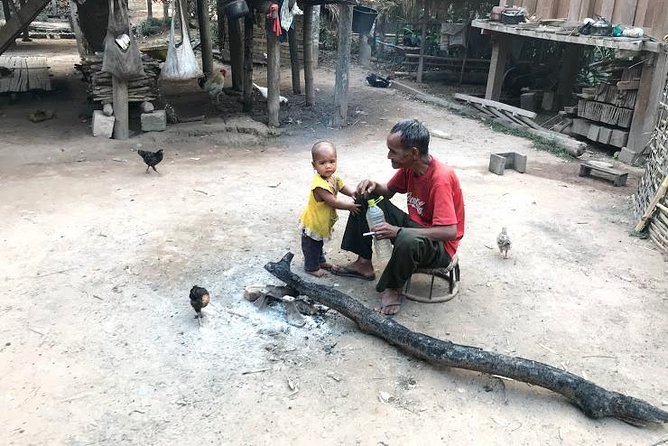
The activities specifically described include farm work and bamboo weaving. These details make the homestay worthwhile. You are seeing ordinary work rather than a staged performance, and you get a better sense of how households use local materials and organize the morning.
The homestay is tranquil and simple. It is not a luxury hotel, and you should choose it for contact with village life rather than private facilities or polished service. That simplicity is part of the point, but it also means you should be comfortable with basic accommodation.
After eating, the trek continues as laid out by the guide, and the activity finishes back at the meeting point in Luang Namtha. The exact walking sequence for the final day is not fully specified, so ask about the expected return time if you have a bus, flight, or other fixed plan.
More three-day treks in Laos
- Luang Prabang: Nong Khiaw 3-Day Trekking & camping, Homstay
★ 5.0 · 9 reviews - Luang Prabang: 3-Day Cultural Remote Trek With Homestay
★ 4.9 · 9 reviews - Sapa 3 Days 2 Nights Trekking Tour (1 Night In Ta Van Village, 1 Night In Hotel)
★ 5.0 · 699 reviews - 3-Day Trekking Adventure of Sapa from Hanoi – Stay Ta Van Village
★ 5.0 · 611 reviews
What the guides add to the trip
The most consistently praised part of this trek is the guiding. The listed guides include Kham, Mun, Noy, Thit, Xai, Thid, Pouan, and others, so the exact team depends on the departure. That variety is worth noting: you cannot assume you will receive one particular guide unless The Hiker confirms it.
The strongest guides do more than set a pace. They identify plants, fruits, and forest foods, explain wildlife, and connect the route with the culture of local communities. Khmu people and ancestral knowledge are part of the cultural focus described by the operator and the people who have taken the trip.
Good guiding also matters for safety and comfort. A local guide knows where the trail becomes steep, how to move through difficult sections, and how to prepare food at camp. On a long trek, a calm guide who adjusts the pace can make the difference between a satisfying challenge and a miserable one.
You should remember that the guide’s explanation style can vary. Some people want plenty of information about botany and culture, while others mainly want to walk. Tell your guide what interests you. The small group limit gives you a better chance to have that conversation.
Is $175 a fair price?
At $175 per person, this is not the cheapest way to walk near Luang Namtha. It is also not just a transfer, a guide, and a few hours on a marked trail. The price covers three days, guiding, meals, jungle camping, a village homestay, and the listed fees and taxes.
The value is strongest if you want a demanding route and local interpretation without arranging every part yourself. The dedicated forest camp also adds value for hikers who want to reach remote areas but do not want to build a shelter or manage every camp detail.
The value is weaker if you are looking for a short introduction to the jungle, a soft bed, or a flexible sightseeing schedule. Two people traveling together may find the per-person cost higher than a larger group, as group size affects the price. Group discounts are available, so ask for the current terms when booking.
The maximum group size is eight. That is small enough to feel personal but large enough that the pace may not match your own perfectly. If you prefer a private departure, ask whether one is possible and how the cost changes.
The tour is booked an average of 56 days in advance, which suggests you should not leave it until the last minute if the dates matter. Confirmation is provided at booking, and free cancellation is available up to 24 hours before the start time. Poor weather can lead to a new date or a full refund.
Who should book the Hunter Trails trek?
I would choose this for a fit hiker who wants the forest to be the main event. You should enjoy long walking days, steep hills, basic camp conditions, and the idea of eating food prepared over a fire.
It suits you especially well if you want to learn about plants, wildlife, and local culture rather than simply take photographs. The village homestay adds a useful human side to the trip, while the camp provides the remote forest experience.
It is also a good fit for older but active hikers who want a serious challenge without having to build their own shelter. The trip is still demanding, so age alone is not the issue. Fitness, balance, heat tolerance, and comfort on steep trails matter more.
I would not pick it for a first-ever hike if you are unsure about six to seven hours of walking. The rainy season can make the route harder, and the operator specifically requires a strong physical fitness level. A shorter trek would be the safer choice if you dislike mud, climbs, or basic sleeping conditions.
Practical preparation for three hard days
Pack light, but do not leave out the essentials. A proper rucksack, hiking boots, hat, sun cream, mosquito spray, torch, and spare clothing are listed as not included. Confirm the unfinished part of the gear list before departure.
Wear shoes with reliable grip. The route includes steep hills and old forest trails, and the ground can become more difficult in wet weather. Bring enough personal items for three days, but avoid overloading yourself because you will be walking for hours.
A small torch is particularly important for the camp and early starts. Mosquito spray and sun protection are equally practical, even though much of the route is in forest. Ask how much drinking water you need to carry and whether refills are arranged, since that detail is not provided.
Keep your expectations flexible. Weather may alter the route or views, and wildlife sightings are never certain. The most dependable features are the forest walk, the local food, the campfire, the village stay, and the guide’s interpretation.
Should you book it?
Book this trek if you want a real physical challenge in northern Laos, with local guides, simple forest camping, and a village homestay. The food prepared over open fires and the lessons about plants and culture add substance to the walking.
Skip it if you want a relaxed holiday activity, private comfort, or a firm schedule with little exertion. Before paying, confirm the guide team, packing list, rainy-season conditions, and return time. For a fit hiker who values authentic contact over convenience, $175 is a reasonable price for three demanding days in the forest.
FAQ
Where does the Hunter Trails trek start?
The activity begins at The Hiker Travel Agency at 17A Main Street in Phonexay Village, Luang Namtha. The listed start time is 8:30 am, and the walking portion starts from Ban Prang village, about 35 kilometers south of town.
How long does the trek last?
The experience lasts approximately three days. The walking days are described as taking about six to seven hours, including breaks.
How difficult is the trek?
It is classified as difficult and requires a strong physical fitness level. The route includes steep hills, and conditions can become harder during the rainy season.
Where do you sleep?
The trip includes camping in the jungle and a homestay in a village. The forest camp has basic huts, so you do not need to build your own shelter.
What meals are included?
The package includes three lunches, two dinners, and two breakfasts. Food is prepared during the trek, including meals cooked over open fires and food gathered from the forest.
What should you bring?
A rucksack, hiking boots, hat, sun cream, mosquito spray, torch, and a change of clothing are not included. The supplied gear information is incomplete after change of, so confirm the full list with The Hiker.
How many people can join the group?
The maximum group size is eight people. Group discounts are available.
Is the trek suitable in rainy weather?
The experience requires good weather. If poor weather causes cancellation, you are offered another date or a full refund. The trek is also described as harder during the rainy season.
Can I cancel for a refund?
You can cancel up to 24 hours before the experience starts for a full refund. Cancellations or changes made less than 24 hours before the start time are not accepted for a refund.
Latest treks added in Laos
- Trek to Tad Sae Waterfalls, Local Village★ 4.5 · 2 reviews
- Day Trek to Kuangsi Waterfall and Bear Sanctuary – Luang Prabang full day tour★ 5.0 · 9 reviews
- 2 Days Multi Adventure in Nam Ha NPA: Trek and Kayak★ 5.0 · 2 reviews
- Nalan Trail and Khmu Tribe: 2 Days Trek in Nam Ha NPA★ 5.0 · 5 reviews
- The Ultimate Hiker’s Choice – 5 days forest trek with homestay and camping★ 5.0 · 8 reviews
- 2 Days Treking,Lao+hmong+khmu,Waterfall and Kayaking At NongKhiaw★ 5.0 · 2 reviews
- Nong Khiaw: 2-Day Trekking,Hmong village,Home Stay&Kayaking★ 4.9 · 17 reviews
- Luang Prabang: Nong Khiaw 3-Day Trekking & camping, Homstay★ 5.0 · 9 reviews
Homestay & Village Treks, compared.
Number one top rated ethical cultural trekking and homestay by ETHOS
Read our review →
2-Day Sa Pa Ethnic Homestay Tour & Trek with Limousine Bus
Read our review →
Sapa 3 Day 2 Night Trekking With Hotel & Homestay
Read our review →
Sapa 2 Days 1 Night Overnight At Local Homestay
Read our review →
2-Day Trekking Trip with Ethnic Minority Homestay
Read our review →
2-Day Trek & Heartwarming Homestay with an Ethnic Family
Read our review →Browse the lists this tour appears in