REVIEW · KATHMANDU
Pikey Peak Trekking
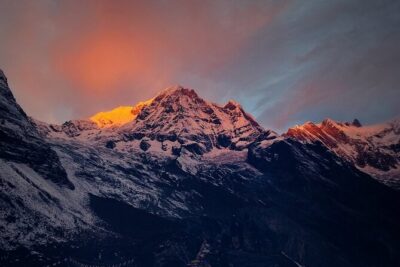
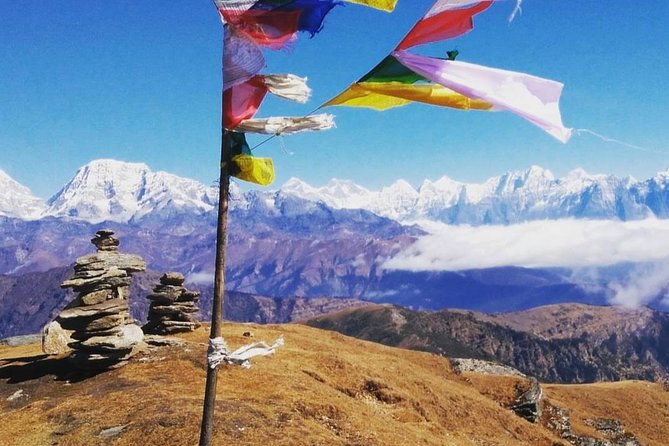
Pikey Peak gives you one of Nepal’s best high viewpoints without the full commitment of the main Everest route. At 4,067 meters, the summit looks across a remarkable sweep of peaks, including Everest, Makalu, Kanchenjunga, Lhotse, Nuptse, and Mera Peak. Sunrise is the main event, but the village trail and Sherpa culture give the trek its real character.
I like the quiet route, where you may have long stretches of trail to yourself, and the chance to see village life rather than simply march between famous mountain stops. I also like the eight-day format: long enough for a proper Himalayan experience, short enough to fit into a limited Nepal schedule.
The catch is simple: this is still a high-altitude trek. You need moderate fitness, and the price of $1,435.90 per person deserves a close look because drinks are not included and the detailed daily schedule is not specified.
Pikey Peak Trek at a glance
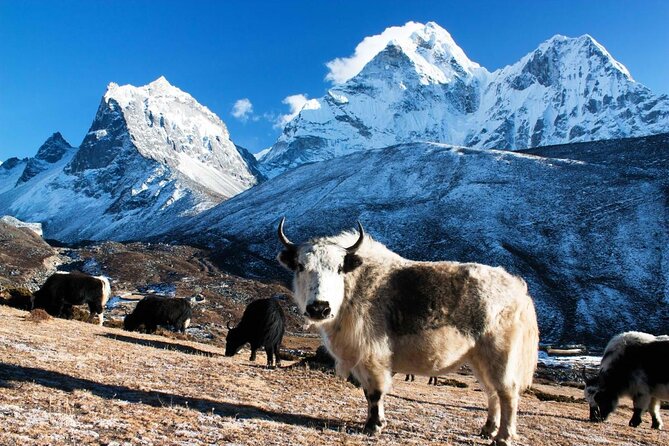
- Sunrise from 4,067m: Look toward Everest, Makalu, Kanchenjunga, Annapurna, Gaurishankar, Lhotse, Nuptse, Numbur, Sishapangma, Thamserku, and Mera Peak.
- A quieter Solu Khumbu route: The trail passes through smaller settlements and can feel far removed from Nepal’s busiest trekking corridors.
- Eight days from Phaplu: The stated route begins and ends at Phaplu, passing through Kerung, Pattale, Jhapre, Pikey Peak, Lamajura, and Junbesi.
- Private guiding: Only your group takes part, with guides associated with the operator including Dawa Sherpa, Nima Sherpa, Pasang, Jay Bir, and Hiese Lama.
- Full-board trekking meals: Breakfast and full-board meals during the trek are included, while hard and soft drinks are extra.
- Flexible cancellation: You can receive a full refund if you cancel at least 24 hours before the 6:15 am start time.
Why Pikey Peak works for a short Himalayan trip
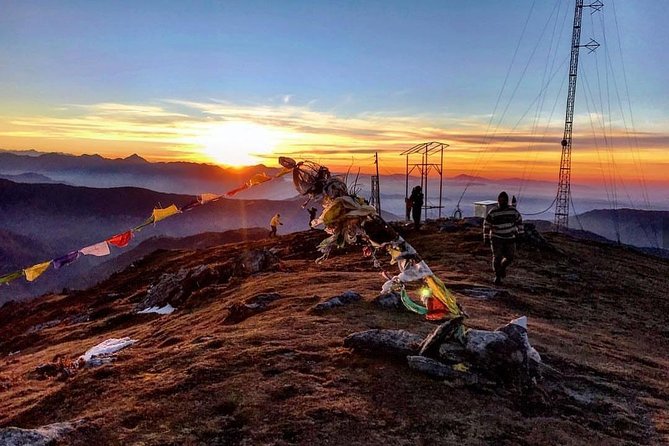
Many Nepal treks make you choose between time and altitude. Pikey Peak offers a useful middle ground. In eight days, you reach a serious mountain viewpoint and still have time for villages, forested paths, and local stops.
You do not get the scale of the full Everest Base Camp journey. There is no promise of reaching Everest itself, and the itinerary does not list a detailed day-by-day walking distance. But Pikey Peak can give you a broad view of the Himalayas with less time than a longer Everest-region trek.
The summit is also useful for mountain watchers. From the high point, you may see the Everest range alongside peaks farther east and west. The listed views include Everest, Makalu, Kanchenjunga, Annapurna, and Manaslu-region scenery, as well as Lhotse, Nuptse, Gaurishankar, Numbur, Thamserku, Mera Peak, and Sishapangma.
Weather matters. Clear morning air gives you the best chance of seeing the long line of peaks, so an early start near Pikey Peak is important. The experience also includes sunset potential, but sunrise is the stronger reason to choose this route.
More Trekking Tours in Kathmandu
- Everest Base Camp Trek – 14 Days
★ 5.0 · 1,499 reviews - Everest Base Camp Trek
★ 5.0 · 842 reviews - Everest Base Camp Trekking
★ 5.0 · 485 reviews
The route from Phaplu through Kerung and Pattale
The trek begins and ends at Phaplu, while your meeting point is listed at Tribhuvan International Airport in Kathmandu at 6:15 am. The supplied information does not state how the Kathmandu to Phaplu transfer is arranged or how long it takes, so confirm that point before paying. It matters because the first morning starts early, and the route depends on reaching the trailhead.
From Phaplu, the route passes through Kerung and Pattale. These settlements help break up the journey and give you a look at the lower Solu Khumbu area. You are not simply heading toward a summit. You are moving through lived-in mountain communities, where the stops are part of the experience.
Pattale is especially appealing as a route point because it is connected with broad mountain views and open high-country scenery. Still, do not expect every stop to offer a dramatic panorama. Cloud, walking conditions, and the exact overnight plan will shape what you see.
The route is praised for its quiet feel. One account describes walking from Shivalaya on a very peaceful trail, sometimes with no one else in sight. Shivalaya is not listed among the official route points here, so you should not assume your itinerary includes it. The useful point is that this part of the region can feel far less crowded than the classic Everest trail.
Jhapre and the value of village time
Jhapre is one of the named stops on the route and helps bring the cultural side of the trek forward. The villages are not filler between mountain views. They are where you get a sense of how people live in the lower Himalayas, and where the pace changes from sightseeing to walking through communities.
I like this part of the trek because it gives you a better balance. You have the high peaks ahead, but you also have local settlements, meal stops, and ordinary mountain life. For many people, that is more memorable than another photograph of a distant summit.
The pace can also be easier to appreciate here. You may be walking at a steady rate, stopping for food, and adjusting to altitude without the pressure of a major expedition. That does not remove the physical challenge. It simply makes the trek feel more varied.
Your guide matters a great deal on a private trip. Names connected with this operator include Dawa Sherpa, Nima Sherpa, Pasang, Jay Bir, and Hiese Lama. The exact guide assigned to your departure is not specified, so ask in advance. A private guide can make the route feel personal, but the quality of the experience depends on communication, pacing, and how clearly the company handles the daily plan.
Pikey Peak at 4,067m
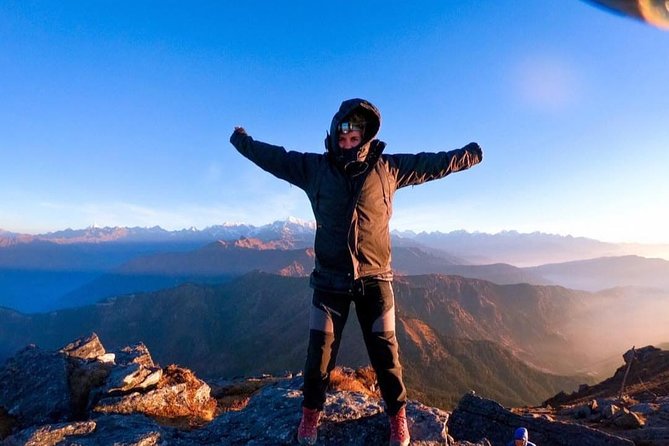
Pikey is the high point and the reason to book this trek. At 4,067 meters, it is high enough to offer a sweeping Himalayan view, but the route is presented as a lower-alpine alternative for people who may feel uncertain about the very highest trekking areas.
That description should not make you careless. Four thousand meters is still high, and you should be ready for thin air, uphill walking, and a slower pace. The activity asks for moderate physical fitness. It does not state that specialist mountaineering skills are needed, and the experience is described as a trek rather than a technical climb.
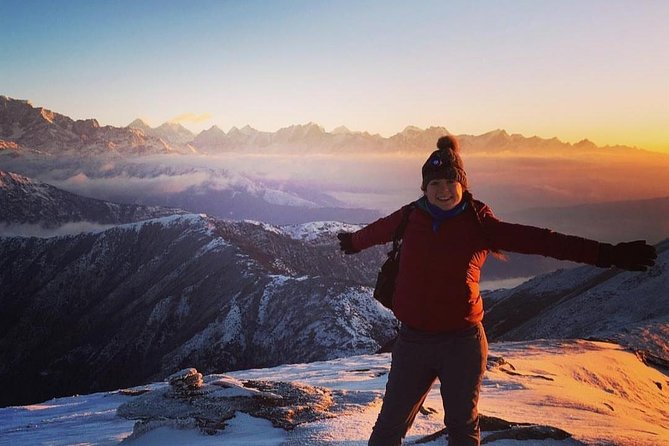
The best reward comes from reaching the viewpoint around sunrise. The Everest range can catch the first light while the surrounding peaks gradually come into view. If the weather is clear, you can look across several mountain systems rather than seeing only one famous peak.
This wide view is what separates Pikey Peak from a simple village hike. You may see Everest, Makalu, Kanchenjunga, Annapurna, Gaurishankar, Lhotse, Nuptse, Numbur, Sishapangma, Thamserku, and Mera Peak from the summit area. Not every peak will be visible on every morning, so treat the list as a possibility, not a guarantee.
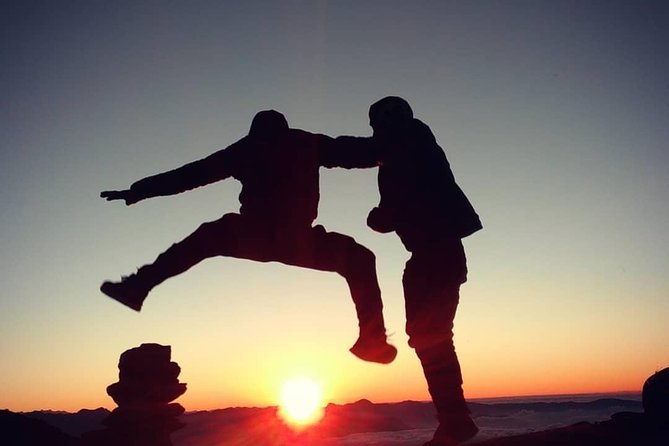
Sunset is another attraction. If your timing and overnight plan allow it, the changing light can make the ridges look very different from the morning view. The itinerary information does not say exactly where you sleep around the summit, so confirm whether sunset viewing is built into your schedule or simply possible along the route.
Another trail to compare in Kathmandu:
- Annapurna Circuit Trek with Tilicho Lake
★ 5.0 · 368 reviews - Everest Base Camp Trekking – 13 Day
★ 5.0 · 365 reviews - Everest Base Camp Trek
★ 5.0 · 350 reviews - Everest Base Camp Trek -14 Days
★ 5.0 · 321 reviews
Lamajura and Junbesi on the return
After Pikey Peak, the route continues through Lamajura and Junbesi before returning to Phaplu. This gives you a proper circuit rather than a short out-and-back walk.
Lamajura adds another mountain pass setting to the journey. You can expect the scenery to change as you leave the high point, although the exact trail conditions and walking time are not provided. This is one reason to request a full daily itinerary, including distances, elevation changes, and overnight villages.
Junbesi is an important stop for the cultural side of the trip. It is one of the best-known settlements in the Solu Khumbu area, and the route gives you time to experience a more settled village environment after the summit section. The trek’s appeal is strongest here: high views paired with local communities.
The return to Phaplu closes the loop and keeps the trek compact. You are not spending the final days retracing every step. That saves time, though you should confirm how the final transfer from Phaplu back to Kathmandu is handled.
Meals, drinks, and what the price means
At $1,435.90 per person, this is not a budget walk. The value depends on what is covered beyond the basic description. Breakfast and full-board meals during the trek are included, which is helpful because arranging food in mountain settlements can become tiring and expensive.
Hard and soft drinks are not included. Budget separately for bottled drinks, tea, coffee, soda, or any alcoholic beverages you choose. The supplied details do not state whether transport, accommodation, permits, porter service, equipment, or insurance are included, so ask for a written list before booking.
The private format adds value if you care about flexibility. Only your own group participates, so you are not tied to the pace of a large mixed party. You can ask questions, discuss stops, and work with your guide on the day’s rhythm. The tradeoff is that a private trip often costs more per person than joining a larger group.
The price is easier to justify if it includes well-organized transfers, accommodation, permits, guide service, porters, and all trekking meals. It is harder to judge if several of those items are extra. The safest approach is to compare the full package, not just the headline price.
Who should choose this trek
I would put Pikey Peak high on your list if you have about a week, want major mountain views, and prefer a quieter route to the most famous Nepal trails. It also suits you if village contact matters as much as the summit.
The trek can work well for a first serious Himalayan experience, but you should not confuse less famous with easy. The high point is over 4,000 meters, and the activity calls for moderate fitness. Build in time to walk steadily, manage uphill sections, and handle changing conditions.
This is less suitable if you want a luxury lodge holiday, a precise hour-by-hour schedule, or a guaranteed clear view of Everest. The available information does not promise luxury accommodation, detailed walking times, or fixed visibility.
It is also a good choice for a private group of friends or family. A private departure lets you share the route with people you know, though everyone in the group should be comfortable with the same physical demands.
Practical details before you book
Your meeting point is Tribhuvan International Airport on Ring Road in Kathmandu, with a listed start time of 6:15 am. The activity ends back at the meeting point, although the details do not explain the return transfer from Phaplu. Confirm this, along with the airport meeting procedure, before departure.
A mobile ticket is provided, and confirmation is received at booking. Service animals are allowed, and the route is near public transportation according to the supplied details. Those points may matter less than the trekking questions, so focus first on altitude, meals, transport, accommodation, and guide arrangements.
Cancellation is flexible if you plan ahead. You can cancel up to 24 hours before the start for a full refund. Any cancellation or change made less than 24 hours before the local start time is not accepted for a refund.
Should you book Pikey Peak?
Book this trek if you want big Himalayan views in eight days, a private group setting, and a route that gives village life equal billing with the mountains. The sunrise from 4,067 meters is the clear highlight, while Junbesi, Jhapre, Pattale, Lamajura, and the quieter trail sections give the trip substance.
Before booking, get the missing practical details in writing. Ask who your guide will be, how you reach Phaplu, where you sleep each night, what transport and permits cost, and whether porters are included. If the answer covers those basics, the price can represent a solid, focused introduction to the Solu Khumbu region.
FAQ
How long is the Pikey Peak Trek?
The trek lasts approximately eight days.
Where does the trek begin and end?
The stated trekking route begins and ends at Phaplu. The listed meeting point is Tribhuvan International Airport in Kathmandu.
What time does the activity start?
The listed start time is 6:15 am.
Is this a private trek?
Yes. Only your group participates in the activity.
What meals are included?
Breakfast and full-board meals during the trek are included. Hard and soft drinks are not included.
How fit do I need to be?
You should have a moderate level of physical fitness. The route reaches Pikey Peak at 4,067 meters, so you should be prepared for high-altitude trekking.
Latest treks added in Kathmandu
- Ghorepani Poonhill Trek★ 5.0 · 5 reviews
- Ghorepani Poon Hill Trek★ 5.0 · 16 reviews
- Private Manaslu Circuit Trek at Himalayas★ 5.0 · 3 reviews
- Upper Mustang Trekking★ 3.0 · 2 reviews
- Amazing 1 Day Trekking Experience in Kathmandu Nepal★ 5.0 · 24 reviews
- Upper Mustang Trekking★ 5.0 · 2 reviews
- Upper Mustang Trek★ 5.0 · 5 reviews
- Upper Mustang Trekking★ 5.0 · 4 reviews
Kathmandu Trekking Tours, compared.