REVIEW · KATHMANDU
Mt. Kanchenjunga South to North Base Camp Trekking
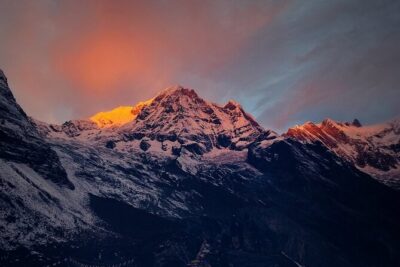
Kanchenjunga is the world’s third-highest mountain, but the real draw here is the long journey through remote eastern Nepal to reach both its southern viewpoint and northern base camp area. You move from farming villages and Kirant communities into high Himalayan country, crossing the old Sele La trade route at 4,290 meters.
I like the way this trek combines mountain scenery with Limbu and Sherpa culture, rather than treating the Himalaya as scenery alone. I also like the quiet setting: Kanchenjunga sees fewer trekkers than Nepal’s famous Everest and Annapurna routes. The main drawback is the demanding length and rough access, including a six-hour jeep ride after the flight to Bhadrapur.
Key points at a glance
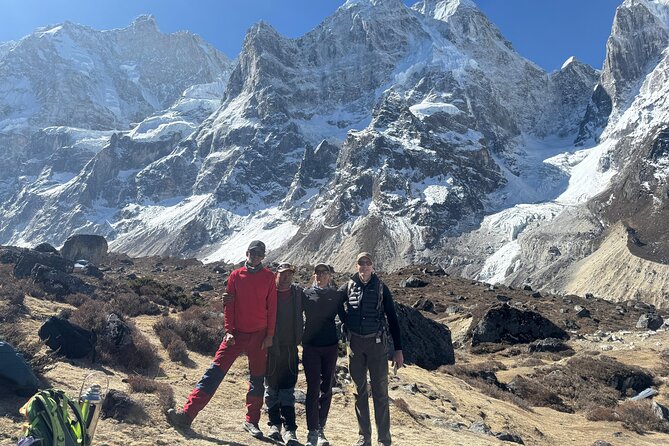
- Both sides of Kanchenjunga: Reach the south base camp area at Oktang and the north base camp area near Lhonak.
- A quieter Himalayan route: The eastern Kanchenjunga region is less visited than Nepal’s best-known trekking corridors.
- Culture changes with altitude: Start among Limbu and Kirant communities, then reach Sherpa settlements farther north.
- A serious high-altitude outing: The route reaches Sele La at 4,290 meters and Tseram at 3,870 meters.
- Private 22-day arrangement: Only your group takes part, with private transport and airport pickup offered.
- Wildlife interest: Kanchenjunga Conservation Area is known for birdlife and rare animals such as red pandas and snow leopards.
Why Kanchenjunga feels different from Nepal’s famous treks
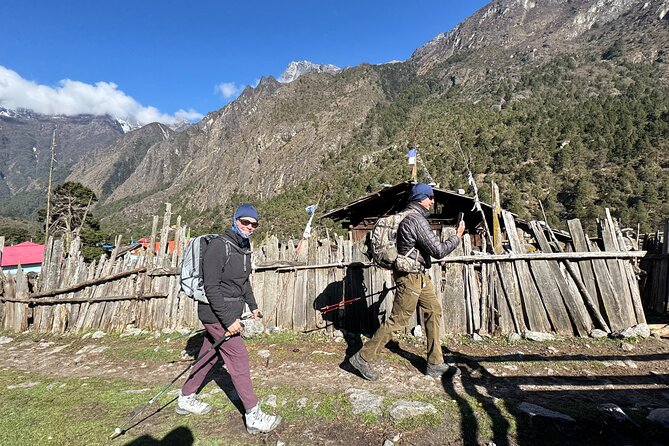
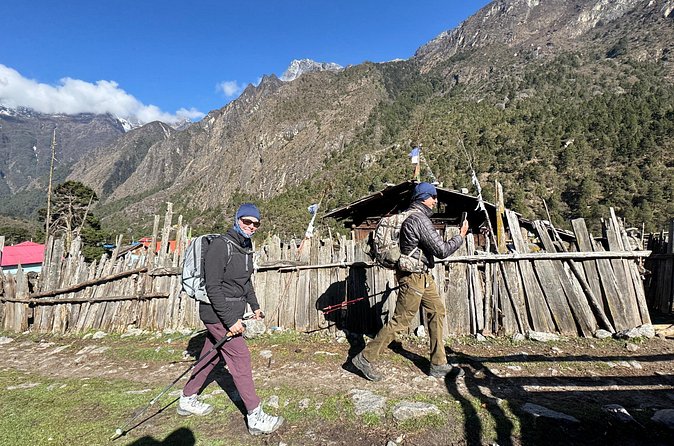
This route asks more of you than a short Himalayan sightseeing trip, but it also gives you a stronger sense of place. The trek begins in eastern Nepal, far from the standard Kathmandu, Pokhara, and Everest circuit. You pass through mid-hill farms, traditional settlements, forested trails, high passes, and stark mountain country.
The cultural shift is one of the trip’s best features. Early days connect you with Limbu and other Kirant communities. Later, the route reaches Sherpa villages and the higher valleys leading toward Kanchenjunga. This makes the trek feel like a journey through several parts of Nepal, not just a long walk toward one mountain.
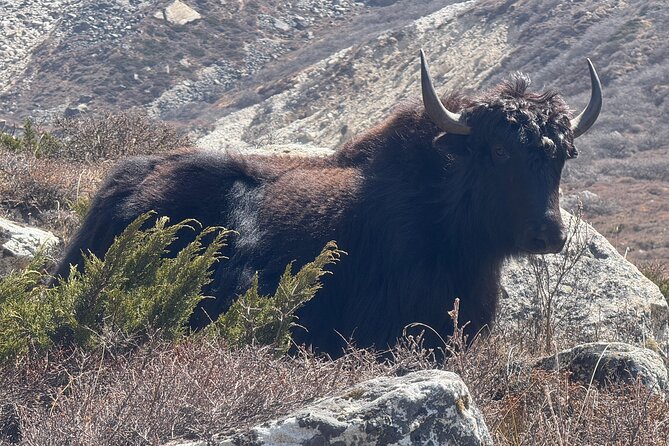
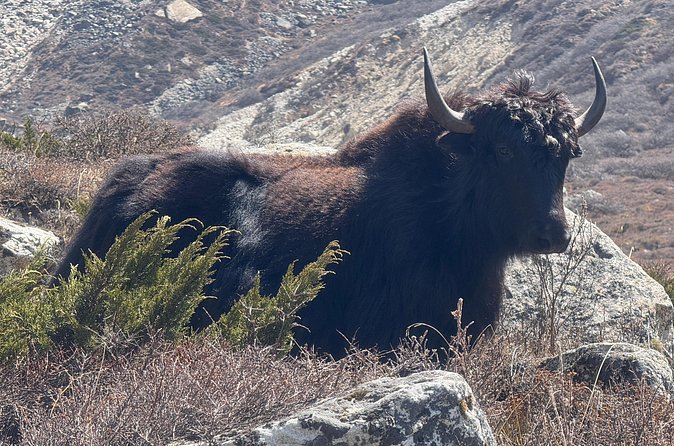
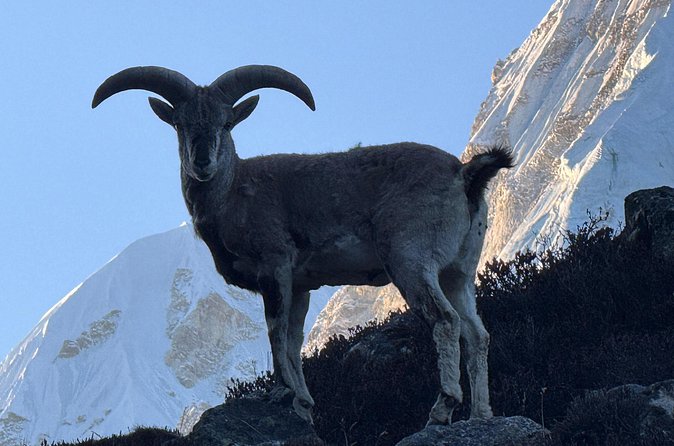
Kanchenjunga Conservation Area adds another reason to take the slower route. The area supports many bird species and rare wildlife, including the red panda and snow leopard. Seeing either animal is never guaranteed, but the protected setting gives the trek more interest than a simple mountain-view itinerary.
The tradeoff is comfort. This is a remote, rugged route, and the supplied schedule gives little detail about lodge standards, meal variety, or daily walking hours. You should choose it for access to a less-visited part of the Himalaya, not for polished facilities.
More Trekking Tours in Kathmandu
- Everest Base Camp Trek – 14 Days
★ 5.0 · 1,499 reviews - Everest Base Camp Trek
★ 5.0 · 842 reviews - Everest Base Camp Trekking
★ 5.0 · 485 reviews
Kathmandu preparation and the long start east
The first two days are based in Kathmandu. On arrival, you meet the guide and deal with last-minute trekking matters. The next day includes introductory sightseeing, permit processing, and a trek briefing.
That briefing matters here. The route reaches high altitude and includes several long days, so you want clear information about the schedule, equipment, permits, and transport before leaving the capital. The exact sightseeing stops are not specified, so treat that day as a useful orientation rather than a fixed cultural tour.
Day three is mainly a transport day. You take a roughly 45-minute flight from Kathmandu to Bhadrapur, then continue by private jeep toward Suketar and the Taplejung area. The road journey is listed at about six hours. That is a substantial ride after a flight, and road conditions can make the day feel longer.
This is one of the trip’s practical weak points, but it also explains why Kanchenjunga remains less crowded. The difficult approach keeps the region from becoming a quick weekend excursion. Bring patience, water, and something to occupy you during the jeep ride.
Days 4 to 7: farms, villages, and the move toward Sherpa country
The walking begins on day four with the route to Lali Kharkha. You pass through mid-hill villages and farmland, a gentle introduction to eastern Nepal’s rural life. The setting is more about daily work, fields, and local settlements than dramatic high peaks.
Day five continues to Kade Banjyang at 2,130 meters. Traditional communities remain a major part of the experience, and the moderate gain in altitude begins preparing you for the harder days ahead. The route is not simply a march through empty wilderness. Villages give the trek human scale.
On day six, you reach Phumphe Danda at 1,858 meters. The altitude is lower than the previous night, so the value of this day is the gradual transition and the chance to observe the eastern hills. The itinerary describes continued cultural and natural interest, though it does not give exact walking times or named sights.
Day seven reaches Sherpaguan at 2,080 meters. This is a useful cultural turning point. The route links lower-altitude Kirant villages with Sherpa communities farther north. If you pay attention to settlement styles, local customs, and the changing surroundings, this section may be as memorable as the mountain viewpoints.
The early portion is also where you build your walking rhythm. Do not dismiss these days because they are not at high altitude. They provide acclimatization and help you adjust to the repeated uphill and downhill movement that defines the trek.
Days 8 to 10: entering higher country at Torongton and Tseram
Day eight takes you to Torongton at 2,995 meters. The route is mostly uphill, and the views widen as you gain height. This is the point where the trek begins to feel distinctly alpine, although the route has already required several days of steady walking.
Day nine reaches Tseram at 3,870 meters. That is a major altitude increase from the earlier villages, and you should expect the pace to slow. The itinerary does not state the daily walking hours, so do not judge the difficulty only by the number of stops. The combination of distance, climbing, and altitude is what matters.
Day ten is set aside for rest and exploration at Tseram. This is a valuable pause before the south base camp section. Use it to recover, sort your gear, and follow the guide’s advice about activity and altitude. The schedule includes the rest day, which is important on a route that later reaches more than 4,000 meters.
The high point of this section is not a single attraction. It is the change in scale. You have moved from cultivated hills and villages into a much wilder setting, and the mountain country ahead now feels close.
Another trail to compare in Kathmandu:
- Annapurna Circuit Trek with Tilicho Lake
★ 5.0 · 368 reviews - Everest Base Camp Trekking – 13 Day
★ 5.0 · 365 reviews - Everest Base Camp Trek
★ 5.0 · 350 reviews - Everest Base Camp Trek -14 Days
★ 5.0 · 321 reviews
Days 11 and 12: the southern Kanchenjunga viewpoint
The route continues toward the south base camp area on day eleven. The exact overnight stop is not provided, but the purpose is clear: you are now approaching the southern side of Kanchenjunga.
Day twelve is the key southern objective. You trek to the Oktang viewpoint, visit the south base camp area, and return to Tseram at 3,870 meters. The out-and-back design means you can reach the viewpoint without moving all your equipment to a new overnight stop.
Oktang is valuable because it gives the trek a specific mountain goal. You are not merely walking in the general direction of Kanchenjunga. You are reaching a viewpoint connected with the south base camp area, then returning to the established lodging point.
This is also a demanding day. A return route means the total walking can feel long, especially at altitude. Keep your expectations practical: the experience depends on weather, visibility, trail conditions, and your own pace. The schedule promises access to the area, not a guaranteed clear view every minute.
Day 13: crossing Sele La at 4,290 meters
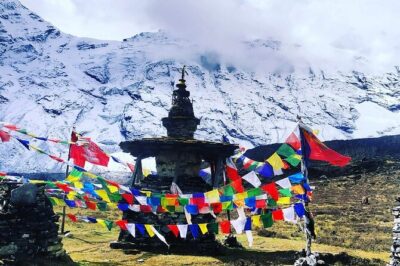
Day thirteen takes you toward Sele La, one of the old trade-route high passes, at 4,290 meters. This is one of the most significant physical tests of the trip. The pass gives you a strong sense of how people once moved between valleys in this high country.
The altitude is the main concern. You have already spent time at Tseram, but the crossing still requires care. Walk steadily, avoid racing stronger companions, and listen to the guide if the pace or route needs to change.
The pass also gives the trek historical meaning without requiring a museum or formal tour. You are following an old route through the mountains, with the physical effort helping you understand its importance. It is a day for strong views, tired legs, and a real feeling of having crossed into another part of the Kanchenjunga region.
Days 14 to 17: Ghunsa, Lhonak, and the northern base camp area
After Sele La, day fourteen brings you to Ghunsa, followed by rest. This is welcome after the high pass. Ghunsa is also an important northern settlement, giving you time to recover before approaching the mountain from the other side.
Day fifteen continues toward the northern side of Kanchenjunga. The itinerary does not specify the overnight stop, but the direction is clear: you are moving deeper into the upper valley and closer to the north base camp area.
Day sixteen reaches Lhonak, near the northern base camp. Lhonak is a major destination in its own right. The route has now moved from lower villages, through Tseram and the south side, over Sele La, and into the stark northern approach.
Day seventeen is reserved for exploring the north Kanchenjunga base camp area before returning to the lodge. Like the Oktang visit, this is an out-and-back exploration rather than a simple pass-by. It gives you time to focus on the mountain setting without needing to carry your main gear through the whole visit.
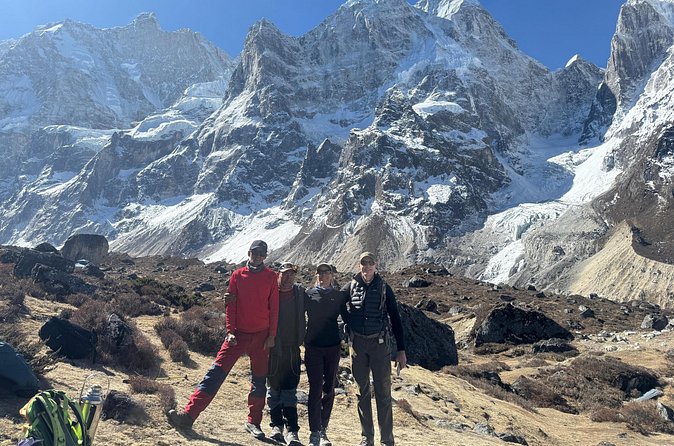
The two base camp areas give this trek its strongest reason to exist. You see Kanchenjunga from both southern and northern approaches, and the contrast between the routes makes the mountain feel larger and more complex than a single viewpoint could show.
Days 18 to 22: returning through the eastern hills
Day eighteen returns to Ghunsa, where you rest. This breaks up the long descent and gives you another chance to recover before the route drops into lower country.
Day nineteen continues down to Gyabla, with another overnight rest. Day twenty reaches Amjilosha. These stops mark the return from the high valleys to the lower trekking corridor, but the descent is not automatically easy. Downhill walking can be hard on knees and ankles, especially after two weeks on the trail.
On day twenty-one, you trek to the road head and drive to Taplejung. This is another transition from walking to road travel, and it may feel surprisingly welcome after the long route.
Day twenty-two takes you by jeep to Bhadrapur airport, followed by an afternoon flight to Kathmandu. The schedule ends back at the Kathmandu meeting point. Since road and flight timing can affect the final day, keep your onward plans flexible if possible.
What the $2,525 price means
At $2,525 per person, this is a major trip purchase, but the 22-day length changes how you assess the cost. You are paying for a private arrangement through one of Nepal’s most remote trekking regions, with private transportation and airport pickup offered. The itinerary also includes both southern and northern Kanchenjunga objectives, which makes it more substantial than a single-base-camp trek.
Dinner is included, but personal expenses are not. The available details do not state that all meals, accommodation, permits, guide or porter services, or international flights are included. Ask for a complete cost sheet before paying, especially about lodging, lunches and breakfasts, conservation fees, domestic flights, tips, insurance, and emergency arrangements.
The private format can improve the value for a group with a shared pace and clear interests. You are not assigned to a large public departure, and only your group takes part. Group discounts are also offered, so ask how the price changes with more people.
The two supplied experiences identify Three Jewels Adventures, and one account specifically names Amber in connection with organizing the private Kanchenjunga trip. Confirm who will lead your departure and what support staff will be present before booking.
Who should choose this trek?
I would recommend this route to someone who wants a long, remote Himalayan journey and cares about local culture as much as mountain photographs. It suits people with moderate physical fitness who are prepared for repeated uphill and downhill walking, high altitude, basic road access, and a schedule that lasts three weeks.
It is especially appealing if you have already seen Nepal’s busier trekking routes and want a quieter alternative. The combination of Limbu, Kirant, and Sherpa communities, conservation-area wildlife, old trade routes, and two Kanchenjunga approaches gives the trip real range.
I would not choose it for a first-ever mountain holiday if you want short walking days, easy roads, or a precise hotel-style itinerary. The supplied plan is described as customizable, but several stops do not include walking distances, times, or accommodation details. Get those details in writing.
The cancellation rule allows a full refund if you cancel at least three full days before the start time. Changes or cancellations inside that window are not accepted for a refund, so check your flights and insurance carefully.
Should you book the Kanchenjunga South to North trek?
Book it if your priority is access to a quiet, culturally varied corner of Nepal and the chance to reach both the south and north Kanchenjunga base camp areas. The route has a strong sense of progression, from farms and villages to high passes and glacial mountain country.
Think twice if you dislike long road transfers, uncertain daily details, or strenuous high-altitude walking. Before committing, ask Three Jewels Adventures for the full inclusion list, daily walking hours, lodging standards, guide details, emergency procedures, and the plan for weather delays.
For the right person, the price buys more than mountain views. It buys time in a part of Nepal where the route itself, the communities along it, and the effort required to reach Kanchenjunga are the main attractions.
FAQ
How long does the Kanchenjunga trek take?
The planned duration is approximately 22 days, beginning and ending in Kathmandu.
Where does the trek begin?
The walking portion begins in the Taplejung area after flying from Kathmandu to Bhadrapur and continuing by jeep toward Suketar.
How do I reach the trekking area from Kathmandu?
You fly from Kathmandu to Bhadrapur, a flight of about 45 minutes, then take a jeep for roughly six hours toward Suketar.
Does the route visit both Kanchenjunga base camp areas?
Yes. The itinerary includes the south base camp area at Oktang and the north Kanchenjunga base camp area near Lhonak.
What is the highest point listed on the route?
Sele La is listed at 4,290 meters. Tseram is listed at 3,870 meters.
Is there an acclimatization or rest day?
Yes. Day ten is a rest and exploration day at Tseram. The schedule also includes rest periods at Ghunsa and other stops.
Is this a private trek?
Yes. Only your group takes part in the activity.
What is included in the price?
Dinner and private transportation are listed as included. Personal expenses are not included.
Is airport pickup available?
Yes. Pickup is offered, and the meeting point is in Kathmandu at 7:15 am.
What fitness level is required?
A moderate physical fitness level is advised. The route includes high-altitude trekking, uphill sections, high passes, and a total duration of about 22 days.
Latest treks added in Kathmandu
- Private Manaslu Circuit Trek at Himalayas★ 5.0 · 3 reviews
- Ghorepani Poonhill Trek★ 5.0 · 5 reviews
- Ghorepani Poon Hill Trek★ 5.0 · 16 reviews
- Amazing 1 Day Trekking Experience in Kathmandu Nepal★ 5.0 · 24 reviews
- Upper Mustang Trekking★ 5.0 · 2 reviews
- Upper Mustang Trekking★ 3.0 · 2 reviews
- Upper Mustang Trek★ 5.0 · 5 reviews
- Upper Mustang Trekking★ 5.0 · 4 reviews
Kathmandu Trekking Tours, compared.