
REVIEW · KATHMANDU
Multiday Manaslu Circuit Trek
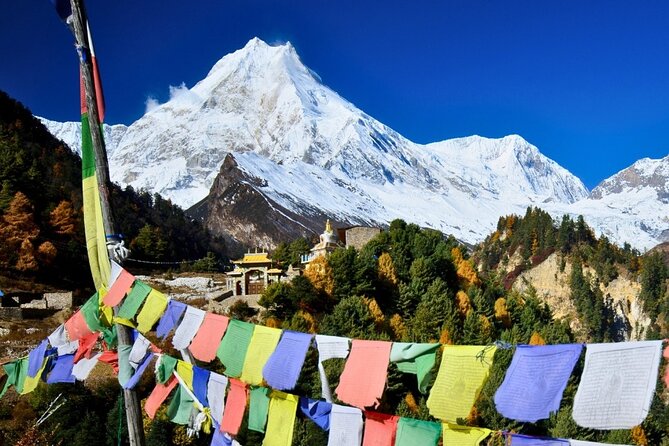
Manaslu is the quieter alternative to Nepal’s better-known trekking routes, but it is not the easy alternative. In 12 days, you move from river valleys and terraced fields to Tibetan-style villages, thin air, and the 5,106-meter Larkya La Pass. The route feels remote because it stays far from the busiest mountain trails and much of it is still reached on foot.
I like the strong cultural side of this trek, especially the Buddhist villages, monasteries, and border settlement of Samdo. I also like the practical care built into the price: permits, meals, a guide, first-aid supplies, an oxygen oximeter, a duffle bag, and ground transport are covered. The main caution is simple: this is a serious high-altitude trek, with long walking days, basic guesthouses, and a demanding pass crossing.
Key points to know before you book
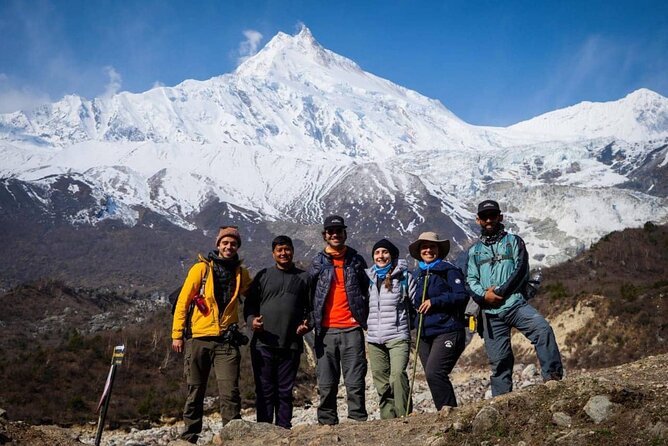
- Larkya La is the main test: The pass reaches about 5,106 meters, with steep climbing, cold conditions, rocky ground, and a long descent afterward.
- The route changes character every few days: You begin beside rivers and farms, then reach pine forests, Tibetan villages, moraines, glaciers, and high alpine terrain.
- Samagaun is more than an overnight stop: The seventh day is set aside for acclimatization, with an optional walk to Manaslu Base Camp or Birendra Lake.
- The cultural experience is a major strength: Jagat, Namrung, Lho, Samagaun, and Samdo offer contact with mountain communities and Buddhist sites.
- The $1,200 price covers a lot: Meals, permits, a registered English-speaking guide, guesthouses, local buses, and basic trekking equipment are included.
- You need to budget for extras: A porter costs $300 per person under the stated arrangement, while insurance, Kathmandu hotels, bottled water, showers, charging, laundry, and tips are separate.
Why the Manaslu Circuit feels different
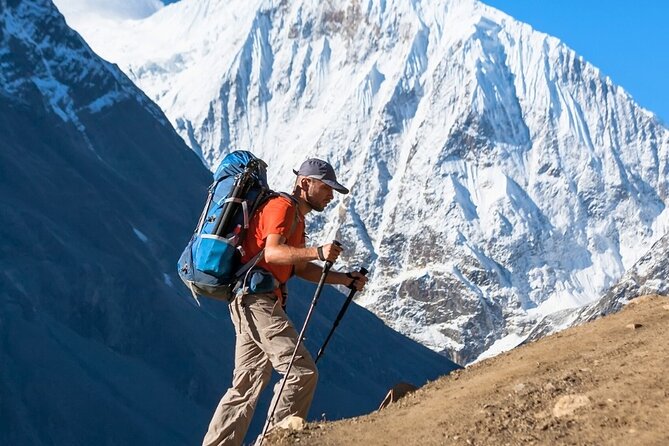
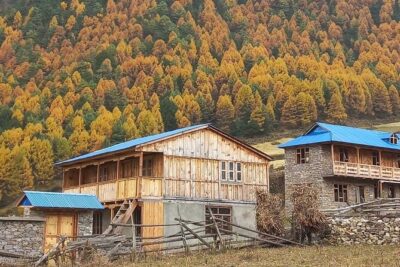
The Manaslu region gives you a gradual change in scenery rather than one long stretch of similar mountain views. The first days follow the Budhi Gandaki corridor through forests, waterfalls, suspension bridges, and cultivated hillsides. Higher up, the villages look and feel more Tibetan, and the walking becomes more exposed and demanding.
That progression is one of the best reasons to choose this route. You see how the architecture, vegetation, food, and daily life change with altitude. The price also includes restricted-area permits, which matter here because this is not a simple independent walk through an open trekking zone.
The group limit is 12 people. That is large enough to have company on long days, but small enough for a guide to keep an eye on the pace and general condition of the group. Past trips have included guide names such as Kapil, Nam, Gokul, Kopil, and Gokul’s assistant Mangal. Your assigned team should be confirmed before departure, but the operating model is clear: a local guide leads the route, handles practical problems, and helps you understand the places you pass.
The main drawback is comfort. Guesthouses are on a twin-sharing basis, and remote mountain accommodation can be plain. Personal costs include hot water, showers, bottled water, phone calls, laundry, and battery charging. If you need special meals, ask before booking, since the trip is not recommended for people with certain dietary needs.
More Manaslu Treks in Kathmandu
- Manaslu Circuit Trek
★ 5.0 · 292 reviews - Manaslu Circuit Trek:
★ 5.0 · 106 reviews - Manaslu Circuit Trek (15 Days)
★ 5.0 · 50 reviews
Days 1 and 2: From Kathmandu to Machha Khola and Jagat
The first day begins with local ground transport from Kathmandu toward Machha Khola, at roughly 2,965 feet. The ride takes you through rural Nepal, with views of villages and hills along the way. It is scenic, but local bus travel can be tiring, and the first day is not a gentle hotel-to-trail transition.
From Machha Khola, the route reaches Jagat on day two. The walk is listed at about 19 kilometers, with roughly 4,400 feet of climbing and around five hours on foot. You cross suspension bridges, pass waterfalls, and begin to feel the river valley narrow around you.
Jagat is an important early stop because it marks the point where the walk begins to feel like a proper mountain journey. You will see local homes and village life rather than polished trekking facilities. The early pace may feel demanding, especially after the bus ride, so use this section to settle into your walking rhythm.
Days 3 and 4: Forests, farms, and Namrung
Day three leads from Jagat toward Deng, through thick forest and terraced fields. The seven-hour walking period brings a mix of shade, river scenery, and widening mountain views. It is a good day for noticing the route’s gradual change, but the repeated climbs and descents can make it feel longer than the clock suggests.
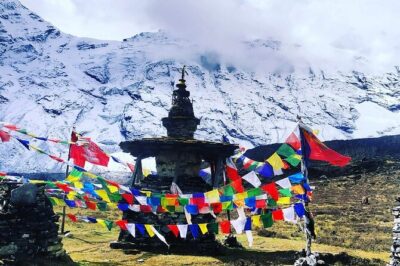
From Deng, day four continues to Namrung in about six hours. You gain altitude, pass more traditional villages, and have chances to visit old monasteries. The vegetation begins to thin as you climb, and mountain views become more frequent.
Namrung is one of the points where the cultural character of the Manaslu Circuit becomes more pronounced. The guide’s local knowledge matters here, since a short explanation can turn a monastery visit or village walk into something more meaningful than a quick photo stop. You are not just ticking off distances. You are moving through communities shaped by both Nepalese and Tibetan traditions.
Days 5 and 6: Shyala, Lho, and Samagaun
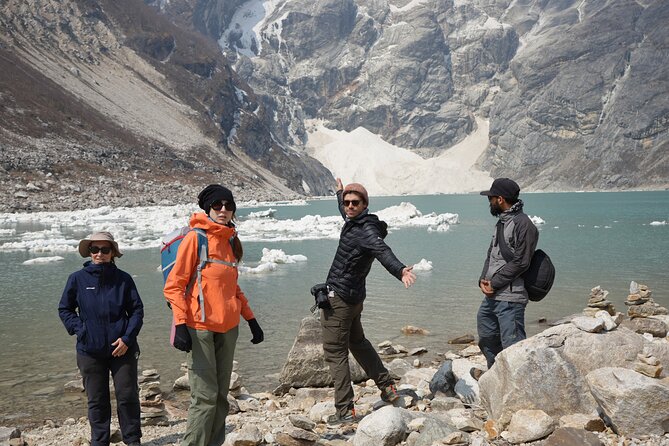
Day five takes you from Namrung to Shyala in about six hours. The route passes through Lho, where the reward is a broad view toward Mount Manaslu and the surrounding peaks. Shyala is a memorable overnight area because the scenery opens up and the mountains begin to dominate the day.
The route description connects this day with Lho and Shyala, so confirm the exact overnight arrangement with the company before departure. Mountain plans can shift because of pace, weather, or accommodation space. That flexibility is useful, but you should know that the printed schedule may not always describe every small stop with precision.
Day six reaches Samagaun, with an uphill walk to Pungyen Gompa before returning to the village. The full day takes about seven hours and also allows time to explore Samagaun and Ribung Monastery. This is one of the richest cultural sections of the trip, with Buddhist sites and high mountain surroundings close at hand.
Samagaun is also the key acclimatization base. Its altitude gives you time to adjust before the pass section, and the extra day is not wasted. At this height, a slower pace and a proper rest plan can make the difference between enjoying the high route and struggling through it.
More Trekking Tours in Kathmandu
- Everest Base Camp Trek – 14 Days
★ 5.0 · 1,499 reviews - Everest Base Camp Trek
★ 5.0 · 842 reviews - Everest Base Camp Trekking
★ 5.0 · 485 reviews - Annapurna Circuit Trek with Tilicho Lake
★ 5.0 · 368 reviews
Day 7: Acclimatization around Samagaun
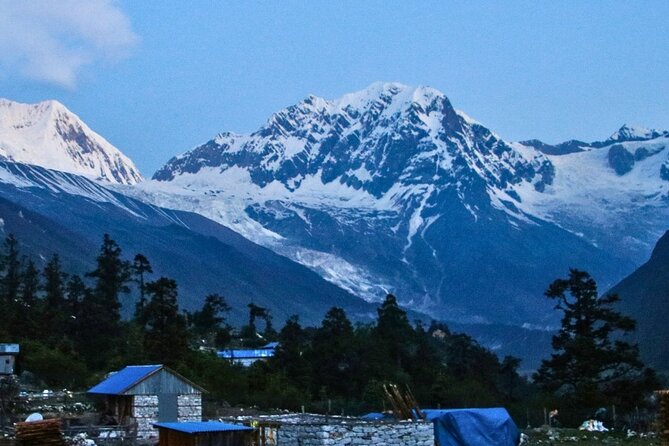
The seventh day is deliberately shorter, listed at about three hours of walking. You can use it as a rest day or choose an optional outing to Manaslu Base Camp, at about 15,748 feet, or Birendra Lake, at about 12,109 feet.
This is one of the most valuable parts of the schedule. A high-altitude trek should not be judged only by how quickly it reaches the pass. Time at Samagaun gives your body a chance to adjust and lets you see more of the region without carrying your full daily distance.
The choice between the two outings depends on your fitness, energy, and conditions. The Base Camp option is higher and more demanding. Birendra Lake is the lower stated option. Ask your guide which walk fits the group’s condition on the day, and do not treat an acclimatization day as an excuse to push through symptoms.
Days 8 and 9: Samdo and Dharmasala
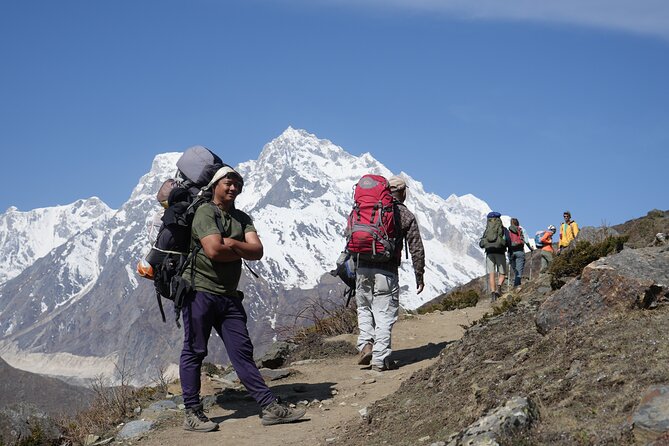
From Samagaun, day eight climbs to Samdo in about seven hours. The route passes over rocky ground and moraines, with the terrain becoming more severe and less forgiving. Samdo sits near the Tibetan border, which gives the village a strong sense of place even before you consider the mountain views.
At this stage, the combination of altitude and rough footing matters more than the mileage. Keep your water accessible, protect yourself from the sun, and let the guide set a sensible pace. The goal is to arrive in good enough shape for the pass, not to win the day.
Day nine follows the Budhi Gandaki River from Samdo to Dharmasala, also called Larkya Phedi. The walk takes about seven hours and includes a suspension bridge. Dharmasala is the staging point for Larkya La, so expect a basic overnight stop focused on rest rather than comfort.
This is the night to organize clothing, snacks, water, and headwear for the pass. The included meals cover breakfast, lunch, and dinner, but bottled water and hot water cost extra. Those small expenses add up in the mountains, so carry enough Nepalese currency for personal purchases.
Day 10: Crossing Larkya La Pass
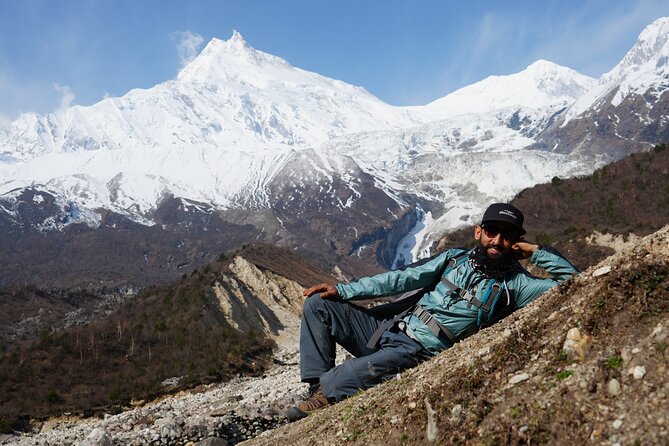
The pass day is the trip’s central challenge. The schedule lists the crossing itself at about 30 minutes, but that figure clearly does not represent the full day of walking. The complete approach and descent are much longer, with the day generally treated as the hardest section of the route.
The published elevation figures vary slightly, with the overview giving 5,106 meters and the day description listing 16,929 feet. Either way, this is a very high pass. Expect steep walking, rocky or icy sections depending on conditions, cold air, and wide views of peaks and glaciers when the weather allows.
You should judge this day by your own condition, not by the group’s fastest walker. The guide is there to manage the pace and respond to altitude concerns. The provided emergency helicopter arrangement is useful, but the rescue cost is not paid by the operator. It is expected to be covered by your travel insurance, so insurance with high-altitude trekking and helicopter rescue coverage is essential.
Days 11 and 12: Down to Dharapani and back to Kathmandu
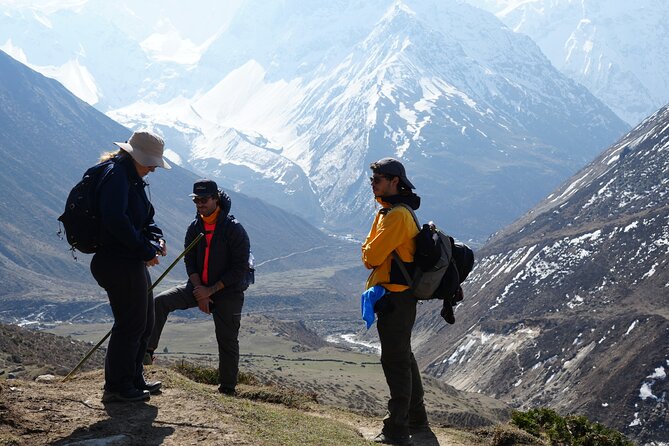
After the pass, day 11 descends from Bhimthang to Dharapani in about seven hours. The scenery shifts again, with pine and rhododendron forests, villages, and terraced fields replacing the high moraines. This descent can be hard on knees and feet, even though you are losing altitude.
Dharapani is a welcome sign that the most exposed section is behind you. You still have a full walking day, but the return to forests and settled villages gives the route a different energy.
Day 12 uses local bus transport to return to Kathmandu, with the journey taking about seven hours. It is not a quick airport transfer. You will spend much of the day on the road, then return to the meeting point and attend a farewell dinner.
The two-way local transport is included in the price, which is helpful for keeping the total cost under control. It also means you should expect a practical, local way of moving around rather than private vehicle comfort.
What the $1,200 price really includes
At $1,200 per person, the package offers solid value for a restricted-area trek, provided you understand what is and is not covered. You receive:
- Local bus transportation both ways
- Twin-sharing guesthouse accommodation
- Trekking permits and restricted-area fees
- A government-registered English-speaking local guide
- Breakfast, lunch, and dinner for the listed 12 days
- First-aid supplies and an oxygen oximeter
- A duffle bag, sun cap, and trek map
- Seasonal fruit during the trek
- Government taxes and office service charges
- Emergency helicopter arrangements, with rescue costs handled through your insurance
The separate porter fee is $300 per person under the stated two-person, one-porter arrangement, with a maximum load of 25 kilograms. You can also expect to pay for a Kathmandu hotel, food in Kathmandu, insurance, tips, laundry, showers, charging, hot water, bottled water, phone use, and any costs caused by delays, strikes, or an early return.
That makes the trip less all-inclusive than the headline price may first suggest. Still, permits, meals, a guide, accommodation, and transport make the core package fairly strong. Ask for a current cost sheet before paying, especially if you plan to add a porter.
Who should choose this trek
This trip fits you if you want a demanding Himalayan route with strong village and monastery contact, and if you prefer a smaller group to a large commercial departure. It is also a good match for people who value local guiding and are willing to accept basic accommodation and long transport days.
You should have moderate physical fitness, but that phrase should not be read as easy. The schedule includes long walking days, large altitude gains, a high pass, and a rough descent. If your fitness is uncertain, discuss the pace and possible rest options with Places Nepal Trek & Tours before booking.
Families have completed the route with guide support, but that does not make it a casual family holiday. Every person in the group needs to be ready for cold, fatigue, simple rooms, and limited personal comforts.
Places Nepal Trek & Tours has earned a 5 out of 5 rating from 17 published assessments, with 100 percent recommending the experience. The most consistent praise centers on careful support, guide professionalism, friendly porter teams, good food, and help with the practical details. Names repeatedly associated with strong guiding include Nam, Kapil, Gokul, Kopil, Mangal, Ganesh, Temke, and Sujan. Confirm your own guide and porter team before departure rather than assuming a particular person will lead your group.
Should you book the Manaslu Circuit Trek?
Book it if you want a remote, demanding circuit with Buddhist villages, changing scenery, and a major high-pass crossing, and if the included permits, meals, guide, and guesthouses fit your budget.
Think twice if you need private rooms, reliable hot showers, special dietary planning, or a short and gentle holiday. The cancellation terms are strict inside three full days of departure, and the activity ends back at the Kathmandu meeting point. For a well-prepared trekker who accepts basic conditions, this is a strong way to see one of Nepal’s less crowded mountain regions with local support.
FAQ
How long is the Manaslu Circuit Trek?
The experience is scheduled for approximately 12 days, beginning and ending in Kathmandu.
What is the highest point of the trek?
The highest point is Larkya La Pass. The provided information gives its elevation as about 5,106 meters, or 16,929 feet in the day description.
Is transportation from Kathmandu included?
Yes. Local ground transportation by bus is included in both directions. The return journey to Kathmandu on day 12 is listed at about seven hours.
Are meals included?
Yes. Breakfast, lunch, and dinner are included for the 12-day schedule. Food in Kathmandu is not included.
Is accommodation included?
Yes. Twin-sharing accommodation in guesthouses during the trek is included. A hotel in Kathmandu is not included.
Is a guide provided?
Yes. The package includes a government-registered, English-speaking local guide.
Is a porter included in the $1,200 price?
No. Porter service is listed separately at $300 per person, under an arrangement of one porter for two people and a maximum load of 25 kilograms.
Do I need travel insurance?
Yes. Individual travel and rescue insurance is not included. Emergency helicopter arrangements are provided, but the helicopter cost is expected to be paid by your travel insurance company.
Can I cancel for a full refund?
You can receive a full refund if you cancel at least three full days before the experience start time. Cancellations or changes made less than three full days before departure are not accepted for a refund.
Latest treks added in Kathmandu
- Ghorepani Poonhill Trek★ 5.0 · 5 reviews
- Ghorepani Poon Hill Trek★ 5.0 · 16 reviews
- Private Manaslu Circuit Trek at Himalayas★ 5.0 · 3 reviews
- Upper Mustang Trekking★ 3.0 · 2 reviews
- Amazing 1 Day Trekking Experience in Kathmandu Nepal★ 5.0 · 24 reviews
- Upper Mustang Trekking★ 5.0 · 2 reviews
- Upper Mustang Trek★ 5.0 · 5 reviews
- Upper Mustang Trekking★ 5.0 · 4 reviews
Manaslu Circuit Treks, compared.
16 Day Private Manaslu Circuit Trek from Kathmandu
Read our review →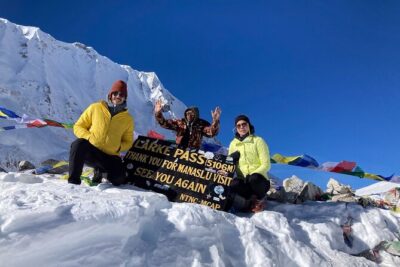
10 Days Manaslu Circuit Trek in Larke La Pass
Read our review →Browse the lists this tour appears in