
REVIEW · KATHMANDU
Manaslu Circuit Larkya Pass Trekking 13 days From Kathmandu
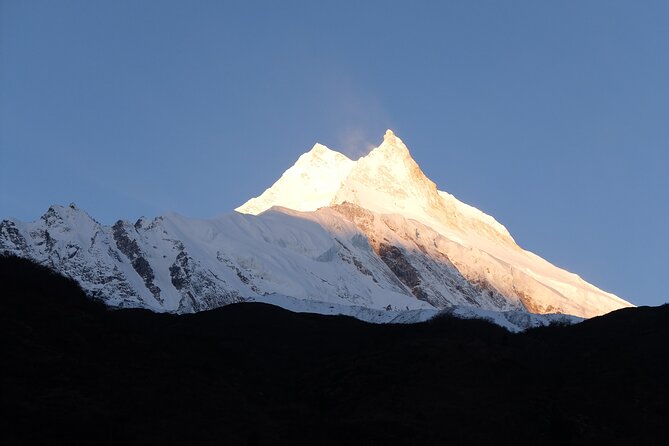
Mt. Manaslu rises to 8,163 meters, and this 13-day route circles its huge mountain world before crossing Larkya La Pass. The Manaslu region is restricted for foreign visitors, so the trail feels quieter and more remote than the Annapurna Circuit. That limited access is the main draw.
I like the mix of Tibetan-influenced villages and changing mountain scenery, from lower valleys to glaciers and high pass country. I also like the careful acclimatization plan, with a rest day at Samagaun and a shorter day near Samdo. The main drawback is the long road ride at the start and the demanding pass day, plus some uncertainty about what transport costs are covered.
Key points
- A quieter Himalayan circuit: Manaslu sees fewer walkers than the nearby Annapurna Circuit because foreign visitors need a restricted-area permit.
- A serious high-pass crossing: Larkya La is the trip’s toughest day, with an early start and a descent to Bimthang afterward.
- Useful acclimatization: The plan gives you a full rest day at Samagaun before going higher.
- Strong cultural variety: Old villages, monasteries, local settlements, and changing vegetation add more than mountain views.
- A small operating group: The maximum group size is 15 people, with a guide and support staff.
- Good first-time planning support: Amber has handled trip arrangements, while guides including Nursang Sherpa and Pemba have led Manaslu departures.
Why the Manaslu Circuit feels different
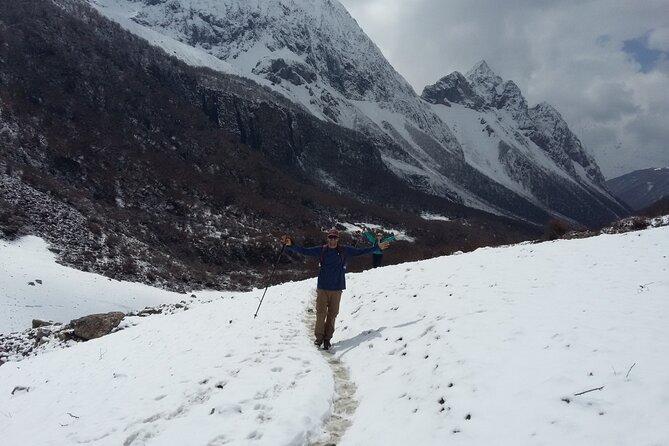
The Manaslu Circuit is not simply a shorter version of another Nepal trek. You begin in a lower valley reached by rough road, then follow the route upward through villages, forests, high pastures, glacier country, and exposed mountain terrain. The scenery changes because the altitude changes, not because the route rushes from one viewpoint to the next.
The restricted status matters. You need the proper permit and must trek with organized guide support, but that extra control helps keep the route quieter. If your idea of a Himalayan walk includes long stretches where the mountains and villages get your full attention, this is a strong choice.
You should also know what this trip is not. It is not a gentle lodge holiday with easy roads and short walks. Several days are listed at around eight hours, the road to the trailhead takes seven to eight hours, and the Larkya La crossing is a hard mountain day. You need a moderate level of fitness and a willingness to accept basic conditions.
More Manaslu Treks in Kathmandu
- Manaslu Circuit Trek
★ 5.0 · 292 reviews - Manaslu Circuit Trek:
★ 5.0 · 106 reviews - Manaslu Circuit Trek (15 Days)
★ 5.0 · 50 reviews
Day 1: Kathmandu permits and preparation
The first day is used to meet at the airport or another agreed meeting point and collect the documents needed for the Manaslu Restricted Area Permit. The listed start time is 12:15 am, so confirm this carefully before booking your flight or arranging a hotel night.
This day is less about sightseeing and more about getting the trek organized. It is a useful buffer for checking documents, meeting your guide team, and making sure the permit process is in order. Confirmation is provided when you book, and pickup is offered.
The group can include up to 15 people. That is still a manageable number, but it is not the same as walking with one private guide. If you want a smaller group, ask before paying.
Day 2: The rough road to Khorla Besi
The first major test is not on foot. You take a jeep toward Khorla Besi, the starting point for the trek, on a road that is largely unpaved. The ride takes seven to eight hours.
This transfer is practical rather than scenic comfort. A jeep lets the group reach the walking route without adding several days of road trekking, but the journey can be tiring. Keep water, snacks, and anything you need during the ride close at hand.
There is one important money question here. The program refers to jeep transport, yet private transportation is listed as not included. Ask exactly which vehicle costs are included in the $1,560 price and which may be shared or charged separately. This is the sort of detail worth settling before departure.
Days 3 and 4: Entering the restricted Manaslu region
On Day 3, you officially enter the restricted Manaslu area and continue on foot with the guide and support staff. The walking day is listed at about eight hours, so this is a proper trekking day rather than a short introduction.
By Day 4, the route begins to show its full range of vegetation and settlement patterns. As you gain height, the plant life changes and villages become more distinct in character. This gradual climb is one of the route’s strengths because your body has time to adjust instead of being pushed straight into thin air.
The walking times are estimates, not promises. Road conditions, group pace, weather, and stops can affect the day. Keep your schedule flexible and avoid planning a tight connection immediately after the trek.
More Trekking Tours in Kathmandu
- Everest Base Camp Trek – 14 Days
★ 5.0 · 1,499 reviews - Everest Base Camp Trek
★ 5.0 · 842 reviews - Everest Base Camp Trekking
★ 5.0 · 485 reviews - Annapurna Circuit Trek with Tilicho Lake
★ 5.0 · 368 reviews
Day 5: Old villages on the way to Namrung
The route continues through the restricted area toward Namrung, passing old villages along the way. These settlements give the trek its human scale. You are not only walking toward a famous pass; you are moving through places where homes, monasteries, and daily life are part of the route.
Namrung is also a useful point in the upward progression. The day is again listed at about eight hours, so you should expect a full day on your feet. The best approach is a steady pace, regular drinks, and enough time to notice the village details rather than treating every day as a race.
The program does not list a separate hot shower or beverage allowance. Budget for personal drinks and simple comforts as you go.
Day 6: The big Manaslu views
Day 6 is marked by views of Mt. Manaslu, the eighth-highest mountain in the world. The description gives fewer details for this day than for the others, so do not assume it is a short rest day unless your guide confirms the schedule.
This is the point where the mountain usually becomes more than a distant shape. The route’s appeal rests heavily on the changing views of Manaslu, and the broad mountain setting gives the trek its sense of scale.
Weather can control what you see. Clear mornings may offer the best chance for mountain views, while cloud can hide the peaks. The route remains worthwhile for its villages and high valleys, but you should treat the views as a gift rather than a guarantee.
Day 7: Glacier country and Samagaun
The route to Samagaun takes about six hours and follows a less crowded alternative through glacier country. The stated aim is to give you some of the strongest views of Manaslu on the trip while avoiding a busier line.
Samagaun is one of the route’s major stops. It is a high settlement with access to mountain scenery, village life, and a monastery visit. The shorter walking time also helps prepare you for the still higher route ahead.
Past departures have included guides such as Nursang Sherpa and Pemba, both praised for calm, professional handling of remote trekking. Guide assignments can change, so confirm who will lead your departure. The quality of the guide matters here, particularly when route choices and altitude begin to matter more.
Day 8: A useful rest day at Samagaun
The Samagaun acclimatization day is one of the smartest parts of the plan. You can rest, visit a monastery, or walk around the village without committing to another long transfer.
A rest day does not mean you must stay in bed. A gentle outing can help you adjust, but follow the guide’s advice and do not turn it into a hard side trek. The purpose is to be stronger and safer before the higher stages.
The route can also be extended on some departures with side trips such as Pungyen Gompa or Manaslu Base Camp. These are not part of the stated 13-day schedule, so treat them as possible additions only after confirming time, cost, and fitness demands.
Day 9: Samdo and Virendra Lake
The walk to Samdo is described as a half-day trek followed by half a day of rest. That format gives you time to reach a higher settlement without burning all your energy before the pass.
A stop at Virendra Lake adds variety to the day. The lake visit breaks up the steady climb and gives you another chance to see the high country at a slower pace. The short walking schedule also gives your guide a better chance to monitor how you are handling the altitude.
At this point, personal comfort becomes more limited. Hot showers are not included, and drinks are your responsibility. Pack patiently, keep your expectations practical, and remember that the remote setting is part of the reason this route feels special.
Day 10: Getting ready for Larkya La
Day 10 is planned as another half-day trek with time to rest, near Larkya La Pass. The program notes the possibility of seeing marmots and blue sheep, though wildlife sightings are never certain.
This shorter day is valuable because the next morning begins early and includes the hardest walking of the trip. Use the spare time to organize clothing, water, snacks, and anything you need close by. Ask your guide about the expected conditions and pace before turning in.
The pass crossing is not a casual scenic walk. Altitude, cold, wind, and uneven ground can all make the day feel longer than the distance suggests.
Day 11: Crossing Larkya La to Bimthang
The main challenge comes early. You cross beautiful Larkya La and then descend to Bimthang, with the full day taking about nine hours.
This is the day for steady effort, not speed. The pass is the dramatic high point of the route, but the descent is also demanding, especially after several hours of climbing. Trekking poles, layered clothing, and careful footwork can make a real difference, though the supplied program does not list equipment rental or specific gear.
The reward is a genuine sense of completion. You have moved from the Manaslu side of the circuit over a major Himalayan pass and into Bimthang. Expect fatigue, but also expect this to be the story you talk about most afterward.
Day 12: Joining the Annapurna Circuit at Dharapani
The route continues to Dharapani, where it meets the Annapurna Circuit. This transition is interesting because you can feel the difference between a quieter restricted route and one of Nepal’s best-known trekking corridors.
The walk is listed at about eight hours. Dharapani marks a change in the character of the journey, but it also confirms that the Manaslu Circuit is a complete crossing rather than a return along the same trail.
You may appreciate reaching a more established section after the remoter upper route. At the same time, the meeting point can feel less secluded than the days around Samagaun and Samdo. That contrast is part of the route’s story.
Day 13: Jeep back through Besisahar to Kathmandu
The final day is a long jeep journey back toward Kathmandu via Besisahar, with a lunch stop before reaching your hotel. The listed duration is about nine hours.
This is another day when road conditions matter. You should not schedule a flight immediately afterward unless you have a generous buffer. The ride closes the circuit efficiently, but it is not a restful final morning.
The program lists breakfast, lunch, and dinner for 11 days, plus lunch on 12 days. It also excludes beverage drinks, hot showers, emergency expenses, tips, personal spending, travel insurance, and private transport. Read those inclusions closely. At $1,560 per person, the price can be good value for a guided restricted-area trek with meals and organized support, but your actual total will be higher once personal costs and transport questions are settled.
Who this trek suits best
I would choose this trip if you want a quieter route with serious mountain scenery, village culture, and one major pass crossing. It suits people who can manage repeated eight-hour walking days and who are comfortable with basic amenities.
It is especially appealing if you value good guide communication and calm support. Amber has been praised for helping match the route to a person’s experience, while guides including Nursang Sherpa and Pemba have been associated with professional, friendly departures.
I would hesitate if you want a soft adventure, reliable hot showers, short transfers, or a tightly predictable schedule. The unpaved road rides and high pass require patience. Travel insurance is not included, and emergency expenses are yours to cover.
Cancellation is allowed for a full refund up to three full days before the local start time. Changes or cancellations inside that window are not accepted for a refund, so keep that deadline in mind.
Should you book the Manaslu Circuit?
Book it if the quieter setting, restricted-area access, glacier views, old villages, and Larkya La crossing matter more to you than comfort. The strongest features are the route design, the Samagaun acclimatization day, and the chance to experience both Manaslu and a small section of the Annapurna route in one trip.
Before booking, ask three clear questions: who will guide your departure, exactly how jeep transport is charged, and what personal costs you should expect beyond the listed meals. If those answers suit your budget and you are ready for long walking days, this is a rewarding choice for a fit trekker who wants Nepal beyond its busiest circuits.
FAQ
How long is the Manaslu Circuit Larkya Pass trek?
The trek lasts approximately 13 days, beginning in Kathmandu and ending with a jeep journey back toward Kathmandu via Besisahar.
What is the highest point of the trek?
The route crosses Larkya La Pass. The supplied information does not give the pass elevation, so confirm the current figure and expected conditions with the operator before departure.
Is transportation included?
The route uses a jeep to reach Khorla Besi and another jeep for the return through Besisahar. Private transportation is listed as not included, so ask the operator to clarify the exact transport costs before booking.
Are meals included?
Breakfast is included for 11 days, lunch for 12 days, and dinner for 11 days. Beverage drinks are not included.
Is there an acclimatization day?
Yes. Day 8 is a rest day at Samagaun, with an optional monastery or village visit. Day 9 also includes a half-day trek and half-day rest.
How large can the group be?
The maximum group size is 15 people.
What is the cancellation policy?
You can receive a full refund if you cancel at least three full days before the experience start time. Cancellations or changes made less than three full days before the start are not accepted for a refund.
Latest treks added in Kathmandu
- Private Manaslu Circuit Trek at Himalayas★ 5.0 · 3 reviews
- Ghorepani Poonhill Trek★ 5.0 · 5 reviews
- Ghorepani Poon Hill Trek★ 5.0 · 16 reviews
- Upper Mustang Trekking★ 3.0 · 2 reviews
- Amazing 1 Day Trekking Experience in Kathmandu Nepal★ 5.0 · 24 reviews
- Upper Mustang Trekking★ 5.0 · 2 reviews
- Upper Mustang Trek★ 5.0 · 5 reviews
- Upper Mustang Trekking★ 5.0 · 4 reviews
Manaslu Circuit Treks, compared.
16 Day Private Manaslu Circuit Trek from Kathmandu
Read our review →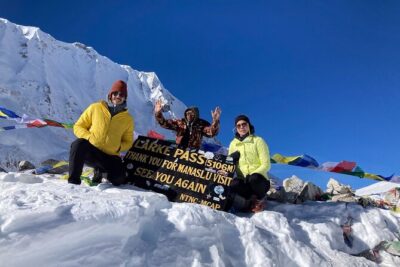
10 Days Manaslu Circuit Trek in Larke La Pass
Read our review →Browse the lists this tour appears in