
REVIEW · KATHMANDU
Manaslu Circuit Trek
The Manaslu Circuit Trek takes you from low mountain country through subtropical forest, old villages, and high Himalayan scenery before the demanding crossing of Larkya La Pass at 5,135 meters. It is a quieter alternative to Nepal’s best-known routes, but quiet does not mean easy.
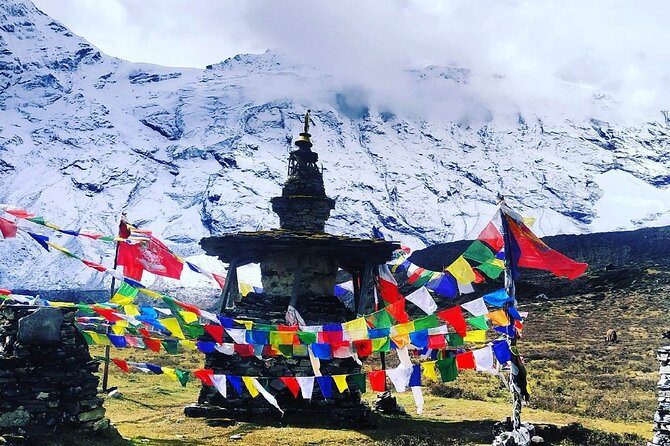
I like the changing scenery, which moves from warm forest and river valleys to stark snow country. I also like the cultural side, especially the Tibetan influence in remote villages where the trek still feels tied to local life rather than built only for tourism.
The main caution is altitude. You may walk five or six hours a day, and some sections can stretch toward eight hours. Snow at the pass can change the difficulty quickly, so this trek rewards steady preparation and sensible decisions.
Key points to know before booking
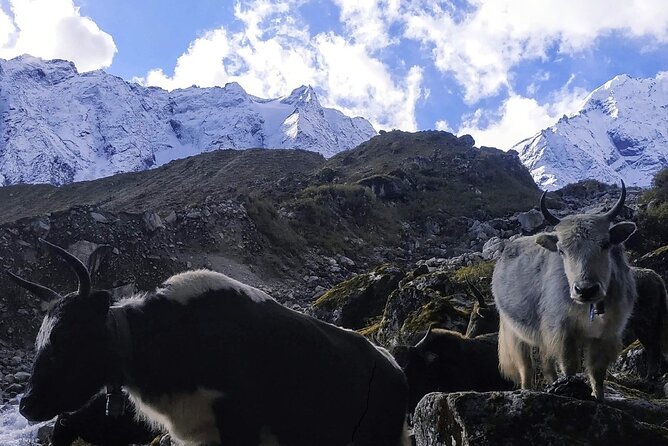
- Larkya La is the big test: The 5,135-meter pass is the trek’s high point and may be difficult or impassable after heavy snowfall.
- The scenery changes every few days: Expect low-altitude forest, river valleys, traditional villages, and broad views of Manaslu, Ganesh Himal, and other snow peaks.
- The route is quieter than Everest and Annapurna: You get a more remote setting, though the tradeoff is simpler lodging and fewer comforts.
- The price covers the essentials: At $1,955 per person, the package includes meals, permits, guides, porters, teahouse lodging, Kathmandu hotel nights, and airport pickup.
- You need moderate fitness: Plan to carry a light day pack and walk for roughly five to six hours on most trekking days.
- The cultural setting matters: Manaslu offers Tibetan-influenced villages and a closer look at Himalayan life across the Manaslu and Annapurna conservation areas.
Why the Manaslu Circuit feels different
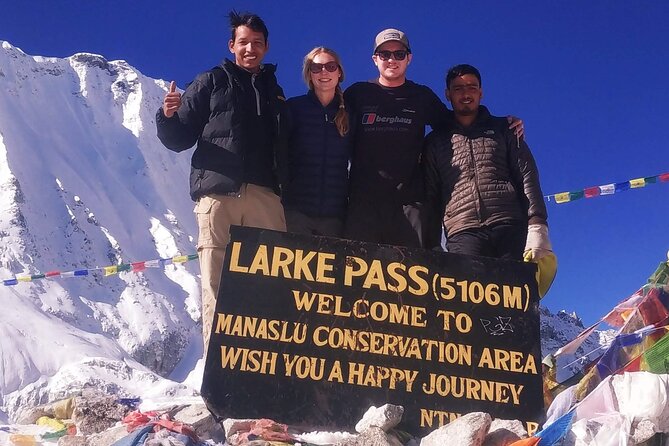
I like this trek because it gives you a full change of scenery without asking you to commit to a technical mountain climb. You start at a relatively low altitude, where the route passes through forest and settled valleys, then gain height gradually toward the high Himalaya.
That gradual change is the heart of the trip. You are not staring at one mountain view for 19 days. The route develops from green hills and subtropical vegetation to pine country, dry high valleys, snowy ridges, and the open terrain around Larkya La.
The main prize is Mt. Manaslu, at 8,156 meters and the world’s eighth-highest peak. Ganesh Himal, at 7,406 meters, is another major presence, along with many other snow-covered summits.
Compared with Everest Base Camp and Annapurna Base Camp, the Manaslu route is less heavily visited. That can make the walking feel calmer and more personal. It also means the route can feel more remote, with basic teahouses and fewer choices when weather or trail conditions change.
More Manaslu Treks in Kathmandu
- Manaslu Circuit Trek
★ 5.0 · 292 reviews - Manaslu Circuit Trek:
★ 5.0 · 106 reviews - Manaslu Circuit Trek (15 Days)
★ 5.0 · 50 reviews
What the 19-day schedule means
The advertised duration is approximately 19 days, including time in Kathmandu before and after the trek. The package includes four nights in the city, so you are not spending all 19 days on foot.
The first city stay gives you time to arrive, meet the trekking team, handle practical preparations, and recover from your flight. The final Kathmandu nights provide a useful buffer after the mountains, especially if road conditions or high-pass weather affect the return schedule.
On the trail, the exact daily pattern can vary. The route begins at low altitude and rises steadily, with overnight stops in teahouse villages. You should expect long walking days, a light private backpack, and a slower pace as the air thins.
There are also side trips and nearby destinations that can be reached within a few hours from parts of the route. These options are useful because they can add interest without forcing you to pack up and move every day. Ask the operator before departure which side walks fit your pace and the current conditions.
From warm forest to high Himalayan country
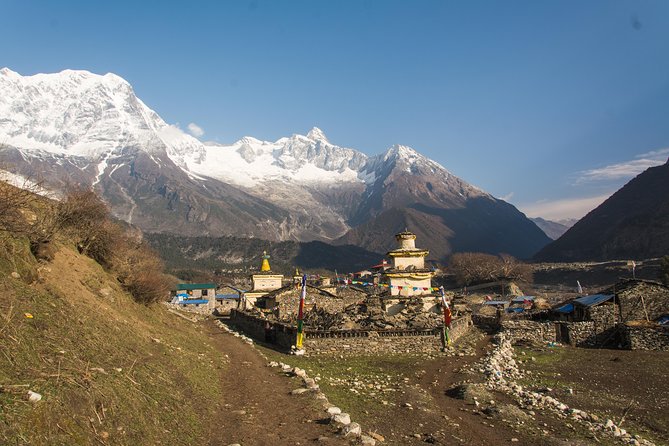
The opening section is one of the trek’s best features. The trail begins in lower mountain country, where subtropical forest and river valleys create a very different setting from the snowy peaks ahead.
This first phase is not just a warm-up. It shows how people live at different elevations and how the terrain changes as the route climbs. Expect paths through forest, traditional villages, and mountain scenery that becomes more pronounced with each day.
The lower sections can also be physically deceptive. The air is warmer and the altitude is less threatening, but the trail may still involve repeated climbs and descents. I would not treat the first days as an excuse to walk too fast. Save energy for the higher country.
As you gain altitude, the vegetation becomes less dense and the villages take on a more distinctly Himalayan character. The cultural shift is as interesting as the mountain views. Tibetan customs and architecture become more visible, and the route gives you a closer look at communities that have developed in a remote setting.
Traditional villages and Tibetan culture
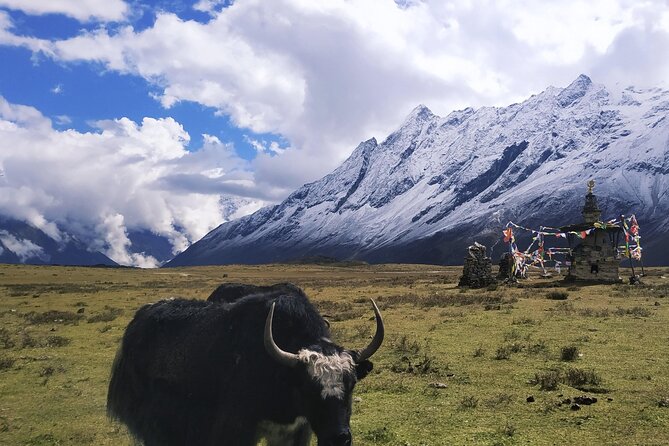
The Manaslu region is valuable for more than its peaks. The trek passes through villages where Tibetan culture has influenced daily life, food, and local identity.
You should approach these communities with patience. This is a walking trip, not a series of quick photo stops. Take time to notice the different building styles, prayer traditions, and the way settlements fit into the narrow valleys and high country.
Meals add to that cultural side. During the trek, breakfast, lunch, and dinner are included, with choices described as Nepali, continental, Tibetan, Indian, and Italian. Dinner and breakfast are generally taken at the teahouse where you sleep, while lunch is served along the route to the next stop.
The food selection may vary from place to place, and you should not expect city restaurant standards in remote villages. Some teahouses may offer a similar menu, and choices can become more limited higher up. That is part of the tradeoff for reaching a less developed route.
More Trekking Tours in Kathmandu
- Everest Base Camp Trek – 14 Days
★ 5.0 · 1,499 reviews - Everest Base Camp Trek
★ 5.0 · 842 reviews - Everest Base Camp Trekking
★ 5.0 · 485 reviews - Annapurna Circuit Trek with Tilicho Lake
★ 5.0 · 368 reviews
The high point: crossing Larkya La
Larkya La Pass is the defining challenge. At 5,135 meters, it demands more than ordinary hill fitness because altitude, cold, snow, and long walking hours can all arrive at once.
The route provider describes the trek as moderately strenuous, but that label needs context. Conditions at the pass can range from manageable to very difficult depending on snowfall. Heavy snow has prevented some groups from crossing, even after completing much of the surrounding route.
That is an important point when you book. Reaching the pass is a major goal, but it should not become a reason to ignore weather, avalanche risk, or symptoms of altitude sickness. A careful guide may change the plan if conditions are unsafe.
You do not need mountaineering or technical climbing skills for this trek. You do need the stamina to walk for several hours a day and the judgment to move slowly at altitude. Daily exercise before Nepal, such as jogging, hiking, cycling, or gym work, is recommended.
A light day pack is part of the plan. Porters carry the larger load, but you should still expect to carry personal essentials, water, warm layers, and anything you need during the day.
Altitude and preparation
Altitude is the biggest health concern. The route rises from low country to more than 5,000 meters, so your body needs time to adjust.
The practical rule is simple: walk slowly, drink regularly, and tell your guide if you feel unwell. Headaches, unusual tiredness, nausea, or breathing trouble should not be brushed aside. The supplied guidance specifically stresses prevention and a slow, steady pace.
You should arrive with a moderate level of fitness, not necessarily a long list of previous high-altitude treks. Previous short trekking experience would help, especially if you already know how your body responds to long days and basic accommodation.
Training for a couple of weeks is better than doing nothing and hoping the mountains will be kind. Aim for regular daily movement, and include hills or stairs if possible. You are preparing for sustained effort, not a single heroic day.
The trek is limited to a maximum of 15 people. That is large enough to provide company and logistical support, while still being more manageable than a very large group.
Teahouses, hotels, and daily comfort
The accommodation is practical rather than luxurious. In Kathmandu, the price is based on three-star hotels or resorts, with the option to change the arrangement according to your preference.
On the trail, you stay in teahouses selected from the best available options along the route. Rooms may be arranged as single, double, triple, or twin sharing, depending on your needs and what is available.
You should expect basic but usable mountain lodging. One advantage of teahouse travel is that you do not need a full camping operation. You walk from village to village, eat at the lodge, and sleep in the same place.
The drawback is limited comfort. Rooms, heating, hot water, charging, and food choices may not match what you are used to at home, particularly in the more remote and higher sections. The simple setting is part of the Manaslu experience, but you should be comfortable with fewer conveniences.
What the $1,955 price includes
At $1,955 per person, this is not a shoestring independent trek, but the inclusions make the price easier to judge. The package covers four Kathmandu hotel nights, welcome and farewell dinners, all trekking meals, teahouse accommodation, conservation and special permits, taxes, paperwork, guides, porters, and staff costs.
Airport pickup is included, with the meeting point at Tribhuvan International Airport in Kathmandu and a stated start time of 9:45 a.m. Having someone meet you after an international flight is useful, especially if this is your first visit to Nepal.
The guide and porter support also matter. You are not simply buying a room and a route map. The package includes an experienced trekking guide for the whole trek and the required number of porters, along with staff food, clothing, salary, and insurance.
You still need to budget for personal expenses, drinks, bar bills, rescue or evacuation, and tips. Rescue and evacuation are specifically excluded, so comprehensive travel insurance with high-altitude trekking coverage is a sensible part of your planning, even though that policy detail is not included in the tour price.
The value is strongest if you want a managed trek rather than a do-it-yourself arrangement. If you already have local contacts and can handle permits, transport, lodging, and porters yourself, you may compare the price differently. For most people arranging an international Himalayan trek, the package removes a lot of moving parts.
The guides and support team
The quality of the guide can shape the entire trip. Several guides and porters are named in the supplied material, including Pradip, Min, Dorji, Karma, Dendi, Sonam, Rabin, Ang Dawa, and other Sherpa team members.
That does not mean a particular person is guaranteed for your departure. It does show the kind of guide and porter structure the company has used on previous Manaslu trips. Before booking, ask who is assigned to your group, how porter loads are handled, and what the plan is if someone develops altitude symptoms.
The strongest practical value of a guide is not simply finding the path. It is pacing the group, reading conditions at Larkya La, helping with local communication, and knowing when a plan needs to change. The high pass and remote setting make that support more important than it would be on a short low-altitude hike.
Best months for the Manaslu route
The preferred seasons are March, April, and May in spring, followed by September, October, and November in autumn. These months are presented as the best period for clearer, warmer conditions and mountain views.
December, January, and February are possible for people who want a quieter trip and are prepared for colder conditions. Snow can make Larkya La much harder, so winter departures require extra flexibility.
June, July, and August are monsoon months and are described as unsuitable because of rain. Wet roads, muddy trails, cloud, and poor visibility can undermine the very reasons you choose Manaslu.
If mountain views and a more predictable pass crossing are your priorities, spring or autumn makes the most sense. If solitude matters more than comfort, winter may appeal, but you should accept a greater chance of snow-related changes.
Who should book this trek
I would recommend this route to an active trekker who wants a quieter Himalayan circuit, strong mountain scenery, village life, and a serious but nontechnical high-pass crossing.
It suits you if you can walk for five or six hours most days, carry a light pack, sleep in basic teahouses, and accept that weather may alter the plan. It is also a good choice if you want guides and porters to manage the main logistics.
I would be cautious about booking it if you want resort-level comfort, short walking days, or a guaranteed crossing of Larkya La. The route is safe when handled carefully, but safety is not the same as ease. Snow, altitude, and remote conditions remain real factors.
The trek also suits people who care about culture as much as scenery. You will see more than a line of famous viewpoints. You will move through communities shaped by altitude, isolation, and Tibetan traditions.
Should you book the Manaslu Circuit Trek?
Yes, if your priority is a quieter and culturally rewarding Himalayan trek with a genuine high-altitude challenge. The combination of Manaslu views, Ganesh Himal, changing vegetation, traditional villages, and Larkya La gives the trip a strong sense of progress.
Book it with realistic expectations. The $1,955 price covers a great deal, but the mountain lodging is basic, drinks and personal costs are extra, and rescue is not included. Prepare your fitness, carry proper insurance, and accept that heavy snow may change the pass plan.
If you want a guided trek with permits, food, porters, city stays, and transport support arranged in one package, this is a sensible choice. If your main goal is guaranteed comfort or a fixed result at the pass, choose a less remote route.
FAQ
How long does the Manaslu Circuit Trek last?
The experience lasts approximately 19 days, 6 hours, and 2 minutes. The package includes four nights before and after the trek in Kathmandu, so not every day is spent walking.
What is the highest point of the trek?
The highest point is Larkya La Pass at 5,135 meters. Snow conditions can make the crossing much easier or much harder.
How fit do I need to be?
You should have a moderate level of fitness and be able to walk about five or six hours per day while carrying a light backpack. Previous short trekking experience is helpful, but technical mountaineering skills are not required.
What meals are included?
Breakfast, lunch, and dinner are included during the trekking period. Food choices may include Nepali, continental, Tibetan, Indian, and Italian dishes.
Where do I sleep during the trek?
You stay in teahouse lodges along the route. Rooms may be arranged as single, double, triple, or twin sharing, depending on requirements and availability.
Are permits included?
Yes. The package includes the special permit for the Manaslu region, Annapurna Conservation Area permits, taxes, VAT, and necessary paperwork.
Is airport pickup included?
Yes. Pickup is offered from Tribhuvan Airport in Kathmandu. The stated meeting time is 9:45 a.m.
What is not included in the price?
Personal expenses, bar bills, drinks, rescue and evacuation, and staff tips are not included. You should also plan for any costs connected with personal preferences or optional arrangements.
Latest treks added in Kathmandu
- Private Manaslu Circuit Trek at Himalayas★ 5.0 · 3 reviews
- Ghorepani Poonhill Trek★ 5.0 · 5 reviews
- Ghorepani Poon Hill Trek★ 5.0 · 16 reviews
- Amazing 1 Day Trekking Experience in Kathmandu Nepal★ 5.0 · 24 reviews
- Upper Mustang Trekking★ 5.0 · 2 reviews
- Upper Mustang Trekking★ 3.0 · 2 reviews
- Upper Mustang Trek★ 5.0 · 5 reviews
- Upper Mustang Trekking★ 5.0 · 4 reviews
Manaslu Circuit Treks, compared.
16 Day Private Manaslu Circuit Trek from Kathmandu
Read our review →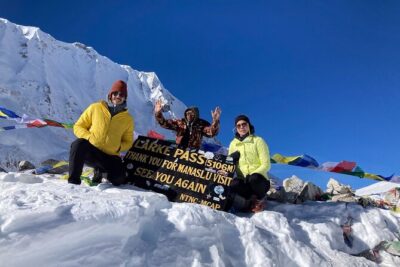
10 Days Manaslu Circuit Trek in Larke La Pass
Read our review →Browse the lists this tour appears in