
REVIEW · KATHMANDU
Manaslu Circuit Trek
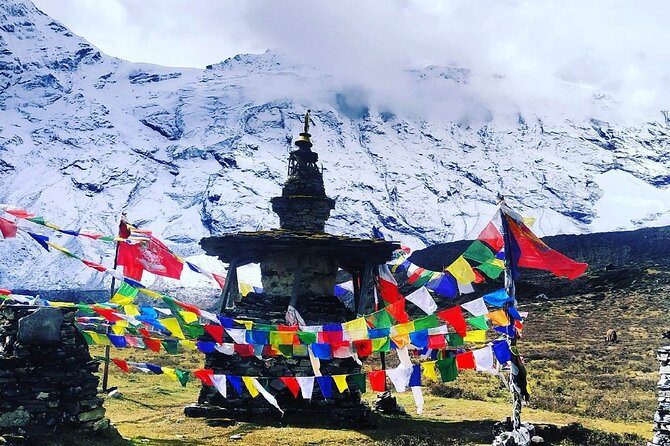
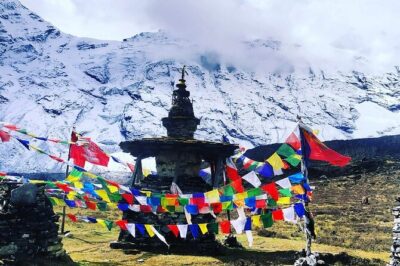
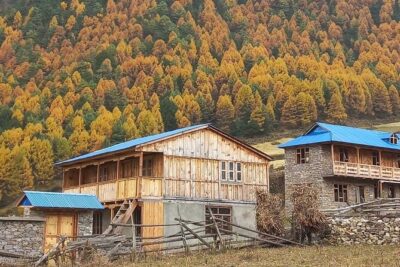
The big draw here is Larkya La Pass, a high crossing surrounded by views of Cheo Himal, Kang Guru, Gyaji Kung, and Annapurna II. The route also gives you a close look at Tibetan-influenced villages, prayer walls, monasteries, suspension bridges, and the changing Budhi Gandaki valley.
I like the balance of wild scenery and basic teahouse comfort. I also like that the price includes the restricted-area permits, transport, and a local guide, with airport pickup and drop-off arranged. The main catch is simple: $589 does not include food or accommodation during the trek, and you’ll need strong fitness for long days at high altitude.
Key points to know before booking
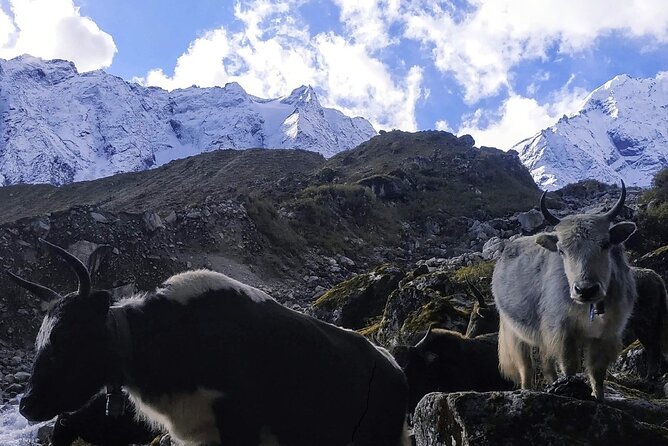
- Larkya La is the main test: The pass reaches roughly 5,106 to 5,160 meters, depending on the figure used in the itinerary.
- Permits and guide are handled: The package includes ACAP, MCAP, Manaslu Restricted Area, and TIMS permits, plus a registered local guide.
- The route grows steadily harder: You begin with forests and river valleys, then climb toward Samagaun, Samdo, Dharmasala, and the pass.
- A real acclimatization day is included: You spend an extra day in Samagaun for Birendra Lake, Manaslu Base Camp, or Pungen Gompa.
- The price needs careful reading: Meals, teahouse rooms, porter service, hot showers, Wi-Fi, charging, insurance, and gear are extra.
- This is private and small-scale: The minimum group size is two, and only your own group participates.
What the $589 price really covers
At first glance, $589 for 12 days in the Manaslu region looks like a strong deal. It includes airport pickup and drop-off, transfers between Kathmandu and the trekking route, the required permits, a local guide, taxes, agency charges, and an achievement certificate.
That is useful because the Manaslu region is not a simple walk-in trek. It is a restricted area, so you need a special permit and a registered guide. The package takes care of the paperwork that can otherwise slow you down before departure.
Still, do not treat $589 as the final cost. You pay separately for meals and accommodation during the trek. Porter service is also extra, though a porter can be shared by two or three people with a 20-kilogram limit. Personal gear, travel insurance, Nepal visa fees, hot showers, Wi-Fi, battery charging, drinks, snacks, entrance fees, and tips are also outside the listed price.
I would ask for a written estimate of your likely total before booking. The headline price is attractive, but the real value depends on how many extras you choose and how much support you want on the trail.
More Manaslu Treks in Kathmandu
- Manaslu Circuit Trek
★ 5.0 · 292 reviews - Manaslu Circuit Trek:
★ 5.0 · 106 reviews - Manaslu Circuit Trek (15 Days)
★ 5.0 · 50 reviews
Starting from Kathmandu and reaching Machha Khola
Your day begins at 6:45 a.m. at Touch The Himalaya Treks & Expedition on JP Road in Kathmandu. Pickup is available, and the transfer to the bus park or the trailhead uses a bus, jeep, Hiace, or private vehicle depending on group size.
The first day is mostly transport. You travel toward Machha Khola, a small settlement beside the Budhi Gandaki River. The journey takes about six hours according to the schedule, though road conditions can affect mountain transport.
Machha Khola is a useful starting point because the trek begins beside the river and quickly leaves the more settled parts of Nepal behind. The town has both Buddhist and Hindu communities, and the Budhi Gandaki rises from the Tsum Valley and Larkya Pass region.
Expect a simple overnight stay. This is not a sightseeing day, and the road journey may feel tiring before you even start walking. Eat well, organize your pack, and keep essentials close during the transfer.
Days 2 and 3: Forest trails, Jagat, Philim, and Deng
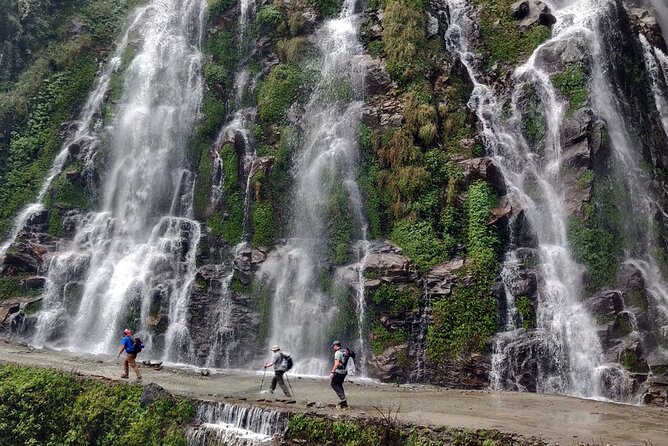
On day two, you walk from Machha Khola toward Jagat. The trail passes through forest, waterfalls, suspension bridges, and a mani wall carved with Buddhist prayers. Monkeys, birds, and deer may be seen along the way, although wildlife sightings are never guaranteed.
Jagat sits at the foot of Ganesh Himal and marks the beginning of the restricted trekking section. This is an important point in the journey. From here, permits are checked more carefully, and the route feels more remote.
The schedule for day three contains a location-label problem, but its walking description clearly covers the route from Philim through Ekle Bhatti to Deng. You cross the Budhi Gandaki on suspension bridges, climb to a ridge, then descend into Deng, a small settlement in the valley.
These two days show why the Manaslu route feels different from a standard mountain holiday. You are not simply walking from one famous viewpoint to another. The trail connects working villages, river crossings, forest paths, and religious sites.
The downside is that the trail can be rough and uneven. The days are listed at six to seven hours, and the repeated ups and downs may feel harder than the distance suggests.
Days 4 and 5: Namrung, Lihi, and Lho
Day four takes you from Deng toward Namrung. You cross the river, climb toward Ranagoan, pass Bihi Phedi, and follow the trail through Ghap before reaching Namrung.
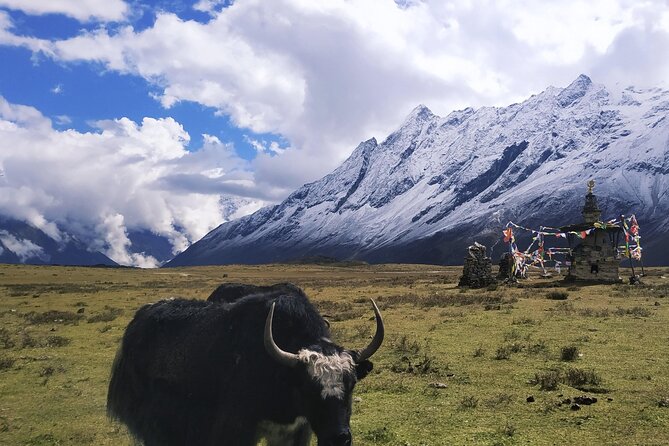
The route provides clear views of Ganesh Himal, Shingri Himal, and Kutang Himal. The village stops remain basic, but Namrung is an important place to notice the change in climate and mountain scenery as you gain height.
On day five, the trail passes through oak, fir, and rhododendron forest. You reach a permit checkpoint, then continue through Lihi Gaon and Sho Goan before arriving at Lho, around 3,280 meters.
Lho is one of the more memorable villages on the route. It has a stronger high-mountain feel, and the trail begins to look and feel more Tibetan in character. The itinerary includes lunch at a local restaurant in Lho and a traditional Nepalese dinner at the lodge.
At this point, the altitude becomes a serious concern. You are climbing steadily, so pace matters more than speed. Drink regularly, tell your guide about headaches or unusual fatigue, and do not assume that fitness at sea level prevents altitude problems.
More Trekking Tours in Kathmandu
- Everest Base Camp Trek – 14 Days
★ 5.0 · 1,499 reviews - Everest Base Camp Trek
★ 5.0 · 842 reviews - Everest Base Camp Trekking
★ 5.0 · 485 reviews - Annapurna Circuit Trek with Tilicho Lake
★ 5.0 · 368 reviews
Day 6: Shyala and the mountain views around Samagaun
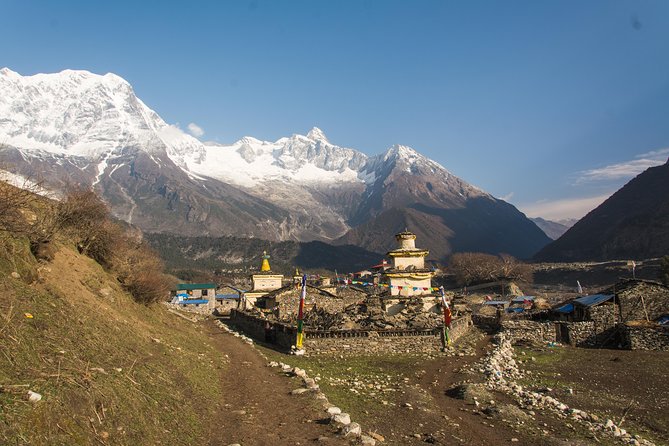
The walk from Lho to Samagaun is shorter, listed at about five hours, but it remains important for acclimatization. You pass through Shyala, a village known for its broad mountain views, before continuing to Samagaun, also called Sama.
Shyala is described as a 360-degree viewpoint, with mountains visible in every direction. Around Samagaun, you can expect views of Manaslu, Himal Chuli, Nadi Peak, Naike Peak, Kutang Himal, and Pangbuche Himal.
Samagaun is one of the main cultural and scenic centers of the trek. It is also where you get a better sense of the Tibetan influence in the upper Budhi Gandaki valley. The village gives you a chance to slow down before the route climbs toward Samdo and the pass.
The itinerary says you stay in the village and eat dinner at the lodge. Since rooms and meals are not included in the base price, ask what standard of accommodation is expected and how payment will be handled.
Day 7: The acclimatization choice that matters
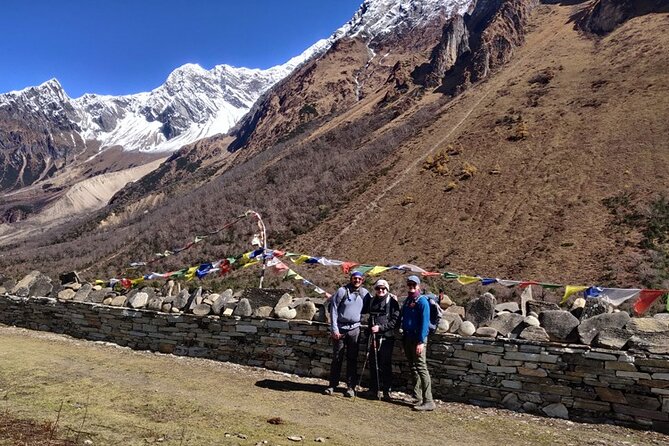
A rest day in Samagaun is one of the strongest parts of this schedule. You do not simply sit indoors. Instead, you choose a higher walk to help your body adjust.
The options include a hike around Birendra Lake and toward Manaslu Base Camp, or a climb to Pungen Gompa. The schedule lists about two hours, but the exact length depends on the option selected and your pace.
Discuss the choice with your guide. A stronger hiker may want the higher route, while someone feeling tired may prefer a shorter outing near the lake. The key point is to gain some height and return to sleep lower than your highest daytime point.
This day also protects the most important part of the trek. Rushing from Lho to the pass would be a poor plan. The extra time in Samagaun gives you a better chance of handling the altitude before the route becomes severe.
Days 8 and 9: Samdo and Dharmasala
Day eight is a shorter walk to Samdo, listed at about four hours. The trail climbs gradually, and the itinerary wisely advises you to move slowly. At this altitude, a short distance can take effort.
Samdo is known as a Tibetan refugee settlement. It also offers strong views of Manaslu and surrounding peaks. If you still have energy, you can hike toward Samdo Peak, but this is optional. Do not turn an acclimatization day into a race.
The next day takes you toward Dharmasala, also called Larkya Phedi, the staging point for the pass. The walk is again listed at about four hours. Along the way, you may pass Larke Bazaar, a seasonal Tibetan market, and traditional monasteries.
Dharmasala is a basic overnight stop, and conditions can be more limited than in the lower villages. You should expect a short night before the pass crossing, so keep your headlamp, warm layers, gloves, water, and snacks ready before dinner.
Day 10: Crossing Larkya La at high altitude
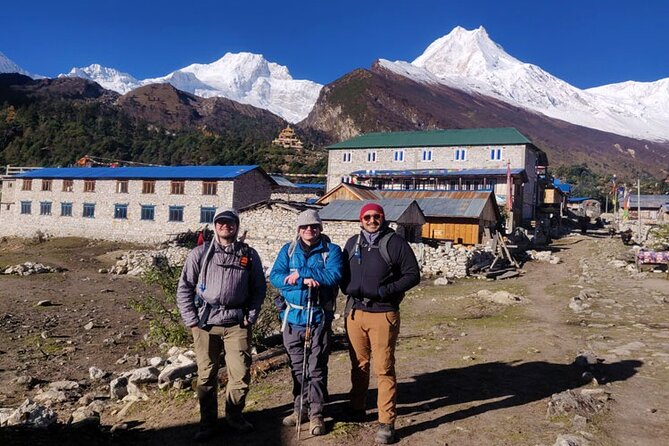
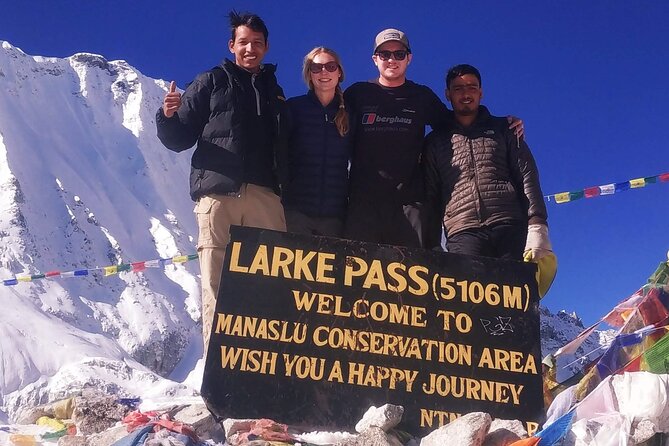
This is the hardest and most anticipated day. You start early, climb gradually, and cross Larkya La before descending toward Bhimtang. The walking time is listed at seven to eight hours.
The pass height appears in two forms in the supplied information, around 5,106 meters in the overview and 5,160 meters in the day-by-day notes. Either figure means serious altitude. This is not a casual hill walk.
At the top, you can expect wide views toward Cheo Himal, Gyaji Kung, Kang Guru, and Annapurna II, all towering above 6,000 meters. The crossing is the reward for the long approach through the Budhi Gandaki valley.
The descent to Bhimtang is a relief, but it can be hard on tired knees. Trekking poles are worth bringing, and warm gloves are more useful than extra casual clothing. Keep your camera battery warm and carry spare power if possible, since charging costs extra and may not always be available.
Bhimtang is described as one of the better accommodation stops on the route. It is a good place to celebrate the crossing, but you will probably be more interested in food, warmth, and sleep than in a late evening.
Days 11 and 12: Down to Tilje and Besisahar
After the pass, the route changes character again. Day 11 is mostly downhill from Bhimtang, with an eventual stop at Ghoa before continuing to Tilje.
The itinerary lists about five hours and points out the sunrise views from the teahouse. Tilje is known for local culture, friendly village life, better hotel options, and possible Wi-Fi. Do not count on connectivity as a certainty, but this is one of the first places where communication may be easier.
The final day begins near Dharapani and follows the trail through pine forest and small villages. After lunch, you take a jeep toward Besisahar, with the drive listed at about two hours, although the notes also refer to roughly four hours. Mountain road conditions can change the timing, so keep plans flexible.
Besisahar marks the end of the trek itself. The town gives you a chance to eat properly, have a drink, and prepare for whatever comes next. The activity ends back at the Kathmandu meeting point according to the booking details, but confirm the exact post-trek transport arrangement because the day-by-day plan specifically describes reaching Besisahar.
Guides, group size, and the level of support
This is a private activity, with only your own group participating, and at least two people are required. The package includes one expert local Manaslu guide, and one assistant guide for every five trekkers.
Several guides are named in the supplied comments, including Roshan, Arjun, Kumar Neupane, Bishnu, Raju, and Madan. Roshan is repeatedly praised for careful support and flexible timing, while Kumar is described as a good fit for a faster, stronger hiking style. These names show the company has an established guide team, but you should confirm who is assigned to your departure.
Airport pickup and drop-off can be handled by car, jeep, Hiace, or bus. This is helpful if you are arriving in Kathmandu for the first time and want someone to handle the first transfer.
A porter is not included. If you want one, ask about sharing arrangements, luggage limits, wages, and insurance before setting off.
Equipment and practical preparation
You need trekking boots, warm clothes, and suitable trekking equipment. The route includes long walking days, suspension bridges, forest paths, rough descents, and a pass above 5,000 meters.
Bring light snacks and energy bars for the longer days. Food is available at teahouses, but you should not rely on every stop having your preferred snack or drink.
You also need personal travel insurance. The package does not include insurance, and high-altitude trekking requires careful attention to the policy wording. Check that it covers trekking at the planned altitude.
The trek requires moderate to strong physical fitness. That wording matters. You should be comfortable walking for up to eight hours, climbing and descending for several days, and continuing after poor sleep or cold weather.
Children must be accompanied by an adult, and service animals are allowed according to the booking information. Public transportation is nearby in Kathmandu, but the trail itself is remote and not designed for casual sightseeing.
Who will get the most from this trek?
You should consider this trek if you want a quieter Himalayan route, strong mountain views, Tibetan-influenced villages, and a major pass crossing without joining a large group. It suits people who enjoy simple teahouses and are willing to accept extra costs for food, rooms, porters, and personal comforts.
It is less suitable if you want a polished lodge holiday, reliable Wi-Fi, private bathrooms, or an easy schedule. The route is remote, the pass is high, and the final price will rise once you add meals, lodging, gear, insurance, and tips.
The company has earned a 5.0 rating from 22 ratings, with 100 percent recommending it. The strongest themes are careful organization, prompt communication from manager Madan, and supportive guides such as Roshan, Arjun, Bishnu, and Raju. The comments also show that the company has adjusted itineraries for individual needs, including longer versions and combinations with Tsum Valley.
Should you book the Manaslu Circuit Trek?
Book it if the main goal is a demanding, scenic Himalayan circuit with a local guide and permit handling already arranged. The included restricted-area permits and transport add real value, and the private format gives your group more room to adjust the pace.
Before paying, confirm four things in writing: the exact guide, the total cost of accommodation and meals, the transport from Besisahar back to Kathmandu, and the pass altitude and itinerary timing. I would also ask about porter availability and what happens if weather or altitude forces a change.
The free cancellation policy allows a full refund when you cancel at least 24 hours before the local start time. After that cutoff, refunds and changes are not accepted. If you are prepared for basic facilities, high altitude, and extra costs beyond the advertised price, this is a strong-value way to tackle one of Nepal’s most rewarding remote circuits.
FAQ
How long is the Manaslu Circuit Trek?
The experience lasts approximately 12 days, beginning in Kathmandu and finishing in Besisahar before the return arrangement to Kathmandu.
What is the highest point on the trek?
The highest point is Larkya La Pass. The supplied information gives two elevations, about 5,106 meters and 5,160 meters.
Is a guide included?
Yes. The package includes a local Manaslu guide, along with the guide’s meals, accommodation, salary, and insurance. One assistant guide is included for every five trekkers.
Are permits included?
Yes. The package includes ACAP, MCAP, Manaslu Restricted Area, and TIMS permits.
Are meals and accommodation included?
No. Food, drinks, and accommodation during the trek are excluded from the listed price, though they can be arranged for an additional charge.
Is porter service included?
No. A personal or shared porter costs extra. One porter can be shared by two or three trekkers, with a stated limit of 20 kilograms.
What fitness level do I need?
You should have moderate to strong physical fitness. The trek includes walking days of up to about eight hours and a high-altitude pass crossing.
Is this a private tour?
Yes. Only your own group participates, and the experience requires at least two people.
What is the cancellation policy?
You can receive a full refund if you cancel at least 24 hours before the local start time. Cancellations or changes made less than 24 hours before the start are not accepted for a refund.
Latest treks added in Kathmandu
- Private Manaslu Circuit Trek at Himalayas★ 5.0 · 3 reviews
- Ghorepani Poonhill Trek★ 5.0 · 5 reviews
- Ghorepani Poon Hill Trek★ 5.0 · 16 reviews
- Upper Mustang Trekking★ 3.0 · 2 reviews
- Amazing 1 Day Trekking Experience in Kathmandu Nepal★ 5.0 · 24 reviews
- Upper Mustang Trekking★ 5.0 · 2 reviews
- Upper Mustang Trek★ 5.0 · 5 reviews
- Upper Mustang Trekking★ 5.0 · 4 reviews
Manaslu Circuit Treks, compared.
16 Day Private Manaslu Circuit Trek from Kathmandu
Read our review →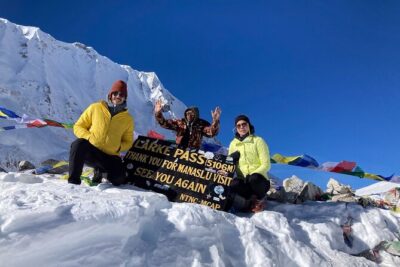
10 Days Manaslu Circuit Trek in Larke La Pass
Read our review →Browse the lists this tour appears in