
REVIEW · KATHMANDU
Manaslu Circuit Trek 8th Highest in the World
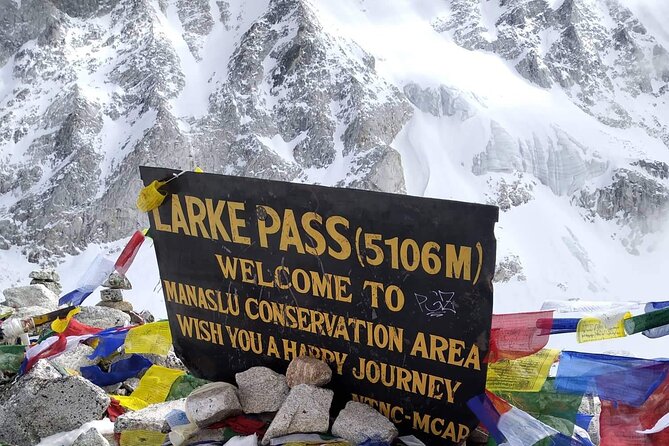
Manaslu is the kind of trek you choose when the popular Himalayan routes feel too crowded and too polished. Over roughly 14 days, you move from Kathmandu’s busy streets into a remote circuit of river gorges, Tibetan-influenced villages, high pasture, and the 5,106-meter Larkya La Pass. The prize is Manaslu itself, rising to 8,163 meters as the world’s eighth-highest mountain.
I like two things right away. First, the scenery changes almost daily, from warm lower valleys and waterfalls to juniper, birch, tundra, and snow-bright peaks. Second, the package includes the awkward parts that can make a Himalayan trek stressful: permits, airport pickup, guide, porter, lodging, meals, and ground transport. The main catch is simple: this is a serious high-altitude trek, not a gentle walking holiday, and the long road rides and basic guesthouses may test your patience.
Key points to know before booking
- Manaslu’s restricted-area access means permits are arranged for you, and you must trek with a registered Nepali company.
- Larkya La Pass is the physical high point, with an early start and a very long day that may reach 12 hours.
- The scenery keeps changing, from river valleys and waterfalls to Tibetan-style villages and high mountain passes.
- The package covers major costs, including three Kathmandu nights, guesthouses, meals, guide, porter, permits, and transport.
- Local staff matter here, with guides such as Roshan, Dil, Samir, and porter Sudip receiving especially warm praise for care and support.
- You need strong fitness, and the group must include at least two trekkers, not counting the guide and porter.
Why Manaslu feels different from Nepal’s best-known treks
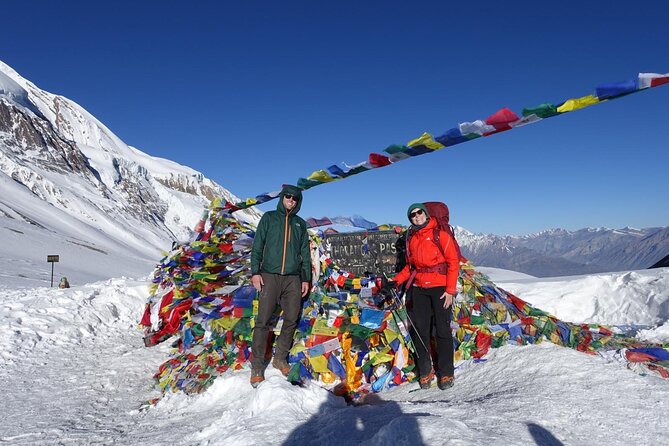
The Manaslu Circuit offers a rare mix of mountain scale and cultural change. You begin among river valleys and road-accessible villages, then move into quieter country where Buddhist prayer flags, stone homes, and Tibetan influence become more common.
The region only opened to trekking in 1992, and entry remains controlled. That restriction is not just a paperwork detail. It helps explain why the route feels less developed than Nepal’s better-known circuits. You still get tea houses and guesthouses, but the trip has a more remote character.
The mountain views are a major reward. You may see Sringi Himal at 7,187 meters, Manaslu at 8,163 meters, Manaslu North at 7,157 meters, and Naike Peak at 5,515 meters. The scenery is not one long mountain postcard. It shifts from waterfalls and steep river gorges to open pastures, forests, bare ridges, and high pass country.
The other reward is the cultural change. By Sirdibas, you begin seeing clear signs of Buddhist culture. Around Samagaun and Samdo, Tibetan influence becomes much stronger. You are not simply walking toward a mountain. You are passing through communities shaped by altitude, trade, religion, and life near the Tibetan border.
More Manaslu Treks in Kathmandu
- Manaslu Circuit Trek
★ 5.0 · 292 reviews - Manaslu Circuit Trek:
★ 5.0 · 106 reviews - Manaslu Circuit Trek (15 Days)
★ 5.0 · 50 reviews
Days 1 and 2: Kathmandu preparation before the trail
Your first day starts with an airport pickup arranged around your arrival time. You are taken to the hotel in Thamel, checked in, and briefed on the trek. This is useful after a long flight, especially if you are arriving in Nepal for the first time and need help sorting out the next morning’s plans.
Day two is partly practical. The team checks your gear and can advise you on what to buy, rent, or borrow. Take this seriously. High-altitude trekking rewards sensible packing, and a gear check is more valuable than rushing around Kathmandu at the last minute.
You also visit Kathmandu Durbar Square, though the entrance ticket is not included. The square gives you a short cultural introduction before the mountain days begin. Keep your schedule flexible here. The trip includes only one day for exploring the Kathmandu Valley, and the main purpose of the day is preparation, not a full city tour.
Three nights of Kathmandu accommodation are included at a tourist-standard hotel. Food in Kathmandu, apart from daily breakfast, is not included, so budget separately for lunches and dinners in the city.
Day 3: The long road to Machha Khola
After breakfast, you travel from Kathmandu toward Machha Khola. This is not a quick transfer. The road can be bumpy, and the description makes clear that you should expect a lengthy local bus journey.
I would treat this day as part of the adventure rather than dead time. You get views of villages and countryside that you would miss from an airport transfer or private highway drive. Still, comfort is limited, and anyone prone to motion sickness should prepare carefully.
Machha Khola marks the real beginning of the walking section. The change from vehicle travel to foot travel is welcome, but do not expect the first trekking day to feel easy. The route begins in a river setting, with uneven ground and frequent changes in elevation.
Days 4 and 5: Rivers, hot springs, and first mountain views
From Machha Khola, you cross a river and climb toward Khorla Besi. The route follows a beautiful river valley, with waterfalls and signs of landslides along the way. These details tell you what kind of trek this is: scenic, rugged, and shaped by active mountain terrain.
You pass through Tatopani, known for its natural hot springs. It is one of the route’s more appealing stops because it gives the walking day a clear sense of place. The trail is not just a series of altitude numbers. Villages and natural features give the route character.
The following day takes you toward Sirdibas at 1,430 meters. You walk along a riverbed and then climb a rocky ridge toward Salleri at 1,440 meters. Sringi Himal comes into view, reaching 7,187 meters. These early mountain views help build anticipation without putting you immediately into the highest and most demanding terrain.
The lower section also gives you time to settle into the daily rhythm. You will walk, eat, sleep, and repeat, while the guide and porter team handle much of the practical work. Three meals a day are included on the trekking portion, which makes budgeting easier and reduces the need to make daily food decisions.
More Trekking Tours in Kathmandu
- Everest Base Camp Trek – 14 Days
★ 5.0 · 1,499 reviews - Everest Base Camp Trek
★ 5.0 · 842 reviews - Everest Base Camp Trekking
★ 5.0 · 485 reviews - Annapurna Circuit Trek with Tilicho Lake
★ 5.0 · 368 reviews
Days 6 and 7: Namrung, Samagaun, and stronger Tibetan influence
From the Sringi Khola Valley, the route crosses the river and continues through forest toward Ghap and Namrung. The higher you go, the cooler the nights become, and the Himalayan views grow more frequent.
Namrung is an important transition point. The forest and river scenery begin giving way to more open mountain country, and you can feel the route gaining altitude. Pace matters here. A strong guide will help you walk steadily rather than treating every uphill stretch as a race.
The next stage reaches Samagaun, one of the key villages on the circuit. Tibetan culture has a strong presence in this area, and the route opens into a valley with views of Manaslu, Manaslu North, and Naike Peak.
Samagaun is valuable because it gives you a cultural pause before the highest part of the trek. You are no longer looking only at distant peaks. The village setting, religious influence, and high valley surroundings help explain how people live in this part of Nepal.
The supplied schedule lists Samagaun on day seven and includes a later Samdo day, but exact overnight arrangements can vary with trail conditions and the operator’s final plan. Ask for the confirmed sleeping places before departure, especially if you want to understand your acclimatization schedule.
Days 8 and 9: Samdo and the Tibetan border option
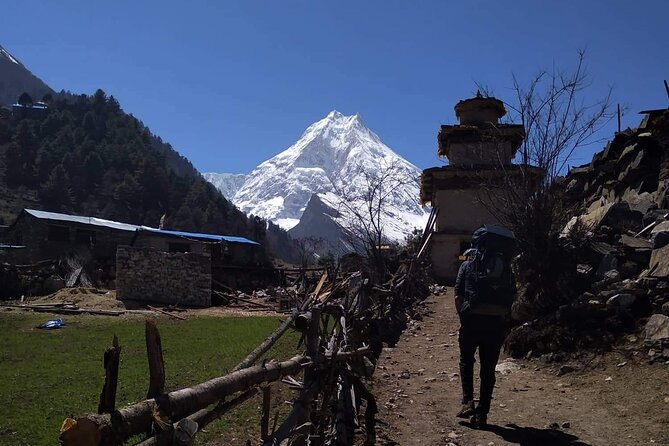
The route toward Samdo is described as relatively gentle, with a mostly flat section through juniper and birch forest before you descend to cross the river. The trail passes through Kermo Kharka and follows the meeting point of the Budhi Gandaki and Shyale Khola.
That relative ease should not fool you. You are now at high elevation, and a flat trail can still feel demanding when the air is thin. Walk slowly, drink regularly, and tell your guide if you feel unwell. The package includes a professional guide, and this is exactly where careful pacing has real value.
Day nine offers an optional eight-hour side trip toward the Tibetan border. You take a packed lunch and plenty of drinking water. If you skip the side trip, you can walk around Samdo and observe daily village life.
This choice gives the itinerary some flexibility. The border walk adds a long, demanding day and a stronger sense of the region’s location. Staying around Samdo offers a quieter day before the pass. I would make the choice based on your energy, weather, and how your body is handling the altitude, not on a need to collect every possible route extension.
Days 10 and 11: Larkya La, the trek’s hardest test
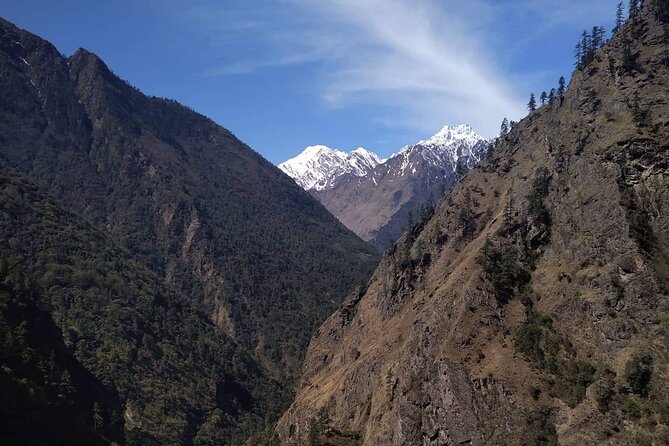
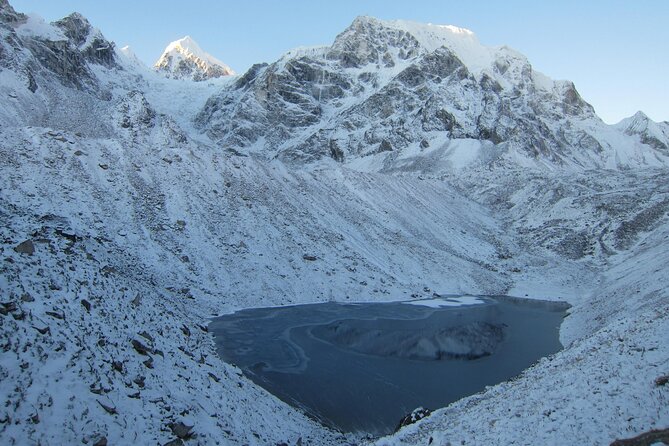
The approach to Larkya La begins with a descent to 3,850 meters to cross the Budhi Gandaki. From there, you climb through juniper and tundra, moving in and out of ravines toward the Larkya Guest House, also called Dharamsala, the final stop before the pass.
This day is a setup for the main challenge. The terrain becomes more exposed and the route more demanding. You sleep at a high stopping point before the pass, so expect basic accommodation and a cold night. The information does not promise luxury, and you should not expect it.
The pass day starts early, partly to catch sunrise and partly to avoid stronger wind later in the day. Keep your torch close for the initial climb. The trail rises across several ridges before reaching Larkya La, and the schedule describes the day as lasting up to 12 hours.
This is the point where strong fitness becomes more than a general recommendation. You need to be comfortable walking for long periods on steep and uneven ground, at altitude, with an early start. The reward is the pass itself and the large mountain views around it, but do not underestimate the effort required to get there.
One itinerary entry labels this stage with Samagaun, while the following day continues from Bimtang. That appears to reflect a scheduling or labeling issue rather than a different route. Confirm the exact overnight stop and pass-day plan with Adventure Glacier Treks before you pay, particularly if you are arranging flights around the trek.
Days 12 and 13: Bimtang to Dharapani and Jagat
After the pass, you descend from Bimtang through forests and pastures in the Dudh Khola Valley toward Dharapani. The journey takes about seven hours.
This section feels different from the approach to Larkya La. You have finished the highest crossing, and the return to forest and pasture offers a welcome change. The route also joins the more popular Annapurna Circuit trail at Dharapani, so the sense of remoteness begins to lessen.
Day 13 continues downhill toward Jagat, near the Marsyangdi River gorge, in about six hours. The route can be affected by road conditions. A jeep may be chartered from Dharapani if needed, but the additional cost is not specified, so ask before choosing that option.
The end of the trek is not a simple walk straight into Kathmandu. You still have a mountain road journey ahead. Build patience into your plans and avoid scheduling an important flight immediately after the return.
Day 14: Jeep and bus back to Kathmandu
The final day uses a shared jeep to Besisahar, followed by a bus to Kathmandu. You get views of villages around Besisahar and a chance to refresh before the bus journey.
This is practical transport rather than a comfortable finale. The shared jeep and bus keep the package cost lower, but travel times can be long and road conditions may affect the schedule. If you value privacy or a smoother ride, ask about paid transport upgrades before booking.
The activity ends back at the Adventure Glacier Treks meeting point in Kathmandu. Airport drop-off is included, which is helpful if your onward flight timing fits the transfer plan.
What the $1,600 price really covers
At $1,600 per person, the value depends on how much support you would otherwise need to arrange yourself. The price includes airport pickup and drop-off, three Kathmandu hotel nights, ground transport, permits, entrance fees, a professional guide, porter or porters, porter insurance and equipment, guesthouse accommodation, and three meals a day during the listed trekking days.
The restricted Manaslu permit is especially important. The package includes a special permit listed at $100, along with the other required permits. You also avoid arranging a registered local company on your own, which is required for this region.
The price does not include drinks, tips, personal expenses, insurance, or food in Kathmandu apart from breakfast. You should also confirm exactly what porter service means for your group, including baggage limits and whether extra porters cost more.
The company receives a 4.9 rating from 14 listed ratings, with all recommendations positive. The strongest pattern is personal support from staff. Roshan is praised as a guide, Sudip as a porter, and Dil and Samir are also singled out for careful help, clear advice, and attention to comfort. Those names are useful when you communicate with the company, but request the actual guide assignment rather than assuming a particular person will lead your trek.
Who should book this Manaslu Circuit trek?
I would recommend it to you if you want:
- A remote Himalayan route with strong cultural and mountain scenery
- A guided trek with permits, meals, porters, and transport arranged
- A private activity for your own group
- A demanding high-altitude goal rather than a relaxed walking tour
- A route that feels less developed than Nepal’s most famous trekking areas
I would hesitate if you want comfortable roads, short walking days, polished hotels, or a flexible independent itinerary. The bumpy ride to Machha Khola, basic high-altitude lodging, long pass day, and road journey back to Kathmandu are all part of the deal.
You must also meet the physical fitness requirement and arrange suitable travel insurance yourself. Since the Manaslu region requires at least two trekkers in the group, excluding the guide and porter, confirm your group size before booking. Solo trekking with a guide and porter is mentioned in company experience, but the stated rule requires at least two trekkers, so get written clarification if you are alone.
Cancellation is free with at least 24 hours’ notice before the local start time. Changes or cancellations within that window are not accepted for a refund.
Should you book it?
Book this trek if your priority is a quieter Himalayan route with dramatic peaks, Buddhist villages, changing scenery, and strong local support. The package covers the costly and complicated essentials, and the personal attention associated with guides such as Roshan, Dil, and Samir adds reassurance on a demanding route.
Do not book it simply because Manaslu is the world’s eighth-highest peak. The mountain is the headline, but the real experience is the long progression from river valley to Tibetan-influenced high country and across Larkya La. If you are fit, patient, and ready for basic conditions, $1,600 is a sensible price for the level of organization included.
FAQ
How long is the Manaslu Circuit trek?
The experience lasts approximately 14 days, including Kathmandu preparation, transport to and from the trail, trekking, and the return to Kathmandu.
Where does the trek start and finish?
It starts at Adventure Glacier Treks in Chaksibari Marg, Kathmandu, and ends back at the same meeting point.
Is airport pickup included?
Yes. Airport pickup and drop-off are included, with pickup arranged around your flight arrival time.
Are Kathmandu hotels included?
Yes. Three nights at a tourist-standard hotel in Kathmandu are included.
Are meals included?
Breakfast, lunch, and dinner are included on the listed trekking days. Breakfast is included in Kathmandu, but other Kathmandu food is not included.
Are permits included?
Yes. Necessary permits, including the listed $100 special permit, are included in the price.
Do I need a guide and porter?
Yes. The package includes a professional guide and porter or porters, along with their expenses, insurance, and equipment.
How fit do I need to be?
You should have a strong level of physical fitness. The route includes long walking days, high altitude, steep sections, and a pass day listed at up to 12 hours.
Is this a private tour?
Yes. Only your own group participates in the private activity. The stated rules also require at least two trekkers in the group, not counting the guide and porter.
Is the Kathmandu Durbar Square entrance ticket included?
No. The Kathmandu Durbar Square admission ticket is not included.
Can I cancel for a full refund?
Yes, if you cancel at least 24 hours before the experience start time. Cancellations or changes made less than 24 hours before the local start time are not accepted for a refund.
Latest treks added in Kathmandu
- Private Manaslu Circuit Trek at Himalayas★ 5.0 · 3 reviews
- Ghorepani Poonhill Trek★ 5.0 · 5 reviews
- Ghorepani Poon Hill Trek★ 5.0 · 16 reviews
- Amazing 1 Day Trekking Experience in Kathmandu Nepal★ 5.0 · 24 reviews
- Upper Mustang Trekking★ 5.0 · 2 reviews
- Upper Mustang Trekking★ 3.0 · 2 reviews
- Upper Mustang Trek★ 5.0 · 5 reviews
- Upper Mustang Trekking★ 5.0 · 4 reviews
Manaslu Circuit Treks, compared.
16 Day Private Manaslu Circuit Trek from Kathmandu
Read our review →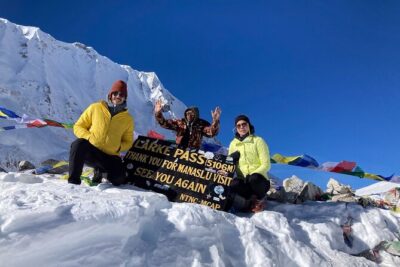
10 Days Manaslu Circuit Trek in Larke La Pass
Read our review →Browse the lists this tour appears in