
REVIEW · KATHMANDU
Circle the Annapurna: A Life-Changing Trek Adventure
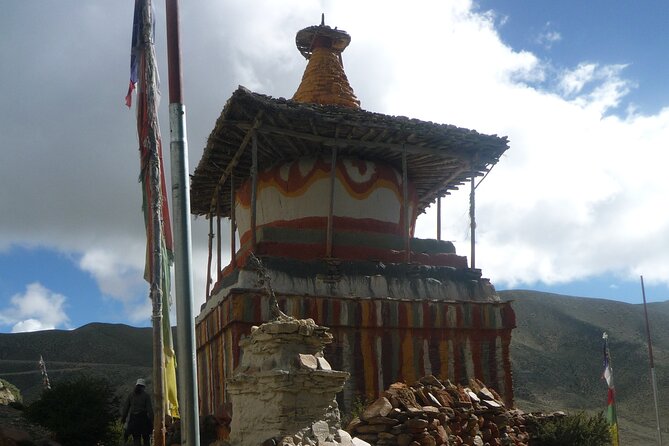
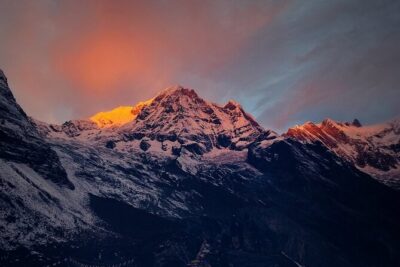
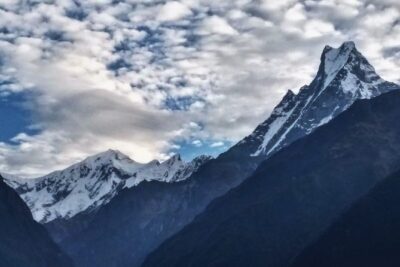
The Annapurna Circuit takes you from low river valleys to the high Thorong La pass, then down through Mustang villages and on to Poon Hill. That change in scenery is the trip’s great strength: you are not simply walking toward one view, you are crossing an entire mountain region.
I like the careful altitude schedule, with a rest day in Manang before the route climbs higher. I also like the small maximum of 10 people and the local team, including guides such as Govinda and Dhruba and porters such as Purna and Keshab. The main drawback is the physical demand: long drives, steep walking, and a 5,416-meter pass make this a serious trek, not a casual holiday.
Key points to know before you book
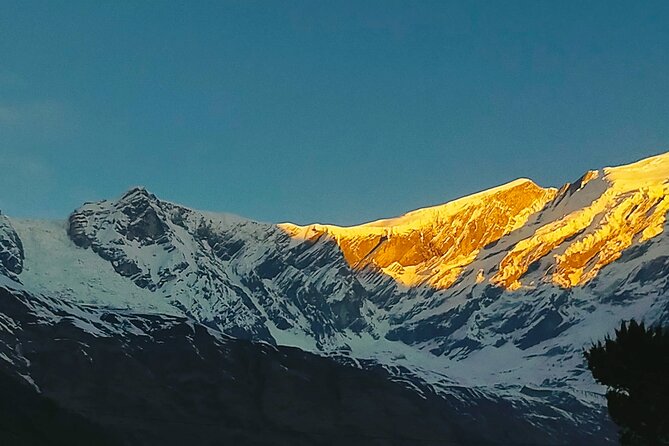
- Thorong La reaches 5,416 meters, the hardest and most important day of the route.
- The 21-day plan allows useful acclimatization, including a full rest day in Manang at 3,500 meters.
- The route changes character often, from river valleys and pine country to high desert, apple-growing villages, hot springs, and Gurung communities.
- You sleep in tea houses during the trek, with three meals a day included while walking.
- The group is limited to 10 people, which should make guide support and group movement easier.
- The $2,100 price covers the main trekking package, but not international flights, Nepal visa fees, drinks, insurance, or Kathmandu lunches and dinners.
Why the Annapurna Circuit still earns its reputation
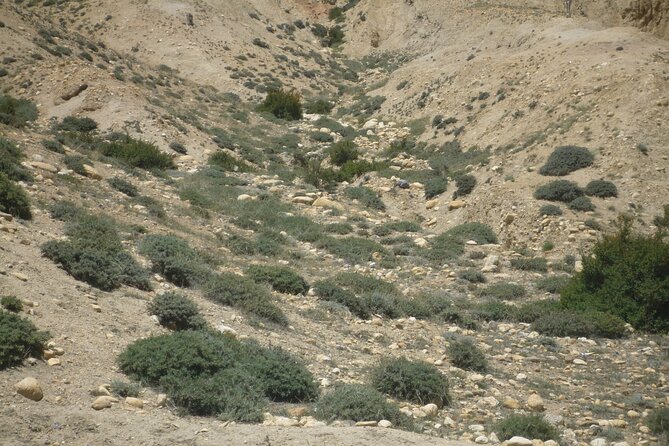
The Annapurna Circuit is one of Nepal’s classic long-distance mountain walks because the route keeps changing. You begin near Kathmandu, drive deep into the hills, and then walk through settlements that feel increasingly remote as the road gives way to trail.
The mountains are only part of the appeal. You also pass through communities associated with Gurung and Thakali culture, stay in tea houses, and see how valley life changes with altitude. The route includes Manang, Muktinath, Kagbeni, Marpha, Ghasa, Tatopani, Ghorepani, and Ghandruk, so you get a broad look at central Nepal rather than a single mountain viewpoint.
I especially like the balance between natural scenery and village life. You will have days for mountain views, but also days shaped by food, lodging, walking through old settlements, and simply adjusting to the slower pace of the Himalayas.
The route is demanding. The highest point is not reached by vehicle, and the long descent from Thorong La is tiring even after the pass itself is behind you. Good physical fitness is required, and you should treat the itinerary as a genuine high-altitude trek.
More Annapurna Treks in Kathmandu
- Annapurna Circuit Trek with Tilicho Lake
★ 5.0 · 368 reviews - Annapurna base camp trek 5 Days
★ 5.0 · 252 reviews - 14-Day Private Annapurna Base Camp Trek
★ 5.0 · 180 reviews
Kathmandu preparation and the long drive to Ngadi
Day one begins with arrival in Kathmandu, transfer to the hotel, and an overnight stay at about 1,334 meters. Kathmandu accommodation is on a bed-and-breakfast basis, so you have a base for settling in without paying for every meal through the package.
The second day is set aside for Kathmandu Valley sightseeing and trek preparation. The schedule lists breakfast and dinner for this day. This is useful time for checking equipment, meeting the team, and making sure you are ready for the road and trail ahead.
Day three is a major transport day. The drive to Ngadi covers about 200 kilometers and takes roughly eight to nine hours. That may sound modest on paper, but mountain roads make distance less meaningful than the clock. I would approach this as part of the adventure, not as a polished transfer between resorts.
Ngadi sits at about 890 meters, so the trek starts low. That matters because your body has time to adjust before the itinerary begins its steady climb.
The stated meeting point is Bagawan Bahal Marg 29 in Kathmandu, with a 6:15 am start. Confirm that morning arrangement carefully, since an early departure and a full day on the road set the tone for the first section.
Jagat, Dharapani, and Chame: the trail begins to climb
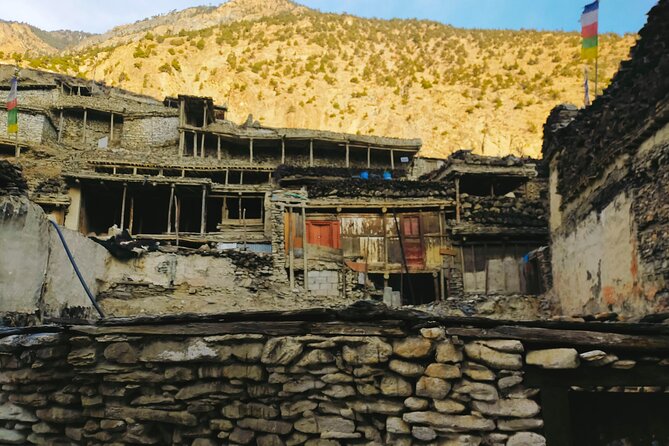
From Ngadi, you walk to Jagat on day four. The route is about seven kilometers and takes four to five hours. Jagat sits at 1,300 meters, making this a manageable first walking day, though you should still expect uneven paths and gradual climbs.
The next day brings Dharapani at 1,860 meters. The walk is around eight kilometers and takes five to six hours. This is where the trek begins to feel more like a mountain journey than a scenic stroll. The daily distance is not extreme, but the combination of hills, altitude, and changing trail conditions requires steady pacing.
Dharapani to Chame takes another five to six hours over about eight kilometers. Chame is at 2,670 meters, and by now the rising altitude becomes an important part of your day. You may notice that the walks feel slower than they would at home. That is normal, and the best approach is to keep your pace easy rather than trying to stay ahead of the group.
The walking plan is structured around overnight stops rather than maximum daily distance. I see that as a sensible choice. You are not racing through the lower valley, and each night gives your body another chance to adjust.
Pisang and Manang, the heart of the acclimatization plan
Day seven takes you to Lower Pisang at 3,200 meters. The walk covers about seven kilometers in four to five hours. This is a significant altitude gain from Chame, so the shorter distance helps.
The next day continues to Manang, at 3,500 meters. You walk about eight kilometers over five to six hours. Manang is one of the key stops on the whole circuit because it is both a cultural center and the place where the itinerary pauses for acclimatization.
Day nine is a full rest day in Manang. That does not necessarily mean doing nothing. It gives you time to rest, explore at a gentle pace, and let your body respond to the thinner air before the route climbs above 4,000 meters.
I consider this rest day one of the strongest features of the schedule. A rushed itinerary could cut Manang short, but this plan recognizes that high altitude is not something you can simply power through. You should still remember that a rest day does not remove altitude risk. Follow your guide’s instructions and report any symptoms promptly.
Another trail to compare in Kathmandu:
- Everest Base Camp Trek – 14 Days
★ 5.0 · 1,499 reviews - Everest Base Camp Trek
★ 5.0 · 842 reviews - Everest Base Camp Trekking
★ 5.0 · 485 reviews - Everest Base Camp Trekking – 13 Day
★ 5.0 · 365 reviews
Yak Kharka and Thorong Phedi, where the route gets serious
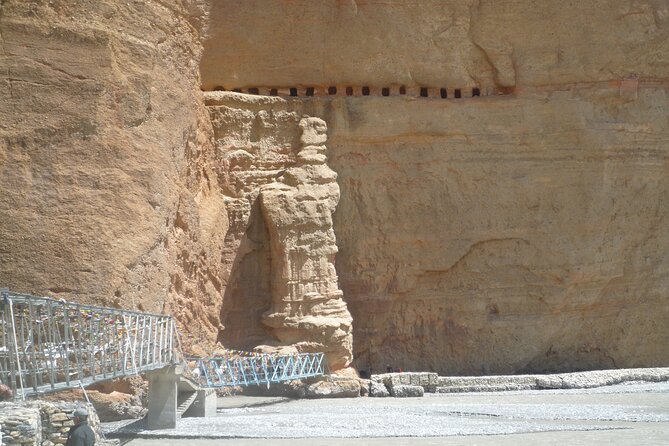
From Manang, you walk to Yak Kharka at 4,050 meters. The distance is about seven kilometers and the walking time is four to five hours. At this elevation, even a moderate day can feel demanding.
The following day reaches Thorong Phedi at 4,525 meters. The walk is again about seven kilometers and takes four to five hours. Phedi means the foot of the pass, so this is the final major stop before Thorong La.
These two days are less about sightseeing and more about preparation. You are positioning yourself for the hardest day of the trip. The high settlements are functional stopping points, and conditions can feel basic. That is part of the trade-off for walking through such a high mountain corridor.
Your group size matters here. With no more than 10 people, the guide should be able to keep an eye on pace and well-being more easily than with a large tour group. The named staff associated with previous departures include Govinda, Gobinda, and Dhruba as guides, with Purna and Keshab serving as porters on different trips. Confirm your own guide and porter arrangement before departure.
Thorong La at 5,416 meters, then the descent to Muktinath
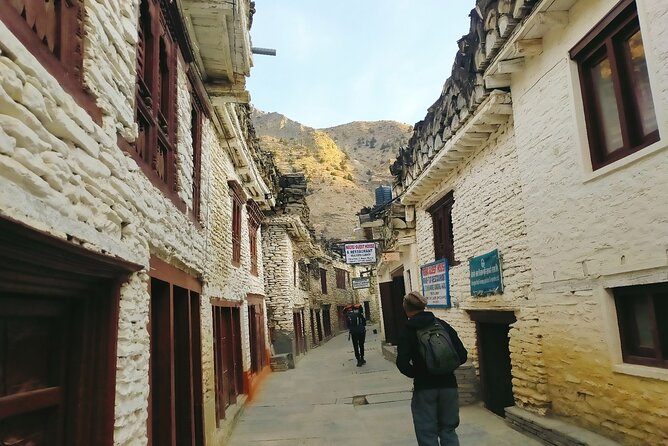
Day 12 is the dramatic center of the trek. You cross Thorong La at 5,416 meters and then descend to Muktinath at 3,800 meters. The day lasts seven to eight hours and covers about nine kilometers.
The pass is physically demanding because of the altitude, cold, steep ground, and early start that is common on high-pass days. The provided schedule does not specify the exact departure hour, so ask the operator about it before you go. You will want to know how the group handles weather changes and what support is available if someone cannot continue.
Once over the pass, the descent to Muktinath brings relief, but it is not effortless. Downhill walking can be hard on knees and ankles, especially after the climb. Trekking poles and well-broken-in boots are useful personal equipment, though equipment is not included in the price.
Muktinath is important both as a mountain settlement and as a pilgrimage site. It gives the trek a cultural shift as the route moves toward Mustang and the drier side of the mountains.
Kagbeni, Marpha, and Ghasa: a new side of the circuit
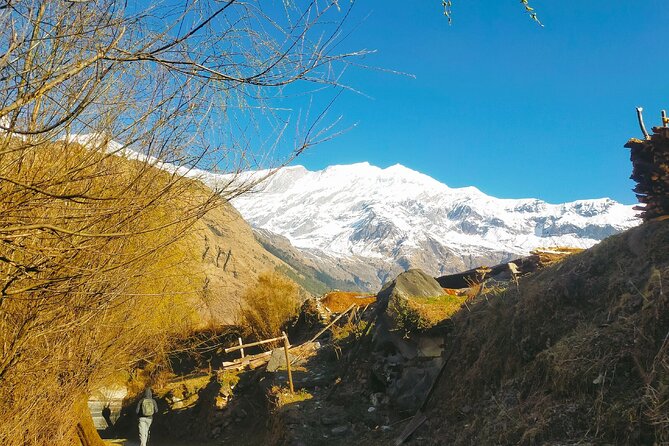
The walk from Muktinath to Kagbeni drops to 2,810 meters over six kilometers and takes four to five hours. The lower altitude should feel welcome after Thorong La.
Kagbeni is a memorable stop because it marks the transition toward the Mustang region. The village has a distinctive high-altitude character, and the route here feels different from the wetter valleys below Manang.
From Kagbeni, you continue to Marpha at 2,670 meters. This eight-kilometer day takes five to six hours. Marpha is associated with the Thakali area and is known for its village setting and apple products. It is a good place to slow down and enjoy the cultural side of the trek rather than treating every stop as a place to sleep.
The next stage reaches Ghasa at 2,010 meters. The walk is about eight kilometers and takes five to six hours. By this point, you have crossed the high section and are moving steadily toward warmer, lower country.
These days also show why the Annapurna Circuit is more varied than a simple out-and-back mountain walk. The air, villages, vegetation, and pace change as you descend.
Tatopani to Ghorepani, with a second major climb
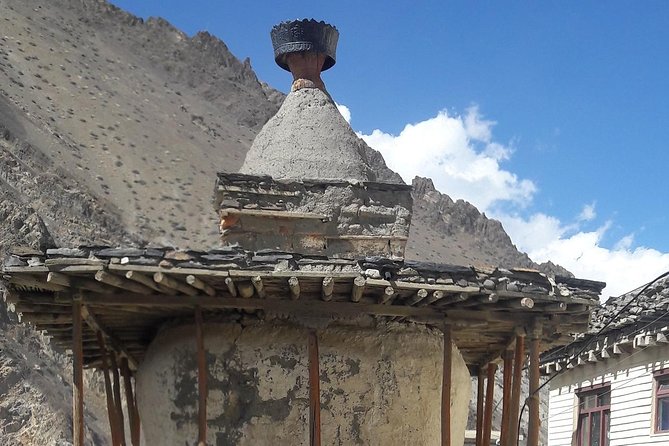
Tatopani is reached on day 16 after a five to six-hour walk of about seven kilometers. At 1,190 meters, it is one of the lowest and warmest points on the route. The name is linked with hot springs, although the supplied schedule does not specify how long a stop there lasts or whether entry is included.
The following day climbs sharply to Ghorepani at 2,860 meters. This eight-kilometer walk takes five to six hours. You have already crossed Thorong La, but do not underestimate this stage. The route loses altitude and then gains it again, and the climb to Ghorepani can feel tough after two weeks on foot.
This section is valuable because the trek does not simply end after the high pass. You get another mountain walking day, this time leading into one of Nepal’s best-known sunrise viewpoints.
Poon Hill and Ghandruk bring the trek to a strong finish
Day 18 begins with a hike to Poon Hill at 3,210 meters. The stated walk is about one hour and 2.5 kilometers, followed by a longer trek to Ghandruk at 2,600 meters. The second section takes six to seven hours and covers about 15 kilometers.
Poon Hill is the short, concentrated viewpoint portion of the trip. You will need to start early if you want the classic sunrise experience, though the exact timing should be confirmed with the guide. Weather can affect visibility, so it is wise to enjoy the walk itself rather than treating one sunrise as the only measure of success.
The route to Ghandruk is much longer. Ghandruk is associated with Gurung culture and provides a fitting final village stop, with mountain scenery and a more settled feel after the high pass and long descent.
Day 19 takes you back to Nayapul in four to five hours over about seven kilometers. From there, you drive about 1.5 hours to Pokhara. This final walking day is relatively short, but tired legs can make any trail feel longer. Pokhara is an overnight stop before returning to Kathmandu.
Returning to Kathmandu and what the price covers
Day 20 offers a drive or flight back to Kathmandu. The drive takes six to seven hours, while the flight is listed as about 30 minutes. The wording presents both choices, so ask whether the flight is included or priced separately before booking.
Day 21 is reserved for flying home. The package costs $2,100 per person, which is a substantial sum but covers the core structure of a three-week trek: Kathmandu accommodation on a bed-and-breakfast basis, overnight lodging during the trek, three meals a day while trekking, and staff wages and staff meals.
The package also covers travel and rescue fees for office staff and accommodation for the office team. That helps explain why the price is more than the cost of simply hiring a room and walking independently.
You still need to budget for international airfare, Nepal visa fees, airport departure tax, drinks, personal equipment, extra services, insurance, rescue insurance, trip cancellation cover, and lunch and dinner in Kathmandu. Personal spending can add up, especially over 21 days.
I would call the price fair for a supported high-altitude trek, provided the stated inclusions match your final booking confirmation. The important question is not just the headline figure. Ask exactly what transport between Kathmandu and the trail includes, whether the Kathmandu sightseeing day has entry fees, and how the return flight from Pokhara is handled.
Who this trek suits best
This trip suits you if you want a long, varied Himalayan route with local guides, porters, tea-house lodging, and a planned acclimatization day. It is also a good fit if you prefer a small group rather than a large commercial departure.
You should have strong physical fitness and be comfortable walking five to eight hours on many days. The schedule includes steep altitude changes, a high pass, long road transfers, and a 15-kilometer day from Poon Hill to Ghandruk.
It is less suitable if you want hotel comfort every night, flexible rest days, or a low-effort mountain holiday. It also requires careful planning because the cancellation policy is strict: the experience is non-refundable and cannot be changed for any reason. If poor weather causes the operator to cancel, you are offered another date or a full refund.
Should you book the Annapurna Circuit trek?
I would book this trek if you want the full Annapurna experience rather than a short mountain sampler. The route gives you Thorong La, Manang, Muktinath, Mustang villages, Marpha, Ghandruk, and Poon Hill in one long journey, with enough time to adjust to altitude.
The strongest reasons to choose it are the varied route, the rest day in Manang, the small group limit, and the hands-on support from the local team. Past departures have been especially associated with guides such as Govinda and Dhruba and porters including Purna and Keshab, while Badri Aryal has handled trip planning and support for some groups.
I would hesitate only if you are unsure about high-altitude walking or cannot commit to the full 21-day schedule. If you do book, confirm the guide assignment, transport details, equipment expectations, insurance, and all extra costs before paying. For a fit and prepared trekker, this is a serious but rewarding way to see the Annapurna region.
FAQ
How long does the Annapurna Circuit trek take?
The scheduled experience lasts approximately 21 days, including arrival in Kathmandu, sightseeing and preparation, the trek, the return to Kathmandu, and departure.
Where does the trek start?
The meeting point is Bagawan Bahal Marg 29, Kathmandu 44600, Nepal. The listed start time is 6:15 am.
What is the highest point on the route?
The highest point is Thorong La at 5,416 meters.
Is there an acclimatization day?
Yes. Day nine is a rest day in Manang at approximately 3,500 meters.
What meals are included?
Three meals a day are included during the trek. Kathmandu accommodation is provided on a bed-and-breakfast basis, while lunch and dinner in Kathmandu are not included.
How large is the group?
The activity has a maximum of 10 travelers.
Is the trek refundable if I cancel?
No. The experience is non-refundable and cannot be changed for any reason. If poor weather causes the operator to cancel, you are offered a different date or a full refund.
Latest treks added in Kathmandu
- Private Manaslu Circuit Trek at Himalayas★ 5.0 · 3 reviews
- Ghorepani Poonhill Trek★ 5.0 · 5 reviews
- Ghorepani Poon Hill Trek★ 5.0 · 16 reviews
- Upper Mustang Trekking★ 3.0 · 2 reviews
- Amazing 1 Day Trekking Experience in Kathmandu Nepal★ 5.0 · 24 reviews
- Upper Mustang Trekking★ 5.0 · 2 reviews
- Upper Mustang Trek★ 5.0 · 5 reviews
- Upper Mustang Trekking★ 5.0 · 4 reviews
Annapurna Base Camp Treks, compared.

Trekking in Annapurna/Langtang/Everest/Upper Mustang regions
Read our review →
Kathmandu to Annapurna Base Camp (ABC) 5-Day Trek
Read our review →Browse the lists this tour appears in