REVIEW · KATHMANDU
Annapuran Base Camp Trek
The best part of this Annapurna Base Camp trip is the steady change from Gurung village life to high mountain sanctuary. You begin near Pokhara, walk through Ghandruk, pass forests and rivers, and finish beneath Annapurna at 4,130 meters. The route gives you both culture and serious mountain scenery, rather than a quick viewpoint visit.
I like the practical package: permits, meals, porters, mountain lodging, and Kathmandu to Pokhara transport are included. I also like the return through Jhinu Hot Spring, a welcome rest after the long descent. The main concern is the confusing two-day duration shown in the summary. The actual program is an 11-day journey, including arrival and departure days, with several six-hour walking days and high-altitude nights.
Key points to know before booking
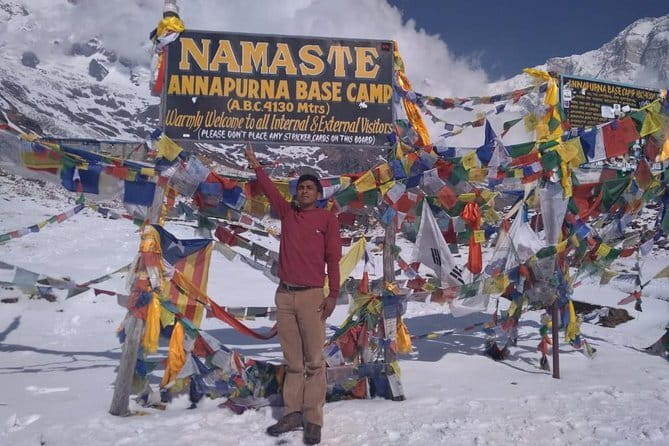
- Annapurna Base Camp reaches 4,130 meters: This is a real high-altitude trek, not a casual day walk.
- Ghandruk adds cultural interest: The route passes through a model village associated with Gurung and Dalit communities.
- Ram and Santosh are names to note: Ram served as guide on several listed trips, with porter Santosh praised for dependable support.
- The package covers the basics: Permits, TIMS, meals, tea or coffee, guide, porters, transport, and accommodation are included.
- Mountain rooms are simple: You get a private room with shared toilet facilities during the trek.
- The route needs time and stamina: Walking days run from about five to six hours, with a long return day through Nayapul.
The real length of the Annapurna Base Camp trek
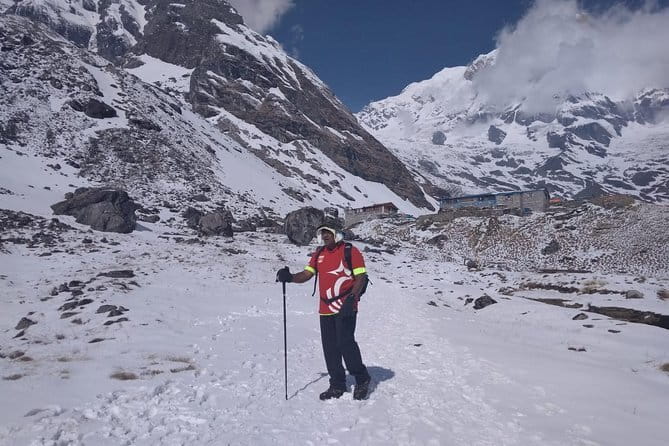
The advertised summary says two days, but the detailed plan clearly describes an 11-day itinerary. That includes arrival in Kathmandu, two road journeys between Kathmandu and Pokhara, seven trekking days, and departure.
This matters when you arrange flights, leave from work, insurance, and hotel nights. The included lodging covers two nights in Kathmandu and two nights in Pokhara with breakfast. You should confirm the exact dates and total nights with Well Plan Trekking before paying, since the short duration shown in the headline does not match the walking program.
The price is listed at $741.34 per person. For an organized Nepal trek, that is useful value if you want the main logistics handled in one booking. It includes transport, permits, a guide, porters, food during the trek, and accommodation. You still pay for insurance, personal expenses, alcoholic drinks, bar bills, Kathmandu and Pokhara lunches and dinners, and tips.
More Trekking Tours in Kathmandu
- Everest Base Camp Trek – 14 Days
★ 5.0 · 1,499 reviews - Everest Base Camp Trek
★ 5.0 · 842 reviews - Everest Base Camp Trekking
★ 5.0 · 485 reviews
Kathmandu to Pokhara: two cities and one long road day
Your trip begins in Kathmandu at about 1,300 meters. Airport pickup and drop-off by private car are included, which removes one common arrival hassle. You also have two nights in Kathmandu with breakfast, giving you time to settle in before the mountain section.
Day two is a six- to seven-hour tourist-bus ride to Pokhara, at about 820 meters. The journey is not a sightseeing stop in the usual sense. It is a long transfer, so you should treat it as a travel day rather than expect a relaxed morning and an early afternoon in Pokhara.
Pokhara is the staging point for the trek. The package includes two nights there with breakfast, plus the return bus to Kathmandu. Lunch and dinner in both cities are not included, so budget separately for those meals. The bus arrangement keeps the cost down, though a six- to eight-hour road trip can feel tiring before and after several days on foot.
Ghandruk brings the first real walking day
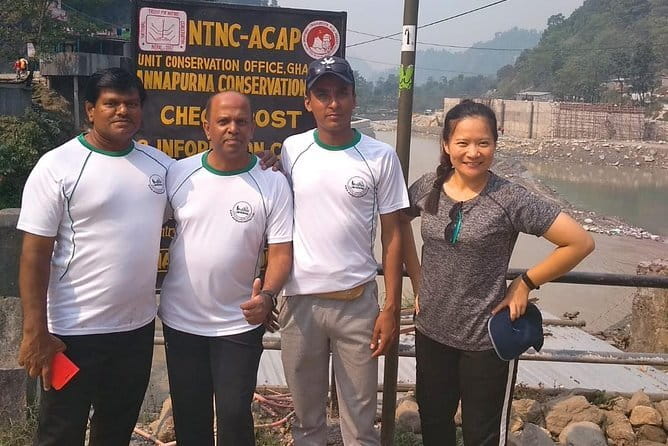
From Pokhara, you drive to Nayapul, then begin walking toward Ghandruk. The combined drive and trek take about five to six hours. Ghandruk sits at roughly 1,940 meters and is one of the most appealing parts of this route.
The village is tied to Gurung culture and also brings you into contact with Dalit communities. That gives the trek a human setting before the trail moves into the higher mountain country. You are not simply walking from lodge to lodge. You are passing through a village with its own local character and long connection to the hills.
Ghandruk also offers an easier first walking day than the higher sections. Even so, road and trail time combined can make the day feel full. Keep your day bag light and save energy for the following climbs.
Ghandruk to Sinuwa: forests, steps, and a longer day
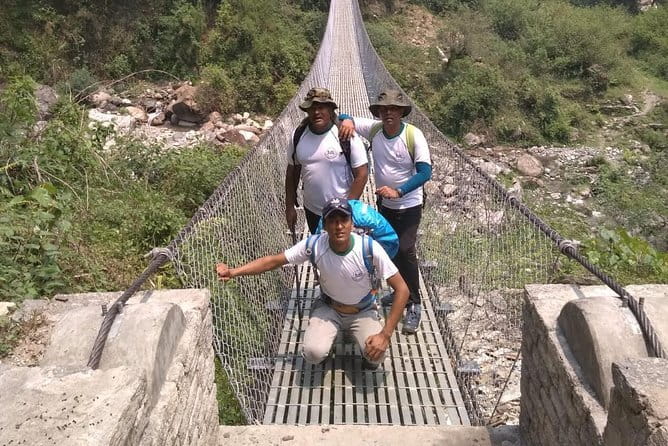
The walk from Ghandruk to Sinuwa takes about five to six hours. Sinuwa is at approximately 2,360 meters, so you gain height while moving farther into the Annapurna region.
This is where the trip begins to feel like a proper mountain trek. The route leaves the village setting behind and takes you into a more wooded section of the valley. You should expect uneven ground and repeated uphill and downhill sections. The itinerary gives a walking time, but your pace, weather, and trail conditions will affect the actual day.
The English-speaking guide is important here. A guide who watches your pace can help keep the day manageable, especially if you are slower on climbs. One past trip included guide Ram, who was praised for route knowledge and for making safety his first concern. That is the sort of support you want on a route with changing weather and rising altitude.
Another trail to compare in Kathmandu:
- Annapurna Circuit Trek with Tilicho Lake
★ 5.0 · 368 reviews - Everest Base Camp Trekking – 13 Day
★ 5.0 · 365 reviews - Everest Base Camp Trek
★ 5.0 · 350 reviews - Everest Base Camp Trek -14 Days
★ 5.0 · 321 reviews
Sinuwa to Deurali: the serious middle section
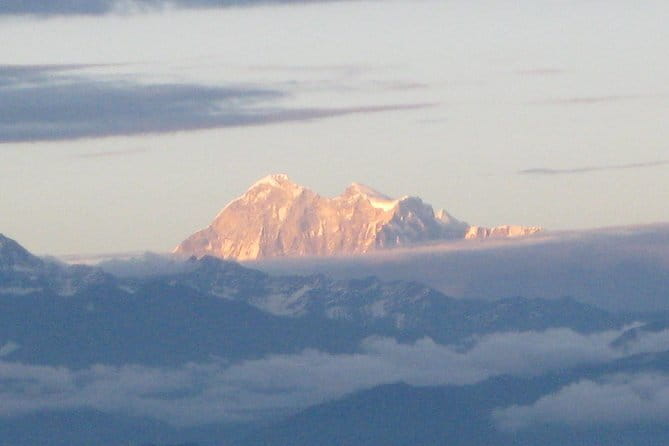
The trek from Sinuwa to Deurali takes about six hours and reaches approximately 3,230 meters. This is one of the more demanding days because you are gaining height while still covering a good distance.
You will want warm layers and rain protection close at hand. One account describes poor weather early in the trek and hail near Deurali. A raincoat was prepared by guide Ram, a small detail that shows why carrying proper protection matters even when the morning looks fine.
Deurali is not the final goal, but it is an important overnight point before the base camp push. The altitude is high enough that you should pay attention to how you feel. The supplied information calls for moderate physical fitness, and that is a fair description. You do not need to be an elite athlete, but you should be comfortable walking for five to six hours on steep, uneven trails.
Deurali to Annapurna Base Camp at 4,130 meters
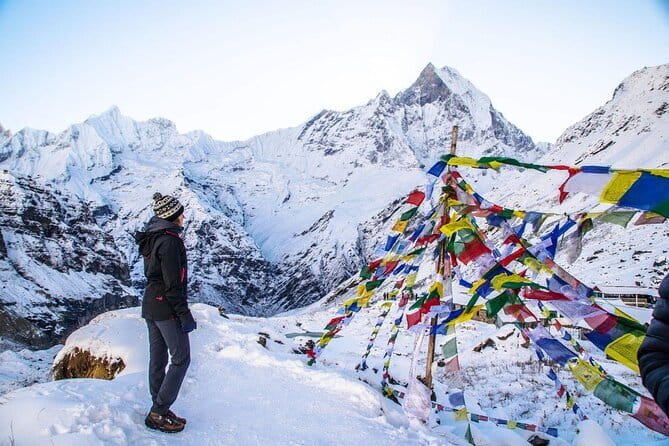
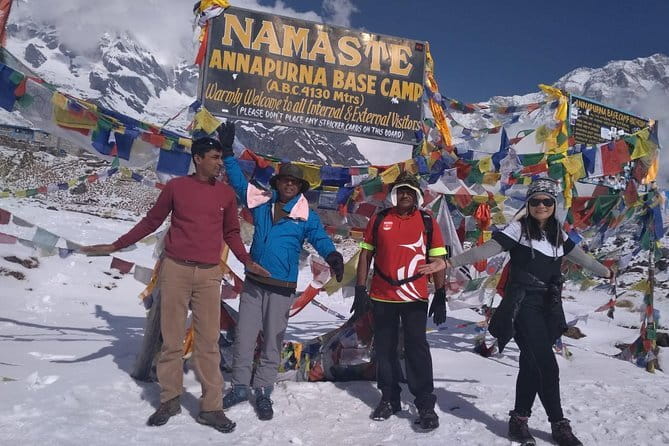
The walk from Deurali to Annapurna Base Camp takes about five hours. The camp sits at 4,130 meters, or 13,549 feet. Reaching the base camp of Annapurna, described here as the world’s 10th tallest mountain, is the main achievement of the trip.
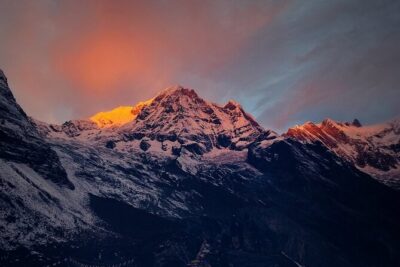
The final approach is less about speed than steady effort. You are moving into the Annapurna Sanctuary, a high mountain basin surrounded by major peaks. The description promises cold air from Annapurna and broad mountain views, but weather can affect what you see. Cloud, rain, or hail are possible, so you should value the setting even if the summit views are not perfect.
One trip reached only Machapuchare Base Camp, according to the supplied account, while still describing the guide’s care and route knowledge positively. That is a useful reminder that a trek’s success is not measured only by the final signpost. Weather, health, and safety can require a guide to adjust the plan.
At 4,130 meters, the night is likely to feel basic and cold, though exact room details at each stop are not provided. Mountain accommodation includes a private room with a shared toilet. Do not expect city-hotel facilities, private bathrooms, or every modern comfort.
The return through Bamboo and Jhinu Hot Spring
After the base camp, you walk to Bamboo, at roughly 2,340 meters. The return day takes about six hours. This drop in altitude is welcome, but downhill walking can be hard on knees and thighs after the climb.
The next day takes you from Bamboo to Jhinu Hot Spring in about five hours. Jhinu is at approximately 1,780 meters, making it another significant descent. The hot spring is a well-chosen stop because it gives you a chance to rest your legs before the final route to Nayapul.
The hot spring is not an optional extra in the basic route description. It is part of the planned journey, but the package notes that personal expenses such as showers and other services are not included. Ask the operator what, if anything, you need to pay locally for access or related services.
From Jhinu, the final trek to Nayapul and drive back to Pokhara takes about seven hours. It is a long final day. You should not assume the return is easy simply because you are descending. The walking, road transfer, and waiting time can add up.
What the $741.34 price really covers
The price makes the most sense for you if you want a supported trek rather than arranging each part yourself. Included services are:
- Two nights in Kathmandu and two nights in Pokhara with breakfast
- Kathmandu to Pokhara and return by tourist bus
- Private airport pickup and drop-off in Kathmandu
- An English-speaking trekking guide
- Porters, including their meals, accommodation, salary, and insurance
- Annapurna Conservation Area permit and TIMS paperwork
- Breakfast, lunch, dinner, and tea or coffee during the trek
- Mountain accommodation in private rooms with shared toilets
That is a useful list, but read the exclusions carefully. Travel and rescue insurance are not included. Neither are alcoholic drinks, bar bills, phone calls, laundry, battery charging, showers, personal purchases, city lunches and dinners, or tips for the guide and porters.
The porters are an important part of the value. Carrying your own heavy bag for several days at altitude can change the entire experience. You should still pack responsibly, since porter arrangements do not mean unlimited luggage.
Guides, porters, and the human side of the trip
The company assigns an experienced, helpful, friendly, English-speaking guide, though your booking information should confirm who will lead your group. Ram appears in several of the supplied trip accounts, and his strongest qualities were careful pacing, route knowledge, and attention to safety. Santosh is named as a porter who helped make one trip run well.
Do not assume that Ram and Santosh will be assigned to every departure. Ask before booking if having a particular guide matters to you. The trip is private, so only your group participates. That gives you more room to discuss pace, weather, and rest than a large mixed group would normally allow.
The private format is especially useful if one person in your party walks more slowly. One past trekker described being very slow on the way toward Machapuchare Base Camp, while the guide continued to focus on safety. You should still be honest about your fitness before the trip. A private group is flexible, but the mountain schedule remains demanding.
Weather, altitude, and practical preparation
The supplied accounts include rain, hail, and poor weather in the early days. Pack a waterproof layer, warm clothing, and a way to protect important items from rain. Keep these things in your day bag rather than buried in porter luggage.
The itinerary rises from Kathmandu and Pokhara to 4,130 meters in several stages. That gradual rise is helpful, but it does not remove altitude concerns. Walk at a measured pace, tell your guide if you feel unwell, and make safety the priority over reaching a particular point.
The operator requires moderate physical fitness. You should be ready for five- to six-hour walking days, a six-hour day from base camp to Bamboo, and a seven-hour final day that combines trekking and driving. The route is not suited to someone looking for a short, easy mountain outing.
Who should book this trek?
I would recommend it to you if you want a classic Annapurna route with village culture, high mountain views, organized support, and a clear base camp goal. It suits people who value a guide and porter system, but still want a private trip rather than a large group departure.
It is also a good match if you want a package that handles permits, transport, food, and basic lodging. The inclusion of Ghandruk and Jhinu Hot Spring gives the journey more variety than a simple climb to base camp and back.
I would hesitate if you have only two free days, since the detailed route needs 11 days. I would also hesitate if you expect private bathrooms, polished hotels in the mountains, short walking days, or a fully all-inclusive price. Those expectations do not fit the information provided.
Should you book the Annapurna Base Camp Trek?
Book this trek if the full 11-day schedule works for you and you are comfortable with basic mountain rooms, shared toilets, changing weather, and several long walking days. At $741.34, the package offers solid practical value because it combines guides, porters, permits, meals, lodging, airport transfers, and the Kathmandu to Pokhara bus.
Before booking, confirm the duration, exact departure dates, guide assignment, and what happens if weather affects the route. Buy travel and rescue insurance separately, budget for city meals and personal costs, and ask about tips. If you want Annapurna Base Camp with cultural stops, a private group, and substantial logistical help, this is a sensible choice.
FAQ
How long is the Annapurna Base Camp trek?
The detailed program takes 11 days, including arrival in Kathmandu, travel to Pokhara, the trek, the return to Kathmandu, and departure. The summary says two days, so you should confirm the actual dates with Well Plan Trekking before booking.
Where does the trek start and finish?
The activity starts in Kathmandu at 44600, Nepal, and ends back at the meeting point in Kathmandu after the return journey.
How high is Annapurna Base Camp?
Annapurna Base Camp is listed at 4,130 meters, or 13,549 feet.
Is transportation between Kathmandu and Pokhara included?
Yes. The package includes Kathmandu to Pokhara and Pokhara to Kathmandu by tourist bus. Airport pickup and drop-off in Kathmandu by private car are also included.
Are meals included during the trek?
Breakfast, lunch, dinner, and tea or coffee are included during the trek. Lunch and dinner in Kathmandu and Pokhara are not included.
What kind of accommodation is provided?
The package includes two nights in Kathmandu and two nights in Pokhara with breakfast. During the trek, accommodation is in private rooms with shared toilet facilities.
Can I cancel for a full refund?
You can cancel at least 24 hours before the experience start time for a full refund. Cancellations or changes made less than 24 hours before the start time are not refunded or accepted.
Latest treks added in Kathmandu
- Private Manaslu Circuit Trek at Himalayas★ 5.0 · 3 reviews
- Ghorepani Poonhill Trek★ 5.0 · 5 reviews
- Ghorepani Poon Hill Trek★ 5.0 · 16 reviews
- Amazing 1 Day Trekking Experience in Kathmandu Nepal★ 5.0 · 24 reviews
- Upper Mustang Trekking★ 5.0 · 2 reviews
- Upper Mustang Trekking★ 3.0 · 2 reviews
- Upper Mustang Trek★ 5.0 · 5 reviews
- Upper Mustang Trekking★ 5.0 · 4 reviews
Kathmandu Trekking Tours, compared.