
REVIEW · KATHMANDU
13 Days Annapurna Base Camp Trek
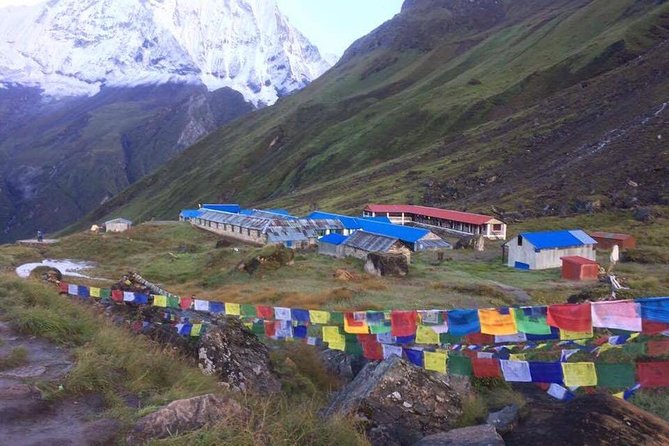
The big reward here is the walk into the Annapurna Sanctuary, where high mountain walls gather around Annapurna Base Camp. You get snow peaks, green hills, and village life in one trip, not just a quick mountain viewpoint.
I like the practical package: meals and eight nights of trekking lodges are included, along with permits, transport, a guide, and a porter shared between every two people. I also like the personal scale. This is a private trip, so your group can move at its own pace with an English-speaking guide. The main caution is simple: this is still a serious mountain walk. The listing calls it moderate, but strong fitness, cold-weather gear, and good insurance matter.
Key points to know
- Annapurna Base Camp at the center: Expect views of Annapurna I, Annapurna South, Hiunchuli, Fang, Gangapurna, Annapurna II, Annapurna III, and Machhapuchhre.
- Private group format: Only your own group takes part, with one guide and one porter for every two trekkers.
- Family-run tea houses: Eight trekking nights use normal lodges and tea houses run by Nepali families.
- Useful inclusions: Breakfast, lunch, dinner, permits, TIMS registration, ground transport, Kathmandu and Pokhara hotels, and airport transfers are covered.
- Guides with strong personal praise: Guides including Deepak, Shambu, Krishna, Chris, Ram, Jit, and Kabiraj are named in past trip accounts, though your assigned guide is not guaranteed.
- Prepare for changing weather: Snow, rain, cold mornings, and rough lodge conditions are all possible, even when the route is carefully managed.
What the 13-day Annapurna Base Camp trip is really like
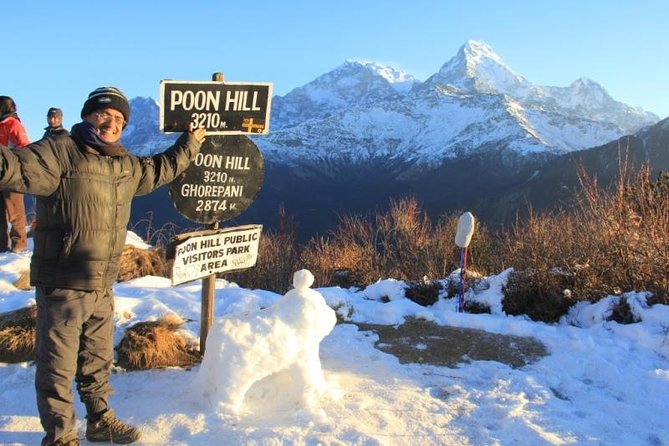
This is a mountain trek with a reasonable amount of support built in. You begin and end in Kathmandu, spend time in Pokhara, and walk between the road access points at Nayapul and Phedi. The route includes about eight days in trekking lodges, with the remaining time used for city hotels, transfers, and the approach to and return from the mountains.
The word moderate needs a little care. You do not need technical climbing skills based on the information provided, but you do need strong fitness. You will walk for several days, gain altitude, handle uneven paths, and sleep in basic accommodation. The days may begin comfortably, yet the higher sections can bring snow, rain, cold, and harder walking.
The trip price is $999 per person. That is a useful value if you want a guided trek without arranging every piece yourself. The price covers two nights at a three-star bed-and-breakfast hotel in Kathmandu, two nights at a three-star bed-and-breakfast hotel in Pokhara, eight nights of trekking accommodation, all main meals during the trek, permits, guide and porter services, tourist-bus transport, private transfers at the trail ends, and airport transfers.
You still need to budget for Nepal’s entry visa, city meals, drinks, hot showers on the trail, equipment, insurance, tips, and personal spending. Those extras can matter. The trek is not an all-inclusive holiday.
More Annapurna Treks in Kathmandu
- Annapurna Circuit Trek with Tilicho Lake
★ 5.0 · 368 reviews - Annapurna base camp trek 5 Days
★ 5.0 · 252 reviews - 14-Day Private Annapurna Base Camp Trek
★ 5.0 · 180 reviews
Kathmandu: two nights to get organized
Your stay begins at Hotel Thamel, a three-star property with breakfast. The package also includes airport pickup and later airport return, which removes one annoying task after a long flight.
Kathmandu is mainly your preparation point here. You need to arrive with three passport-size photos, including the three photos requested for permits, and a hard copy of your itinerary. The operator also asks you to have your equipment ready before the walk begins.
The city meals are not included beyond breakfast, so you pay for lunch and dinner yourself. That gives you freedom, but remember that food and drinks add up before and after the trek.
An early start is listed at 7:15 am. Take that seriously. Mountain transport in Nepal can be slow, and the route uses a tourist bus from Kathmandu to Pokhara. The schedule may feel less polished than a private road transfer, but it keeps the package price down.
Pokhara, Nayapul, and the start of the trail
Pokhara is your main base before the walk, with two nights at Splendid View, another three-star bed-and-breakfast hotel. The town gives you a softer transition from city travel to mountain walking.
The trekking start point is Nayapul, reached by private transport from Pokhara. The return point is Phedi, also followed by private transport back to Pokhara. This arrangement is helpful because you are not left to negotiate local transfers at either end of the trail.
The early part of the trek is described as a useful period for getting used to the altitude and walking routine. That is important. The opening stages are not just filler. They let your body adjust before the route becomes harder and the mountain views grow bigger.
You will pass through villages and see daily life in the hills. The package is not only about peaks. Your guide can help explain local customs, village routines, and the mountain environment, which adds meaning to the walk.
The climb toward Annapurna Base Camp
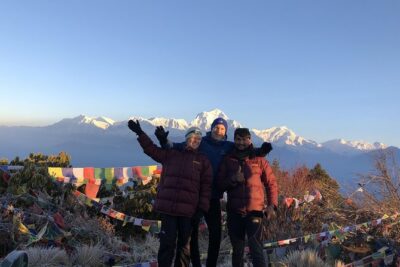
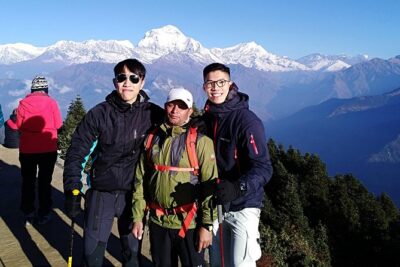
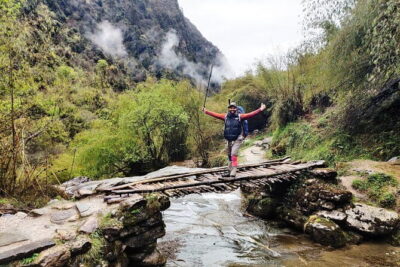
The central appeal is the changing scenery. Lower sections bring green natural beauty and settled villages. Higher ground brings colder air, snow, and broad views of the Annapurna range.
The named peaks include Annapurna I, Annapurna II, Annapurna III, Annapurna South, Hiunchuli, Fang, Gangapurna, and Machhapuchhre. You will not see every peak clearly every day. Mountain weather can close the views quickly, and one family described dealing with poor weather through much of its trek. That is normal mountain reality, not a fault in the trip.
Machhapuchhre, also known as Fishtail, is one of the most recognizable peaks in the region. The route’s appeal comes from seeing the mountains grow closer as you walk, rather than simply photographing them from a road.
The final approach is where the trip asks the most from you. Past experience on this route includes snowstorms and heavy rain, and some accounts describe the later walking as noticeably harder than the first couple of days. You need warm layers, gloves, good shoes, a sleeping bag rated to minus 15 Celsius, and patience when conditions turn.
Another trail to compare in Kathmandu:
- Everest Base Camp Trek – 14 Days
★ 5.0 · 1,499 reviews - Everest Base Camp Trek
★ 5.0 · 842 reviews - Everest Base Camp Trekking
★ 5.0 · 485 reviews - Everest Base Camp Trekking – 13 Day
★ 5.0 · 365 reviews
Tea houses, meals, and the practical side of trekking
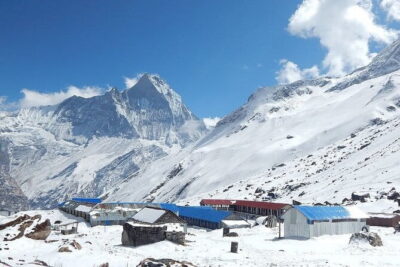
Eight nights use normal lodges or tea houses run by Nepali families. Think basic mountain accommodation, not hotel comfort. The rooms are described as acceptable and relatively clean, but conditions can be difficult. Hot showers are not included, and personal towels are on the packing list.
The trade-off is worthwhile for many people. Family-run tea houses bring you closer to the communities along the route, and your spending supports local businesses. You also get a warm place to eat and sleep without carrying camping equipment.
Breakfast, lunch, and dinner are included during the trek, with main courses covered. Drinks are not included. That means alcoholic drinks, non-alcoholic drinks, sweets, chocolate, and desserts come from your own pocket.
The food can be a pleasant surprise, but choices become more limited as you gain height. Bring a few preferred snacks if you have strong tastes, but do not expect the same selection you would find in Kathmandu or Pokhara.
Guides and porters make a real difference
The arrangement provides one English-speaking trekking guide and one porter for every two trekkers. The porter carries shared equipment, while you still need to carry your personal day items and manage your own clothing, water, and essentials.
Guide quality matters more than polished transport on a trek. Names connected with past trips include Deepak, Sheepy, Shambu, Krishna, Chris, Ram, Jit, Kabiraj, and Bassu. You should not assume one of these people will lead your group, but the consistent theme is attentive support, practical mountain knowledge, and good humor.
Shambu is specifically associated with careful help from airport arrival through the trek. Krishna is described as helpful and familiar with the area. Chris is praised for knowing the route well, while Ram is associated with careful planning and patient handling of difficult weather. These details suggest that communication with the operator before arrival is worth your time.
Your guide also monitors the group’s pace. That is especially useful when one person is tired, cold, or struggling with the altitude. A private format gives the group more flexibility than a large scheduled departure, although unavoidable changes can still occur.
Altitude, weather, and equipment
You need to take the health side seriously. The operator asks for strong physical fitness and recommends travel insurance covering medical treatment, accidents, natural disasters, emergency evacuation, trip cancellation, and loss or damage to baggage and gear.
Emergency rescue is not included. A helicopter evacuation can be expensive, so your policy must cover it clearly. Do not rely on a general policy unless it specifically includes trekking at the altitude reached by this trip.
The suggested equipment list is long for a reason:
- Sleeping bag rated to minus 15 Celsius
- Down jacket and warm clothing
- Gloves and socks
- Trekking shoes
- Trekking stick
- Sunglasses and sunscreen
- Torch light
- Personal towel
- Basic medicines and bandages
You should also bring remedies for headache, fever, stomach pain, diarrhea, and minor cuts. This is not a substitute for medical advice, but it reflects the limited access to supplies once you are on the trail.
Weather can change fast. November has been described as a good month for clear conditions, with cold early mornings at high passes. Other trips have faced rain and snow almost every day. Go for the mountains, not a guarantee of blue skies.
What the $999 price covers, and what it does not
At $999, the package offers solid convenience. You are paying for an organized trek with city hotels, airport transfers, road transport, private trail transfers, guide support, porter support, food, permits, and trekking accommodation.
The permit costs are covered, including the Annapurna Conservation Permit and TIMS registration. Guide and porter insurance is also included. A farewell dinner with cultural dance is part of the service, giving you a final evening of organized hospitality.
The gaps are equally important. City lunches and dinners are not covered. Personal gear is not covered. Hot showers, drinks, sweets, tips, visa fees, rescue costs, and personal expenses are separate.
The price makes the most sense if you are new to Nepal or want to avoid assembling transport and permits yourself. Independent trekkers may spend less in some circumstances, but they take on more planning and more risk if problems arise.
Booking details and changes to expect
Confirmation is received at booking, and pickup is offered. The meeting time is 7:15 am. Because road conditions, landslides, floods, snow, government restrictions, political unrest, sickness, accidents, or flight delays can affect a Nepal itinerary, keep some flexibility in your schedule.
Any extra cost caused by unavoidable changes is assigned to the client. Read that condition carefully before paying. The experience is non-refundable and cannot be changed for any reason, so this is not a good booking for uncertain plans.
The trip is private, but that does not mean every detail can be altered at the last minute. Ask the operator before booking about your likely guide, current road conditions, equipment rental options, and the exact day-by-day schedule.
Who should book this trek
You should consider it if you want a classic Himalayan walk with a guide, porter, permits, food, and accommodation arranged in advance. It suits people who are comfortable with basic tea houses and who want village contact as well as mountain scenery.
It is a good match for a couple, family, or small group that wants private handling. Past groups included a parent and three daughters, as well as pairs of friends. The guides’ patient approach is especially valuable when group members have different walking speeds.
You should think twice if you want luxury accommodation, fixed weather, private dining, or a soft adventure with little exertion. You also need to be willing to buy proper insurance and carry suitable cold-weather equipment.
Should you book the 13-day Annapurna Base Camp trek?
I would choose this trip if value, personal support, and a classic Annapurna route matter more to you than comfort. The combination of included meals, permits, city hotels, private transfers, guide service, and porter support is strong for $999.
Book it with realistic expectations. You may face cold mornings, basic rooms, bad weather, limited showers, and schedule changes. If you arrive fit, carry the right gear, and accept that mountain conditions control the day, this offers a rewarding way to reach Annapurna Base Camp and see village life along the way.
FAQ
How long is the Annapurna Base Camp trek?
The experience is advertised as approximately 13 days. It includes time in Kathmandu and Pokhara, transport to and from the trail, and about eight days of trekking accommodation.
Where does the trek start and finish?
The trekking section starts at Nayapul after private transport from Pokhara. It ends at Phedi, followed by private transport back to Pokhara.
Is transportation included?
Yes. The package includes tourist-bus transportation from Kathmandu to Kathmandu, private transport between Pokhara and Nayapul, private transport from Phedi to Pokhara, and airport to hotel and hotel to airport transfers.
Are meals included?
Breakfast is included at the Kathmandu and Pokhara hotels. Breakfast, lunch, and dinner are included during the trek, with main courses covered. Lunch and dinner in Kathmandu and Pokhara, drinks, sweets, and desserts are not included.
Is a guide and porter included?
Yes. The package includes one English-speaking trekking guide and one porter for every two trekkers. The trip is private, so only your own group participates.
What equipment do I need to bring?
You should bring a sleeping bag rated to minus 15 Celsius, a down jacket, gloves, warm clothing, trekking shoes, a trekking stick, sunglasses, sunscreen, socks, a torch, and a personal towel. Basic medicines and bandages are also recommended.
Does the price include emergency evacuation?
No. Emergency rescue evacuation is not included. Your insurance should cover medical treatment, accidents, natural disasters, emergency evacuation, trip cancellation, and lost, stolen, or damaged baggage and gear.
Latest treks added in Kathmandu
- Private Manaslu Circuit Trek at Himalayas★ 5.0 · 3 reviews
- Ghorepani Poonhill Trek★ 5.0 · 5 reviews
- Ghorepani Poon Hill Trek★ 5.0 · 16 reviews
- Upper Mustang Trekking★ 3.0 · 2 reviews
- Amazing 1 Day Trekking Experience in Kathmandu Nepal★ 5.0 · 24 reviews
- Upper Mustang Trekking★ 5.0 · 2 reviews
- Upper Mustang Trek★ 5.0 · 5 reviews
- Upper Mustang Trekking★ 5.0 · 4 reviews
Annapurna Base Camp Treks, compared.
Trekking in Annapurna/Langtang/Everest/Upper Mustang regions
Read our review →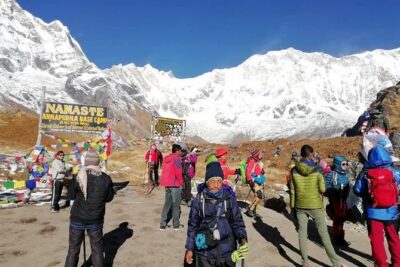
Kathmandu to Annapurna Base Camp (ABC) 5-Day Trek
Read our review →Browse the lists this tour appears in