
REVIEW · KATHMANDU
10 Days Annapurna Base Camp Trek from Kathmandu
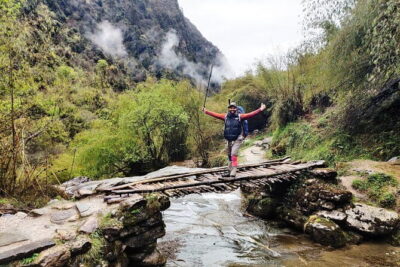
Annapurna Base Camp is the prize here, but the route earns its keep long before you reach it. You walk through Gurung villages, cross rivers on mountain bridges, pass bamboo and rhododendron forests, and reach a high bowl ringed by snow-covered peaks. I especially like the private format, since your guide can adjust the pace and explain local life without a large group setting. I also like that permits, transport, and guide expenses are bundled into the $490 price. The main catch is the physical demand: several days involve steep stone steps, and the 1,700-meter descent from base camp to Bamboo can be hard on knees.
The trip is a good fit if you want a classic Himalayan trek without arranging every permit, vehicle, and overnight stop yourself. It is less suitable if you want a slow holiday or prefer fully supported comfort, since meals are extra and no porter service is listed.
Key points to know before you book
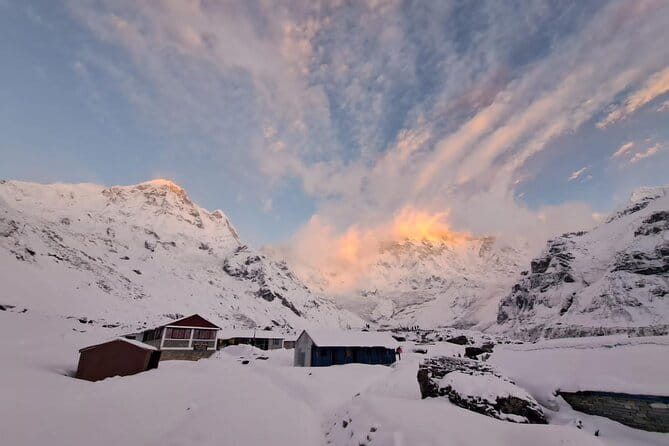
- Annapurna Base Camp is reached on day six, after a steady climb through Deurali and high alpine terrain.
- The trek is private, so only your own group participates.
- Guide costs, permits, official documents, and a first-aid kit are included.
- Two nights in a two-star hotel in Pokhara include breakfast, while food and drinks during the trek cost extra.
- Krishna, Amrit, Milan, Biru, Deepak, and Prakash are among the guides associated with this route and are praised for safety, local insight, and friendly service.
- The Kathmandu to Pokhara road journey takes about seven hours each way, making the first and final days travel-heavy.
What the $490 price really covers
At $490 per person, this is a practical package rather than a luxury trek. The cost includes hotel pickup and drop-off, the tourist bus between Kathmandu and Pokhara, two nights of Pokhara accommodation with breakfast, trekking permits, official documents, an English-speaking government-licensed guide, and guide expenses.
You also receive private vehicle transfers from Pokhara to Nayapul and from Siwai back toward Pokhara. That matters because it removes several awkward transport arrangements at the beginning and end of the walking route. You are not left trying to find a jeep at a trailhead after a tiring day on foot.
The price does not include food and drinks. That is normal for a trek of this type, but you should budget for meals, tea, water, and other purchases along the way. Gratuities are optional. A porter is not listed among the inclusions, so ask before booking if you want help carrying your main bag.
The package also includes only two hotel nights in Pokhara. Overnight stays during the mountain section are part of the trekking arrangement, but the information provided does not specify their exact category. Ask the operator about room sharing, hot showers, charging facilities, and the meal plan before departure.
More Annapurna Treks in Kathmandu
- Annapurna Circuit Trek with Tilicho Lake
★ 5.0 · 368 reviews - Annapurna base camp trek 5 Days
★ 5.0 · 252 reviews - 14-Day Private Annapurna Base Camp Trek
★ 5.0 · 180 reviews
Day 1: seven hours from Kathmandu to Pokhara
The trip begins with hotel pickup and a long road transfer to Pokhara. The stated bus ride is about seven hours, using a luxury sofa-seat tourist bus. That sounds more comfortable than a basic local bus, but you should still treat this as a full travel day.
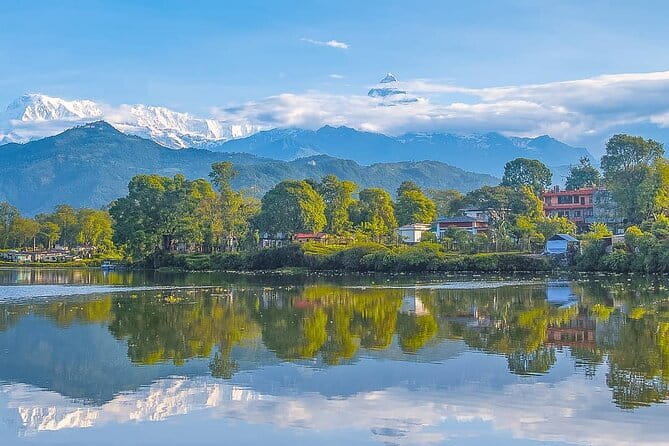
Pokhara is the gateway to the Annapurna region, and Lakeside is a pleasant place to settle in before walking begins. You have time to rest after arrival, though the schedule does not promise a sightseeing program. Your two nights in Pokhara include breakfast, giving you a useful buffer before and after the mountain section.
One point needs clarification: the published details mention both an early hotel pickup and an 11:15 am start time. Those do not perfectly match a seven-hour bus journey. Confirm the exact pickup time and meeting arrangement with CAN Travels before departure.
Day 2: Ghandruk and the first serious climb
From Pokhara, a private taxi or car takes you to Nayapul. From there, the walk toward Ghandruk passes through Sauli Bazar and climbs for roughly five to seven hours.
Ghandruk is one of the most appealing stops on the route. It is a Gurung village, and the setting gives you an early taste of the mountain culture that makes this trek more than a series of viewpoints. The village also opens up broad mountain views, so you get a strong reward at the end of a demanding first walking day.
Do not underestimate this stage. The trail includes a steep hill section, and your legs are still adjusting to carrying a pack. I would keep your first-day expectations modest, walk steadily, and save energy for the final climb into the village.
Day 3: Ghandruk to Chhomrong
The route from Ghandruk to Chhomrong rises and falls over Kumrong Danda. Six hours of walking may sound moderate, but repeated ascents and descents can be more tiring than one long uphill stretch.
Chhomrong is a key village on the Annapurna Base Camp route. Here you see more of the traditional Gurung way of life, along with mountain views and a clear sense that the route is moving into higher country. It is a good place to pay attention to your guide’s local explanations rather than simply rushing through the day.
The guide quality matters on this trip. Krishna is described as friendly, funny, and comfortable speaking English. Amrit is praised for explaining local culture and keeping a positive attitude. You may not be assigned one of these particular guides, so request a preferred guide if that is important to you.
Another trail to compare in Kathmandu:
- Everest Base Camp Trek – 14 Days
★ 5.0 · 1,499 reviews - Everest Base Camp Trek
★ 5.0 · 842 reviews - Everest Base Camp Trekking
★ 5.0 · 485 reviews - Everest Base Camp Trekking – 13 Day
★ 5.0 · 365 reviews
Day 4: the stone steps to Bamboo
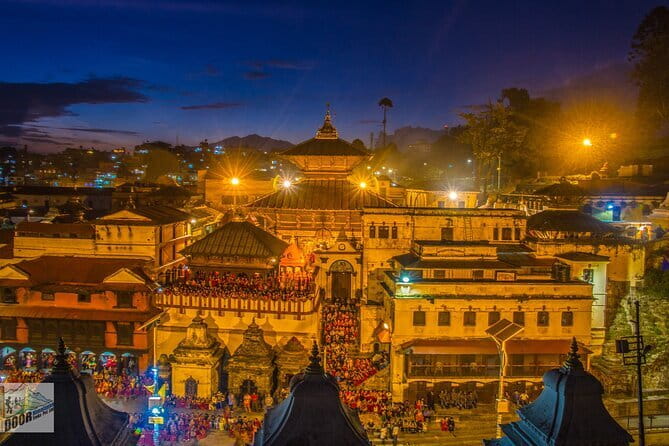
Leaving Chhomrong means descending steeply to Chhomrong Khola, crossing the stream, and climbing again. The trail rises and falls several times before Bamboo, with about six hours of walking on the schedule.
This is a classic Himalayan trail day: water below, forest around you, and plenty of stone steps underfoot. The scenery is attractive, but the constant changes in height require patience. A short distance on a map can still take hours when every descent is followed by another climb.
Bamboo is not a sightseeing stop in the usual sense. Its value is as a forested overnight point that breaks the route into manageable sections. Your guide can help set a pace that keeps you moving without burning out too early.
Day 5: Bamboo, Dovan, and Deurali
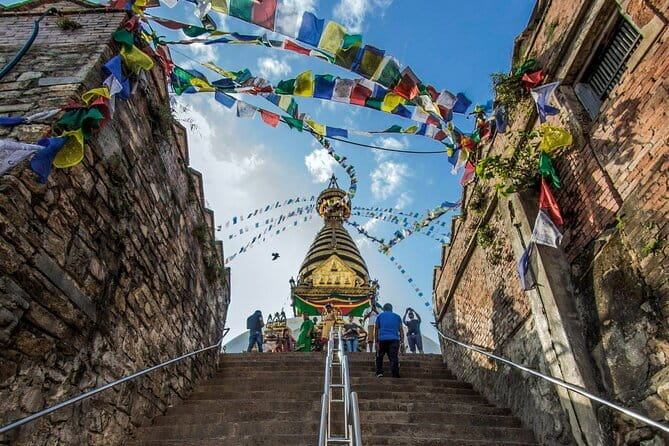
The walk toward Deurali passes through bamboo and rhododendron forest. The scheduled walking time is about seven hours, and the trail gradually feels more remote as you leave the lower villages behind.
The forest is one of the pleasures of this route. It gives shade, changes the mood of the trek, and creates a contrast with the open mountain views waiting higher up. You may also catch glimpses of snow-covered peaks through breaks in the trees.
Deurali is an important staging point for base camp. This is where the route begins to feel more serious, not because every step is extreme, but because altitude, weather, and fatigue begin to matter more. Keep the evening simple, eat well, and follow your guide’s advice about the next day.
Day 6: reaching Annapurna Base Camp
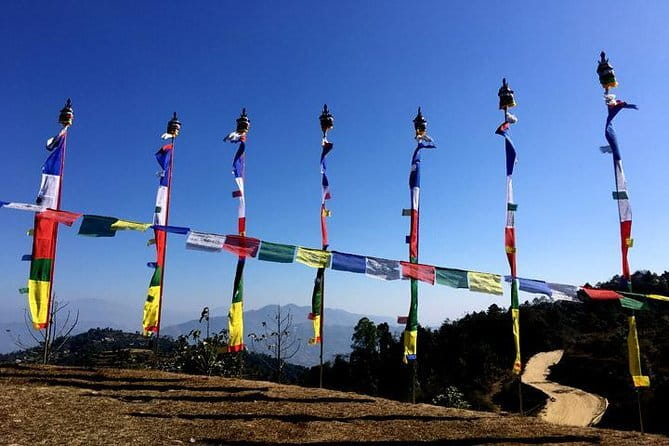
The sixth day is the central event of the trek. From Deurali, you walk through high alpine forest toward Annapurna Base Camp, with about seven hours on the schedule.
The route passes several areas known for avalanches, which adds a real mountain element to the day. That does not mean you should treat the trail as a thrill ride. Conditions can change, and your guide’s judgment is important. Stay with the group and follow instructions around exposed or unstable sections.
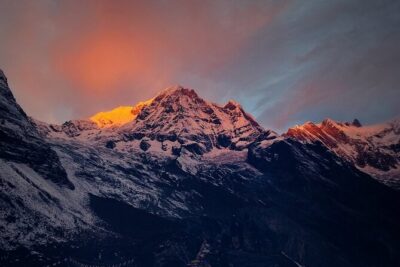
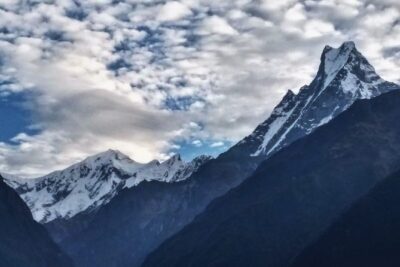
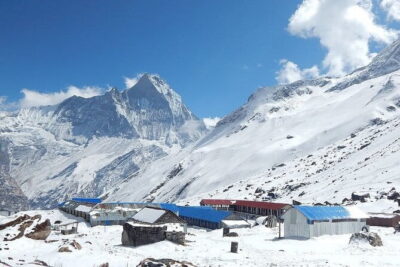
At base camp, you are surrounded by the high peaks of the Annapurna range. The setting is the kind of place that makes the long approach worthwhile: a natural amphitheater of snow-covered mountains, reached on foot rather than by road or cable car.
Sunrise views are a major attraction of the experience. The exact quality depends on weather, but the early light on the peaks is one reason to accept the cold and early start. The base camp overnight also gives you time to appreciate the setting instead of arriving, taking a quick photograph, and immediately turning around.
Day 7: the long descent to Bamboo
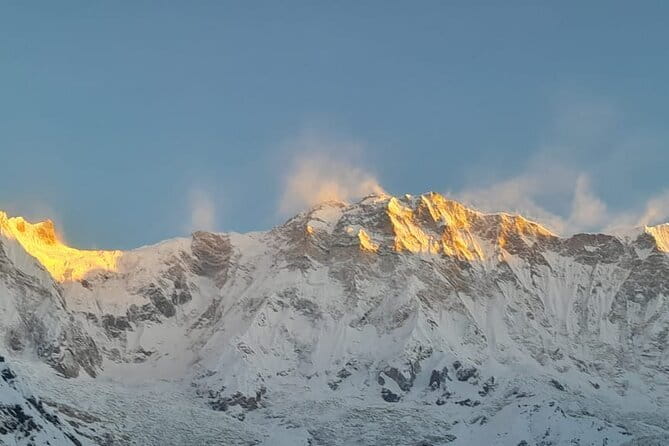
After breakfast and time around base camp, you retrace the route toward Bamboo. The scheduled walk is about six hours, but the important detail is the descent of roughly 1,700 meters.
Going downhill is not automatically easy. Your lungs may welcome the lower elevation, but your knees and thighs take more punishment, especially on stone steps. Trekking poles, careful foot placement, and a controlled pace can make this day far more comfortable.
The return route also gives you a second look at places that seemed different on the way up. Forests, bridges, and mountain views change with the direction of travel, and you may notice details you missed while focused on reaching base camp.
Day 8: Bamboo to Jhinu Danda
From Bamboo, the trail climbs steeply to Kuldi Ghar, then continues through Sinuwa and down toward Lower Chhomrong before climbing again. The day lasts about six hours.
Jhinu Danda is best known on this route as a place associated with hot springs. One account of the trip mentions a hot-spring visit, but the day-by-day plan does not clearly list it as an included stop. Ask CAN Travels whether the hot springs are part of your schedule, whether there is an extra fee, and how much time is set aside.
Even without that addition, Jhinu Danda provides a welcome change after the base camp return. The route is still hilly, but you are moving back toward lower country and warmer conditions.
Day 9: Siwai, Nayapul, and Pokhara
The last walking day begins after breakfast and leads to Siwai. From there, a shared jeep or bus takes you to Nayapul, followed by a private car or jeep to Pokhara.
This is described as one of the easiest days, though the transport connection adds some uncertainty. Shared vehicles can be less predictable than private transfers, and the timing may depend on local conditions. Your guide handles the practical details, but keep your day flexible.
Returning to Pokhara gives you a useful break before the final road journey. You have another night in the included two-star hotel, with breakfast provided. If you are considering adding extra time in Nepal, Pokhara is also the natural place to extend your stay, though additional nights are not part of this package.
Day 10: the road back to Kathmandu
The final day repeats the long highway journey to Kathmandu, again taking around seven hours. The route passes rivers, hills, and small Nepalese settlements.
This is not a sightseeing day with planned stops. It is a transfer back to Kathmandu, and traffic can affect the arrival time. I would avoid booking a tight international connection on the same day unless the operator confirms the timing and you have plenty of margin.
The inclusion of the tourist bus keeps the cost down and makes the route simple. The tradeoff is that you spend another full day on the road after completing the trek.
Guides, safety, and the private format
The strongest part of this experience is the guide service. The named guides connected with the trip, including Krishna, Amrit, Milan, Biru, Deepak, and Prakash, are described as friendly, attentive, and good at explaining local culture. Several are also praised for making a first trek feel manageable.
That personal support matters on a route with steep descents, repeated climbs, and avalanche-prone sections. A good guide watches the pace, helps with route decisions, and notices when someone needs a break. The package includes a normal emergency first-aid kit, but it does not promise advanced medical support.
Because the tour is private, your group is not tied to the pace of strangers. That is useful if members of your group have different walking speeds or if you want more time to ask questions. It also means the quality of your experience depends heavily on the guide assigned to you, so ask about the guide’s name and experience before you set off.
Who should book this trek
I would recommend this trip to someone with moderate physical fitness who wants a structured route to Annapurna Base Camp. It suits first-time Himalayan trekkers who would rather have permits, transport, and a guide arranged in advance.
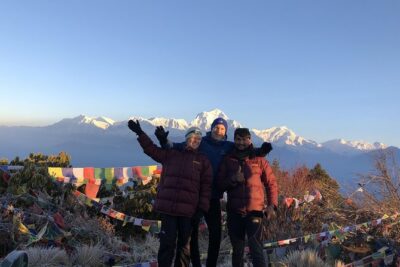
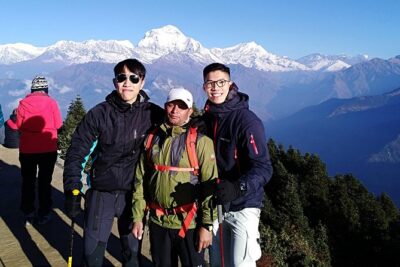
It also works well for a small group of friends or family members who value privacy. The route offers a strong mix of mountain scenery, village life, forests, bridges, and high-altitude views without requiring you to organize each part yourself.
I would think twice if you dislike long bus journeys, steep steps, or basic mountain accommodation. The package is also less suitable if you expect meals, a porter, or luxury rooms to be included. Ask direct questions about those points before paying.
Cancellation is flexible if your plans change: you can receive a full refund by canceling at least 24 hours before the start time. Changes or cancellations made inside that period are not accepted for a refund.
Should you book the Annapurna Base Camp trek?
Book it if you want a well-organized private trek at a moderate package price, and you are comfortable paying separately for food and drinks. The route gives you the essential Annapurna experience, from Gurung villages and forest trails to the high mountain setting at base camp.
Before booking, confirm the pickup time, the exact accommodation used on the trail, whether a porter is available, and whether the Jhinu hot springs are included. If those details suit you, the $490 price offers solid value for a guide-led 10-day route with permits, transport, Pokhara hotels, and private arrangements already in place.
FAQ
How long is the Annapurna Base Camp experience?
The experience lasts approximately 10 days, including travel between Kathmandu and Pokhara and the walking route to and from Annapurna Base Camp.
What is included in the $490 price?
The price includes hotel pickup and drop-off, tourist bus transfers between Kathmandu and Pokhara, two nights in a two-star Pokhara hotel with breakfast, an English-speaking government-licensed guide, trekking permits, official documents, private transfers between Pokhara, Nayapul, and Siwai, and the guide’s food, accommodation, and expenses.
Are meals included during the trek?
No. Food and drinks are not included, but they are available for purchase during the experience.
Is this a private tour?
Yes. Only your own group participates in the activity.
What level of fitness is required?
A moderate level of physical fitness is required. The route includes steep climbs, steep descents, repeated uphill and downhill sections, and a long descent from Annapurna Base Camp toward Bamboo.
Are trekking permits included?
Yes. Trekking permits and official documents are included.
Can I cancel for a full refund?
Yes, if you cancel at least 24 hours before the experience start time. Cancellations or changes made less than 24 hours before the start time are not accepted for a refund.
Latest treks added in Kathmandu
- Private Manaslu Circuit Trek at Himalayas★ 5.0 · 3 reviews
- Ghorepani Poonhill Trek★ 5.0 · 5 reviews
- Ghorepani Poon Hill Trek★ 5.0 · 16 reviews
- Upper Mustang Trekking★ 3.0 · 2 reviews
- Amazing 1 Day Trekking Experience in Kathmandu Nepal★ 5.0 · 24 reviews
- Upper Mustang Trekking★ 5.0 · 2 reviews
- Upper Mustang Trek★ 5.0 · 5 reviews
- Upper Mustang Trekking★ 5.0 · 4 reviews
Annapurna Base Camp Treks, compared.
Trekking in Annapurna/Langtang/Everest/Upper Mustang regions
Read our review →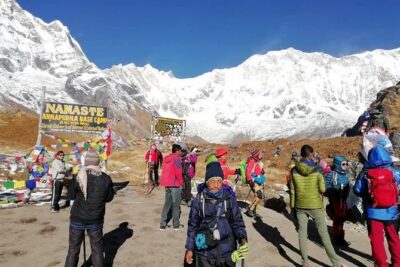
Kathmandu to Annapurna Base Camp (ABC) 5-Day Trek
Read our review →Browse the lists this tour appears in