

REVIEW · HANOI
Sapa 3 Days Trekking Tour ( Overnight Train + Homestay + Hotel )
Sapa’s best moments come on foot, on muddy paths above the Muong Hoa Valley and through villages where daily life still follows the rice terraces. This trip gives you that rural access, plus a Ta Van homestay and a night in Sapa town.
I like the practical mix of overnight trains and included meals, which saves you from arranging transfers and restaurants. I also like the range of walks, from the harder 10-kilometer first day to the gentler Cat Cat route. The main drawback is the travel time: two nights on the train and long trekking days can leave you tired, and the train bunks may feel tight for tall people.
Key points to know before booking
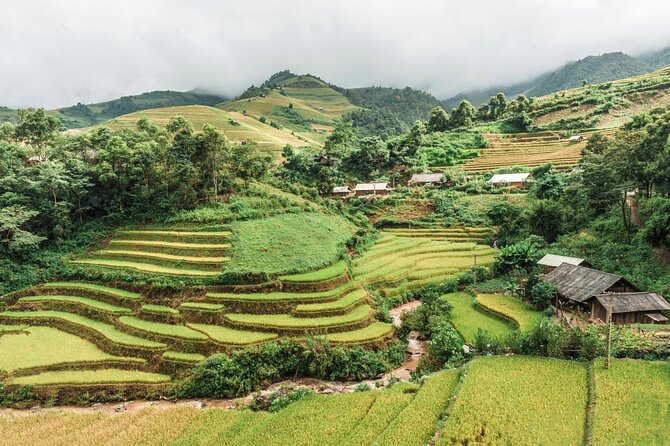
- Ta Van is the heart of the trip: You sleep in a local family home after walking through Lao Chai and rice terraces.
- The first trekking day is the toughest: Expect about 10 kilometers of walking, rated 6 out of 10, with slippery trails after rain.
- You see more than one side of Sapa: The route includes Hmong, Dzay, and Red Dzao communities, waterfalls, bridges, and mountain villages.
- The second night is easier: You return to Sapa town for a hotel room, dinner, and free time at the market.
- The train saves daytime hours: The Hanoi to Lao Cai journey takes about eight hours each way, but sleeping on board is not hotel-level rest.
- The group is capped at 13: That keeps the walking group fairly small while still giving the tour a shared, organized feel.
Why this Sapa trip works well from Hanoi

Sapa is far enough from Hanoi that a short visit can become a transport puzzle. This tour solves much of it with a hotel pickup in Hanoi’s Old Quarter, overnight trains in both directions, a shared transfer between Lao Cai and Sapa, and a local English-speaking guide.
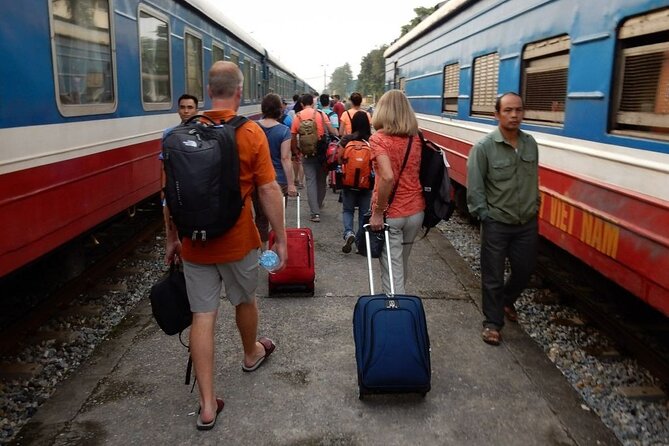
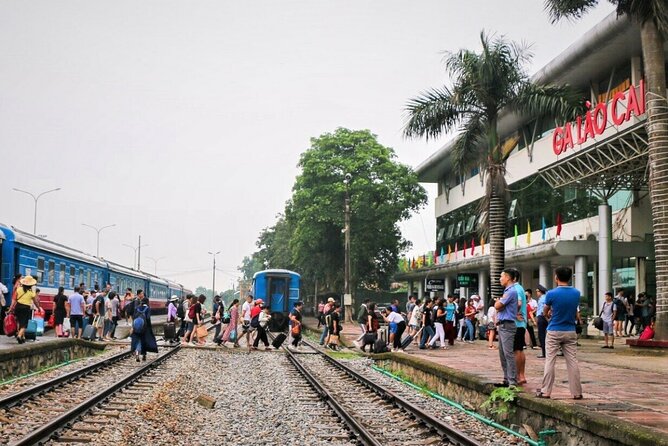
You meet at about 8:30 pm near Hanoi Railway Station. Staff take you from your Old Quarter accommodation or stay to the train station, where you board for Lao Cai. The train ride normally lasts about eight hours. You arrive around 6:20 am, so the first morning begins early and immediately.
That schedule is efficient, but it is not luxurious. You should expect the usual limits of overnight rail travel, including compact sleeping spaces. One family found the short train cabin uncomfortable for two six-foot passengers. If you are tall, keep that in mind before paying for this style of trip.
The return follows the same pattern. After the final day in Sapa, you have dinner before boarding the Lao Cai to Hanoi train. Arrival in Hanoi is expected around 5:30 to 6:00 am, and the tour ends at Hanoi Railway Station. You will need to arrange your own onward transport from there.
More Homestay Treks in Hanoi
- Hanoi – Sapa 2 Days 1 Night Overnight At Homestay
★ 5.0 · 899 reviews - From Hanoi: 2-Day Sapa Trekking Trip with Homestay & Meals
★ 4.8 · 704 reviews - 2-Day Sa Pa Ethnic Homestay Tour & Trek with Limousine Bus
★ 4.8 · 440 reviews
Lao Cai to Sapa: a fast start after the train
At Lao Cai Station, your guide and driver meet you and take you up to Sapa. The transfer takes about an hour. On arrival, you go to the hotel for breakfast and a chance to freshen up.
Early check-in depends on room availability. If your room is not ready, a basic room is available for washing and changing before breakfast. This small detail matters after a night train. You will not be left with your luggage and nowhere to sit, but you should not assume you can sleep in your full hotel room immediately.
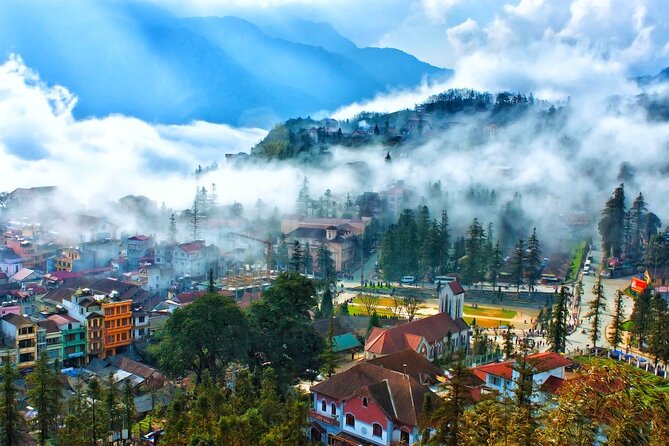
Sapa town is the base for the trip, but the strongest part begins once you leave its streets. The Hoang Lien Son Mountains, steep paths, rice terraces, and minority villages provide the setting for the next three days.
Day one: Y Linh Ho, Lao Chai, and Ta Van
The first walking day covers about 10 kilometers and carries a 6 out of 10 trekking rating. You begin around Y Linh Ho, then walk toward Lao Chai and Ta Van. The route includes about six kilometers of walking at the start, followed by another three kilometers down to Lao Chai for lunch.
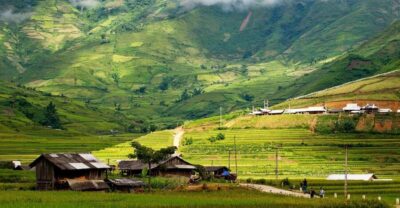
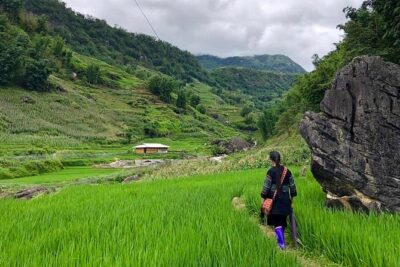
This is the day that shows why Sapa is worth the overnight journey. You move through the Muong Hoa Valley, with terraces cut into the mountain slopes and village paths replacing roads. The route passes communities linked with the Black Hmong and other local groups, giving you a closer look at rural life than a quick stop at a town market can provide.
Lao Chai is a useful pause in the middle of the day. Lunch is included, so you do not need to carry a full day’s food. You do need sturdy footwear and water. The route can become slippery in rain, and a steep mountain walk is less forgiving when the ground turns slick.
After lunch, you continue through rice fields toward Ta Van, home to the Dzay people. This section is described as relatively easy, but that does not mean it is flat or effortless. The combination of uneven paths, wet ground, and tired legs can still make it demanding.
The reward is your first night at a local homestay. You eat dinner there and sleep in Ta Van, where the pace is quieter than in Sapa town. The homestay is not simply a cheaper hotel. It gives you a chance to share a meal and see something of family life in the valley. The exact setup can vary, so approach it as a simple rural stay rather than a polished resort.
Guides named Co and Lan have been praised for keeping an eye on safety and adjusting the pace. One family also found that the guide could adapt activities for different fitness levels. That flexibility is useful here, especially if one person wants to walk steadily while another needs more pauses.
Day two: Giang Ta Chai, Su Pan, and a Sapa hotel
Breakfast at the local family home comes between about 7:30 and 8:30 am. Day two covers about 10 kilometers and has a 5 out of 10 trekking rating. You leave Ta Van for Giang Ta Chai, then continue toward Su Pan before returning to Sapa.
Giang Ta Chai sits at the edge of the Muong Hoa Valley and is known for traditional customs and clothing. The route also brings you to one of the trip’s most photogenic areas, with a waterfall, rattan bridges, ferns, and orchids around the mountain paths.
The bridge crossings are a highlight, though they are also a reminder to watch your footing. You are walking in a real mountain environment, not along a surfaced park trail. Rain can change the feel of the route quickly.
Su Pan is quieter and less visited than some of the better-known stops. Its smaller population gives this section a more withdrawn feel. The tour does not treat every stop as a major attraction, which is a good thing. Some of the value comes from walking between villages and seeing the spaces where people live and work.
You return to Sapa at about 3 pm and check into your hotel. This change of bed is welcome. After a homestay and two full walking days, a private hotel room gives you a chance to shower, rest, and repack without rushing.
The evening is yours to explore Sapa town. The market is the obvious stop, especially if you want colorful handicrafts and local food. Dinner is included, but free time gives you room to look around instead of following a guide every minute.
This night also makes the trip more balanced. A full three nights in village accommodation would offer more rural contact but less comfort. A full three nights in a hotel would be easier but would miss the point of the valley visit. Here, you get one of each.
More Homestay Treks in Vietnam
- Hanoi – Sapa 3 Day 2 Night Trekking With Hotel & Homestay
★ 5.0 · 389 reviews - Hanoi – Sapa 2 Days 1 Night Overnight At Local Homestay
★ 5.0 · 233 reviews - From Hanoi: 2-Day Luxury Sapa Trekking Tour with Homestay
★ 4.4 · 49 reviews - 3-Night Sapa Trek and Homestay with Round Trip Transfer from Hanoi
★ 4.5 · 37 reviews
Day three: Cat Cat, Sin Chai, and the return train

After breakfast, you head to Cat Cat Village, about four kilometers southwest of Sapa. This day is rated 4 out of 10 and includes about seven kilometers of walking, plus a short drive back to Sapa.
Cat Cat is associated with the Black Hmong and includes views of waterfalls and mountain scenery. Because it is close to Sapa, it is a more accessible village stop than the first day’s valley routes. You still walk, but the shorter distance makes the morning easier after two nights of trains and trekking.
From Cat Cat, you continue about three kilometers to Sin Chai, located below Fansipan, the highest mountain in Vietnam and Indochina. The route offers broad views toward the mountain and a final chance to walk through the high country before returning to town.
Back at the hotel, you check out and have lunch in a restaurant. You also get some free time in Sapa before the shared bus takes you to Lao Cai Station. Dinner comes before the overnight train to Hanoi.
The final day is not just a farewell stroll. It is a useful, lower-intensity morning that lets you see another village without repeating the hardest route. Still, you should keep your schedule clear after returning to Hanoi. The train arrives early, and the tour ends at the station rather than at your hotel.
What is included for the $195 price

At $195 per person, the tour bundles a lot of moving parts:
- Return overnight train tickets between Hanoi and Lao Cai
- Hanoi Old Quarter pickup to the train station
- Shared transfers between Lao Cai and Sapa
- One night at a local homestay in Ta Van
- One night at a three-star or four-star hotel in Sapa
- A local English-speaking guide
- Entrance and sightseeing fees listed in the route
- Nine meals in the Sapa program
I see the strongest value in the combination of transport and accommodation. Booking the rail tickets, Lao Cai transfers, village stay, Sapa hotel, guide, and meals separately would take time and create more chances for missed connections.
The price does not cover drinks, travel insurance, tax, personal spending, tips, or holiday surcharges. You should also budget for any snacks and drinks you want during the walks. Since the train and walking schedule is fixed, this is better for you if you value convenience over building every part of the trip yourself.
Walking difficulty, weather, and what to pack
The three trekking days are not equal. The first day is the hardest at 6 out of 10, the second is moderate at 5 out of 10, and the final day is easier at 4 out of 10. That progression helps, but the total effect is still tiring because the trip begins and ends with overnight trains.
Good footwear is essential. The paths can be slippery after rain, especially around Ta Van and the valley trails. Bring shoes with a secure grip, along with clothes that can handle changing mountain weather.
You should also pack light for the walking sections. A large suitcase is awkward on village paths and during train transfers. Keep important items and a change of clothes easy to reach, especially for the first morning in Sapa when you may only have access to the basic refreshment room.
The tour requires suitable weather. If poor conditions cancel the experience, you are offered another date or a full refund. The normal cancellation rule is strict: once booked, the experience is non-refundable and cannot be changed for personal reasons.
Who should choose this tour
This is a strong match for you if you want to see Sapa on foot but do not want to arrange the rail travel and village logistics yourself. It suits people who enjoy a full schedule, simple accommodation, shared transport, and direct contact with rural communities.
Families can manage it too. A family with a 10-year-old found the mix of hotel, homestay, scenery, and Black Hmong village life suitable. The guide’s ability to adjust walking plans is helpful, though you should be realistic about the first day’s distance.
I would think twice if you need soft beds, private transfers, flexible departure times, or guaranteed rest after an overnight train. Tall passengers should pay special attention to the compact train bunks. This is an active mountain trip with comfort breaks, not a luxury holiday.
The maximum group size is 13 people. That is small enough for a more personal walk than a large bus excursion, while still giving you the social energy of a group.
Should you book the Sapa three-day trek?
Book it if you want the most practical route into Sapa’s valleys, villages, and mountain paths in only three days. The combination of a Ta Van homestay, a Sapa hotel, nine meals, and return trains gives you a good range of experiences for the price.
Choose another plan if overnight trains sound miserable or if you want to spend more time in one village. For most reasonably fit visitors, though, this is a useful first Sapa trip: organized enough to remove transport worries, active enough to reach the countryside, and flexible enough to make room for different walking speeds.
FAQ
How long does the tour last?
The experience lasts about three days and three hours, including the overnight train journeys between Hanoi and Lao Cai.
Where does the tour start?
Pickup begins at about 8:30 pm from hotels or stays in Hanoi’s Old Quarter. The meeting point is Family Express Train at 120 Le Duan Street near Hanoi Railway Station.
Where does the tour finish?
The tour ends at Hanoi Railway Station after the return overnight train from Lao Cai. You arrange your own onward transport from the station.
How many nights are spent on the train?
You spend two nights on overnight trains, one traveling from Hanoi to Lao Cai and one returning from Lao Cai to Hanoi.
Where do you sleep in Sapa?
You spend one night at a local homestay in Ta Van Village and one night at a three-star or four-star hotel in Sapa town.
How much walking is included?
The first day includes about 10 kilometers of trekking, the second about 10 kilometers, and the third about 7 kilometers. The stated difficulty ratings are 6 out of 10, 5 out of 10, and 4 out of 10.
Are meals included?
Yes. Nine meals are included during the Sapa portion of the trip: breakfasts, lunches, and dinners as shown in the program. Drinks are not included.
More three-day treks in Hanoi
- Sapa 3 Days 2 Nights Trekking Tour (1 Night In Ta Van Village, 1 Night In Hotel)
★ 5.0 · 699 reviews - 3-Day Trekking Adventure of Sapa from Hanoi – Stay Ta Van Village
★ 5.0 · 611 reviews - From Hanoi: Trek and Stay: 3-Day Sapa Highlands Adventure
★ 4.6 · 152 reviews - Sapa 3 Days 2 Nights Trekking Tour From Hanoi (2 Nights in Hotel)
★ 5.0 · 112 reviews
More train journeys in Hanoi
- Sapa: 3-Day, 3-Night Trek and Hotel with Overnight Train
★ 4.2 · 64 reviews - Sa Pa Trekking 2 Days 3 Nights Homestay by Night Train
★ 4.5 · 11 reviews - Trekking Sapa – Bac Ha Market: Sleep on Train & Homestay
★ 4.5 · 7 reviews - Sapa Trekking Tour by Night Train from Hanoi 3 Nights – 2 days
★ 5.0 · 7 reviews
Latest treks added in Hanoi
- From Hanoi : Sapa Moutain Trek – Halong bay Heritage★ 4.5 · 25 reviews
- Trekking In Ha Giang 5 Days★ 5.0 · 4 reviews
- Trekking around Ha Giang 5 days 4 nights★ 3.0 · 2 reviews
- 8-Days Hanoi, Sapa Trekking And Halong Bay Cruise★ 5.0 · 8 reviews
- 2-Day Trekking in Sa Pa from Ha Noi by sleeping bus★ 5.0 · 4 reviews
- Hanoi: 3D2N Mu Cang Chai Visit All Attractions, Trek, Ethnic Life★ 5.0 · 3 reviews
- Mai Chau – Pu Luong trekking 3 days 2 nights★ 4.5 · 7 reviews
- Sapa trekking 2days by bus from Hanoi ( over night in homestay)★ 5.0 · 21 reviews
Homestay & Village Treks, compared.

Number one top rated ethical cultural trekking and homestay by ETHOS
Read our review →
2-Day Sa Pa Ethnic Homestay Tour & Trek with Limousine Bus
Read our review →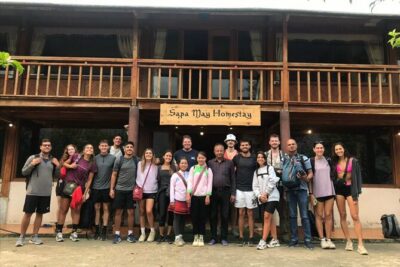
Sapa 3 Day 2 Night Trekking With Hotel & Homestay
Read our review →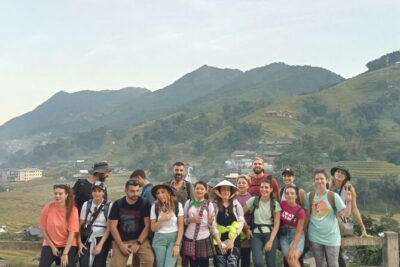
Sapa 2 Days 1 Night Overnight At Local Homestay
Read our review →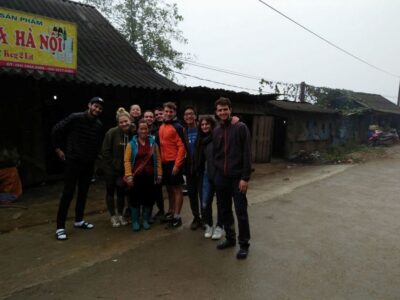
2-Day Trekking Trip with Ethnic Minority Homestay
Read our review →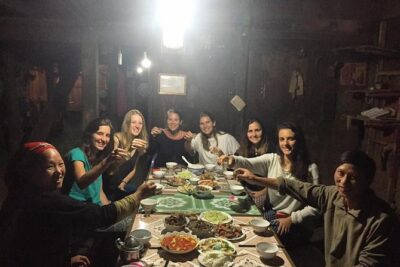
2-Day Trek & Heartwarming Homestay with an Ethnic Family
Read our review →Browse the lists this tour appears in