
REVIEW · ARUSHA
4 Days best Mount meru trekking
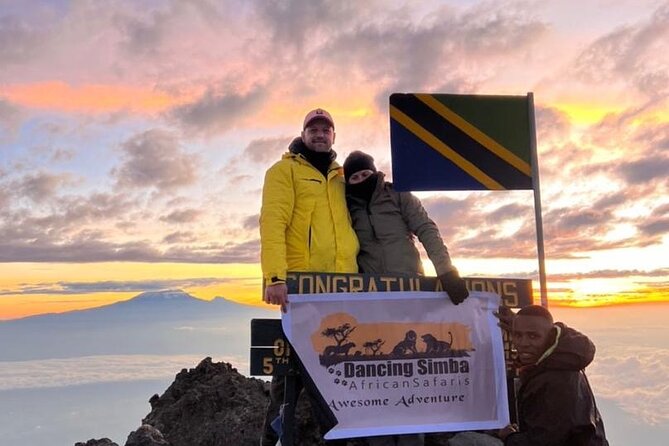
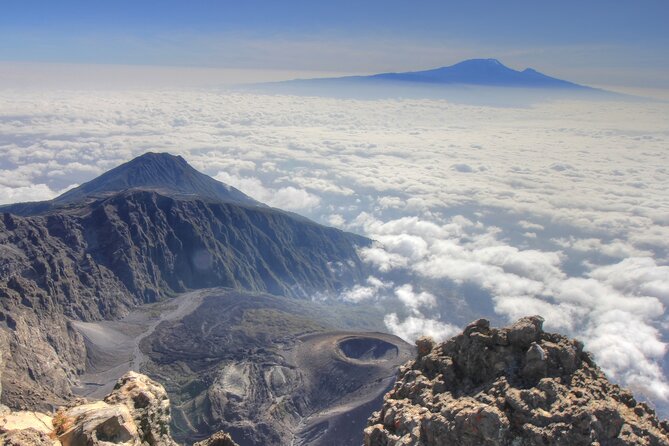
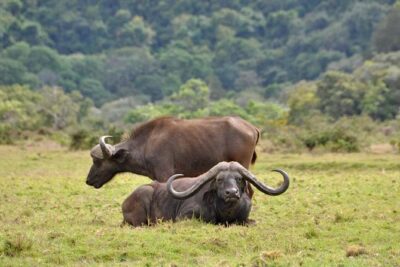
Mount Meru gives you a mountain climb and a wildlife walk in the same four-day trip. Before the serious uphill work begins, you pass through Arusha National Park with an armed ranger and may see giraffes, zebras, antelopes, buffaloes, and black and white colobus monkeys. At the top, the rocky ridge leads to a sunrise view of the crater and, on a clear morning, Mount Kilimanjaro.
I like the four-day schedule, since it gives you more time to adjust to altitude than the shorter three-day option. I also like the practical package: transfers from your Arusha hotel, park fees, guides, porters, a cook, meals, drinking water, and emergency oxygen are included. The main drawback is the summit day, which can last 10 to 12 hours and begins around 1:30 in the morning.
Key things to know before you book
- Wildlife comes before the steep climbing: The first day through Arusha National Park can feel like a walking safari, with possible sightings of buffaloes, zebras, giraffes, and monkeys.
- The summit reaches 4,566 meters: Altitude is the central challenge, not technical climbing.
- You need an armed ranger escort: This is required as you pass through the park.
- Little Meru is an optional acclimatization walk: From Saddle Hut, you can climb to 3,820 meters for wider views.
- The price is per group of up to 15: At $1,189 per group, the value improves sharply when shared by several people.
- The summit attempt starts at night: You wake at about 12:30 a.m., take tea and biscuits, and begin walking around 1:30 a.m.
Why Mount Meru makes a strong four-day trek
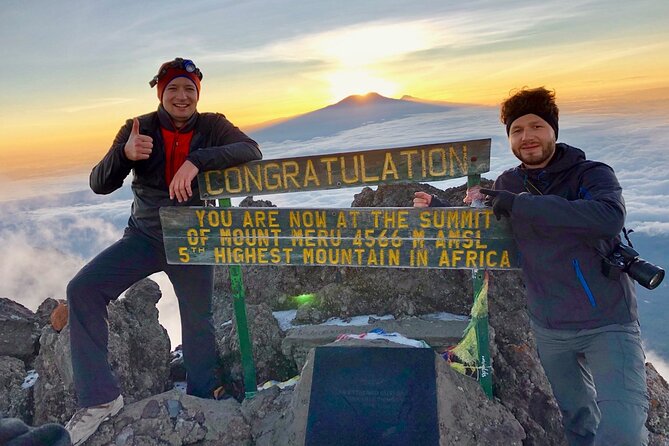
Mount Meru is about 20 kilometers from Arusha and reaches 4,566 meters inside Arusha National Park. It is Tanzania’s second-highest mountain, and many climbers use it to prepare for a later Kilimanjaro climb.
You should not think of this as simply a lesser Kilimanjaro. Meru has its own appeal: a crater, inner cliffs, a narrow summit ridge, and wildlife at the lower elevations. The walk changes character each day, from open parkland and forest to alpine desert and exposed rock.
The four-day plan matters. A three-day attempt is possible, but the longer schedule gives your body more time to adjust. Day two ends at Saddle Hut at about 3,500 meters, and the optional climb of Little Meru gives you a controlled way to gain extra height before the main summit attempt.
This is a physically demanding trip, but the supplied information says most people can participate. That does not mean it is easy. You should be comfortable walking for several hours uphill, sleeping at altitude, and handling a long summit day with little sleep.
More four-day treks in Arusha
- 4 Days Mount Meru Trekking
★ 5.0 · 55 reviews - 4 Days Mount Meru Climbing | Hiking | Trekking Tour
★ 5.0 · 13 reviews - Pokhara: 4-Day Ghorepani, Poonhill & Ghandruk Mountain Trek
★ 5.0 · 132 reviews
Day one: Momella Gate and a wildlife walk
Your first morning begins with breakfast at your Arusha hotel or lodge. The drive takes you to the first Arusha National Park gate for registration and then onward to Momella Gate, the starting point for the trek.
There is some waiting here while park formalities are completed. The porters and cook organize, pack, and weigh the supplies. You may eat a packed lunch at the gate before setting off, so do not expect an instant start the moment you arrive.
The first day usually takes about five to seven hours of hiking. The lower route feels more like a walking safari than a mountain assault. You may see giraffes, zebras, antelopes, and African buffaloes, along with black and white colobus monkeys.
That wildlife is one reason the armed ranger escort matters. On this route, the ranger is not just a formality. You are walking through a national park where large animals may be nearby, so follow the guide’s instructions and keep your attention on the route.
The first day is also useful psychologically. You get a gradual introduction to the mountain before the path becomes steeper. The drawback is that wildlife sightings are never guaranteed, and the park registration and packing process can make the morning feel less brisk than a direct trail departure.
Day two: forest climbing and Saddle Hut
After breakfast, the route becomes steeper as you climb through the forest zone. The pace should be steady and conservative. On a mountain like Meru, saving energy is more important than trying to gain ground quickly.
The path offers views toward the Mount Meru Crater and the Ash Tray. Those features give the walk a stronger sense of destination than a simple uphill forest route. You are not just gaining height. You are moving toward a volcanic setting that becomes more dramatic as you go.
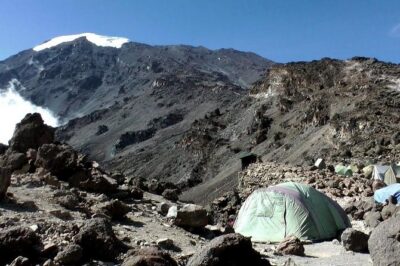
The day involves about three to five hours of hiking, followed by arrival at Saddle Hut around lunchtime. The hut sits at roughly 3,500 meters in the alpine desert zone. After lunch, you can rest or climb Little Meru with your guide.
Little Meru reaches 3,820 meters. If you feel well, this short extra climb can help with acclimatization and gives you views across the area around Mount Meru. It is optional, and that word matters. You should not treat it as a test of toughness. If you have a headache, unusual fatigue, or any concern about altitude, resting is the wiser choice.
Dinner is served early, and the planned sleep time is around 7 p.m. You will need it. The next morning begins shortly after midnight, so this is not a night for lingering over meals or trying to force in extra activity.
Day three: the midnight route to 4,566 meters
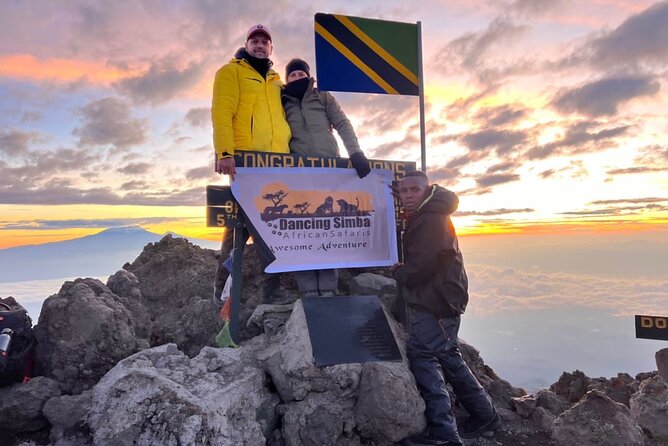
The summit attempt begins with a wake-up call around 12:30 a.m. Tea and biscuits are served before you leave at approximately 1:30 a.m. This timing is designed to get you to the summit around sunrise, but it also makes day three the hardest part of the trip.
The route first climbs steeply toward Rhino Point at about 3,800 meters. From there, you continue to Cobra Point at about 4,350 meters. The terrain becomes rockier, and the air thinner. You should expect a slow pace, regular breaks, and close attention to your guide.
From Cobra Point, you follow a rocky ridge between the crater and the mountain’s inner cliffs. This is the section that gives Mount Meru its distinctive character. The route is not only a climb to a high point. It is a walk along the edge of a volcanic formation, with steep drops and large views when conditions are clear.
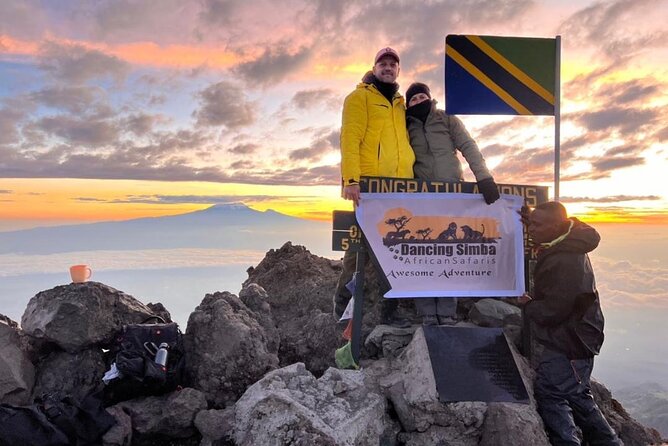
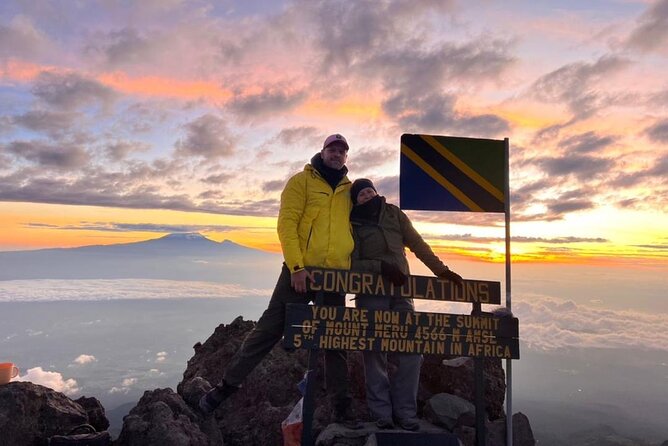
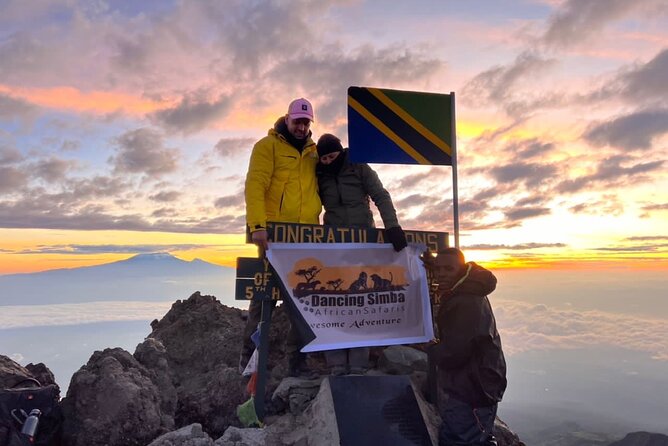
The summit is 4,566 meters above sea level. Reaching it around sunrise lets you watch the light come up from the east. Mount Kilimanjaro is often visible in the early morning, though clear views depend on the weather. You also look down toward the crater, where the cliffs drop sharply by nearly 1,000 feet or more.
The summit stop should be treated with respect. At this height, cold, fatigue, and reduced oxygen can quickly change how you feel. You will spend some time at the top, take in the views, and then begin the descent. The information supplied for the itinerary gives a total hiking time of about 10 to 12 hours, though the day is also described as approximately nine hours. Either way, plan for a long day, not a quick morning outing.
The descent to Saddle Hut is followed by rest and a return toward the lower route. The exact sequence after the summit can depend on the guide’s schedule and your group’s pace, but day three is clearly the main physical test.
More Trekking Tours in Arusha
- 8-Day Small-group Lemosho Kilimanjaro Summit Trekking
★ 5.0 · 186 reviews - 7 Days Kilimanjaro trek via Machame route
★ 5.0 · 13 reviews - Mount Kilimanjaro day trip trekking
★ 5.0 · 12 reviews - 7 Days Machame Route Trek Mount Kilimanjaro
★ 5.0 · 12 reviews
Day four: forest descent and the return to Arusha
After rest and a leisurely breakfast, you begin the final descent to Momella Gate. The walk takes about two to three hours and returns through the forest, where you may again see animals.
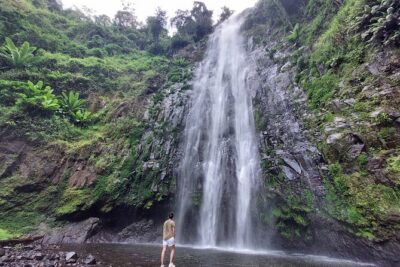
If you used the longer route on the first day, the descent may pass by Tululunsi Waterfalls. This gives the final morning a different setting from the exposed summit ridge and alpine zone.
At the gate, your driver meets you for the trip back to Arusha. You say goodbye to the guides, porters, and cook before leaving the park. Tipping is not included, so prepare to handle that separately. The listed exclusions also include souvenirs, flights, personal trekking equipment, and general tips and gratuities.
The short final walk is welcome after the summit day. Still, do not assume you will feel fresh. A two-hour descent after a night start can be tiring, especially if altitude or poor sleep affected you.
What the $1,189 group price really covers
The advertised price is $1,189 per group of up to 15 people. That pricing structure is important. If you are sharing the trip with a large group, the cost per person can be quite reasonable. If you are traveling alone or with only one companion, the same group price feels much steeper.
The package includes the core costs that can make a mountain trip expensive:
- Transfers to the mountain and back to your Arusha hotel
- Professional mountain guides
- Porters and a cook
- Park fees and rescue fees included within those park fees
- Government VAT at 18 percent
- Drinking water
- An emergency oxygen cylinder
- Four lunches, three dinners, and three breakfasts
The meal count fits the route, though you should notice the wording: four lunches are included, along with three dinners and three breakfasts. Personal equipment is not included. You must arrange your own sleeping bag, hiking boots, clothing, and other trekking gear.
That can change the true cost. A low tour price is less attractive if you need to rent or buy several major pieces of equipment. Ask for a clear packing list before you travel. The supplied details confirm that personal trekking gear is excluded, but do not give a rental service or equipment list.
Guides, communication, and group size
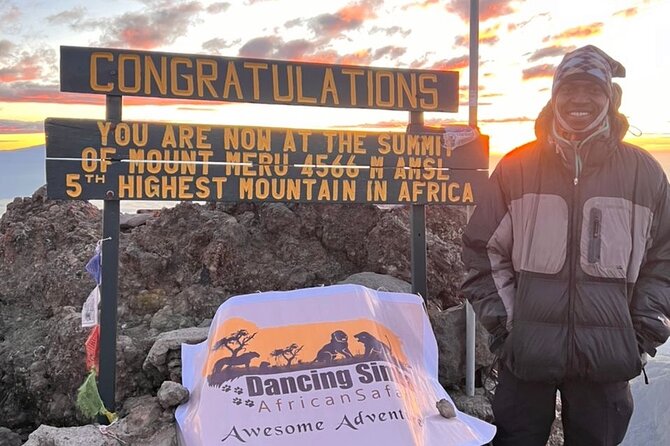
The experience is operated by Dancing Simba Safaris. The package promises professional, experienced mountain guides, plus porters and a cook. The maximum group size is 15 people, which is large enough to affect pace and organization.
A group of 15 can make the price much better, but it may not move at one speed. Ask how the guide handles different fitness levels and what happens if one person needs to turn back. The supplied details do not spell out that procedure, so this is worth clarifying before payment.
Communication during planning has been handled by David, who used WhatsApp to answer questions quickly in the booking process. The named guides Greyson and Dickson appear in feedback about other safari services, not specifically this Mount Meru trek, so you should not assume either one will lead your climb. Ask for your actual mountain guide’s name before departure.
The experience has only a small amount of direct feedback, and the available comments praise prompt communication and good service from the company. That is useful for planning, but it does not provide a large record of Mount Meru summit experiences. Keep your expectations focused on the listed service rather than assuming details that have not been confirmed.
What to pack and how to use the schedule
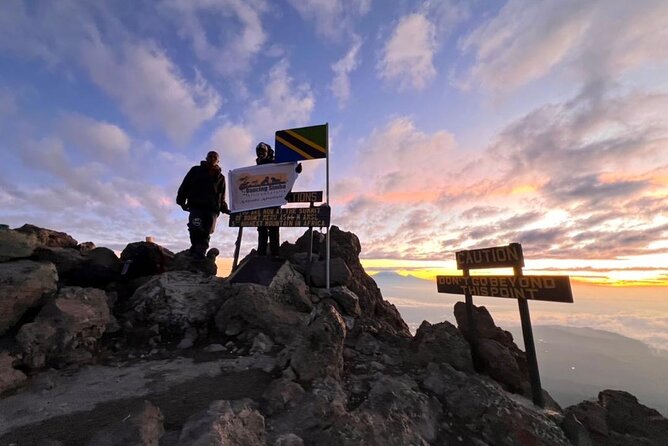
Your own equipment matters here. The operator supplies meals, water, guides, porters, and emergency oxygen, but you bring the clothing and footwear that keep you comfortable in changing conditions.
You need suitable hiking boots, warm clothing, and a sleeping bag. The summit start takes place in the middle of the night, and the upper route reaches 4,566 meters, so do not pack only for warm Arusha weather.
Use the schedule to conserve energy. Walk slowly on day one and day two, consider Little Meru only if you feel well, and accept the early dinner and early sleep. On the summit morning, tea and biscuits are provided, but you should not expect a full breakfast before the climb.
The emergency oxygen cylinder and rescue fees offer some reassurance, but they are not substitutes for good judgment. Tell your guide promptly if you feel unwell. Do not try to hide symptoms simply to reach the summit.
Who should book this trek?
I would choose this trip if you want a compact Tanzanian mountain experience with wildlife, crater views, and a clear four-day structure. It suits people who value a supported climb with porters, a cook, included transfers, and park fees rather than arranging every detail themselves.
It also makes sense if you are preparing for Kilimanjaro and want time at altitude first. The optional Little Meru climb and overnight at Saddle Hut give you a useful introduction to the rhythm of high-altitude trekking.
I would hesitate if you dislike night starts, steep trails, shared group logistics, or basic mountain accommodation. The summit day is long, and the information provided does not describe hotel standards, hut facilities, restroom arrangements, or equipment rental. Ask those questions before booking.
The free cancellation policy is helpful: you can cancel up to 24 hours before the start time for a full refund. Changes or cancellations made less than 24 hours before departure are not accepted for a refund.
Should you book the Mount Meru trek?
Book it if you want a serious but manageable four-day climb near Arusha, with a chance to see wildlife before reaching a volcanic summit. The strongest reasons are the slower acclimatization schedule, the professional support package, and the unusual combination of safari scenery and high mountain terrain.
Think carefully about the group price, your equipment costs, and the 1:30 a.m. summit start. If those fit your budget and stamina, Mount Meru offers more variety than a straightforward mountain walk. If you want a private, highly customized climb or need detailed information about gear and hut conditions, ask for those details before committing.
FAQ
Where is Mount Meru located?
Mount Meru is located about 20 kilometers east of Arusha, Tanzania, inside Arusha National Park.
How high is Mount Meru?
The summit reaches 4,566 meters above sea level.
How long is the trek?
The experience lasts about four days. Hiking times range from two to three hours on the final day to about 10 to 12 hours on the summit day.
Is an armed ranger required?
Yes. You are escorted by armed ranger personnel while passing through Arusha National Park.
What wildlife might I see?
You might see giraffes, zebras, antelopes, African buffaloes, and black and white colobus monkeys, especially during the lower sections of the route.
Is Little Meru included?
Little Meru is an optional climb from Saddle Hut. It reaches 3,820 meters and can provide extra acclimatization and views.
What meals are included?
The package includes four lunches, three dinners, and three breakfasts.
Is trekking equipment included?
No. Personal equipment, including sleeping bags, hiking boots, and clothing, is not included.
What is the cancellation policy?
You can cancel at least 24 hours before the experience starts for a full refund. Cancellations or changes made less than 24 hours before the start time are not accepted for a refund.
Latest treks added in Arusha
- Mount Kilimanjaro day trip trekking★ 5.0 · 12 reviews
- 5 Days Marangu Route Kilimanjaro Trekking★ 5.0 · 4 reviews
- 3 Days Mount Meru trekking★ 4.5 · 7 reviews
- 8 Days Lemosho Route Kilimanjaro Trekking★ 5.0 · 5 reviews
- 7 Days Machame Route Kilimanjaro Trekking★ 5.0 · 9 reviews
- 7 Days Machame Route Trek Mount Kilimanjaro★ 5.0 · 12 reviews
- Lemosho Route 7 Days Trekking at Mount Kilimanjaro★ 5.0 · 7 reviews
- Private One-Day Trek to Mount Kilimanjaro★ 4.5 · 2 reviews
Arusha Trekking Tours, compared.
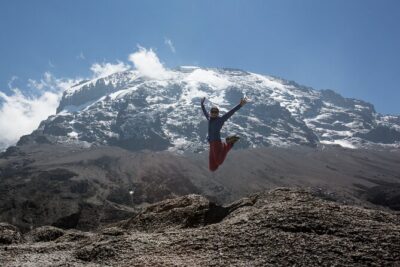
8-Day Small-group Lemosho Kilimanjaro Summit Trekking
Read our review →
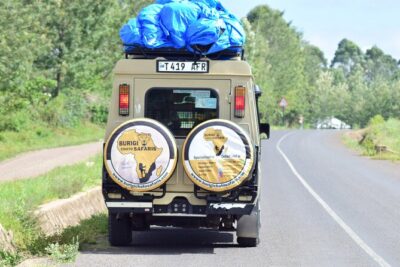
4 Days Mount Meru Climbing | Hiking | Trekking Tour
Read our review →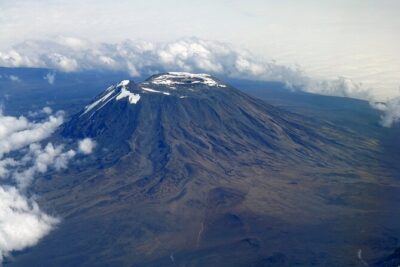
13 Days Adventure in Tanzania – Trekking and Wildlife Safari
Read our review →Browse the lists this tour appears in