
REVIEW · PERU
From Cusco: 5-Night Trip with Salkantay Trek & Machu Picchu
The striking part of this trip is the change in scenery. You begin among glaciers and high Andean peaks, then walk down through warmer valleys, coffee country, and forest before reaching Machu Picchu. The route gives you a wider, quieter view of the Andes than a direct train trip.
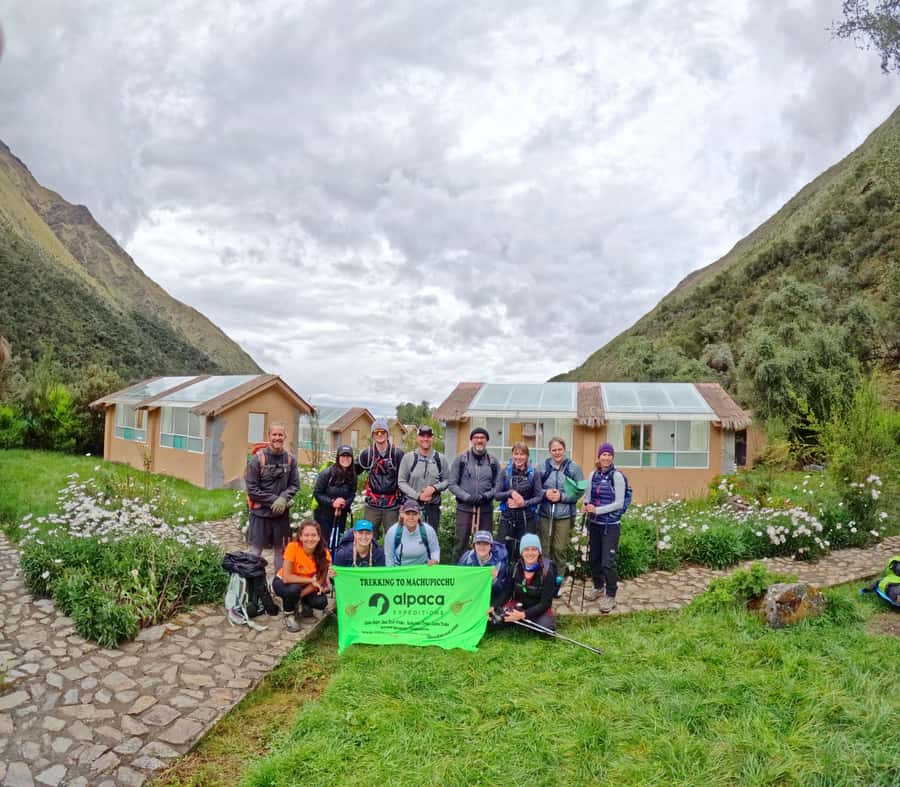
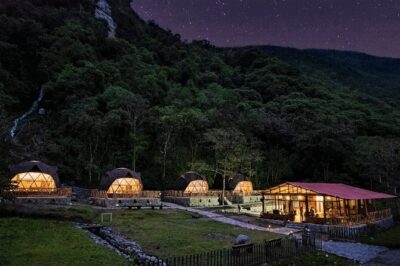
I like the glass cabin and Hobbit house stays, which add comfort and character without removing the outdoor feel. I also like that the package includes meals, water, a personal porter for up to 7 kilograms, transport, and the return train, so you are not piecing together the trip yourself.
The main consideration is the hiking. Salkantay Pass is demanding, and the trip crosses high ground before dropping into warmer country. You need proper trekking clothes, rain gear, and a reasonable level of fitness. A 4.7 rating from six ratings is encouraging, but the route still calls for preparation.
Five details that shape the trip
- Humantay Lake and Salkantay Pass: The first hiking day combines one of the route’s most photographed lakes with its highest mountain crossing.
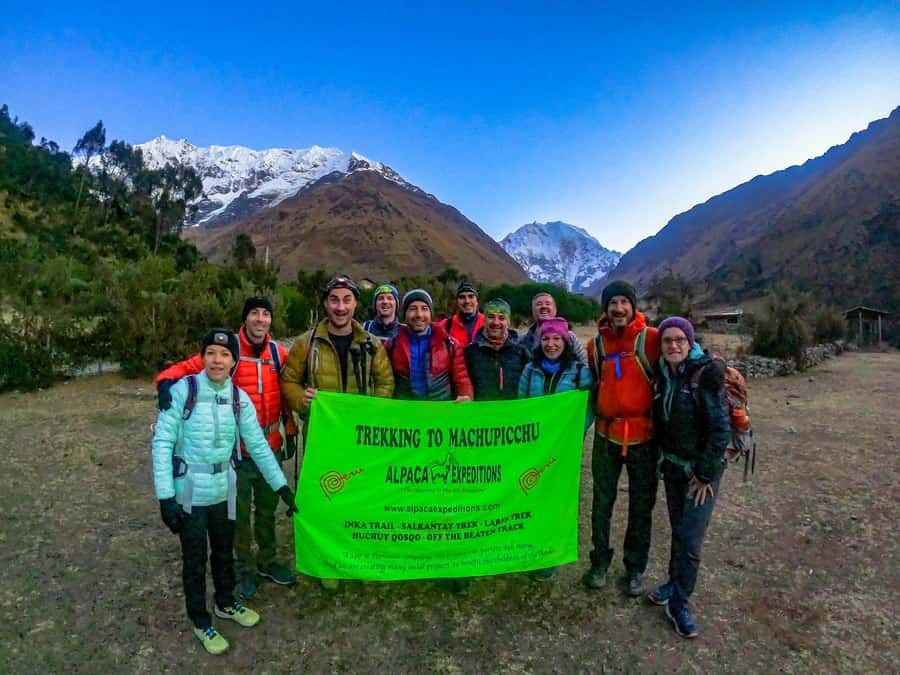
- Four different types of lodging: You sleep in a glass cabin, two camps, a Hobbit house, and a hotel, so comfort changes from night to night.
- A route through several climate zones: The walk moves from cold alpine terrain toward coffee-growing country and Machu Picchu.
- Llactapata camp with a Machu Picchu view: The third night is planned near a lookout facing the citadel.
- Small group support: The group is limited to 16, with an English-speaking guide, chefs, porters, water, and first-aid equipment.
- Return by Expedition train: The package includes the train back and round-trip buses for Machu Picchu, reducing the number of details you must arrange yourself.
Why choose Salkantay instead of the direct route?
Salkantay gives you a long, physical approach to Machu Picchu rather than a short ride straight to the ruins. The reward is variety. You see the icy, high-altitude side of the Cusco Region, then walk down through valleys and coffee-growing areas before arriving at Aguas Calientes, the town below Machu Picchu.
The route also offers more open space than a tightly scheduled visit based only around the citadel. You still reach the main ruins, but the journey is a major part of the experience. If you want Machu Picchu with a serious mountain trek attached, this is the right idea.
The tradeoff is simple: this is not a soft sightseeing holiday. You will carry a day pack, walk for several days, and deal with changing temperatures and conditions. The route is rewarding because it asks something of you.
The package costs $650 per person. That price is useful to judge as a bundle, not just as a per-day trekking fee. It includes five breakfasts, four lunches, four dinners, water, accommodation, entry fees, transport, professional chefs, porters, a personal porter for up to 7 kilograms, an Expedition train ticket, Machu Picchu buses, a first-aid kit, and oxygen.
You still need to provide or rent some important gear. A day pack, headlamp, sleeping bag, air mattress, and trekking poles are not included. Huayna Picchu is also separate at $75 per person and must be booked ahead. Travel insurance is not included, but it is advisable.
More Inca Trail Treks in Peru
- Salkantay Trek Challenge – 3 Days / 2 Nights
★ 5.0 · 101 reviews - Choquequirao Trek 4 days and 3 nights
★ 5.0 · 81 reviews - Machu Picchu: 5-Day Salkantay Trek with Panoramic Train
★ 5.0 · 79 reviews
Afternoon arrival at the glass cabin
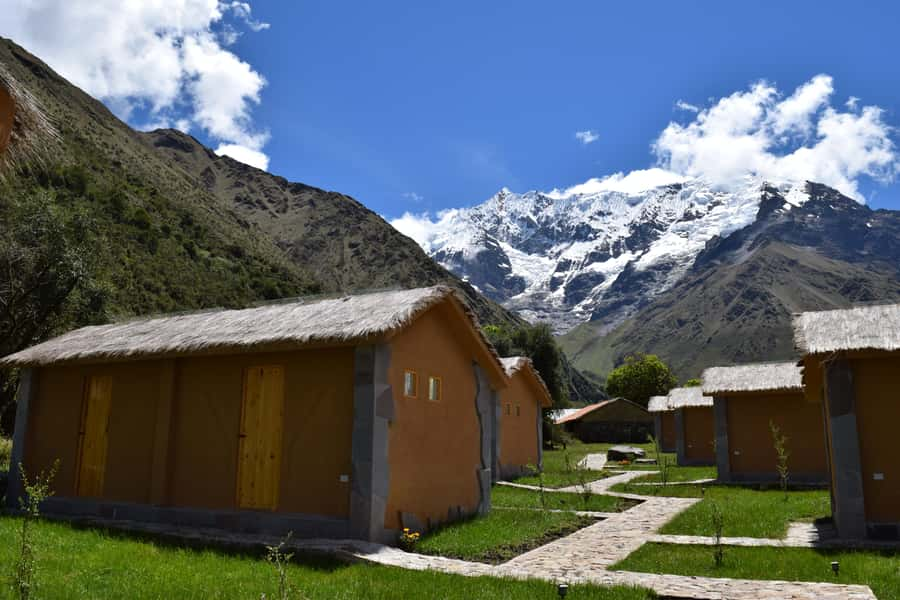
The trip begins with pickup from your Cusco hotel at 3 p.m. The guide comes to your hotel, which keeps the first transfer straightforward. You then travel to the Salkantay glass cabins for the first night.
This opening night is a clever part of the plan. Instead of beginning with a hard hike immediately after leaving Cusco, you get a place to settle in before the walking starts. The glass cabin also gives the trip a special first evening, though the supplied details do not specify its exact facilities or views.
You should still treat this as a mountain stay, not a city hotel. Pack thermal clothing and rain protection where you can reach them. And remember that a towel is on the suggested packing list, which is useful if your accommodation includes washing or outdoor facilities.
Day one: Humantay Lake, Salkantay Pass, and Wayracpunko
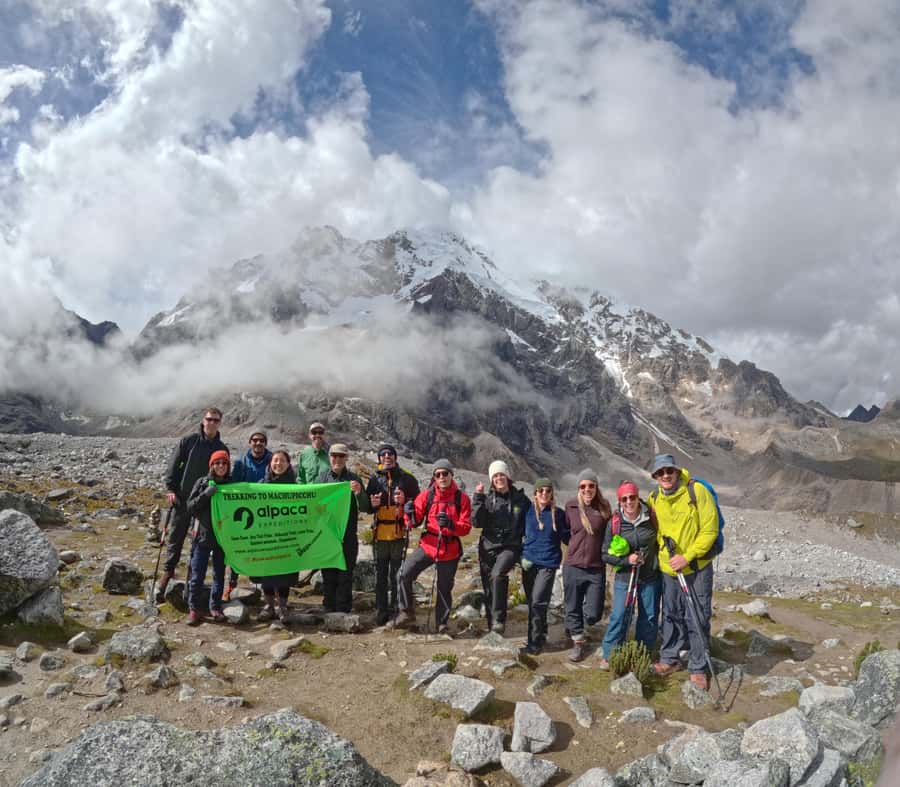
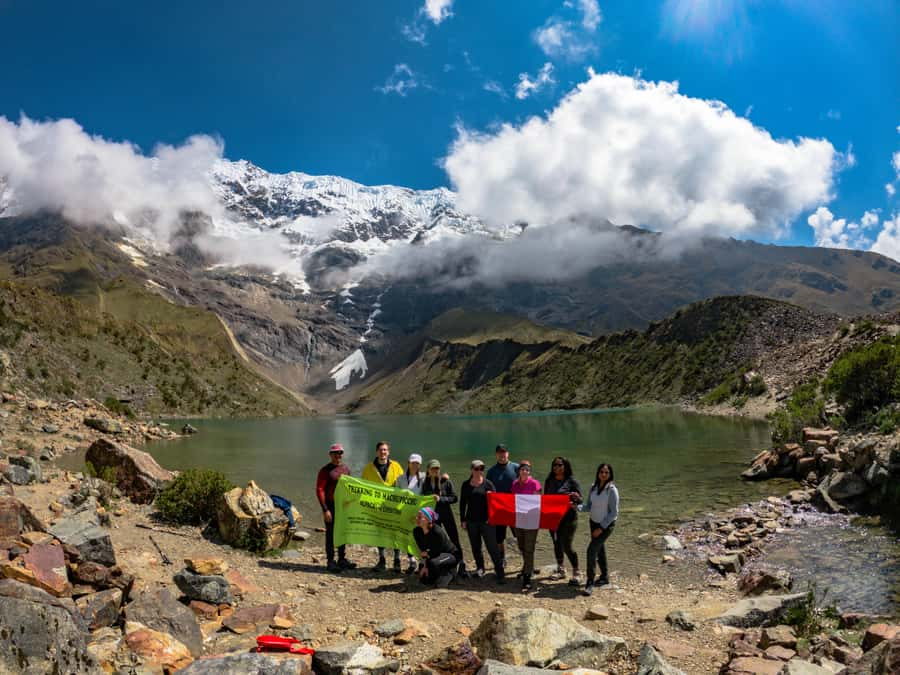
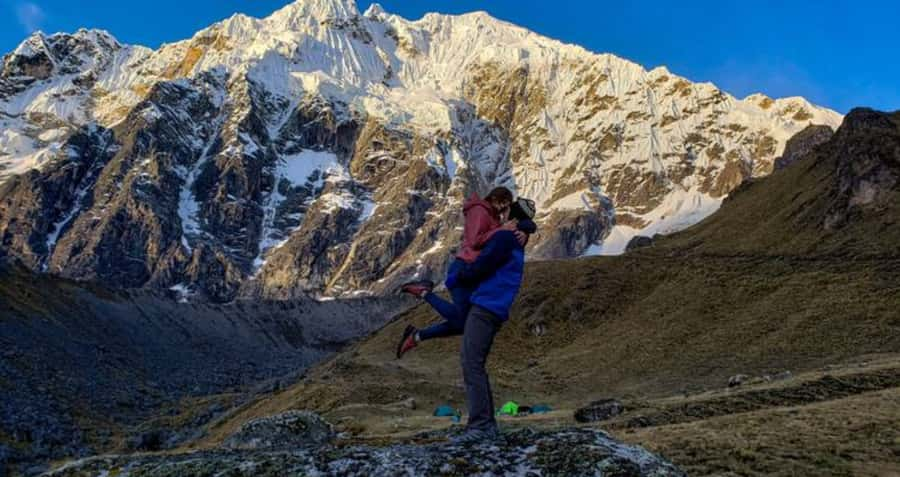
The first full hiking day is the toughest introduction to the route. You begin around Soraypampa, visit Humantay Lagoon, cross Salkantay Pass, and finish near Wayracpunko.
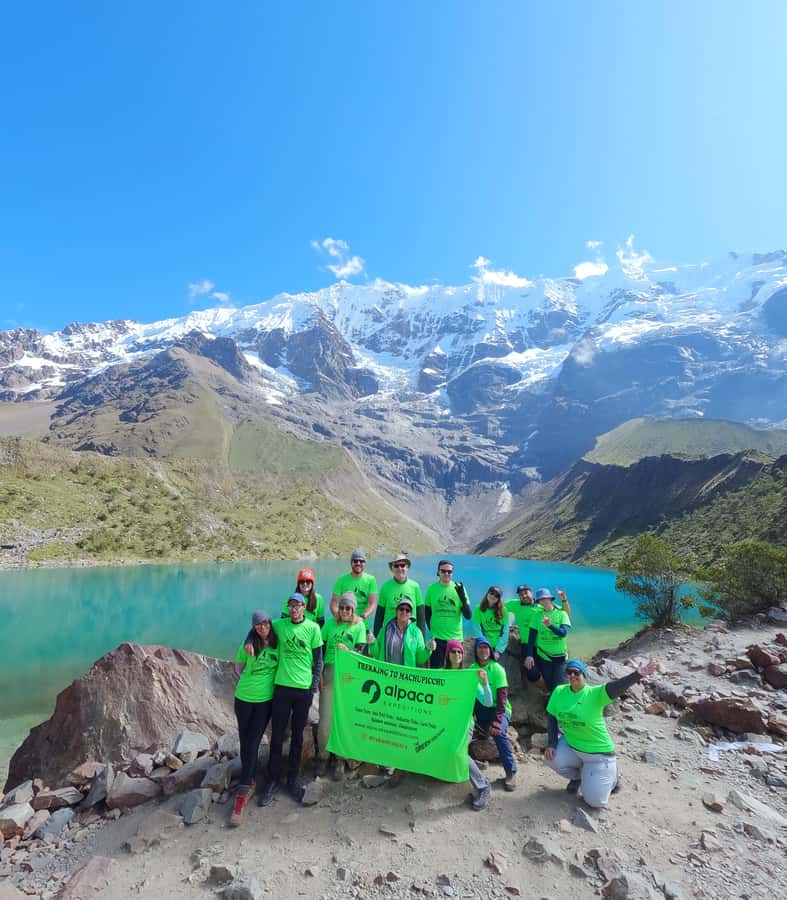
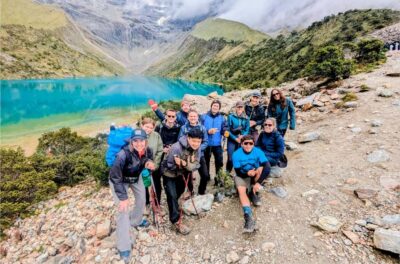
Humantay Lake is one of the trip’s major photo stops. Its setting below the high Andean peaks is the sort of scene that explains why this route attracts hikers. Bring sunglasses, a sun hat, sunscreen, and a charged camera or phone. Bright mountain light can be hard on your eyes, and weather can change quickly.
Salkantay Pass gives the day its serious edge. This is high mountain walking, and the altitude can make the effort feel greater than the distance suggests. Your guide and group support matter here. Walk at a steady pace, drink the provided water, and do not turn the first morning into a race.
The day ends at Wayracpunko, where you camp. After a demanding day, campsite comfort will be more basic than the glass cabin. The package covers camping for two nights, but it does not include your sleeping bag or air mattress. Sort that out before departure, since a cold or poorly supported night can affect the next day.
Day two: From Wayracmachay to the Hobbit house
The second hiking day takes you from Wayracmachay through Chaullay and Ccollpapampa Loreta. This is the point where the route shifts away from the cold high country toward warmer valleys.
That change is one of the best features of the trek. You are not looking at the same type of scenery for five days. The Andes begin to feel less stark as the route drops in elevation, and your clothing needs change with it. Keep layers handy rather than burying everything in your main luggage.
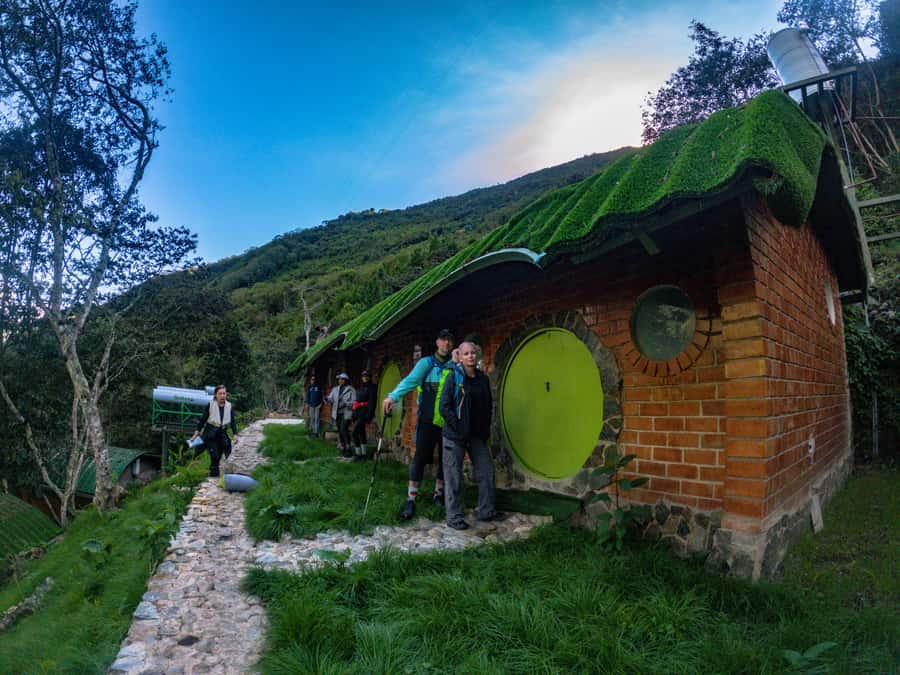
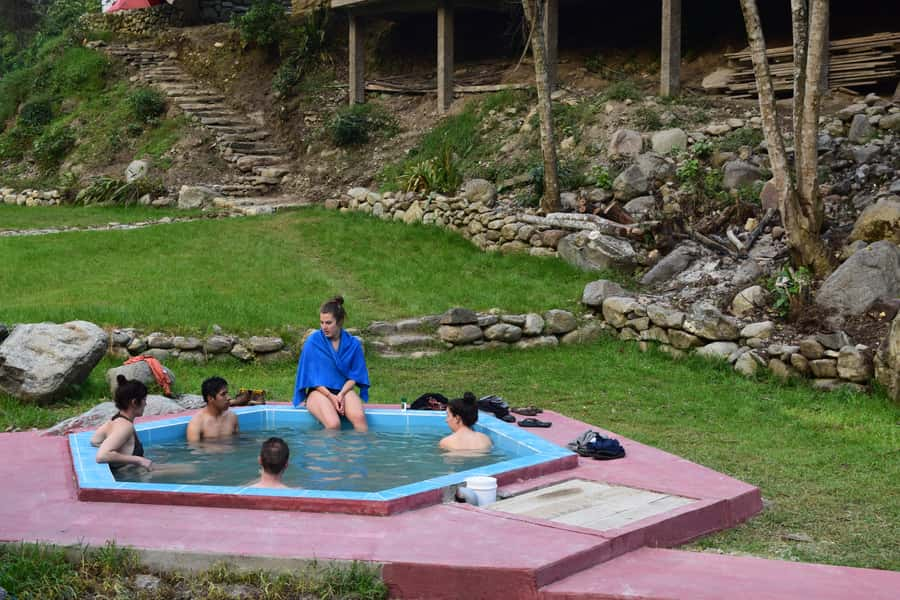
The night is spent at a Hobbit house with an outdoor jacuzzi. This is a welcome change after camping, and it gives the trip a memorable bit of personality. The outdoor jacuzzi is not just decoration: after two hard days, a chance to warm up and rest can make the difference between enjoying the next morning and merely enduring it.
Do not mistake the Hobbit house for a full resort stay. The tour mixes unusual accommodation with trekking basics. You should expect the comfort level to vary from night to night, which is part of the character of this trip.
More evening departures in Peru
- 2 Day 1 Night Trek / Colca Canyon
★ 4.5 · 92 reviews - PARACAS|| Sunset trekking in the Paracas National Reserve
★ 3.3 · 3 reviews - Arequipa: Colca Canyon Trekking 2 days and 1 night + food
★ 4.8 · 3 reviews - 2 day 1 night trek / Colca Canyon
★ 3.0 · 3 reviews
Day three: Coffee country and Llactapata
On day three, you walk from Loreta toward La Playa Sahuayaku and Lucmabamba. The route includes a coffee farm, then continues to Llactapata, where you camp near a view toward Machu Picchu.
The coffee farm adds something important to the journey. It connects the walk to local production and the warmer agricultural areas below the mountain pass. This is not only a scenic change. It shows how sharply the climate and daily life can shift as you descend from the high Andes.
The Llactapata camp is one of the most appealing nights on the schedule. You are positioned in front of Machu Picchu, giving you a different way to approach the citadel before the formal visit. The details do not promise a particular sunrise, weather condition, or exact view from every tent, so keep expectations sensible. The setting is the attraction, but mountain weather has the final say.
This is also another camping night. The service includes professional chefs and porters, which helps keep the camp operation manageable, but you still need your own sleeping system unless you arrange it separately. A headlamp is not included, and you should bring one rather than rely on a phone light.
Day four: Llactapata, Mandor, and Aguas Calientes
The fourth day begins at the Llactapata lookout, then continues to Mandor Waterfalls and Aguas Calientes. This is the final walking day before Machu Picchu.
The lookout provides a natural pause to connect the trek with its destination. After several days of walking, seeing Machu Picchu from across the surrounding mountains can feel more meaningful than arriving with no sense of the terrain around it.
Mandor Waterfalls gives the day another change of setting before you reach Aguas Calientes. The town is the practical base for the ruins, and the tour includes a hotel night here. That hotel matters. It gives you a proper place to wash, repack, and sleep before the early focus on Machu Picchu.
You hike right into Machu Picchu Town rather than ending the trek at an isolated road or relying on a final vehicle transfer. That makes the route feel complete. It also means you should keep enough energy for the final approach, even though the hardest high-altitude work is behind you.
Day five: Machu Picchu and the return to Cusco
The final day is devoted to Machu Picchu, followed by the return to Cusco. The package includes a round-trip bus ticket to the citadel, so you do not need to arrange the mountain road transport separately.
Your English-speaking guide accompanies the tour, and entry fees are included. The supplied details do not name a particular guide, so you should not expect to request a named leader based on this information. What is clear is that the experience is designed around guided access rather than an entirely independent visit.
Huayna Picchu is optional and costs $75 per person. It must be booked in advance, so decide early if that extra mountain pass matters to you. The main Machu Picchu visit is included, but Huayna Picchu is a separate add-on and should not be treated as part of the standard price.
The return train is in Expedition class. That is a practical finish after five days on foot. You get a defined route back rather than having to solve the return journey yourself, though the complete final transport schedule depends on the availability you select.
Food, porters, and what you actually carry
Meals are a strong part of the package on paper: five breakfasts, four lunches, and four dinners. Professional chefs prepare the food, which is especially useful on a route where you need steady energy each day.
Water is included, but the information does not specify the amount or refill system. Bring a reusable bottle if you have one, and ask the operator for current water arrangements before departure.
A personal porter can carry up to 7 kilograms per person. That lets you hike with a lighter day pack, but it does not remove the need to carry essentials yourself. Keep your passport, rain gear, sun protection, medication, snacks if needed, and warm layers in your day pack.
The included support also covers a first-aid kit and an oxygen tank. Those are sensible safety provisions for a high-altitude route, but they are not a substitute for telling the operator about health concerns before booking.
Packing for changing temperatures
The packing list tells you what kind of trip this is. Bring hiking shoes, outdoor clothing, thermal clothing, rain gear, long sleeves, insect repellent, sunscreen, sunglasses, and a sun hat.
The weather needs can change sharply between the pass and the lower valleys. Pack layers that you can add or remove without unpacking everything. A towel, T-shirts, and spare dry clothes are also listed and make sense across the mix of camps, cabins, and hotel.
You must arrange the day pack and headlamp yourself. You also need a sleeping bag, air mattress, and trekking poles unless the operator offers a rental option separately. That rental information is not provided, so ask before you travel rather than assuming the equipment comes with the $650 package.
The trek is not suitable for pregnant women, people with back or heart problems, or people with pre-existing medical conditions. If any of those apply to you, get medical advice and speak with the operator before paying.
Who will enjoy this five-night route?
I would choose this trip if you want Machu Picchu to be part of a wider mountain journey. It suits hikers who enjoy changing scenery, basic camping, and a mix of outdoor effort with occasional comforts such as a glass cabin, Hobbit house, jacuzzi, and hotel.
It is also a good fit if you prefer having the main logistics handled. Meals, porters, transport, entry fees, buses, and the return train are included, and a small group of up to 16 keeps the experience more personal than a large coach tour.
I would think twice if you want a relaxed visit with little walking. The high pass, camping nights, missing equipment, and changing weather all add work. You should also be comfortable with a trip where the accommodation is deliberately mixed rather than uniform.
Free cancellation is available up to 24 hours before departure, and you can reserve now and pay later. Those terms help if your plans are still moving, but they do not remove the need to check starting times and equipment arrangements before committing.
Should you book the Salkantay and Machu Picchu trip?
Book it if you want the approach to Machu Picchu to matter as much as the ruins themselves. The combination of Humantay Lake, Salkantay Pass, coffee country, Llactapata, and the final train gives you a full five-day story rather than a single sightseeing stop.
The $650 price is reasonable for the amount included, especially with meals, chefs, porters, accommodation, entry fees, buses, and the return train. Add the cost of missing trekking equipment and any Huayna Picchu pass before making your final budget.
Skip it if you are not ready for high-altitude hiking or camping. For fit hikers who prepare properly and want both Andean scenery and Machu Picchu, this is an unusually varied route with useful support and a welcome mix of rough nights and comfortable ones.
FAQ
How long is the Salkantay and Machu Picchu trip?
The trip lasts five days and five nights. Starting times depend on availability.
Where does pickup take place?
Pickup is included from your hotel in Cusco. The guide comes to your hotel for the start of the hike.
What type of accommodation is included?
You spend one night in a glass cabin, two nights camping, one night in a Hobbit house, and one night in a hotel.
Is food included?
Yes. The package includes five breakfasts, four lunches, and four dinners. Professional chefs prepare the meals.
Is a porter included?
Yes. A personal porter can carry up to 7 kilograms per person. A day pack is not included, so you still need to bring one for your personal essentials.
Is Huayna Picchu included?
No. A Huayna Picchu mountain pass costs $75 per person and must be booked in advance.
What happens if I need to cancel?
You can cancel up to 24 hours in advance for a full refund. You can also reserve now and pay later.
Latest treks added in Peru
- Small Group: 4-Day Inca Trail Trek to Machu Picchu★ 5.0 · 33 reviews
- Salkantay Trek: 5 Days to Machu Picchu★ 5.0 · 33 reviews
- 5 Day – Salkantay trek to Machu Picchu – Group Service★ 4.5 · 27 reviews
- Humantay Lake Full-Day Adventure: Scenic Trek and Stunning Views★ 4.5 · 39 reviews
- Inca Trail Trek to Machu Picchu – 2 Days (Small Group or Private)★ 5.0 · 31 reviews
- Salkantay 5-Day Trek To Machu Picchu★ 5.0 · 39 reviews
- Ausangate and Rainbow Mountain Trek – 3 Days / 2 Nights★ 5.0 · 35 reviews
- 6 day Rainbow Mountain x Ausangate Trek – FlashpackerConnect★ 5.0 · 30 reviews
Machu Picchu & Inca Trail Treks, compared.
Machu Picchu: 5-Day Salkantay Trek with Panoramic Train
Read our review →
Ancascocha Trek To Machu Picchu 4 Days And 3 Nights
Read our review →
4 Day Inca Trail Trek to Machu Picchu Multi day tour
Read our review →
Salkantay Trek 4 Days to Machu Picchu by Glamping Sky Lodge Dome
Read our review →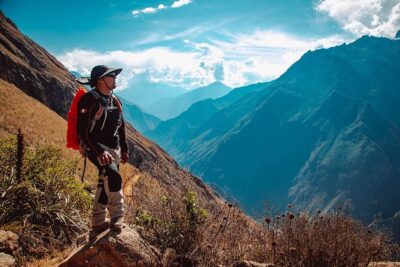
Browse the lists this tour appears in