
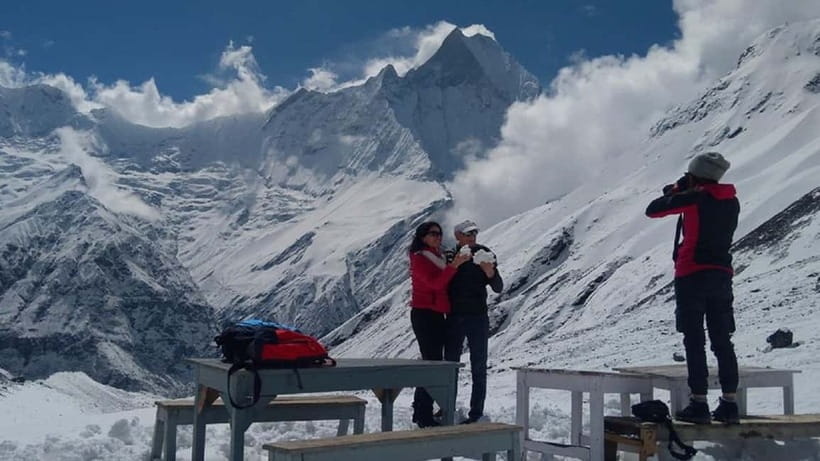
REVIEW · KATHMANDU
Kathmandu or Pokhara: 5-Day Annapurna Base Camp (ABC) Trek
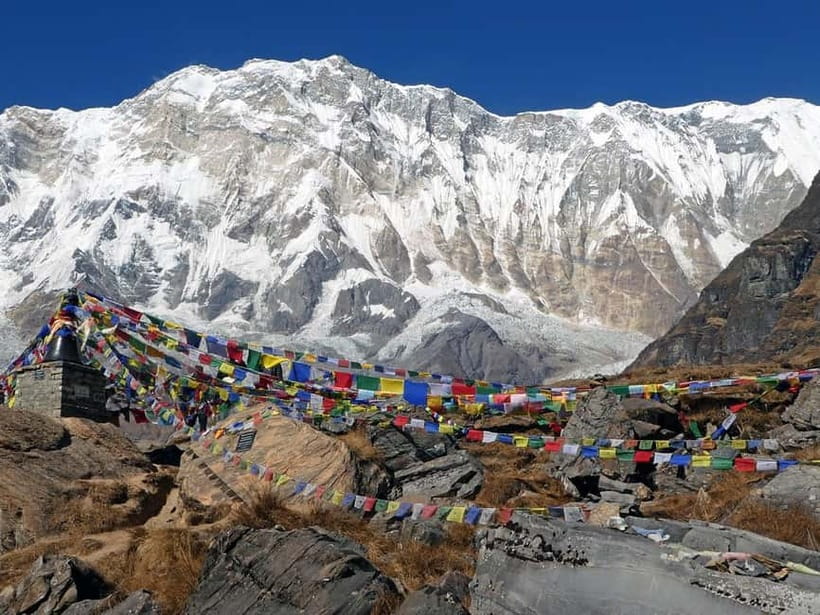
Annapurna Base Camp is the prize here: a high mountain bowl at 4,130 meters, surrounded by some of Nepal’s finest peaks. In five days, you move from river valleys and village paths to cold alpine air, then return by way of Jhinu Danda’s hot springs.
I like the private guided format, which gives you help with route choices, pacing, and small viewpoints that are easy to miss. I also like the practical setup: four nights in tea houses, permits arranged, trekking poles and sleeping bags available, and transport included from Pokhara. The main catch is the pace. Reaching ABC in five days means several long walking days and little spare time for altitude problems or delays.
Key points to know before booking
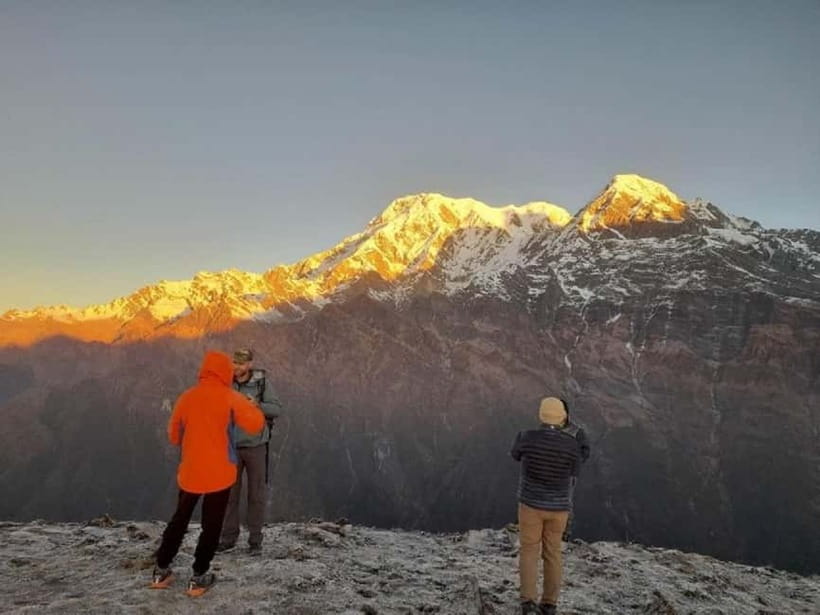
- Annapurna Base Camp at 4,130 meters: The highest night comes on day three, with mountain views and a chance to see sunset and sunrise from the sanctuary.
- Five days means a brisk schedule: Walking days run from four to seven hours, with a fast rise from Sinuwa to Deurali and ABC.
- Jhinu Danda hot springs: The final walking day includes time to stop at the springs before driving back toward Pokhara.
- Private group with an English-speaking guide: Hindi and Nepali are also available, and the guide carries a basic first aid kit.
- Kathmandu or Pokhara departure: The Kathmandu option includes a one-way flight to Pokhara if selected, followed by road transport to the trailhead.
- Package choices matter: Meals and porter service depend on the option you choose, so check the exact package before paying.
Why this five-day ABC route works
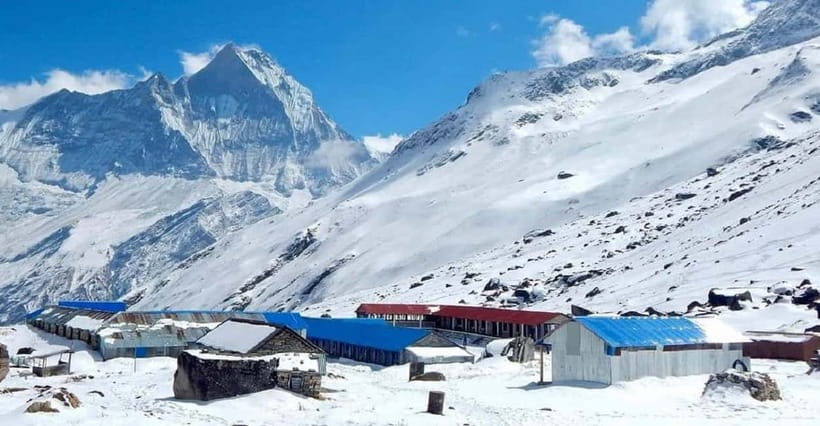
The Annapurna Sanctuary is a strong choice if you want a serious Himalayan trek without committing to two weeks on the trail. You get forests, waterfalls, suspension-bridge country, traditional settlements, and a very high mountain destination in one compact trip.
The route follows a familiar pattern in Nepal: warm lower valleys first, thick forest next, then bare and cold high country. That change gives the walk its drama. You are not simply hiking toward a viewpoint. You are watching the climate and vegetation change as the trail climbs.
At $215 per person, the trip can offer good value, especially if your chosen package includes permits, accommodation, guide service, equipment, meals, and porters. But the low headline price needs a careful look. Budget and Kathmandu options may exclude meals and porter service, while drinks are not included. Ask exactly what your selected rate covers.
This is a private group, not a large fixed departure. That matters on a demanding route. You can discuss your pace with the guide, take a short break when needed, and avoid being tied to the speed of a big group. The guide speaks English, Hindi, and Nepali. No guide name is provided in the booking details, so confirm your guide’s name and meeting arrangements before setting out.
More Annapurna Treks in Kathmandu
- Annapurna Circuit Trek with Tilicho Lake
★ 5.0 · 368 reviews - Annapurna base camp trek 5 Days
★ 5.0 · 252 reviews - 14-Day Private Annapurna Base Camp Trek
★ 5.0 · 180 reviews
Day one: Kathmandu or Pokhara to Sinuwa
The day begins with hotel pickup. From Kathmandu, the route uses a roughly 30-minute flight to Pokhara if that option is selected. You then continue by road to Simrung through Nayapul, a drive of about two to three hours.
From Pokhara, you skip the flight and go directly by shared Jeep toward Simrung. The road portion is not the scenic reward of the trip, but it gets you to the trailhead quickly. Shared transport also keeps the price down, though departure timing and comfort may be less flexible than with a private vehicle.
The first walk runs from Simrung to Sinuwa and takes about four to five hours. The maximum altitude is listed at 2,340 meters. This is a useful first day because you begin with a moderate elevation rather than sleeping high on the mountain immediately.
Expect forest paths, river scenery, and traditional settlements. The route can still feel demanding after the road journey, especially if you started in Kathmandu before dawn. Keep your daypack light and carry water, sunscreen, a hat, and snacks where you can reach them easily.
You spend the night in a guesthouse at Sinuwa. Tea houses are simple mountain lodges, not city hotels. The appeal is their location and atmosphere, while the tradeoff is basic comfort. Warm clothing is important because temperatures change sharply after sunset.
Day two: Sinuwa to Deurali through forest and waterfalls
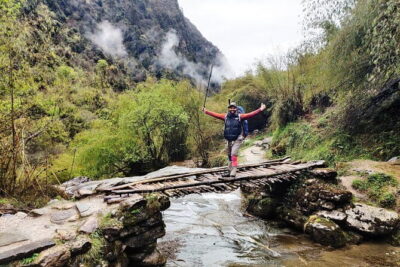
Day two is a five to six-hour walk from Sinuwa to Deurali. The trail passes dense forest, waterfalls, small settlements, and river sections. This is one of the most varied days, with plenty to look at even before the big peaks become the main attraction.
The listed maximum altitude is 3,230 meters, so you gain nearly 900 meters from the previous night. That is a meaningful climb. Walk steadily rather than trying to make up time early in the day. Your guide can help set a sensible pace, but you should speak up if you feel unwell.
The forest gives shade, though wet or uneven ground may make the trail slower. Comfortable shoes with reliable grip are more useful than fashionable hiking boots. You will also want a waterproof layer for changing weather, though the provided packing list only states comfortable shoes, warm clothing, a hat, camera, snacks, sunscreen, and water.
Deurali is a practical overnight stop before the sanctuary. It breaks up the climb to Machhapuchhre Base Camp and ABC, though the schedule still leaves the next day as the hardest and most important part of the trek.
Day three: Machhapuchhre Base Camp to Annapurna Base Camp
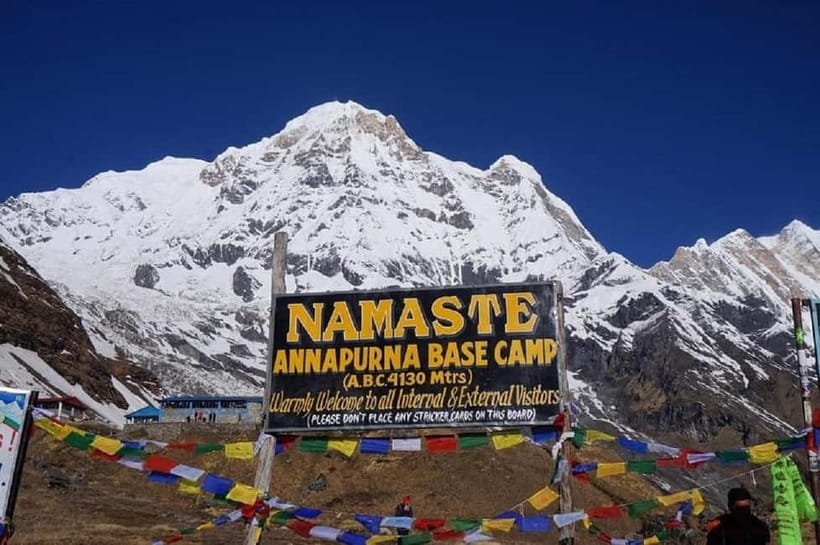
Day three takes about five to six hours, moving from Deurali through Machhapuchhre Base Camp to Annapurna Base Camp. This is the central day of the experience and the point where the route changes character.
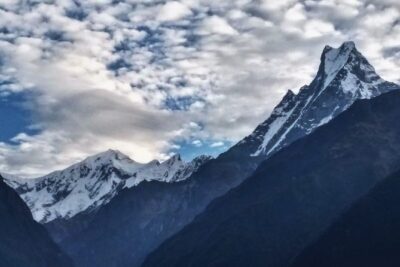
Machhapuchhre, also called Fishtail, is one of Nepal’s best-known peaks. The trail continues toward the Annapurna Sanctuary, where the mountains feel much closer and larger than they did in the lower forests. Annapurna I rises to 8,091 meters and is the world’s tenth-highest mountain.
The final destination sits at 4,130 meters. That altitude is high enough for cold conditions and possible altitude symptoms, even if you are fit. The itinerary is compact, so you do not have a spare acclimatization day. Drink water, walk at a controlled pace, and tell your guide at once if you feel seriously unwell.
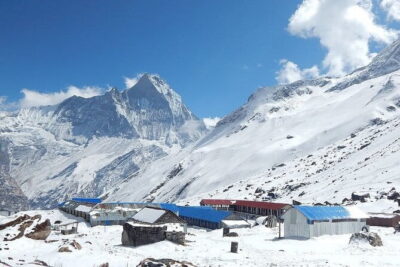
Sunset over the Annapurna range is part of the appeal, followed by an overnight stay in a tea house at ABC. The mountain setting is the reward, but comfort is limited. Bring warm layers, a hat, and clothing suitable for cold nights. Do not assume that a sleeping bag alone will make you comfortable if you are underprepared.
The guide carries a basic first aid kit, and emergency rescue services are available if required. Travel insurance is mandatory and should include trekking at altitude and emergency evacuation. That is not paperwork to treat casually on this route.
Another trail to compare in Kathmandu:
- Everest Base Camp Trek – 14 Days
★ 5.0 · 1,499 reviews - Everest Base Camp Trek
★ 5.0 · 842 reviews - Everest Base Camp Trekking
★ 5.0 · 485 reviews - Everest Base Camp Trekking – 13 Day
★ 5.0 · 365 reviews
Day four: Sunrise at ABC and the long return
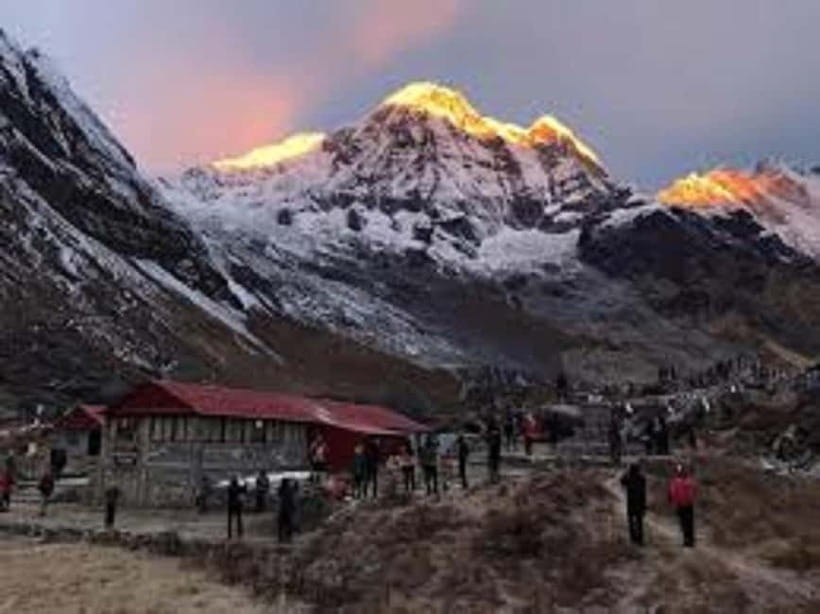
You begin day four with sunrise at ABC, one of the best timed moments on the trip. The early light changes the color of the surrounding peaks, and the sanctuary is usually at its quietest before the day’s walking begins.
The return goes through Deurali, Himalaya, and Dobhan toward Bamboo or Sinuwa. It takes about six to seven hours, making it the longest walking day. The route is mostly downhill, but downhill is not always easy. Knees and ankles can take more strain than expected, especially on uneven steps and wet forest paths.
Sleeping lower is a welcome change after the cold night at ABC. The stated minimum altitude is 2,340 meters. If the high altitude affected your sleep or appetite, this descent should feel easier, though you still need to pace yourself.
This is where a private guide earns practical value. A good guide can help you judge when to pause, identify the correct route, and keep the group moving without turning the day into a race. One particularly useful feature of the guide service is local route knowledge. The guide can point out small scenic places that independent hikers might pass without noticing.
Day five: Jhinu Danda hot springs and the drive to Pokhara
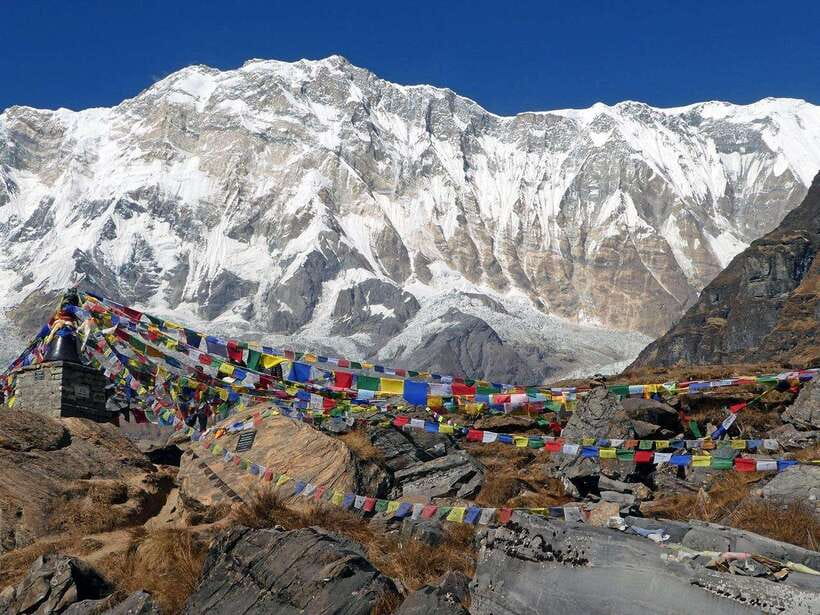
The final day combines more walking with the most relaxing stop. From Bamboo or Sinuwa, you trek toward Jhinu Danda, where hot springs sit along the trail. The route then continues to Simrung before a two to three-hour drive back to Pokhara.
The listed walking time is three to four hours, but the day includes several moving parts. You need to leave enough time for the hot springs, the final trail section, the Jeep journey, and the expected hotel drop-off around 17:00.
Jhinu Danda is a welcome finish after several days of mountain walking. A soak can ease tired legs, though hot springs are not a substitute for medical care if you have altitude symptoms or another health problem. Bring suitable swimwear and a small towel if you plan to use the springs, since these are not listed among the provided items.
The final road trip returns you to Pokhara, where you are dropped at your hotel. A return flight to Kathmandu is available as an add-on, but it is not included in the basic arrangement. Build extra time into your wider Nepal plan if you need to connect with an international flight.
Tea houses, equipment, meals, and porters
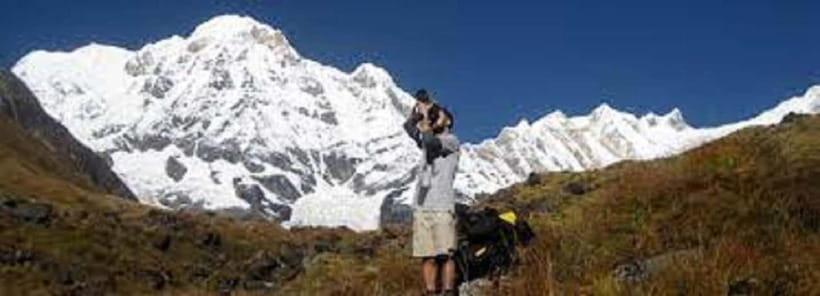
You stay four nights in mountain guesthouses or tea houses. Their biggest advantage is that you do not need to camp or carry a full sleeping system. The tradeoff is basic accommodation, shared facilities may be possible, and high-altitude nights can be cold.
Necessary equipment is listed as available, including sleeping bags, duffle bags, and trekking poles. Confirm whether you receive each item for the full trek and what condition it is in. You should still bring personal layers, comfortable shoes, sunscreen, water, snacks, and a camera.
Meals depend on the package. The all-inclusive choice includes meals and porter service. Budget and Kathmandu options may require you to add meals and a porter separately. Hot, cold, and alcoholic drinks are not included, so keep some local currency available for drinks and small purchases.
A porter can make a major difference on this route. The trail is short, but day three and day four are not easy. If you want to enjoy the scenery rather than carry heavy gear, compare the total cost with porter service included instead of comparing only the starting price.
Transport from Kathmandu and Pokhara
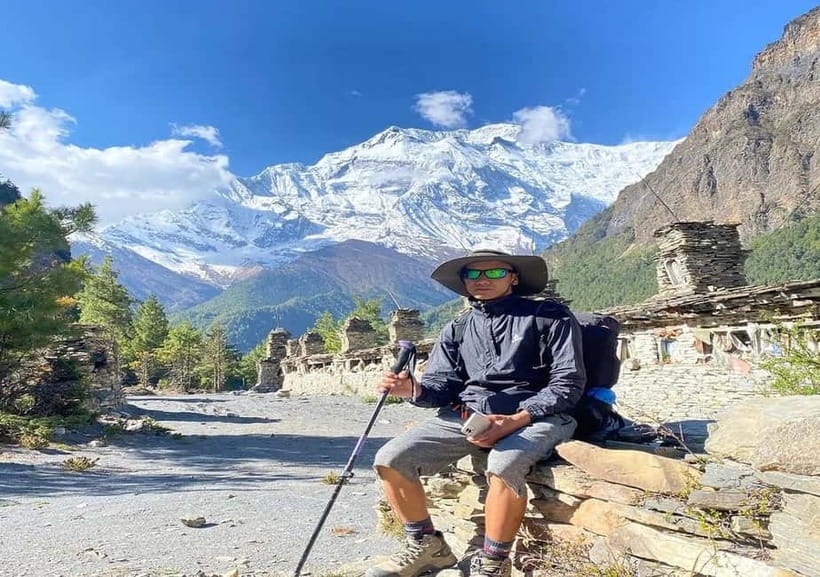
Pokhara is the simpler starting point. You receive hotel pickup, travel by shared Jeep to Simrung, complete the trek, and return to Pokhara by road.
Kathmandu adds a flight to Pokhara if that option is selected. The one-way flight is included in that version, while a return flight from Pokhara to Kathmandu is an add-on. Weather and flight schedules can affect mountain travel, so do not place an important international connection too close to the trek’s scheduled return.
The shared Jeep is a practical part of the price. It avoids arranging your own road transport, but shared vehicles may have limited space. Keep your most important items in a small daypack and protect electronics from dust, rain, and bumps.
Who should choose this trek
I would recommend this trek to you if you have a reasonable level of fitness and want a focused route to ABC with a guide. It suits people who value mountain scenery, local villages, forest walking, and tea-house stays more than hotel comfort.
It also works well if you have only five days available in the Pokhara area. The private format is useful for couples, families with fit older children, or friends who want to walk at their own pace.
I would hesitate to recommend it if you are new to strenuous walking, uncomfortable with cold nights, or unwilling to carry a daypack for several hours. The five-day schedule is efficient, but it is not leisurely. You should be in good health before booking and carry travel insurance that covers trekking and rescue.
Small details that make the trip better
Submit a passport copy at least one day before the trek so the necessary Nepal permits can be arranged. Pack warm layers for ABC and lighter clothing for the lower valleys, since temperatures can vary greatly during the same trip.
Keep snacks in your daypack. They are useful during the longer climbs and give you more control over your energy. Sunscreen and water matter even on cool days, and a hat helps in both sun and cold.
Use the guide’s local knowledge. Ask about viewpoints, waterfalls, village sections, and the best timing for sunrise or sunset. The route is well known, but small stops can make the walk feel less like a checklist and more like a personal journey through the Annapurna region.
Should you book the five-day ABC trek?
Book it if you want the shortest practical route to Annapurna Base Camp and you accept long walking days, simple tea houses, and cold high-altitude conditions. The combination of a private guide, permits, equipment, transport, and optional meals can make $215 a strong value, but only after you confirm which package inclusions apply.
Choose the Pokhara departure for simpler logistics. Choose Kathmandu if you need the one-way flight included and are comfortable with the added travel connection. Either way, arrive prepared, check the meal and porter terms, and treat travel insurance as essential rather than optional.
FAQ
How high is Annapurna Base Camp?
Annapurna Base Camp is at 4,130 meters.
How long is the trek?
The experience lasts five days. Walking days range from about three to seven hours, depending on the section.
Where can I start the trek?
You can start from Kathmandu or Pokhara. The Kathmandu option includes a one-way flight to Pokhara if that option is selected.
Is transport included?
Hotel pickup and drop-off in Pokhara are included. Kathmandu pickup and drop-off apply if the flight option is selected. Shared Jeep transport runs between Pokhara, Simrung, and Pokhara.
Where do I sleep?
You spend four nights in mountain guesthouses or tea houses, including an overnight stay at Annapurna Base Camp.
Are meals included?
Meals are included with the all-inclusive option. They may not be included with Budget or From Kathmandu options, so check the selected package.
Is a porter included?
Porter service is included with the all-inclusive option. It may be available as an add-on with Budget or From Kathmandu options.
What languages does the guide speak?
The guide service is available in English, Hindi, and Nepali.
Do I need travel insurance?
Yes. Travel insurance is mandatory, and emergency rescue services are available if required.
More five-day treks in Kathmandu
- Kathmandu to Annapurna Base Camp (ABC) 5-Day Trek
★ 5.0 · 102 reviews - 5 Day Private Guided Trekking in Annapurna Base Camp
★ 5.0 · 25 reviews - Ghorepani – Poon Hill Trek – 5 DAYS
★ 5.0 · 13 reviews - Pokhara: 5-Day Annapurna Base Camp (ABC) Trek
★ 5.0 · 9 reviews
Latest treks added in Kathmandu
- Private Manaslu Circuit Trek at Himalayas★ 5.0 · 3 reviews
- Ghorepani Poonhill Trek★ 5.0 · 5 reviews
- Ghorepani Poon Hill Trek★ 5.0 · 16 reviews
- Upper Mustang Trekking★ 3.0 · 2 reviews
- Amazing 1 Day Trekking Experience in Kathmandu Nepal★ 5.0 · 24 reviews
- Upper Mustang Trekking★ 5.0 · 2 reviews
- Upper Mustang Trek★ 5.0 · 5 reviews
- Upper Mustang Trekking★ 5.0 · 4 reviews
Annapurna Base Camp Treks, compared.
Trekking in Annapurna/Langtang/Everest/Upper Mustang regions
Read our review →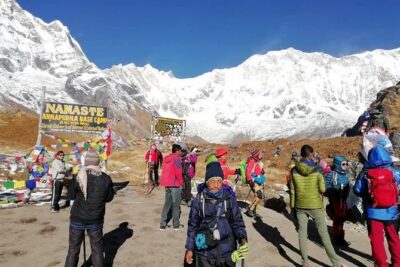
Kathmandu to Annapurna Base Camp (ABC) 5-Day Trek
Read our review →Browse the lists this tour appears in