
REVIEW · PERU
3-day trek to the Colca Canyon from Arequipa ending in Puno
The real draw here is not just seeing Colca Canyon from a roadside lookout. You walk down into it, sleep in small local lodgings, pass through canyon villages, and finish in Puno instead of returning to Arequipa. I like the mix of big views and ordinary village life, especially San Juan de Chuccho and the oasis at Sangalle. I also like that transport, meals, a guide, and the onward transfer are bundled into the $175 price.
The catch is the schedule. Day three begins with a demanding three-hour uphill walk at 5:00 a.m., and breakfast comes only after you reach Cabanaconde. A late departure can also shorten time at Cruz del Cóndor or remove a planned viewpoint, so this trip rewards early starts and a little patience.
Key points at a glance
- Condors at Cruz del Cóndor: Reach the famous viewpoint after an early departure from Arequipa, with a chance to watch the birds ride the canyon air.
- A real canyon walk: Begin at Cabanaconde and descend for about three and a half hours to San Juan de Chuccho.
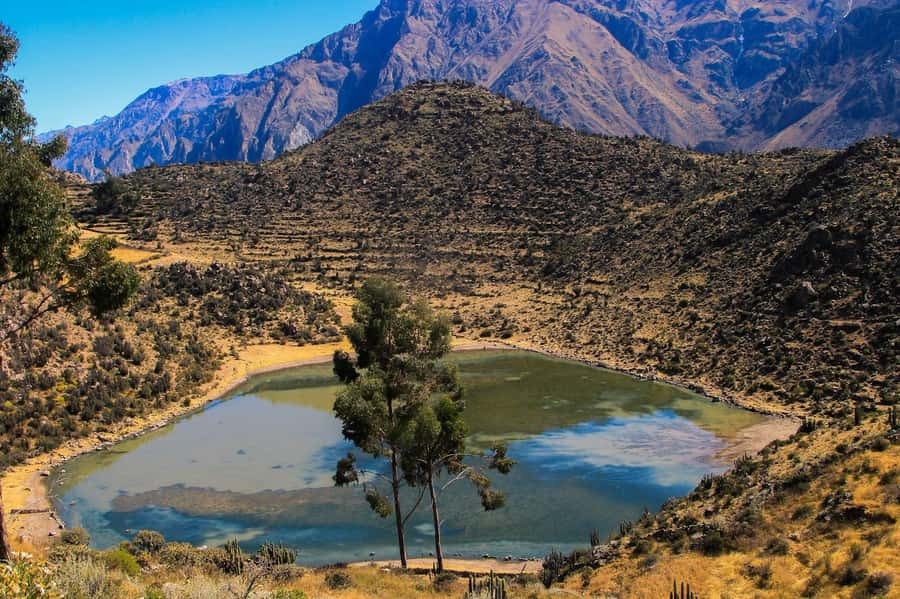
- Two simple overnight stays: Sleep in basic dormitories at a local family home, then at Sangalle, the canyon’s pool-filled oasis.
- A tough final morning: Leave Sangalle at 5:00 a.m. for a three-hour ascent to Cabanaconde.
- A useful route to Puno: Continue by tourist transport through Chivay, Patapampa, Toccra Pampa, Patahuasi, and Lagunillas Lagoon.
- Good package value: The $175 price includes transport, five meals, two nights, a guide, and transfer to Puno, but not the Colca ticket, final lunch, or hot springs.
What the $175 price really covers
At $175 per person, this is a practical way to connect two major southern Peru stops while walking through Colca Canyon. You are not paying only for a canyon hike. The package includes pickup in Arequipa, tourist transport, three breakfasts, two lunches, two dinners, two nights of lodging, an official guide, and transfer to Puno.
That bundle matters because the route involves several separate moving parts. You need a vehicle from Arequipa to the canyon, a guide for the trek, lodging below the canyon rim, a ride back to Chivay, and then transport across to Puno. Arranging all that independently may give you more control, but this tour keeps the connection in one booking.
Several costs remain outside the advertised price. The mandatory Colca tourist ticket is 70 soles. Lunch in Chivay on the final day is also extra. The hot springs are optional, with the information giving both 15 soles and $5 as the entrance price, so I would confirm the current local fee with the operator and carry small cash.
The tour allows cancellation up to 24 hours before departure for a full refund, and you can reserve now and pay later. Those terms help if your Arequipa plans are still shifting, but they do not change the physical demands of the walk.
More three-day treks in Peru
- Salkantay Trek Challenge – 3 Days / 2 Nights
★ 5.0 · 101 reviews - Private 3 Day Colca Canyon Trekking tour (superior Service)
★ 5.0 · 58 reviews - 3-Day Colca Canyon trek with Professional Guide
★ 5.0 · 40 reviews
A 3:00 a.m. start and the flight of the condors
Your day starts at about 3:00 a.m. with pickup from your Arequipa hotel. That is brutally early, but it gets you toward Chivay for breakfast and then to Cruz del Cóndor, the trip’s first major stop.
Cruz del Cóndor is a roadside viewpoint over the canyon, not a hike into it. From here, you look into the great cut in the earth and watch for Andean condors gliding on rising air. The timing matters because the morning is the key period for seeing their flight.
You should set expectations carefully. A delayed departure can reduce the time at Cruz del Cóndor, and one scheduled volcano viewpoint may be skipped altogether if the group falls behind. If condors are high on your list, be ready at the stated pickup time and treat this stop as weather and traffic dependent.
After the viewpoint, the vehicle continues to Cabanaconde. This is where the walking portion begins. The route changes quickly from coach travel to a long descent into Colca Canyon, so keep your water, sun protection, and walking gear easy to reach rather than buried in your main bag.
Three and a half hours down to San Juan de Chuccho
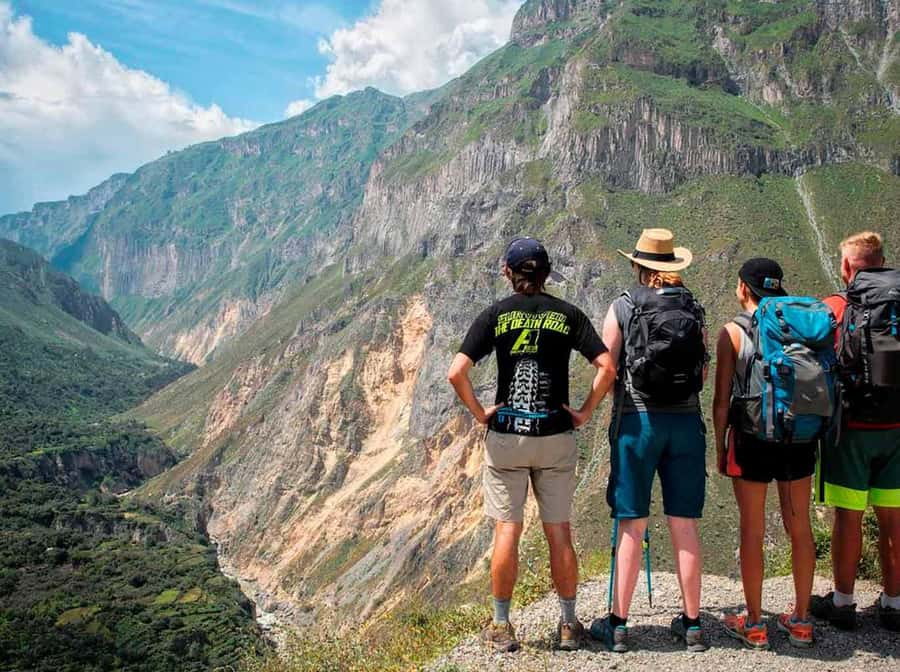
From Cabanaconde, you walk toward San Juan de Chuccho for about three and a half hours. This first descent gives you the most direct sense of Colca Canyon’s scale. The roadside view shows the canyon from above. This section puts your feet inside it.
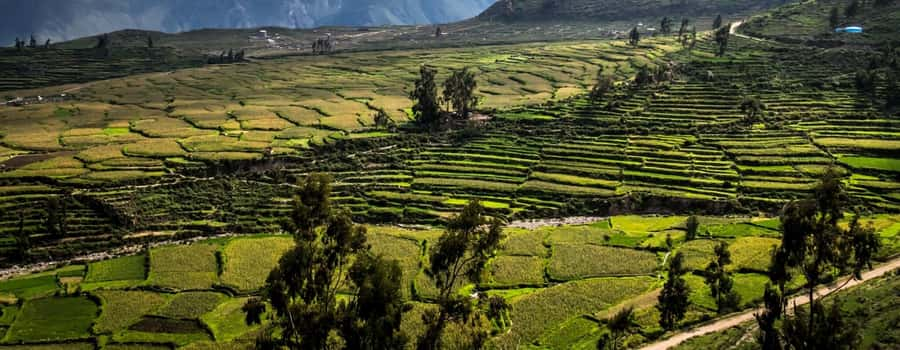
The destination is a small community where you have about three hours of free time before dinner. That pause is useful. You can visit local people, look at agricultural terraces, and see how life continues below the rim rather than rushing straight from the trail to bed.
The terraces are an important part of the stop. They are not a staged attraction added for a tour bus. They show the practical work needed to grow food on steep canyon land. Your guide can add context in English or Spanish, and one guide named José has been especially praised for explaining Peru’s wildlife and plant life.
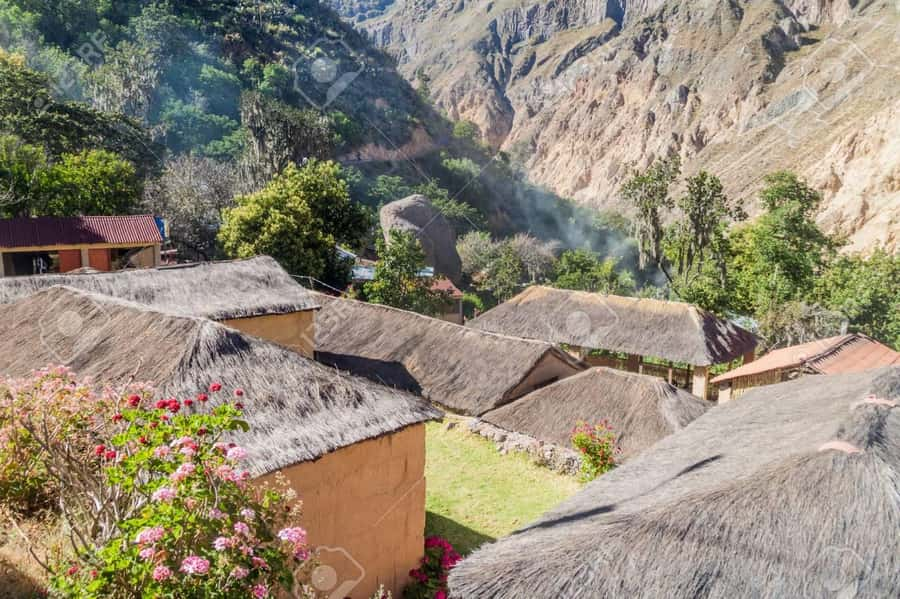
The night is simple. You stay in a local family home in basic dormitory-style rooms. Do not expect hotel comforts or private rooms. The value is the setting and the chance to spend the night in the canyon rather than simply photographing it from a lookout.
Dinner is included, as is breakfast the next morning. Water can cost more in the canyon, and one important money-saving tip is to check nearby small shops before buying from the first accommodation. Carry some drinking water with you, since prices and availability may vary by stop.
Villages and pools on the way to Sangalle
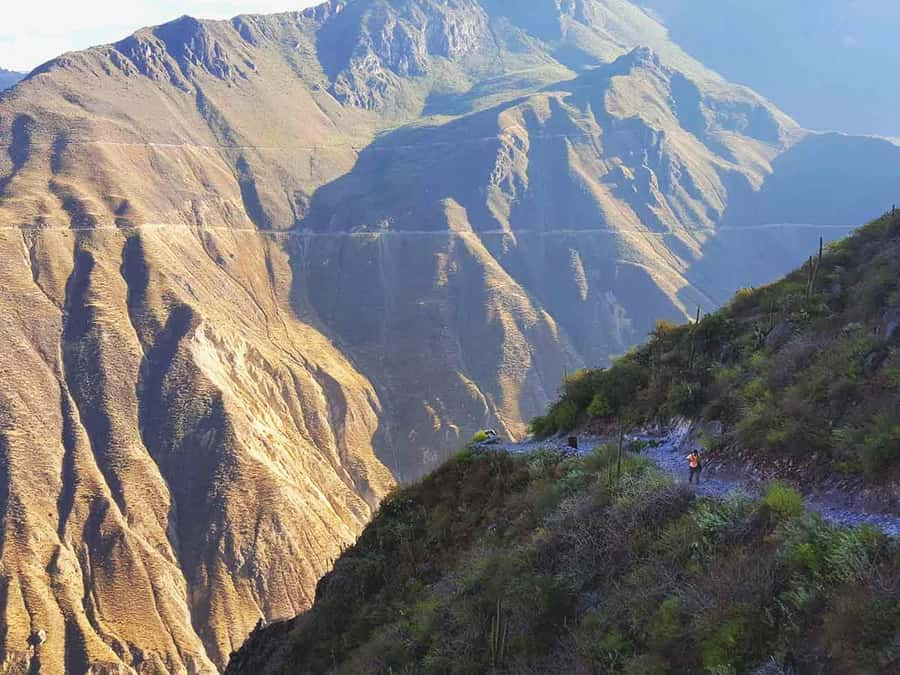
After breakfast, the trail continues toward Sangalle, commonly called the oasis. The walk takes about three hours and passes through Cosñirhua and Malata. These communities break up the hike and give you a look at the settled side of Colca Canyon.
I like this middle day because it is less rushed than the first morning. You are not simply counting down to a viewpoint. You move between villages, watch the canyon change around you, and reach Sangalle with time left in the afternoon.
Lunch is included at Sangalle. The afternoon is free, with access to the pools at the oasis. After the long first day and the morning walk, this is the tour’s easiest chance to rest your legs. Bring a swimsuit if you want to use the pools, and remember that the accommodation remains basic rather than resort-like.
Sangalle is also where the route’s rhythm becomes clear: sleep low in the canyon, then climb out before sunrise. That arrangement is scenic, but it is not effortless. You should be comfortable walking for several hours on uneven, steep trails and managing an early morning without much time to warm up.
Dinner and accommodation are included at Sangalle. The exact room setup is not specified, so plan for simple trekking lodging rather than a conventional hotel. Pack a small overnight bag if possible, and keep your larger belongings organized for the transfer between Arequipa, the canyon, and Puno.
More Trekking Tours in Peru
- From Arequipa: Sillar Route Trek
★ 4.2 · 461 reviews - From Cusco: 7 Lakes Ausangate Trek with Breakfast and Lunch
★ 4.8 · 360 reviews - From Arequipa: 2-Day Colca Canyon Trekking Tour
★ 4.8 · 243 reviews - Cusco: Full-Day Rainbow Mountain & Red Valley Trekking Tour
★ 4.5 · 121 reviews
The 5:00 a.m. climb back to Cabanaconde
Day three starts at 5:00 a.m. The ascent to Cabanaconde takes about three hours, and breakfast is served after you reach town. This is the physical test of the trip.
The climb is not a minor detail. You leave the oasis at the bottom of the canyon and gain the rim in a single morning. If you are used to long hikes, the distance may be manageable. If you are not, the early start, altitude, and sustained uphill effort can make this the hardest part of the tour.
Bring a small snack for the climb. Breakfast comes only once you arrive in Cabanaconde, and that means you should not count on food during the ascent. Carry water too, since supplies in the canyon can be expensive or limited.
A late start can have a knock-on effect here. If the group leaves behind schedule, you may lose time later in the day. The route has a fixed onward transfer to Puno, so the climb cannot simply stretch as long as you like.
Once you reach Cabanaconde, you have breakfast and board transport back toward Chivay. This is a welcome change after the climb, but it also means the final day becomes a long combination of hiking, sightseeing, meals, and road travel.
Chivay, hot springs, and the road to Puno
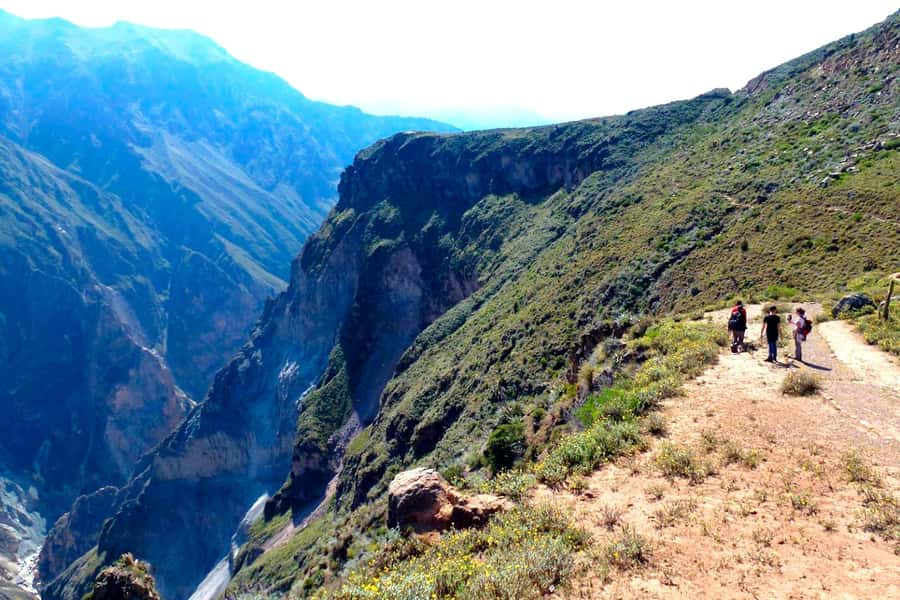
The return route includes stops in Chivay and at Chacapi Thermal Baths. You have about 40 minutes at the hot springs, with admission paid separately. After an early uphill walk, a soak can be a pleasant reward, though the short visit may feel rushed if you want a long bath.
The tour then stops in Chivay for lunch. This final lunch is not included, so budget separately. Your guide transfers you to another tourist bus for the trip to Puno, which is an important detail for anyone traveling with luggage or planning a same-day connection.
The road climbs toward the Pampas Apachetas of Patapampa, the highest point on the route. Here, you can look toward the mountains and volcanoes. The high pass is a sharp contrast to the warm canyon oasis from earlier that morning.
At Toccra Pampa, you stop to see alpacas and vicuñas in their natural area. Patahuasi provides a facilities stop, and Lagunillas Lagoon offers a chance to watch migratory birds. These are short road stops, not full excursions, but they make the transfer day more interesting than a straight bus ride.
Arrival in Puno is expected around 7:00 p.m. That makes this a full day. I would avoid scheduling a demanding evening activity in Puno, especially if you want time to check into your lodging, eat, and recover from the climb.
Lodging, food, and guide quality
The guide can make a large difference on a trip like this. The tour operates in English and Spanish, and José has been praised for his warmth and for explaining Peru’s animals, plants, and natural setting. Ask at booking who your guide will be, since the individual guide may affect how much detail and support you receive.
The meals are basic tour meals, but they remove much of the planning burden. You receive three breakfasts, two lunches, and two dinners. The missing meal is lunch in Chivay on the last day, so do not assume the food package covers every meal from pickup to Puno.
The accommodation is best judged as functional. San Juan de Chuccho uses basic dormitories in a local family home, while Sangalle is also simple canyon lodging. This suits you if you value sleeping along the route and meeting local families more than having polished rooms.
One practical warning concerns communication. If a viewpoint is skipped or the departure is delayed, you should expect a clear explanation from the guide. The route has enough driving and enough fixed timing that small delays can change the day’s sightseeing.
Who will get the most from this canyon route?
I would choose this tour if you want a walk through Colca Canyon plus a direct onward route to Puno. It saves you from returning to Arequipa and gives you two nights below the rim, which is the main reason to choose three days instead of a shorter canyon visit.
It suits hikers who can handle a three-and-a-half-hour descent, a three-hour walk to Sangalle, and a three-hour uphill climb before breakfast. You do not need a technical climbing background based on the supplied route, but you do need steady legs and a willingness to start very early.
It is less suitable if your main goal is relaxed sightseeing. The first and third days are long, and the final day combines an early climb with several hours of road travel to Puno. If you mainly want the viewpoint, condors, and a short canyon walk, a shorter schedule may fit better.
The trip is also a good match for people who enjoy local lodging and village stops. You will not be insulated from daily life in the canyon, and that is precisely what gives the route its character. If you need private hotel rooms, flexible meal times, or a slow pace, the basic arrangements may frustrate you.
Should you book the three-day trek?
Book it if you want to walk below the canyon rim, stay with local families, and reach Puno without backtracking. At $175, the included transport, guide, meals, lodging, and onward transfer make the price reasonable, provided you add the 70 soles Colca ticket, final lunch, hot springs, and personal water costs.
Before paying, confirm the pickup time, the guide, the current hot spring fee, and how the operator handles delays. Bring a snack for the final climb, extra water money, and only the luggage you need for two nights.
I would not choose it simply because three days sounds more complete. The canyon itself is the prize, but the early starts and final ascent are serious. If you are fit, flexible, and curious about village life, this route gives you far more than a roadside viewpoint. If you want comfort and an easy schedule, choose a shorter canyon visit instead.
FAQ
How long is the tour?
The experience lasts three days, beginning in Arequipa and ending in Puno.
What time is pickup in Arequipa?
Pickup is scheduled for about 3:00 a.m. on the first day.
Where does the trek begin?
The walking section begins in Cabanaconde after the visit to Cruz del Cóndor.
How long is the walk to San Juan de Chuccho?
The first walk takes about three and a half hours from Cabanaconde to San Juan de Chuccho.
Where do you sleep?
You spend the first night at a local family home in San Juan de Chuccho, in basic dormitories, and the second night at Sangalle.
How long is the walk from San Juan de Chuccho to Sangalle?
The walk takes about three hours and passes through Cosñirhua and Malata.
How difficult is the final day?
You leave Sangalle at 5:00 a.m. and walk uphill for about three hours to Cabanaconde. Breakfast is served after you arrive.
Is the Colca tourist ticket included?
No. The mandatory Colca tourist ticket costs 70 soles and must be paid separately.
Is the hot springs entrance included?
No. The hot springs entrance is optional and costs extra. The supplied price information gives both 15 soles and $5, so confirm the current fee before the visit.
Latest treks added in Peru
- Small Group: 4-Day Inca Trail Trek to Machu Picchu★ 5.0 · 33 reviews
- Salkantay Trek: 5 Days to Machu Picchu★ 5.0 · 33 reviews
- 5 Day – Salkantay trek to Machu Picchu – Group Service★ 4.5 · 27 reviews
- Humantay Lake Full-Day Adventure: Scenic Trek and Stunning Views★ 4.5 · 39 reviews
- Inca Trail Trek to Machu Picchu – 2 Days (Small Group or Private)★ 5.0 · 31 reviews
- Salkantay 5-Day Trek To Machu Picchu★ 5.0 · 39 reviews
- 6 day Rainbow Mountain x Ausangate Trek – FlashpackerConnect★ 5.0 · 30 reviews
- Ausangate and Rainbow Mountain Trek – 3 Days / 2 Nights★ 5.0 · 35 reviews
Peru Trekking Tours, compared.
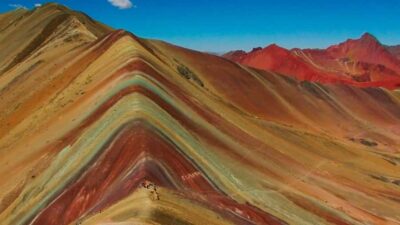
7 Lakes Ausangate Trek with Breakfast and Lunch
Read our review →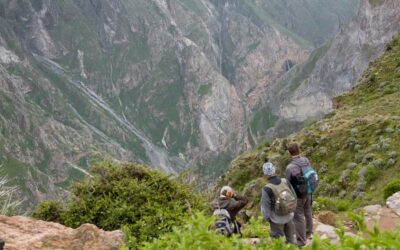
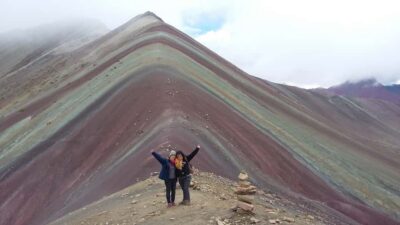
Full-Day Rainbow Mountain & Red Valley Trekking Tour
Read our review →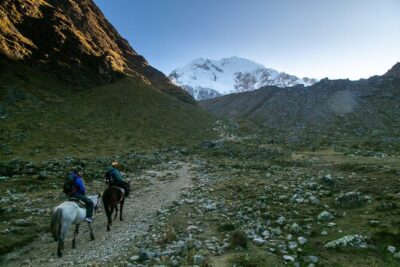
Browse the lists this tour appears in