
REVIEW · KATHMANDU
14 Days Annapurna Circuit Trek
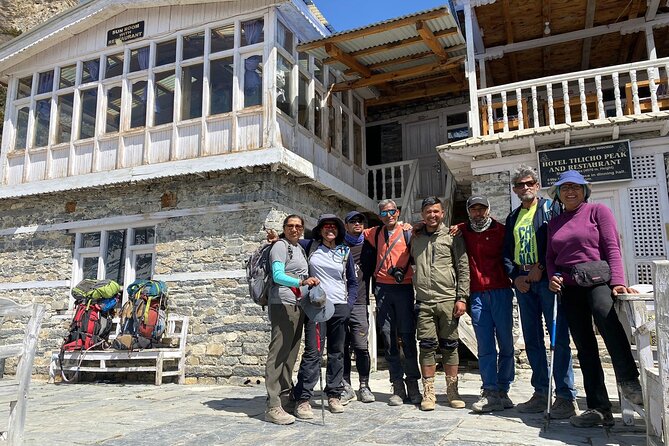
The big prize here is Thorong La Pass, reached after days of steady walking through pine forests, high mountain valleys, and Tibetan-style villages. The route then drops sharply to Muktinath, where Hindu and Buddhist shrines add a strong cultural note to the mountain scenery.
I like the built-in acclimatization day in Manang, and I like the practical support: airport transfers, meals, porters, a certified guide, and one porter for every two trekkers. The main drawback is the amount of road travel, including long shared Jeep rides, plus some unclear timing in the final Pokhara and Kathmandu portion.
Key points at a glance
- Thorong La is the trek’s high point: You cross the 5,416-meter pass on foot, usually starting early from Thorong Phedi.
- Manang gives you time to adjust: The scheduled rest day helps you prepare for the pass instead of rushing upward.
- The scenery changes fast: You move from river valleys and forest to dry high country, then down into Mustang.
- $900 covers a lot: Accommodation, meals, guides, porters, taxes, and airport transfers are included.
- The route mixes trekking and road travel: The long drives to Besisahar and Chame are useful but tiring.
- This is a private trip: Only your own group takes part, with group discounts available.
What the $900 Annapurna Circuit actually gives you
At $900 per person, this trip is priced as a supported trek rather than a bare-bones walking holiday. You receive airport pickup and drop-off in a private vehicle, accommodation in Kathmandu and Pokhara on a twin-sharing basis, nine nights in trekking-area lodging, meals during the walking section, and a certified trekking guide.
The staff package is also useful. You get one assistant guide for every six trekkers and one porter for every two. Guides and porters have their lodging, food, insurance, and salaries covered, so you are not expected to handle those costs separately.
The included meals are 13 breakfasts, nine lunches, and nine dinners. Tea, coffee, hot water, bar bills, shopping, and other personal spending are extra. The Jomsom to Pokhara flight is also not included, which matters because the route description includes transport from that area.
For the price, the strongest value comes from the support system. You are not simply paying for a route outline. You have help with transfers, an organized mountain team, and luggage assistance on a route where fatigue and altitude can make small tasks feel large.
Still, check the transport plan before paying. The trip information describes a drive through the Mustang Valley to Pokhara, while the exclusions mention a flight from Jomsom to Pokhara. Ask Yolo Hike which option applies to your departure and whether the flight cost is optional or necessary for the planned timing.
More Annapurna Treks in Kathmandu
- Annapurna Circuit Trek with Tilicho Lake
★ 5.0 · 368 reviews - Annapurna base camp trek 5 Days
★ 5.0 · 252 reviews - 14-Day Private Annapurna Base Camp Trek
★ 5.0 · 180 reviews
Kathmandu: preparation, temples, and Thamel shopping
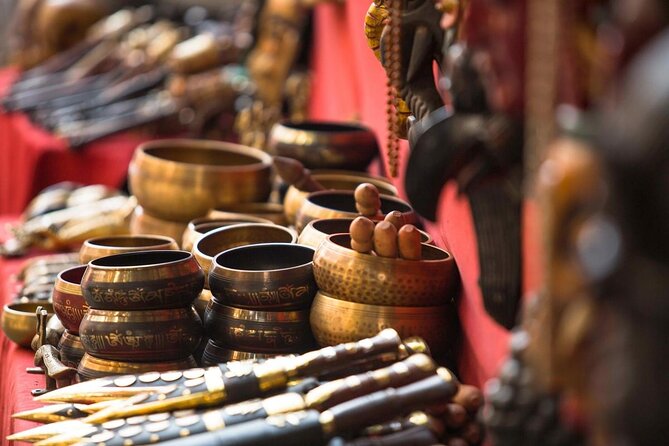
Your trip begins at Tribhuvan International Airport, where a guide meets you and arranges the transfer to your hotel. The first day is light by design. After settling in, you have time to walk through Thamel and shop for trekking needs with help from the guide.
That is a sensible start. Thamel is a practical place to check clothing, equipment, and personal supplies before you leave the city. You also get a gentle introduction to Kathmandu instead of being pushed straight into a long drive.
The second day is set aside for preparation and sightseeing in the Kathmandu Valley. The listed sights include Pashupatinath Temple and Boudhanath Stupa, two places that give you a wider sense of Nepal before the trek turns toward the mountains.
The plan also includes trip logistics, so use this day to ask direct questions. Confirm the next morning’s departure time, what luggage the porter will carry, what you should keep with you, and how the mountain meals and sleeping arrangements work.
One practical warning: the published schedule later includes another Kathmandu to airport transfer at the end, but the day-by-day outline also places Mountain Museum and Devi’s Fall in the Pokhara section. The final days need confirmation so you know exactly how many nights are allocated to Pokhara and when you return to Kathmandu.
The long road to Besisahar and Chame
Day three takes you from Kathmandu to Besisahar, about 175 kilometers by road. The drive is listed at roughly six to seven hours, though road and traffic conditions can affect the timing.
This is not a quick transfer. You spend much of the day watching Nepal shift from city streets to rural villages, winding rivers, and hill country. It gives you a useful visual introduction to the areas beyond Kathmandu, but you should expect a tiring sitting day.
The next transfer, from Besisahar toward Chame by shared Jeep, is described as taking around 10 to 11 hours. The route passes through villages and rural mountain scenery before reaching the gateway area for the trek.
A shared Jeep can be a practical way to reach the trail, but it is not the most comfortable part of the trip. Keep water and essential items close, since your main luggage may be handled by the porter team. If you prefer more personal space, ask about private transport and any added cost.
The schedule labels this day as Manang while describing the drive to Chame, so do not assume you reach the village of Manang that night. This is one of the details worth clarifying in advance.
Chame to Pisang: the first real walking day
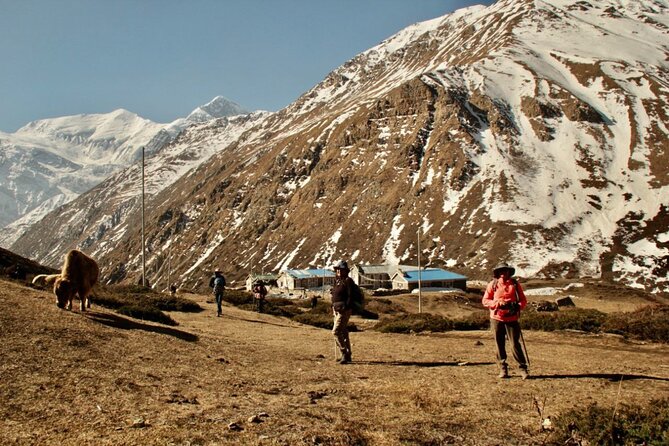
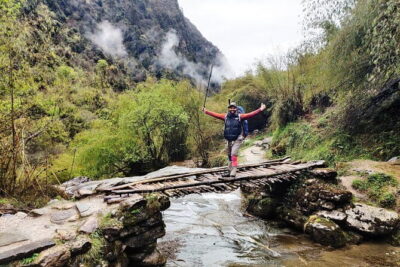
The trek proper begins after the road section. From Chame, you walk toward Pisang through forested country, across bridges, and beneath views of Annapurna II and Lamjung Himal.
This is where the trip begins to feel like a classic Himalayan trek. You leave the road behind for a time and settle into the rhythm of walking, eating, resting, and watching the peaks grow larger.
The day is listed at roughly 11 hours, which is a demanding length. The actual walking pace will depend on the group, trail conditions, and stops, but you should be ready for a full day on your feet.
Pisang is an important overnight stop because it marks the change from lower valleys to the drier upper section of the route. The village setting and mountain views make it one of the more rewarding early nights, though the long schedule means you may arrive tired.
Another trail to compare in Kathmandu:
- Everest Base Camp Trek – 14 Days
★ 5.0 · 1,499 reviews - Everest Base Camp Trek
★ 5.0 · 842 reviews - Everest Base Camp Trekking
★ 5.0 · 485 reviews - Everest Base Camp Trekking – 13 Day
★ 5.0 · 365 reviews
Manang and the value of a rest day
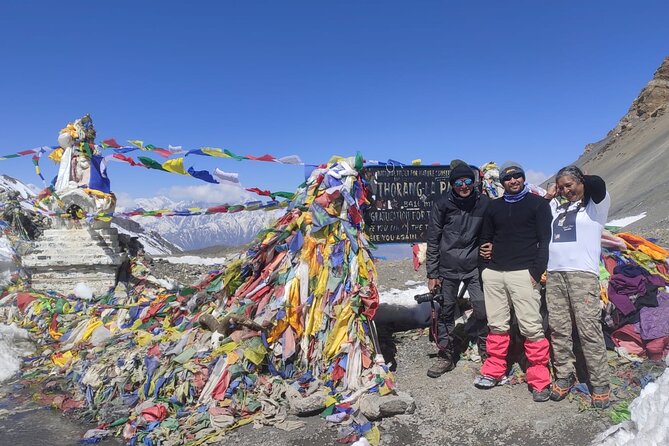
From Pisang, the trail continues to Manang. The route climbs gradually, and the peaks become more prominent as you approach this Tibetan-influenced village.
Manang is more than a place to sleep. It is the point where the trek shifts from a long mountain walk into a high-altitude crossing. The village’s cultural character, surrounding peaks, and location make it one of the route’s central stops.
The following day is reserved for acclimatization. That is one of the best features of this itinerary. You can explore Manang, take a slower day, and allow your body to adjust before the trail climbs toward Yak Kharka and Thorong Phedi.
You should treat this as a useful safety measure, not wasted time. Altitude affects people differently, and a rest day gives you room to notice how you are feeling. The trip requires a strong level of physical fitness, and this break does not remove the need to pace yourself.
The detailed plan does not specify a particular acclimatization walk or activity, so ask your guide what the day will involve. The important point is that you are not scheduled to keep gaining height every day.
Yak Kharka and Thorong Phedi
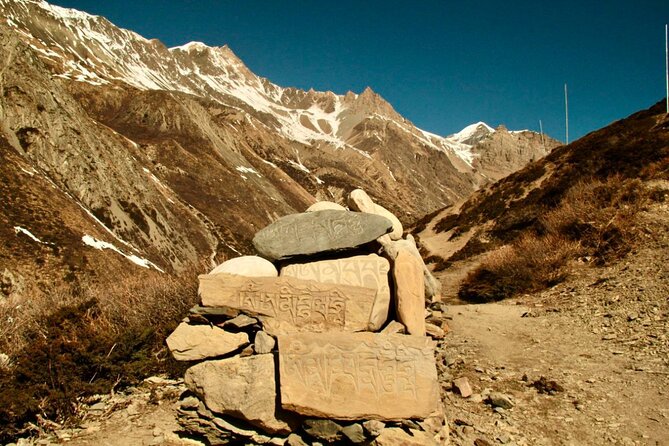
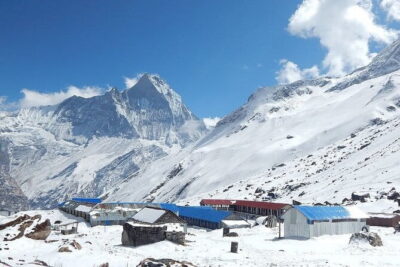
After Manang, the scenery becomes more open and spare. The trail to Yak Kharka crosses rugged high country, with broad views of the surrounding peaks and less tree cover than you saw earlier.
The day is listed at about 10 hours. That is a serious walking day at altitude, even if the trail itself is not described as technically difficult. You will want to keep your pace steady and save energy for the pass.
From Yak Kharka, you continue to Thorong Phedi, the small settlement below Thorong La. This section crosses rocky ground and glacial moraines as the trail gradually rises.
Thorong Phedi is a functional stop rather than a sightseeing town. Its value is its position at the foot of the pass. You spend the night close to the next day’s challenge, which allows for an early start.
The itinerary gives this stop a full day, but the walking duration is not as clearly stated as on some other days. Confirm the expected start and arrival times with your guide. At this altitude, a simple schedule is helpful.
Crossing Thorong La at 5,416 meters
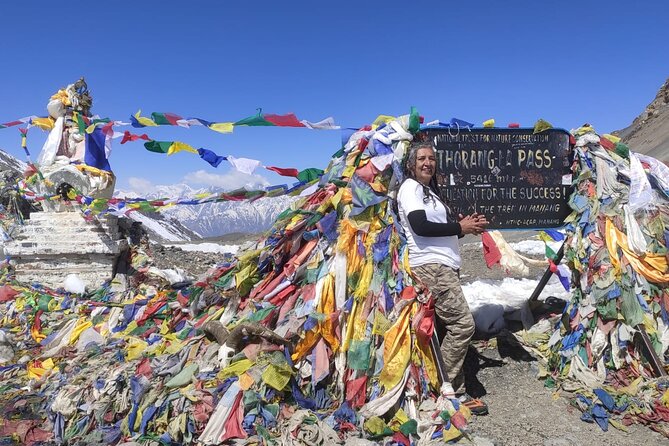
The pass crossing is the physical center of the trek. You start early, climb steeply, and reach Thorong La at an altitude of about 5,416 meters.
The reward is a wide mountain panorama and the satisfaction of crossing one of Nepal’s best-known high passes. This is also the day when the trip demands the most from you. Thin air, cold conditions, steep ground, and a long descent can turn a scenic day into a very hard one.
Do not judge your fitness only by how you feel in Kathmandu or during the first forest walks. The pass comes after several high-altitude days, and the route requires consistent effort. Listen to your guide and tell the guide promptly if you feel unwell.
After the pass, the trail drops toward Muktinath. That descent changes the mood of the day. You leave the pass behind and move toward a sacred place shared by Hindu and Buddhist traditions.
Muktinath is not just a convenient overnight stop. Its temples and religious importance give the trek a cultural focus after the long physical effort of Thorong La. You have about an hour listed for visiting the temple area, though the full timing may depend on the day’s conditions.
Muktinath to Jomsom and the Mustang side
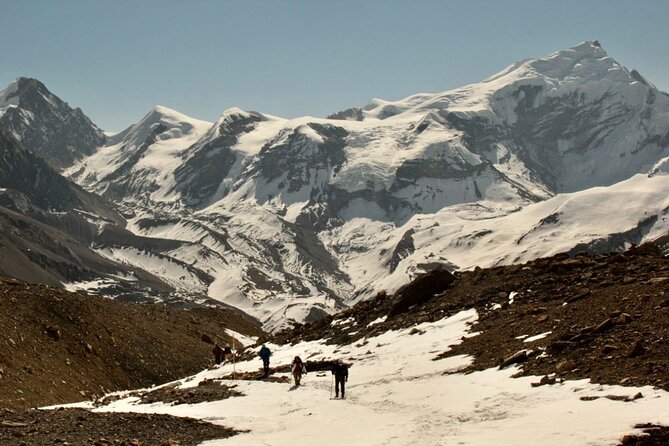
From Muktinath, the route continues through a dry, windswept valley toward Jomsom. The scenery here contrasts sharply with the forests and greener valleys near the start of the trek.
Apple orchards and the quieter setting around Jomsom provide a softer ending to the high pass section. You are still in mountain country, but the character has changed. The route feels more open, dry, and connected to Mustang.
The schedule combines the Muktinath visit and the journey to Jomsom into a very long day, listed at around 10 hours. That is another reason to clarify the exact transport plan. The information describes continuing by drive, yet it also excludes a possible Jomsom to Pokhara flight.
If you fly, the journey to Pokhara should be quicker but costs extra. If you drive, you may see more of the Mustang Valley, but the trip will take longer and may add another tiring road section. Neither choice is automatically better. It depends on your budget, time, and tolerance for long drives.
Pokhara and the return through Nepal
The itinerary includes two nights of accommodation in Pokhara, shared between two people. The Pokhara portion includes the International Mountain Museum and Devi’s Fall, each listed with about an hour of visiting time.
The Mountain Museum gives you a chance to put the trek into a larger setting, with a focus on Nepal’s mountain culture and climbing story. Devi’s Fall offers a change of pace after the high trail and long road sections.
The schedule then places a scenic drive from Pokhara back to Kathmandu, through countryside, rivers, and valleys. Another day is assigned to final departure from Kathmandu, with an airport transfer after breakfast.
Because the day-by-day outline repeats the Pokhara to Kathmandu drive and the final airport departure, you should get a written version of the final schedule before booking. The tour is advertised as 14 days, but the detailed entries for days 11 through 14 are not fully consistent.
This does not necessarily mean the trip is poorly planned. It does mean you should confirm where you sleep on each night, when you leave Pokhara, and whether the airport transfer occurs on day 13 or day 14.
Guides, porters, and the level of support
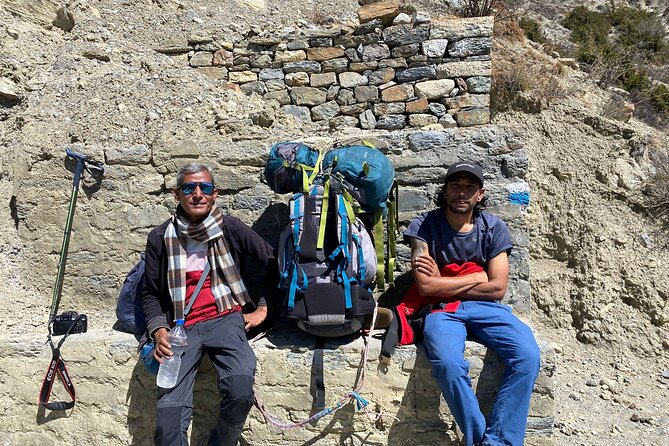
The trip is private, so only your own group takes part. That gives you more control than a large shared departure, especially if your group needs a slower pace or extra time at cultural sites.
The guide is a professional certified trekking guide, supported by one assistant guide for every six trekkers. One porter is assigned for every two trekkers. This setup is a major practical benefit on a route with several long days and a high pass.
The strongest service qualities connected with Yolo Hike are fast communication, flexible planning, friendly organization, and an effective guide team. The company has also handled last-minute planning for an Annapurna Circuit departure, which suggests that asking for adjustments may be worthwhile, though you should never assume every change is possible.
The names Anil and Alin appear in the company’s wider trip communication, but the specific guide for this Annapurna departure is not named. Ask for that person’s name, experience, and emergency procedures before you go.
Who should book this trek?
This trip suits you if you want the classic Annapurna route with substantial logistical support. It is a good match for someone who values a guide, porter, included meals, arranged lodging, and airport transfers rather than building every detail independently.
You should also be comfortable with long days. The itinerary includes drives of six to seven hours and 10 to 11 hours, trekking days listed at 10 or 11 hours, a high pass, and changing conditions.
The trip is not a good choice if you want a short, gentle mountain holiday or dislike shared road transport. The altitude and Thorong La crossing demand preparation, and the long transfer days can be as tiring as the walking.
At $900, the value is strongest for a private group that uses the included guide, porter, meals, and accommodation. Add a budget for drinks, hot water, personal spending, shopping, and possibly the Jomsom to Pokhara flight.
Final booking advice
I would book this trek if you want the full Annapurna Circuit experience and are happy to confirm the transport details before paying. The route offers major variety: forest, high valleys, Tibetan-influenced villages, a 5,416-meter pass, sacred Muktinath, dry Mustang country, and time in Pokhara.
The best features are the Manang acclimatization day, the porter ratio, included meals, and private format. The main caution is the schedule’s unclear final section and the possible conflict between driving and flying from Jomsom.
Ask Yolo Hike for the final day-by-day plan in writing. If the answer clearly explains the Jomsom to Pokhara transfer, Pokhara nights, and Kathmandu departure, this is a well-supported way to tackle one of Nepal’s most varied treks.
FAQ
How long is the Annapurna Circuit Trek?
The experience is advertised as a 14-day trek and tour, including arrival, preparation, trekking, Pokhara, the return to Kathmandu, and departure.
What is the price per person?
The listed price is $900 per person.
Where does the experience start?
The meeting point is Tribhuvan International Airport in Kathmandu, Nepal. Airport pickup is provided by private vehicle.
Is the trek private or shared?
It is a private tour or activity, so only your own group participates. Shared Jeep transport is mentioned for the Besisahar to Chame journey.
What accommodation is included?
The package includes two nights in Kathmandu and two nights in Pokhara on a twin-sharing basis, plus nine nights in the trekking area on a twin-sharing basis.
Are meals included?
Yes. The package includes 13 breakfasts, nine lunches, and nine dinners. Tea, coffee, and hot water are not included.
Is a guide and porter included?
Yes. A professional certified trekking guide is included, with one assistant guide for each six trekkers and one porter for each two trekkers.
Is the Jomsom to Pokhara flight included?
No. The Jomsom to Pokhara flight is listed as an extra expense. Confirm with Yolo Hike whether your planned route uses a flight or a drive.
Can I cancel for a full refund?
You can cancel at least 24 hours before the experience’s start time for a full refund. Cancellations or changes made less than 24 hours before the start time are not accepted for a refund.
Latest treks added in Kathmandu
- Private Manaslu Circuit Trek at Himalayas★ 5.0 · 3 reviews
- Ghorepani Poonhill Trek★ 5.0 · 5 reviews
- Ghorepani Poon Hill Trek★ 5.0 · 16 reviews
- Upper Mustang Trekking★ 3.0 · 2 reviews
- Amazing 1 Day Trekking Experience in Kathmandu Nepal★ 5.0 · 24 reviews
- Upper Mustang Trekking★ 5.0 · 2 reviews
- Upper Mustang Trek★ 5.0 · 5 reviews
- Upper Mustang Trekking★ 5.0 · 4 reviews
Annapurna Base Camp Treks, compared.

Trekking in Annapurna/Langtang/Everest/Upper Mustang regions
Read our review →
Kathmandu to Annapurna Base Camp (ABC) 5-Day Trek
Read our review →Browse the lists this tour appears in