REVIEW · KATHMANDU
12 Days Trek Tour in Nepal
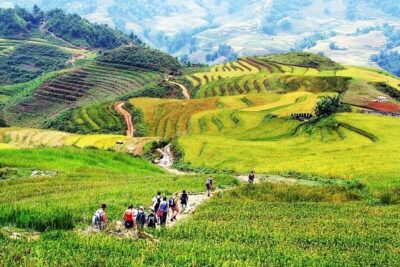
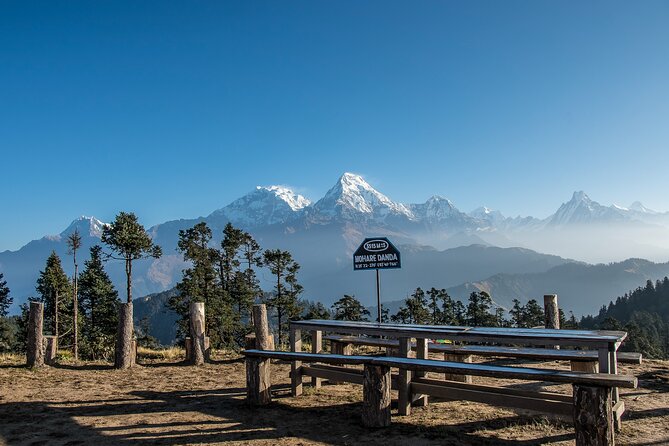
Mohare Danda gives you a quieter Himalayan trek without giving up the big mountain views. You walk from Galeshwor through Magar villages, community lodges, forests, and high ridges, with Dhaulagiri, Annapurna, and Machapuchre appearing along the way. I especially like the community-based lodges, which keep more of your stay connected to local villages, and the small group limit of 16, which should make the walking days easier to manage.
I also like that the package covers the practical trekking burden: a guide, porter, permits, staff insurance, meals and lodging on trek, plus a down jacket, sleeping bag, fleece liner, and duffel bag. The main consideration is effort. Day 6 gains nearly 1,000 meters and is described as the hardest day, while the long road journeys and narrow mountain highways can test your patience.
Key points to know before you book
- Mohare Danda stays quieter than many major Nepal routes, with forest walking and fewer busy trekking hubs for much of the route.
- Community lodges and homestays shape the experience, giving you a closer look at village life, farming, and Magar culture.
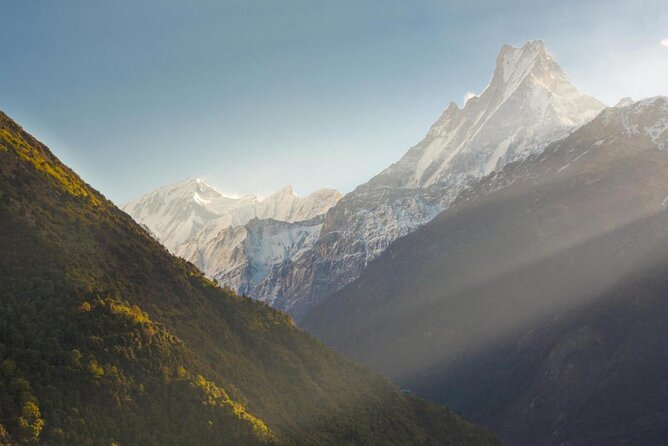
- The strongest mountain views come on Days 6 and 7, when Dhaulagiri, Annapurna, Machapuchre, and other peaks appear around sunrise.
- The package includes trekking staff, permits, food, lodging, and loaned gear, which adds real value to the $1,500 price.
- Ghorepani is the busiest point on the trail, so the route is not quiet every minute.
- You need moderate fitness, with several walking days lasting around five to seven hours.
Why Mohare Danda is a smart alternative in Nepal
Nepal has no shortage of famous treks. The trouble is that the most famous routes can feel crowded, highly developed, and less connected to ordinary village life. Mohare Danda offers another kind of mountain trip. You still get Himalayan views, but the route puts more weight on village stays, local lodges, and quiet forest trails.
The walk begins after a road journey to Galeshwor, then rises toward Bas Kharka, Nangi, Mohare Danda, Deurali, Ghandruk, and Syauli Bazar. It is not a high-altitude expedition in the style of Everest Base Camp. The appeal is the combination of ridge views, rural communities, and a manageable 12-day plan that also gives you time in Kathmandu and Pokhara.
I would choose this route if you want a proper trek but do not need a famous base camp as the goal. You get a more varied trip than a trek-only package: temples and markets in Kathmandu, lakeside time in Pokhara, and several days on foot in the Annapurna area.
More Trekking Tours in Kathmandu
- Everest Base Camp Trek – 14 Days
★ 5.0 · 1,499 reviews - Everest Base Camp Trek
★ 5.0 · 842 reviews - Everest Base Camp Trekking
★ 5.0 · 485 reviews
Days 1 and 2: Kathmandu, Thamel, Pashupatinath, and Boudhanath
Your first day begins with airport reception and a transfer to your hotel. After check-in and a short rest, you are introduced to Thamel, Kathmandu’s main tourist district. This is useful rather than decorative. You can exchange money, buy food and trekking supplies, check gear, and pick up anything you forgot at home.
The evening trip briefing takes place at the company office. Pay attention here. This is the time to confirm the walking schedule, ask about weather, check your loaned equipment, and make sure you understand which meals and transfers are included.
Day 2 turns to Kathmandu Valley culture. Pashupatinath Temple is one of the most important Hindu religious sites in South Asia. The Bagmati River beside it has a major spiritual role, including Hindu cremation ceremonies. You should approach this visit with care and respect, since it is an active religious place, not simply an old monument.
Boudhanath Stupa offers a different mood. Its large Buddhist dome and surrounding area introduce you to another side of Kathmandu’s religious life. The sightseeing takes about four hours, leaving some time to rest before the trek begins.
Day 3: The long road from Kathmandu to Pokhara
You leave Kathmandu early and drive to Pokhara. The trip takes about seven hours on a winding mountain highway. The road itself is part of the Nepal experience, but it is not always comfortable. Narrow sections, curves, roadside shops, and slow traffic can make the journey feel longer than the clock suggests.
The advantage is that you avoid a rushed start to the walking portion. Once you reach Pokhara, you can explore Lakeside and the surrounding area, or simply rest. That rest matters. The following day includes both a four-hour drive and a three-hour walk.
The itinerary also refers to the drive as adventurous and scenic. I would keep expectations sensible: you will see hills, roadside settlements, and river valleys, but the main value of this day is getting into position for the trek.
Day 4: Galeshwor, the Kali Gandaki River, and Bas Kharka
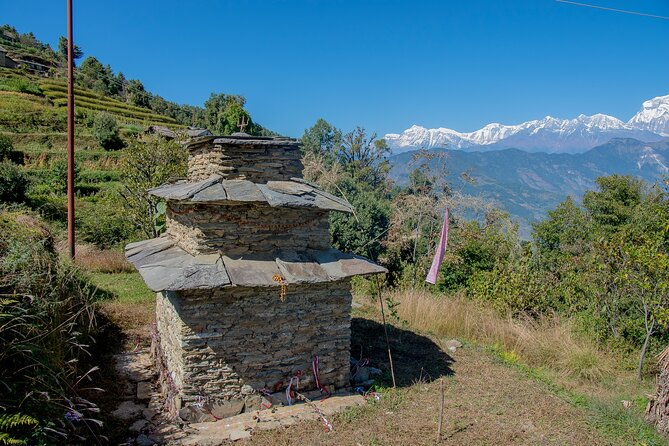
From Pokhara, you drive for about four hours to Galeshwor. The route follows the Kali Gandaki River, with occasional views of hills, farms, small houses, and roadside shops. This is a good introduction to the rural setting before your boots hit the trail.
The walking begins with a suspension bridge over the river. From there, you climb for about three hours toward Bas Kharka. The distance may sound modest, but this is your first trekking day, and the uphill start can feel sharp after a morning in a vehicle.
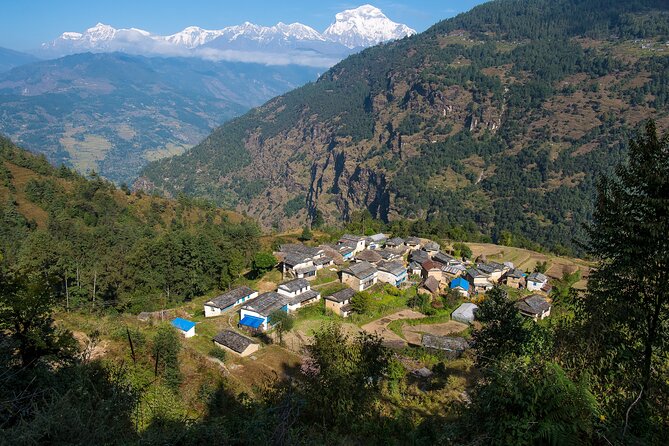
Your overnight stay is at an eco-community lodge or homestay. This is one of the trip’s most appealing features. Instead of treating the village as a passing point, you stay there, eat there, and see something of the daily setting around agricultural fields and farms.
Another trail to compare in Kathmandu:
- Annapurna Circuit Trek with Tilicho Lake
★ 5.0 · 368 reviews - Everest Base Camp Trekking – 13 Day
★ 5.0 · 365 reviews - Everest Base Camp Trek
★ 5.0 · 350 reviews - Everest Base Camp Trek -14 Days
★ 5.0 · 321 reviews
Day 5: Nangi and the life of a Magar village
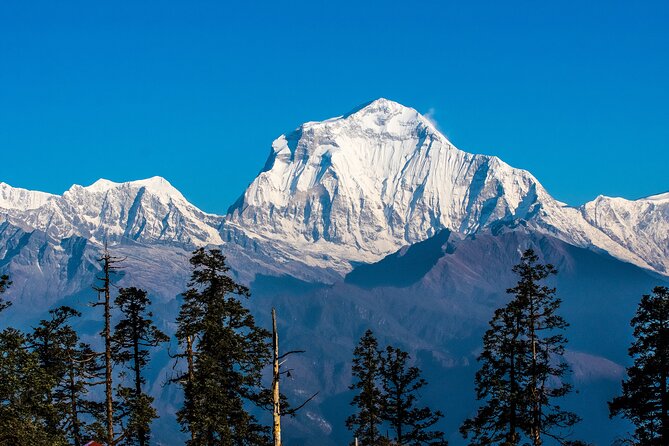
The route continues from Bas Kharka to Nangi, with roughly seven hours of walking. Expect a mix of villages, mountain views, farmland, and changing scenery rather than one dramatic sight every few minutes.
Nangi is inhabited by Magar people, one of Nepal’s largest ethnic communities. The itinerary includes time to explore organic farms and a school in the afternoon. These stops give the day more purpose than simply reaching the next lodge. You see how food is produced and how village life is organized.
This is also a day when pacing matters. Seven hours on foot can be tiring, especially if you are not used to consecutive trekking days. Your guide and porter support are important here. The company provides a professional guide, porter or helper, and assistant guide, with staff food, accommodation, transport, insurance, and medical equipment covered.
Day 6: The hard climb to Mohare Danda
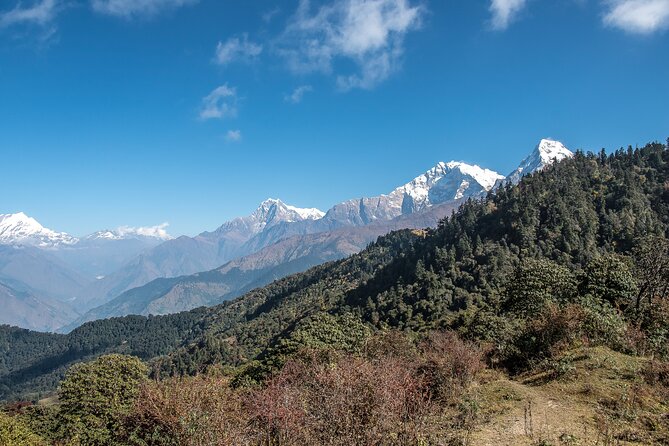
Day 6 is the physical center of the trek. You walk toward Mohare Danda through forest and gain nearly 1,000 meters. The total walking time is about seven hours, and the itinerary identifies it as the hardest day.
That warning should shape your preparation. You do not need to be an elite climber, but you should arrive able to walk uphill for several hours with a daypack. Poles may help, though they are not listed among the included items. Carry water and keep your pace steady rather than trying to match the fastest person in the group.
The reward is the setting. From Mohare Danda, the views can include Machapuchre, Annapurna, and Dhaulagiri. The ridge is also known for sunrise and sunset. If the weather is clear, this should be one of the defining moments of the trip.
The provided clothing and sleeping equipment also make a difference here. A down jacket, sleeping bag, fleece liner, and duffel bag are included. You should still ask about sizes and condition before leaving Kathmandu, especially if you are sensitive to cold.
Day 7: Sunrise, Deurali, and the busy side of the Annapurna region
You begin with a sunrise view over the Himalayan peaks. The named mountains include Machapuchre, Dhaulagiri, Annapurna, and several smaller summits. Morning light is often the best time for mountain views, so keep your camera and warm layers close.
After breakfast, you walk toward Deurali. The route passes Gorepani, a well-known Annapurna trekking stop associated with the sunrise viewpoint at Poon Hill. Gorepani is also the busiest settlement on this route.
That contrast is worth noting. Mohare Danda offers quiet community lodges and less crowded trails, but Gorepani brings you back into a better-known trekking corridor. The stop adds facilities and recognition, but it may feel less peaceful than the earlier villages.
The walking time is listed at about five hours, making this a more forgiving day after the long climb to Mohare Danda.
Day 8: Ghandruk and Gurung culture
From Deurali, you walk for about five hours through forest to Ghandruk. This village is known for views toward Annapurna South and Himchuli, as well as its Gurung culture.
A visit to the Gurung museum gives the day a cultural focus. Ghandruk is not just a place to sleep with a mountain view. It helps explain the communities that have shaped this part of Nepal and gives you a chance to see a village that has become an important stop in the Annapurna region.
The forest walking should be pleasant, but the trail can still include uneven ground and descents. After several days of uphill and downhill movement, your knees may notice the difference between a five-hour day on paper and five hours on stone paths.
Day 9: Finishing the trek at Syauli Bazar
The final walking day takes you downhill from Ghandruk toward Ghandruk Bensi or Syauli Bazar, near the Madi River. Before descending, you have close views of Annapurna South, Himchuli, and Fishtail.
The walking portion takes about three hours, so this is a sensible finish rather than a punishing final push. From Syauli Bazar, you drive for roughly two and a half hours back to Pokhara.
Arriving in Pokhara gives you a useful change of pace. After community lodges and mountain trails, you can return to a hotel, eat at your own choice of restaurant, and enjoy the lakeside area. Lunch and dinner in Pokhara are not included, so budget for those meals separately.
Day 10: Pokhara sights and the return to Kathmandu
Day 10 includes several Pokhara attractions. Devi’s Fall and Gupteshwar Cave provide a short sightseeing contrast to the trek. The International Mountain Museum is especially relevant after several days in the Himalayas, with material on mountaineering expeditions and Nepal’s major peaks.
After lunch at the hotel, you are transferred to Pokhara Airport for a flight to Kathmandu. The itinerary includes this flight in the schedule, but the published inclusion list does not clearly state whether the airfare is covered in the $1,500 price. I would confirm that before paying, since domestic flights can change the final cost.
Once back in Kathmandu, a representative transfers you to your hotel. This return night is useful insurance against a tight international departure the next morning.
Day 11: Old Kathmandu on foot
The final full day explores historic Kathmandu. You walk through narrow lanes and markets around Ason, Indrachowk, New Road, and Kilagal. You also look for small stupas set inside family courtyards, a reminder that religious sites in Kathmandu are not confined to formal monuments.
Kathmandu Durbar Square adds the major architectural stop. It was the administrative center of the Malla Kings and later the Shah rulers. The itinerary also includes the temple of the living goddess, a distinctive tradition tied to the square.
This is a walking-focused city day, not a quick bus tour. Wear comfortable shoes and expect crowded lanes, uneven paving, and plenty of visual distractions. After a trek, the pace should feel easy, but Kathmandu’s streets can still be tiring.
Day 12: Airport transfer and the end of the trip
You are transferred to Kathmandu International Airport three hours before your flight. The tour ends there.
That final buffer is useful, since the itinerary has already taken you through several road journeys and a domestic flight. If your international departure changes, the company says the airport transfer follows your flight schedule.
What the $1,500 price really covers
At $1,500 per person, this is not a bare-bones walking package. The value comes from the number of practical items bundled together:
- Three-star standard hotels with breakfast in Kathmandu and Pokhara
- Community lodging and food during the trek
- Professional guide, porter or helper, and assistant guide
- Annapurna Conservation Area Permit and TIMS trekking permit
- Trekking staff salaries, food, transport, insurance, and medical equipment
- Down jacket, sleeping bag, fleece liner, and duffel bag
- Private transfers between Pokhara and Galeshwor, and Syauli Bazar and Pokhara
- Government taxes
The main exclusions are tips and lunch and dinner in Kathmandu and Pokhara. You should also confirm the status of the Pokhara to Kathmandu flight, since it appears in the schedule but not in the stated inclusions.
For a 12-day package with permits, staff, trekking meals, lodging, gear, hotels, and selected transfers, the price can be good value. It becomes less attractive if you already own all your gear, prefer independent lodges, or want to choose your own hotel and meals.
The provider has also received strong praise for organization, guide support, loaned equipment, and help during difficult situations on other Nepal trips. Names associated with its guiding team include Baburam, Purna, Mingur, Mindu, Gokarna, and others, but no specific guide is assigned by name for this Mohare Danda departure. Ask who will lead your group before booking.
Who should book this Mohare Danda trek?
I would recommend it to someone with moderate fitness who wants Himalayan scenery and village contact without committing to a much longer high-altitude route. It is a good match for people who value community lodges, organic farms, cultural stops, and a guided structure.
It may not suit you if you dislike long road journeys, want luxury accommodation throughout, or expect every day to be quiet. Gorepani is busy, the Kathmandu and Pokhara sightseeing days add a fair amount of movement, and Day 6 demands real effort.
The group cap of 16 is reasonable. It is small enough for a guide to keep track of the group, though not so small that you should expect a private trek. Pickup is offered, confirmation is provided at booking, and free cancellation is available up to 24 hours before the start time. Poor weather can lead to a different date or a full refund.
Should you book it?
Book this trek if you want a balanced first visit to Nepal: two city bases, a scenic Annapurna-area walk, community lodging, and support with the gear and permits that often complicate trekking plans.
I would pause if your main goal is Everest Base Camp, a very high pass, or complete independence. Mohare Danda is about forests, ridges, village life, and broad mountain views. It is quieter and more local in feel, but it is still a demanding walking holiday with basic community accommodation and long transport days.
FAQ
How long is the Mohare Danda tour?
The tour lasts approximately 12 days, including time in Kathmandu, Pokhara, the trek, and airport transfers.
Where does the tour begin?
The meeting point is in Thamel, Kathmandu, Nepal. Pickup is offered.
What is the maximum group size?
The group can include up to 16 travelers.
What level of fitness do I need?
A moderate level of physical fitness is required. Several trekking days last about five to seven hours, and Day 6 includes a climb of nearly 1,000 meters.
Are trekking permits included?
Yes. The Annapurna Conservation Area Permit and TIMS trekking permit are included.
Are meals included?
Food and drinks during the trekking section are included. Lunch and dinner in Kathmandu and Pokhara are not included. Breakfast is included at the Kathmandu and Pokhara hotels.
Is trekking equipment provided?
Yes. The package includes a down jacket, sleeping bag, fleece liner, and duffel bag.
Are hotels included?
Three-star standard hotels with breakfast are included in Kathmandu and Pokhara. Lodging during the trek is also included through community lodges and homestays.
What is the cancellation policy?
You can cancel at least 24 hours before the experience start time for a full refund. Cancellations or changes made within 24 hours are not refunded or accepted. If poor weather causes cancellation, you are offered another date or a full refund.
Latest treks added in Kathmandu
- Ghorepani Poonhill Trek★ 5.0 · 5 reviews
- Ghorepani Poon Hill Trek★ 5.0 · 16 reviews
- Private Manaslu Circuit Trek at Himalayas★ 5.0 · 3 reviews
- Upper Mustang Trekking★ 3.0 · 2 reviews
- Amazing 1 Day Trekking Experience in Kathmandu Nepal★ 5.0 · 24 reviews
- Upper Mustang Trekking★ 5.0 · 2 reviews
- Upper Mustang Trek★ 5.0 · 5 reviews
- Upper Mustang Trekking★ 5.0 · 4 reviews
Tours, compared.
From Chania: Full-Day Samaria Gorge Trek Excursion & Guide
Read our review →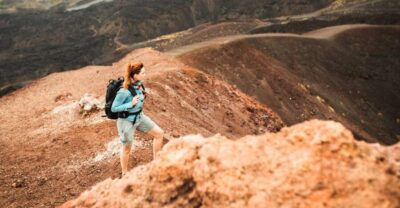
Mount Etna Trekking Tour Beyond the Tourist Trails
Read our review →
Etna Sunset Tour: Volcano trek, Cave & tasting from Catania
Read our review →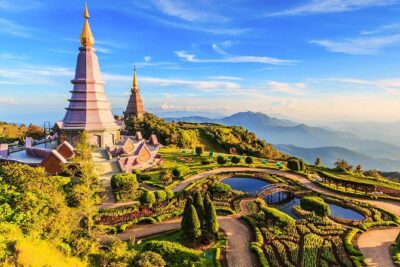
3-in-1: Doi Inthanon Tour, Elephant Sanctuary, and Trekking Trail
Read our review →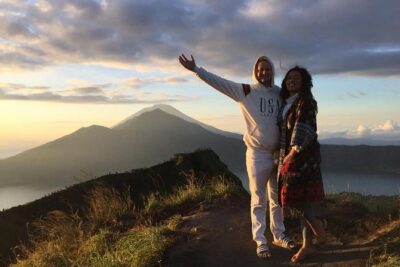
Mount Batur Sunrise Trekking Private Tour with Breakfast and Hotel Transfer
Read our review →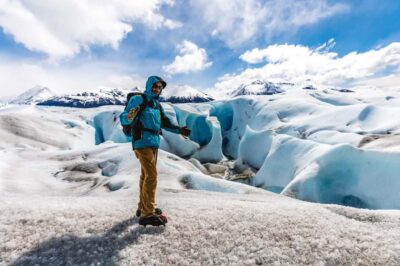
Perito Moreno Glacier Trekking Tour and Cruise
Read our review →
Lanzarote: Timanfaya Natural Park Trekking Tour
Read our review →