REVIEW · KATHMANDU
11 Days Nepal Trekking Tour
The best part of this 11-day Nepal tour is its variety. In one trip, you walk through rhododendron forest in the Annapurna region, watch sunrise from Poon Hill, circle Buddhist stupas in Kathmandu, and search for rhinoceroses in Chitwan National Park. It gives you a broad taste of Nepal without asking you to commit to a long Himalayan trek.
I especially like the balance between guided sightseeing and active days, plus the useful mix of private cars, tourist buses, shared jeeps, and walking. Guide Pradip has also shown care when plans needed to change because of illness. The main drawback is the pace: long road journeys and a short trek leave little spare time, and the Ghorepani section includes high-altitude walking.
Key points to know before booking
- Poon Hill sunrise: An early hike to 3,210 meters brings wide views of Dhaulagiri, Annapurna South, and Machhapuchhre.
- Kathmandu’s major sights: Pashupatinath, Swayambhunath, Boudhanath, and Kathmandu Durbar Square are covered with a guide, car, and entrance fees.
- A compact Annapurna trek: You walk from the Tikhedhunga area through Ghorepani and Tadapani to Ghandruk.
- Chitwan wildlife: The program includes a jeep safari, canoeing on the Rapti River, and a visit to the elephant breeding center.
- Private group format: Only your own group takes part, with pickup at Tribhuvan Airport.
- Good value at $1,350: Accommodation, meals on the trek, guides, transport, activities, and many entry fees are included, though the busy schedule should suit you.
A wide introduction to Nepal in 11 days
This tour is built for you if Nepal is a first visit and you want more than one region. Kathmandu supplies temples and old palaces. Pokhara brings mountain views and lake time. The Annapurna section provides real walking, while Chitwan changes the mood with forests, rivers, and wildlife.
At $1,350 per person, the price covers a lot for 11 days. Airport pickup, hotel transfers, sightseeing transport, entrance fees at several listed sites, trekking support, meals during the trek, Chitwan activities, and tourist buses are part of the plan. You are not simply paying for a guide and a hotel. You are paying for a connected route through several parts of Nepal.
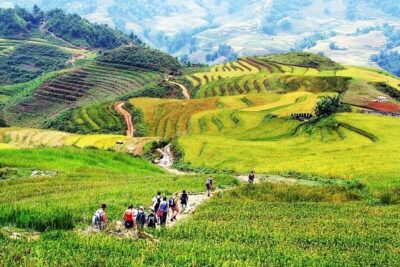
The tradeoff is time on the road. The drive from Kathmandu to Pokhara takes about six to seven hours, Chitwan to Kathmandu takes about seven hours, and other transfers add more time. Roads can be tiring, but these journeys also show villages, terraced fields, rivers, and countryside that you would miss by flying.
This is a private tour, so only your own group participates. That matters if you want help with the pace or need a plan adjusted. It also means the experience is more personal than joining a large group, though the tourist bus and shared jeep portions are not private.
More Trekking Tours in Kathmandu
- Everest Base Camp Trek – 14 Days
★ 5.0 · 1,499 reviews - Everest Base Camp Trek
★ 5.0 · 842 reviews - Everest Base Camp Trekking
★ 5.0 · 485 reviews
Kathmandu temples and old royal squares
Your first day is intentionally light. A representative meets you at Tribhuvan Airport and takes you to the hotel. With only about 30 minutes listed for the arrival service, the rest of the day is yours to recover from the flight or walk through Kathmandu.
The second day packs in the city’s main cultural sights. At Pashupatinath Temple, you see one of the most important Hindu pilgrimage sites dedicated to Lord Shiva. The temple complex sits beside the Bagmati River and includes smaller shrines, courtyards, and religious spaces. The main temple has strong religious importance, so dress and behavior should be respectful.
Swayambhunath, often called the Monkey Temple, sits on a hill above Kathmandu. The setting gives you a broad view across the Kathmandu Valley, while the stupa, prayer flags, wheels, shrines, and Hindu and Buddhist images show how closely the two faiths meet in Nepal.
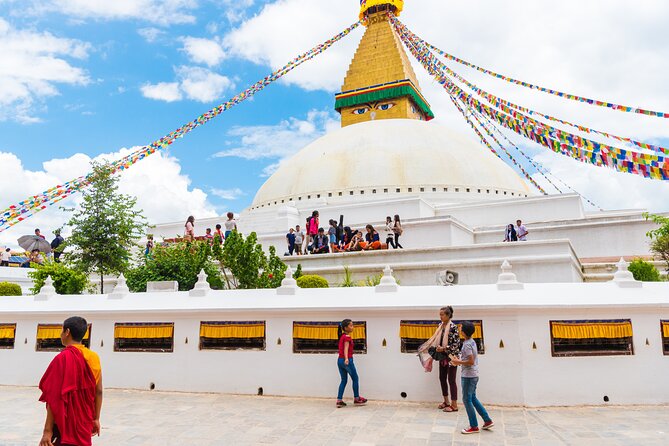
At Boudhanath, the mood changes again. The large white stupa is surrounded by prayer wheels, small shrines, monks, nuns, shops, and places to eat. Walk around it in the traditional clockwise direction and take time to notice the details on the golden spire and the steady rhythm of worship.
Kathmandu Durbar Square brings you into the old royal center. Wooden carvings, temples, courtyards, and the Hanuman Dhoka Palace give you a clear sense of Nepalese architecture and court life. The day includes a private car, guide, and sightseeing entrance fees, which makes this a strong use of your first full day.
Still, it is a full schedule. The listed visits add up to several hours, and traffic between sites can make the day feel longer. If you prefer slow museum visits and long café stops, you may find Kathmandu rushed.
The road to Pokhara and the start of the trek
Day three uses a tourist bus for the drive to Pokhara. Expect about six to seven hours, with views of small villages, terraced farmland, and rivers along the way. You lose a day to transport, but the route gives you a gradual change from Kathmandu’s crowded valley to Pokhara’s mountain setting.
The trek begins on day four. A car takes you to Nayapul, then a shared jeep continues toward Tikhedhunga. On clear days, the jeep may go as far as Ulleri. This arrangement reduces the walking on the approach, but you should be comfortable sharing transport and handling a changing road plan.
From the Tikhedhunga area, you walk toward Ghorepani through forest and small villages. Ghorepani sits at roughly 2,750 to 2,850 meters, depending on the stated point in the route. The village is known for views toward Dhaulagiri, Annapurna South, and Machhapuchhre, along with basic accommodation for people on the trail.
The trek is not a long expedition, but it is not a casual stroll either. The day is described as six to seven hours, and the altitude can make the walking harder than the distance suggests. You receive a trekking guide, meals, and entrance fees, which keeps the main costs together.
Poon Hill sunrise and the forest route to Tadapani
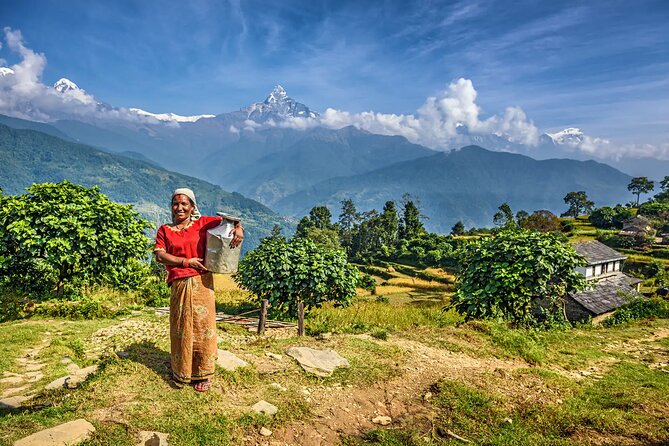
Day five begins early with the walk to Poon Hill. The viewpoint reaches 3,210 meters and is famous for sunrise over the Annapurna range. If the sky is clear, the reward is a broad mountain panorama with peaks including Dhaulagiri, Annapurna South, and Machhapuchhre catching the first light.
The early start is the price of the view. You will need warm clothing and a willingness to walk before breakfast. Weather can also decide how much you see, so treat the sunrise as a strong possibility rather than a promise.
After Poon Hill, the trail continues to Tadapani at about 2,630 meters. The route passes through rhododendron and oak forest, with a greener, more enclosed feel than the open viewpoint. The walking day is listed at about six hours, so this is one of the more active parts of the tour.
I like this section because it gives you a real taste of Annapurna trekking without making the entire holiday about hiking. The limitation is that the schedule offers little time to linger in Ghorepani or Tadapani. If you want quiet mountain mornings and long village stays, a longer trekking package would suit you better.
Another trail to compare in Kathmandu:
- Annapurna Circuit Trek with Tilicho Lake
★ 5.0 · 368 reviews - Everest Base Camp Trekking – 13 Day
★ 5.0 · 365 reviews - Everest Base Camp Trek
★ 5.0 · 350 reviews - Everest Base Camp Trek -14 Days
★ 5.0 · 321 reviews
Ghandruk and the return to Pokhara
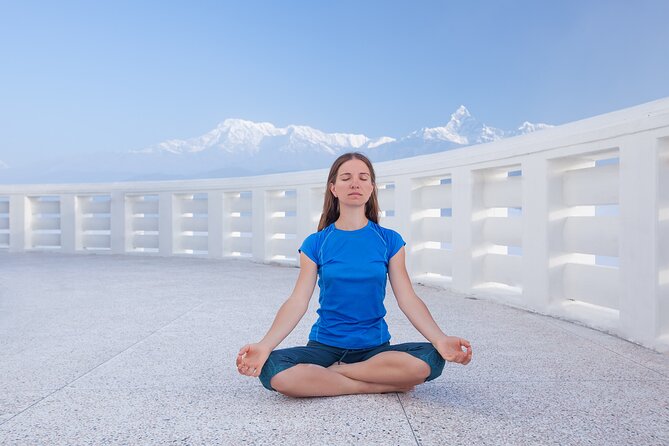
After breakfast, you walk down toward Ghandruk, a traditional Gurung village at about 1,940 meters. Its stone houses, narrow lanes, traditional buildings, and mountain views make it more than a stop for lunch. It is a chance to see a community with a distinct cultural identity.
Ghandruk also gives the trek a satisfying finish. You move from the higher forests into a lower village setting, then take a shared jeep toward Nayapul or Pokhara. The transport plan can vary, so keep your day flexible.
Back in Pokhara, you have the chance to rest after several walking days. This transition is useful, but the itinerary does not give you a completely free recovery day before sightseeing resumes.
Pokhara’s lake, caves, and mountain museum
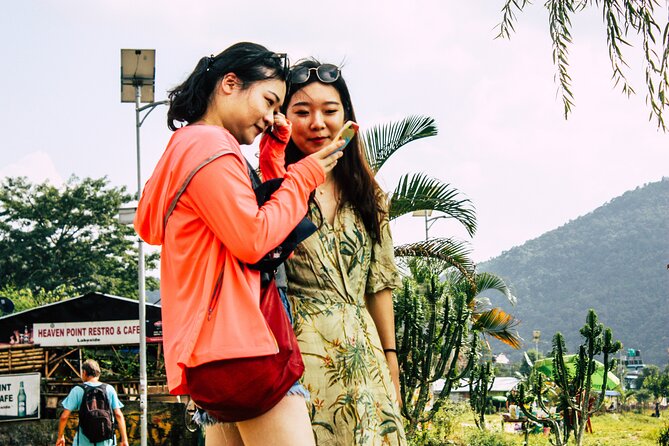
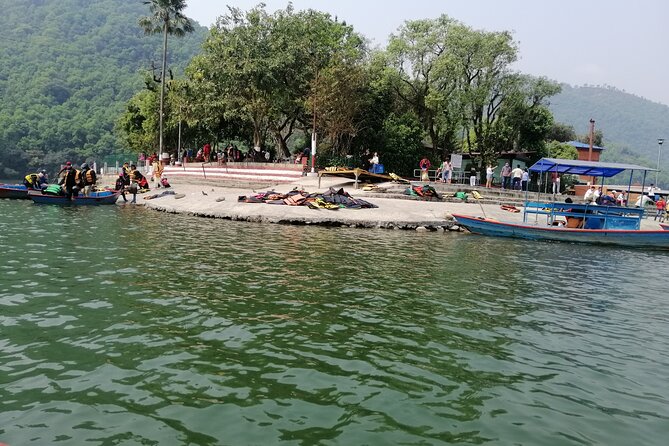
Day seven explores Pokhara by private car with a guide and entrance fees included. Phewa Lake is the natural centerpiece. You can take a paddleboat or a traditional wooden boat with a boatman, and the lake’s calm water reflects the surrounding hills when conditions are right. Tal Barahi Temple sits on an island in the lake, adding a religious stop to the outing.
Devi’s Fall is a short but striking visit. Water from the Seti River drops into a deep pool and narrow gorge. The falls are strongest during the monsoon, so the sight changes with the season. Nearby Gupteshwor Mahadev Cave leads underground through chambers with stalactites, stalagmites, a Shiva shrine, and a natural waterfall.
The cave is cool and damp, a welcome change after time outdoors. You should expect uneven surfaces and a more confined setting than the other stops, although the supplied details do not specify accessibility arrangements.
The International Mountain Museum rounds out the day with exhibits about mountaineering, mountain communities, equipment, famous peaks, and climbers. A replica of Mount Everest and a hall of fame provide useful context for the Himalayan world you have just entered.
Pokhara also offers optional activities such as paragliding and zip-lining. These are mentioned as possibilities, but they are not identified as included in the $1,350 price. Ask before booking if you want to add them.
Chitwan’s Tharu culture and river sunset
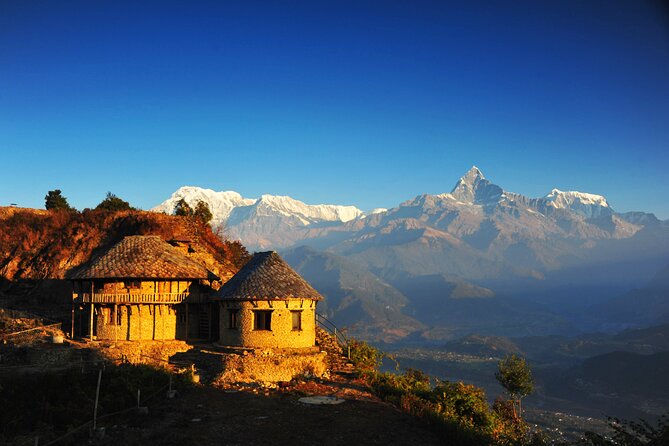
Day eight shifts from mountains to the lowland plains. The tourist bus takes about five hours to reach Chitwan, with another long transfer day on the schedule. The contrast is one of the tour’s strengths: after cool highland walking and mountain views, you reach a warmer area known for forest and wildlife.
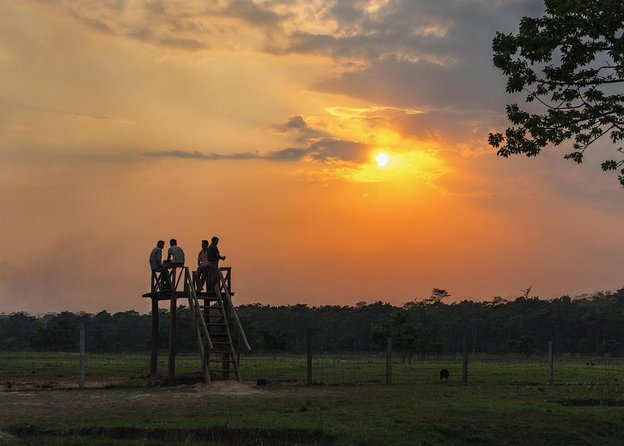
A visit to a Tharu village introduces the culture of the Indigenous Tharu people. You can see traditional architecture, learn about customs, and experience local food and dance performances. The program also includes a possible sunset boat ride on the Rapti River, where the water and surrounding area take on warm evening light.
This is one of the more human parts of the tour. It is not only about scenery or animals. You get a glimpse of a community with its own traditions and way of life.
Jeep safari, canoeing, and Chitwan wildlife
Day nine is devoted to Chitwan National Park. The program includes a jeep safari, canoeing on the Rapti River, and a visit to the elephant breeding center. A nature guide and park entrance fees are included.
The jeep ride gives you the best chance to cover more ground in the forest. Possible sightings include one-horned rhinoceroses, deer, wild boar, birds, Asian elephants, and, with luck, Bengal tigers. Wildlife is never guaranteed, so the value of the safari lies in the setting and the possibility of a sighting, not a promised checklist.
Canoeing offers a slower view of the river and its birdlife. The elephant breeding center provides information about conservation work and lets you see young elephants. The full activity period is listed at about six hours, so this is another substantial day rather than a brief add-on.
The final return to Kathmandu
Day ten brings another tourist bus ride, this time back to Kathmandu, taking about seven hours. That is a lot of road time near the end of an already active holiday. Still, the final evening in the capital gives you a chance to shop, eat, or rest.
Thamel is the obvious place for last-minute purchases. Its narrow streets hold shops selling handicrafts, Tibetan items, thangka paintings, clothing, jewelry, and souvenirs, along with restaurants and cafés. Bargaining is part of the shopping experience, but take your time comparing prices.
Day eleven is a simple airport transfer for your flight home. Since the tour begins and ends in Kathmandu, the route is easy to understand and works well for a first visit.
Who should book this Nepal tour?
You should consider it if you want one organized trip with mountains, culture, and wildlife. It suits people who are comfortable with long bus rides, early mornings, basic trekking accommodation, and a busy schedule. It also works well if you want a guide to handle transport and entrance arrangements instead of piecing together each region yourself.
The tour is less suitable if you want a slow Himalayan holiday, a demanding multi-day trek, or extensive free time in Pokhara and Kathmandu. The Annapurna section is substantial enough to feel active, but short enough that serious trekkers may want more days on the trail.
The private format is valuable for families and small groups. The experience can also adapt when problems arise. Guide Pradip helped arrange alternatives when illness forced a change of plans, a useful sign for anyone worried about managing an unexpected setback far from home.
Free cancellation is available up to 24 hours before the start time. Changes or cancellations made later are not accepted for a refund, so keep that deadline in mind.
Should you book it?
Book this tour if you want an efficient first look at Nepal and value having transport, guides, activities, and many entrance fees organized in advance. The strongest parts are Poon Hill, Kathmandu’s major religious sites, Ghandruk, and the Chitwan safari.
Think twice if long road days frustrate you or if you need a relaxed pace. At $1,350, the package offers good coverage for 11 days, but you are paying with time as well as money. For an active first visit that reaches three very different regions, it is a practical and appealing choice.
FAQ
Where does the tour begin?
The tour begins with pickup at Tribhuvan Airport in Kathmandu, Nepal.
How long does the Nepal trekking tour last?
The tour lasts approximately 11 days, ending with an airport transfer on day 11.
Is this a private tour?
Yes. Only your own group participates in the private tour or activity.
Is airport pickup included?
Yes. A representative meets you at Tribhuvan Airport and transfers you to your hotel on arrival.
Which Annapurna places does the trek visit?
The route includes the Tikhedhunga area, Ghorepani, Poon Hill, Tadapani, and Ghandruk.
Is Poon Hill included?
Yes. The itinerary includes an early hike to Poon Hill for sunrise views over the Himalayan ranges.
What activities are included in Chitwan?
The Chitwan program includes a jeep safari, canoeing on the Rapti River, a visit to the elephant breeding center, a nature guide, and park entrance fees.
Are meals included?
Meals are provided during the trekking section. The supplied tour details do not state that all meals throughout the full 11 days are included.
Can I cancel for a full refund?
Yes, if you cancel at least 24 hours before the experience start time. Cancellations or changes made less than 24 hours before the start time are not accepted for a refund.
Latest treks added in Kathmandu
- Private Manaslu Circuit Trek at Himalayas★ 5.0 · 3 reviews
- Ghorepani Poonhill Trek★ 5.0 · 5 reviews
- Ghorepani Poon Hill Trek★ 5.0 · 16 reviews
- Upper Mustang Trekking★ 3.0 · 2 reviews
- Amazing 1 Day Trekking Experience in Kathmandu Nepal★ 5.0 · 24 reviews
- Upper Mustang Trekking★ 5.0 · 2 reviews
- Upper Mustang Trek★ 5.0 · 5 reviews
- Upper Mustang Trekking★ 5.0 · 4 reviews
Tours, compared.
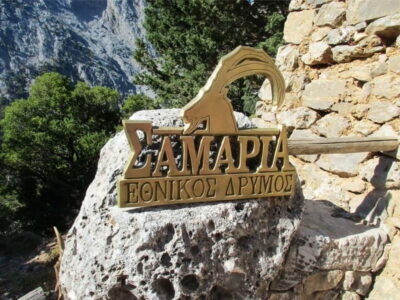
From Chania: Full-Day Samaria Gorge Trek Excursion & Guide
Read our review →
Mount Etna Trekking Tour Beyond the Tourist Trails
Read our review →
Etna Sunset Tour: Volcano trek, Cave & tasting from Catania
Read our review →
3-in-1: Doi Inthanon Tour, Elephant Sanctuary, and Trekking Trail
Read our review →
Mount Batur Sunrise Trekking Private Tour with Breakfast and Hotel Transfer
Read our review →
Perito Moreno Glacier Trekking Tour and Cruise
Read our review →
Lanzarote: Timanfaya Natural Park Trekking Tour
Read our review →