
REVIEW · MARAGUA BOLIVIA
Sucre: 2 days trek in Inca Trails and the Crater de Maragua
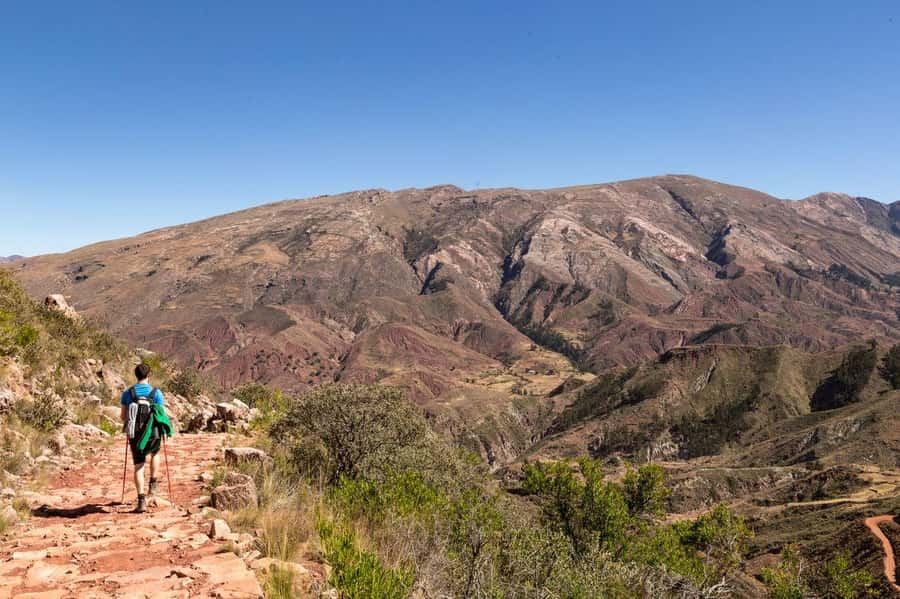
Maragua Crater is the prize here, but the walk to reach it is just as memorable. You follow an old Inca trail from Chataquila, pass through Chaunaca and Socapampa, and finish among the sharply folded, colorful mountains around the crater. The next morning brings dinosaur footprints, a traditional Jalqa weaving community, and the scenic trail to Majada.
I like the varied walking and the chance to see rural Bolivia at a human pace. You get stone paths, river walking, steep mountain sections, sweeping viewpoints, village life, and local textiles in one compact trip. I also like the small-group format, with no more than 10 people, and the return by private vehicle.
The main caution is comfort. The lodging and food are simple, water and snacks are not included, and the first day covers about 16 kilometers with a steep final climb. Your guide may set a brisk pace, so speak up when you need time for photographs or a rest.
Key points to know before you book
- The old trail begins at Chataquila: The first section drops along Inca stonework before reaching easier ground near the river.
- Maragua Crater is more than a viewpoint: You spend the night nearby and can visit the Devil’s Throat to look for local birdlife.
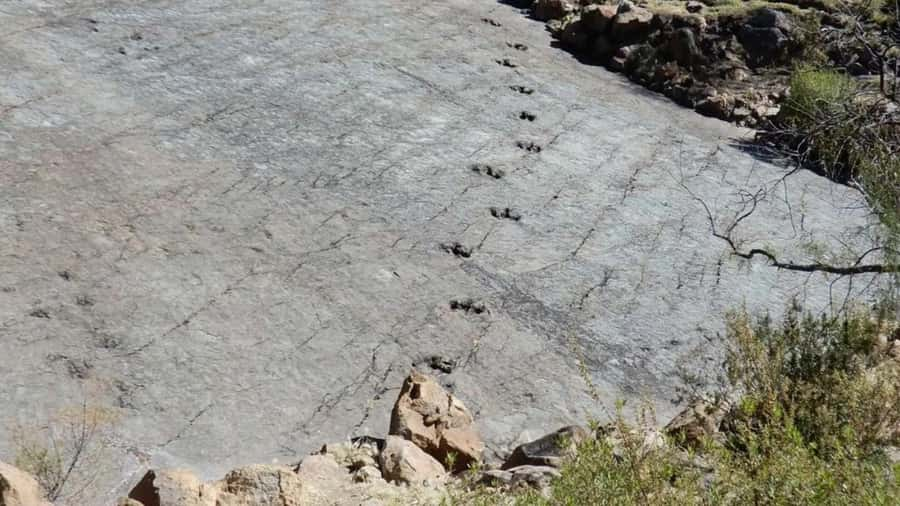
- The second day adds culture and fossils: You’ll see dinosaur footprints in Niño Mayo and visit a local weaver.
- The scenery keeps changing: Expect folded, colorful mountains, river valleys, open viewpoints, and the Frailes Mountains near Majada.
- The trip is active but well organized: Public transport takes you out from Sucre, while a private vehicle brings you back.
- Pack for a basic overnight: Bring water, snacks, rain gear, a flashlight, toiletries, and a waterproof bag.
Why this two-day route works so well
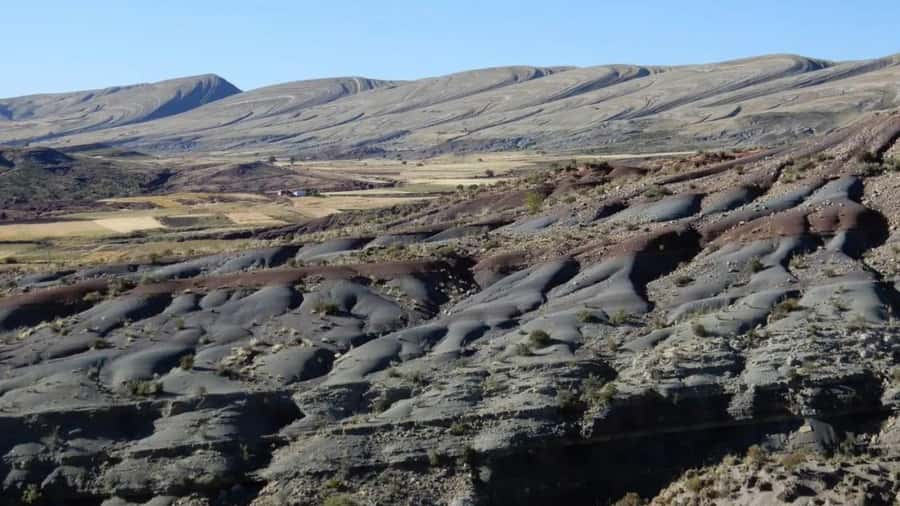
This is a strong choice if you want more than a quick photo stop at Maragua Crater. The route links several different parts of Chuquisaca: the Inca trail near Chataquila, the rural communities around Chaunaca and Socapampa, the crater itself, Niño Mayo’s dinosaur footprints, and the Jalqa community of Majada.
The trip also gives you time to notice how people live in the countryside. The visit to a local weaver is not a stage show built around a large tourist site. It is a small cultural encounter where you can see traditional textile work and learn about the craft directly from someone in the community.
The group limit of 10 matters on a walk like this. It keeps the route more personal and makes it easier to ask questions, adjust the pace, and hear explanations about plants, rocks, fossils, and local customs. Guides including Gary, Lizandro, Johnny, and Li have offered strong English support, though guide assignment and language availability can vary.
More Volcano Treks in the world
- Mount Etna: Trek to 3000m with cable car and 4×4
★ 4.6 · 3,823 reviews - Mount Etna: Summit Crater Trek with Cable Car
★ 4.8 · 1,875 reviews - La Palma: Tajogaite Volcano Guided Trek
★ 4.8 · 1,810 reviews
Getting from Sucre to the Chataquila trailhead
Meet at 8:00 a.m. at the main entrance of Estadio Patria on German Mendoza Street. At about 8:15 a.m., you take a public bus toward Chataquila. The ride is part of the practical character of the trip, not a private sightseeing transfer, and waiting time can change depending on how many people are traveling.
This arrangement helps keep the price at $124 per person. It also means you should arrive ready to go, with your day pack organized and water already purchased. The tour includes public transport from Sucre, but water and snacks are your responsibility.
Chataquila marks the start of the walking portion. From here, the trail follows old stone paths associated with the Inca road network. The first section is mainly downhill, so your knees may notice it more than your lungs. Good hiking shoes are important because the surface is uneven and the route is not simply a flat country walk.
Day one: Inca stones, river paths, and the climb to Maragua
The morning section passes through the Chaunaca and Socapampa areas. The route changes underfoot, which is one reason the walk feels full rather than repetitive. After the initial descent on stone paths, you follow the river on mostly level terrain, with a few short and gentle rises.
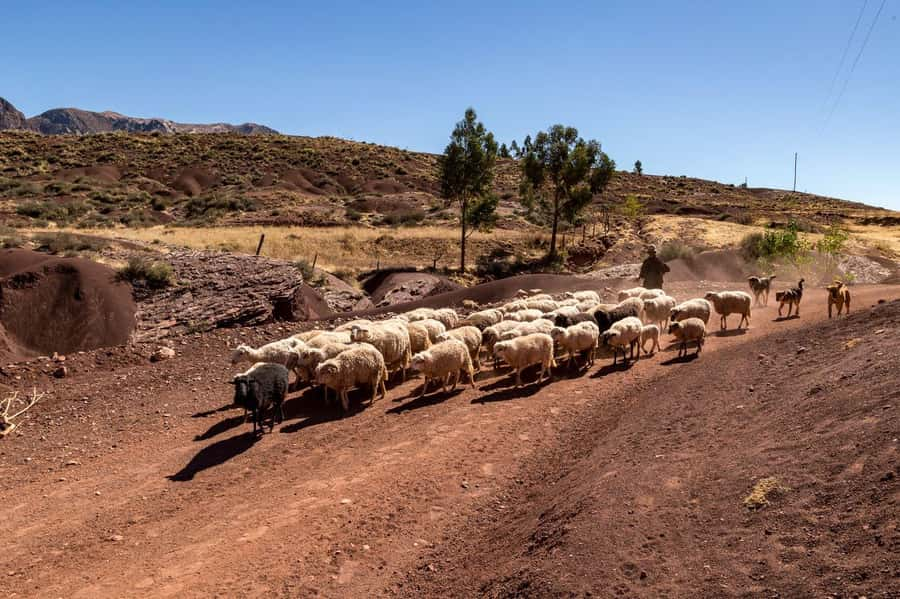
This middle part gives you a useful break before the harder finish. It is also where the trip feels closest to ordinary rural travel. You are not rushing from one major sight to another. You move through valleys and small communities, with the guide explaining the area as you go.
After Socapampa, the trail turns toward Maragua Crater. The final section climbs around the mountains. It begins with a steep ascent, then continues along the slopes until you reach the crater area. The change is clear: the morning starts with a historic trail and easier river walking, while the afternoon asks for steady effort.
Plan on about 16 kilometers for the day. That distance is manageable for a regular hiker, but the combination of downhill walking, uneven stone, and the steep climb makes this more demanding than the distance alone suggests. Take your time with the uphill section. One useful lesson from the guide experiences is that you should tell the guide when you want a slower pace or a few minutes for photos.
Maragua Crater and the Devil’s Throat
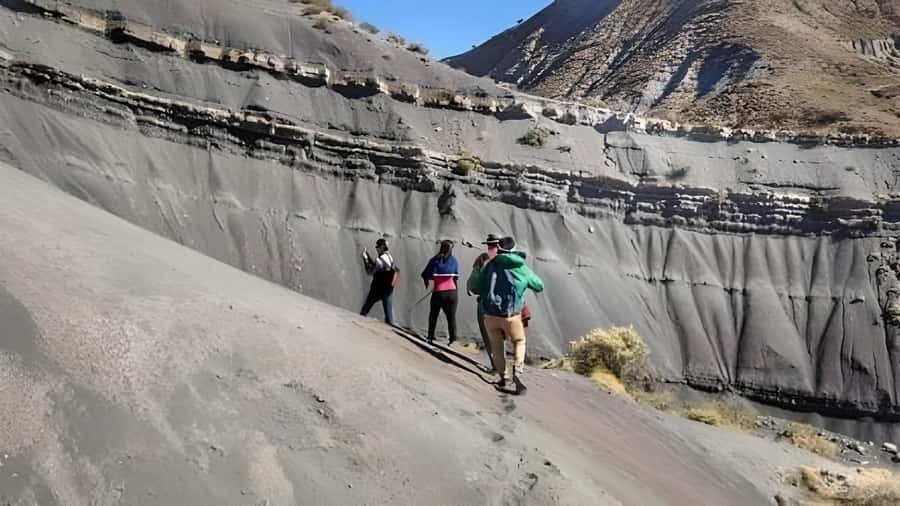
Maragua Crater is known for its striking bands and folds of color. The name suggests a round volcanic crater, but the appeal here is the unusual shape and layered appearance of the surrounding mountains. The views change as you move through the area, so the crater is better experienced on foot than from a single roadside lookout.
You spend the first night in shared accommodation near or inside the crater area. The lodging is simple, though it has been described as a particularly pleasant small hostel by one visitor. Set your expectations correctly: this is not a full-service hotel, and shared sleeping arrangements may not suit everyone.
Inside the crater, you can visit viewpoints including the Devil’s Throat. From there, you may see local wildlife, especially a wide range of birds. Bring binoculars only if you already have a compact pair, since your pack should stay light. A flashlight is more useful for the overnight stay and evening movement around basic facilities.
Dinner is included, as is lunch on the first day. Meals are part of the value of the tour, but they are simple rather than elaborate. Fruit is also included. Bring extra snacks if you tend to eat between meals, as snacks are not supplied.
More two-day treks in the world
- Mt Toubkal Ascent Express Trek 2 Days 1 Nights
★ 4.7 · 962 reviews - Chiang Mai: 2-Day Jungle Trek with Elephant Farm & Raft Ride
★ 4.7 · 881 reviews - Marrakesh: 2-Day Mt. Toubkal Trek with 1-Night Stay & Meals
★ 4.7 · 795 reviews - Marrakech: 2-Day Atlas Mountains Trek with Village Stay
★ 4.8 · 717 reviews
Day two: the crater rim, dinosaur footprints, and Jalqa weaving
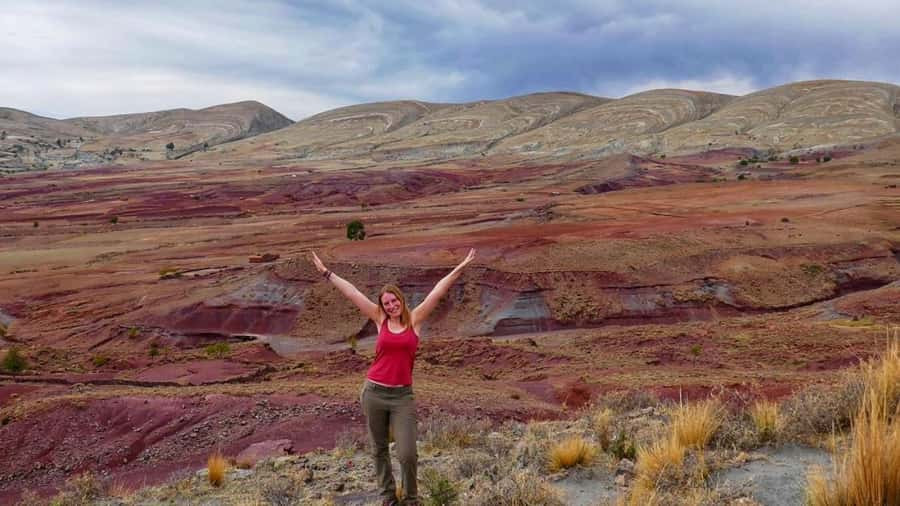
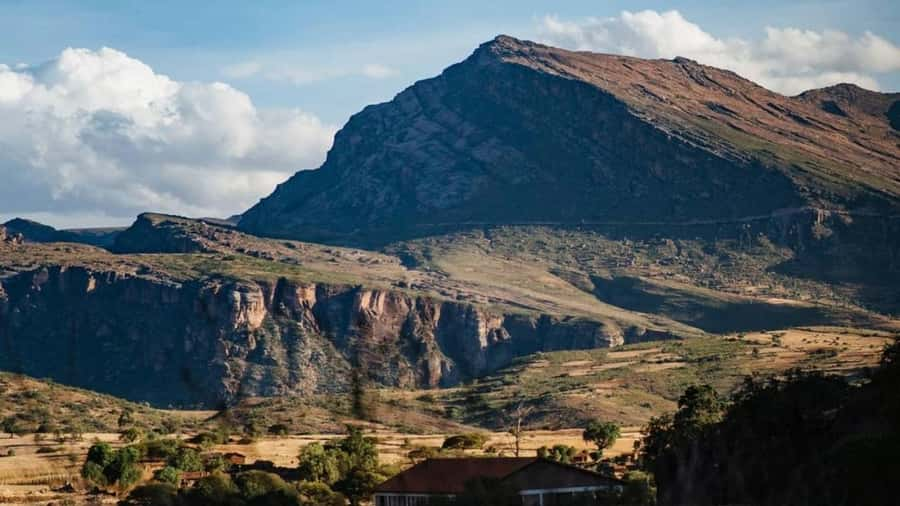
The second morning begins early. You walk out from the lodging through the crater before climbing to a viewpoint above it. This uphill section gives you a broad look back across the folds and colors inside Maragua Crater.
Once you reach the viewpoint, the trail becomes easier. Expect short rises and descents rather than one long climb. The route continues toward Niño Mayo, where you visit dinosaur footprints. These tracks add a surprising time shift to the day: first you are walking an old human route, then you are standing beside evidence of animals that passed through this region long before people.
The footprint area is one place where a guide adds real value. Li, Gary, and other guides have explained the geology and fossil traces in a way that helps you understand what you are seeing, rather than treating the prints as a quick stop for a photograph. The exact interpretation and amount of detail will depend on your guide.
After Niño Mayo, you visit a local weaver. This is one of the most useful cultural moments on the route because you see the work behind Jalqa textiles. The community’s textile tradition is part of local identity, and the visit gives you a clearer sense of the people and places you have been walking through.
You then continue to Majada, a small village in the Frailes Mountains. This final walking section covers about 5 kilometers and takes roughly two hours. The path is described as easy, but it remains scenic, with the colorful mountains providing the backdrop.
The full second day is about 12 kilometers. After reaching Majada, a private vehicle takes you back to Sucre. The return drive is not just dead time. The route through the mountains is considered one of the memorable parts of the trip, though winding roads may not suit anyone who gets carsick.
The Jalqa culture connection
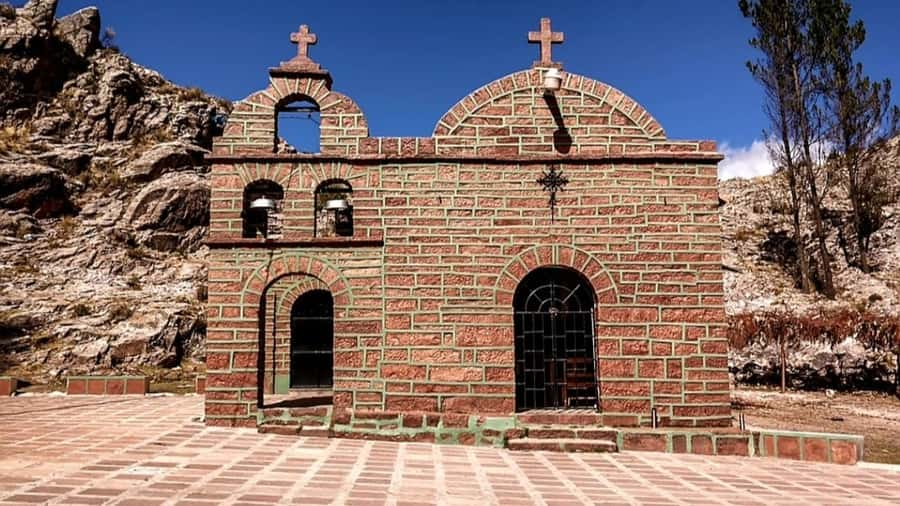
The walk gives you a brief but meaningful introduction to Jalqa culture. The villages, weaving, trails, and mountain setting all fit together better when you treat the route as a community experience rather than only a nature hike.
The textile visit is the clearest point of contact. You can learn how traditional designs are made and see the skill involved in producing them. If you are interested in buying textiles, ask your guide how to do so respectfully and how to distinguish locally made work from items brought in from elsewhere. The supplied details do not promise a shop or a specific purchase opportunity, so treat any buying as optional.
The route also passes through local villages without turning the walk into a formal cultural performance. That makes the experience appealing if you want contact with rural life but do not need a long museum lecture.
Is $124 good value?
At $124 per person, the price covers a fair amount for a two-day trip. You receive entry tickets, transport from Sucre by public bus, private transport back to the city, a professional guide, one night in shared accommodation, one breakfast, two lunches, one dinner, and fruit.
The guide is the biggest part of the value. You could walk sections of the route alone, but the trip involves several trail areas, a crater, dinosaur footprints, and local cultural sites. A guide can explain what you are seeing, help with the route, and bridge communication in Spanish and English. French may be available depending on the guide assigned.
The trade-off is that you are not paying for luxury. Meals are basic, the overnight room is shared, and you must carry water, snacks, and personal hygiene supplies. If you compare this with a private trek using hotel-style lodging, it will feel modest. If you compare it with organizing transport, accommodation, meals, entry fees, and route-finding yourself, the package is practical and fairly priced.
Free cancellation up to 24 hours before departure and the option to reserve without paying immediately make planning easier. Availability and starting times still need to be checked for your dates.
How hard is the trek?
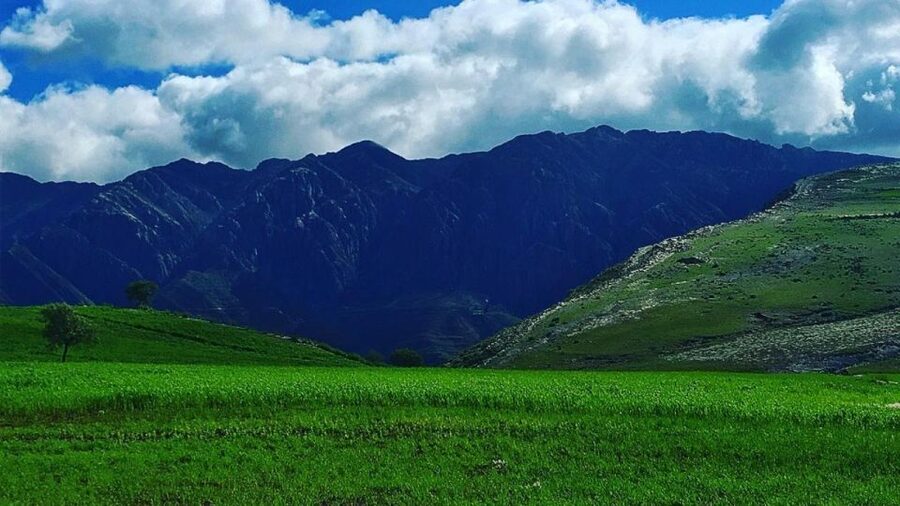
The route is best for people who can walk for several hours on uneven ground and manage a steep climb. The first day has three distinct sections: a descent on Inca stone paths, mostly level river walking, and a final climb around the mountains. The second day starts with an uphill exit from the crater, followed by easier walking toward the footprints and Majada.
You do not need to be an extreme trekker, but you should not treat this as a gentle village stroll. The total distance is about 28 kilometers over two days. There are no details provided about altitude or temperatures, so prepare for changing conditions rather than relying on a narrow forecast.
Wear hiking shoes, carry rain gear, protect yourself from the sun, and bring a change of clothes. A waterproof bag is useful for keeping documents and spare clothing dry. The required packing list also includes sunglasses, a sun hat, sunscreen, personal medication, a passport or copy, and an ID card or copy.
Children under 10, pregnant women, people with mobility impairments, people afraid of heights, and people over 95 are not considered suitable for this activity. Those restrictions reflect the trail’s steep and uneven sections.
What to pack for the basic overnight
Pack light, but do not leave out the practical items. Your day pack should include:
- Water and extra snacks
- Hiking shoes, sun protection, and rain gear
- A flashlight
- Change of clothes and swimwear
- Personal medication
- Toothbrush, toothpaste, soap, toilet paper, and wet wipes
- A waterproof bag for documents and clothing
Alcohol is not allowed in the vehicle, and littering and feeding animals are prohibited. Those are simple rules, but they matter on a route passing through small communities and open natural areas.
If you are tempted to bring a large suitcase, resist it. The trek involves walking, shared accommodation, and a vehicle transfer at the end. A compact bag is far easier to manage.
Guide style and group experience
The guide can shape this trip. Gary has been praised for being patient, cheerful, and willing to take people beyond the main path to meet local residents. His interests include botany and geology. Lizandro has provided strong English explanations and an upbeat manner. Johnny has helped with cooking and photography, while Li has offered detailed stories about dinosaur footprints and the area.
That does not guarantee a particular guide on your departure. It does show what to look for: ask questions, request a pause for photographs, and tell the guide about any concern early. One guide may walk quickly, especially on a long day, so do not quietly fall behind.
The operator was started by former CondorTrekkers guides. That background helps explain the emphasis on route knowledge and practical organization. The small group, limited to 10 people, is especially helpful on the public bus, the trail, and during the overnight stay.
A possible three-day extension
If two days feels rushed, the trek can be extended to three days and two nights. The extra route includes Tumpeca, with rock paintings, unusual geological formations, old trails, forests, and more contact with surrounding communities.
The extension must be arranged separately. It is worth considering if you care more about walking slowly and seeing additional sites than keeping the trip compact. The two-day version is better for a tight Sucre schedule, while the longer option gives you more time in the countryside.
Should you book this trek?
Book it if you want an active, varied trip from Sucre with strong scenery and real rural contact. You will get much more than the crater: an old Inca trail, dinosaur footprints, Jalqa weaving, village paths, and the Frailes Mountains, all with meals and transport arranged.
Skip it if you need private rooms, polished facilities, a slow walking pace, or a fully supported luxury trek. The route is active, the overnight setup is basic, and you must carry your own water and personal supplies.
For most reasonably fit hikers who value scenery, local culture, and a guide who can explain the details, this is a very good use of two days. Pack light, arrive ready for a long first day, and ask the guide to slow down when you want to take in the view.
FAQ
How long is the trek?
The first day covers approximately 16 kilometers, and the second day covers approximately 12 kilometers.
Where is the meeting point?
Meet at 8:00 a.m. at the main entrance of Estadio Patria on German Mendoza Street in Sucre.
How do I get to the trailhead?
The group takes public transport from Sucre to Chataquila. The journey is scheduled for roughly 8:15 to 9:30 a.m., though waiting time can vary with passenger numbers.
What meals are included?
The tour includes one breakfast, two lunches, one dinner, and fruit. Other meals are not included.
Is water included?
No. You need to bring your own water, along with any snacks you want during the walk.
Where do I sleep?
You spend one night in shared accommodation near or inside the Maragua Crater area.
Is the tour available in English?
Yes. English and Spanish are available. French may be available depending on the guide assigned.
How large is the group?
The experience is offered as a small-group tour with up to 10 participants.
What transport returns me to Sucre?
A private vehicle takes you from the Majada area back to Sucre after the second day’s walk.
Can I extend the trek to three days?
Yes. A three-day, two-night option can include Tumpeca, rock paintings, geological formations, old trails, forests, and nearby communities. You need to contact the provider to arrange it.
Latest treks added in the world
- 5 Days Desert Trekking from Marrakech★ 5.0 · 16 reviews
- 3 days Toubkal Trek from Marrakech★ 5.0 · 4 reviews
- Elite Experience Atlas Mountains Day Trekking★ 5.0 · 7 reviews
- 3 Days Berber Villages Trek – Authentic Atlas Mountain Experience★ 5.0 · 4 reviews
- Morocco Desert Trek 4 Days: 2 days on foot in Morocco★ 5.0 · 2 reviews
- Atlas Mauntains and 3 Valleys Trek★ 5.0 · 6 reviews
- Atlas Mountains Valley Trek – 3 Days★ 5.0 · 29 reviews
- 5-day Jebel M’goun trek★ 5.0 · 2 reviews
Volcano Treks, compared.
Mount Etna: Trek to 3000m with cable car and 4×4
Read our review →
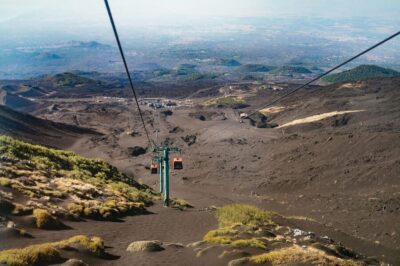
Etna: summit craters trekking with volcano guide 3350mt
Read our review →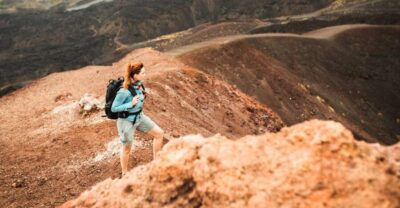
Mount Etna Trekking Tour Beyond the Tourist Trails
Read our review →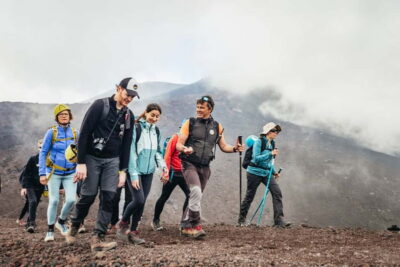
Mount Etna: Guided Trek 3,000 Meters to the Summit
Read our review →
Etna Sunset Tour: Volcano trek, Cave & tasting from Catania
Read our review →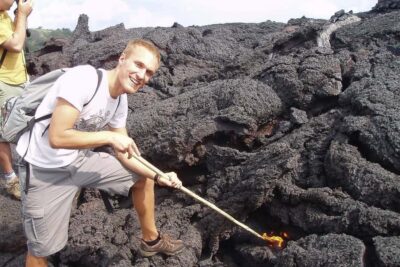
Browse the lists this tour appears in