
REVIEW · MARRAKECH
Atlas Mauntains and 3 Valleys Trek
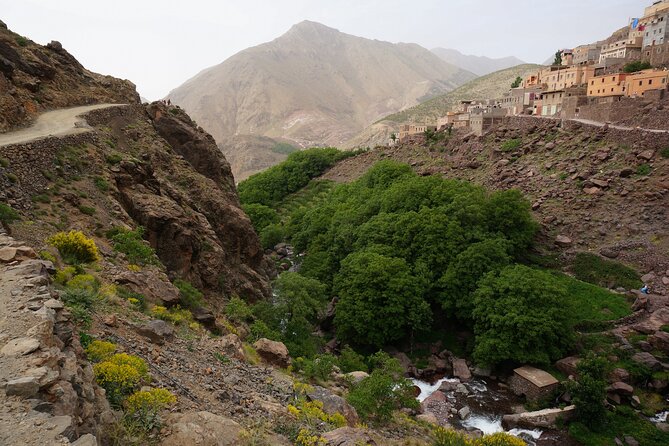
The best part of this three-day Atlas Mountains trek is the steady change of scenery. You walk from cool pine and juniper woods to river gorges, cherry and walnut groves, farm terraces, waterfalls, and Berber villages. It feels far removed from Marrakech, yet the tour begins with transport from the city.
I like the chance to spend real time in the valleys instead of racing through them on a day trip. I also like the local focus: guides such as Hassan, Mohamed, and Mohammed Larbi bring you into villages and family homes, where meals, tea, and conversation matter as much as the walking. The main consideration is the hiking itself. Some paths can feel steep or exposed, and the route is not a gentle sightseeing stroll.
Key points before you book
- Three days of mountain walking: This is a proper trek with two nights away from Marrakech, not a quick valley visit.
- Berber village life: You pass farming and herding communities, terraced fields, and traditional hamlets.
- Local guides: Hassan, Mohamed, and Mohammed Larbi are named guides associated with this experience.
- Meals and accommodation included: Breakfast, lunch, dinner, tea, coffee, and afternoon tea are covered.
- Private group format: Only your group takes part, giving the guide more room to adjust the pace and explain local customs.
- A practical package: Transport by air-conditioned minivan and pickup are included, along with a mobile ticket.
Leaving Marrakech for the High Atlas
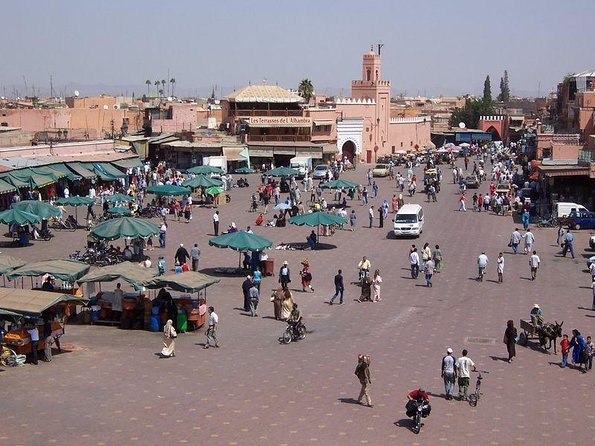
Your start time is 8:30 a.m., with pickup offered in Marrakech. The journey to the mountains is part of the change in mood. City traffic and red walls give way to smaller settlements, open valleys, and mountain slopes.
Transport is by air-conditioned minivan. That matters in Morocco, especially after a morning of walking, because you have a cool place to rest during the road sections. The exact pickup point and driving time are not specified, so confirm those details when you book.
This is a private activity, meaning your group travels and hikes together rather than joining a large mixed party. I see that as a real advantage on a trek. A guide can explain a village custom without holding up a busload of people, and your group can discuss pace and comfort more easily.
The stated duration is about three days, five hours, and seven minutes, although the experience is described in practical terms as three days and two nights. Plan for a substantial portion of each day to be spent outdoors. This is not a package built around long lie-ins or short scenic walks.
More Trekking Tours in Marrakech
- Marrakesh: 2-Day Mt. Toubkal Trek with 1-Night Stay & Meals
★ 4.7 · 795 reviews - Marrakech: 2-Day Atlas Mountains Trek with Village Stay
★ 4.8 · 717 reviews - From Marrakech: 3-Day Mount Toubkal Climbing Trek
★ 4.7 · 597 reviews
Day One: Pines, Junipers, and Valley Paths
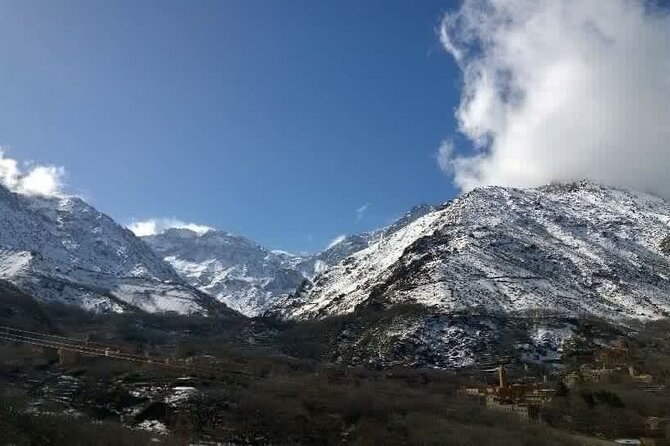
The first walking day introduces the vegetation and terrain of the High Atlas. Juniper and pine trees provide welcome shade, especially when the sun is strong. These trees also give the early part of the route a cooler feel than you might expect from Morocco.
You’ll follow mountain paths through valleys and across areas shaped by streams and seasonal water. The route includes deep gorges and gushing river streams, so sturdy walking shoes are sensible. Water can make paths slippery, and the terrain may be uneven.
This is where a guide earns the fee. The scenery is easy to admire, but the cultural details are less obvious. Your guide can explain how farming and herding communities use the land, why terraces are built into the valley sides, and how villages fit together.
The walking is not described with a fixed distance or elevation gain, so I would not book this based on a target number of miles. Ask about the day’s route, expected walking hours, and the level of steep or exposed paths before departure. One person who took the trek described part of the route as a bit scary. That does not mean the whole trip is dangerous, but it is a useful reminder that mountain paths demand attention.
Accommodation for the night is included, though the exact type is not specified. Based on the local focus of the experience, you should be ready for simple mountain lodging rather than a city hotel. The supplied details also describe time in a Berber home, including a stay with Hassan’s family, but the exact lodging arrangement may depend on your itinerary.
Day Two: Water, Orchards, and Berber Villages
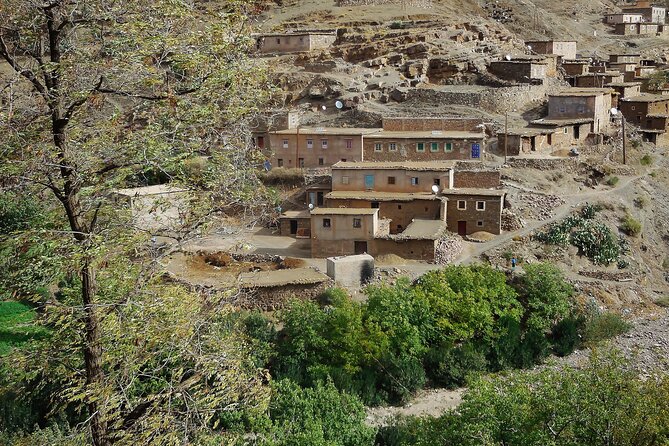
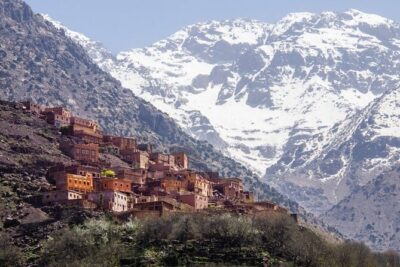
The second day brings you deeper into the valleys. You’ll pass streams, groves of cherry and walnut trees, and small villages and hamlets associated with the Berber communities of the region.
The villages are not presented as museum pieces. People farm, herd animals, grow food, and maintain homes in a demanding mountain setting. That gives the walk more substance than a simple photo stop. You are seeing how daily life works in a place where terraces are still important for growing corn, barley, and vegetables.
The terraces are one of the most useful sights along the route. They show practical mountain engineering in plain view. Slopes that might otherwise be difficult to farm are shaped into narrow growing areas, often beside water channels or valley paths. Your guide can add the local context, but you’ll understand the basic idea just by walking past the fields.
The village visits also call for good manners. The communities are accustomed to tourism and are described as open to conversation about their customs and traditions. Still, ask before taking photographs, follow your guide’s advice, and remember that these are working villages, not staged attractions.
A waterfall is another notable feature of the trek. One account specifically praised the waterfalls and the lunch served during the route. The precise waterfall location and walking conditions are not provided, so treat it as a likely highlight rather than a promise of a particular named fall.
Lunch, dinner, tea, and coffee are included. Food is repeatedly described as homemade and delicious, with family cooking forming a major part of the experience. That is important on a mountain trek. A meal prepared locally can tell you more about the area than another viewpoint, and a hot drink in a village home is a welcome pause after a climb.
Day Three: Terraced Valleys and the Walk Back
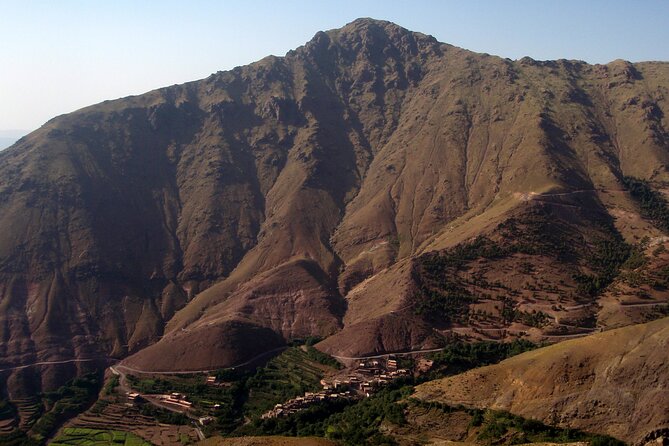
The final day continues through the valley system before the return toward Marrakech. You’ll have more time among the terraces, streams, groves, and hamlets, with the guide explaining what you are seeing.
The route is not only about dramatic peaks. Much of its appeal comes from the close views: stone paths, cultivated slopes, trees beside water, and homes set among the folds of the valleys. If you want a trek that combines nature with village life, this balance is a strong point.
The final day may feel easier or harder depending on the route and your legs. Three days of walking can be tiring, especially if you are not used to uneven mountain paths. The package includes breakfast, lunch, and dinner, but it does not mention bottled water or soft drinks. Bring enough water for the day and budget for drinks, since soft drinks are specifically excluded.
The return transport is by air-conditioned minivan. A clear finish in Marrakech is not detailed, so confirm the expected arrival time if you have an evening booking, train, or flight. Mountain roads and a three-day route do not always fit neatly into a city schedule.
Another trail to compare in Marrakech:
- From Marrakesh: 2-Day Mount Toubkal Trek
★ 4.7 · 591 reviews - From Marrakech: Atlas Mountains Summit Trek
★ 4.9 · 228 reviews - Summiting and Hiking the Atlas Mountains Day Trek from Marrakech
★ 5.0 · 131 reviews - From Marrakech: Private Tour to Oasis and Trekking in the Desert of Erg Chigaga
★ 5.0 · 115 reviews
What the Guides Add to the Walk
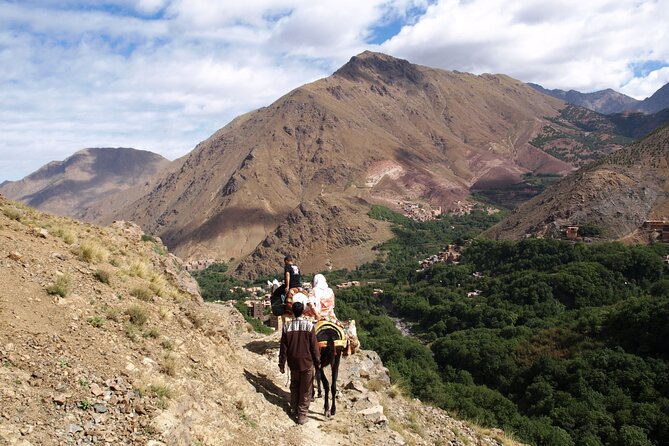
This experience depends heavily on the guide. The named guides include Hassan, Mohamed, and Mohammed Larbi, and the descriptions of their work point to a personal, local style rather than a simple escort service.
Hassan is associated with time spent near Imlil, including a stay in his family home and walks with other Berber trekkers. That kind of connection can make the experience feel more personal. You are not just passing through a valley and leaving; you may have the chance to sit, eat, and talk in a local setting.
Mohamed is described as guiding a three-day trip through the mountains, while Mohammed Larbi is linked with the waterfall visit, lunch, and Berber villages. Guide assignments can change, so do not assume a particular person is guaranteed unless the provider confirms it.
The guide is also responsible for your safety and comfort. That matters on routes with streams, gorges, and sections that may feel exposed. I would tell the guide on the first morning if you are nervous around heights, need regular breaks, or have limited trekking experience. A private group makes that conversation easier.
Food, Tea, and Simple Mountain Accommodation
The price includes accommodation, breakfast, lunch, dinner, coffee, tea, and afternoon tea. That is a solid inclusion list for a three-day trip. You do not have to search for meals in remote villages, and you can spend your energy on the route.
The strongest food detail is the emphasis on home cooking. Meals served in local homes can be simple, but they often fit the setting better than a polished restaurant lunch. Expect the food side of the trek to be part of the cultural experience, not just fuel between walks.
The accommodation standard deserves a little caution. Conditions in the homes used for the trek have been described as basic, even while the food and welcome received high praise. If you need private facilities, hotel-style bedding, or a predictable room setup, ask for specifics before paying.
Afternoon tea is included, which usually means a useful rest break rather than a formal ceremony. Coffee and tea are covered, but soft drinks are not. Tips are also not included, so carry some Moroccan dirham if you wish to thank the guide or local hosts.
Is $234.84 Good Value?
At $234.84 per person, the trip is priced above a short Atlas Mountains day excursion, but it includes far more than transport and a viewpoint. You receive three days of guiding, two nights of accommodation, all main meals, tea and coffee, and minivan transport from Marrakech.
The value is strongest if you want time in the mountains and local contact. A day trip can show you a village or waterfall, but it cannot give you the same rhythm of walking, eating, resting, and returning to the trail over several days.
The price is less compelling if you only want photographs and a light walk. You are paying for a trek, not a sightseeing transfer. The physical effort, simple accommodation, and uncertain daily distance are part of the package.
Because it is a private activity, the price may make more sense for a small group that can share the experience. It also gives you a better chance of asking questions and setting a sensible pace. Confirm whether the quoted price is final for your group size and ask exactly where the overnight stays will be.
Who Should Book This Atlas Trek?
I would recommend it to you if you want a slower look at the Atlas Mountains, enjoy walking through rural areas, and like learning about food, farming, and village customs along the way.
It suits people who are comfortable with basic accommodation and changing trail conditions. You do not need to be an expert mountaineer based on the information provided, but you should be ready for deep gorges, streams, uneven paths, and sections that may feel exposed.
It is a good fit for friends or families who want a private experience with their own guide. It also works well for visitors who have already seen Marrakech and want a clear change of pace.
I would hesitate to recommend it if you want a tightly timed itinerary, luxury lodging, or a low-effort excursion. The route details are broad, and the walking difficulty is not graded. Ask direct questions before booking, especially about elevation, daily hours, bathroom facilities, and the exact overnight locations.
Practical Details Before You Go
The start time is 8:30 a.m., and pickup is offered. Wear shoes with a firm grip, bring sun protection, and carry water. Pine and juniper shade helps, but it does not remove the need for protection from strong mountain sun.
Pack lightly, since you will be moving between overnight locations. Add a warm layer for evenings, because mountain temperatures can change quickly, even when Marrakech is hot. These suggestions are practical preparation for the stated setting rather than a promise about a particular forecast.
Confirmation is provided at booking, and the tour uses a mobile ticket. Most people can participate, but the activity does involve trekking, so ask for the route’s physical demands if you have concerns.
Free cancellation is available when you cancel at least 24 hours before the start time. Changes or cancellations made within 24 hours are not accepted for a refund, using local time as the cutoff.
Should You Book It?
Book this trek if you want three full days of walking, village contact, and home-cooked food rather than a quick mountain outing. The combination of valleys, waterfalls, terraces, and local guides gives the trip a strong sense of place.
Think twice if you need firm route measurements, hotel comforts, or easy trails. The best reason to choose this experience is not a checklist of sights. It is the chance to slow down, walk between mountain communities, and let a local guide explain what you would otherwise pass without noticing.
FAQ
How long does the Atlas Mountains trek last?
The experience is listed as approximately three days, five hours, and seven minutes. It is also described as a three-day trek with two nights in the mountains.
Where does the trek begin?
The tour is based in Marrakech, with pickup offered. The start time is 8:30 a.m.
Is transport included?
Yes. Transport by air-conditioned minivan is included.
Is this a private tour?
Yes. Only your group participates in the activity.
Which guides may lead the trek?
The supplied information names Hassan, Mohamed, and Mohammed Larbi in connection with this experience. Your assigned guide may vary, so confirm the name when booking.
What meals are included?
Breakfast, lunch, and dinner are included, along with coffee, tea, and afternoon tea.
Is accommodation included?
Yes. Accommodation is included according to the itinerary, though the exact type and facilities are not specified.
What will I see during the trek?
You may walk through pine and juniper areas, river streams, deep gorges, cherry and walnut groves, Berber villages, waterfalls, and terraced valleys used for growing corn, barley, and vegetables.
Are drinks included?
Coffee and tea are included. Soft drinks are not included.
Can I cancel for a full refund?
Yes, if you cancel at least 24 hours before the experience start time. Cancellations or changes made less than 24 hours before the start are not accepted for a refund.
Latest treks added in Marrakech
- 5 Days Desert Trekking from Marrakech★ 5.0 · 16 reviews
- 3 days Toubkal Trek from Marrakech★ 5.0 · 4 reviews
- Elite Experience Atlas Mountains Day Trekking★ 5.0 · 7 reviews
- 3 Days Berber Villages Trek – Authentic Atlas Mountain Experience★ 5.0 · 4 reviews
- Morocco Desert Trek 4 Days: 2 days on foot in Morocco★ 5.0 · 2 reviews
- Atlas Mountains Valley Trek – 3 Days★ 5.0 · 29 reviews
- 5-day Jebel M’goun trek★ 5.0 · 2 reviews
- Hiking 3 Days Trek Toubkal (4167m) From Marrakech :★ 4.5 · 2 reviews
Marrakech Trekking Tours, compared.
2-Day Mt. Toubkal Trek with 1-Night Stay & Meals
Read our review →
Summiting and Hiking the Atlas Mountains Day Trek from Marrakech
Read our review →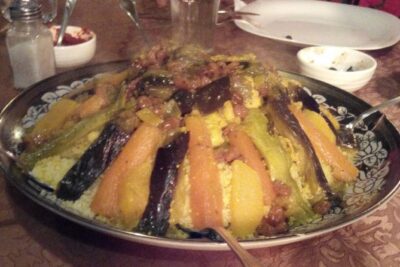
Private Tour to Oasis and Trekking in the Desert of Erg Chigaga
Read our review →
Browse the lists this tour appears in