
REVIEW · SAPA
Sapa Trekking Bargains With Local Guide
Sapa’s best day walks are not about ticking off viewpoints. They are about following narrow paths through rice fields, talking with a Hmong guide about daily life, and reaching villages where the valley still feels like a place people live, not just a photo stop. This trek gives you that local angle, with routes adjusted to your pace and interest.
I especially like the flexible route choices and the chance to walk from Y Linh Ho through Lao Chai to Ta Van instead of spending much of the day in a vehicle. I also like the practical touches: lunch is included, transport brings you back to Sapa, and you can leave luggage at the office and use a shower before or after the walk.
The main consideration is the ground under your feet. The easy option may be manageable for a fit beginner, but muddy slopes, slippery paths, steep sections, and routes reaching roughly 11 or 12 km can make this a proper hike. Good shoes are not optional in wet weather.
Key points at a glance
- Local guides with deep roots in Sapa: Chan, Sung, and members of their family guide the walk and explain Hmong life from personal experience.
- A flexible 5 to 11 km route: You can choose an easier or harder path, with the guide adjusting the day to your pace and confidence.
- Three important villages: Walk through Y Linh Ho, Lao Chai, and Ta Van, meeting Hmong and Dzay culture along the way.
- A real valley walk, not just a bus tour: Most of the day is spent on foot among rice fields, village paths, and mountain views.
- Lunch with a local stop: A traditional meal in the Lao Chai area breaks up the hike and gives you time to rest.
- Excellent value at $19: The price covers the guide, lunch, and transport back to Sapa, with about five and a half hours devoted to the outing.
Why this Sapa trek feels different
Many Sapa outings are built around quick transfers between viewpoints and villages. This one puts walking at the center. You meet at Sapa Stone Church at 9 AM, then head toward Y Linh Ho and gradually work through the valley on foot.
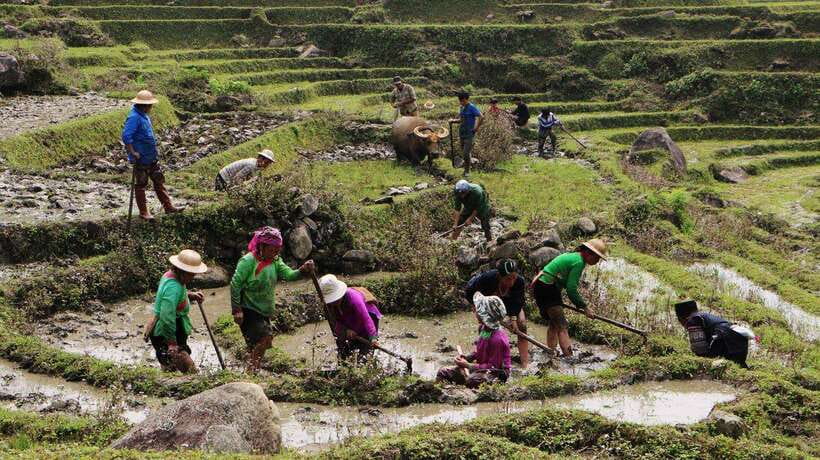
That matters because the small details appear between the famous stops. You might see farmers working in the rice fields, learn which plants are gathered locally, or hear how crops are processed. During planting or harvest season, the guide can explain what is happening in the fields as people work.
The guiding is the heart of the experience. Chan is a Hmong guide with more than 15 years of experience, and Sung, her husband, also leads walks. Chan’s sister Vu may guide some departures. The guides speak English and are used to answering questions about customs, family life, farming, and the different communities around Sapa.
I like that the guides do not treat the villages as scenery alone. The better parts of the day come from asking questions and listening. You can learn much more by asking about a house, a crop, or a traditional item than by simply taking photographs and moving on.
More guided trips in Sa Pa
- From Sapa: 1-Day Guided Trek to Lao Chai & Ta Van with Lunch
★ 4.9 · 416 reviews - Sa Pa: 6-Hours Muong Hoa Valley Trek with Local Ethnic guide
★ 4.5 · 178 reviews - Sapa 1 day trek with local guide to the village by Comlam
★ 5.0 · 148 reviews
Starting at Y Linh Ho
The first major walking section takes about two and a half hours, including the route through Y Linh Ho. This is where you begin to leave the built-up feel of Sapa and enter the open valley.
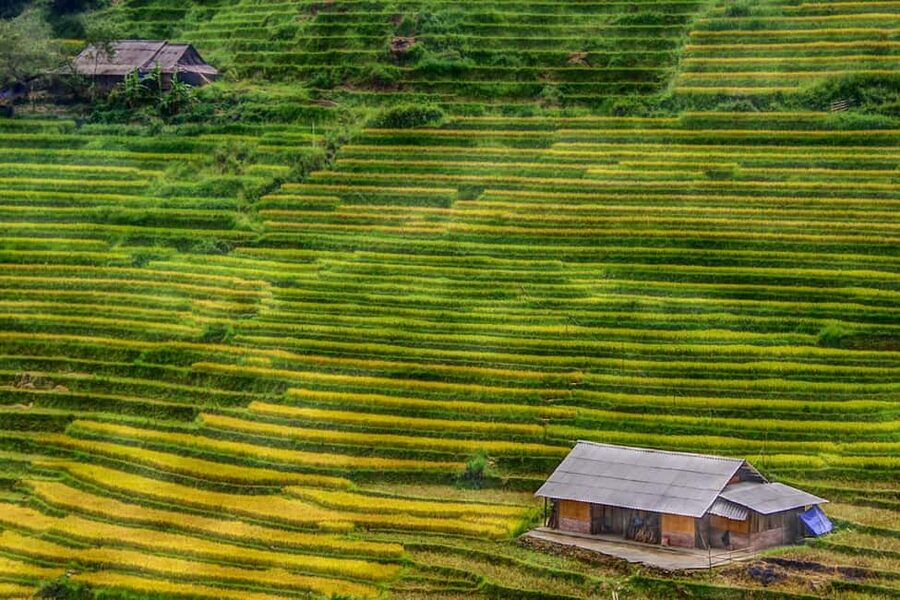
The scenery is the obvious draw: rice terraces, steep hills, village paths, and broad views across the mountains. The views change with the season. Green fields are especially striking, while planting and harvest periods give the valley a stronger sense of daily work.
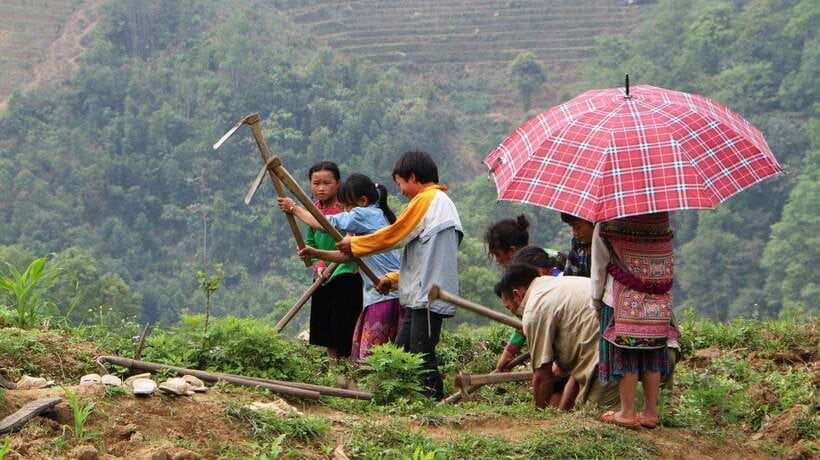
The route is not a paved promenade. You may use narrow paths, uneven tracks, and muddy sections. In wet weather, the mud can be serious, and some paths may feel slippery enough that you need a hand. Local women or children sometimes offer help on difficult stretches, and some may later offer handmade items for sale. Bring small cash only if you are comfortable buying something, and be polite if you do not wish to purchase.
The guide can usually offer route choices. A road section is easier than a small mountain path, while the smaller path offers more quiet walking and closer contact with local life. You should tell the guide early if you are nervous about steep ground, have limited hiking experience, or would rather walk farther on a gentler surface.
Lao Chai and the lunch stop
Lao Chai is one of the oldest and largest Hmong communities in the area. It is also the practical middle point of the day, with about an hour set aside for lunch.
The meal is included and served at a local Hmong family restaurant. The setting can be as memorable as the food, with valley views and a chance to sit down after the first long stretch. Vegetarian food has been available on some departures, but you should tell the provider about dietary needs when booking.
Lunch is not a luxury restaurant meal. Think of it as a generous local break that keeps the day moving. Several people found the food filling and enjoyable, and one useful detail is that the meal can suit vegetarians. The information also lists lactose intolerance among conditions for which this activity is not suitable, so anyone with that concern should check carefully before booking.
Lao Chai is a good place to pay attention to the guide’s explanations. The walk is not only about Hmong clothing or handicrafts. You can ask about farming, family traditions, local work, and the differences between the communities you pass through. The guide’s own connection to the region gives these conversations more weight than a memorized script.
Walking on to Ta Van
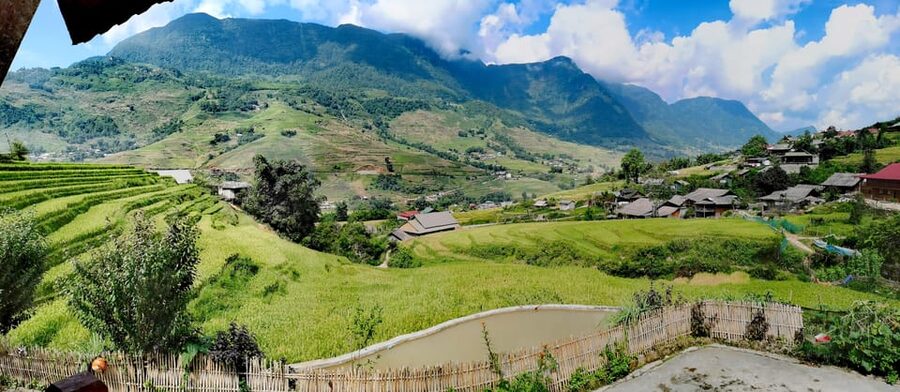
After lunch, the trek continues for about an hour and a half toward Ta Van. This village is associated with the Dzay people, so the route gives you a chance to compare local customs and ways of life rather than seeing only one community.
Ta Van is the finish point for the walk. You reach it at roughly 3 PM, then take transport back to Sapa. That timing is useful if you need to catch a bus to Hanoi later in the day. Still, you should allow extra time for weather, road conditions, and the pace of the group before booking a tight onward connection.
The walk to Ta Van may be fairly gentle in places, but do not assume the whole day is easy. The advertised route range is about 5 to 11 km, while one longer outing reached about 12 km after the group chose a less touristy route. Ask clearly about the expected distance and difficulty before setting off.
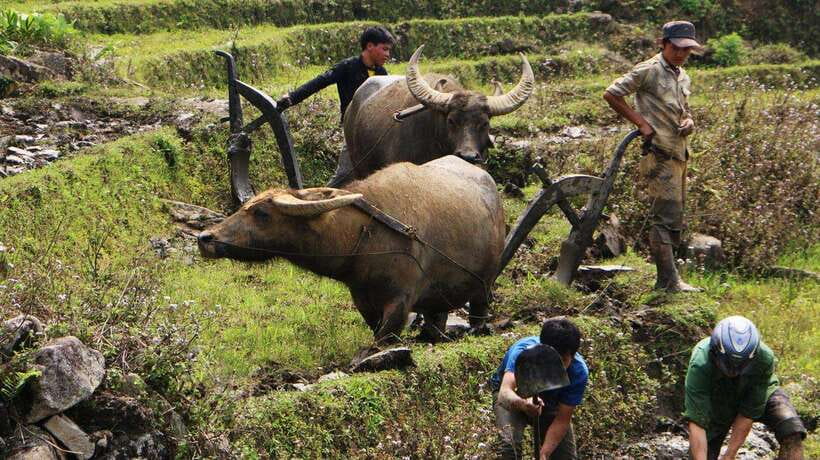
The quieter paths are a major reason to choose this activity. You may pass fewer organized groups and see people walking with buffalo or working around the fields. That quieter setting comes with a tradeoff: smaller paths can be muddier, rougher, and more demanding than the main road.
More Trekking Tours in Sa Pa
- Sa Pa: Muong Hoa Valley Trek and Local Ethnic Villages
★ 4.6 · 864 reviews - Sapa: Eco Adventure Terrace Fields and Local Villages Trek
★ 4.9 · 636 reviews - Number one top rated ethical cultural trekking and homestay by ETHOS
★ 5.0 · 456 reviews - Sa Pa Full Day Trekking Tour
★ 5.0 · 414 reviews
How hard is the hike?
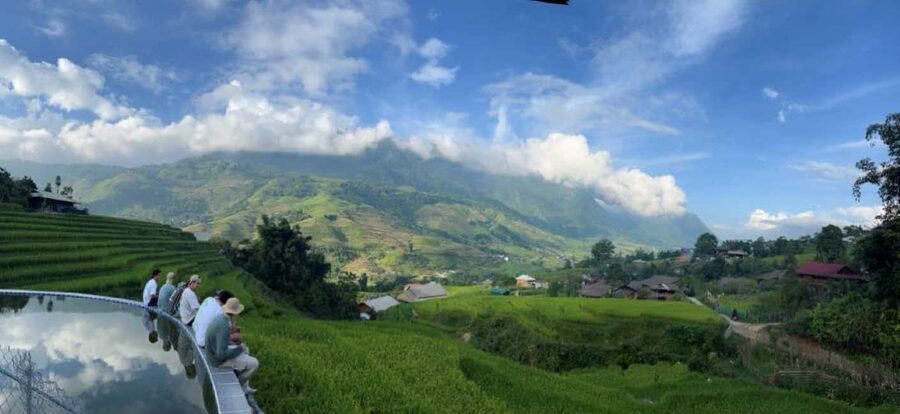
The honest answer is that it depends on the route selected. The activity offers easy, medium, and harder options, and the guide adjusts the walk to the group. Some people with little hiking experience completed longer routes, while others chose gentler paths.
You should be comfortable walking for several hours over uneven ground. The route may include steep hills, slippery mud, and sections where you need to scramble. Low fitness, heart problems, high blood pressure, haemophilia, and several other medical conditions are listed as reasons not to take this activity.
Wear hiking shoes with a firm grip. In wet conditions, some people have used or borrowed gumboots, and rain gear is worth carrying even when the morning begins dry. Long trousers help protect your legs from mud and brush. A sun hat, sunglasses, water, and a charged phone also belong in your day bag.
This is not the best choice if you want a flat stroll or if you dislike getting dirty. It is a good choice if you want a real mountain walk and are willing to accept changing ground conditions.
The guide makes the difference
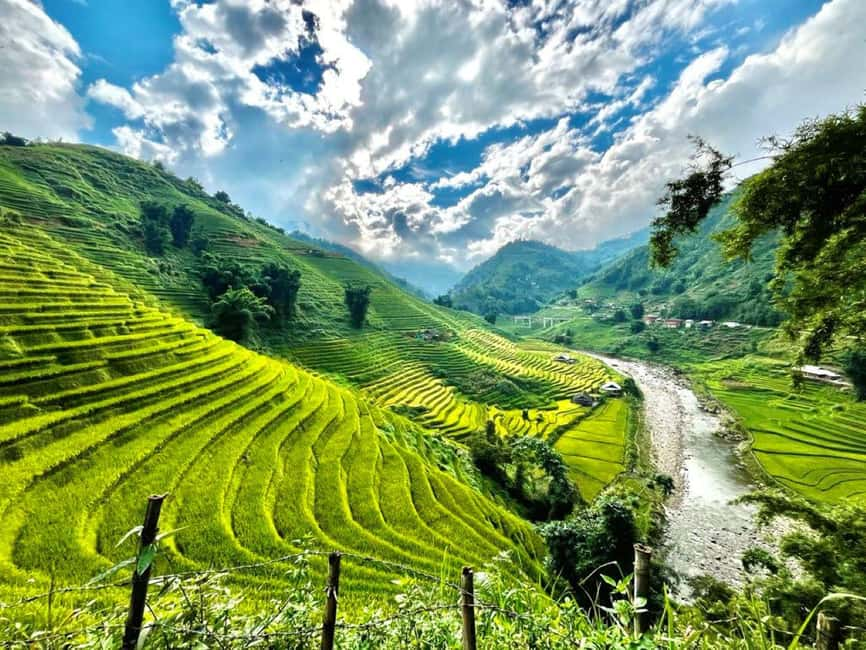
The strongest part of this outing is the personal guiding. Chan is described as warm, funny, and fluent in English, with a lively style that keeps the long walk from feeling like a lecture. Sung is also praised for his English and for changing the route to match a group’s confidence and fitness.
That flexibility is especially useful for mixed groups. A confident hiker can ask about a longer, quieter route, while someone less comfortable on steep ground can request the road or an easier option. The guide is expected to check the group’s pace rather than simply march ahead.
You will get more from the day if you ask questions. Ask about how rice is planted, what happens during harvest, how Hmong and Dzay customs differ, or what plants people use locally. The guides are happy to talk, and several departures became as much a conversation about life in Sapa as a hike.
The experience is not a formal anthropology lesson. Information may come through casual conversation, stories from the guide’s family, and things you see along the path. That makes it feel personal, though anyone wanting a tightly scripted historical tour may prefer a different format.
Value at $19
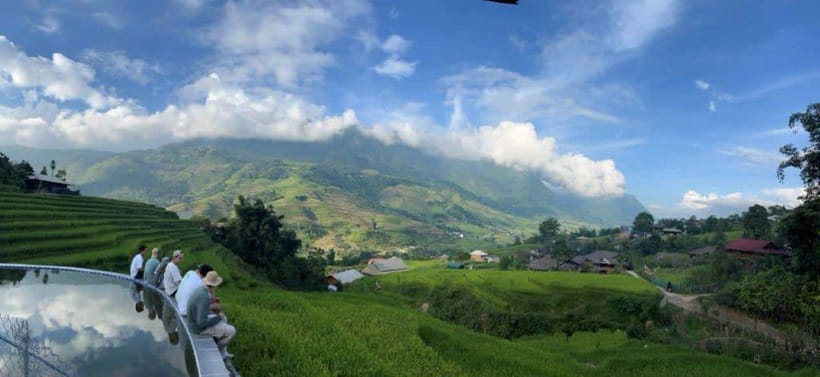
At $19 per person, this is unusually good value for a day that includes a guide, lunch, and transport back to Sapa. You are also getting roughly 330 minutes of activity, rather than a short village visit with long gaps in a vehicle.
The value improves if you use the practical services. You can leave luggage at the office and shower before or after the trek, which is handy if you arrive by bus, are changing hotels, or have an evening departure.
The low price does not mean you should expect a polished luxury operation. The appeal is the local guide, the walking, and the chance to shape the route. You are paying for a personal day in the valley, not for premium facilities or a large professional production.
A 4.9 rating from 91 bookings indicates very strong satisfaction, and 95 percent of ratings gave the transport a perfect score. Even so, the most important part of the value is how well your preferred route matches your ability. A cheap hike is not good value if you are pushed into a distance or surface that makes you uncomfortable.
Timing, meeting point, and transport
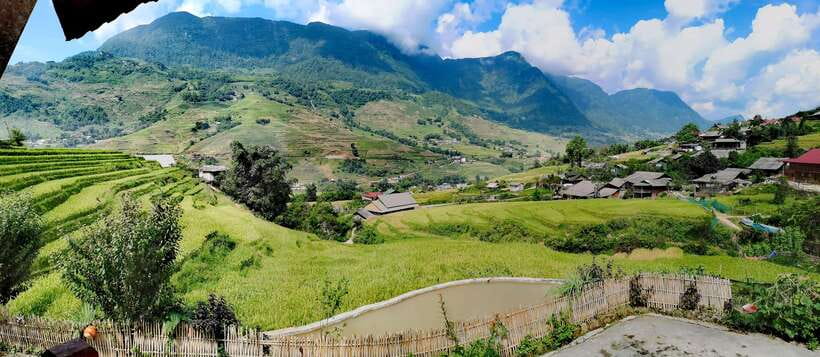
The meeting point is Sapa Stone Church, with a 9 AM start. Hotel pickup may be possible in Sapa, and one guide made the effort to meet a group at a hotel about a 30-minute walk from the center. Confirm the pickup arrangement rather than assuming every hotel is included.
The day finishes in Ta Van at about 3 PM, followed by transport back to Sapa. The included return transfer saves you from negotiating a ride after a muddy hike and makes the tour easier to fit around a later bus.
The advertised duration is 330 minutes, but the pace can change with weather, route choice, and group ability. If you have a fixed departure from Sapa, keep a sensible buffer.
Cancellation is free up to 24 hours before departure, and you can reserve now and pay later. After the tour has been booked and paid for, the provider asks that you change to another day rather than request a refund if your plans change.
Who should book this walk?
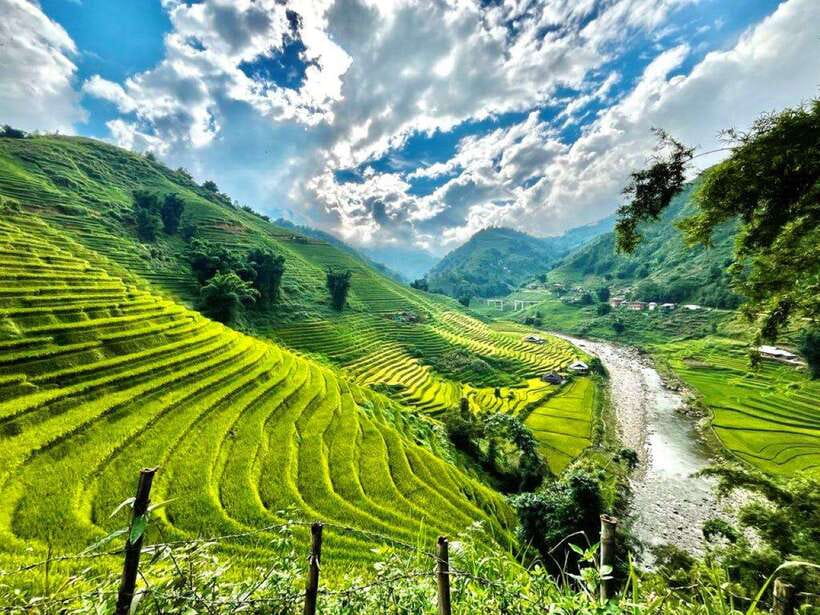
You should consider it if you want:
- A local Hmong guide rather than a purely sightseeing-focused outing
- A mostly walking-based day with less vehicle time
- Flexible distance and difficulty
- Rice terraces, villages, and mountain paths in one route
- A chance to ask direct questions about local life
- An inexpensive activity that includes lunch and return transport
You may want another Sapa activity if you need wheelchair access, a very gentle paved walk, or a short outing with almost no physical effort. The activity is also not suitable for people with several listed medical conditions, including heart problems, high blood pressure, haemophilia, or low fitness.
Non-swimmers and people with lactose intolerance are also listed among those who should not take the activity. The description does not explain why every restriction applies to this particular route, so you should contact the provider if one of these conditions concerns you.
What to pack for a comfortable day
Bring comfortable hiking shoes, rain gear, sun protection, water, and a camera. A charged smartphone is useful, but do not rely on it as your only safety plan in the hills.
I would choose shoes with good grip rather than ordinary trainers. Pack light, since you can leave larger luggage at the office, and bring clothing that can handle mud. If you hope to buy a small handmade item from local sellers, carry a little cash, but do not feel pressured to purchase.
The key is to dress for two kinds of weather. Sapa can feel cool and wet on the paths, then bright and hot when the clouds clear. A lightweight waterproof layer and a sun hat cover most of the problem.
Should you book it?
Book this trek if you want Sapa at walking pace, with a guide who can explain Hmong and Dzay life and adjust the route as the day develops. The combination of Y Linh Ho, Lao Chai, Ta Van, lunch, and return transport is hard to beat for $19.
Go in with realistic expectations. This is not a flat village stroll, and wet weather can turn the paths into a slippery challenge. If you bring proper shoes, tell the guide honestly what you can manage, and leave enough time after 3 PM for the return to Sapa, this is one of the strongest budget choices for seeing the valley beyond the main tourist roads.
FAQ
How long does the Sapa trekking experience last?
The activity lasts 330 minutes, with the walk beginning at 9 AM and generally finishing in Ta Van at about 3 PM before transport returns you to Sapa.
How far will I walk?
Routes are offered from about 5 to 11 km, with difficulty adjusted to the group. A longer route of around 12 km has also been available when a group chose a less touristy option.
Where does the tour meet?
The stated meeting point is Sapa Stone Church. Pickup from a hotel in Sapa may also be arranged, so confirm your exact meeting place when booking.
Which villages does the trek visit?
The route includes Y Linh Ho, Lao Chai, and Ta Van. Y Linh Ho and Lao Chai are linked with the Hmong community, while Ta Van is home to the Dzay people.
Is lunch included?
Yes. Lunch is included at a local Hmong family restaurant in the Lao Chai area, and vegetarian food has been available.
Is transport back to Sapa included?
Yes. After the trek finishes in Ta Van, transport back to Sapa is included.
What language does the guide speak?
The live guide speaks English. Chan, Sung, and other members of their family guiding team lead departures.
What should I bring?
Bring comfortable or hiking shoes, sunglasses, a sun hat, water, a camera, rain gear, a charged smartphone, and suitable trekking clothing.
Can I cancel or change my booking?
You can cancel up to 24 hours before departure for a full refund. After booking and paying, the provider asks you to change to another day rather than request a refund if you no longer want to go.
Latest treks added in Sa Pa
- Soob Sapa Trekking Tour★ 4.3 · 3 reviews
- Sapa: Y Linh Ho – Lao Chai, and Ta Van Trekking Day Tour★ 5.0 · 25 reviews
- Sapa Trekking Private Tour With Ethnic Female Tour Guide★ 4.9 · 24 reviews
- Sapa Trekking – Waterfalls And H’mong Villages★ 5.0 · 2 reviews
- Sapa: Ta Phin Village Trek with Lunch and Bathing Experience★ 4.7 · 13 reviews
- Sapa Trekking Guide Francophone 2 days – 1 night★ 5.0 · 2 reviews
- Sapa: Trekking Through Terraced Rice Fields & Valley 1 Day★ 4.8 · 4 reviews
- Sapa small groupe activities: 1 Day trek – Meet the locals★ 4.7 · 3 reviews
Sapa Trekking Tours, compared.
Muong Hoa Valley Trek and Local Ethnic Villages
Read our review →
Eco Adventure Terrace Fields and Local Villages Trek
Read our review →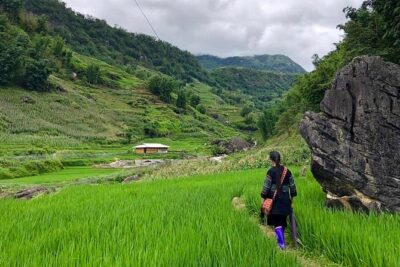
Number one top rated ethical cultural trekking and homestay by ETHOS
Read our review →
1-Day Guided Trek to Lao Chai & Ta Van with Lunch
Read our review →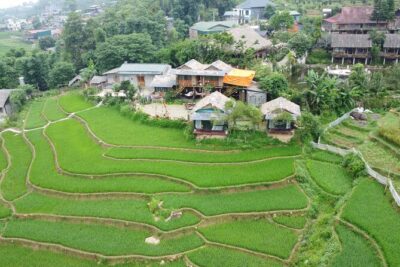
Sapa 1 Day Long Trek: Trek to Hau Thao and Sa Seng Villages
Read our review →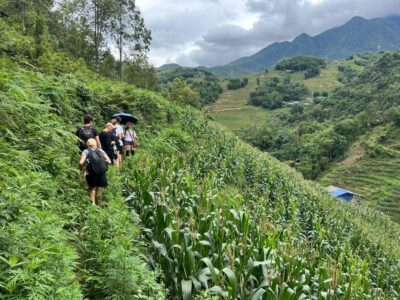
Explore Sapa by TrekkingAdventures, Mountain,Rice fields
Read our review →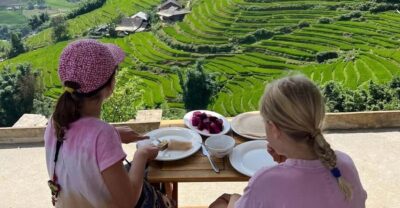
EXPLORE SAPA: 2D1N TREKKING & HMONG CULTURE WITH DINH
Read our review →Browse the lists this tour appears in