
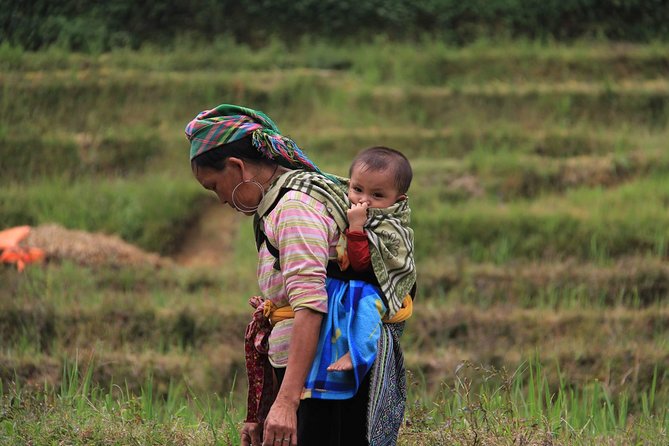
REVIEW · HANOI
Sapa Trekking 3 Days 2 Nights by Bus – Homestay & Hotel
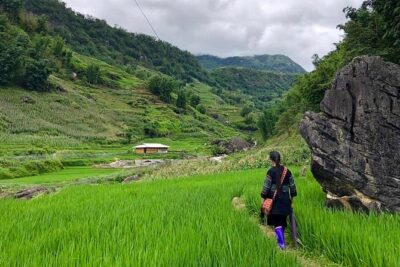
Sapa’s best moments come on foot, where rice terraces drop down steep hills and village paths lead through H’mong and Giay communities. This three-day route gives you a useful mix: a hotel room in Sapa, a shared homestay, local meals, and a guide for trails that would be easy to lose on your own.
I like the small maximum group of 15, which should make the walks more manageable, and I like the practical setup of bus transport from Hanoi, rather than forcing you to arrange the long journey yourself. The main caution is organization. One account describes a wonderful first trek and excellent mountain views from the hotel, while another reports poor communication, a hotel that did not understand the booking, and canceled activities.
Key points to know
- Three distinct walks: Cat Cat on day one, Y Linh Ho to Lao Chai and Ta Van on day two, and Giang Ta Chai through bamboo forest on day three.
- One hotel night and one homestay night: You get a private double, twin, or triple hotel room in Sapa, then shared accommodation with a Giay family.
- Long bus transfers: Expect roughly six hours each way between Hanoi and Sapa, with comfort stops.
- Meals are included: The package covers two breakfasts, three lunches, and two dinners, but drinks cost extra.
- Moderate physical effort: Walking lasts about four to seven hours per day, often on hilly village paths.
- Weather changes the plan: Fog, drizzle, cold, and slippery paths are possible, especially from December through March.
Why this Sapa route works for a short northern Vietnam trip
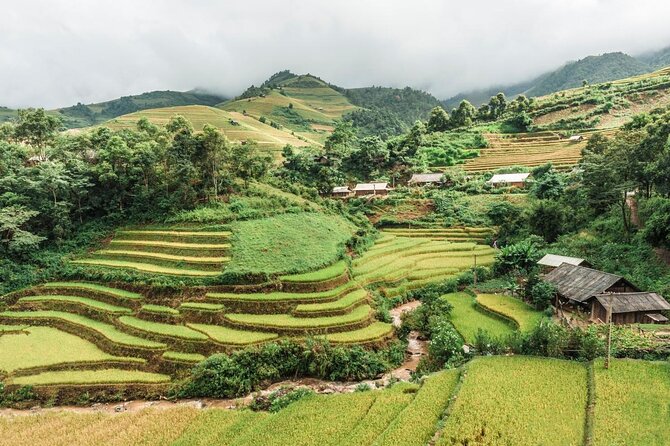
At $165 per person, this tour is designed to remove much of the planning work. You get return transport from Hanoi, Sapa accommodation, a homestay, meals, hotel transfers, an English-speaking tour leader on the bus, and a local guide for the walks.
That package has real value if you have only three days and do not want to compare buses, guesthouses, village guides, and transfers separately. The price also covers two kinds of lodging, which gives you both comfort and a closer look at rural life.
The tradeoff is a tight schedule. The first morning is spent on the road, and the last afternoon is built around the return bus. You are not getting three full days in the hills. You are getting one travel day with a short afternoon walk, one major trekking day, and one morning trek before the ride back to Hanoi.
The group limit of 15 is helpful. A smaller group usually means less waiting on narrow paths and more opportunity to ask the local guide about farming, homes, and village life. Still, this is a packaged group tour, not a private hiking trip, so the pace may be set by the slowest person in the group.
More Homestay Treks in Hanoi
- Hanoi – Sapa 2 Days 1 Night Overnight At Homestay
★ 5.0 · 899 reviews - From Hanoi: 2-Day Sapa Trekking Trip with Homestay & Meals
★ 4.8 · 704 reviews - 2-Day Sa Pa Ethnic Homestay Tour & Trek with Limousine Bus
★ 4.8 · 440 reviews
The Hanoi to Sapa bus ride takes most of day one
Pickup is scheduled between 6:30 and 7:00 in Hanoi’s Old Quarter, either at your hotel or at the meeting point on Hang Huong Street. The bus follows the highway toward Lao Cai, with a comfort stop around 9:30 and another around 11:00 before reaching Sapa.
The listed arrival times are not perfectly clear. One part of the schedule says arrival in Sapa around 13:00, while another says pickup from the bus office at 12:30. I would confirm the exact meeting point and timing before departure. That small check matters because Sapa buses may drop passengers at an office rather than directly at the hotel.
Water and tissues are provided for the bus ride, and the return transfer is also included. The trip is still a long road journey, so carry snacks, medication, and anything you need close at hand. Drinks are not included, and you should not assume every stop will accept a card.
Once you reach Sapa, the package includes a transfer to the local office, lunch, and hotel check-in. The hotel room is private, although the booking uses double, twin, or triple sharing depending on the group arrangement.
One especially appealing detail is the mountain view. The accommodation has received praise for rooms looking across the hills, so request a view if room assignments allow it. The hotel gives you a proper shower and a little time to recover before the first walk.
Cat Cat and Shin Chai make an active first afternoon
The first walk begins at about 2:30 in the afternoon. You walk roughly 3 kilometers from the hotel toward Cat Cat and Shin Chai, H’mong villages close to Sapa.
Cat Cat is a well-known stop, and the route includes the village hydropower station and waterfall. You also learn about local customs and daily life, though the exact presentation depends on the guide and the group’s pace.
This is a good introduction because you do not begin with the longest walk. You get a taste of steep paths, village trails, water, and rice terraces while still having the hotel at the end of the day. The four-hour timing gives you room for stops and photographs.
Do not mistake the short distance for an effortless stroll. Sapa paths can rise and fall sharply, and wet weather can make stone and dirt sections slippery. Comfortable trekking shoes matter more than stylish footwear here.
Cat Cat is also one of the more frequently visited village areas around Sapa. If your main hope is quiet countryside, this first afternoon may feel more organized and developed than the later villages. Its value is convenience: you can see a famous Sapa area without giving up a full day.
Y Linh Ho to Lao Chai is the main walking day
Day two begins with breakfast and checkout before 8:30. You then walk toward Y Linh Ho, a village associated with the H’mong community, followed by Lao Chai and Ta Van.
This is the heart of the trip. The route gives you long views over old rice terraces, with terraces described as being around 100 years old. The slopes show how farming fits the shape of the hills, and the walking route lets you see more than a roadside viewpoint ever could.
You have about an hour for lunch in Lao Chai. That break is useful because the walk continues afterward, but it also means you should pace yourself from the start. The full day is listed at about seven hours, so do not burn all your energy on the first descent.
The villages are not simply photo stops. The guide can help explain the H’mong way of life and the role of the terraces, while the route brings you through areas where people live and work. You should dress respectfully and ask before photographing people or entering homes.
The walk ends in Ta Van, an established H’mong and Giay village. Here you stay with a local Giay family for the night. This is the most personal part of the trip, and it is also the part where comfort expectations need adjusting.
More Homestay Treks in Vietnam
- Hanoi – Sapa 3 Day 2 Night Trekking With Hotel & Homestay
★ 5.0 · 389 reviews - Hanoi – Sapa 2 Days 1 Night Overnight At Local Homestay
★ 5.0 · 233 reviews - From Hanoi: 2-Day Luxury Sapa Trekking Tour with Homestay
★ 4.4 · 49 reviews - 3-Night Sapa Trek and Homestay with Round Trip Transfer from Hanoi
★ 4.5 · 37 reviews
The Ta Van homestay gives the trip its local character
The homestay is shared, not a private hotel room. You should expect simpler facilities and less personal space than you had in Sapa. In return, you get an evening built around a local household rather than a standard hotel dining room.
The package includes cooking and dinner with the family. That makes the homestay more than a place to sleep. It gives you a chance to see how a rural meal comes together and to share an ordinary evening in the village.
The included meals cover two dinners, three lunches, and two breakfasts across the trip. The wording does not specify every dish, so tell the operator about dietary needs before setting out. Drinks are extra, and carrying some Vietnamese dong is wise because the banking system in Sapa can be unreliable.
The homestay is best for you if you see comfort as part of the cultural exchange, not as the main purpose of the night. If you need a private bathroom, quiet room, or hotel-level facilities every night, this arrangement may frustrate you.
Bamboo forest and Giang Ta Chai close the mountain portion
Day three begins early, with a rooster or pigs possibly providing the alarm. Breakfast includes pancakes, hot tea, or hot coffee, and the morning views reach across the rice terraces.
After saying goodbye to the family, you walk through bamboo forest toward the Silk Waterfall and Giang Ta Chai. The route lasts several hours, followed by a picnic lunch with views around you. The combination of forest, waterfall, and open terrace country gives the final trek a different feel from the village-heavy second day.
You then walk back to the main road and take a car or minivan to Sapa. The schedule puts you back in town around 2:00 in the afternoon, with time for a shower at the hotel.
That shower is not a minor detail. After a morning on muddy or uneven paths, having a place to wash before the bus makes the long ride to Hanoi far more comfortable. At about 3:00, a shuttle takes you to the bus office, where the return journey begins. Sandwiches are prepared for you to take along.
The final day is practical rather than leisurely. You will not have much spare time in Sapa for shopping or sightseeing after the walk. If you want a relaxed final afternoon, this schedule may feel rushed.
What the $165 price really covers
The strongest value comes from the number of moving parts included. You are paying for:
- Return bus transportation between Hanoi and Sapa
- Old Quarter pickup and drop-off
- Bus tour leader and local Sapa guide
- One hotel night and one shared homestay night
- Two breakfasts, three lunches, and two dinners
- Water and tissues on the bus
- Hotel transfers in Sapa
- Stated admission fees
For a short trip, that is a solid bundle. You avoid arranging the Hanoi to Sapa bus, finding a village guide, and working out how to return from the mountain paths.
The value drops if you dislike fixed schedules or shared accommodation. You may also spend extra on drinks, snacks, tips, and personal purchases. Early hotel check-in and late checkout are not included, so do not count on using the room outside the scheduled stay.
A Lunar New Year surcharge of $10 per person is listed for the specified holiday period, payable in cash. Since the dates in the supplied information are old, confirm any current holiday surcharge before booking.
Fitness, clothing, and weather deserve serious attention
The operator describes the activity as moderate, but seven hours of walking on two consecutive days is still a real physical commitment. You need enough fitness for hills, uneven paths, and changing surfaces. The tour is not recommended for children under nine or people with disabilities, and it is not a good choice if you are looking for gentle sightseeing.
Pack for changeable mountain weather. Warm clothes, a scarf, hat, or cap are useful from September through March, when conditions can be cold. December through March can bring fog and drizzle because of Sapa’s altitude.
You should also bring:
- Trekking shoes with a firm grip
- Sunglasses and sun cream
- Insect repellent
- Necessary medication
- Vietnamese dong in cash
Rain can affect the route, and the schedule may change with weather conditions. That is sensible in the mountains, but it means you should treat the listed stops as a plan rather than an absolute promise.
Organization is the main risk to weigh
The experience can work very well when the hotel, bus company, and guide are communicating properly. One account describes an exhausting but worthwhile first trek, a great hotel, and impressive mountain views. That is the kind of result you can reasonably hope for from the route and included services.
But there is also a clear warning about coordination. A separate account describes an accommodation provider that did not understand the reserved package and poor communication with the tour company. Excursions and a guide were reportedly canceled in that case.
I would reduce the risk by confirming three things shortly before departure: the Hanoi pickup location, the Sapa hotel and room arrangement, and the name and phone number of the local contact. Keep the booking confirmation available on your phone, and ask what happens if rain changes the walking route.
Free cancellation is available until 24 hours before the start time. Changes or cancellations inside that window are not accepted for a refund, so keep that deadline in mind.
Who should book this Sapa trekking package
You should consider it if you want a first visit to Sapa that combines famous village paths with a genuine homestay night. It suits active adults who value scenery, local meals, and a ready-made transport plan more than privacy or a slow pace.
It is also a good fit if you are nervous about finding your way through remote villages. The local guide matters here, since paths can be confusing and weather can reduce visibility.
I would think twice if you want a polished luxury experience, private lodging throughout, or complete control over the walking pace. Families with young children and anyone with limited mobility should choose another activity.
FAQ
How long is the tour?
The experience lasts three days and two nights, with one night in a Sapa hotel and one night in a shared homestay.
Is transportation from Hanoi included?
Yes. Pickup from Hanoi’s Old Quarter, return bus transportation between Hanoi and Sapa, and local transfers connected with the tour are included.
What meals are included?
The package includes two breakfasts, three lunches, and two dinners. Beverages are not included.
How difficult is the trekking?
The tour requires a moderate level of physical fitness. Walking lasts about four hours on day one and about seven hours on both days two and three, with hilly and uneven village paths.
What should I bring?
Bring warm layers, a scarf, hat or cap, trekking shoes, sunglasses, sun cream, insect repellent, medication, and cash in Vietnamese dong. Weather in Sapa can change quickly.
Can the schedule change?
Yes. The route may change because of weather conditions. The tour is also not recommended for children under nine or people with disabilities.
Should you book it?
Book this tour if you want a practical Sapa introduction with the major ingredients already arranged: bus transport, a local guide, rice terraces, H’mong and Giay villages, one hotel night, and one family homestay. The first-time trekker who found the experience tiring but worthwhile points to the package’s strongest appeal: you get a lot of scenery and cultural contact in a short visit.
Go in with realistic expectations. This is a busy schedule, not a restful retreat, and communication may require follow-up. Confirm the pickup and accommodation details before you leave Hanoi, pack for rain and cold, and choose it only if you are ready for several hours of hill walking each day.
More three-day treks in Hanoi
- Sapa 3 Days 2 Nights Trekking Tour (1 Night In Ta Van Village, 1 Night In Hotel)
★ 5.0 · 699 reviews - 3-Day Trekking Adventure of Sapa from Hanoi – Stay Ta Van Village
★ 5.0 · 611 reviews - From Hanoi: Trek and Stay: 3-Day Sapa Highlands Adventure
★ 4.6 · 152 reviews - Sapa 3 Days 2 Nights Trekking Tour From Hanoi (2 Nights in Hotel)
★ 5.0 · 112 reviews
Latest treks added in Hanoi
- From Hanoi : Sapa Moutain Trek – Halong bay Heritage★ 4.5 · 25 reviews
- Trekking In Ha Giang 5 Days★ 5.0 · 4 reviews
- Trekking around Ha Giang 5 days 4 nights★ 3.0 · 2 reviews
- 8-Days Hanoi, Sapa Trekking And Halong Bay Cruise★ 5.0 · 8 reviews
- 2-Day Trekking in Sa Pa from Ha Noi by sleeping bus★ 5.0 · 4 reviews
- Hanoi: 3D2N Mu Cang Chai Visit All Attractions, Trek, Ethnic Life★ 5.0 · 3 reviews
- Mai Chau – Pu Luong trekking 3 days 2 nights★ 4.5 · 7 reviews
- Sapa trekking 2days by bus from Hanoi ( over night in homestay)★ 5.0 · 21 reviews
Homestay & Village Treks, compared.
Number one top rated ethical cultural trekking and homestay by ETHOS
Read our review →
2-Day Sa Pa Ethnic Homestay Tour & Trek with Limousine Bus
Read our review →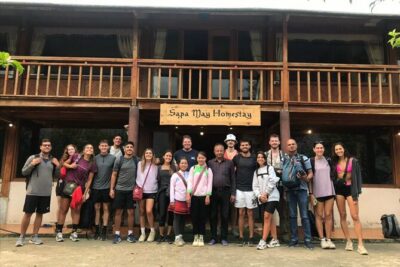
Sapa 3 Day 2 Night Trekking With Hotel & Homestay
Read our review →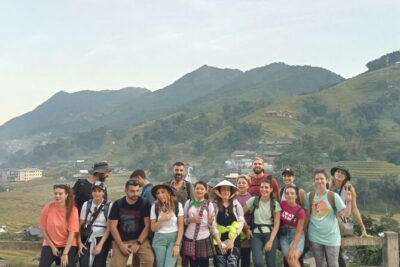
Sapa 2 Days 1 Night Overnight At Local Homestay
Read our review →
2-Day Trekking Trip with Ethnic Minority Homestay
Read our review →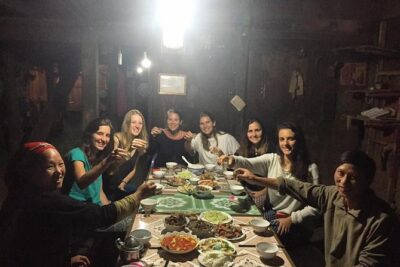
2-Day Trek & Heartwarming Homestay with an Ethnic Family
Read our review →Browse the lists this tour appears in