
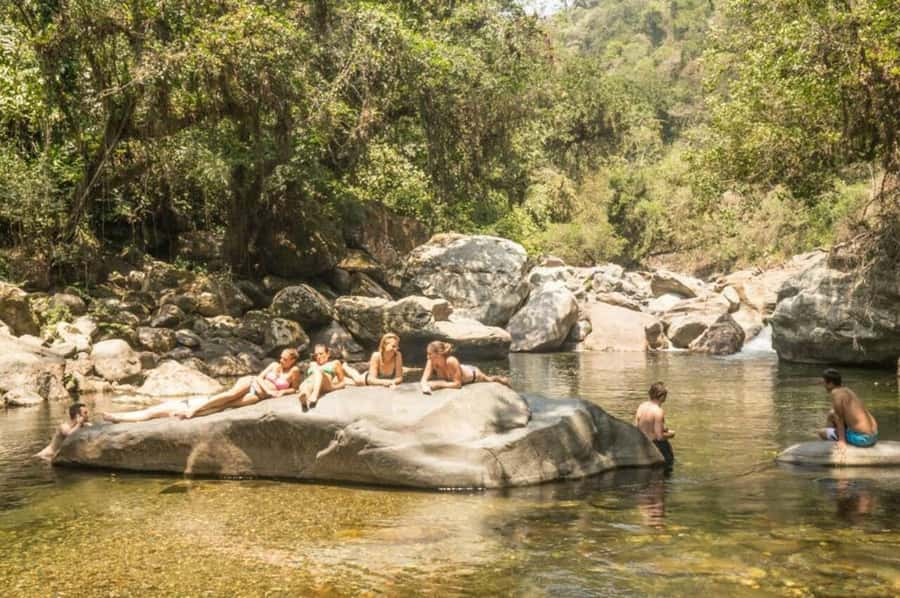
REVIEW · SANTA MARTA
Santa Marta: Multi-Day Trek to The Lost City
The Lost City is not a quick ruin stop. It is a multi-day jungle trek to an ancient Tayrona site reached by 1,200 stone steps, with rivers, mud, heat, and basic camps along the way. The reward is a remarkable set of 169 terraces and circular plazas, believed to date from around 800 CE.
I like the close contact with local life, especially the time near Wiwa and Kogui communities. I also like that meals, purified water, snacks, accommodation, guides, site entry, and transport are included. The catch is simple: this is a hard hike, not an ordinary walk. Several days run for about seven hours, and the tropical heat can test both your legs and your patience.
Key points to know before you book
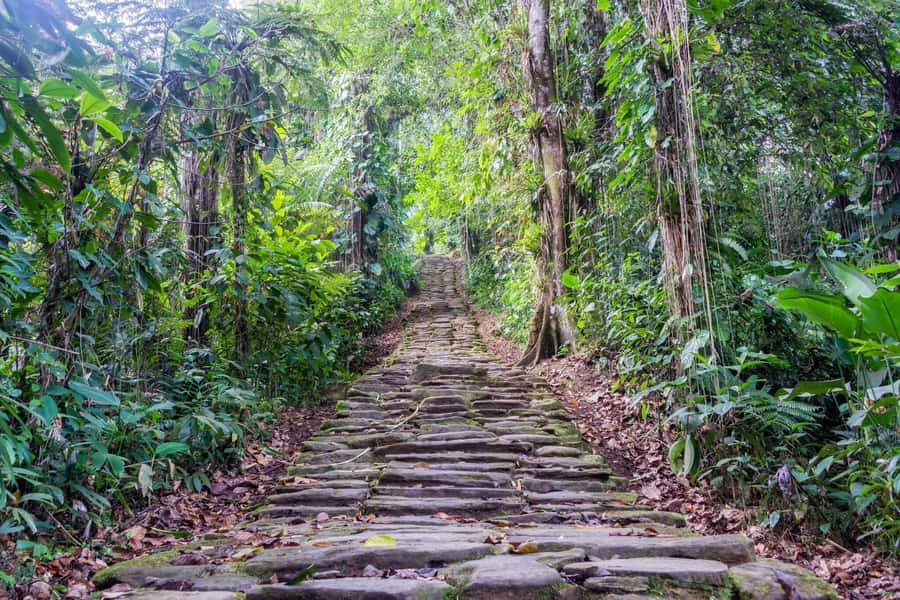
- The Lost City sits above 1,200 stone steps: The final climb is steep, humid, and physically demanding.
- You can choose 4, 5, or 6 days: Longer trips allow slower walking and more time for cultural visits and river stops.
- The route includes jungle camps: Expect beds or hammocks with mosquito nets, plus electricity, toilets, and showers.
- Indigenous culture is part of the route: Wiwa and Kogui communities, including the village of Mutanyi, are connected to the experience.
- Small groups are limited to 15 people: English and Spanish guide service is included.
- The $713 price covers the main costs: Meals, water, snacks, entry, insurance, transport, storage, and accommodation are included, though extra drinks and some personal costs are not.
Why the Lost City trek is worth your time
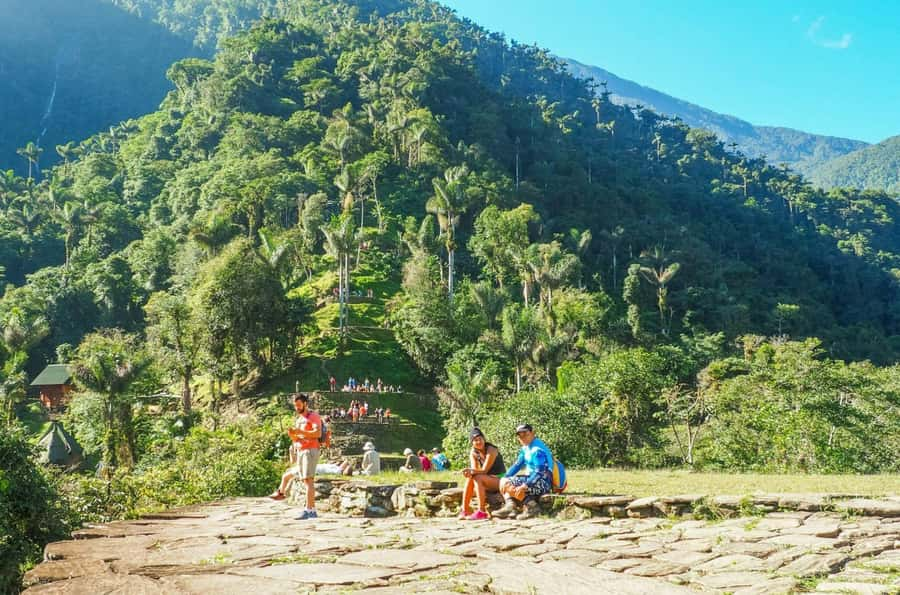
The appeal here is not just the archaeological site. It is the approach. You walk through the Sierra Nevada from Santa Marta, passing streams, waterfalls, natural pools, fruit stops, jungle vegetation, and mountain viewpoints before reaching the ruins.
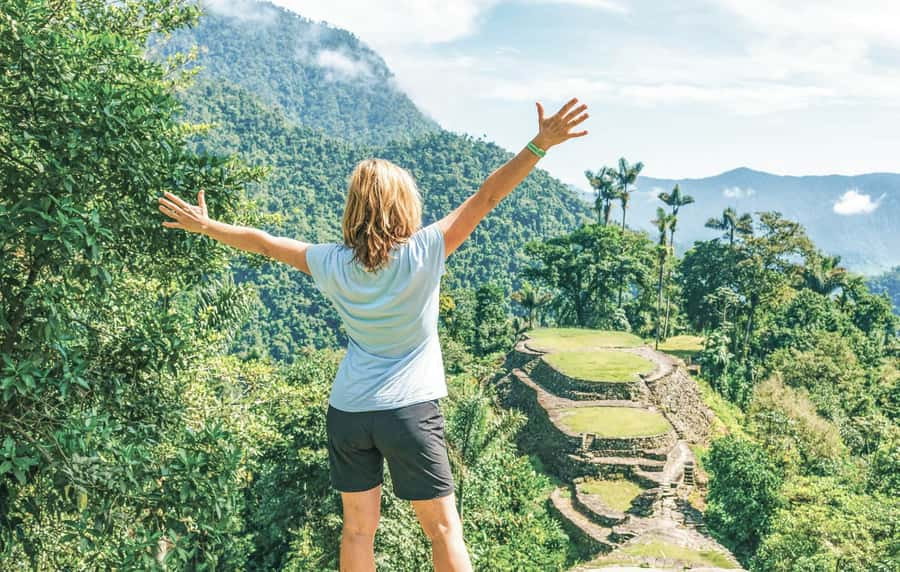
The Lost City, also known as Ciudad Perdida, is believed to have been founded around 800 CE. That makes it roughly 650 years older than Machu Picchu. Its remains include 169 terraces carved into the mountainside, stone paths, and several small circular plazas.
You do not simply arrive at a parking area and stroll through a gate. The last approach requires a climb of about 1,200 stone steps built by the Tayrona people. Your guide explains the site, its relics, and the stories connected with the ancestral communities of the Sierra Nevada.
I especially like that the trip supports indigenous communities through direct contributions and through the use of local accommodation and food services. This gives the journey more meaning than a standard archaeological excursion. Still, service can vary because the camps and kitchens are independently operated by the communities, not managed as one large hotel system.
More Trekking Tours in the world
- Mount Etna: Trek to 3000m with cable car and 4×4
★ 4.6 · 3,823 reviews - Bali: Mount Batur Sunrise Trek With Guide and Breakfast
★ 4.8 · 3,461 reviews - From Chania: Full-Day Samaria Gorge Trek Excursion & Guide
★ 4.6 · 3,191 reviews
Choosing four, five, or six days
The four-day trip is the shortest and most demanding option. It compresses the route and includes long walking days, particularly on the second and third days. If you are fit, comfortable with heat, and want to spend less time away from Santa Marta, this version makes sense.
The five-day trip uses a similar route but gives you an extra night at camp. After returning from the Lost City, you have more time to rest before the final walk to El Mamey. That extra pause can make a real difference after the steep climb and long return journey.
The six-day trip spreads the walking more evenly. It includes a slower cultural day near an indigenous reserve, with only about three hours of relatively smooth walking. You then descend toward the Buritaca River valley before reaching the Lost City on day four.
I would choose six days if you want time to look around, talk with your guide, enjoy river stops, and avoid turning every day into a race. The four-day route is better for a tight schedule, but it asks more from you physically.
Day one: El Mamey, Las Tres Cruces, and the first camp
Pickup begins inside the Santa Marta urban area, Rodadero, or Taganga. Pickup is not included from Bonda, Minca, Palomino, or places outside the stated urban perimeter, so check this carefully before booking.
At about 9:30 in the morning, a 4×4 jeep takes you on a roughly three-hour drive to El Mamey. This road transfer is part of the adventure, but the vehicle may feel crowded. Pack your patience along with your daypack.
You have lunch at El Mamey, then begin walking. The first stretch covers about 7.6 kilometers and takes around four hours. Compared with later sections, it is described as a smoother introduction, though the heat and humidity still make it work.
Las Tres Cruces is a useful first lookout and snack stop. Fruit is provided along the way, and the route also includes natural pools and waterfalls where you can cool off. These water stops are not just scenic extras. They help you manage the tropical conditions before reaching the first camp late in the afternoon.
Camps provide beds or hammocks with mosquito nets. Electricity, toilets, and showers are available, but you should still expect simple jungle accommodation rather than hotel comfort.
Day two: Buritaca River and Mutanyi
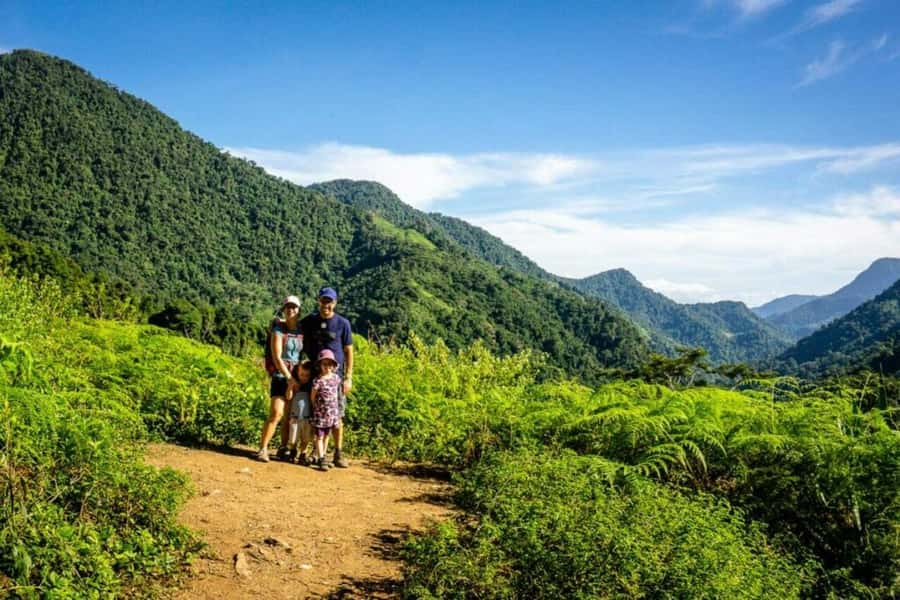
On the standard four-day itinerary, day two begins early with breakfast before a long walk toward the Wiwa camp beside the Buritaca River. This day covers about 14.7 kilometers and takes around seven hours, with much of the route uphill.
The riverside camp provides a chance to bathe, rest, and eat lunch. You may cross streams during the trek, so quick-dry clothes and secure hiking shoes are useful. Flip-flops are handy at camp, but they are not a substitute for proper footwear on the trail.
From the river, you continue through thick jungle toward Mutanyi, a Kogui indigenous village made up of several homes. This is one of the most meaningful parts of the route because the cultural connection is not separated from the walking. You are seeing communities in the same mountain region that gives the Lost City its living context.
Expect this to be one of the harder days. Seven hours of walking in hot, humid conditions can leave you tired before the trip reaches its main destination. A guide can help set the pace, but you still need enough fitness to keep moving over uphill and downhill sections.
On the six-day itinerary, this section is spread out. Day two includes only about three hours of relatively gentle walking and time near an indigenous reserve connected with Wiwa and Kogui culture. That is a strong reason to choose six days if cultural exchange matters as much to you as reaching the ruins.
Another trail to compare in the world:
- Mount Etna: Summit Crater Trek with Cable Car
★ 4.8 · 1,875 reviews - La Palma: Tajogaite Volcano Guided Trek
★ 4.8 · 1,810 reviews - Etna: summit craters trekking with volcano guide 3350mt
★ 4.7 · 1,712 reviews - From Rethymno: Samaria Gorge Full-Day Trek, Pickup & Guide
★ 4.5 · 1,610 reviews
Day three: The long route toward the ruins
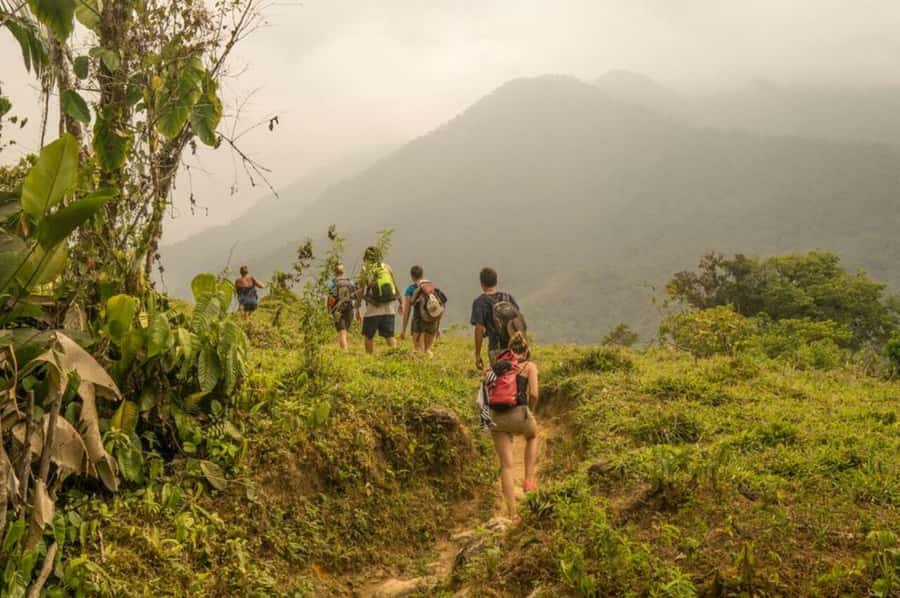
On the four and five-day versions, day three is the headline day. Breakfast comes early, followed by the climb toward the Lost City. The stairway is the famous part, but it is not the only challenge. The trail is humid, the stone can be slippery, and the climb comes after several hours of jungle walking.
At the site, your guide explains the Tayrona construction, terraces, roads, plazas, and stories tied to the area. The setting is powerful because the ruins remain surrounded by forest rather than modern development. You have time for views and photographs before returning to camp.
The day totals about seven hours, with around six kilometers of uphill and downhill walking. After lunch, you continue toward the Wiwa camp for the night. This return route can feel surprisingly demanding because your body has already spent energy on the climb to the site.
On the six-day plan, the archaeological visit comes on day four. Before that, day three takes you down toward the Buritaca River valley, past indigenous homes in Mutanyi and toward another camp. You have time for a river bath, breaks, and explanations about local plants and animals. At night, guides share stories and experiences at camp, a small but welcome part of the slower schedule.
Day four: Returning to El Mamey
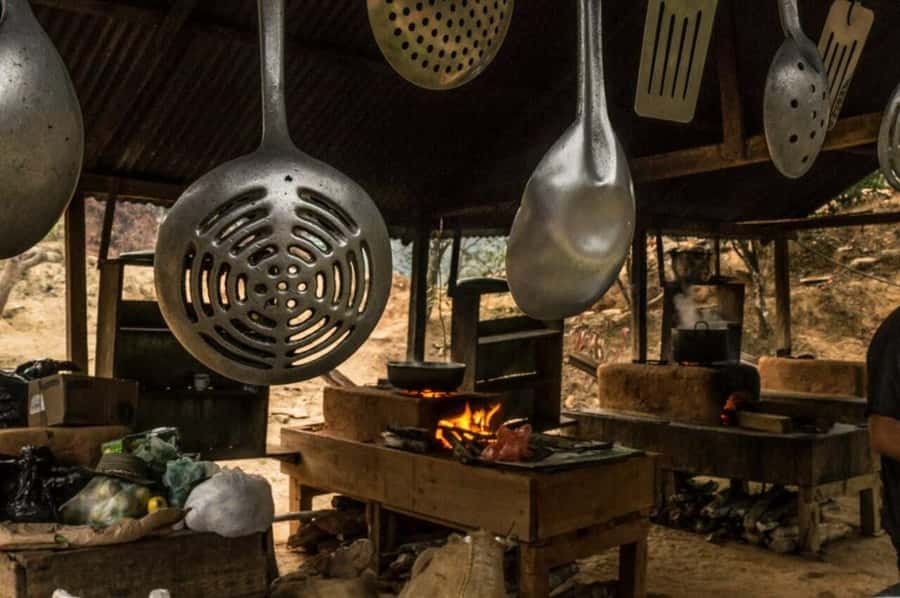
On the four-day trip, the final day begins with breakfast and a two-hour walk to the camp used on the first night. There, the group separates. Four-day hikers continue with another four hours of walking to El Mamey, where lunch and the 4×4 ride back to Santa Marta await.
That is a full final day, not a gentle departure morning. If your legs are sore, the last stretch may feel longer than expected. Plan to keep water, sunscreen, and snacks accessible rather than buried in your main luggage.
Five-day hikers stop at the first-night camp and spend the rest of the day resting, enjoying the views, and talking with other people in the group. The final walk to El Mamey comes on day five after breakfast.
For the six-day trip, the return is also spread out. After visiting the Lost City on day four, you walk back toward a camp for lunch and overnight accommodation. Day five takes you to another camp where you can rest for the afternoon. Only on day six do you walk to El Mamey for lunch and the 4×4 ride to Santa Marta.
Camps, food, water, and comfort
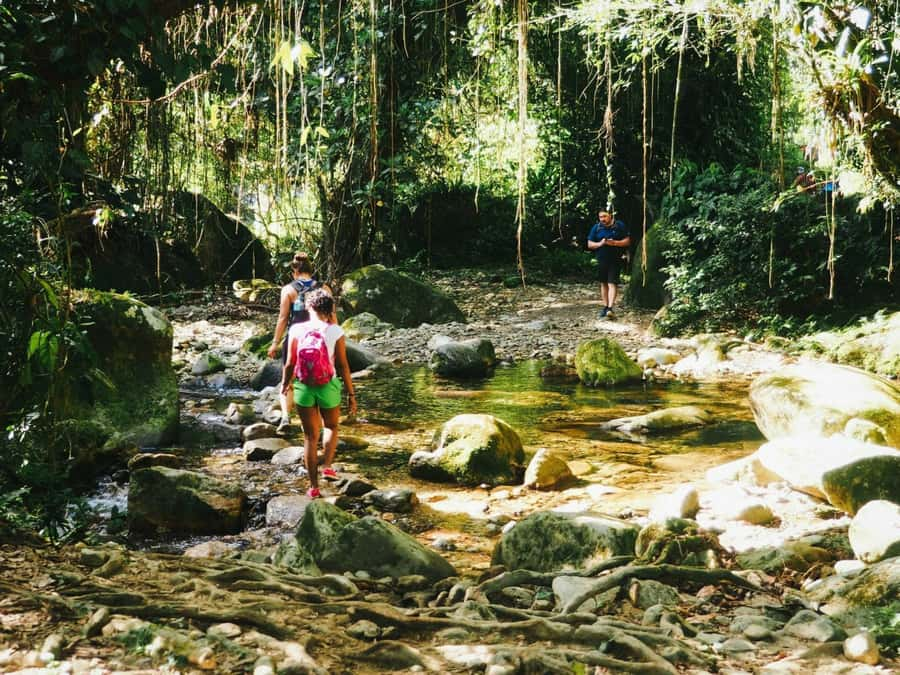
The camps are basic but functional. You sleep in hammocks or beds protected by mosquito nets, with electricity, toilets, and showers available. Bring a towel, toiletries, insect repellent, warm clothing for the cooler evenings, and a flashlight.
The daytime climate usually ranges from 26 C to 32 C, with high humidity. Nights can cool to around 18 C. Rain often arrives near sunset, and sections of the trail can become muddy and slippery. A lightweight rain jacket or other rain gear is essential.
Breakfast, lunch, and dinner are included, along with purified water, fruit, and walking snacks. Drinks beyond water are not included. Bring cash if you want items such as soft drinks or other purchases along the route.
Food is served in camp kitchens connected with the local communities. You should expect filling, practical meals rather than restaurant choice. Carrying a few personal snacks can be wise, especially if you need more food during the longer walking days.
Guides, group size, and the human side of the trek
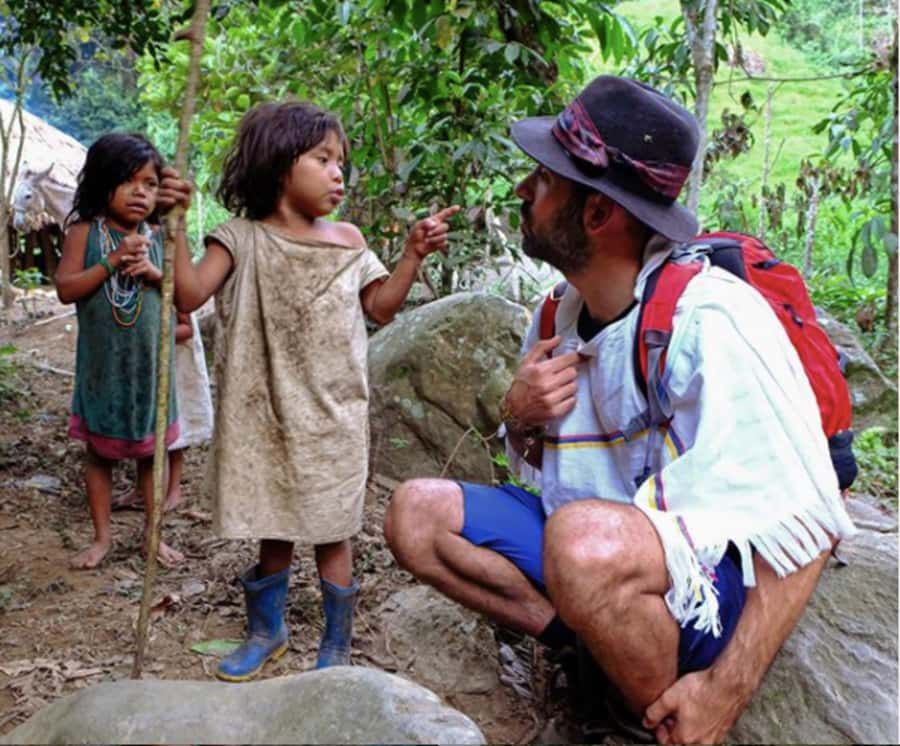
Groups are limited to 15 people, which is small enough for a guide to keep track of the group and explain details along the way. Guide service is available in Spanish and English.
The guide team can shape the experience. Departures have included guides and interpreters such as Arghenith, Francisco, Miguel, Coco, Victor, and Emilie. Names and roles may vary, but the important point is that the trip is designed to keep you with a professional guide throughout.
An indigenous guide can add useful context about the communities, the route, and the meaning of the Lost City. English interpretation may also be provided, which matters if you do not speak Spanish. Do not treat the cultural element as a staged performance. The communities live and work in the area, and the camps are part of that local economy.
The experience is social by nature. You walk, eat, sleep, and rest around the same small group for several days. That can be a pleasure if you enjoy shared effort. It can also be tiring if you need privacy or dislike group travel.
Is $713 a fair price?
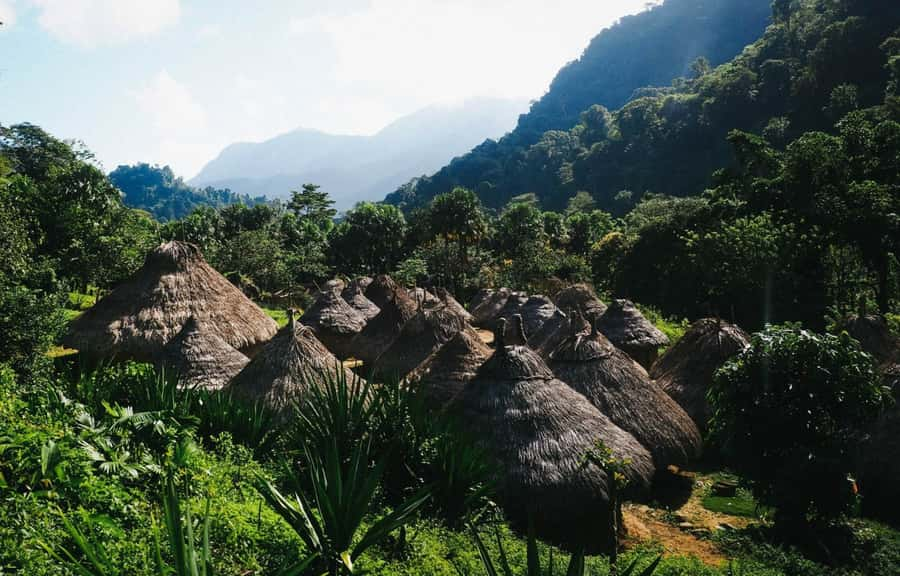
At $713 per person for the four-day experience, the cost is high compared with a simple day hike. The price includes the archaeological entrance, three meals a day, purified water, fruit, snacks, camp accommodation, accident insurance, 4×4 transport between Santa Marta and El Mamey, luggage storage, and guide service.
That package covers the core costs, so you do not need to arrange separate transport, food, or site entry. Contributions also support indigenous communities in the area. Those inclusions improve the value, especially on a route where independent logistics would be difficult.
Still, you should budget for drinks and personal needs. Extra charges for items such as soft drinks, sports drinks, or transport assistance are not included. One particularly important point is that service quality can vary between camps because local accommodation and food providers operate independently.
The price is easiest to justify if you want a guided, organized trip with cultural interpretation and a small group. If you are judging it only by the level of accommodation or the amount of food, it may feel expensive.
Who should book this trek?
You should consider it if you enjoy active trips, can handle long days in heat, and want a meaningful route to an archaeological site rather than a quick sightseeing stop. The six-day option suits you if you prefer a slower pace or want more time with the cultural and river sections.
You should think twice if you are not accustomed to sustained hiking. This trek is not suitable for pregnant women or wheelchair users, and it is a poor match for anyone expecting paved paths, air conditioning, or comfortable overnight rooms.
Pack hiking shoes with good grip, quick-dry clothing, sunscreen, swimwear, a towel, rain gear, insect repellent, socks, toiletries, personal medication, cash, a charged phone, and a small daypack. Drones are not allowed.
The experience has a 4.8 rating from 40 published ratings, with especially strong praise for organization, guides, interpreters, encouragement on difficult sections, and filling meals. At the same time, complaints have focused on the demanding physical effort, crowded transport, occasional food problems, and the overall cost. Those are not minor details. They are the facts you should use to decide.
Should you book the Lost City trek?
Book it if the journey matters as much as the ruins. You will hike through rivers and jungle, sleep in simple camps, learn about Wiwa and Kogui culture, and reach a site that takes real effort to access.
Choose four days only if your fitness and schedule support long walking days. Choose five for a little more recovery time. Choose six if you want the most forgiving pace and the best chance to enjoy the cultural stops instead of simply pushing toward the finish.
This is a serious trek with a memorable payoff. It suits an adventurous person who values local connection and archaeological wonder more than comfort. It does not suit someone looking for an easy excursion.
FAQ
How long does the Lost City trek last?
You can choose a four, five, or six-day trek. The listed experience is a four-day option, with longer versions available for a slower itinerary.
What is the price?
The listed price is $713 per person.
Where does the trek begin?
The tour starts with pickup in Santa Marta, Rodadero, or Taganga, followed by a 4×4 drive to El Mamey. Pickup is not included from Bonda, Minca, Palomino, or locations outside the urban perimeter.
How difficult is the hike?
It is physically demanding, with walking days of up to about seven hours. The route includes uphill and downhill sections, muddy trail, river crossings, and a climb of 1,200 stone steps to the Lost City.
What languages do the guides speak?
Guide service is available in Spanish and English.
How large is the group?
The group is limited to 15 participants.
Where will I sleep?
You will sleep in jungle camps in a hammock or bed with a mosquito net. Camps have electricity, toilets, and showers.
Are meals included?
Breakfast, lunch, and dinner are included. Purified water, fruit, and snacks for the walk are also provided.
Do I need to bring a towel and swimwear?
Yes. The route includes natural pools, waterfalls, and rivers where you may have opportunities to cool off.
Is the trek suitable for wheelchair users or pregnant women?
No. The experience is not suitable for wheelchair users or pregnant women.
Latest treks added in the world
- Elite Experience Atlas Mountains Day Trekking★ 5.0 · 7 reviews
- 5 Days Desert Trekking from Marrakech★ 5.0 · 16 reviews
- 3 days Toubkal Trek from Marrakech★ 5.0 · 4 reviews
- 3 Days Berber Villages Trek – Authentic Atlas Mountain Experience★ 5.0 · 4 reviews
- Morocco Desert Trek 4 Days: 2 days on foot in Morocco★ 5.0 · 2 reviews
- Atlas Mauntains and 3 Valleys Trek★ 5.0 · 6 reviews
- Atlas Mountains Valley Trek – 3 Days★ 5.0 · 29 reviews
- 5-day Jebel M’goun trek★ 5.0 · 2 reviews
Trekking Tours, compared.
Mount Etna: Trek to 3000m with cable car and 4×4
Read our review →
Mount Batur Sunrise Trek With Guide and Breakfast
Read our review →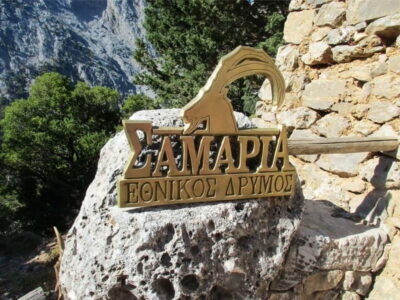
From Chania: Full-Day Samaria Gorge Trek Excursion & Guide
Read our review →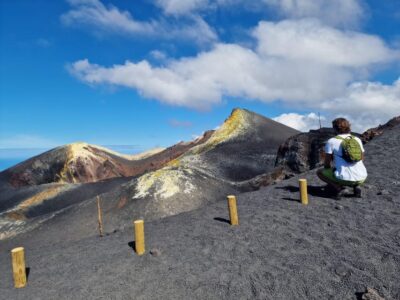
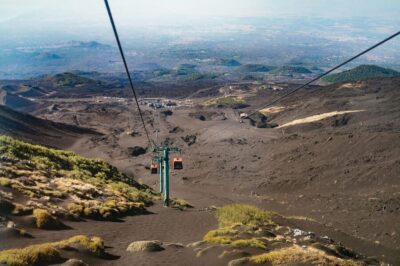
Etna: summit craters trekking with volcano guide 3350mt
Read our review →
From Rethymno: Samaria Gorge Full-Day Trek, Pickup & Guide
Read our review →
Mount Etna Trekking Tour Beyond the Tourist Trails
Read our review →