
REVIEW · SAPA
Mountain Views And Villages Trek
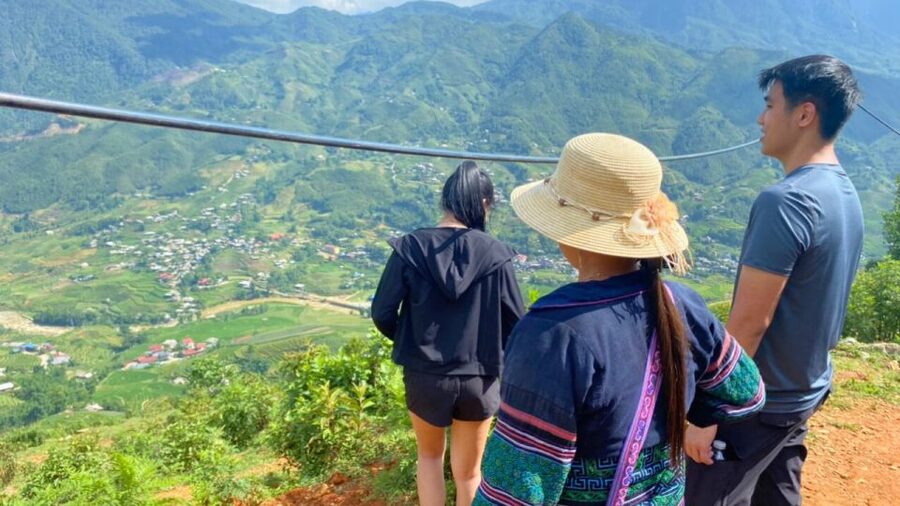
Sa Seng Mountain gives you the best reason to book this outing: after a steep climb from Sapa, you look across the famous Muong Hoa Valley from roughly 1,900 meters. The reward is a broad view of rice terraces, Sapa, and the valley river, followed by a walk through Black Hmong villages rather than a quick roadside photo stop.
I like the village-to-village route, which lets you see buffalo, pigs, rice work, homes, and daily routines in context. I also like the practical value: lunch, village fees, a small bottle of water, and transport back to Sapa are included for $38.
The main caution is the steep and slippery trail, especially after rain. Some local women may help you over difficult sections and later sell handicrafts, and the sales pressure can feel uncomfortable. Bring proper shoes and decide in advance how you want to handle purchases.
Key Points At A Glance
- 1,900-meter summit: Climb Sa Seng Mountain for views over Sapa, Muong Hoa Valley, and its large river.
- Black Hmong villages: Walk through Hang Da and Hau Thao to see homes, farming, animals, and local routines.
- Eight-hour day: The tour generally runs from around 9 AM until about 3:30 PM, with pickup in Sapa.
- Steep first climb: The initial uphill section covers about 1 kilometer and takes roughly an hour, with the wider hiking schedule listing 80 minutes.
- Lunch with limits: A local family restaurant serves rice or noodles, with chicken and tofu selected by the guide.
- Useful inclusions: You get an English-speaking guide, lunch, village entry fees, water, and transport back to Sapa.
Why Sa Seng Mountain Is The Main Event
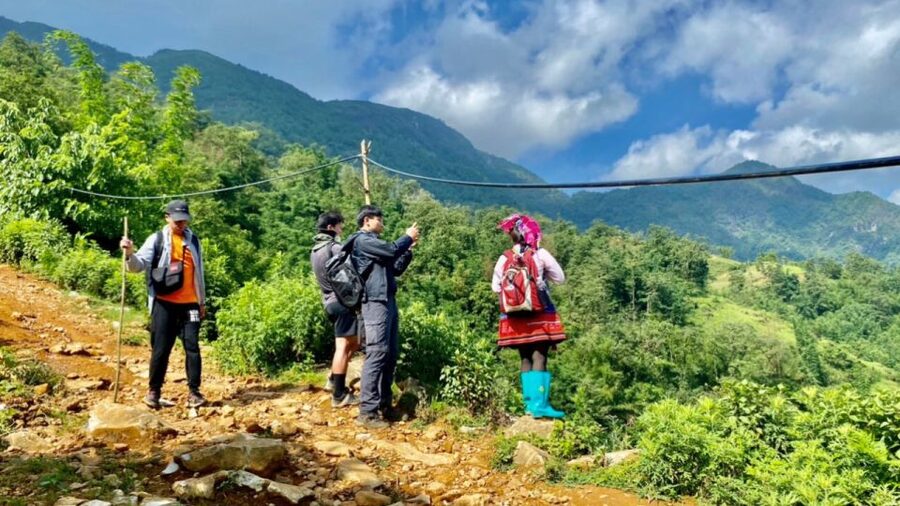
This is not a gentle stroll around Sapa. The day begins with an uphill trail of about 1 kilometer, leading toward the Sa Seng Mountain summit. The walk takes around an hour, though the itinerary allows about 80 minutes for the Ham Rong Mountain section, including time for photos.
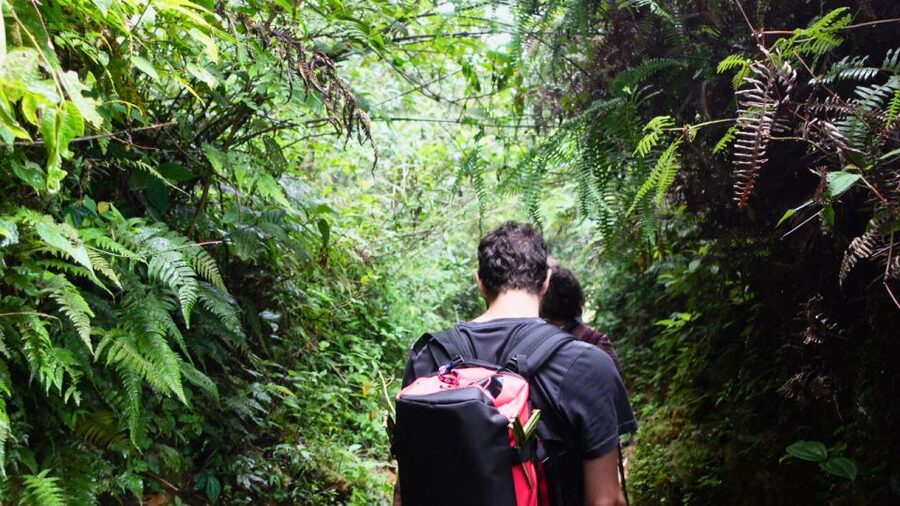
The climb is the work of the day. You should expect uneven ground, a steady incline, and sections that become slippery in wet weather. The tour is not suitable for people over 70, and that restriction makes sense given the climb and the later descent through village paths.
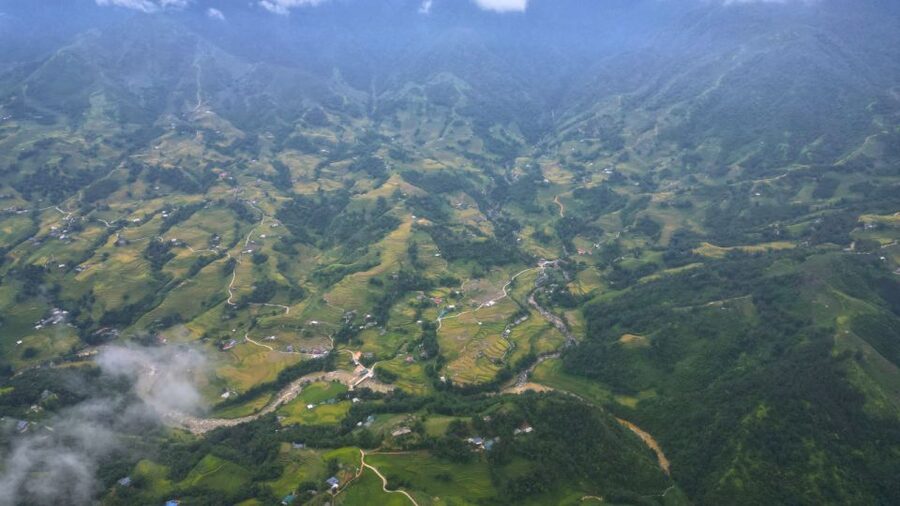
At the top, the view does the heavy lifting. You can look down toward Sapa and across Muong Hoa Valley, where the rice terraces form the familiar stepped pattern of northern Vietnam. The view also reaches the valley’s largest river, giving you a useful sense of how the villages and fields fit together.
I like this start because it gives the cultural part of the walk a clear setting. You first see the land from above, then descend into the communities that farm it. That connection helps explain why rice cultivation, water, slopes, and house building matter so much here.
More Trekking Tours in Sa Pa
- Sa Pa: Muong Hoa Valley Trek and Local Ethnic Villages
★ 4.6 · 864 reviews - Sapa: Eco Adventure Terrace Fields and Local Villages Trek
★ 4.9 · 636 reviews - Number one top rated ethical cultural trekking and homestay by ETHOS
★ 5.0 · 456 reviews
From Sapa Pickup To The Mountain Trail
Pickup takes place in Sapa town, generally around 9 AM. You can arrange pickup from your hotel, or meet near Sapa Church, a useful option if your accommodation sits outside the practical pickup route.
Wait in your hotel lobby five minutes before the scheduled time. The return is expected around 3:30 PM, so this is a full day but not a late-night outing. You can plan an evening meal, bus connection, or other Sapa activity afterward, but leave yourself a little breathing room in case the walk runs long.
The activity lists Ham Rong Mountain, Sapa, as the first major stop. The name can be confusing because the route then heads toward Sa Seng Mountain and the Muong Hoa side of Sapa. For you, the important point is that this is the uphill mountain section, not a flat city walk.
A short introduction comes before the walking begins. Use that moment to ask about the route, lunch, the expected pace, and how the guide handles local sellers. A simple question early in the day can prevent confusion later.
The View Over Muong Hoa Valley
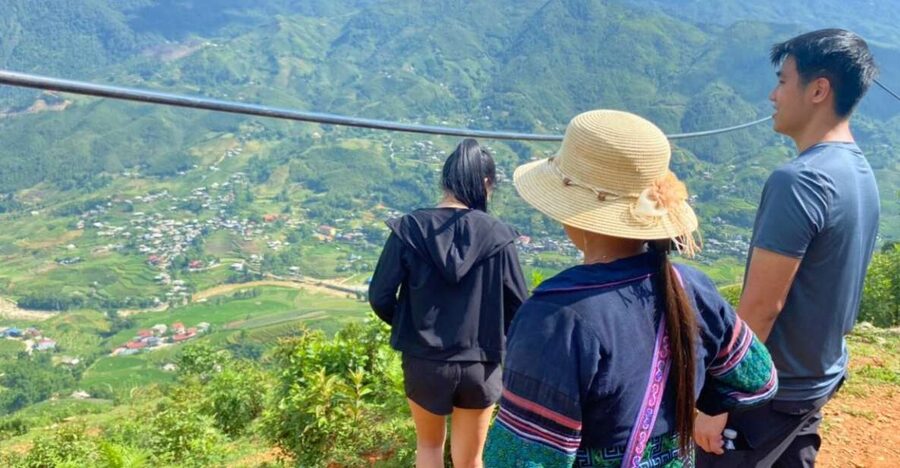
The summit stop is designed for photos, but it deserves more than a quick camera pause. The Muong Hoa terraces are one of the defining sights around Sapa, and the high viewpoint lets you see their shape across the valley rather than only from a narrow trail.
The terraces change with the farming season. At one time of year, you may see water reflecting in the fields. At another, the slopes may look green or show the color of ripe rice. The supplied information does not guarantee a particular season or crop stage, so treat the view as seasonal rather than fixed.
From here, your guide can explain rice farming and the way slopes are used. The guide also covers house construction and Hmong customs later in the route. That makes the stop more useful than a photo alone, since you can connect what you see below with the work described on the ground.
Take care with the edge of the trail and do not rush the photo stop. Comfortable shoes, warm shoes, rain gear, sunscreen, and insect repellent are all recommended. The mountain can feel cool, while the walk lower down may feel warmer.
Descending Into Hang Da Village
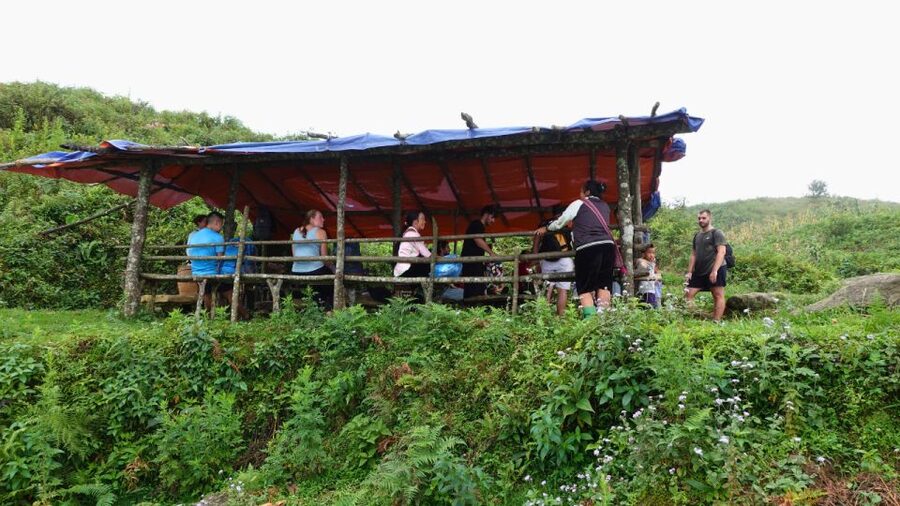
After the mountain views, the route heads downhill toward Hang Da, a Black Hmong village. This change in pace is welcome, though a downhill trail can be hard on knees and just as slippery as the climb.
Hang Da is where the tour shifts from scenery to daily life. You may see buffalo, pigs, and other local animals as you pass through the village. These are not staged attractions. They are part of the working environment, and your guide can explain how village life connects to farming and household routines.
The stop includes time for photos and a break. Be respectful around homes and animals, and follow the guide’s direction about where to walk and when to take pictures. The purpose is to observe the village, not turn every doorway into a photo set.
The Black Hmong connection is central to this day. Your guide explains customs and traditions, including marriage practices, rice cultivation, and construction methods. Those subjects give you more useful context than a short label about ethnic identity.
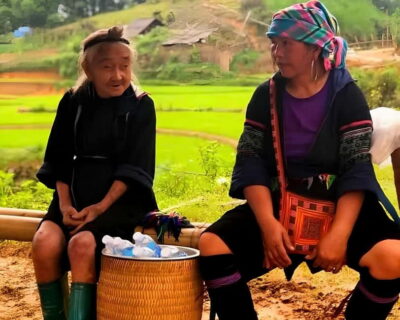
One practical issue deserves clear attention. Local Hmong women may walk with the group and offer a hand on difficult sections. That help can be kind and useful, but it may be followed by attempts to sell purses or other handicrafts. You are not required to buy anything, and you should not feel that assistance creates a debt.
A polite no is enough. If you want to buy something, agree on the price and check the item before paying. One account describes a small purse offered for 200,000 Vietnamese dong, which felt expensive for its size. The best approach is to set your own budget and avoid buying simply from pressure.
Another trail to compare in Sa Pa:
- From Sapa: 1-Day Guided Trek to Lao Chai & Ta Van with Lunch
★ 4.9 · 416 reviews - Sa Pa Full Day Trekking Tour
★ 5.0 · 414 reviews - Sapa 1 Day Long Trek: Trek to Hau Thao and Sa Seng Villages
★ 4.6 · 344 reviews - Explore Sapa by TrekkingAdventures, Mountain,Rice fields
★ 4.9 · 229 reviews
Lunch At Manh Dien Restaurant
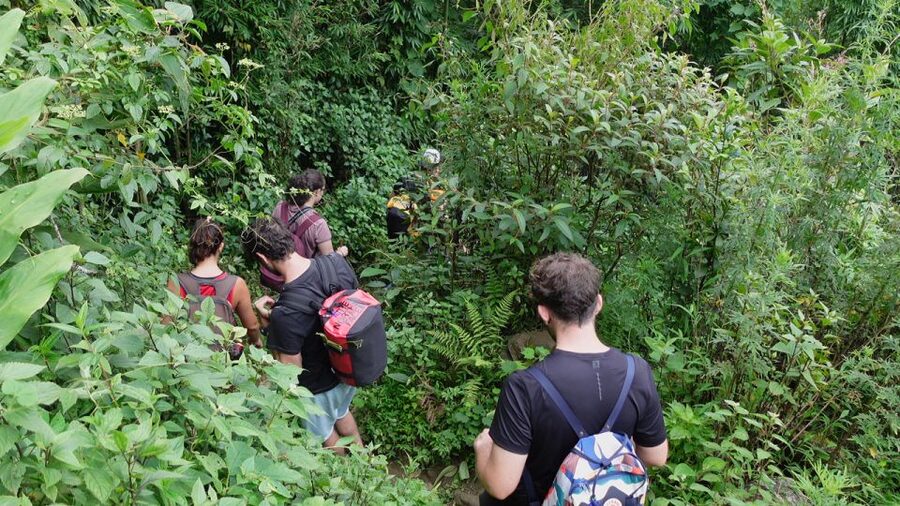
Lunch is scheduled at Manh Dien Restaurant, a local family-run place. You receive one lunch as part of the $38 price, which helps keep the day’s cost predictable.
The meal may involve a choice between rice and noodles, while the guide selects dishes such as chicken and tofu. This is not a broad restaurant menu where every person designs a separate meal. If you dislike tofu, have dietary limits, or need more food, tell the guide early.
A previous meal arrangement left two people sharing one plate of chicken after rejecting tofu, and the portion was not enough for them. That does not mean every lunch will be the same, but it is a useful warning. Ask what will be served before the food arrives, and bring a small snack if you tend to eat more after a long climb.
The restaurant may also have local sellers nearby. Several sellers, including children, can make the lunch stop feel crowded or persistent. You can enjoy the meal without purchasing anything. Keep your response friendly but firm, and remember that supporting local crafts is a personal choice, not part of the tour fee.
Extra drinks are not included. Bring additional water if you need more than the small bottle supplied, and budget for drinks such as bottled water or beer.
Hau Thao And The Working Village Route
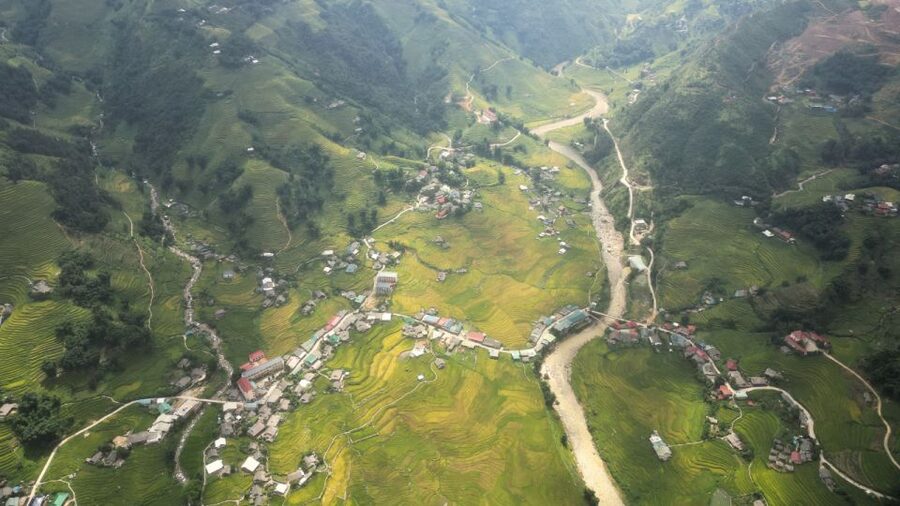
After lunch, the walk continues along a smaller road to Hau Thao, another Black Hmong village. This section gives you a slower look at village routines and may include rice planting or harvesting, depending on the season.
The seasonal point matters. You should not book expecting to see planting or harvesting on a fixed date. The guide can explain what is happening at the time of your visit, but farm work naturally changes through the year.
Hau Thao also gives you another chance to see how people use the land around their homes. The guide discusses rice production and house construction, topics that become easier to understand after you have already seen the terraces from above.
The walking here is not only about a scenic finish. It is the part of the route where you can watch ordinary activity at a closer pace. Keep your group moving, avoid blocking paths, and ask before photographing people.
The tour then reaches Giang Ta Chai village, where transport waits on the main road. You ride back to Sapa rather than walking the entire way into town. That final vehicle transfer is included and saves you from another long stretch on foot.
What The $38 Price Really Covers
At $38 per person, this is a strong value if you want mountain views and village access in one day. The fee includes a guide who speaks English, lunch, village entry fees, a small bottle of water, and transport from the villages back to Sapa.
Those inclusions matter because a low headline price can rise once you add meals, entrance charges, and a return ride. Here, the major practical costs are already bundled.
The price does not include personal travel insurance or extra drinks. It also does not include handicrafts, so set that spending apart from the tour budget.
Group size is not specified, so you should not assume a private walk or a small group. The route may feel less personal when several groups meet at the same restaurant or village stop. One concern raised about the experience was ending up with other tour groups on essentially the same route. If privacy matters to you, ask the operator about group size before booking.
Shoes, Weather, And Physical Effort
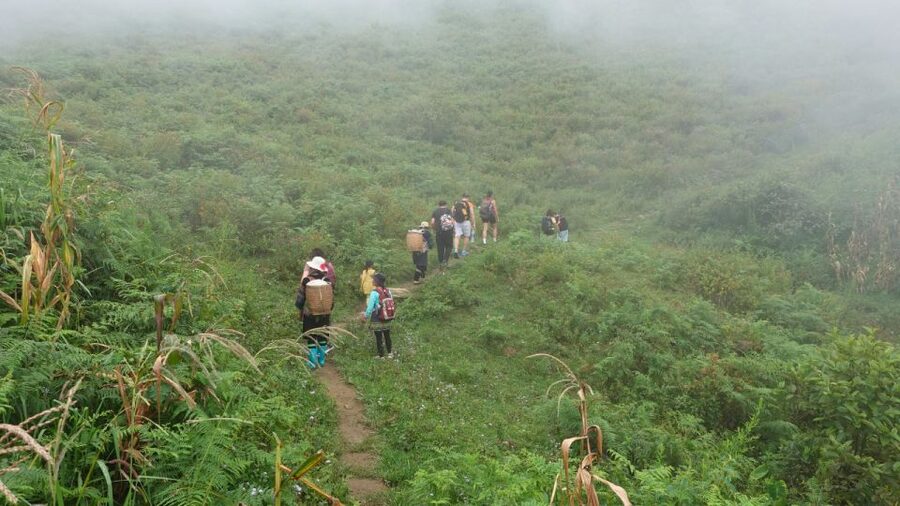
Your footwear will shape the day. The trail can become very slippery, and ordinary city trainers may not give enough grip. Wear comfortable walking shoes with a solid sole, and choose footwear that you do not mind getting muddy.
Rain gear belongs in your day bag even if the forecast looks good. Mountain weather can change, and wet ground makes the climb and descent harder. Warm shoes are recommended, while sunscreen and insect repellent cover the other common annoyances.
Wear comfortable clothes that allow free movement. Keep your camera protected from rain and carry only what you need. Since the route includes an uphill climb, a downhill village walk, a restaurant stop, and more walking afterward, a heavy bag will become tiresome.
This outing suits people who can manage a steady uphill trail and uneven village paths. It is a poor fit for anyone seeking an easy sightseeing day, someone with limited mobility, or anyone unwilling to walk in wet conditions.
Cultural Etiquette And The Sales Question
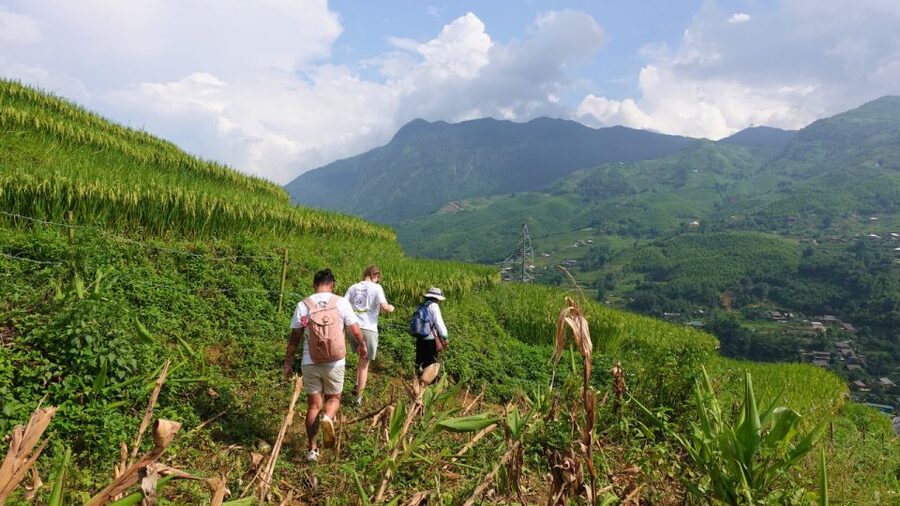
The strongest part of this experience is the chance to learn about Black Hmong life from a local guide while walking through actual villages. You hear about marriage customs, rice farming, and building methods in places where those subjects are part of daily life.
That access also requires good manners. Villages are homes and workplaces, not open-air exhibits. Ask before photographing people, avoid entering private areas, and let the guide handle questions about customs when possible.
Sales pressure is the difficult side of the cultural contact. Women may help with rough sections, then offer handmade goods. The help may be sincere, and the selling may still feel uncomfortable. Both things can be true.
I would decide your policy before the walk. You can buy one useful item at a fair price, buy nothing, or explain politely that you are not shopping. Do not promise a purchase in exchange for help. If you need assistance on the trail, accept it with thanks while keeping the two matters separate.
Booking, Cancellation, And Practical Planning
Pickup is included in Sapa town, with the Sapa Church meeting point available as an alternative. Leave luggage at your Sapa hotel if possible. If you do not have a Sapa hotel, the operator’s office at 09 Thac Bac Street can store it, and a shower is available there after the tour.
The operator can also arrange bus or train tickets from Hanoi and back if you need help with onward travel. That service is separate from the walk, so contact the company in advance rather than assuming it is included.
The activity offers free cancellation up to 24 hours before departure for a full refund. You can also reserve now and pay later, which is useful when your Sapa plans depend on weather or transport.
The tour is offered in English and Vietnamese. Bring your booking details, arrive five minutes early, and keep your afternoon open until roughly 3:30 PM.
Should You Book Mountain Views And Villages Trek?
Book this tour if you want a proper mountain walk, wide Muong Hoa Valley views, and a direct look at Black Hmong villages for a reasonable price. The combination of a 1,900-meter viewpoint, two village areas, a local lunch, and return transport gives you more substance than a short Sapa photo outing.
Think twice if you dislike steep trails, slippery ground, shared meals, or persistent souvenir selling. You may also prefer another option if you want a private group, since the group size is not stated and several groups can gather at the same stops.
For most reasonably fit visitors who pack good shoes and keep their expectations practical, this is a worthwhile full-day introduction to the mountains around Sapa. Go for the views and the walking first. Treat the lunch and shopping stops as useful extras, not the main reason to book.
FAQ
How long does the Mountain Views And Villages Trek last?
The activity lasts one day. Pickup is generally around 9 AM, and the tour is expected to finish around 3:30 PM when you return to Sapa.
Where does pickup take place?
Pickup is available in Sapa town. You can also meet at the Sapa Church, and you should wait in your hotel lobby five minutes before the scheduled pickup time if using hotel pickup.
How high is the mountain viewpoint?
The route reaches a mountain peak at about 1,900 meters. The tour information identifies the uphill section with Sa Seng Mountain and also lists Ham Rong Mountain as an itinerary stop.
Is lunch included?
Yes. One lunch at a local family-run restaurant is included. The meal may offer rice or noodles, with dishes such as chicken and tofu selected by the guide.
Is bottled water included?
One small bottle of water per person is included. Extra drinks, including more bottled water or beer, cost extra.
What villages does the tour visit?
The route includes Hang Da and Hau Thao, both associated with the Black Hmong ethnic minority. The return transfer begins near Giang Ta Chai village.
What should I bring?
Bring comfortable clothing, comfortable and warm walking shoes, rain gear, sunscreen, insect repellent, and a camera.
Is the trek suitable for everyone?
No. The activity is not suitable for people over 70 years old. The route includes a steep uphill section and slippery mountain paths, so you should be comfortable with a full day of walking.
Can I cancel the tour?
You can cancel up to 24 hours in advance for a full refund. The activity also allows you to reserve now and pay later.
Latest treks added in Sa Pa
- Soob Sapa Trekking Tour★ 4.3 · 3 reviews
- Sapa: Y Linh Ho – Lao Chai, and Ta Van Trekking Day Tour★ 5.0 · 25 reviews
- Sapa Trekking – Waterfalls And H’mong Villages★ 5.0 · 2 reviews
- Sapa Trekking Private Tour With Ethnic Female Tour Guide★ 4.9 · 24 reviews
- Sapa: Ta Phin Village Trek with Lunch and Bathing Experience★ 4.7 · 13 reviews
- Sapa Trekking Guide Francophone 2 days – 1 night★ 5.0 · 2 reviews
- Sapa: Trekking Through Terraced Rice Fields & Valley 1 Day★ 4.8 · 4 reviews
- Sapa small groupe activities: 1 Day trek – Meet the locals★ 4.7 · 3 reviews
Sapa Trekking Tours, compared.
Muong Hoa Valley Trek and Local Ethnic Villages
Read our review →
Eco Adventure Terrace Fields and Local Villages Trek
Read our review →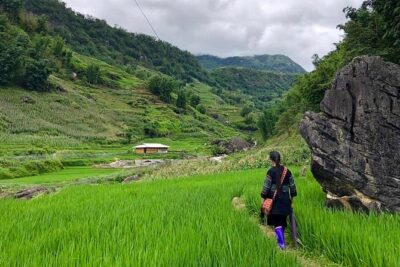
Number one top rated ethical cultural trekking and homestay by ETHOS
Read our review →
1-Day Guided Trek to Lao Chai & Ta Van with Lunch
Read our review →
Sapa 1 Day Long Trek: Trek to Hau Thao and Sa Seng Villages
Read our review →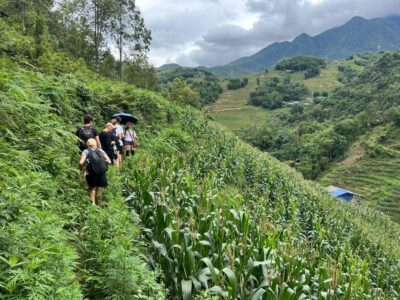
Explore Sapa by TrekkingAdventures, Mountain,Rice fields
Read our review →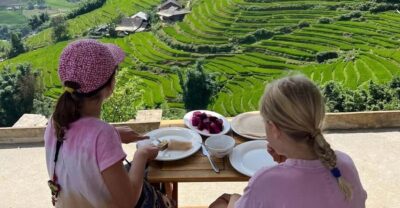
EXPLORE SAPA: 2D1N TREKKING & HMONG CULTURE WITH DINH
Read our review →Browse the lists this tour appears in