
REVIEW · KATHMANDU
Langtang Valley Trek – 8 days
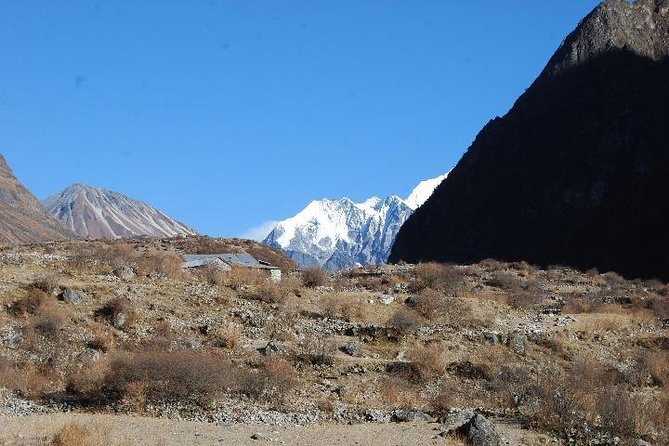
Langtang Valley gives you a real Himalayan trek without asking for two or three weeks away. In eight days, you travel from Kathmandu to Syabrubesi, climb through forest and Tamang villages, and reach Kyanjin Gompa at 3,870 meters. I especially like the Kyanjin Ri viewpoint, with its possible 360-degree sweep of more than 21 snowy peaks, and the chance to visit Nepal’s old Swiss cheese factory. The main caution is simple: this is a high-altitude trek, not a gentle mountain walk.
I also like the small-group format, capped at 10 people, and the fact that the price covers a guide, porters, meals, lodging, transport, and useful cold-weather equipment. The road to Syabrubesi and back takes seven to eight hours each way, and mountain guest houses charge extra for showers and electronic charging, so you need patience, cash, and realistic expectations.
The details that shape this trek
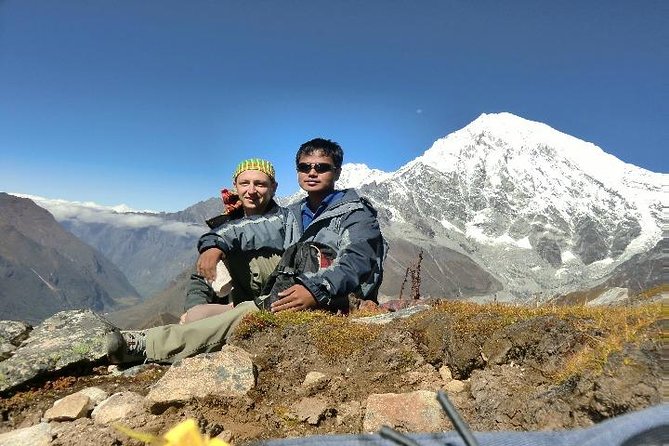
- Kyanjin Gompa at 3,870 meters: Your high point for overnight lodging and a base for mountain views and day hikes.
- Kyanjin Ri at 4,773 meters: An optional climb with a powerful 360-degree panorama of snow-capped peaks.
- Tamang villages and hospitality: The route brings you into the culture of an important Himalayan ethnic community.
- Langtang National Park: Pine, bamboo, and rhododendron forests offer possible sightings of red pandas, Himalayan tahr, and Himalayan black bears.
- A full package at $775.36: Airport transfers, Kathmandu lodging, meals, guide, porters, transport, taxes, and equipment are included.
- A compact eight-day schedule: You get a strong Himalayan experience, but little spare time if weather or road delays interfere.
Why Langtang works for a short Nepal trip
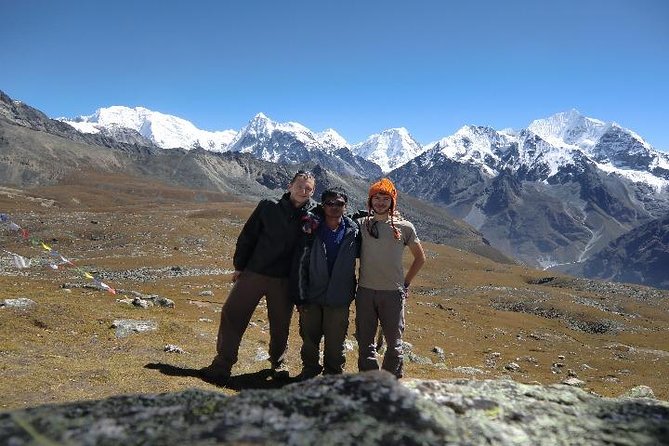
Langtang Valley is a good middle ground. Everest takes more time and usually brings heavier foot traffic. Annapurna offers more route choices and larger trekking infrastructure. Langtang gives you a quieter-feeling route with forests, villages, high peaks, and a clear destination in Kyanjin Gompa.
The route is also culturally distinct. Tamang communities live along much of the approach, and the trek is treated as a sacred journey through a valley with both natural and religious importance. You are not simply walking toward a viewpoint. You are moving through working villages, mountain lodges, forests, and an old high valley where local life remains part of the experience.
I like the way the itinerary builds gradually. You start at 1,420 meters in Syabrubesi, spend two nights climbing toward the upper valley, and only then reach Kyanjin Gompa. That progression matters at altitude. The schedule is still brisk, but it is more sensible than racing from Kathmandu straight into a high overnight stop.
The experience carries a top rating and a 100 percent recommendation rate from 15 published ratings. The strongest praise centers on smooth planning, friendly guides and porters, and the company’s ability to adjust a trek to a group’s time and ability. Kishwor is repeatedly singled out for organization and advice, while Ishwor, Madan, and Raz are also named in positive accounts of guiding and support.
More Langtang Treks in Kathmandu
- Langtang Valley Trek
★ 5.0 · 140 reviews - Langtang Valley Trek
★ 5.0 · 61 reviews - 8 Days Tour in Langtang Valley Trek
★ 5.0 · 45 reviews
Day 1: Kathmandu to Syabrubesi by bus
The first day is mostly a road journey. You leave Kathmandu for Syabrubesi, a drive of roughly seven to eight hours, and sleep at about 1,420 meters.
This is not the glamorous part of the trip, but it is useful to know what you are buying. The road transfer connects the capital with the trekking route, and a long drive gives you a fast change from city streets to mountain country. It also means your holiday begins with a full day of transport rather than an easy warm-up walk.
Keep your day bag organized. Water, snacks, medication, warm layers, and entertainment should stay within reach. The long bus ride can be tiring, and delays are possible in mountain transport. The itinerary allows no spare day here, so an unexpected delay could affect the walking schedule.
Airport pickup is included, as are two nights in a two- or three-star Kathmandu hotel with breakfast. The exact arrangement gives you a practical start and finish, without asking you to organize transfers after an international flight.
Day 2: Syabrubesi to Lama Hotel
The trek begins with a five- to six-hour walk to Lama Hotel at 2,340 meters. You leave the road behind and enter the forested route toward Langtang Valley.
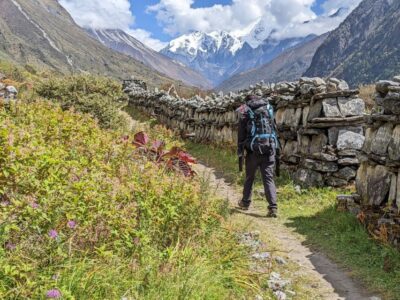
The scenery changes through pine, bamboo, and rhododendron forest. That variety is one of the route’s pleasures. The lower trail is not just a march toward the mountains. It gives you shade, plant life, and a chance to settle into the steady pace needed for several days on foot.
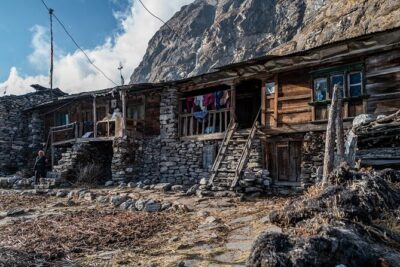
Lama Hotel is a simple mountain stop, not a polished resort. Local guest houses provide the basic necessities, and the package includes lodging and meals. You should expect straightforward rooms and shared facilities rather than hotel comforts. Hot showers and electronic charging cost extra, and tea, coffee, chocolate, alcohol, and personal purchases are not covered.
Day 3: Lama Hotel to Langtang village
The third walking day takes five to six hours and brings you to Langtang village at 3,480 meters. This is a meaningful gain in elevation, so your pace should remain controlled.
The route continues through forest before opening toward the upper valley. You begin to feel the mountains more clearly here, both in the views and in the effort required. Langtang village is a strong cultural stop because the route passes through a Tamang community rather than a chain of anonymous trekking lodges.
The altitude deserves attention. You are now high enough that a headache, poor sleep, or unusual fatigue should be reported to your guide. The itinerary is designed for people with moderate fitness, but fitness alone does not remove the effects of altitude. Walk slowly, drink regularly, and use the guide’s judgment if you feel unwell.
The support structure is one of the tour’s better features. A government-authorized guide and porters are included, along with guide and porter wages, insurance, food, and accommodation. That makes the trek easier to manage than carrying every item yourself, while still leaving you with the physical work of walking uphill.
More Trekking Tours in Kathmandu
- Everest Base Camp Trek – 14 Days
★ 5.0 · 1,499 reviews - Everest Base Camp Trek
★ 5.0 · 842 reviews - Everest Base Camp Trekking
★ 5.0 · 485 reviews - Annapurna Circuit Trek with Tilicho Lake
★ 5.0 · 368 reviews
Day 4: Langtang village to Kyanjin Gompa
This is a shorter walking day, about four hours, but it takes you to the trek’s high base at 3,870 meters. Kyanjin Gompa is the central destination of the route and the place where the valley’s mountain character becomes most dramatic.
The village offers several things to do beyond taking photographs. You can visit the monastery and stop at one of Nepal’s oldest Swiss cheese factories. Sampling the cheese adds a small, human detail to the high-altitude experience. It reminds you that these settlements are places of work and daily life, not just staging points for hikers.
Kyanjin Gompa is also valuable because you stay put for exploration. That extra day gives your body time to adjust and lets you see more of the upper valley without repacking your bag. In an eight-day itinerary, this is a smart use of time.
Do not expect a wide choice of dining or shopping. The appeal is the setting, the local hospitality, the monastery, and access to high viewpoints. Mountain weather can shift quickly, so the best view may come early in the day.
Day 5: Choosing between Kyanjin Ri, Tserko Ri, and Langshisa Kharka
The exploration day is the trek’s main point of flexibility. You may choose among day trips to Kyanjin Ri at 4,773 meters, Tserko Ri at 4,985 meters, or Langshisa Kharka.
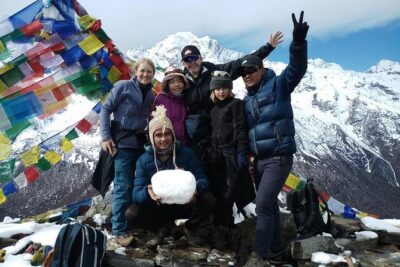
Kyanjin Ri is the clearest choice if you want a high viewpoint without adding another overnight. At 4,773 meters, it is a serious climb, but the reward is a reported 360-degree panorama including more than 21 snow-capped peaks. If the weather is clear, this should be the day you remember most.
Tserko Ri rises higher, to 4,985 meters. The extra elevation makes it a more demanding option, and your fitness and acclimatization matter. The schedule describes it as an optional day trip, so you are not forced to take the highest route.
Langshisa Kharka offers another way to see the upper Langtang area. The itinerary does not provide a distance or walking time for these options, so ask the guide to explain the day’s plan, current conditions, and expected effort before choosing.
This is where an experienced guide can make a practical difference. Kishwor is named repeatedly for organization and personal advice, while guides including Madan and Raz have been praised for support on the trail. Your assigned guide may differ, but you should expect the company to provide a government-authorized local guide.
Wildlife, forests, and the Langtang setting
Langtang National Park was established in 1976 as Nepal’s first protected Himalayan area. The park gives the route a stronger natural focus than a simple village-to-village walk.
You pass through pine, bamboo, and rhododendron forest, with possible sightings of red pandas, Himalayan tahr, and Himalayan black bears. These animals are not guaranteed, and you should not choose the trek expecting a wildlife safari. The real pleasure is moving through protected mountain country where the forest remains part of the journey.
The valley is also considered sacred. That helps explain the presence of monasteries, prayer sites, and the respectful atmosphere around Kyanjin Gompa. You will get more from the walk if you treat villages and religious places as living communities, not photo backdrops.
Days 6 and 7: Returning by a different village route
Day 6 reverses the route from Kyanjin Gompa to Lama Hotel, taking six to seven hours. The downhill direction is often easier on the lungs, but it can be hard on knees and thighs. Poles may help, especially on long descents.
Day 7 continues from Lama Hotel to Syabrubesi through Sherpa Gaon, taking five to six hours. This gives the return a little variety instead of repeating every step of the outward journey. Sherpa Gaon also adds another village perspective to a route already shaped by Tamang culture and mountain hospitality.
The final walking days are not merely a wind-down. You still cover substantial distances, and tired legs can make ordinary descents feel long. Keep some energy in reserve after Kyanjin Ri or Tserko Ri. Your guide can help set a sensible pace.
Day 8: Returning to Kathmandu
The final day is another bus journey from Syabrubesi to Kathmandu. Allow for a full travel day and avoid scheduling an important international connection immediately afterward.
The package includes transport for the trek and returns you to the Breeze Adventure meeting point in Thamel, Kathmandu. It also includes a post-trek celebration dinner, which gives you a comfortable final moment with the group after the mountain section.
At $775.36 per person, the value is strong if you use most of the inclusions. You are not paying only for a guide and a route. The price includes airport transfers, two Kathmandu hotel nights with breakfast, mountain lodging, three daily meals during the trek, porters, guide wages, insurance, transport, taxes, a map, a first-aid kit, sleeping bag, down jacket, and crampons.
The exclusions still matter. International airfare, Kathmandu meals apart from breakfast, drinks, snacks, shopping, showers, charging, and tips are yours to cover. Build a cash buffer for those costs. The price looks best for someone who needs a complete package and does not already own trekking gear.
Who should book the Langtang Valley Trek?
I would choose this trek if you want a short Himalayan route with real altitude, village life, forests, and a strong mountain viewpoint. It suits a person with moderate fitness who can handle several consecutive days of walking and one or more long bus rides.
It is also a good fit for a first Nepal trek, especially if you want help with transport, permits, lodging, meals, and equipment. The company’s repeated praise for quick answers, airport pickup, organization, and friendly support suggests that independent planning is not required.
I would think twice if you need a relaxed holiday, dislike basic mountain lodging, or want lots of spare days. The eight-day schedule is efficient but tight. You also need to accept that the best summit views depend on weather, and the optional high walks may not suit everyone.
The maximum group size is 10, which is small enough for direct contact with the guide without promising a private trek. The cancellation terms are practical: you can receive a full refund if you cancel at least 24 hours before the start time. Changes made inside that window are not accepted, and poor weather or failure to reach the minimum group size may lead to another date or a full refund.
Should you book this eight-day trek?
Book it if you want a compact, well-supported route to Kyanjin Gompa and value the mix of Tamang culture, protected forests, alpine walks, and high mountain views. Kyanjin Ri gives the itinerary a clear highlight, while the cheese factory and monastery keep the experience from becoming only a physical challenge.
Before paying, confirm the expected day hike, the guide assigned to your group, and how much time you will have in Kathmandu. Pack for cold conditions, carry money for extras, and keep your schedule flexible after the return bus. For a short Nepal holiday, this is a strong choice, provided you are ready for altitude and basic mountain comforts.
FAQ
How long is the Langtang Valley Trek?
The trek lasts eight days in total, including bus journeys from Kathmandu to Syabrubesi and back.
What is the highest point mentioned on the itinerary?
Kyanjin Ri reaches 4,773 meters. Tserko Ri is an optional higher day trip at 4,985 meters.
Where does the trek start?
The activity begins at Breeze Adventure Pvt. Ltd. on Thamel Marg in Kathmandu.
Where does the activity finish?
It ends back at the meeting point in Kathmandu.
Is airport transportation included?
Yes. Transportation to and from Tribhuvan Airport is included.
Are Kathmandu hotel nights included?
Yes. The package includes two nights in a two- or three-star Kathmandu hotel, with breakfast.
Are meals included during the trek?
Yes. Breakfast, lunch, and dinner are included during the mountain section. Meals in Kathmandu, except for the included hotel breakfasts, are not included.
Is trekking equipment provided?
Yes. The package includes a sleeping bag, down jacket, crampons, a first-aid kit, and a Langtang Valley Trek map.
Do I need a high level of fitness?
The activity states that you should have a moderate physical fitness level. The route includes several days of walking, high altitude, and long travel by bus.
Can I cancel for a full refund?
Yes, if you cancel at least 24 hours before the experience start time. Cancellations made less than 24 hours before the start are not refunded.
Latest treks added in Kathmandu
- Ghorepani Poonhill Trek★ 5.0 · 5 reviews
- Ghorepani Poon Hill Trek★ 5.0 · 16 reviews
- Private Manaslu Circuit Trek at Himalayas★ 5.0 · 3 reviews
- Upper Mustang Trekking★ 3.0 · 2 reviews
- Amazing 1 Day Trekking Experience in Kathmandu Nepal★ 5.0 · 24 reviews
- Upper Mustang Trekking★ 5.0 · 2 reviews
- Upper Mustang Trek★ 5.0 · 5 reviews
- Upper Mustang Trekking★ 5.0 · 4 reviews
Langtang Valley Treks, compared.

Trekking in Annapurna/Langtang/Everest/Upper Mustang regions
Read our review →
Browse the lists this tour appears in