
REVIEW · KATHMANDU
Langtang Valley Trek – 8 Days
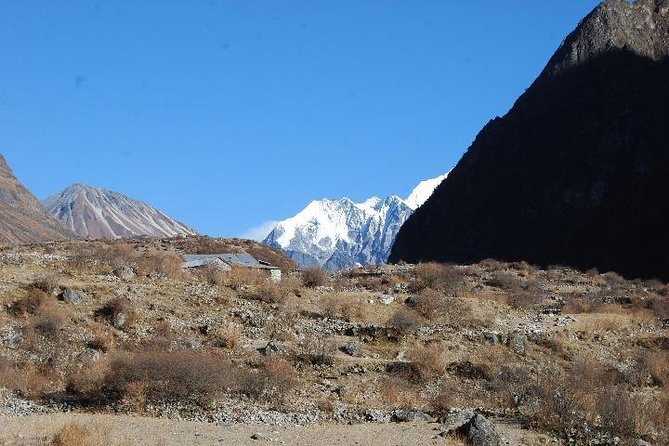
Langtang gives you a real Himalayan trek without the long approach needed for Everest. In eight days, you move from Kathmandu’s traffic to Tamang villages, yak country, glaciers, and snowy peaks around Kyanjin Gompa. I especially like the forested route beside the Langtang River and the chance to spend a full day near Kyanjin Ri and Tserko Ri.
I also like the practical package: meals, permits, a guide, staff costs, a sleeping bag, down jacket, duffel bag, and road transfers are included. The main drawback is the rough, winding drive to Syabru Besi, followed by several demanding uphill days, so this is not a soft sightseeing trip.
Key points to know before booking
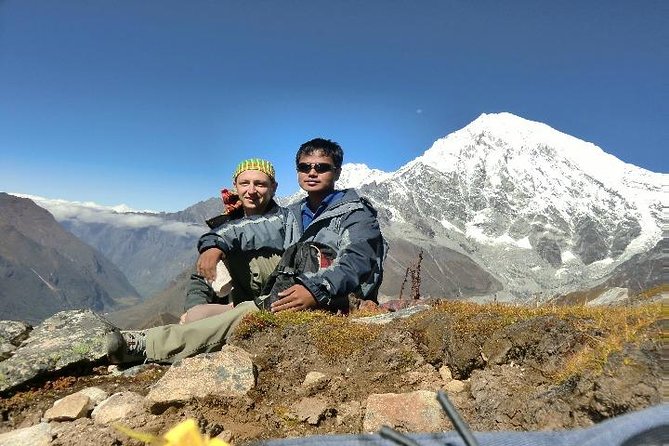
- Kyanjin Gompa is the main prize: The ancient monastery sits among views of Langtang Lirung, Dorje Lakpa, and Langshisa Ri.
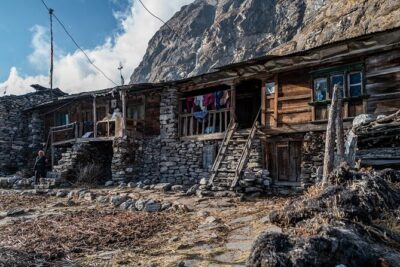
- The route has a strong cultural character: Tamang villages, stone houses, yak keeping, local customs, and a cheese factory give the trek more depth than mountain scenery alone.
- You reach high viewpoints quickly: Kyanjin Ri rises to 4,773 meters and Tserko Ri to 4,984 meters, both requiring good fitness.
- The package is fairly inclusive: Three meals daily, basic lodge accommodation, permits, staff costs, equipment, and road transport are covered.
- The trip is private: Only your group participates, and a licensed English-speaking guide accompanies you.
- Road conditions matter: The journey to Syabru Besi is uneven and winding, and weather can affect the schedule.
Why Langtang works well in eight days
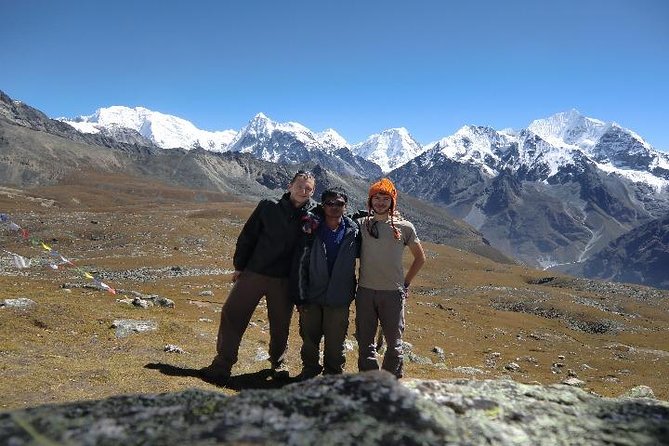
Langtang Valley sits south of the Tibetan border, between the main Himalayan range and a lower line of snowy peaks. Langtang Lirung reaches 7,246 meters and dominates the northern skyline, while Gang Chhenpo, Naya Kangri, Dorje Lakpa, and Langshisa Ri give you mountain views from several directions.
The region became Nepal’s first Himalayan national park in 1971. Its people are largely Tamang, and local language, clothing, and religious customs have stronger links to Tibet than to many communities in Nepal’s Middle Hills. That cultural setting matters. You are not simply walking through scenery. You are passing farms, stone houses, monasteries, and settlements shaped by a high mountain life.
The name Langtang comes from a local story about a lama following a runaway yak. Lang means yak in Tibetan, while teng, more correctly dhang, means to follow. It is a small detail, but it fits the route: this valley has an old, lived-in identity rather than the feel of a purpose-built trekking corridor.
The eight-day format is efficient. You get one full day around Kyanjin Gompa, but there is no extra spare day built into the schedule. That makes the trek a good match for someone with limited time and moderate fitness. It also means you should arrive ready to walk, rather than treating the first few days as a gentle warm-up.
More Langtang Treks in Kathmandu
- Langtang Valley Trek
★ 5.0 · 140 reviews - Langtang Valley Trek
★ 5.0 · 61 reviews - 8 Days Tour in Langtang Valley Trek
★ 5.0 · 45 reviews
Day 1: Kathmandu to Syabru Besi by rough mountain road
The trip begins in Kathmandu at 11:15 a.m. and heads north by road to Syabru Besi, the usual starting point for the walk. The drive is part of the experience, not just a transfer. You pass green hills, local villages, and views toward the Langtang and Ganesh Himal ranges.
Expect an uneven, winding road. The description of the drive as entertaining is fair if you enjoy mountain roads and changing views. If you do not, this may be the least comfortable part of the trip. The schedule gives you an overnight stay in Syabru Besi, so you are not expected to begin hiking immediately after the drive.
Syabru Besi is a useful transition point between city travel and the valley trail. Keep your day simple. You will want a good meal, a check of your pack, and a proper night before the first walking day.
Day 2: River crossings and forest to Lama Hotel
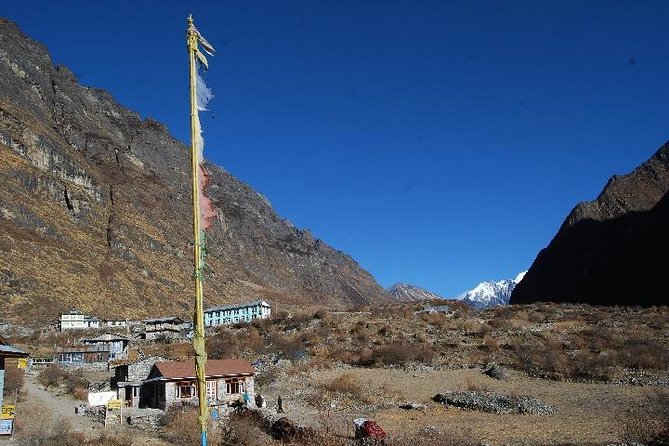
The trail descends toward the Bhote Koshi River before crossing a suspension bridge and entering Langtang Valley. From there, you follow the Langtang River upstream through rhododendron and bamboo forest.
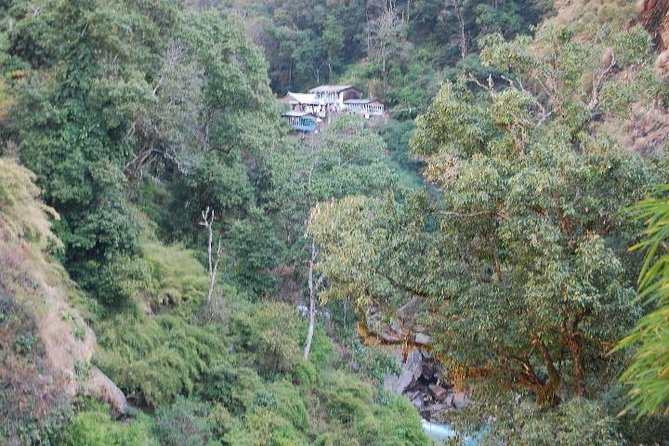
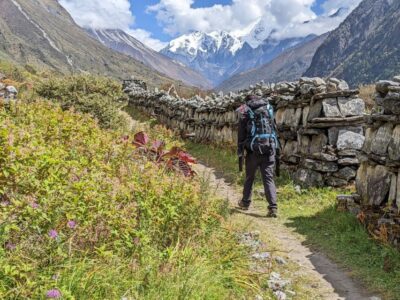
This is one of the most appealing sections for anyone who likes changing scenery. The route is not just exposed mountain walking. You move through trees, pass scattered settlements, and hear the river as the valley gradually narrows. Rhododendrons are especially important in Nepal’s hills, and the forest gives the early trek a cool, sheltered feel.
The day ends at Lama Hotel. From here, views open toward Naya Kang, listed at 5,844 meters, and Langtang II at 5,696 meters. Lodge accommodation is included, generally in twin-sharing rooms. The package also covers breakfast, lunch, and dinner during the trek, though drinks beyond the included meals are extra.
Day 3: Tamang culture and the approach to Langtang village
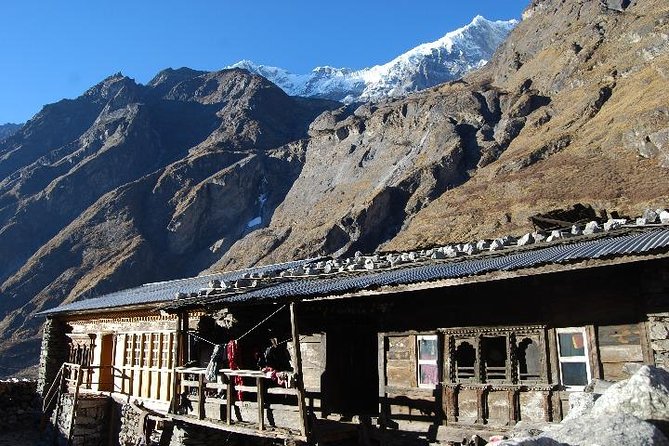
The trail climbs gradually toward Langtang village. Along the way, you see rhododendron forest, cultivated fields, stone-thatched houses, yaks, and wild goats. The mountains become more present, especially Langtang Lirung at about 7,227 to 7,246 meters, depending on the stated elevation.
Langtang village is more than a place to sleep. It gives you a close look at Tamang life in the valley. The community’s connections to Tibet appear in its religion, dress, language, and village traditions. Your guide can help explain what you are seeing, which is one reason the licensed local guide adds real value here.
The pace is gradual, but you are gaining height. Pay attention to your body, drink regularly, and avoid turning the day into a race. The goal is to arrive with enough energy to enjoy the village and the mountain views, not merely to reach the lodge.
More Trekking Tours in Kathmandu
- Everest Base Camp Trek – 14 Days
★ 5.0 · 1,499 reviews - Everest Base Camp Trek
★ 5.0 · 842 reviews - Everest Base Camp Trekking
★ 5.0 · 485 reviews - Annapurna Circuit Trek with Tilicho Lake
★ 5.0 · 368 reviews
Day 4: Continuing to Kyanjin Gompa
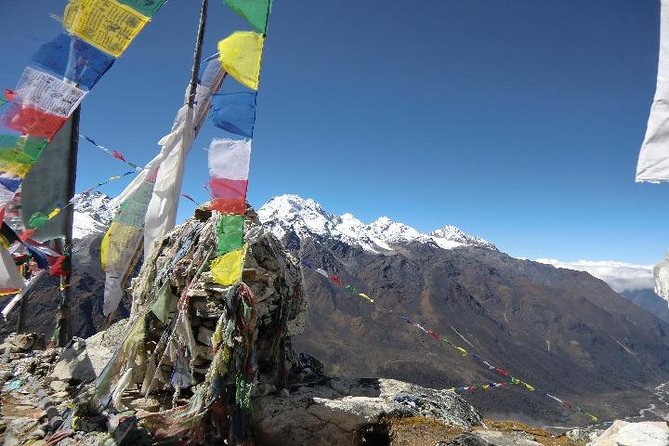
From Langtang village, you continue beside the Langtang River toward Kyanjin Gompa. The path includes some ascents and descents before reaching the ancient monastery, considered especially sacred by local Tamang communities.
Kyanjin is the visual high point of the route. Dorje Lakpa, listed at 6,966 meters, and Langshisa Ri at 6,560 meters join Langtang Lirung in the surrounding skyline. The setting feels more open and more alpine than the lower forest sections.
There is a small inconsistency in the supplied schedule: this day says you reach Kyanjin Gompa but lists the overnight stay in Langtang village, while the next day places you at Kyanjin Gompa. Confirm the exact sleeping arrangement with Base Camp Adventure before departure. The intended route clearly includes time at Kyanjin, but a written itinerary should match the actual lodge plan.
Day 5: Kyanjin Ri, Tserko Ri, cheese, and the monastery
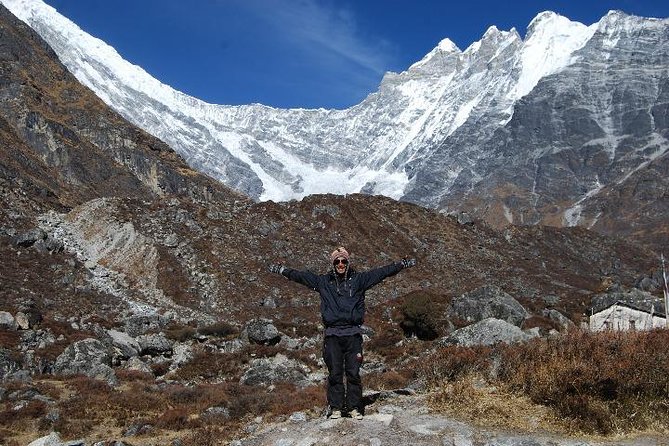
This is the most flexible and rewarding day of the trek. You can hike toward Kyanjin Ri at 4,773 meters or Tserko Ri at 4,984 meters for wide views of the surrounding peaks.
These are serious uphill outings, not casual walks. The itinerary allows you to choose based on your energy, weather, and guide’s advice. At nearly 5,000 meters, the effort can feel much harder than the distance suggests. A moderate fitness level is required for the overall trek, but these viewpoints demand an extra reserve of stamina.
You also have time to explore Kyanjin Gompa and visit the local cheese factory. That combination makes the day more satisfying than a simple summit attempt. You can see the spiritual center of the area, learn about a local food enterprise, and speak with people in the village.
If you prefer not to climb as high, spending more time around Kyanjin still gives you the core experience. The mountain setting, monastery, and village are the reason this day should not be rushed.
Days 6 and 7: Retracing the valley to Syabru Besi
The return follows the same route, first from Kyanjin to Lama Hotel and then from Lama Hotel to Syabru Besi. Some walkers find retracing a trail less exciting, but it lets you notice details missed on the way up. The river, forest, settlements, and mountain angles all look different in reverse.
Day 6 passes Langtang village and Ghoda Tabela before reaching Lama Hotel. The trail runs through rhododendron forest and beside the river. Day 7 continues toward Syabru Besi, with a gradual descent followed by a steeper section on a ridge above the Langtang River.
The return days are not free of effort. Downhill walking can be hard on knees, especially after the higher hikes around Kyanjin. Trekking poles are not listed among the included equipment, so bring your own if you use them. Personal trekking equipment is not included, and you should not assume that every item you need will be provided.
Day 8: The road back to Kathmandu
The final day is a surface-bus transfer from Syabru Besi to Kathmandu. The route follows the Trishuli River for much of the journey, with local villages and green hills passing beside the road.
This is another long road day rather than a final hiking day. The views can be rewarding, but the same winding-road issue applies. On arrival in Kathmandu, you are transferred to your hotel and have time to stroll around the city.
The return arrangement is useful because you do not need to arrange a separate vehicle. It also gives the trip a clear beginning and end at the Kathmandu meeting point.
What the $1,000 price covers
At $1,000 per person, the cost is not simply paying for a guide and a route. It includes three meals a day during the trek, guesthouse accommodation, a licensed English-speaking guide, staff food and lodging, staff salaries and insurance, trekking equipment, medicine, transport for the trekking staff, permits, national park entry, and road transfers to and from Kathmandu.
A down jacket, sleeping bag, and duffel bag are also included. An oxygen meter is available for checking pulse, oxygen saturation, and heart rate, and a first-aid kit is carried. These details are useful on a trek that reaches close to 5,000 meters.
You still need to budget for travel insurance, international flights, airport departure tax, alcoholic drinks, hot and cold drinks, laundry, and personal gear. Travel insurance is compulsory. The price is strongest for someone who would otherwise need to arrange permits, road transport, equipment, and staff support separately.
Accommodation is described as the best available guesthouses, mainly in twin-sharing rooms. Do not expect hotel comfort in the upper valley. The value comes from having the basic trekking system arranged, not from luxury lodging.
The guide and private-group advantage
This is a private activity, so only your group takes part. That gives you more control over walking pace, rest stops, and the decision between Kyanjin Ri and Tserko Ri. It is especially useful if members of your group have different levels of fitness.
Base Camp Adventure has used guides named Prakash on past Langtang departures, and Shree has handled trip arrangements for returning clients. You should ask who will lead your departure and whether either person is available if that matters to you. The supplied information promises a local, government-licensed English-speaking guide, which is the key point.
A local guide is valuable on this route for more than navigation. You will pass Tamang communities, a sacred monastery, a cheese factory, and working mountain settlements. Someone who can explain local customs and help manage changing conditions adds more than a guide who simply points out peaks.
What to pack and how hard it feels
The package supplies a down jacket, sleeping bag, and duffel bag, but personal trekking equipment remains your responsibility. The exact packing list is not provided, so confirm what the company expects you to bring before leaving Kathmandu.
Plan for a trek that moves from forest to high mountain terrain. Sturdy walking footwear, warm layers, rain protection, sun protection, and personal medication are sensible choices. You should also be prepared for basic guesthouse conditions and extra charges for drinks.
The two main physical concerns are the repeated uphill walking and altitude. Kyanjin Ri and Tserko Ri are high points, and the schedule does not include a separate acclimatization day beyond the planned exploration day. The moderate fitness requirement should be taken seriously.
Who should book this trek
I would recommend this route to you if you want a short Himalayan trek with strong mountain scenery and a clear cultural setting. It suits someone who has eight days, wants a private group, and prefers having permits, meals, staff, equipment, and transport arranged in one package.
It is also a good first Himalayan trek if you are prepared for real walking. Langtang reaches high elevations quickly and includes rough road travel, so first trek does not mean easy trek.
You may want a different plan if you need polished hotels, a leisurely schedule, or a high chance of avoiding long vehicle journeys. You may also prefer a longer itinerary if you want more rest time or a wider range of side valleys.
The activity has a five-star average from six ratings, and the strongest praise centers on planning, guide support, the Langtang views, and the overall sense that the trip is worth doing. Names that come up positively include Prakash as a guide and Shree as an organizer. Those are useful signs, but you should still confirm the exact guide, vehicle, room plan, and day-four overnight arrangement.
Should you book the Langtang Valley Trek?
Book it if you want a compact route that combines Himalayan peaks, Tamang culture, forest walking, and Kyanjin Gompa without committing to a much longer expedition. The included permits, meals, staff support, equipment, and Kathmandu transfers make the $1,000 cost reasonable for a well-organized trek.
Think twice if you dislike rough roads, shared guesthouses, steep climbs, or high-altitude hiking. Before paying, confirm the guide’s name, the day-four accommodation, what personal equipment is needed, and how the company handles weather changes. If those details suit you, Langtang offers a lot in eight days and gives you a genuine mountain experience rather than a quick scenic outing.
Free cancellation is available up to 24 hours before the local start time for a full refund. Cancellations inside that window are not refunded, and poor weather may lead to another date or a full refund.
FAQ
Where does the Langtang Valley Trek start and end?
The experience starts in Kathmandu at the stated meeting point and ends back there after the return drive from Syabru Besi.
How long does the trek last?
The planned duration is approximately eight days, including the road journeys from Kathmandu to Syabru Besi and back.
What time does the activity start?
The stated start time is 11:15 a.m.
Are meals included?
Yes. Breakfast, lunch, and dinner are included during the trek. Alcoholic drinks and other hot or cold drinks are not included.
Is accommodation included?
Yes. Guesthouse accommodation is provided during the trek, mainly in twin-sharing rooms. A hotel stay in Kathmandu is also included in the stated itinerary.
Is a guide provided?
Yes. A local, government-licensed English-speaking trekking guide accompanies the group.
What happens if bad weather cancels the trek?
If poor weather causes cancellation, you are offered a different date or a full refund.
Latest treks added in Kathmandu
- Private Manaslu Circuit Trek at Himalayas★ 5.0 · 3 reviews
- Ghorepani Poonhill Trek★ 5.0 · 5 reviews
- Ghorepani Poon Hill Trek★ 5.0 · 16 reviews
- Upper Mustang Trekking★ 3.0 · 2 reviews
- Amazing 1 Day Trekking Experience in Kathmandu Nepal★ 5.0 · 24 reviews
- Upper Mustang Trekking★ 5.0 · 2 reviews
- Upper Mustang Trek★ 5.0 · 5 reviews
- Upper Mustang Trekking★ 5.0 · 4 reviews
Langtang Valley Treks, compared.

Trekking in Annapurna/Langtang/Everest/Upper Mustang regions
Read our review →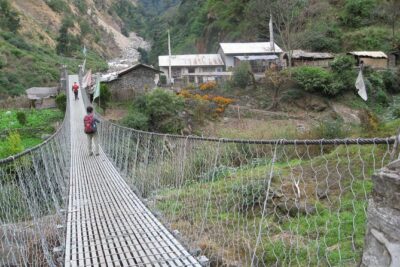
Browse the lists this tour appears in