
REVIEW · KATHMANDU
Langtang Valley Trek
Langtang Valley gives you a fine Himalayan trek without the scale of the Everest route. You walk through Tamang and Tibetan-influenced villages, pine and rhododendron forests, river valleys, monasteries, and high mountain country, ending at Kyanjin Gompa beneath Langtang Lirung.
I especially like the cultural route through Gatlang, Thuman, and Briddhim, and the built-in acclimatization day at Kyanjin Gompa. The main drawback is the long road journey from Kathmandu, followed by several demanding hiking days and simple lodge accommodation.
Key points
- Reach Kyanjin Gompa and optional Tserko Ri: Spend a full day at 3,870 meters, with an optional climb to about 5,000 meters.
- Meet Tamang communities: Gatlang, Thuman, Briddhim, and other villages show local customs, farming, prayer walls, monasteries, and Tibetan influence.
- Travel with practical support: Private jeep transfers, a licensed English-speaking guide, porters, permits, and staff costs are included.
- See a quieter Himalayan valley: Expect pine forests, mountain streams, glaciers, prayer wheels, wild animals, and wide views of the Langtang range.
- Plan for moderate to strenuous walking: Several days last six to seven hours, with steep climbs and a large gain in height.
- Know what the price leaves out: At $715.59 per person, food, drinks, insurance, tips, gear, flights, and personal expenses remain your responsibility.
Why Langtang feels different from Nepal’s busier trekking routes
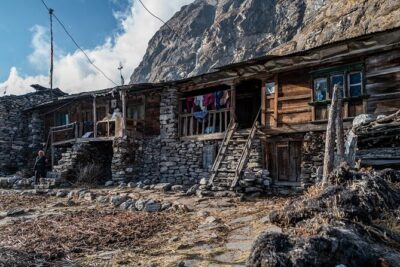
The Langtang Valley Trek is built around mountains and people in equal measure. You are not simply walking toward a high viewpoint. You pass through Tamang villages, terraced fields, chortens, Mani walls, prayer flags, monasteries, and working farms before reaching the colder upper valley.
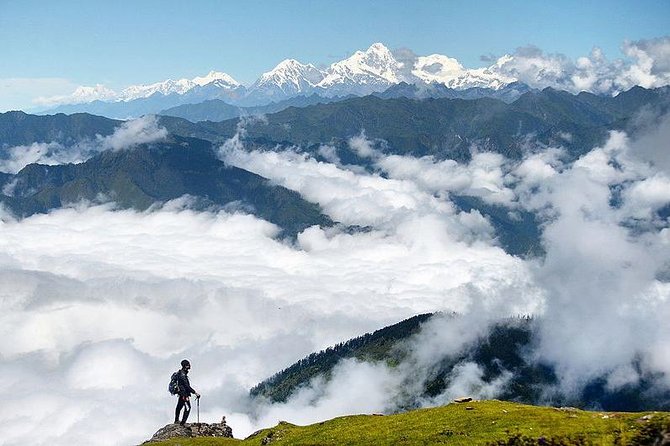
The route is also known as the Valley of Glaciers. From Nagthali and the upper valley, you can see the Ganesh Himal, Langtang, Sanjen, Manaslu, and Annapurna ranges at different points. The scenery changes often enough to keep the walking fresh: forest one hour, open pasture the next, then a rocky river valley framed by snow-covered peaks.
This is a good choice if you want a Himalayan trek with a strong cultural element and a group capped at 10 people. The itinerary is not a gentle sightseeing holiday, though. You will face long road transfers, steep uphill sections, high altitude, and basic lodging outside Kathmandu.
More Langtang Treks in Kathmandu
- Langtang Valley Trek
★ 5.0 · 140 reviews - Langtang Valley Trek
★ 5.0 · 61 reviews - 8 Days Tour in Langtang Valley Trek
★ 5.0 · 45 reviews
Days 1 and 2: Kathmandu to Gatlang by private jeep
Your first day is mainly for arrival. An Asian Heritage Treks and Travels representative meets you at Tribhuvan International Airport, helps with your luggage, and takes you to a Kathmandu hotel. The drive passes the outside of Pashupatinath Temple, the former royal palace area at Narayanhity, and the Garden of Dreams near Thamel.
That short city introduction is useful, but do not expect a full sightseeing day. You have time to settle in and receive trip assistance, with a free day later for exploring Kathmandu.
Day 2 is a different matter. The drive from Kathmandu toward Gatlang takes about eight to nine hours. That is a serious road day, but the views improve as you climb over ridges with possible sights of Ganesh Himal, Manaslu, and Annapurna.
You pass through Dhunche and Sayabru Besi before entering Langtang National Park. Keep your TIMS card and National Park Permit handy, as they are checked at the park gate. The road then reaches Gatlang, a Tamang village surrounded by terraced hills.
I like the choice of Gatlang as a starting point because it puts you into a working mountain community rather than dropping you straight into a heavily used trekking corridor. The tradeoff is comfort. After a long vehicle ride on mountain roads, you may arrive tired before the walking even begins.
Days 3 and 4: Forest paths, Nagthali, Thuman, and Briddhim
The third day takes you from Gatlang toward Nagthali, with the path passing through Chilime and thick forest. Keep your eyes open for Nepal gray langur monkeys. The forest gives way to open grassland, where the views expand toward Ganesh Himal, the Langtang range, and the Sanjen range.
Nagthali once served as a meditation center for local monks and priests. That detail gives the high pasture a sense of purpose beyond scenery. It is a quiet place to pause, but the day involves around seven hours of walking.
Day 4 begins with about an hour of downhill walking to Thuman. This village carries a strong Tibetan cultural influence, and local singing and dancing are part of its character. The trail then continues through rhododendron forest and meadows to Briddhim.
Briddhim is another Tamang community with Tibetan connections. Here, you get a closer look at local traditions and daily life. The value of these stops is personal contact and context. You see that the mountains are not empty wilderness. They are home, farmland, religious space, and a route between communities.
The drawback is that the schedule remains active. A seven-hour walking day with downhill sections can be tiring, especially if you are still adjusting to the altitude and the uneven trail.
Day 5: Briddhim to Khanjum through high villages
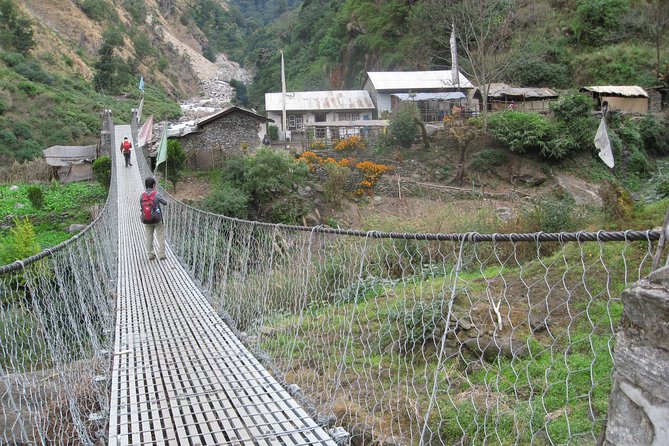
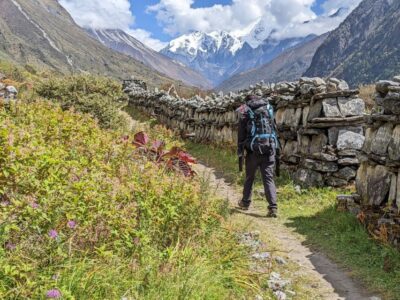
From Briddhim, the route passes forests, terraces, and small settlements before climbing toward Sherpa Gaun and Khanjum. The trail includes chortens, Mani walls, and prayer flags, so the spiritual markers are part of the walk rather than occasional decoration.
This is described as a moderate day, but the climb can still feel demanding. You gain height while passing through parts of Langtang National Park, with possible sightings of birds and Himalayan monkeys.
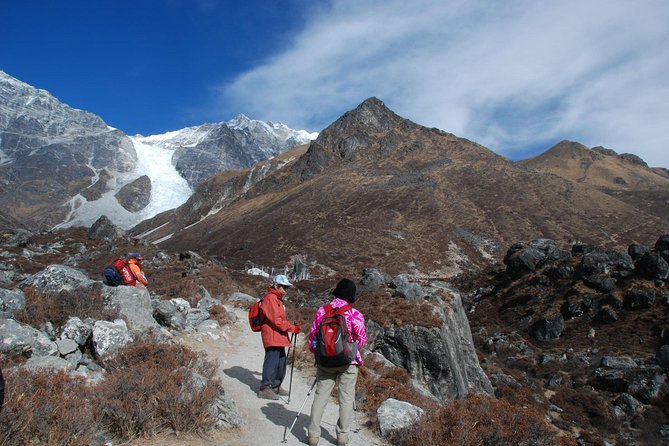
The mountain views become a major reward. Langtang Lirung, Langtang II, Ganesh Himal, and other peaks appear around the route. If you enjoy walking through changing terrain instead of racing to one famous viewpoint, this is one of the more satisfying days.
The local lodge accommodation is basic. The package includes eight nights in local lodges during the trek, but it does not include food and drinks for the route. Budget extra for meals, beverages, and personal purchases.
More Trekking Tours in Kathmandu
- Everest Base Camp Trek – 14 Days
★ 5.0 · 1,499 reviews - Everest Base Camp Trek
★ 5.0 · 842 reviews - Everest Base Camp Trekking
★ 5.0 · 485 reviews - Annapurna Circuit Trek with Tilicho Lake
★ 5.0 · 368 reviews
Day 6: The steep climb to Langtang Village
Day 6 is one of the harder sections. The hike from Sherpa Gaun to Langtang Village takes about six to seven hours and gains roughly 1,000 meters through a steep forested slope.
The Langtang River accompanies much of the route. You cross a stream and pass water-driven prayer wheels, which offer a memorable link between the natural setting and local religious practice. As you climb, the settlements become less frequent and the mountain setting feels more remote.
Langtang Village is an old settlement with striking mountain views. The day is physically tough, so this is where a moderate fitness level matters. Your guide can help set the pace, and porters carry the main load, but you still need to carry your personal day items and manage the altitude carefully.
This is not the point to prove anything. Walk steadily, drink regularly, and tell your guide if you feel unwell. The itinerary includes an acclimatization day later, but that does not remove the need for sensible pacing now.
Day 7: A short walk to Kyanjin Gompa
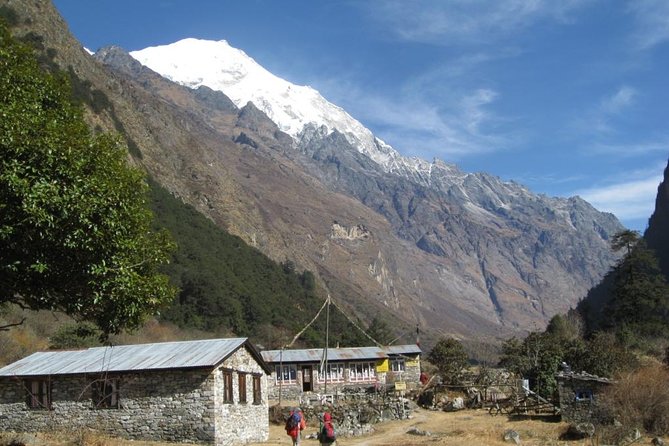
Compared with the previous day, the three-hour walk from Langtang Village to Kyanjin Gompa is relatively short. The route brings views of Langtang Lirung, several river crossings, and a large wall covered with prayers and writing on stones.
Kyanjin Gompa is the high point of the main route and one of its most appealing stops. You can try yak milk cheese and curd, then explore the village and its monastery. These small food and cultural details make the destination feel connected to local life rather than just being a place to sleep at altitude.
The short walking day matters. It gives you time to arrive without rushing and begin adjusting to the higher elevation. You still need to take the altitude seriously, since the next day reaches higher if you choose the optional climb.
Day 8: Acclimatization and the optional 5,000-meter climb
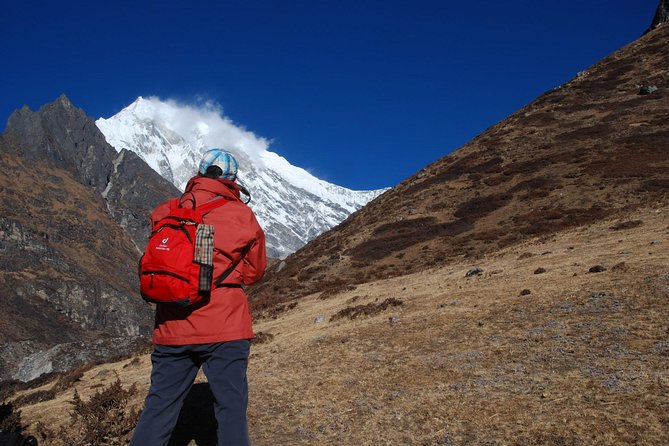
Day 8 is a rest and acclimatization day at Kyanjin Gompa. You can stay near the village, visit the ancient monastery, see the cheese factory, and look toward the glacier.
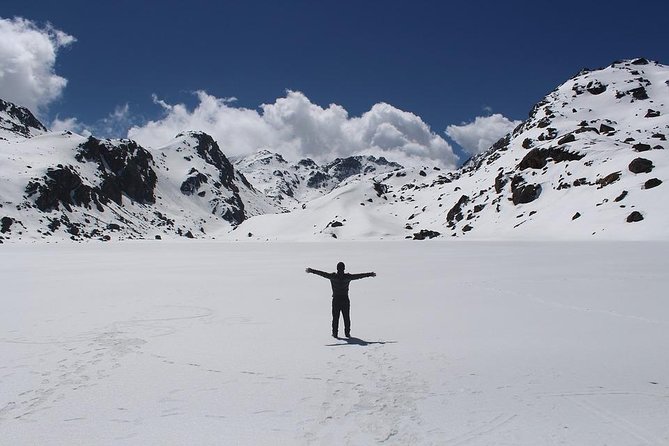
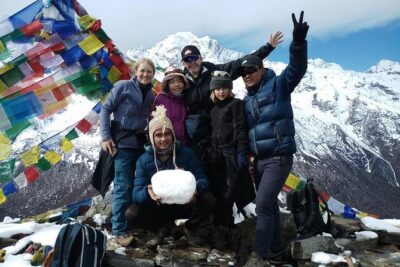
The optional hike to Tserko Ri reaches about 5,000 meters, making it the highest point of the trek. From the top, you can see mountains, glaciers, and the full sweep of Langtang Valley. The activity is listed as optional and carries no extra cost, but free does not mean easy. This is a serious high-altitude walk, and you should decide based on your condition, weather, and guide’s advice.
The day is one of the strongest features of the itinerary. It adds flexibility. Strong walkers get a major summit-style challenge, while others can rest and explore Kyanjin Gompa without feeling they have missed the main route.
Days 9 and 10: Descending through the forest to Syabrubesi
Day 9 reverses the route. You walk downhill for six to seven hours through dense forest to Lama Hotel, passing Tamang settlements shaped by Tibetan religious and cultural practices.
Downhill walking can be harder on knees than uphill walking, especially after the high-altitude days. Trekking poles, if you bring them, may help, but personal hiking gear is not included in the package, so plan your equipment before arrival.
On Day 10, you continue downhill from Lama Hotel to Syabrubesi. The walk takes about three to four hours through green forest, leaving spare time before the drive back to Kathmandu.
The private vehicle from Syabrubesi to Kathmandu takes about six to seven hours. This is another long road day, but private transport gives the group more control than relying on a larger public bus. The return journey is still likely to feel tiring after the trek, so do not schedule an important international connection immediately afterward.
Days 11 and 12: Kathmandu time and departure
Day 11 is free in Kathmandu. You can rest, walk around Thamel, or shop for souvenirs. Optional activities listed for this day include full-day Kathmandu sightseeing, a mountain flight, a Nepal food cooking workshop, a momo cooking workshop, and a handicraft tour.
This open day is useful because the trek includes two long road transfers. It also gives you a chance to see more of Kathmandu rather than treating the city as an airport stop.
Your final day ends after breakfast, with assistance for onward travel and a private vehicle transfer to Tribhuvan International Airport. The plan advises leaving for the airport about three hours before your flight. Confirm the exact pickup time with the local team, since Kathmandu traffic can affect the journey.
What the $715.59 price really covers
At $715.59 per person, the package offers solid logistical value for a supported 12-day trek. It includes private jeep transport between Kathmandu, Gatlang, Syabrubesi, and Kathmandu; three hotel nights in Kathmandu on a breakfast basis; eight nights in local trekking lodges; permits; a licensed English-speaking guide; porters at a ratio of one porter for two trekkers; and staff wages, insurance, equipment, and accommodation.
The group limit of 10 is another practical benefit. You get the structure of a group trip without being placed in a large hiking crowd. Past departures have included guides named Hari and Norris. Hari was praised for adding useful context to the journey, while Norris was noted for adapting the trek to the needs of the group. Your assigned guide may differ, so confirm that before booking if a particular leader matters to you.
The price does not include the daily food and drink bill, personal expenses, tips, international flights, tourist visa, travel insurance, emergency evacuation insurance, hiking gear, donations, or room upgrades. These exclusions are important. Your final cost will be higher, especially if you need to buy cold-weather equipment or insurance that covers trekking at altitude.
Who should book this trek?
I would choose this trek if you want a moderate-to-demanding Himalayan route with village contact, mountain scenery, and a high valley destination. It suits people who can manage six to seven hours of walking and are comfortable with simple lodges.
It is also a good match if you want a small organized group and do not want to arrange permits, porters, guides, or long-distance road transport yourself. The private jeep transfers remove some transport hassle, though they do not make the roads short or smooth.
I would think twice if you want a relaxed holiday, private rooms throughout, or a trip where most costs are paid in advance. The altitude, long drives, steep climbs, basic accommodation, and separate food bill require preparation.
The cancellation terms are worth noting before you pay. You can receive a full refund when cancelling at least six full days before the start time. A cancellation two to six full days ahead receives 50 percent, while cancelling less than two full days ahead receives no refund.
Should you book the Langtang Valley Trek?
Book it if the combination of Tamang culture, forest walking, glaciers, monastery visits, and Kyanjin Gompa sounds better to you than a polished resort-style tour. The optional Tserko Ri climb adds real challenge, while the rest day lets you choose how hard to push.
Skip it if you are not ready for long road transfers, high-altitude walking, and lodge accommodation. For a prepared trekker, the price is reasonable because it bundles the guide, porters, permits, transport, and Kathmandu stays. Just budget separately for food, gear, insurance, tips, and personal costs.
FAQ
How long is the Langtang Valley Trek?
The experience lasts approximately 12 days, including arrival and departure in Kathmandu, the trek, road transfers, and a free day in Kathmandu.
Where does the trek begin?
The trip begins in Kathmandu, followed by an eight to nine-hour drive toward Gatlang. The walking route then continues through Langtang National Park.
How many people can join the group?
The maximum group size is 10 travelers.
Is pickup from the airport included?
Yes. An Asian Heritage Treks and Travels representative meets you at Tribhuvan International Airport and transfers you to your Kathmandu hotel.
Are permits included?
Yes. The package includes Langtang National Park permits, TIMS, and other necessary permits.
Is a guide included?
Yes. An experienced, English-speaking, government-licensed trekking guide is included.
Are porters included?
Yes. Porter service is included at a ratio of one porter for every two trekkers.
Is food included?
Food, drinks, and beverages for the trek are not included. The Kathmandu hotel stay is on a breakfast basis, and the package separately lists three breakfasts.
What is the highest point of the trek?
The optional hike to Tserko Ri reaches about 5,000 meters above sea level. Kyanjin Gompa is the main high-altitude village on the route.
What fitness level do I need?
You should have a moderate physical fitness level. Several hiking days last six to seven hours, and Day 6 includes a steep climb with roughly 1,000 meters of gain.
Is travel insurance included?
No. Travel insurance and emergency rescue evacuation insurance are not included.
What is the cancellation policy?
A full refund is available if you cancel at least six full days before the start time. Cancelling two to six full days ahead receives a 50 percent refund, while cancelling less than two full days ahead is nonrefundable.
Latest treks added in Kathmandu
- Ghorepani Poonhill Trek★ 5.0 · 5 reviews
- Ghorepani Poon Hill Trek★ 5.0 · 16 reviews
- Private Manaslu Circuit Trek at Himalayas★ 5.0 · 3 reviews
- Upper Mustang Trekking★ 3.0 · 2 reviews
- Amazing 1 Day Trekking Experience in Kathmandu Nepal★ 5.0 · 24 reviews
- Upper Mustang Trekking★ 5.0 · 2 reviews
- Upper Mustang Trek★ 5.0 · 5 reviews
- Upper Mustang Trekking★ 5.0 · 4 reviews
Langtang Valley Treks, compared.
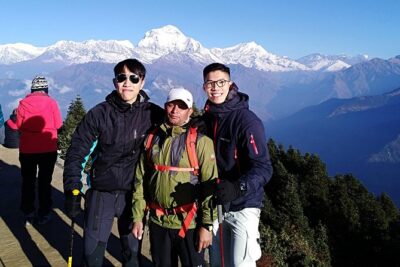
Trekking in Annapurna/Langtang/Everest/Upper Mustang regions
Read our review →
Browse the lists this tour appears in