
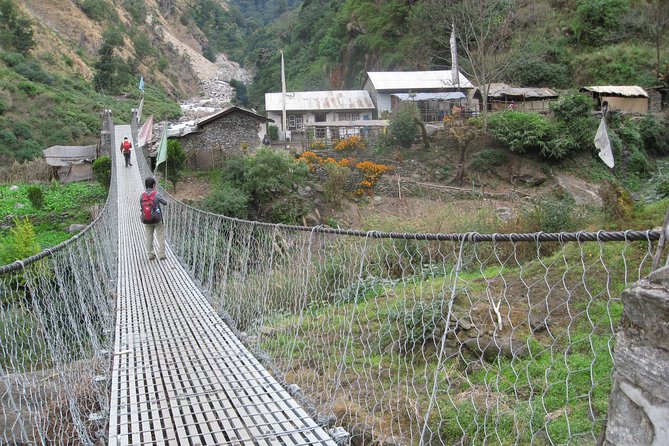
REVIEW · KATHMANDU
Langtang valley trek
Langtang Valley gives you a lot of Nepal in eight days: a long mountain-road journey, Tamang and Tibetan-influenced villages, forest trails, Buddhist culture, and high Himalayan views. I especially like the route’s two strong points: Kyanjin Gompa at 3,700 meters and the optional climb toward Kyanjin-Ri, where the views reach peaks above 7,000 meters.
I also like the practical setup. Meals, accommodation, a guide, porter support, treated drinking water, and a down jacket are included, which keeps the packing list and daily decisions under control. The catch is the road from Kathmandu to Syabrubesi, which takes six to seven hours each way, and the climb to 4,700 meters demands real fitness and careful pacing.
Key points to know before booking
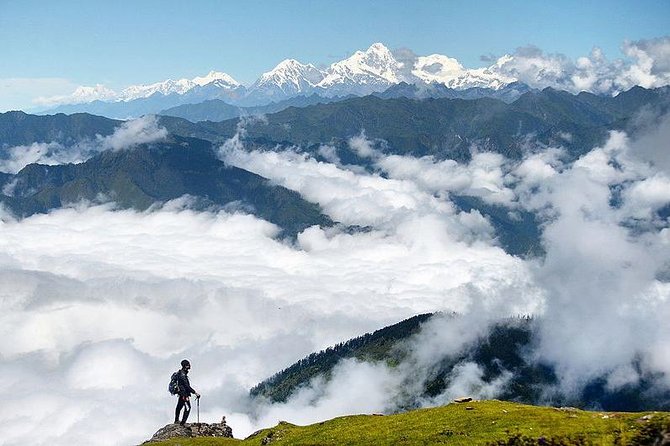
- Kyanjin Gompa is the trek’s high point: This final village sits at about 3,700 meters and gives you a base for a mountain-view day hike.
- The Kyanjin-Ri viewpoint reaches 4,700 meters: The altitude is serious, even though the trek is not a technical mountaineering trip.
- Tamang and Tibetan culture shapes the route: You pass villages where Buddhist traditions and festivals remain part of daily life.
- The package covers many costly basics: Lodging, three meals a day, a guide, porter support, treated water, and several items of loaned gear are included.
- The return drive is long: Plan for another six to seven hours on the road from Syabrubesi to Kathmandu.
- The trek is private: Only your own group takes part, so changes may be possible during the trip, depending on conditions and the guide.
Why Langtang Valley is a smart short trek from Kathmandu
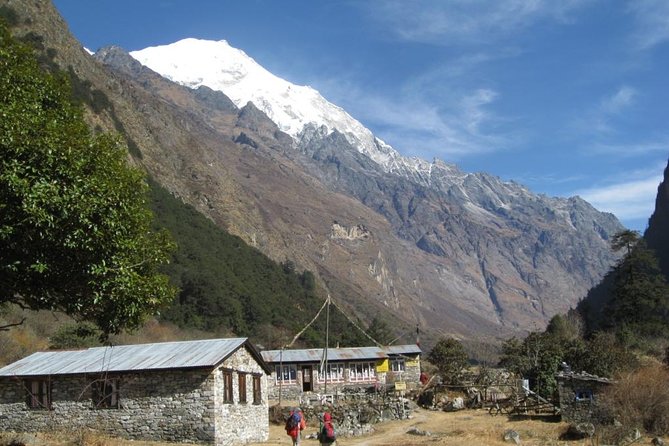
Langtang Valley lies north of Kathmandu, close to the Tibetan border. It gives you a mountain trek without requiring a long internal flight or a two-week schedule. The price is $660 per person for roughly eight days, including the airport transfer and the main trek services.
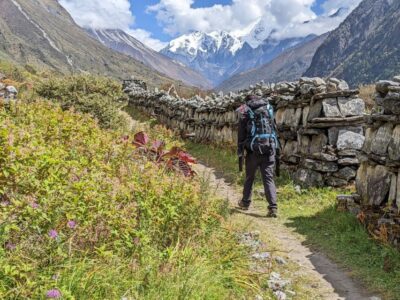
I see this route as a good middle ground. You get more than a quick hill walk, but you do not need to commit to a major expedition. The route passes from lower woodland into alpine terrain, with rhododendron and bamboo forests along the way. Higher up, the scenery opens toward Langtang Lirung, Ganchenpo Himal, Ganja La Peak, Nyakhang, Yala Peak, and the Ganesh Himal range.
The cultural side matters just as much. Tamang, Gurung, and Tibetan communities have lived in this region for centuries. Buddhism shapes local life, and festivals named in the program include Dumji, Loshar, Dashain, and Tihar. You are not simply walking through a scenic corridor. You are moving between mountain communities with their own customs and seasonal rhythms.
The route is listed for moderate fitness. That is a fair description for the overall trek, but do not read it as easy. The daily walks range from about three to seven hours, and the high point is 4,700 meters. The altitude, not just the trail distance, is the main physical concern.
More Langtang Treks in Kathmandu
- Langtang Valley Trek
★ 5.0 · 140 reviews - Langtang Valley Trek
★ 5.0 · 61 reviews - 8 Days Tour in Langtang Valley Trek
★ 5.0 · 45 reviews
Day 1: Arriving at Tribhuvan Airport
Your trip begins at Tribhuvan International Airport in Kathmandu, with pickup offered from the airport. The listed start time is 8:00 a.m., so confirm the exact arrangement with Nature Explore Trekking before you fly, especially if your arrival is later in the day.
You are transferred to your hotel and given time to settle in. The package includes help with a Kathmandu hotel if you ask, although the included accommodation details should be confirmed before booking. Lunch and dinner in Kathmandu are not included, so budget separately for those meals.
This first day is useful for more than rest. It gives you a chance to check your trekking equipment, meet your guide, and make sure the duffel bag, down jacket, and other loaned items fit properly. The company also provides trip documents and a first aid kit bag.
Day 2: The long road to Syabrubesi
The drive from Kathmandu to Syabrubesi takes about seven hours. Syabrubesi sits at approximately 1,400 meters, far lower than the trek’s final settlements. That gradual start is helpful because you are not thrown straight into a high-altitude walk.
The road journey is also the least comfortable part of the schedule for many people. Six or seven hours in a mountain vehicle can feel long, and road conditions may affect the pace. This is a day for patience rather than sightseeing efficiency. Keep water and personal snacks close, even though treated drinking water and meals are included during the trek.
Syabrubesi is the practical starting point, not the grand finale. You begin at a relatively low elevation, then gain height over several walking days. That progression gives your body more time to adjust than a route that begins high.
Day 3: Syabrubesi to Lama Hotel
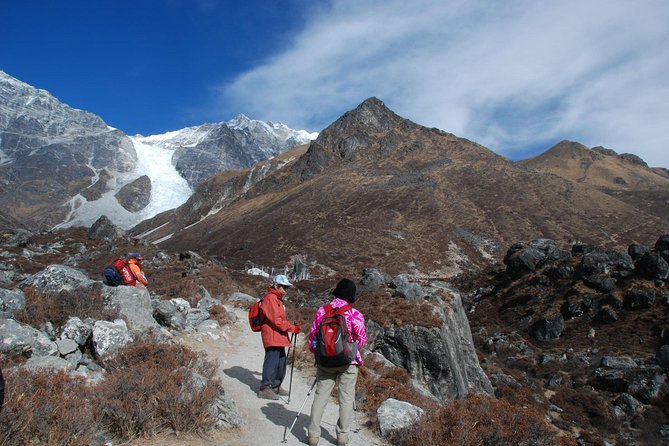
The first walking day takes about four hours and ends at Lama Hotel, around 2,400 meters. This is your introduction to the route’s forest character, with bamboo and rhododendron mentioned as key features of the trek.
The distance is manageable, but you are already gaining about 1,000 meters from the roadhead. Walk steadily and resist the temptation to race ahead. A private trip gives your group more control over breaks and pace, which is especially useful on this first climb.
Accommodation is included, as are breakfast, lunch, and dinner. Tea or coffee is also covered, and fresh fruit is provided after dinner each day. Those small comforts matter in the evening, when a hot drink and a simple routine can make the next morning easier.
More Trekking Tours in Kathmandu
- Everest Base Camp Trek – 14 Days
★ 5.0 · 1,499 reviews - Everest Base Camp Trek
★ 5.0 · 842 reviews - Everest Base Camp Trekking
★ 5.0 · 485 reviews - Annapurna Circuit Trek with Tilicho Lake
★ 5.0 · 368 reviews
Day 4: Lama Hotel to Langtang villages
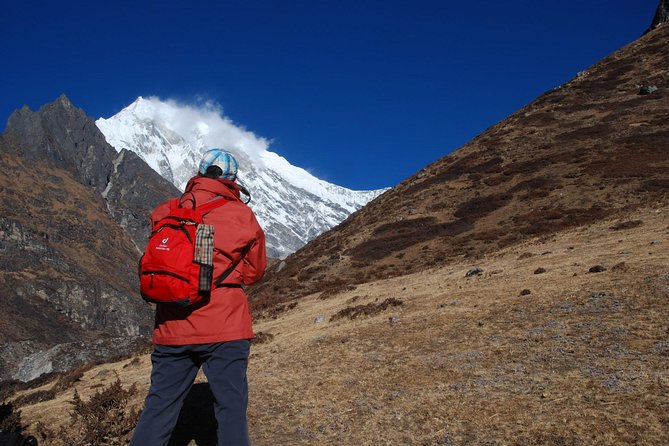
The next walk lasts about five hours and reaches the Langtang villages at approximately 3,400 meters. This is a major change in altitude from the previous night, so you should pay attention to headache, unusual fatigue, dizziness, or nausea.
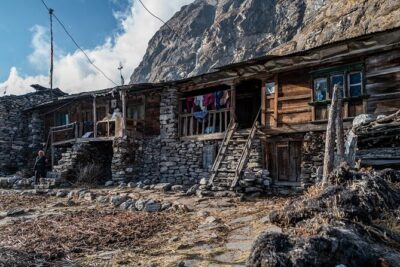
This section brings you closer to the cultural heart of the valley. The villages reflect Tamang and Tibetan influence, and Buddhism remains central to community life. You will see the human side of the trek more clearly here, rather than only forests and peaks.
The route also starts to feel more alpine. The lower woodland gives way to broader mountain views, and the named summits begin to frame the valley. The program does not promise a specific weather condition or a guaranteed clear view, so keep your expectations flexible. The mountains are the main reward, but cloud can change the view quickly.
Day 5: Langtang villages to Kyanjin Gompa
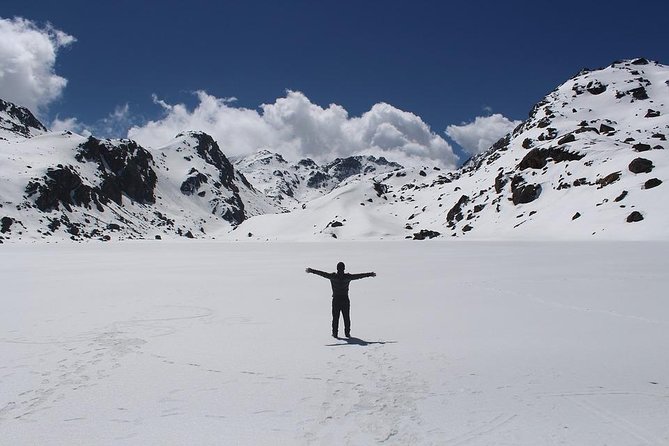
This is a shorter walking day, listed at about three hours, but the altitude keeps it important. Kyanjin Gompa sits around 3,700 meters and is the last main stop on this trek.
The shorter schedule is welcome after the previous day’s gain. You have more time to walk slowly, look around the settlement, and prepare for the high viewpoint hike. Kyanjin Gompa is not just a place to sleep. It is the base for exploring the surrounding valley and viewing peaks such as Langtang Lirung, listed at 7,240 meters.
The program allows a choice of day-hike viewpoints, including Kyanjin-Ri and Tserko-Ri. The supplied schedule specifically describes Kyanjin-Ri at 4,700 meters. Ask your guide which option fits the group’s condition and the day’s weather. The right choice is not always the highest point. At this altitude, a safe, enjoyable walk is more valuable than forcing an ambitious target.
Day 6: The Kyanjin-Ri viewpoint hike
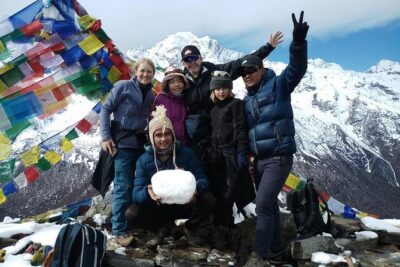
The viewpoint day is the physical centerpiece of the trek. You climb from Kyanjin toward Kyanjin-Ri, reaching about 4,700 meters before returning toward Langtang.
That elevation is the reason this trip suits people with moderate fitness rather than complete beginners to walking. You do not need technical climbing skills according to the information provided, but you do need stamina, warm clothing, and a willingness to move slowly. The included down jacket is useful here, though you still need to bring your own trekking equipment.
From high ground, you may see a dramatic line of peaks, including Langtang Lirung, Ganchenpo Himal at 7,430 meters, Ganja La Peak at 6,120 meters, Nyakhang at 6,160 meters, and Yala Peak at 5,740 meters. The exact views depend on weather and visibility.
The guide’s role becomes especially important on this day. Guides associated with the company include Deepak and Chhabin, and the company also identifies Dinesh among its team. Past arrangements have included guides helping with altitude concerns, adjusting plans, and responding to requests. Still, you should take responsibility for telling your guide early if you feel unwell.
Days 7 and 8: Returning through the valley and by road
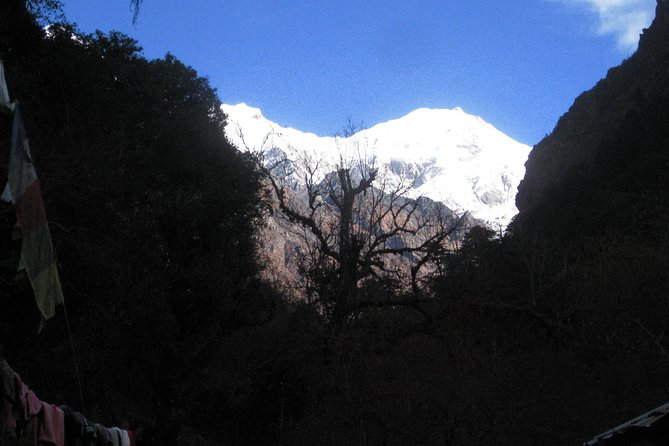
The return walk to Syabrubesi is listed at six to seven hours. This is a long day, especially after the high viewpoint hike, so use trekking poles if you normally rely on them and keep your pace even. The route gives you a second look at the valley from a different direction, but tired legs can make the same trail feel entirely new.
The following drive back to Kathmandu takes another six to seven hours. Your trip ends in Kathmandu, and airport transfer is arranged for the next day according to your flight details. If you want to stay longer, the company offers help arranging further travel around Kathmandu, Pokhara, Chitwan, and Lumbini, the birthplace of Buddha.
That flexibility is useful if your international flight is not immediately after the trek. It also means you can treat the Langtang walk as one part of a larger Nepal visit, rather than trying to squeeze every destination into the same eight days.
What the $660 price really covers
At $660 per person, the package has solid value because it includes more than a guide and a bed. The listed inclusions cover private transportation, accommodation, breakfast, lunch, dinner, guide service, porter support, fees and taxes, treated drinking water, tea or coffee, and fresh fruit after dinner.
You also receive a T-shirt, down jacket, and duffel bag, with the equipment described as refundable after the trek. A first aid kit bag and necessary trip documents are included as well. These details reduce the cost of assembling your own support system.
The price does not include international airfare, personal insurance, trekking equipment, cold drinks, Wi-Fi, laundry, outside snacks, or lunch and dinner in Kathmandu. Staff tips are also separate. Those extras are normal for a Nepal trek, but they should be part of your budget.
The biggest value comes from the private format. Your group is the only group participating, and the company has shown flexibility with changes in past itineraries. You should not assume every request is guaranteed, but a private trip generally gives you more room to discuss pace, rest, and the choice between viewpoints than a fixed group departure.
Guides, support, and the feel of the trip
The strongest part of the service is its emphasis on personal support. The company names Dinesh, Deepak, Chhabin, and Bharat in its team and past trip arrangements. One guide, Bharat, is specifically described as helping people deal with altitude sickness during a wider Nepal itinerary. That does not replace insurance or medical advice, but it suggests the team takes mountain health seriously.
Porter support is included, which changes the daily experience. You still need to carry a daypack with water, clothing, sunscreen, and personal items, but you are not expected to haul your full load between lodges.
Bring sunscreen. The high-altitude sun can be strong even when the air feels cold. You should also bring the trekking equipment not supplied by the company, along with personal insurance. Wi-Fi and laundry are not included, and the trek is better approached as a chance to disconnect than as a place for reliable internet access.
The best months listed are February through May and September through November. These windows cover spring and autumn, but the experience still depends on local weather. If poor weather causes cancellation, you are offered another date or a full refund.
Who should book this Langtang trek?
I would recommend this trip to you if you want a Himalayan trek with a clear cultural element, a private guide, and a manageable overall length. It suits people who value included meals and support services, and who want to reach a high viewpoint without signing up for a technical climbing expedition.
It is also a good fit if you want to add Nepal destinations before or after the trek. Kathmandu, Pokhara, Chitwan, and Lumbini can be arranged with help from the same company.
I would hesitate if you dislike long road journeys, have no experience with sustained uphill walking, or are not prepared for 4,700-meter altitude. The eight-day schedule is efficient, but it is not leisurely every day. You should also confirm the precise hotel arrangements, equipment sizes, and airport pickup details before paying.
FAQ
How long is the Langtang Valley trek?
The experience lasts approximately eight days. It includes arrival and hotel transfer in Kathmandu, the drive to Syabrubesi, the trek to Kyanjin Gompa, the Kyanjin-Ri viewpoint hike, the return walk, and the drive back to Kathmandu.
Where does the trek start?
The trip begins with pickup at Tribhuvan International Airport in Kathmandu. The walking portion starts at Syabrubesi, which is reached after a drive of about six to seven hours from Kathmandu.
What is the highest point on the itinerary?
The Kyanjin-Ri viewpoint is listed at approximately 4,700 meters. Kyanjin Gompa, the final main settlement on the route, sits at about 3,700 meters.
Are meals included?
Breakfast, lunch, and dinner are included during the trek. Tea or coffee and fresh fruit after dinner are also listed as inclusions. Lunch and dinner in Kathmandu are not included.
Is this a private tour?
Yes. Only your group participates in the activity. A professional guide and supporting porter are included.
What happens if bad weather cancels the trek?
The experience requires good weather. If it is canceled because of poor weather, you are offered a different date or a full refund. You can also cancel up to 24 hours before the start time for a full refund.
Should you book it?
Book this Langtang Valley trek if you want a well-supported private route with strong mountain views, local Buddhist culture, and a high viewpoint day. The $660 price is reasonable for the included meals, lodging, guide, porter, transportation, treated water, and loaned gear.
Go in with clear expectations: the road trips are long, the altitude is real, and the final hiking day can be demanding. If you pack sunscreen, bring suitable personal equipment, pace yourself, and speak plainly with your guide, this is a practical way to experience one of Nepal’s most rewarding short treks.
Latest treks added in Kathmandu
- Private Manaslu Circuit Trek at Himalayas★ 5.0 · 3 reviews
- Ghorepani Poonhill Trek★ 5.0 · 5 reviews
- Ghorepani Poon Hill Trek★ 5.0 · 16 reviews
- Upper Mustang Trekking★ 3.0 · 2 reviews
- Amazing 1 Day Trekking Experience in Kathmandu Nepal★ 5.0 · 24 reviews
- Upper Mustang Trekking★ 5.0 · 2 reviews
- Upper Mustang Trek★ 5.0 · 5 reviews
- Upper Mustang Trekking★ 5.0 · 4 reviews
Langtang Valley Treks, compared.

Trekking in Annapurna/Langtang/Everest/Upper Mustang regions
Read our review →
Browse the lists this tour appears in