
REVIEW · KATHMANDU
Langtang Valley Trek
Langtang Valley gives you a lot of Nepal in eight days: forest trails, high mountain scenery, Tamang villages, old gompas, and the alpine basin around Kyanjin Gompa. The trek also carries real meaning, since visiting the valley supports communities rebuilding after the 2015 earthquake and helps keep local culture and tourism alive.
I especially like the cultural side, from Tamang hospitality to Tibetan-style bread, yak cheese, and sea buckthorn juice. I also like the private format, which lets your guide adjust the pace for your own group. The main catch is simple: this is a mountain trek, not a gentle sightseeing tour, and the climbs toward Tserko Ri and Kyanjin Ri require moderate fitness.
Key points to know before booking
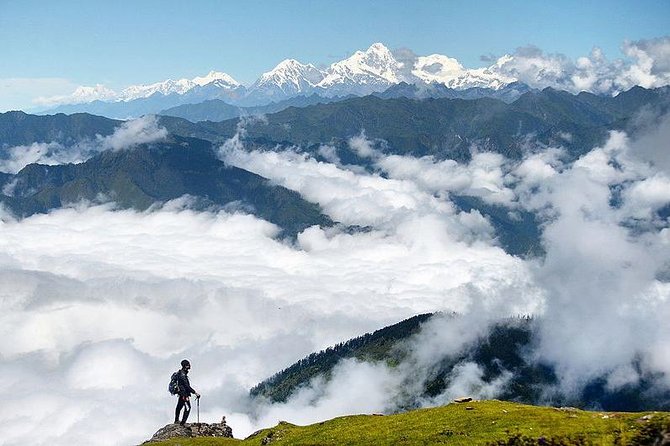
- Two high viewpoints on day five: You can hike toward Tserko Ri and Kyanjin Ri for broad Himalayan views.
- A strong local food angle: Yak cheese, sea buckthorn juice, and Tibetan bread are memorable parts of the route.
- Tamang culture along the trail: Villages, gompas, monasteries, and local hospitality give the walk more depth than scenery alone.
- Private group experience: Only your party participates, with guides such as Dhruba, Nima, Lhakpa, or Gopi assigned according to the operator’s arrangements.
- Simple teahouse trekking: Expect clean, cozy mountain lodging rather than polished hotels.
- A practical eight-day plan: The route leaves Kathmandu by road and returns the same way after the trek.
Why Langtang works so well in eight days
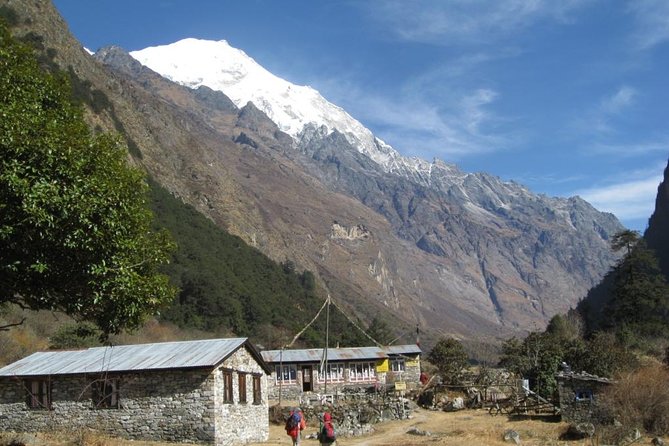
I like Langtang because it offers a full Himalayan experience without requiring a long expedition. You begin near Kathmandu, reach the trail by road, and spend several days moving through changing terrain before returning to the city on day eight.
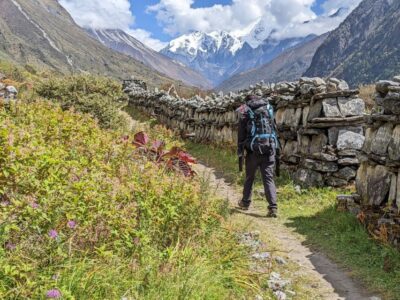
The valley gives you variety at a steady pace. Lower sections pass through forest and river country, while upper sections open into wider alpine views. You also get meaningful contact with Tamang communities and Buddhist sites, so the trip does not feel like a march from one mountain view to the next.
The scenery around Langtang Himal is the main draw. Still, the route has a quieter character than a famous base-camp trek. You are not signing up for a large group sightseeing circuit. This is a private activity, which matters if you want your guide to spend time on your questions, your pace, and your comfort.
The price is $1,050 per person. That is not a bargain-basement trek, but the value depends on what the operator handles for you: road transport from Kathmandu, guiding, the organized itinerary, trekking meals listed in the package, and coordination with teahouses and permits. You should confirm exactly which meals are covered before paying, since the details list breakfast plus one lunch and one dinner during trekking in a slightly unclear way.
More Langtang Treks in Kathmandu
- Langtang Valley Trek
★ 5.0 · 140 reviews - Langtang Valley Trek
★ 5.0 · 61 reviews - 8 Days Tour in Langtang Valley Trek
★ 5.0 · 45 reviews
The 6:15 am start from Kathmandu
The trip begins at Sorhakhutte in Kathmandu at 6:15 am. Pickup is offered, but the stated meeting point is important, so confirm the pickup arrangement and timing in advance. An early departure makes sense because the first day involves a long drive to Syabrubesi rather than a walk.
This road journey is not just a transfer. It takes you out of the Kathmandu Valley and toward the trail country of Langtang. You will spend much of the day sitting in a vehicle, so do not treat day one as a full trekking day. It is the setup for the route ahead.
The activity ends back at the same meeting point in Kathmandu on day eight. You will want to keep that final return flexible, since mountain roads and weather can affect timing. The operator offers a mobile ticket, and booking confirmation is provided at the time of reservation.
Day two: Syabrubesi to Lama Hotel
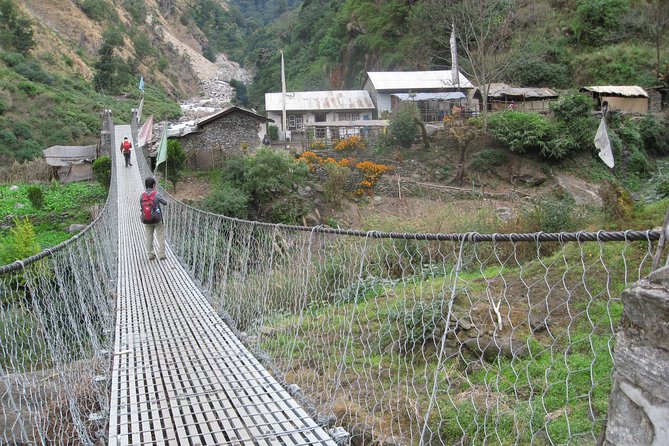
The walking begins from Syabrubesi on day two. The route enters the Langtang region through forested terrain, giving you a gradual introduction to the trek rather than an immediate high-altitude push.
This section is attractive for people who like changing scenery. You get trees, mountain air, and the sense that the busy city is far behind. It is also where your guide can begin pointing out local plants, wildlife signs, and details of the trail. Dhruba, one of the guides praised for explaining wildlife and scenery, is the sort of guide who can make this part more than a long walk through trees.
The day still requires effort. Your body is getting used to several hours of walking, and the trail is not a flat park path. Keep your daypack light and save energy for the later sections. Since the trek is private, ask your guide for a steady pace rather than trying to match someone else.
Lama Hotel is a practical overnight stop. Expect teahouse accommodation, not a luxury lodge. Clean and cozy rooms are part of the appeal here, but mountain lodging remains simple, and you should be comfortable with basic facilities.
Day three: Lama Hotel to Langtang Village
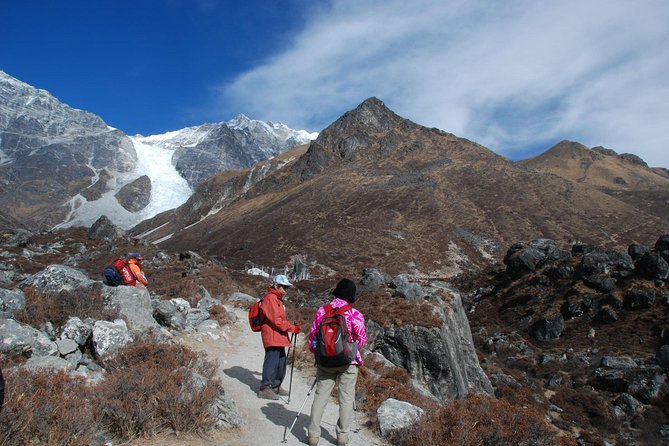
The next stage carries you farther into the valley and toward Langtang Village. The forest gradually gives way to more open mountain views, so the walk feels like a clear progression from lowland woodland to high Himalayan country.
Langtang Village is especially important in the story of the region. The trek’s connection to earthquake recovery gives your visit more weight. Your spending supports local businesses and helps preserve communities and cultural sites that suffered serious damage in 2015.
I would pay attention to the villages rather than rushing only for the next mountain view. Tamang culture is one of the strongest parts of the experience. The people are known for hospitality, and the route gives you a chance to see daily life in a mountain setting instead of simply passing through anonymous lodges.
The food also becomes part of the fun. Yak cheese, Tibetan bread, and sea buckthorn juice are repeatedly highlighted as memorable treats. They give the trek a local flavor that standard hotel meals in Kathmandu cannot match. You should still budget for snacks, tea, coffee, soft drinks, bottled water, and alcohol, since these are excluded.
More Trekking Tours in Kathmandu
- Everest Base Camp Trek – 14 Days
★ 5.0 · 1,499 reviews - Everest Base Camp Trek
★ 5.0 · 842 reviews - Everest Base Camp Trekking
★ 5.0 · 485 reviews - Annapurna Circuit Trek with Tilicho Lake
★ 5.0 · 368 reviews
Day four: Langtang Village to Kyanjin Gompa
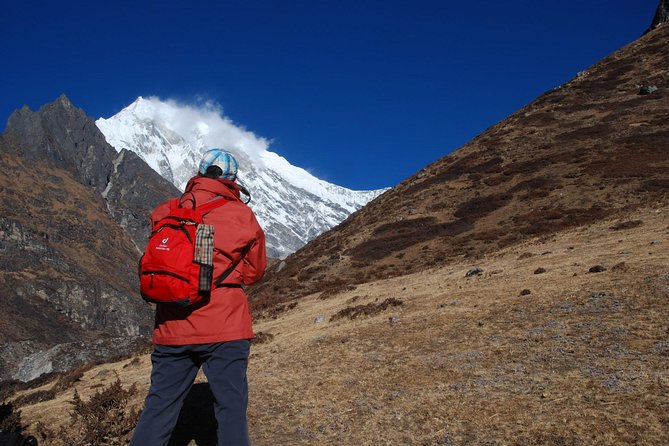
Day four takes you from Langtang Village to Kyanjin Gompa, one of the defining stops on the route. The valley opens up as you gain height, and the mountain views become more commanding.
Kyanjin Gompa adds a spiritual dimension to the trek. The area includes Buddhist religious sites, monasteries, and gompas, giving you places to pause and absorb the setting. The value here is not only photographic. These sites connect the high valley to the beliefs and traditions of the people who live there.
This is also the point where the trek feels properly alpine. You have left the lower forests behind and reached a more exposed mountain environment. The scenery can be spectacular, but the altitude and effort also become more noticeable. Walk slowly, drink regularly, and tell your guide if you feel unwell.
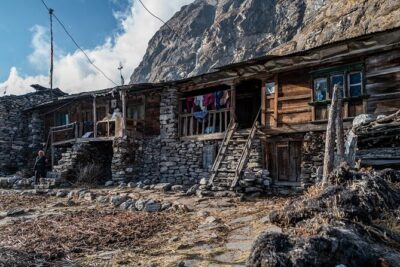
The teahouse experience matters at Kyanjin Gompa. You should expect a warm, basic place to eat and sleep, with local dishes and simple rooms. Previous itineraries have included clean, comfortable teahouses, but you should not confuse cozy with luxurious. The attraction is the setting and hospitality, not hotel-style service.
Day five: Tserko Ri and Kyanjin Ri viewpoints
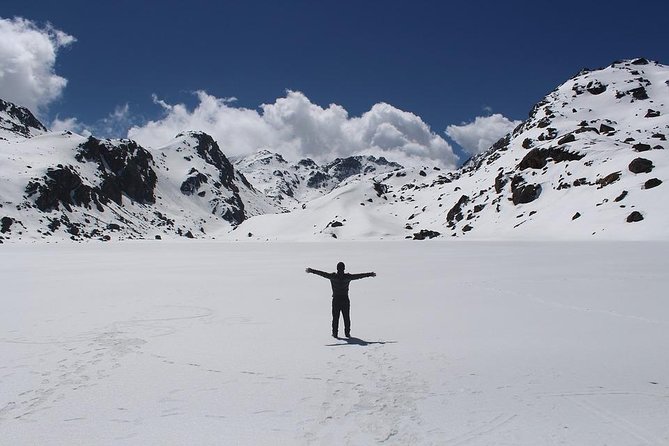
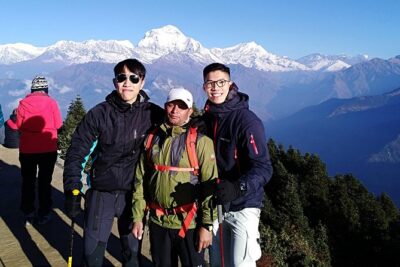
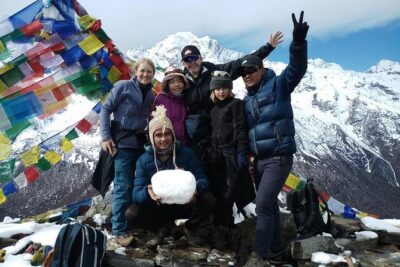
Day five is the visual high point of the itinerary. You hike toward Tserko Ri and Kyanjin Ri for panoramic Himalayan views, with Langtang Himal forming the main backdrop.
The plan offers a choice of two notable high points, but the information does not specify whether every group reaches both summits or how the day is divided. Ask your operator what your exact walking plan will be. Conditions, fitness, and weather can affect what is realistic.
This is the day that makes the moderate fitness requirement important. You are already high in the valley, and the viewpoints add steep uphill walking. The payoff is a much broader view than you get from the valley floor, but you should not judge your success only by reaching the highest possible point.
A private group helps here. Your guide can advise whether to continue, slow down, or turn back. Guides including Nima, Lhakpa, and Gopi have been praised for their care and mountain knowledge, while Dhruba has been noted for explaining the surrounding wildlife and scenery. The quality of that guidance matters most on a demanding day like this.
Snow may also appear depending on the season. One February itinerary included snowfall near Kyanjin Gompa, which changed the dry terrain into a winter scene. Weather is not guaranteed, so pack for changing conditions and understand that poor weather can force a date change or cancellation.
Day six: Returning to Lama Hotel
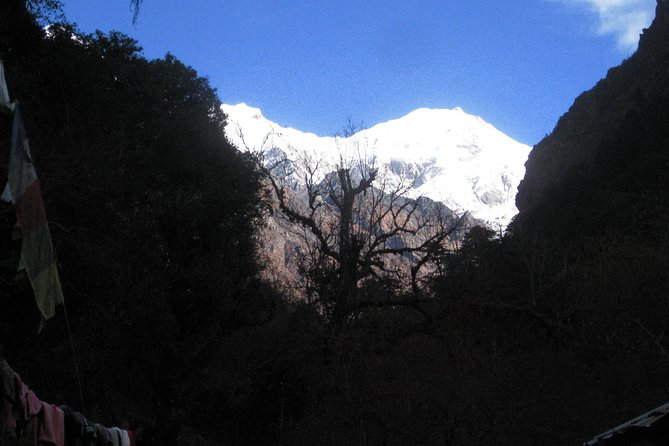
The return trek begins on day six, following the valley back toward Lama Hotel. The route is familiar, but it does not feel identical. Walking downhill gives you different sightlines, and you can notice details missed during the push toward Kyanjin Gompa.
The return is also a good test of pacing. Many people focus so hard on reaching the upper valley that they forget the descent can tire knees and feet. Use trekking poles if you have them, take breaks, and listen to your guide.
This is where the private setup again works in your favor. You are not tied to a large group’s timetable. Your guide can help manage the day so that you arrive with enough energy for the next stage rather than treating the descent as an afterthought.
Day seven: Lama Hotel to Syabrubesi
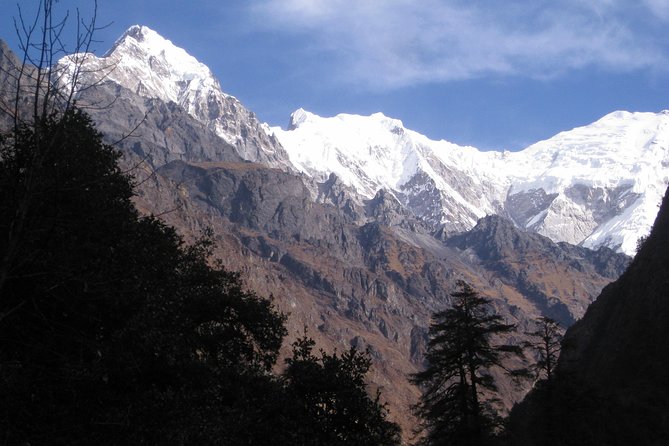
Day seven brings you back to Syabrubesi. By now, the dramatic views may be behind you, but the final walking day gives you time to reflect on the valley, the villages, and the people who made the route feel personal.
The descent also marks a clear change in climate and terrain. The forest sections feel different after the high alpine environment, and the lower valley can seem almost lush by comparison.
You spend the night near the road rather than trying to rush straight back to Kathmandu. That is a sensible plan. It separates the final trek from the long drive and gives you a buffer if weather or road conditions have caused delays.
Day eight: The road back to Kathmandu
The final day is the drive from Syabrubesi to Kathmandu. It closes the loop and returns you to the same meeting point in Sorhakhutte.
Do not plan an important flight or fixed appointment too close to the expected arrival. The trip description gives the route but no exact driving duration, and mountain roads can be unpredictable. Your best approach is to treat the final day as a transfer day with some flexibility.
Once back in Kathmandu, the contrast can be striking. Eight days earlier, you were leaving the city before sunrise. Now you have returned with a very different view of Nepal, shaped by mountain villages, Buddhist sites, forest trails, and the people who live along the valley.
Food, lodging, and what is not included
The food is a genuine strength of this trek. Local favorites include yak cheese, sea buckthorn juice, and Tibetan bread, while standard teahouse meals keep you fueled along the route. The package lists breakfast, lunch during trekking, and dinner during trekking, but because the meal wording is not fully precise, confirm whether lunch and dinner are included every trekking day or only one meal each.
Bottled water is not included. Neither are snacks, coffee, tea, soda, or alcoholic drinks. These costs can add up over eight days, especially if you prefer bottled drinks or hot beverages at every stop.
Accommodation is in teahouses. The available information points to clean and cozy places, but you should expect basic mountain lodging. This is a good fit if you value local contact and a warm bed over polished facilities.
Guides, private groups, and the human side
The operator has used guides including Dhruba, Nima, Lhakpa, Gopi, Hira, Anish, Narayan, Jiwan, and others. That list matters because a trek guide is not just someone who walks in front. Your guide handles pacing, local explanations, route decisions, and practical care from breakfast through dinner.
The strongest praise has focused on guides who are friendly, helpful, and attentive. Dhruba has been singled out for explaining wildlife and scenery. Nima is known for explaining mountain stories, local culture, and the people of the valley. Lhakpa has been praised for practical help, while Gopi has guided solo trekkers with a friendly manner.
Porters are also part of the support team on some departures, with names such as Keshab, Shyam, Thile, Rabi, and Dhiraj appearing in past arrangements. Confirm what porter support is included for your booking, since the supplied package details do not spell this out.
The private format is especially useful for solo visitors, couples, families, and small groups of friends. A family has completed the route with a nine-year-old child, but the activity officially calls for moderate fitness, so you should judge your group’s ability honestly.
Who should book the Langtang Valley Trek?
I would recommend this trek to you if you want a compact Himalayan route with a strong mix of scenery and culture. It suits people who enjoy walking, simple teahouses, local food, Buddhist sites, and a private guide rather than a large tour group.
It is also a good choice if you want your visit to support post-earthquake recovery and local communities. That purpose does not replace the need for good organization, but it adds meaning to where your money goes.
I would hesitate if you want guaranteed comfort, a short daily schedule, or a fully predictable road journey. The itinerary includes serious mountain walking, changing weather, basic lodging, and a demanding viewpoint day. It is not designed for someone seeking a relaxed resort holiday.
Should you book it?
Book this Langtang Valley Trek if you want an eight-day Himalayan experience that combines high mountain views with Tamang culture, local food, monasteries, and a private guide. The $1,050 price can represent fair value when transport, organization, guiding, and trekking arrangements are handled well, but confirm meal coverage and porter support before booking.
The most important question is not simply Can I walk for eight days? It is Am I comfortable with basic teahouses, early starts, mountain roads, and a strenuous day toward Tserko Ri or Kyanjin Ri? If the answer is yes, Langtang offers a rewarding route with real cultural character and a strong sense of place.
FAQ
Where does the Langtang Valley Trek begin?
The stated meeting point is Sorhakhutte in Kathmandu, Nepal. The start time is 6:15 am, and pickup is offered.
How long does the trek last?
The experience lasts approximately eight days. Day one is the drive from Kathmandu to Syabrubesi, and day eight is the return drive from Syabrubesi to Kathmandu.
Is this a private tour?
Yes. Only your group participates in the activity.
What level of fitness do I need?
The activity requires a moderate physical fitness level. You should be prepared for several days of mountain walking and a demanding hike toward Tserko Ri and Kyanjin Ri.
Are meals included?
Breakfast is included, along with trekking meals listed as one lunch and one dinner. The meal wording should be confirmed with the operator before booking so you know exactly what is covered each day.
Are drinks and snacks included?
No. Bottled water, snacks, coffee, tea, soda, and alcoholic drinks are not included.
What happens if bad weather cancels the trek?
If poor weather causes cancellation, you will be offered a different date or a full refund. Free cancellation is also available when you cancel at least 24 hours before the experience start time.
Latest treks added in Kathmandu
- Private Manaslu Circuit Trek at Himalayas★ 5.0 · 3 reviews
- Ghorepani Poonhill Trek★ 5.0 · 5 reviews
- Ghorepani Poon Hill Trek★ 5.0 · 16 reviews
- Upper Mustang Trekking★ 3.0 · 2 reviews
- Amazing 1 Day Trekking Experience in Kathmandu Nepal★ 5.0 · 24 reviews
- Upper Mustang Trekking★ 5.0 · 2 reviews
- Upper Mustang Trek★ 5.0 · 5 reviews
- Upper Mustang Trekking★ 5.0 · 4 reviews
Langtang Valley Treks, compared.
Trekking in Annapurna/Langtang/Everest/Upper Mustang regions
Read our review →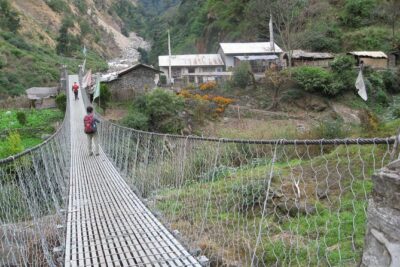
Browse the lists this tour appears in