
REVIEW · SOUTH KOREA
Korean Cemetery and Folklore Trek
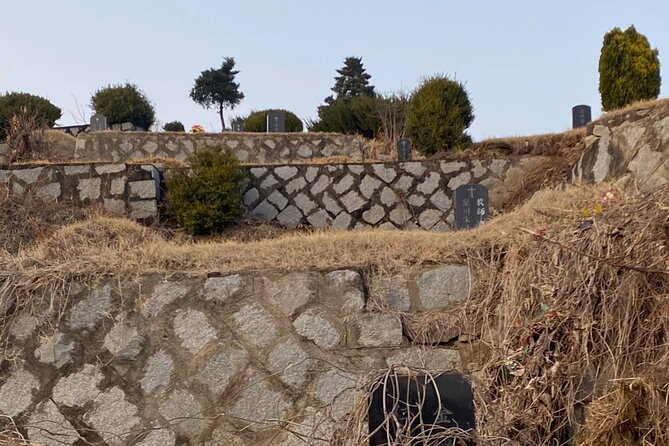
An active cemetery in the Korean mountains may be the most unexpected cultural experience you add to a Seoul trip. At Yongmi-ri Cemetery, you leave the city behind and walk through a quiet setting while learning how Korean traditions view death, burial, family, and the afterlife.
I like the small group of no more than six and the fact that public bus fare is included between the meeting point and cemetery. I also like the personal angle: guide Shawn combines research with his own experience, giving the stories more feeling than a standard sightseeing script.
The main drawback is the narrow season. This tour runs only from September through November, and the walk requires moderate physical fitness. Weather can also cancel the outing, so keep some flexibility in your Seoul schedule.
Key points to know before booking
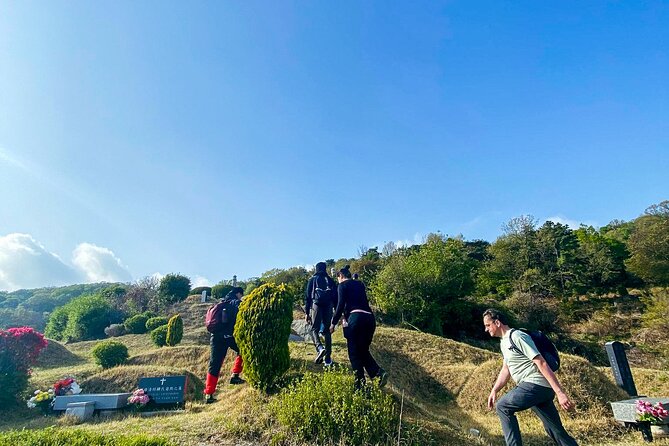
- Yongmi-ri Cemetery is an active cemetery, not a staged cultural attraction, so respectful behavior matters.
- The tour starts at 2:30 pm at Samsong Station Exit 8 and returns to that same meeting point.
- Guide Shawn brings personal insight to Korean folklore, burial customs, and beliefs about the afterlife.
- Public bus fare is included, but private transportation is not.
- The four-hour outing runs only from September through November, with weather affecting departures.
- A 5.0 rating from 41 reviews and a 100 percent recommendation rate point to a consistently well-received experience.
Why a cemetery walk can teach you more than another Seoul landmark
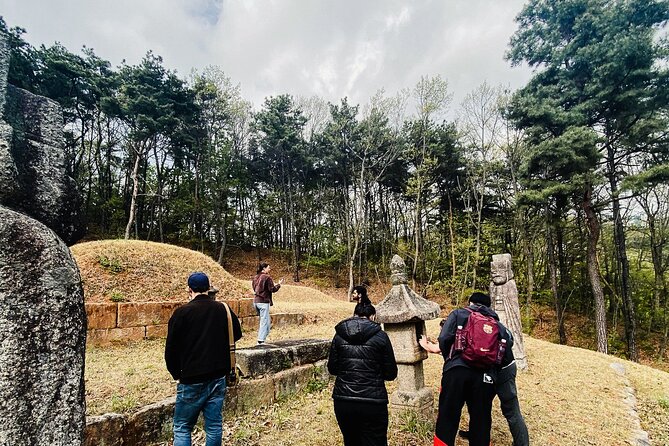
Seoul is full of palaces, markets, towers, and shopping streets. Those places matter, but they mainly show you Korea’s public face. A visit to Yongmi-ri Cemetery offers something quieter and more personal: a look at how people honor the dead and understand what comes after life.
The setting also changes the pace of your day. Instead of moving from one busy sight to another, you spend about four hours walking in a peaceful mountain area. The calm is part of the lesson. It gives you room to listen, notice, and think.
This is not a tour built around dramatic monuments or a long checklist of photo stops. Its value comes from context. Your guide explains the customs and stories that surround the graves, then connects them to Korean folklore and ideas about the afterlife.
That makes the experience best for you if you enjoy cultural conversations and less familiar subjects. If you prefer fast sightseeing, famous buildings, or a tightly packed schedule, this may feel too quiet.
More Trekking Tours in the world
- Mount Etna: Trek to 3000m with cable car and 4×4
★ 4.6 · 3,823 reviews - Bali: Mount Batur Sunrise Trek With Guide and Breakfast
★ 4.8 · 3,461 reviews - From Chania: Full-Day Samaria Gorge Trek Excursion & Guide
★ 4.6 · 3,191 reviews
Meeting at Samsong Station at 2:30 pm
The tour begins at Samsong Station Exit 8 in Goyang-si, north of central Seoul. You need to reach the station on your own, but the public bus ride between the meeting point and the cemetery is included in the tour price.
That arrangement keeps the outing reasonably simple without charging you for a private vehicle. It also makes the journey part of the experience. You are not sealed inside a tour van with only a passing view of the area. Instead, you use local public transport as part of the route.
Because the start time is fixed at 2:30 pm, allow enough time to reach Samsong Station and find Exit 8. The tour ends back at the same meeting point after roughly four hours.
The return point is helpful if you plan dinner or another evening activity in Seoul. Still, I would avoid scheduling anything that requires a precise arrival time. Public buses and a cemetery walk are not the right mix for a rushed connection.
Walking through Yongmi-ri Cemetery
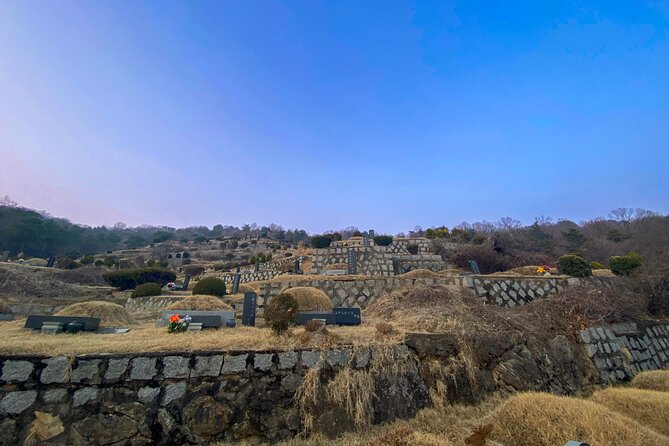
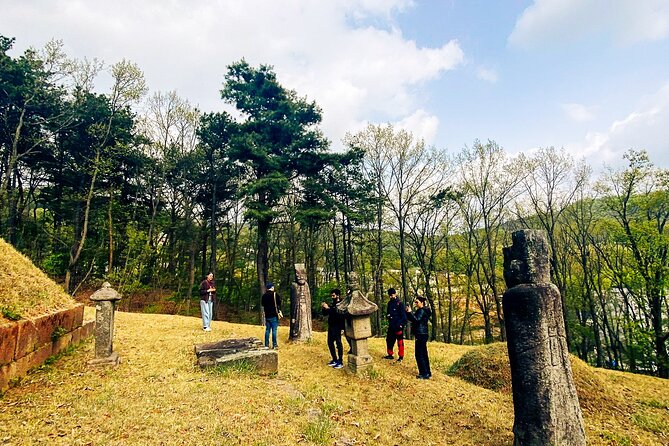
The main stop is Yongmi-ri Cemetery, where your guide leads a respectful tour through an active burial site. This distinction matters. You are not entering a museum exhibit or a recreation made for sightseeing. People still have family and emotional ties to this place.
You should treat the setting as you would any working cemetery at home. Keep your voice low, follow the guide’s instructions, and avoid treating graves as casual photo props. The tour’s purpose is understanding, not spectacle.
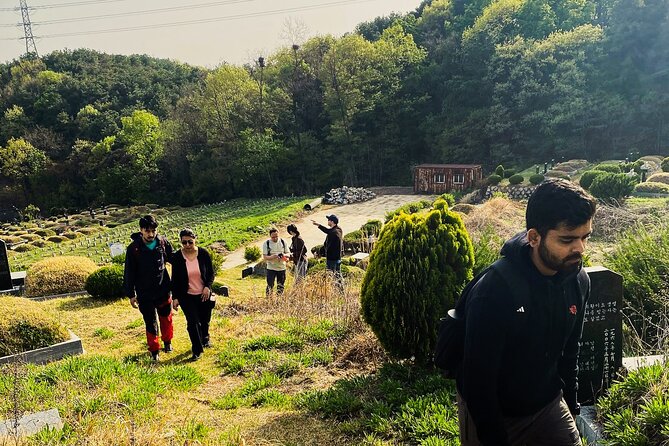
The cemetery’s mountain setting helps explain why this stop feels different from central Seoul. You get a break from traffic, crowds, and commercial streets. The quiet allows the guide to focus on stories and traditions rather than trying to compete with city noise.
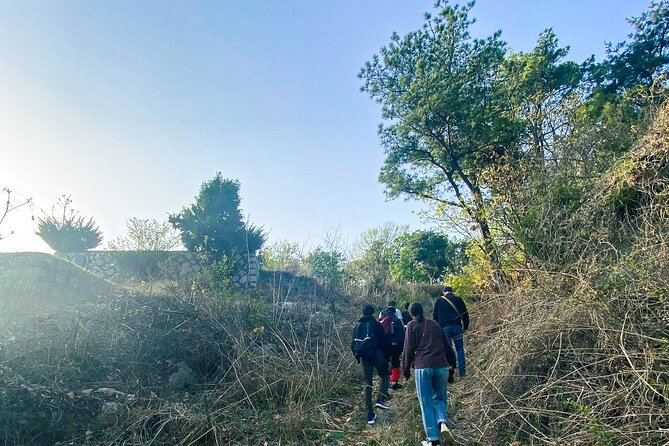
The information provided does not give a precise walking distance, trail grade, or number of steps. You should therefore expect a real walk rather than a fully accessible sightseeing stop. The stated moderate fitness requirement is important, especially if you have trouble walking on uneven ground or for several hours.
Korean burial customs, folklore, and the afterlife
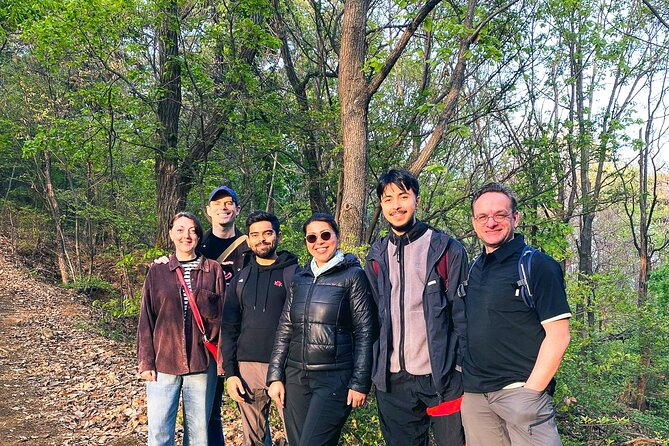
The guide’s main role is to explain the traditions connected with the dead. Topics include Korean burial customs, local folklore, legends, and beliefs about the afterlife.
This combination gives the outing more range than a basic cemetery tour. Customs show you what people do. Folklore helps explain the stories passed from one generation to another. Beliefs about the afterlife add a personal and spiritual layer.
Shawn is specifically praised for combining research with personal experience. That mix can make a difficult subject easier to understand. You get factual background, but you also hear how the traditions connect to real life rather than existing only in a textbook.
I would approach the tour with curiosity instead of expecting one simple explanation of Korean beliefs. Customs can vary by family, region, and time. The experience is most useful when you listen for the ideas behind the practices, such as respect for ancestors, the place of family, and the ways people make sense of death.
The folklore element also gives the walk a human scale. Legends are not just extra stories added to fill time. They can show how communities explain places, fears, duties, and the unknown.
Another trail to compare in the world:
- Mount Etna: Summit Crater Trek with Cable Car
★ 4.8 · 1,875 reviews - La Palma: Tajogaite Volcano Guided Trek
★ 4.8 · 1,810 reviews - Etna: summit craters trekking with volcano guide 3350mt
★ 4.7 · 1,712 reviews - From Rethymno: Samaria Gorge Full-Day Trek, Pickup & Guide
★ 4.5 · 1,610 reviews
What the small group changes
With a maximum of six people, the outing has a more personal feel than a large bus tour. You can hear the guide more easily, ask questions, and stay engaged with the subject.
A small group matters even more in a cemetery. A large crowd could make the setting feel intrusive. Six or fewer people lets the guide manage the pace and maintain a respectful atmosphere.
The group limit also suits the material. This is not a performance with a microphone and a fixed script. You may want clarification about a custom or ask how a legend fits into Korean culture. A small group gives those questions room.
The tradeoff is that small tours can sell out. This experience is booked an average of 73 days ahead, which suggests that planning early is wise, especially since the operating season is limited to three months.
Is $66 a fair price?
The cost is $66 per person. That is more than you would pay to visit a free public site on your own, but this is not simply an entrance ticket.
Your price covers the guide, all fees and taxes, and public bus fare to and from the meeting point. It also buys a four-hour cultural experience with a group capped at six people. Since Yongmi-ri Cemetery is an active site rather than a standard tourist attraction, the guide’s interpretation is the central value.
I see the price as fair if you want context you would be unlikely to gain by wandering around alone. Without a guide, you might see a quiet cemetery, but you would miss the explanations about burial customs, folklore, and the afterlife.
The value is weaker if you want a scenic hike with lots of viewpoints or a broad tour of Korean history. The experience focuses closely on one subject. You are paying for depth, access to an uncommon setting, and a conversation with a guide, not a long list of attractions.
Private transportation is not included. You use public buses instead, which keeps the cost down but means you should be comfortable following the meeting instructions and traveling as part of a small walking group.
Why the September to November season matters
The tour operates only from September through November. That is a real limitation, but it also shapes the character of the outing.
An autumn schedule can make a mountain cemetery especially pleasant for walking, though the available information does not promise a particular level of foliage or a specific view. You should book it as a seasonal cultural walk, not as a guaranteed fall-color excursion.
Weather matters. The experience requires good conditions and may be canceled if the weather is poor. If that happens, you are offered another date or a full refund.
I would place this tour somewhere in the middle of your Seoul plans rather than at the end of a tightly packed itinerary. Give yourself flexibility around the date, and avoid building an important dinner reservation or train departure immediately after the expected finish.
Who will enjoy this experience most
I would recommend the tour to you if you like:
- Local customs that are rarely part of standard sightseeing
- Small groups and plenty of time to ask questions
- Folklore, legends, and spiritual traditions
- Quiet walking experiences outside central Seoul
- Guides who add personal insight to historical and cultural material
- A slower afternoon with time for reflection
It may not suit you if you want a famous landmark, an intense hike, or a purely scenic outing. It may also be a poor choice if you are uncomfortable visiting an active cemetery or if moderate physical activity is difficult for you.
Families should think about the subject matter and the walking requirement before booking. The available information confirms that service animals are allowed and that the tour is near public transportation, but it does not provide detailed accessibility information for the cemetery route itself.
Practical details that affect your day
The tour lasts about four hours and starts at 2:30 pm. It ends where it begins, at Samsong Station Exit 8.
A mobile ticket is available, and confirmation is provided when you book. The activity is near public transportation, but private transportation is not part of the package.
You can cancel for a full refund up to 24 hours before the start time. Cancellations or changes made less than 24 hours ahead are not refunded or accepted. The cut-off follows local time, so keep that in mind if you are booking from another country.
Since poor weather can cancel the experience, check your messages before leaving for the meeting point. If conditions force a cancellation, you can choose another date or receive a full refund.
My take on the guide and the tone of the tour
The strongest part of this experience appears to be its human touch. Shawn is praised for bringing together careful research and personal experience, which is especially useful for a subject that can otherwise feel distant or overly academic.
That detail helps set expectations. You are not signing up for a generic walk with a guide who simply points out graves. You are signing up for explanations, stories, and a personal reading of Korean customs.
The tone should still be respectful and measured. A cemetery is not the place for forced humor or theatrical storytelling. The appeal lies in the guide’s ability to make the subject understandable while honoring the people and families connected to the site.
The perfect audience is someone willing to listen and reflect. If that sounds like you, the guide’s approach is likely to be more valuable than a standard sightseeing commentary.
Should you book the Korean Cemetery and Folklore Trek?
Book it if you want a side of Korea that most short Seoul itineraries skip. The active cemetery, mountain setting, local bus ride, and small group create a thoughtful afternoon away from the city’s usual attractions.
I especially like the combination of rare access and strong guide interpretation. You are not simply looking at a cemetery. You are learning how Korean customs, legends, and ideas about death fit together.
Skip it if you need a highly predictable outdoor activity, dislike cemetery visits, or cannot manage a moderate walk. The three-month season and weather rule also require planning.
For the right person, $66 is a sensible price for a four-hour, six-person experience that offers something difficult to find on your own. Book early, arrive at Samsong Station with time to spare, and treat the setting with the respect it deserves.
FAQ
Where does the Korean Cemetery and Folklore Trek begin?
The tour begins at Samsong Station Exit 8 in Goyang-si, South Korea.
What time does the tour start?
The scheduled start time is 2:30 pm.
How long does the experience last?
The tour lasts approximately four hours and ends back at the meeting point.
Is transportation included?
Public bus fare between the meeting point and the cemetery is included. Private transportation is not included.
How large is the tour group?
The activity accepts a maximum of six travelers.
When does the tour operate?
This seasonal experience runs from September through November. It also requires good weather. If poor weather causes a cancellation, you are offered another date or a full refund.
Latest treks added in the world
- 5 Days Desert Trekking from Marrakech★ 5.0 · 16 reviews
- 3 days Toubkal Trek from Marrakech★ 5.0 · 4 reviews
- Elite Experience Atlas Mountains Day Trekking★ 5.0 · 7 reviews
- 3 Days Berber Villages Trek – Authentic Atlas Mountain Experience★ 5.0 · 4 reviews
- Morocco Desert Trek 4 Days: 2 days on foot in Morocco★ 5.0 · 2 reviews
- Atlas Mauntains and 3 Valleys Trek★ 5.0 · 6 reviews
- Atlas Mountains Valley Trek – 3 Days★ 5.0 · 29 reviews
- 5-day Jebel M’goun trek★ 5.0 · 2 reviews
Trekking Tours, compared.
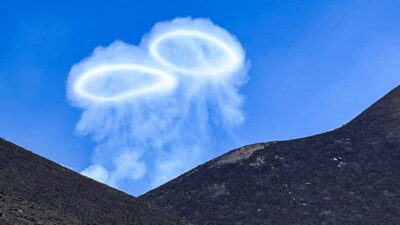
Mount Etna: Trek to 3000m with cable car and 4×4
Read our review →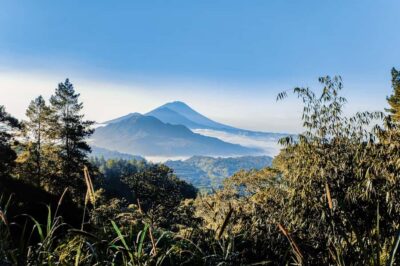
Mount Batur Sunrise Trek With Guide and Breakfast
Read our review →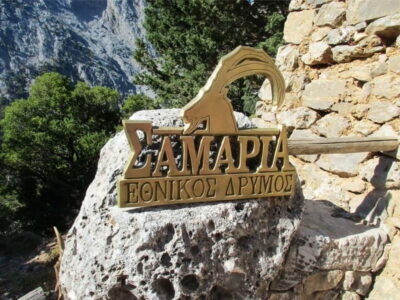
From Chania: Full-Day Samaria Gorge Trek Excursion & Guide
Read our review →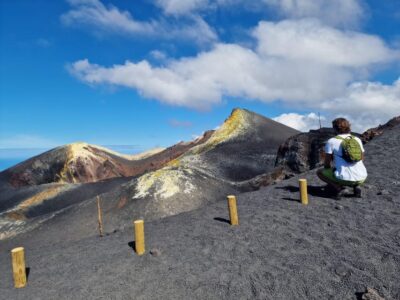
Etna: summit craters trekking with volcano guide 3350mt
Read our review →
From Rethymno: Samaria Gorge Full-Day Trek, Pickup & Guide
Read our review →
Mount Etna Trekking Tour Beyond the Tourist Trails
Read our review →